Pallet jacks were fundamental tools for short-distance movement of palletized loads in warehouses, retail, and logistics hubs. Manual and electric designs used different power sources and duty profiles but shared common geometry and stability constraints. OSHA regulations classified electric pallet jacks as powered industrial trucks, which triggered formal training, evaluation, and documentation duties for employers. This article outlined pallet jack types and use cases, OSHA classification and legal obligations, inspection and maintenance practices, and a consolidated view of best practices and compliance priorities for safe, efficient operation.
Pallet Jack Types, Duty Cycles, And Use Cases

Pallet jacks moved palletized loads over short distances in warehouses, retail floors, and docks. Engineers and safety managers selected between manual and electric designs based on load profile, duty cycle, and environment. Correct matching of type to use case reduced ergonomic risk, improved throughput, and extended equipment life. This section framed those decisions using mechanical design, capacity, and integration criteria.
Manual Vs. Electric: Mechanical Design Differences
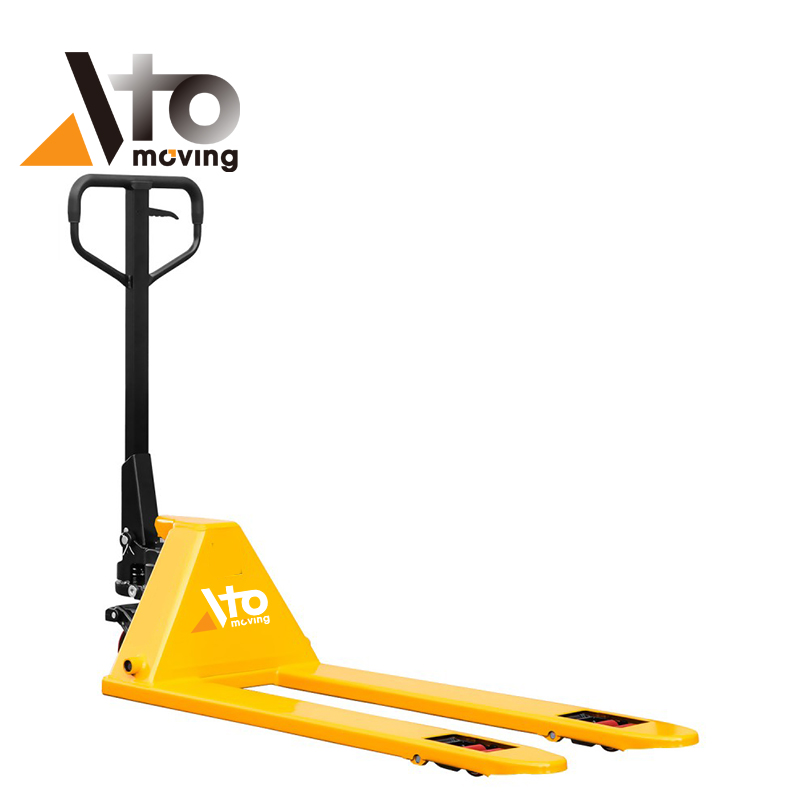
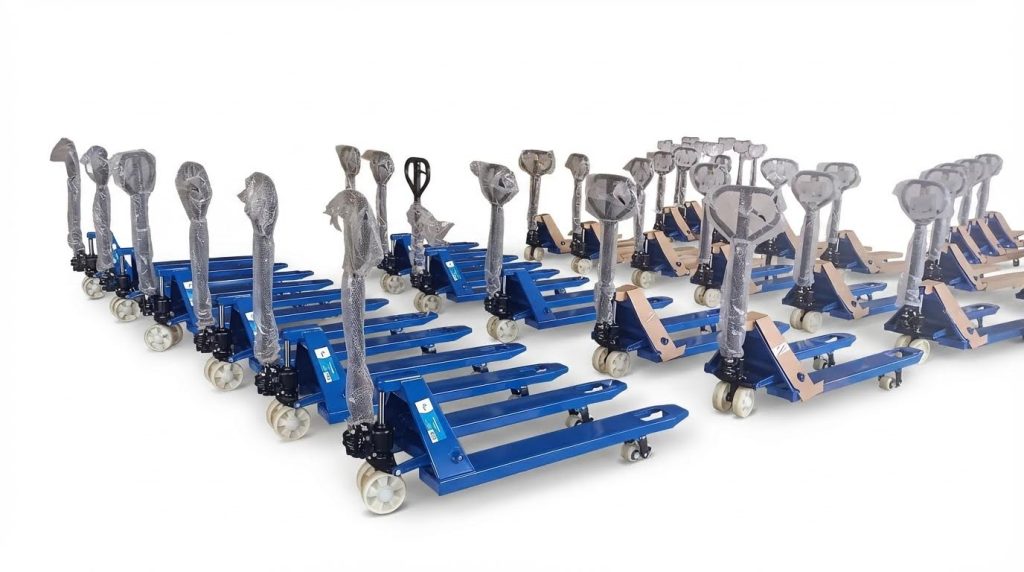
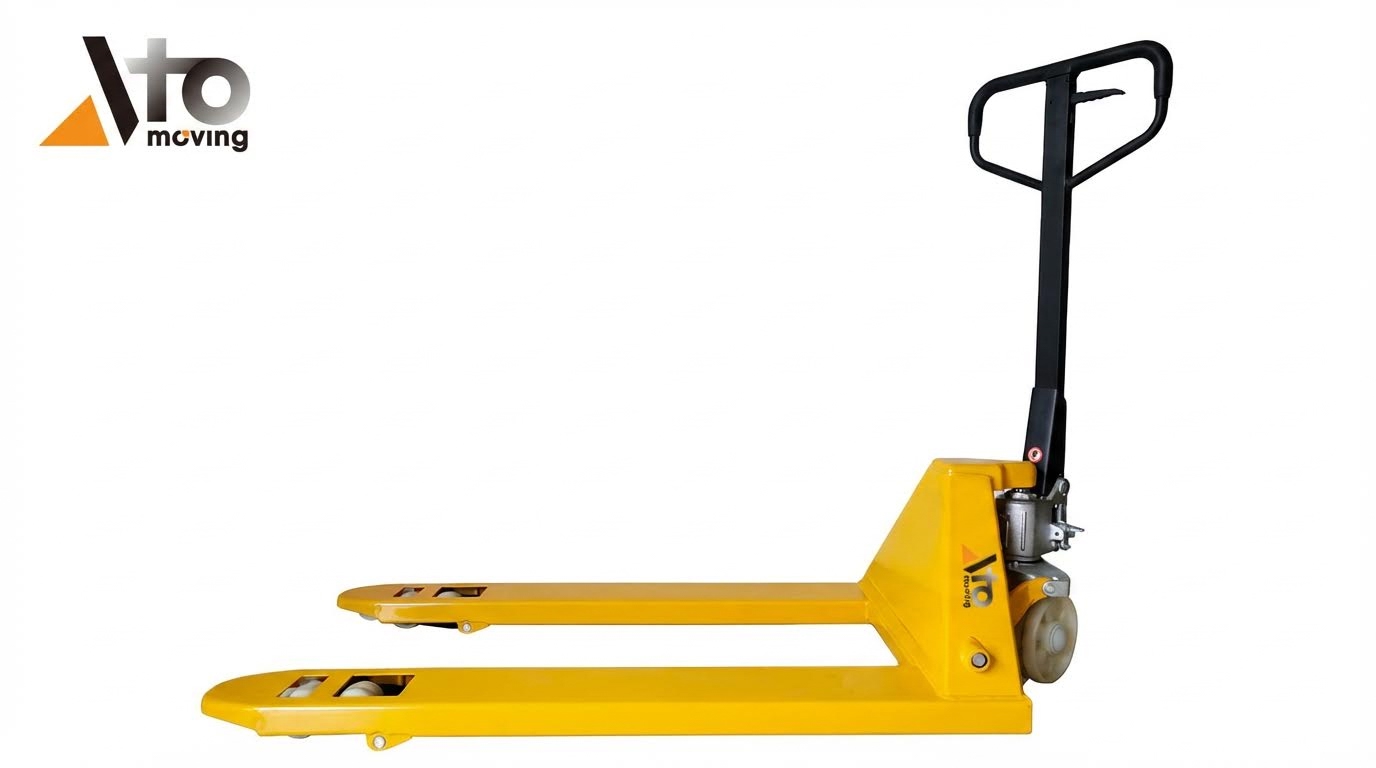
Manual pallet jacks used a mechanical pump and operator muscle to raise loads via a hydraulic cylinder. The operator applied force through a steel control handle that actuated a small-displacement pump; each stroke increased hydraulic pressure and lifted the forks. Typical configurations included a 2500 kg load rating, fork width around 520 mm, and fork lengths from 0.8 m up to about 2.0 m or more. Two larger steer wheels and multiple smaller fork wheels, often polyurethane, distributed loads and reduced rolling resistance on smooth floors.
Electric pallet jacks replaced human push and pump forces with an electric traction motor and a powered lift motor. Typical specifications included lifting capacities between 1000 kg and 2500 kg, fork dimensions near 60 × 184 × 1200 mm, and a load center around 600 mm. An AC walking motor of roughly 1.3 kW and a lift motor near 2.2 kW drew power from a 24 V battery around 150 Ah. Control architecture included a tiller head with travel, lift, and lower controls, integrated braking, and often an emergency stop, which supported higher duty cycles and reduced operator fatigue.
These mechanical differences drove divergent ergonomic and productivity profiles. Manual units suited intermittent handling, short pushes, and lighter pallets on flat floors where operator strength remained adequate. Electric units suited continuous multi-shift operation, longer horizontal travel, heavier pallets, and environments that required controlled acceleration, braking, and consistent speeds for standardized workflows.
Load Capacity, Geometry, And Stability Limits
Load capacity and geometry governed how safely a pallet jack transported materials. Manual pallet jacks typically supported 1–5 tonnes, with common models rated at 2500 kg, while electric models often ranged from 1000 kg to 2500 kg, with some designs exceeding 5000 pounds. Engineers specified capacity at a defined load center, often 600 mm from the fork heel, assuming the load’s center of mass sat centrally on both forks. Exceeding this rating or shifting the center of mass forward increased front axle loading and reduced stability margins.
Fork length and width also influenced stability and maneuverability. Longer forks, up to about 3.5 m, allowed handling of oversized pallets or double pallets but increased turning radius and side-swipe risk in narrow aisles. Wider forks improved lateral stability but had to match pallet stringer spacing to avoid interference. Wheelbase, wheel diameter, and fork lowered height, typically around 88–120 mm, defined ramp performance and clearance over dock plates.
Stability limits depended on the combined geometry of the load, forks, and wheel layout. High-stacked or top-heavy loads raised the center of gravity, increasing tipping risk during cornering or on ramps. Operators needed to keep loads low, centered, and within rated capacity, and supervisors had to select jack types that matched pallet geometry, aisle width, and required turning radius, such as around 1707 mm for a typical electric model.
Environmental Constraints: Cold Rooms To Docks
Operating environments strongly affected pallet jack selection and configuration. In cold rooms and freezers, low temperatures increased hydraulic oil viscosity, stiffened seals, and reduced battery performance in electric units. Manual pallet jacks with appropriate low-temperature hydraulic fluids and corrosion-resistant finishes performed reliably, provided users inspected for condensation-related rust and seal hardening. Electric pallet jacks in cold storage required insulated or heated battery compartments, cold-rated electronics, and careful charging strategies outside the cold zone to maintain capacity.
On loading docks and ramps, surface irregularities, moisture, and gradients became dominant constraints. Manual pallet jacks operated safely on short, moderate slopes when operators stayed above the load and avoided turning on ramps, as safety guidelines recommended. Electric pallet jacks offered controlled traction and braking but still required flat, clean dock plates and adherence to rated
OSHA Classification, Training, And Legal Duties

OSHA treated pallet jacks differently depending on their power source and risk profile. Electric pallet jacks fell under the powered industrial truck framework, while manual units did not. Understanding this boundary condition helped facilities build compliant training and documentation systems. It also reduced legal exposure during incident investigations and regulatory audits.
Class III Powered Trucks: Scope Of 29 CFR 1910.178
OSHA classified electric pallet jacks as Class III powered industrial trucks under 29 CFR 1910.178. This classification covered low-lift and hand-rider trucks powered by electric motors, not manually propelled equipment. As a result, electric pallet jacks had to meet requirements for design, maintenance, operation, and operator training specified in this standard. Manual pallet jacks remained outside the powered industrial truck scope, although general duty and hazard control provisions still applied. Facilities therefore had to distinguish clearly between powered and non-powered units in their written programs and risk assessments. This distinction affected who needed certification, what inspections were mandatory, and how incidents were documented.
Operator Training, Evaluation, And Recertification
OSHA required that only trained and certified operators aged at least 18 years operated electric pallet jacks. Certification involved formal instruction, practical training, and an employer-led evaluation in the actual or simulated workplace. Online courses could deliver the theory component, but employers still had to verify hands-on competence on their specific truck models and layouts. Evaluations had to address load limits, speed control, pedestrian interaction, and site-specific hazards. OSHA mandated reevaluation at least every three years, or sooner after incidents, near misses, or unsafe operation. Manual pallet jack users did not need formal certification, but employers still had to provide task-appropriate training under the general duty clause.
Operating Rules: Ramps, Elevators, And Aisle Safety
OSHA’s operating rules for powered industrial trucks applied directly to electric pallet jacks. Operators had to respect rated capacity, maintain safe speeds, and keep loads stable and within the truck envelope. Guidance from industry sources recommended pre-use inspections that checked forks, brakes, horn, controls, and the surrounding area for hazards. On ramps, operators had to maintain control, avoid turning on slopes, and keep the load upgrade to prevent runaways. For elevators, operators had to verify that the structure supported the combined weight of truck, load, and personnel before entry. Parking rules required forks fully lowered, power secured, and clearances maintained from exits, aisles, and emergency equipment. Similar practices for manual pallet jacks reduced tip-over risk and protected pedestrian traffic in congested aisles.
Documentation, Recordkeeping, And Liability
OSHA expected employers to maintain documentation that demonstrated compliance with 29 CFR 1910.178 for electric pallet jacks. Typical records included training materials, attendance logs, evaluation forms, and three-year recertification dates. Facilities also documented pre-use inspection checklists, corrective maintenance actions, and incident or near-miss investigations. Accurate records helped prove that management had identified hazards and implemented reasonable controls. In enforcement actions or civil litigation, gaps in documentation often increased employer liability exposure. Clear separation of records for powered and manual pallet jacks avoided confusion about who required certification and which equipment fell under the PIT standard. Well-structured documentation also supported internal audits and continuous improvement of material handling safety programs.
Inspection, Maintenance, And Lifecycle Management

Inspection, maintenance, and lifecycle management determined whether pallet jacks stayed safe tools or became high-risk liabilities. Facilities that followed structured routines reduced unplanned failures and extended service life significantly. This section focused on practical checklists, component integrity checks, energy management, and emerging digital strategies that supported data-driven maintenance. It linked day-to-day shop-floor tasks with long-term asset management decisions.
Daily And Weekly Inspection Checklists
Daily checks started with a 30-second visual scan of the pallet jack before use. Operators inspected wheels for embedded debris, flat spots, or missing chunks, and scanned forks for visible bends, cracks, or misalignment. They verified that the handle pumped smoothly without jerks, and that the hydraulic unit raised and held the load without sinking. For electric pallet jacks, daily inspection also covered leaks, damaged cables, horn function, brakes, and drive and lift controls, while confirming the work area was free of obstructions.
Maintenance teams typically applied a short 3-minute cleanup routine at the end of the shift. They wiped forks and frames, removed built-up dust around wheel axles, and cleaned any spilled oil with a suitable cleaner. A 1-minute hydraulic test involved pumping the handle three times and checking for sluggish lifting, which indicated low or degraded hydraulic oil. Weekly tasks included lubricating wheels with silicone spray, oiling pivot joints, greasing the center pivot, tightening fork bolts and handle base fasteners, and conducting load and wheel spin tests to identify worn bearings early.
Hydraulic, Wheel, And Structural Integrity Checks
Hydraulic integrity checks focused on lift performance and leakage control. Technicians inspected the pump housing, cylinder, and hose connections for oil residue, rust streaks, or wet seals, which signaled internal wear. They monitored for sinking forks under a static load, since gradual settling indicated valve or seal problems that required service. Persistent leaks after fluid top-ups or seal replacement justified planning for pump or entire jack replacement.
Wheel inspections covered tread condition, concentricity, and free rotation of both load and steer wheels. Polyurethane wheels offered low rolling resistance and high durability, but developed flat spots or chunking under overloads or debris. Weekly wheel spin tests detected bearing noise, wobble, or drag, which affected maneuverability and increased ergonomic risk. Structural checks included verifying fork alignment, measuring visible bends, and inspecting welds and frame members for cracks; noticeable fork bending, misalignment, or cracked forks indicated end-of-life and mandated removal from service.
Battery Care And Energy-Efficient Electric Models
Electric pallet jacks depended on consistent battery care for reliable operation and predictable duty cycles. Operators fully charged batteries before intensive shifts, avoided repeated deep discharges, and stored units in cool, dry areas to limit thermal stress. Maintenance personnel cleaned battery terminals regularly, checked cables and connectors for insulation damage, and ensured vent caps and covers were intact. These practices reduced voltage drops under load and prevented nuisance shutdowns during peak activity.
Facilities increasingly selected electric models with higher-efficiency AC drive motors and optimized hydraulic power packs to reduce energy consumption per moved tonne. Lithium battery configurations, including easy-swap cartridge designs, minimized downtime during battery changes and supported opportunity charging during breaks. Energy-efficient models also reduced heat generation and extended component life for contactors and controllers. Documented battery care routines, paired with tracking of charge cycles and runtime, supported accurate planning for battery replacement and budgeting.
Predictive Maintenance, Telematics, And Digital Twins
Predictive maintenance approaches evolved from simple time-based intervals to data-driven decisions. Telematics modules on electric pallet jacks recorded key parameters such as travel hours, lift cycles, load estimates, fault codes, and impact events. Fleet managers used this data to identify high-utilization units, operators with frequent overloads, and locations with recurring damage patterns. They then adjusted training, traffic layouts, or load-handling procedures to reduce failures and safety incidents.
Digital twin concepts extended this by creating virtual models of pallet jack fleets that mirrored real usage and degradation trends. Engineers fed telematics data, inspection results, and maintenance history into these models to predict remaining useful life of hydraulic systems, wheels, and batteries. The models supported optimized spare parts stocking and scheduled downtime windows that matched production plans.
Summary Of Best Practices And Compliance Priorities
Pallet jack programs worked best when sites matched truck type to duty cycle, enforced OSHA rules, and institutionalized maintenance. Manual units suited short, intermittent moves on flat floors, while electric Class III trucks supported higher throughput and heavier loads with reduced operator strain. Engineering reviews of load geometry, fork dimensions, and aisle layouts reduced stability issues and collision risk. Cold rooms, docks, and congested retail areas required explicit environmental limits, wheel material selection, and speed management.
OSHA treated electric pallet jacks as powered industrial trucks under 29 CFR 1910.178, so employers had to provide formal training, practical evaluation, and 3‑year recertification. Sites that documented operator authorization, incident investigations, and pre‑use inspections reduced citations and liability exposure. Clear rules for ramps, elevators, and parking—forks lowered, capacity respected, exits unblocked—significantly lowered tip‑overs and struck‑by events. Manual pallet jack operators did not require certification, but structured safety training and PPE policies still remained a due‑diligence expectation.
Lifecycle management strategies combined short daily inspections, weekly lubrication and fastener checks, and monthly structural and hydraulic reviews. Facilities that tracked failures, wheel wear, and hydraulic leaks set objective retirement criteria and avoided catastrophic fork or bearing failures. For electric models, disciplined battery charging, terminal cleaning, and storage in dry, cool areas extended pack life and preserved travel speed. Emerging tools such as telematics and digital twins enabled data‑driven scheduling, energy optimization, and early fault detection, but they required robust data governance and integration with existing maintenance systems.