Pallet jack weight capacity defined the safe operating envelope for every manual and powered truck in logistics and manufacturing. This article examined how rated capacity, load center, and stability interacted with design features such as forks, hydraulics, drive units, and wheels. It then linked these engineering constraints to real-world selection, OSHA/OHSA compliance, inspection practices, and the use of integrated scales and digital monitoring. The final sections translated these technical and regulatory requirements into concise, field-ready guidelines for specifying, operating, and maintaining pallet jacks within safe load limits.
Defining Pallet Jack Capacity And Load Ratings

Rated Capacity, Load Center, And Stability
Rated capacity described the maximum permissible load under defined geometry and operating conditions. Manufacturers established this value using a specified load center, typically at the longitudinal midpoint of the palletized load. If the actual load center shifted forward or upward, the effective overturning moment increased and stability decreased. Engineers considered static stability, dynamic stability during braking and turning, and reserve factors against tipping. Operators therefore needed to treat rated capacity as valid only when the load sat fully supported on the forks, centered laterally, and within the specified load center distance. Any offset, overhang, or stacked configuration reduced the true safe capacity even if the nominal weight remained below the nameplate rating.
Typical Capacity Ranges By Pallet Jack Type
Manufacturers historically offered manual hand pallet jacks with capacities between about 500 kg and 5000 kg. For example, standard hand models and stainless steel variants covered discrete ratings such as 1000 kg, 1500 kg, 2000 kg, 3000 kg, and 5000 kg. Electric walkie and walkie rider pallet jacks typically handled intermediate to heavy loads, with capacities from roughly 1000 kg up to about 3600 kg. High-lift pallet jacks, which raised loads higher for ergonomic work positioning, usually had lower capacities, in the 500 kg to 1500 kg range, because higher lift heights increased bending and stability demands. Specialized units such as all-terrain or self-loading pallet jacks often accepted lower nominal capacities, for instance around 500 kg to 1000 kg, to compensate for uneven ground and additional structural complexity. Heavy-duty rider pallet trucks and tow tractors in imperial markets carried loads or towed trains equivalent to 3600 kg to over 4500 kg, but their ratings still depended on configuration and duty cycle.
Standards, Nameplates, And Regulatory Requirements
Capacity and load ratings for pallet jacks followed national and international standards that defined test methods and safety factors. These standards required verification of structural strength, hydraulic integrity, and stability at the rated capacity and specified load center. Regulatory frameworks, including OSHA and occupational health and safety acts in various regions, mandated that employers used equipment within manufacturer ratings and maintained legible capacity labels. The nameplate or capacity label had to show the maximum rated load, relevant load center, and in some cases alternative ratings for attachments or elevated forks. Inspectors evaluated forks, hydraulics, and attachments against these manufacturer specifications during periodic safety inspections. If the nameplate was missing, damaged, or illegible, regulations required replacement before the truck returned to service, because operators could not reliably judge safe limits without clear capacity information.
Engineering Factors That Determine Jack Capacity
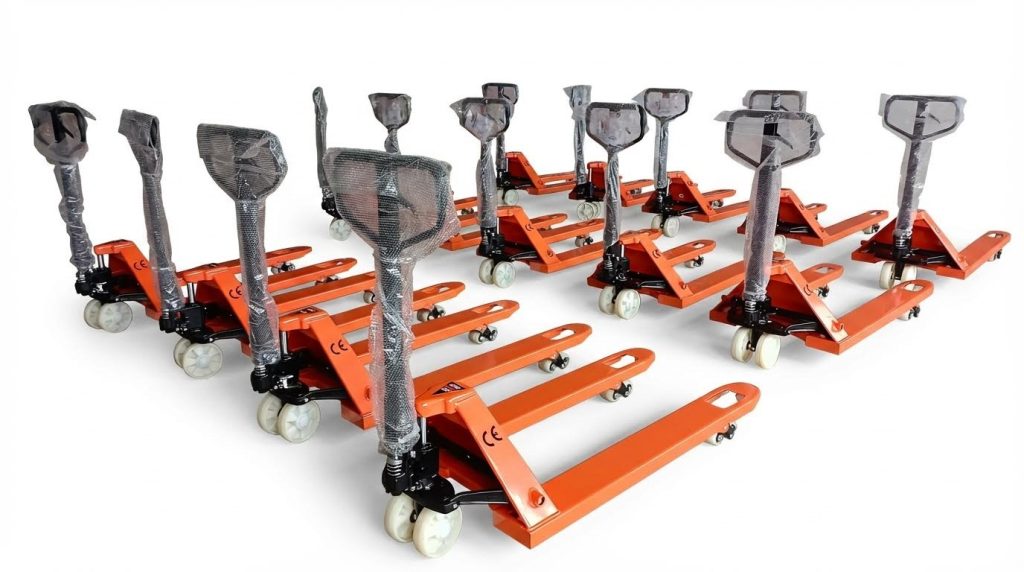
Engineering defined pallet jack capacity by combining structural strength, hydraulic performance, and stability behavior under load. Designers treated the jack as an integrated system, not a set of isolated components. Capacity ratings reflected the weakest link under worst-case load geometry, floor condition, and duty cycle. Understanding these factors helped engineers and safety managers interpret nameplate values correctly and apply realistic limits in the field.
Fork Design, Materials, And Bending Limits
Forks carried the full rated load, so engineers designed them as beams in bending. They selected high-strength low-alloy steels and controlled yield strength, typically above 250 megapascals, to keep stresses below elastic limits at the specified load center. Section geometry mattered as much as material; closed or channel sections with generous radii reduced stress concentrations and delayed local buckling. Designers validated fork dimensions using finite element analysis and physical tests, including static overload tests and cyclic bending, to ensure adequate safety factors against permanent deformation. Excessive tip loading, off-center pallets, or impact against racking could still exceed bending limits even when the gross load stayed below the nameplate rating.
Hydraulics, Drive Units, And Structural Fatigue
The hydraulic circuit defined the lifting capability and strongly influenced the rated capacity. Engineers sized the pump, cylinder bore, seals, and valves so that maximum system pressure under rated load remained below the design pressure with an appropriate safety margin. Drift tests checked that cylinders held position under load without internal leakage, which otherwise reduced effective capacity and created creep hazards. In powered pallet jacks, drive units and gearboxes had to transmit tractive effort for fully loaded starts on ramps without overheating or gear pitting. Repeated loading cycles introduced fatigue in welds, mast interfaces on high-lift models, and handle mounts. Manufacturers therefore applied fatigue design curves and accelerated life tests to establish duty-cycle based ratings, ensuring that jacks operating near capacity in multi-shift environments still met service life expectations.
Wheels, Tires, And Floor Conditions Under Load
Wheels and tires limited usable capacity through contact stress, rolling resistance, and stability behavior. Polyurethane or solid rubber load wheels had specific load ratings per wheel; engineers calculated combined capacity and ensured that point loads on the floor stayed within building design limits. Flat spots, cracks, or worn treads increased rolling resistance and introduced vibration, which elevated dynamic loads in the frame and forks. Floor conditions, including joints, ruts, and slopes, changed effective capacity because they generated impact loads and shifted the load center during travel. Rough or outdoor use often required larger-diameter or pneumatic tires to reduce contact pressure and maintain control, but these changes also altered ride height and stability, which engineers accounted for in the original capacity rating.
Battery Weight, Attachments, And Effective Capacity
In electric pallet jacks, battery mass formed a critical part of the counterweight system and stability calculation. Engineers specified a minimum and maximum battery weight so that the truck’s center of gravity stayed within the stability triangle under rated load at the defined load center. Using a lighter, non-approved battery reduced counterweight and could lower the true safe capacity below the nameplate value. Attachments such as scales, longer forks, or specialized clamps changed both the load center and total mass distribution. Standards therefore required updated nameplates when attachments altered rated capacity, often reducing allowable load to keep structural stresses and tipping moments within design limits. In practice, engineers and fleet managers treated battery configuration and attachments as part of the capacity system, not as interchangeable accessories.
Selecting And Managing Capacity In Real Operations

Matching Capacity To Application And Industry Use
Engineers matched pallet jack capacity to the heaviest routine load, not rare peak loads. They defined this load including pallet mass, packaging, and any added fixtures. For logistics and dock work, typical rated capacities ranged from 2 000 kg to 3 600 kg, covering mixed freight and general merchandise. Food, beverage, and cold-chain facilities often used electric pallet jacks with 1 000 kg to 3 000 kg ratings to balance maneuverability and hygiene requirements.
Outdoor yards and construction sites favored all-terrain or pneumatic-tire pallet jacks, usually around 1 000 kg capacity, because surface conditions limited practical loads. High-lift or work-positioning pallet jacks operated at lower capacities, commonly 500 kg to 1 500 kg, due to higher load centers and stability constraints. Planners also considered duty cycle: rider and heavy-duty walkie units with capacities up to about 3 600 kg to 3 600+ kg supported continuous dock work. Capacity selection always accounted for future throughput growth and potential changes in unit load design.
Safety Margins, Overload Risks, And OSHA Compliance
Safety programs treated the nameplate capacity as an absolute limit, not a target. Engineers typically applied a planning margin, such as limiting routine loads to 80% to 90% of rated capacity. This margin covered weight uncertainty, moisture gain, and minor pallet damage. Overloading increased fork deflection, hydraulic pressure, and bearing loads, which accelerated fatigue and raised tipping risk, particularly when the load center shifted forward.
OSHA and national OH&S regulations required employers to use powered industrial trucks within manufacturer ratings and to train operators on load limits and stability. Sites documented procedures for handling borderline loads, including splitting shipments or using higher-capacity equipment. Supervisors enforced rules against stacking extra freight on already full pallets to “save trips.” Incident investigations often traced near-misses to marginal overloads combined with poor floor conditions or ramp travel, highlighting the need for conservative loading practices.
Inspection, Drift Tests, And Preventive Maintenance
Capacity management relied on systematic inspection and maintenance. Pre-shift checks covered forks, welds, and hydraulic components for cracks, bends, leaks, or abnormal corrosion. Technicians inspected load wheels and steer wheels for flat spots, broken treads, or loose fasteners, because localized damage reduced effective capacity and stability. They verified that capacity and load-center labels remained legible; missing labels triggered immediate tagging out of service.
Periodic maintenance programs included hydraulic drift tests, confirming the load did not sink under static conditions within specified limits. Excessive drift indicated internal leakage or cylinder wear that could reduce functional capacity and compromise safety. Maintenance teams followed manufacturer schedules for lubricating axles, linkages, and mast components on units with lift masts. They also assessed floor quality, repairing ruts and broken joints that increased dynamic loading on wheels and frames. Documented inspection records supported compliance with OHSA-type requirements for capacity-related checks.
Digital Tools, Scales, And Predictive Monitoring
Operations increasingly used digital tools to control pallet jack loading. Integrated scale pallet jacks allowed operators to verify load mass against rated capacity before travel, reducing guesswork. Some facilities installed dock or in-aisle floor scales as check points for high-value or dense products. Electric pallet jacks with onboard displays could log load weights, travel distances, and impact events, feeding fleet-management software.
Predictive monitoring systems analyzed these data to identify overloading patterns, such as frequent operation above 90% of capacity on specific routes. Engineers used this information to adjust slotting, change equipment mix, or reinforce flooring. Telematics also tracked hydraulic lift times and motor current, which shifted when components wore or when operators regularly overloaded trucks. Integrating these digital signals with maintenance planning improved uptime and helped keep real-world operating capacity aligned with nameplate ratings over the equipment life.
Summary: Practical Guidelines For Pallet Jack Capacity
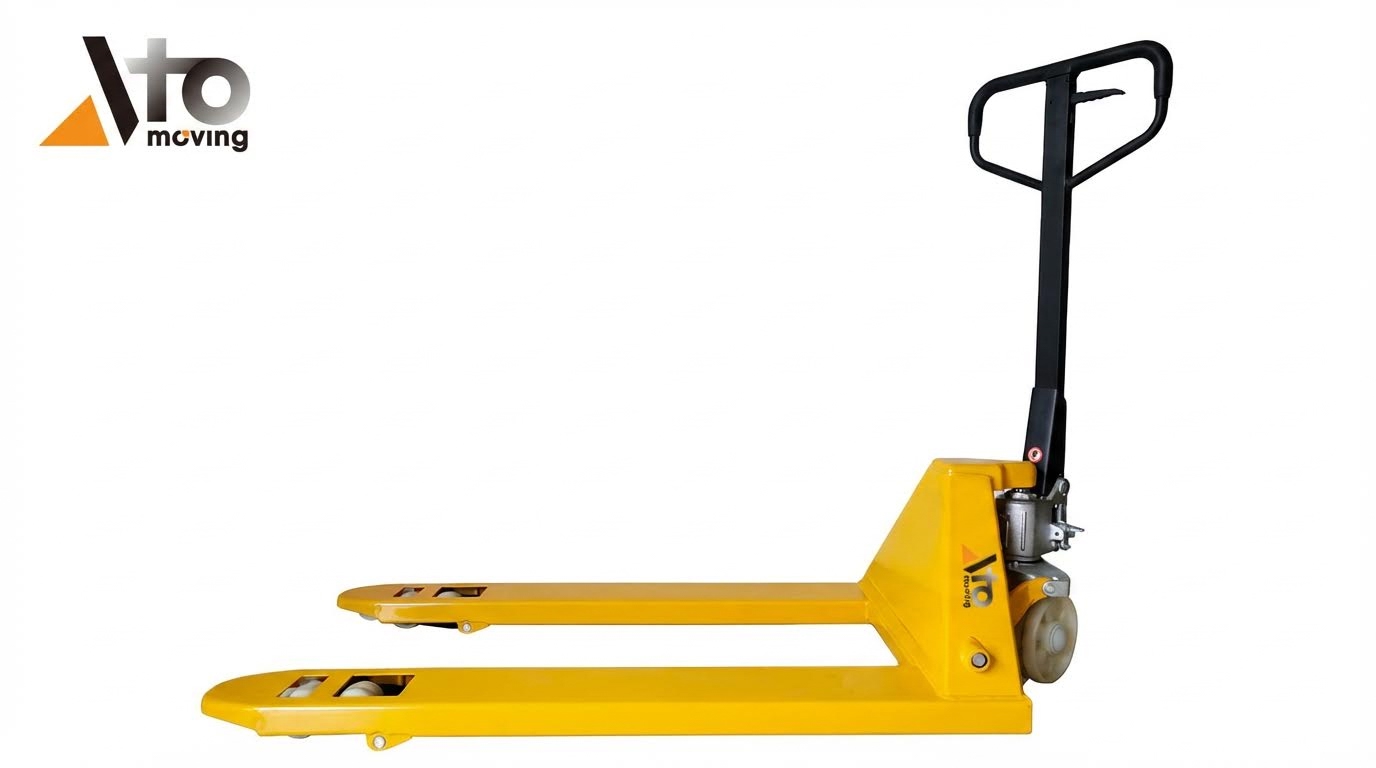
Pallet jack capacity management required an engineering view of rated load, load center, and stability. Manufacturers specified capacities based on controlled test conditions, while real warehouses added variability from floor conditions, operator behavior, and load geometry. Typical hand pallet trucks handled 2,000–3,500 kg, while specialized electric and rider models reached 3,600 kg and higher, but only when operators respected nameplate ratings and standards.
Industry data from manufacturers like CUBLiFT and Crown showed wide capacity bands, from 500 kg self-loading units up to 8,000 lb heavy‑duty electric trucks and 10,000 lb tow tractors. This range allowed close matching of capacity to application, from food and beverage distribution to high-throughput dock work. Regulatory frameworks such as OSHA and OHSA required that rated capacity, load center, hydraulic integrity, and forks be inspected and documented, including drift tests and maximum load capability checks. These rules reduced overload-related failures and helped align field practice with design assumptions.
In practice, operators needed to verify that the pallet jack’s marked capacity exceeded the actual load, including pallet, packaging, and any attachments. Loads had to be centered on the forks, with forks kept low during travel and ramps negotiated according to the manufacturer’s instructions. Overloading, even by a modest margin, accelerated structural fatigue in forks, linkages, and hydraulics, and increased the risk of tipping or product loss. Regular maintenance, including wheel and tire inspection, hydraulic checks, and replacement of unreadable capacity labels, preserved both safety and asset life.
Technology evolution introduced integrated scales, electric drive systems, and emerging predictive monitoring. These features supported better capacity control, reduced ergonomic stress, and improved uptime, but did not remove the need for training and procedural discipline. A balanced approach combined conservative capacity selection, adherence to nameplate ratings and standards, systematic inspection, and data-supported tools. Operations that embedded these practices managed higher throughput with fewer incidents and longer pallet jack service life.