Scissor lifts played a central role in construction, maintenance, and industrial work at height, which drove strict regulatory oversight. This article explains how OSHA scaffold and aerial lift standards, together with ANSI A92 updates, defined licensing and operator requirements. It then examines training and certification structures, retraining cycles, and site‑specific familiarization obligations for employers and workers. Finally, it links safe operation, inspection practices, and emerging digital diagnostics to overall compliance, safety performance, and scissor lift lifecycle costs.
Regulatory Standards For Scissor Lift Operation
OSHA Classification And Key Standards (1926.451–.454)
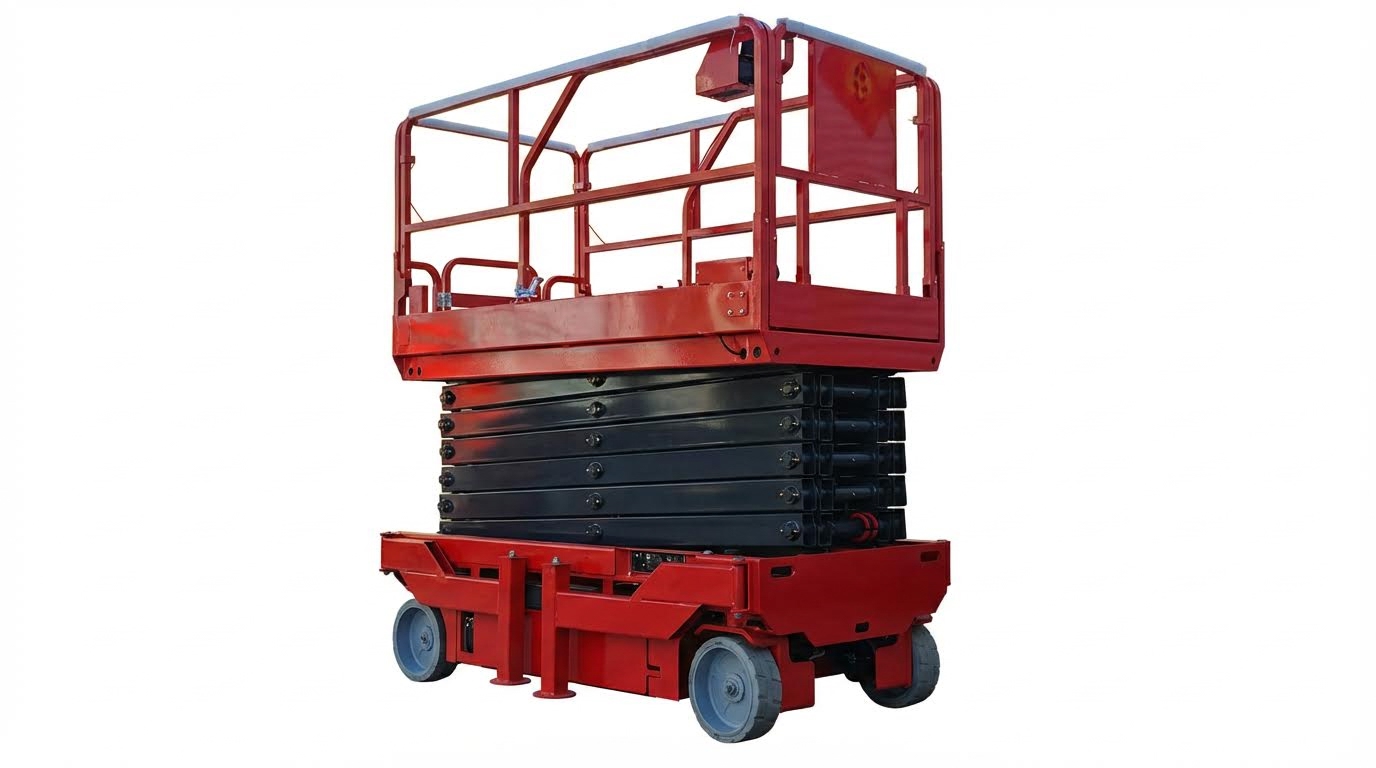
OSHA classified scissor lifts as mobile scaffolds rather than aerial lifts. This classification placed scissor lifts under Subpart L scaffold standards instead of Subpart N crane and derrick rules. Core requirements for safe use appeared in 29 CFR 1926.451, which addressed general scaffold safety, including capacity, access, fall protection, and use near power lines. Section 1926.452(w) specified additional rules for mobile scaffolds, such as wheel locking, movement with workers on the platform, and height‑to‑base ratios. Section 1926.453 covered aerial lifts, which included boom and vehicle‑mounted devices but not traditional scissor lifts. Section 1926.454 established mandatory training, requiring employers to train workers who erected, used, or dismantled scaffolds, including scissor lifts. Together, these sections defined inspection, load rating, guardrail, and training obligations that employers had to integrate into site procedures.
ANSI A92 Updates And June 2020 Changes
The ANSI A92 standards historically provided design, manufacture, and safe‑use criteria for Mobile Elevating Work Platforms (MEWPs). On 1 June 2020, the industry adopted updated A92 standards that reorganized equipment into MEWP groups and types rather than legacy categories. These revisions tightened requirements for risk assessment, rescue planning, and occupant training, and they clarified responsibilities for owners, users, and operators. The standards also introduced more prescriptive rules for load sensing, tilt protection, and platform controls, which affected how manufacturers configured scissor lifts. After June 2020, employers had to align site procedures and training content with the MEWP framework, including pre‑use inspections and safe‑use plans. Compliance with ANSI A92 did not replace OSHA obligations, but it became a recognized industry benchmark that regulators and insurers referenced when evaluating lift programs.
Age, Authorized Operator Status, And Employer Duties
Federal law required scissor lift operators to be at least 18 years old. Training providers designed certification courses to grant “Authorized Operator” status once participants demonstrated knowledge and practical skills. OSHA placed the duty to ensure training and safe operation on employers, not on training vendors or equipment rental houses. Employers had to verify that operators completed instruction covering OSHA and ANSI requirements, hazard recognition, inspections, fall protection, and emergency procedures. They also had to provide site‑specific orientation, supervise new operators, and enforce safe‑work policies. Recordkeeping responsibilities included maintaining documentation of training dates, evaluation results, and equipment‑specific familiarization. When unsafe behaviors, incidents, or new hazards appeared, employers were obligated to arrange retraining and, if necessary, temporarily remove operators from lift duties.
Differences Between Scissor, Aerial, And Mobile Scaffolds
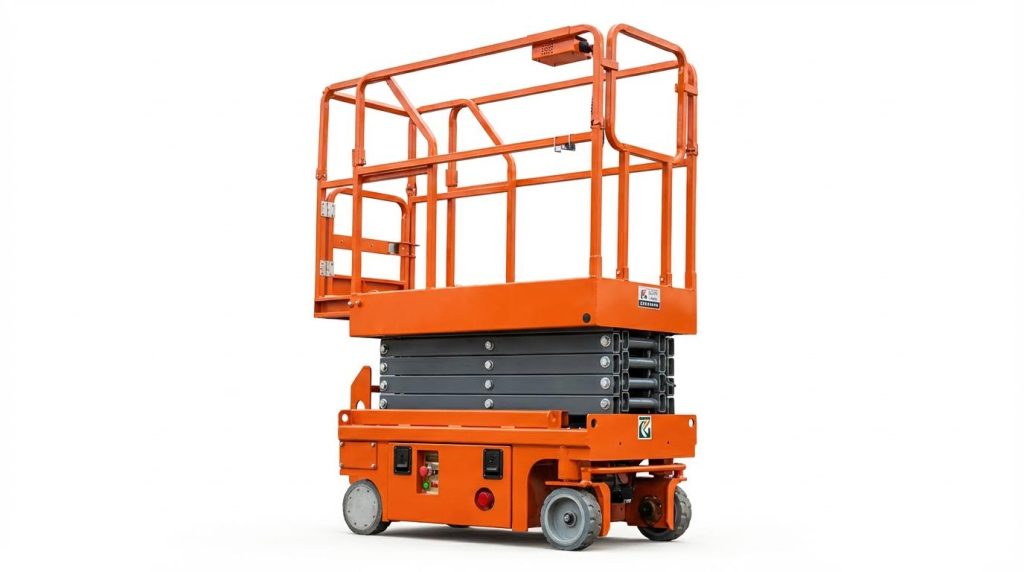
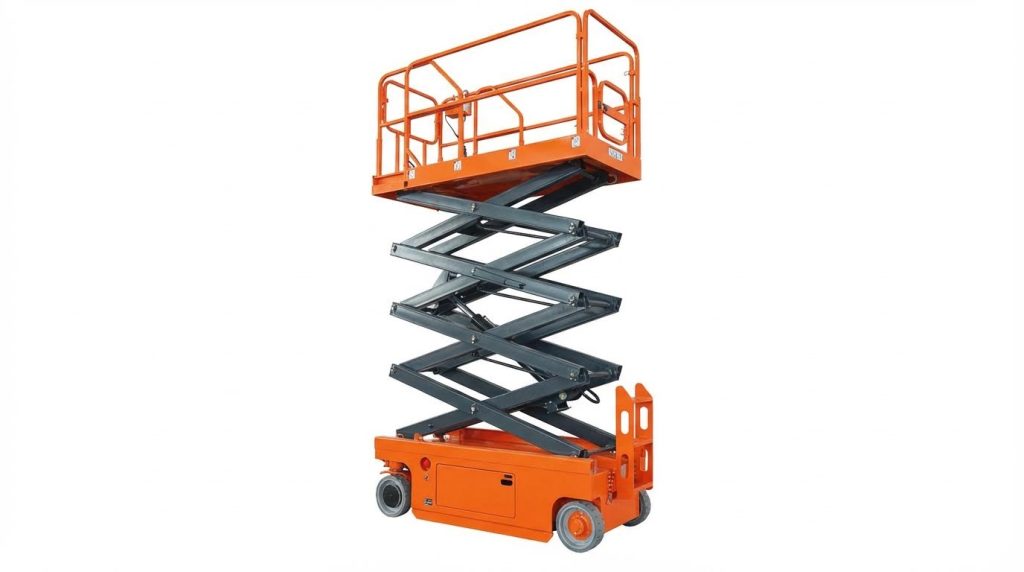
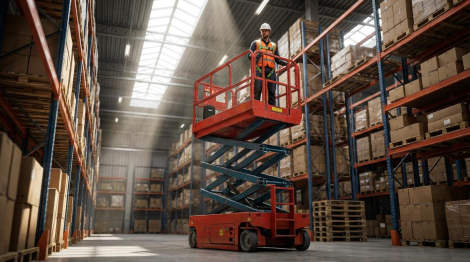
OSHA treated scissor lifts as a type of mobile scaffold because they elevated a guarded work platform vertically using a crisscross support mechanism. Aerial lifts, by contrast, included extensible boom lifts, articulating booms, and vehicle‑mounted platforms capable of vertical and horizontal outreach. This distinction affected which OSHA sections applied and which fall protection methods were mandatory. Mobile scaffolds covered rolling towers and self‑propelled platforms that moved on wheels or casters, including scissor lifts. Aerial lifts under 1926.453 often required personal fall arrest systems with lanyard tie‑off to designated anchor points. Scissor lifts relied primarily on guardrail systems, with harness use governed by risk assessments and manufacturer instructions. Understanding these categories helped safety managers select the correct standard, inspection checklist, and training module for each platform type on site.
Training, Certification, And Retraining Cycles
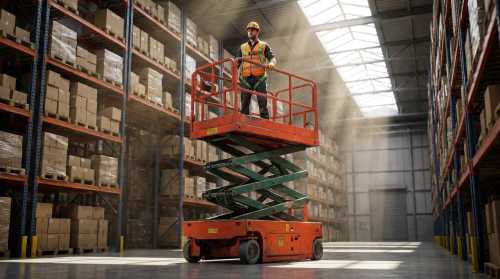
Training, certification, and retraining cycles structured scissor lift competency over the equipment lifecycle. Regulatory frameworks such as OSHA 1926.451–.454 and ANSI A92 defined the minimum training content and evaluation methods. Employers used these cycles to maintain Authorized Operator status and to manage liability, documentation, and workforce capability. A systematic approach linked classroom theory, hands-on evaluation, and periodic refreshers to actual site hazards and equipment configurations.
Core Curriculum For Operator Certification Courses
Operator certification courses historically aligned their curriculum with OSHA standards 1926.451–.454 and the revised ANSI A92 series. Core topics included regulatory requirements, hazard recognition, stability principles, and tip-over dynamics. Courses explained scissor lifts as mobile scaffolds under OSHA, contrasting them with aerial lifts to clarify applicable rules. Typical syllabi covered pre-use inspections, function tests, safe travel and elevation practices, and emergency lowering procedures.
Training providers also addressed electrical hazards, especially approach distances to energized lines and conductive structures. Fall protection concepts included guardrail use, tie-off policies, and safe entry and exit from platforms. Programs integrated maintenance awareness, focusing on identifying defects and removing units from service rather than teaching full repair procedures. Classroom segments ended with written tests that verified knowledge of standards, signage, load charts, and manufacturer instructions.
Hands-on components validated the operator’s ability to perform walkaround inspections, operate controls smoothly, and respond to alarms. Instructors observed operation in controlled areas free of overhead and ground obstructions. Participants practiced positioning on level ground, respecting platform capacity, and maintaining clear communication with ground personnel. Successful candidates achieved Authorized Operator status, enabling legal operation under employer oversight.
Online vs. In‑Person Training: Cost And Duration
Online training options offered flexible, self-paced modules that workers could complete from any internet-connected device. Typical online courses required about one hour of active study and testing. They usually included unlimited exam attempts and instant digital certificate downloads after achieving a passing score, often set at 70%. These formats suited refresher training or experienced workers who already possessed strong practical skills.
In-person courses, such as those delivered by workforce development centers, involved longer sessions, often around seven hours. Costs for classroom-based training commonly reached about 175 USD per participant, reflecting instructor time, facilities, and hands-on evaluation. These sessions combined classroom theory with supervised operation on actual lifts, which benefited novice operators. Funding mechanisms, including regional scholarship programs, occasionally reduced direct costs for workers or employers.
Hybrid approaches also existed, with theory delivered online and practical evaluation conducted on site. Employers often selected formats based on workforce size, experience level, and scheduling constraints. Regardless of mode, compliant programs ensured coverage of OSHA and ANSI content and included a documented performance evaluation. The key distinction lay in depth of hands-on practice and the immediacy of instructor feedback.
Certification Validity, Recordkeeping, And Retraining Triggers
Scissor lift operator certifications typically remained valid for three years across the United States. Digital certificates of completion did not technically expire, but industry practice recommended retraining at three-year intervals. Employers maintained training records that documented course completion dates, evaluation results, and equipment categories. These records supported regulatory compliance and internal audits.
Retraining triggers extended beyond time-based cycles. Incidents or near-misses involving lifts routinely prompted targeted refresher training. Employers also initiated retraining when they identified improper use, such as bypassing guardrails or ignoring tilt alarms. Introduction of new lift types or significant changes in work processes required additional familiarization or full retraining, depending on risk level.
Regulators expected employers to verify that each operator remained competent for the specific equipment and conditions. Updated OSHA or ANSI standards, or new manufacturer bulletins, could justify earlier refresher sessions. Well-managed programs integrated retraining into broader safety management systems, linking it to incident investigations and hazard assessments. This approach reduced accident rates and improved regulatory defensibility.
Site-Specific Familiarization And Model-Specific Training
Beyond general certification, operators required site-specific familiarization before using lifts at a new location. This familiarization addressed local hazards such as uneven ground, overhead utilities, traffic routes, and restricted access zones. Supervisors or competent persons highlighted designated travel paths, exclusion areas, and emergency response procedures. They also reviewed any site rules that exceeded minimum regulatory requirements.
Model-specific training focused on the exact make and model of Safe Operation, Inspection, And Maintenance Practices
Daily Inspections, Checklists, And Lockout Criteria
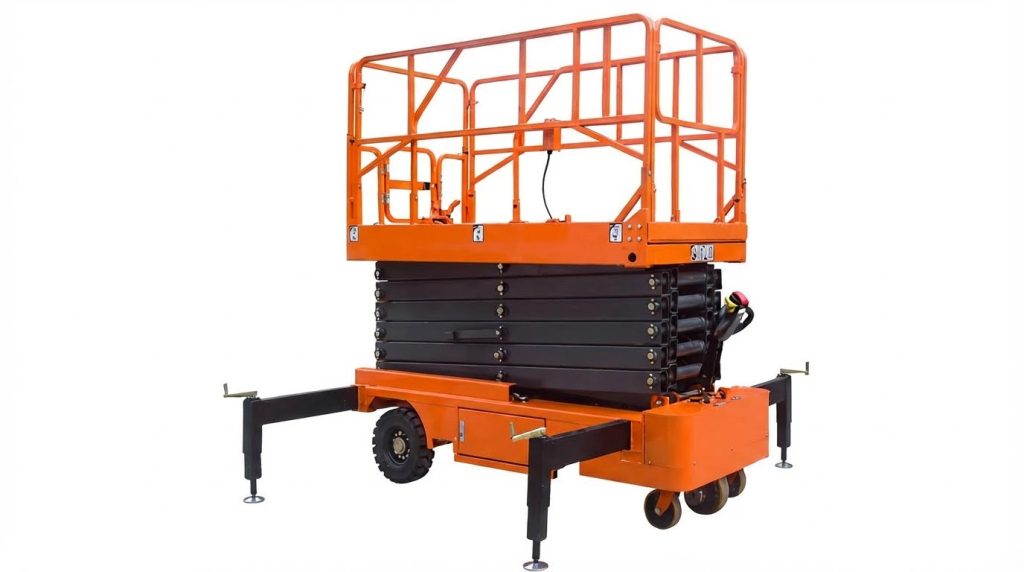
Daily inspections reduced scissor lift failures and supported OSHA compliance under standards 1926.451–1926.454. Operators performed a documented pre-start inspection at the beginning of each shift and after operator changes. Typical checklists covered structural components, hydraulic and pneumatic lines, cables, wiring, and visible cracks, corrosion, or oil leaks. Inspectors verified proper function of emergency stops, tilt alarms, horns, lights, steering, brakes, and drive controls in a clear test area.
They checked guardrails, platform gates, toe boards, access ladders, and fall-arrest anchor points for deformation or missing parts. OSHA guidance required fluid checks for engine oil, fuel, coolant, and hydraulic oil, plus inspection of wheels and tires for cuts, chunking, or low pressure. Lockout or tagout became mandatory when components were missing, damaged, or non-functional, or when leaks, abnormal noises, or fault codes appeared. Employers then removed the lift from service until a qualified technician completed repairs and documented the return-to-service inspection.
Load Limits, Stability, And Ground Condition Assessment
Safe operation depended on strict adherence to manufacturer-rated platform capacity in kilograms, including workers, tools, and materials. Operators distributed loads evenly on the platform and avoided point loads on deck extensions that could alter the center of gravity. Overloading increased the risk of structural failure, tire damage, or tip-over, especially when combined with elevated platform height or travel. Training programs therefore emphasized reading capacity decals and manuals before use.
Ground conditions strongly influenced stability. Operators positioned lifts on firm, level surfaces, away from trenches, soft soil, floor openings, or uncompacted fill. They avoided driving with the platform elevated across slopes or obstacles and followed manufacturer limits for maximum allowable grade. Work zone assessments identified overhead power lines, building projections, and traffic routes, and crews installed barriers or spotters where necessary. If a tilt alarm activated, guidance from manufacturers such as Genie required lowering the platform, relocating to level ground, and investigating the cause before resuming work.
PPE, Fall Protection, And Rescue Planning Requirements
Personal protective equipment complemented engineering controls on scissor lifts. Standard PPE included hard hats, safety footwear with toe protection, high-visibility clothing, and eye protection, aligned with site risk assessments. Fall protection requirements varied by jurisdiction and employer policy, but operators increasingly used harnesses with lanyards attached to approved anchorage points. Proper adjustment prevented excessive slack, which could increase fall distance or swing hazards.
Operators remained within guardrails, avoided climbing or sitting on rails, and did not use ladders or boxes on the platform to gain extra reach. Rescue planning formed a critical part of lift procedures, especially where secondary lowering systems might fail. Employers established written rescue methods, designated responsible personnel, and ensured they had equipment and training to execute a prompt retrieval. Manufacturers recommended maintaining 100% tie-off when exiting an elevated platform under controlled conditions, which required explicit authorization and task-specific training.
Digital Tools, Self-Diagnostics, And Battery Monitoring
Digital technologies improved reliability and simplified compliance for scissor lift fleets. Modern all-electric models integrated onboard self-diagnostics that allowed technicians and operators to read fault codes and run tests via built-in displays or mobile applications. This capability reduced dependence on proprietary handheld analyzers and shortened troubleshooting time. Some systems logged event histories, supporting root-cause analysis after incidents or recurring faults.
Advanced battery monitoring systems tracked state-of-charge, depth-of-discharge patterns, and charging history in real time. These tools helped maintainers schedule equalization charges, detect undercharging or overcharging, and predict end-of-life more accurately. Well-maintained lead-acid batteries typically operated for up to three years, while high-quality lithium-ion packs, such as those on newer all-electric lifts, achieved service lives exceeding 120 months. Digital maintenance platforms also stored inspection records, checklists, and training certificates, strengthening documentation during audits. Together, these technologies supported preventive maintenance strategies, reduced downtime, and extended equipment lifecycle while maintaining regulatory compliance.
Summary Of Compliance, Safety, And Lifecycle Impacts
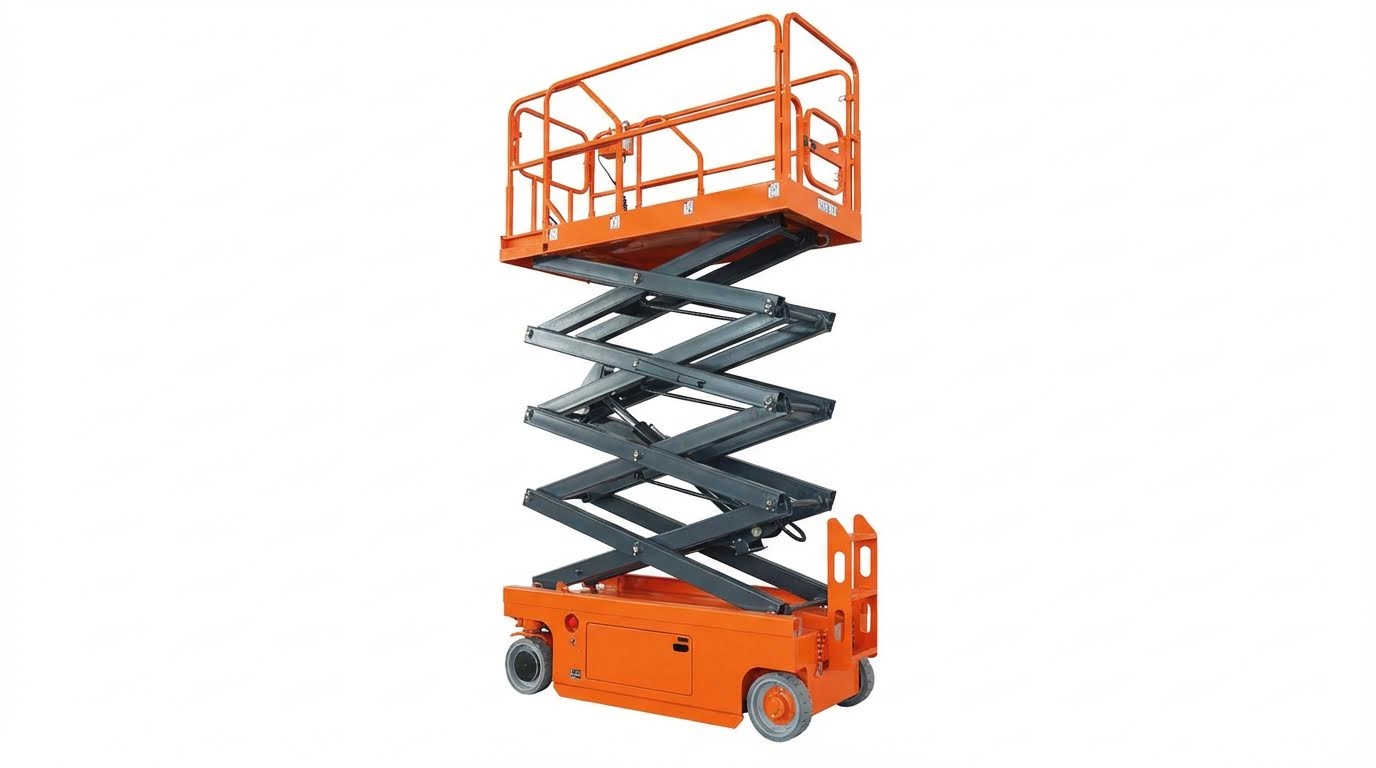
Regulatory frameworks from OSHA and ANSI created a clear baseline for scissor lift competence, documentation, and workplace controls. Standards such as OSHA 1926.451–1926.454 and the ANSI A92 family defined operator training scope, inspection frequency, and equipment design expectations. Mandatory training, minimum age of 18 years, and three‑year certification cycles aligned workforce qualification with the risk profile of elevated work platforms. These rules reduced accidents, supported consistent enforcement, and provided employers with defensible compliance strategies.
Safety performance depended on more than classroom training. Effective programs combined theory, written testing, and supervised hands‑on operation, with strong emphasis on hazard recognition, stability, and fall protection. Daily inspections, lockout of defective units, and structured site risk assessments addressed mechanical failure and environmental hazards before exposure occurred. When employers linked retraining triggers to incidents, new hazards, or new lift types, they closed gaps that static three‑year cycles could not cover.
Lifecycle cost and availability of scissor lifts were heavily influenced by preventive maintenance and emerging digital technologies. Routine checks on hydraulics, structural components, and batteries extended service life and reduced unplanned downtime. All‑electric models with long‑life lithium‑ion batteries and embedded battery monitoring lowered replacement frequency and enabled condition‑based maintenance. Self‑diagnostics and mobile interfaces simplified troubleshooting and shortened repair cycles, but required technicians and operators to understand new data streams and firmware update practices.
Implementing a compliant program in practice required several aligned elements. Employers needed written procedures covering training, evaluations, inspections, and lockout criteria, plus retention of training and inspection records. Site‑specific familiarization ensured that authorized operators understood model‑specific controls, emergency lowering, and weather or ground limitations. A documented rescue plan, consistent PPE policies, and clear communication protocols between platform and ground personnel completed the safety architecture.
From an industry perspective, the evolution of standards and technology pointed toward more automation, richer telemetry, and stricter expectations for demonstrable competence. Future platforms were likely to integrate advanced stability controls, remote diagnostics, and possibly semi‑autonomous positioning, shifting operator focus further toward oversight and hazard management. Organizations that treated scissor lift compliance as an integrated system—training, procedures, inspections, and digital tools—achieved lower incident rates and more predictable lifecycle costs, while remaining adaptable to regulatory and technological change.