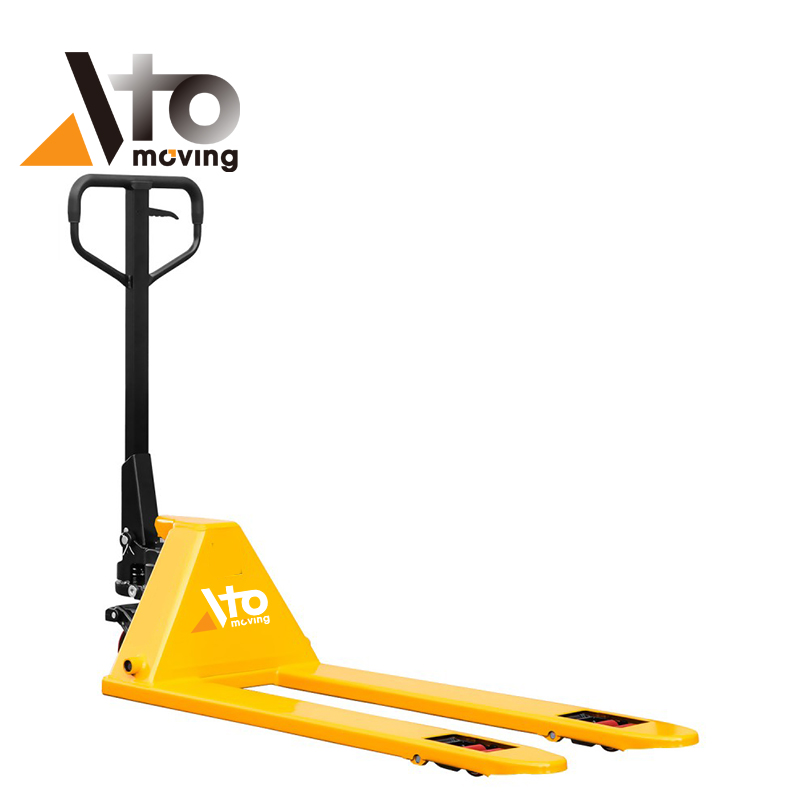
Pallet jacks operated in modern industrial facilities sat at the intersection of materials handling efficiency and regulatory compliance. The full article examined OSHA’s Class III framework, contrasting certification rules for manual and electric units and clarifying employer duties for training and recordkeeping. It then detailed safe operation practices, from pre-use inspection and load handling on ramps and in elevators to controls around people, chemicals, and confined spaces. Subsequent sections addressed structured maintenance routines, component wear limits, and emerging technologies such as telematics and digital twins, before concluding with a synthesized set of best practices and their compliance implications.
Regulatory Framework And Training Requirements

Industrial facilities relied on pallet jacks as Class III industrial trucks under OSHA’s powered industrial truck framework. Understanding how these rules applied to manual and electric units supported compliant operations and reduced incident rates. This section outlined the core regulatory expectations, clarified certification thresholds, and linked training to documented standard operating procedures (SOPs).
OSHA Class III Rules For Pallet Jacks
OSHA classified pallet jacks as Class III powered industrial trucks when they used electric power for movement or lifting. These units fell under 29 CFR 1910.178, which defined requirements for design, operation, maintenance, and operator training. The standard required formal instruction, practical training, and evaluation for powered pallet jack operators. Facilities had to ensure operators were at least 18 years old before authorizing use of electric pallet jacks. Manual pallet jacks, which used human force and hydraulic lifting only, did not trigger the same certification mandate. However, OSHA’s general duty clause still required employers to control recognized hazards linked to pallet jack use.
Manual Vs. Electric: Who Must Be Certified
Electric pallet jack operators required formal certification that met OSHA 1910.178(l) and related construction provisions. Certification combined classroom or online theory, hands-on instruction, and an employer-led performance evaluation. Training content covered hazard recognition, load stability, pre-use inspection, and emergency procedures. Certification remained valid for three years, after which employers had to re-evaluate operators. Retraining became mandatory when operators caused accidents, had near misses, or demonstrated unsafe behavior. Manual pallet jack operators did not need OSHA certification, but structured safety training remained best practice. This training addressed pre-use checks, ramp handling, maximum load limits, and pedestrian interaction controls.
Employer Responsibilities And Recordkeeping
Employers bore responsibility for authorizing only competent operators to use electric pallet jacks. They had to document formal instruction, practical training, and performance evaluations for each operator. Typical records included training dates, topics, instructor identity, and evaluation results. Facilities often maintained a training matrix or register that linked operators to specific truck types and work areas. OSHA expected these records to be available during inspections to verify compliance and retraining history. For manual pallet jacks, employers still benefited from documenting toolbox talks, SOP briefings, and ergonomic coaching. Written records helped demonstrate due diligence under the general duty clause and internal safety policies.
Integrating SOPs Into Safety Management Systems
Standard operating procedures for pallet jacks functioned best when embedded in the site’s safety management system. Facilities linked SOPs to risk assessments that identified hazards such as falling loads, chemical spills, and manual handling strains. The SOPs then translated these risks into step-by-step controls, including pre-use inspections, red-tag criteria, and emergency actions. Integration with induction training ensured new workers understood pallet jack rules before entering operational areas. Periodic refresher training and quizzes reinforced comprehension and allowed supervisors to correct unsafe habits. Version-controlled SOPs supported continuous improvement by capturing lessons from incidents, audits, and maintenance findings. Digital systems allowed sites to track acknowledgment, training completion, and competency status in one repository.
Safe Operation, Inspection, And Hazard Controls
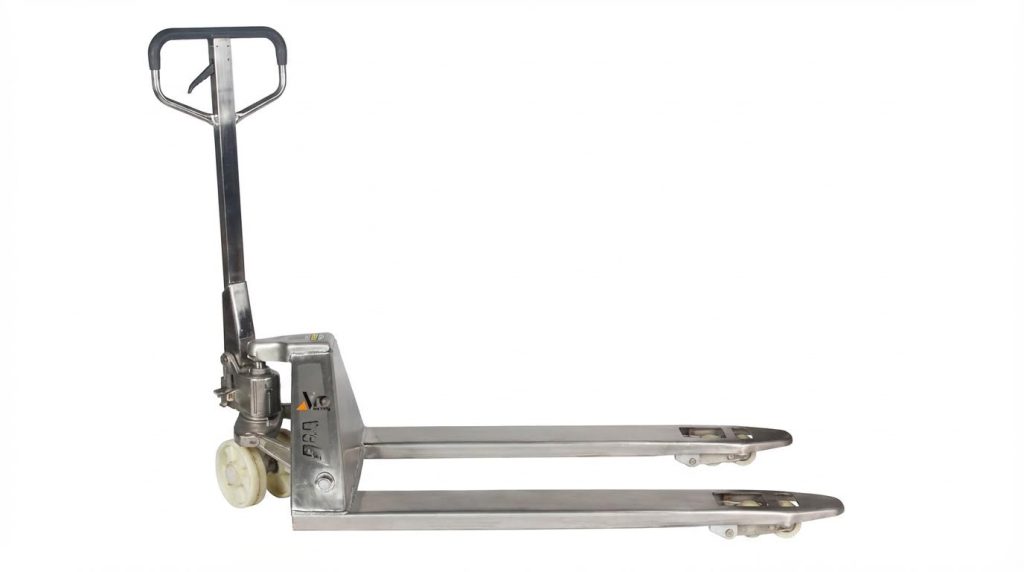
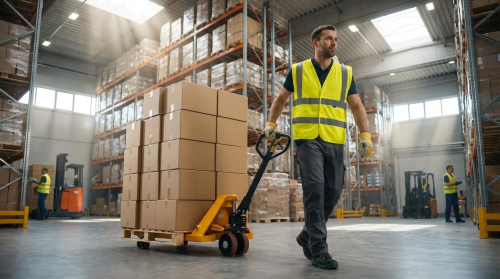
Safe pallet jack operation in industrial facilities relied on structured inspections, disciplined load handling, and engineered hazard controls. Facilities reduced incident rates when they combined OSHA-based rules with site-specific standard operating procedures and clear red‑tag criteria. Effective programs addressed not only the truck itself but also people, loads, floors, and adjacent processes such as chemical handling. This section detailed how to translate regulatory expectations and SOP guidance into daily operating practice.
Pre-Use Inspection Checklists And Red-Tag Criteria
Pre-use inspections functioned as the primary barrier against mechanical failure and loss of control. Operators visually checked forks for cracks, bends, or twisted tips and confirmed that wheels rolled freely without flat spots, chips, or embedded metal. They verified that the hydraulic system lifted and held the rated load smoothly, without jerky motion, visible oil leaks, or sinking forks. Handles and controls had to return to neutral reliably, with no excessive side play, and parking positions required forks fully lowered.
Red-tag criteria defined when a pallet jack left service immediately. Typical triggers included damaged or leaking hydraulics, bent or cracked forks, missing or seized wheels, inoperative brake or neutral controls, and any structural deformation from impact. Facilities often integrated these criteria into a simple checklist tied to their SOP, with a clear lockout and reporting pathway. Documented inspection records supported OSHA compliance and allowed maintenance teams to spot recurring failure modes and plan replacements.
Load Stability, Ramps, And Elevator Use
Stable loads reduced tip-over risk and prevented falling objects in aisles and loading docks. Operators centered the load on both forks, kept the heaviest portion low and toward the jack, and avoided stacking above the operator’s line of sight. They respected the manufacturer’s rated capacity in kilograms and avoided point loading on damaged pallets that could collapse. Stretch wrap, banding, and corner boards helped control tall or mixed loads in high-throughput facilities.
On ramps, operators stayed above the load, controlled speed, and did not turn while on the incline. They avoided parking on slopes, where an unrestrained jack could roll and cause crush injuries. Elevator use required confirmation that the elevator’s capacity covered jack, load, operator, and any other occupants, with the load entering first. Good practice kept other personnel out of the car during entry and exit, and required forks lowered and the truck stopped before the operator stepped away.
Operating Around People, Chemicals, And Confined Areas
Human factors dominated pallet jack incident statistics, especially in congested aisles. Operators maintained clear sight lines, used controlled walking speeds, and avoided blind corner shortcuts without mirrors or spotters. Facilities often designated pedestrian-free operating zones during peak material movements to eliminate unexpected intrusions. Clear communication protocols, such as hand signals or radio calls, further reduced collision risk in mixed-traffic areas.
When moving chemicals, SOPs required intact containers, secure secondary containment, and spill control materials staged along the route. Operators avoided impacts, sudden stops, and stacking that could compromise closures or valves. In confined spaces or narrow corridors, they assessed ventilation, escape paths, and emergency access before moving hazardous loads. Emergency procedures specified that, in a leak or spill, operators stopped the truck, lowered the load, isolated the area, and activated the site’s spill response plan.
PPE, Ergonomics, And Manual Handling Limits
Personal protective equipment complemented, but did not replace, engineering and administrative controls. Typical site requirements included safety shoes with toe protection, high-visibility garments in mixed-traffic zones, and gloves suitable for the handled materials. Eye and chemical protection depended on the load type, especially when transporting corrosives or solvents. PPE selection followed a documented risk assessment aligned with regulatory guidance and internal standards.
Ergonomic controls focused on limiting push and pull forces and reducing awkward postures. Operators kept the handle height within a comfortable range, walked with the jack instead of twisting the torso, and avoided sudden directional changes under high load. Facilities set manual handling limits based on risk assessments, often restricting maximum starting and rolling forces and specifying when mechanical assistance or team handling was mandatory. Training programs reinforced body mechanics, early reporting of discomfort, and rotation of high-exertion tasks to reduce musculoskeletal disorders.
Maintenance, Lifecycle Management, And New Technologies
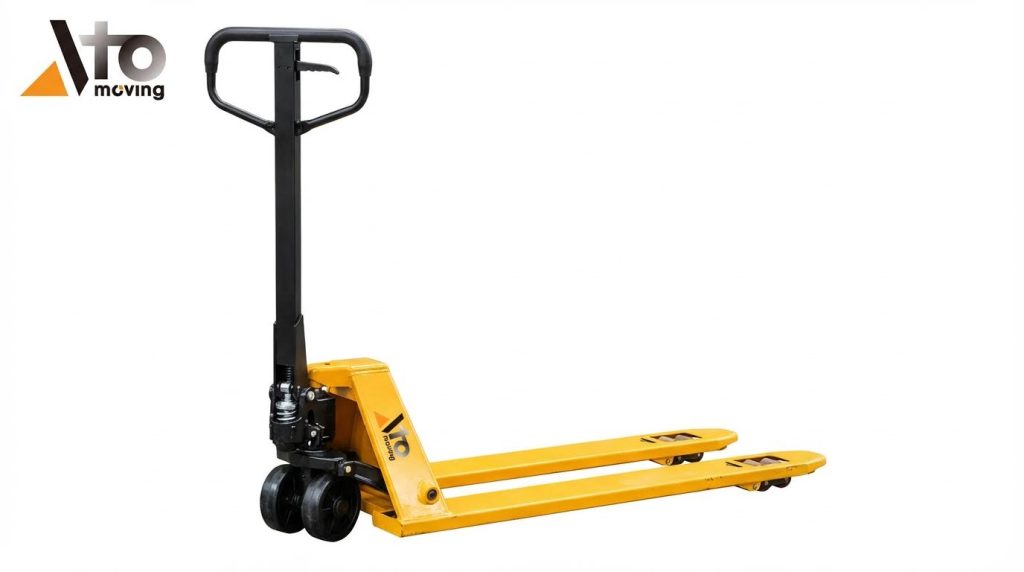
Structured maintenance programs increased pallet jack reliability and reduced unplanned downtime in industrial facilities. Daily, weekly, and monthly routines allowed operators to detect 90% of developing failures before they became critical. Defined wear limits for forks, wheels, and hydraulics supported safe operation within design capacity and OSHA expectations for powered industrial trucks. Emerging technologies such as telematics, battery analytics, and digital twins enhanced lifecycle management by turning field data into actionable maintenance decisions.
Daily, Weekly, And Monthly Service Routines
Effective programs divided pallet jack care into short, repeatable time blocks aligned with shift patterns. Daily routines typically included a 30‑second visual scan for fork damage, oil leaks, and wheel debris, followed by a brief hydraulic lift test. Operators also performed quick wipe-downs to remove oil and dust, which reduced slip hazards and slowed corrosion. Weekly tasks focused on lubrication of axles and pivot joints, tightening fasteners, and functional safety checks such as load tests and wheel spin tests.
Monthly routines resembled a light overhaul. Technicians cleaned hidden areas under forks and around axles, inspected forks with a straightedge for bending, and checked wheels for cracks or flat spots. They also looked for rust streaks on pump rods and frame members, which indicated moisture ingress or coating failure. Facilities often scheduled these deeper inspections on low-production days to minimize impact on throughput. Documented checklists and sign-offs created traceability and supported internal audits.
Forks, Wheels, And Hydraulics: Wear Limits And Replacement
Fork integrity governed both load capacity and operator safety. Technicians checked forks for visible cracks, permanent bending, or tip misalignment using straightedges and gap gauges. Any fork with noticeable sag under rated load, or with cracks at the heel radius, required immediate removal from service. Wheels and load rollers needed smooth rotation without flat spots, embedded metal, or chipped tread. Replacement thresholds typically used diameter loss; wear greater than 6 millimetres from nominal size indicated the need for new rollers or steer wheels.
Hydraulic systems showed degradation through sluggish lifting, sinking loads, or visible oil leaks. A simple test involved pumping the handle three times with a rated load and monitoring for drift over several minutes. Persistent sinking or foamy oil indicated air ingress or seal damage and triggered seal kit replacement and oil change using manufacturer-specified hydraulic fluid. Maintenance personnel avoided improvised lubricants and high-pressure washing, which damaged seals and removed protective coatings. Clear red-tag criteria for forks, wheels, and hydraulics prevented borderline equipment from re-entering service.
Electric Pallet Jack Batteries And Power Systems
Electric pallet jacks relied on healthy batteries and clean electrical paths for predictable performance. Maintenance teams inspected battery cases for swelling, cracks, or electrolyte residue and verified that terminals were tight and corrosion-free. For lead-acid units, they checked electrolyte levels and followed controlled charging practices to avoid deep discharges that reduced cycle life. Lithium systems required monitoring of state-of-charge windows and adherence to manufacturer charging profiles to prevent overheating.
Regular cleaning of battery compartments removed conductive dust and moisture that could cause tracking or shorts. Technicians visually inspected cables, connectors, and contactors for insulation damage or discoloration from overheating. Facilities scheduled battery replacement based on charge cycle counts, runtime data, and voltage under load rather than on age alone. Storing batteries in cool, dry conditions between 10 °C and 25 °C extended service life and reduced unexpected failures during peak shifts.
Predictive Maintenance, Telematics, And Digital Twins
Modern pallet jack fleets increasingly used telematics modules to collect runtime, impact, and fault data. These devices tracked key metrics such as hours of use per shift, number of lift cycles, and harsh events that correlated with accelerated wear. Maintenance systems then converted this data into predictive work orders, scheduling wheel changes, hydraulic service, or battery replacement before failures occurred. Predictive approaches reduced emergency repairs and supported higher equipment availability.
Digital twins of pallet jacks, built from design models and field data, allowed engineers to simulate stress, fatigue, and degradation patterns. By comparing simulated wear with sensor feedback, they refined inspection intervals and component redesigns. Facilities integrated telematics dashboards with safety management systems to lock out units that exceeded impact thresholds or missed inspections. This data-driven lifecycle management aligned maintenance intensity with actual usage, optimized spare parts inventories, and supported continuous improvement of fleet safety and cost performance.
Summary Of Best Practices And Compliance Implications
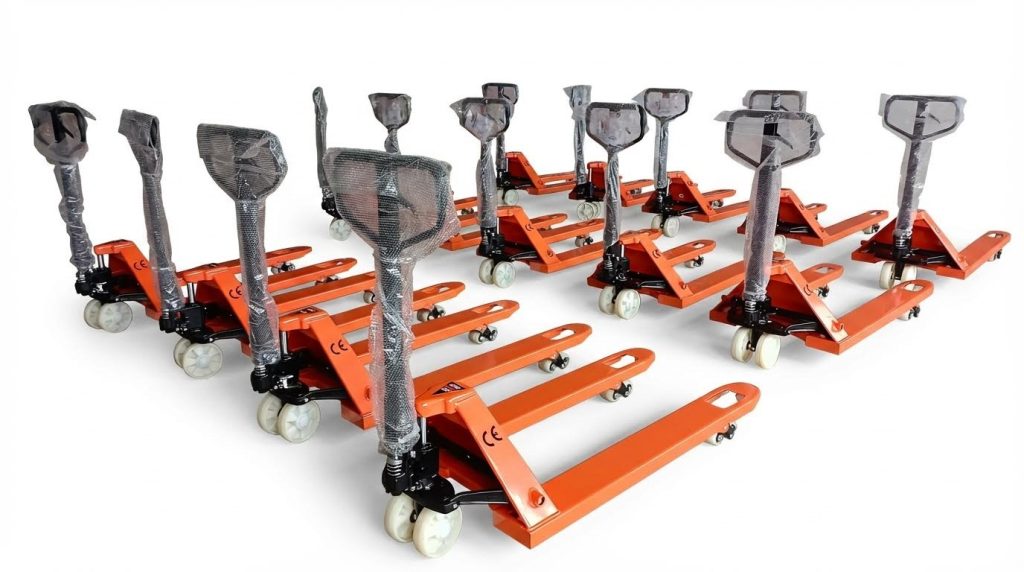
Modern pallet jack programs in industrial facilities relied on a clear separation between manual and electric units under OSHA Class III rules. Electric pallet jacks required formal training, evaluation, and recurring three‑year recertification, while manual units did not, although structured safety training remained strongly recommended. Facilities that aligned operator instruction with 29 CFR 1910.178 and embedded pallet jack SOPs into their safety management systems reduced incident rates and improved audit outcomes. Written procedures, quizzes, and competency registers provided objective evidence of training and supported both OSHA and internal governance requirements.
Best practice combined three pillars: standardized operation, rigorous inspection, and disciplined maintenance. Pre‑use checks, red‑tag criteria, and clear out‑of‑service rules limited exposure to failures like leaking hydraulics, cracked forks, or damaged wheels. Load management rules on ramps, elevators, and confined areas, together with PPE and manual handling limits, addressed the most frequent injury mechanisms: struck‑by, caught‑between, overexertion, and load drops. Daily 5–7 minute inspections, weekly lubrication and fastener checks, and monthly deep inspections prevented most mechanical failures and extended asset life, especially for hydraulics, forks, and running gear.
From a compliance perspective, organizations benefited when they treated pallet jacks as part of an integrated material‑handling system rather than low‑risk tools. This approach supported consistent application of hazard assessments, lockout or tagout for unsafe units, and documented maintenance aligned with manufacturer instructions. Looking ahead, increased use of telematics, battery monitoring, and digital twins for high‑volume fleets was expected to shift programs toward predictive maintenance and data‑driven training refreshers. Facilities planning future upgrades needed to balance investment in technology with fundamentals: clear roles, enforceable rules, and continuous verification that operators, equipment, and procedures stayed within defined safety and regulatory limits.