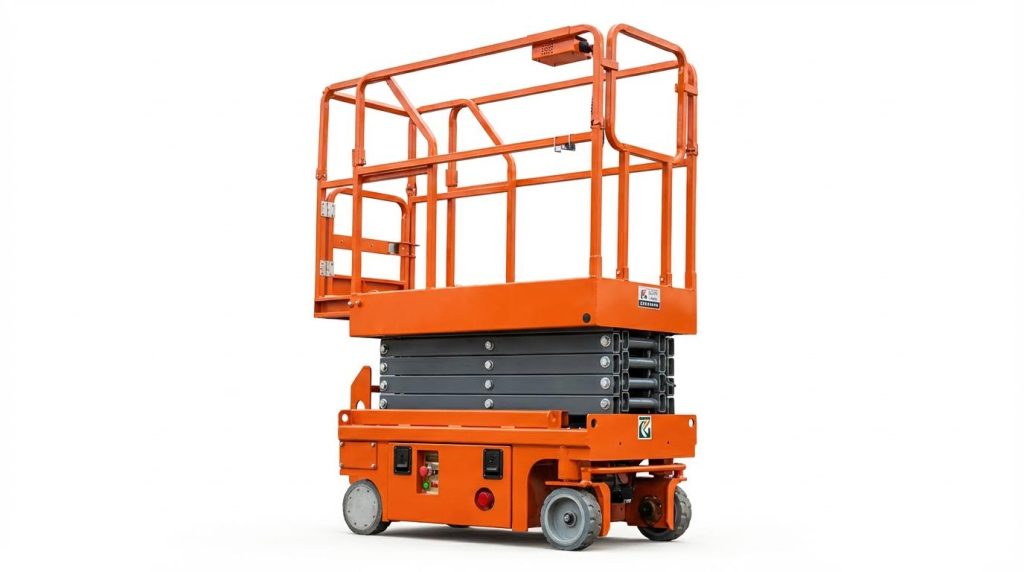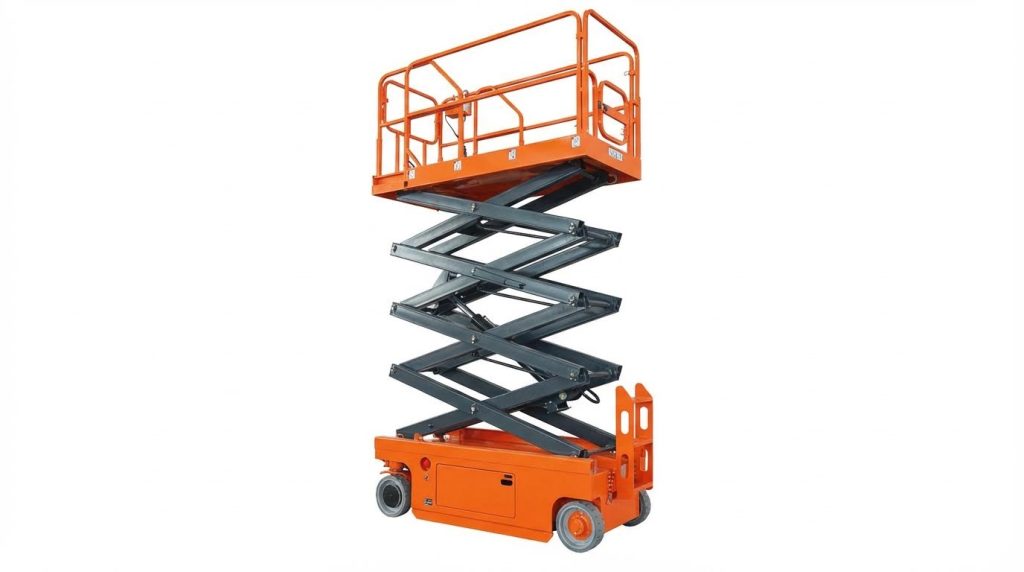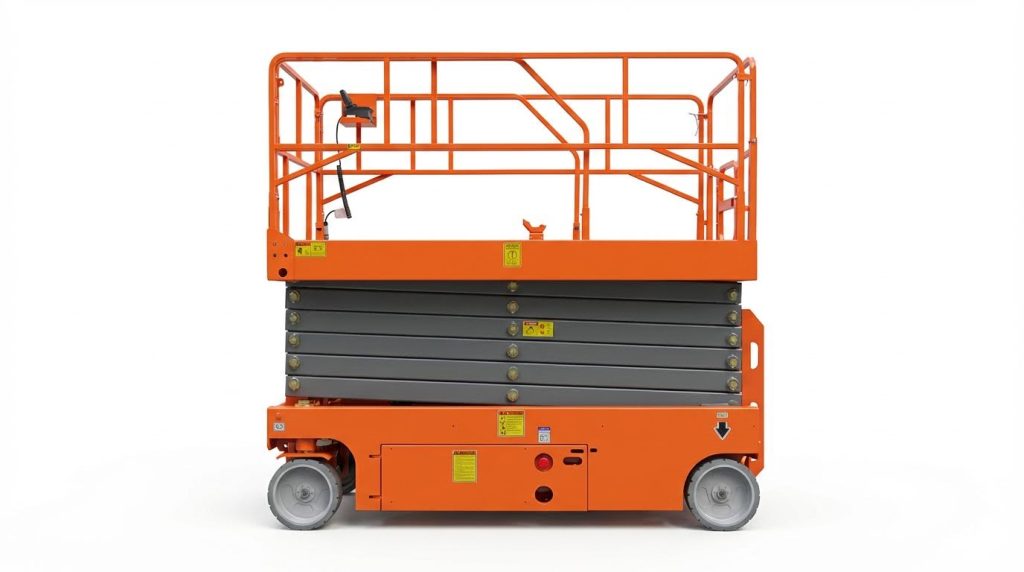
Scissor lifts relied on rigorous safety practices, structured troubleshooting, and disciplined maintenance to operate safely and efficiently. This article outlined core OSHA-aligned safety checks and manual operating steps, then detailed systematic diagnostic methods for electrical, drive, and control faults. It also examined preventive maintenance routines, including hydraulic, structural, and battery care, and reviewed emerging technologies such as advanced battery monitoring and digital diagnostics. Together, these sections provided a practical framework for engineers, technicians, and fleet managers to reduce downtime, control life-cycle costs, and maintain regulatory compliance across diverse scissor lift fleets.
Core Safety Checks And Manual Operating Steps
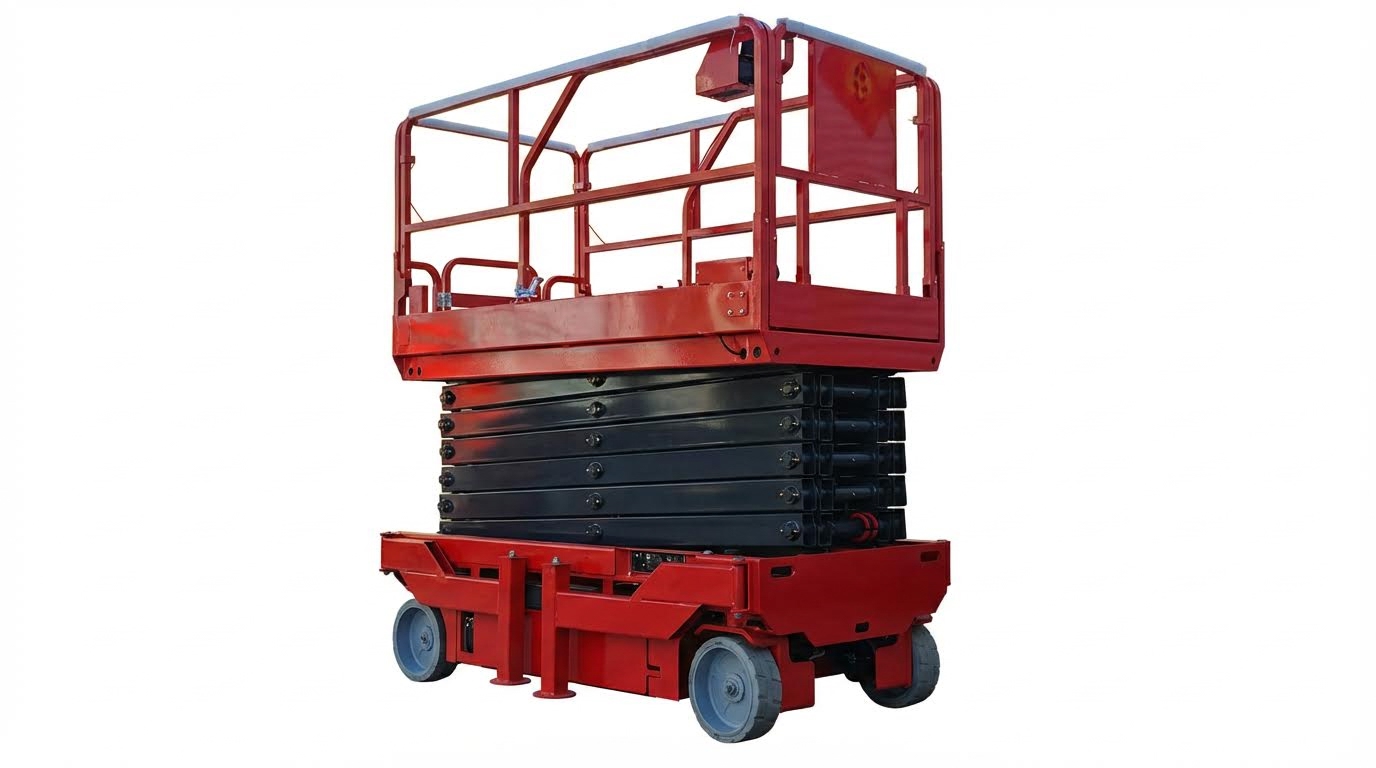
Core safety checks and disciplined manual operation formed the basis of safe scissor lift use. Operators followed a repeatable sequence: inspect, function-test, set up the work zone, then elevate. This structure reduced the probability of mechanical failure, electrical faults, and falls. It also aligned field practice with OSHA expectations and manufacturer requirements.
Pre-Start Walkaround And OSHA-Compliant Checks
Operators performed a complete walkaround before every shift or use. They inspected structure, scissor arms, centering links, and platform gates for cracks, deformation, loose fasteners, or missing pins. OSHA-compliant checks included verifying hydraulic systems for leaks, assessing tire and wheel condition, and confirming correct inflation pressure. Technicians checked all fluid levels, including engine oil (if applicable), coolant, and hydraulic oil, against manufacturer ranges.
They verified decals, placards, and instructions remained legible and present at all required locations. The walkaround included inspection of wiring harnesses at articulations and connectors, because these areas historically showed high failure rates. Operators checked batteries for corrosion, secure terminals, and adequate state of charge. They then performed a full function test in an obstruction-free area, cycling steering, drive, lift, lower, and emergency functions.
Platform Controls, Ground Controls, And E-Stop Use
Before elevation, operators familiarized themselves with both platform and ground control stations for the specific model. They identified joystick or toggle functions for drive, steer, lift, and lower, and confirmed labeling matched the operator’s manual. They tested the emergency stop (E-stop) at each control location, verifying that pressing it immediately removed power to motion functions. Release and reset procedures followed manufacturer instructions to avoid nuisance faults.
Ground controls provided a secondary means to lower or reposition the lift when the platform controls failed or an operator became incapacitated. Best practice required verifying that ground controls could override platform commands where designed to do so. Operators kept body parts inside guardrails while using platform controls and avoided sudden directional changes that could destabilize the machine. Clear communication protocols between platform and ground personnel minimized conflicting commands and unexpected movements.
Manual Lowering And Emergency Descent Procedures
Manual lowering systems allowed safe descent when electrical or electronic controls failed. Operators located the manual descent valve, pull-cable, or hand pump during pre-use familiarization, not during an emergency. The procedure typically required disabling drive, engaging the emergency lowering device, and monitoring platform descent speed. Technicians ensured the path below the platform remained clear before activating manual lowering.
Manufacturers specified maximum descent rates and valve operation methods to prevent uncontrolled drops. Ground personnel received training to use these systems without placing themselves under the platform or scissor stack. After any emergency descent, maintenance staff inspected hydraulic circuits, wiring, and control modules before returning the lift to service. Documentation of the incident supported root-cause analysis and compliance with site safety procedures.
Work Zone Setup, Guardrails, And Fall Protection
Safe operation started with rigorous work zone assessment and setup. Operators positioned the lift on firm, level ground within the allowable slope specified in the manual, avoiding voids, trenches, and soft soils. They deployed outriggers or stabilizers when provided and verified that interlocks indicated correct setup. Barriers, cones, or warning tape kept pedestrians and other equipment outside the lift’s operating envelope.
Guardrails, midrails, and toeboards required inspection for secure attachment and damage before use. Operators kept gates closed and did not stand on rails or use ladders or boxes on the platform to gain extra height. Site rules and risk assessments determined when personal fall protection, such as a harness and lanyard, was required in addition to guardrails. Tools and materials were secured with lanyards or tool belts to prevent dropped-object incidents, especially when working over personnel or sensitive equipment.
Systematic Troubleshooting Of Common Faults
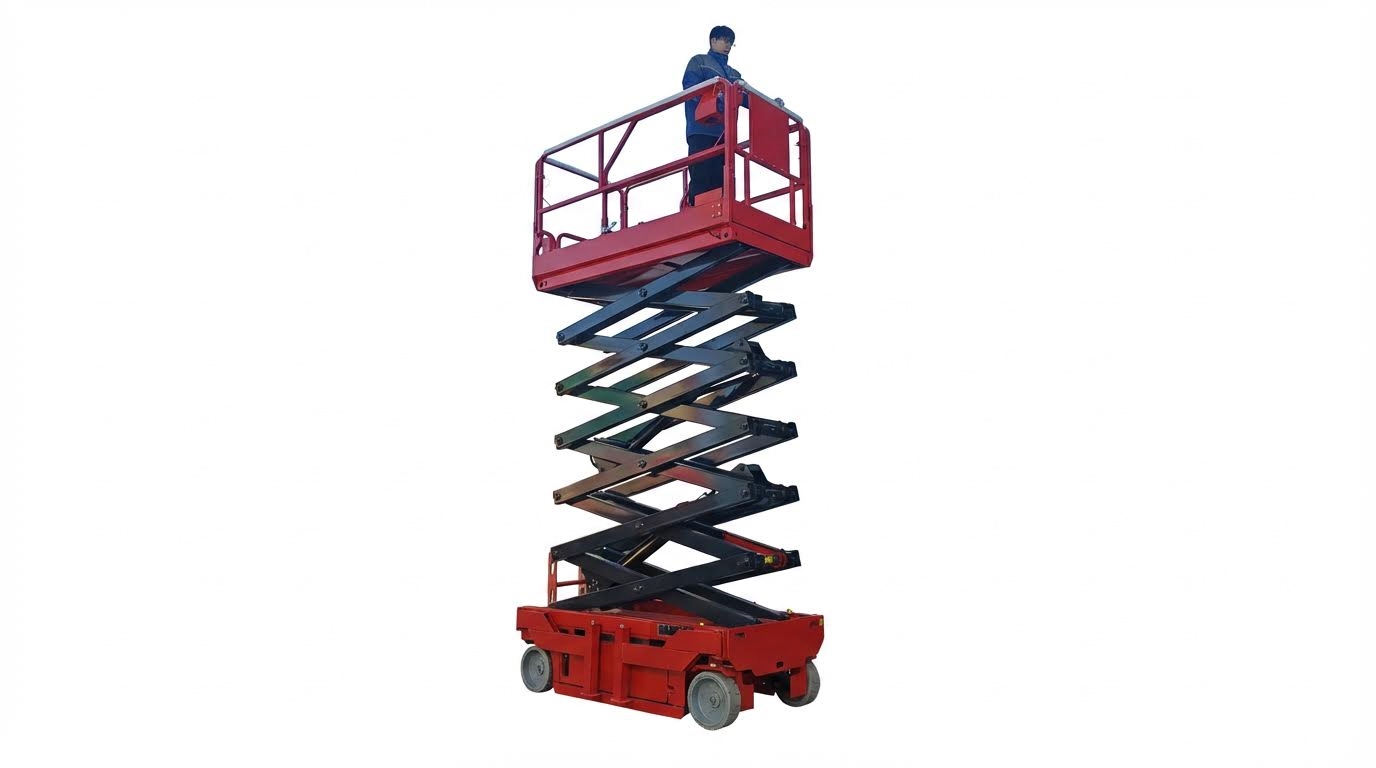
Systematic troubleshooting of scissor lifts relied on structured fault isolation, correct test methods, and strict safety discipline. Technicians minimized downtime when they followed a repeatable sequence: verify the complaint, perform basic power and safety checks, read diagnostic indications, then test subsystems with appropriate instruments. Historical fault data from hydraulic self-propelled lifts showed a high incidence of electrical connection issues, drive malfunctions, sensor alarms, and electronic controller faults. A disciplined approach reduced unnecessary parts replacement and helped prevent intermittent failures from reappearing in the field.
Electrical Power-Off And Connection Failures
Electrical power-off faults typically presented as a dead machine: no work indicator, no ECU or PCU display, and no response to controls. Technicians first confirmed battery voltage under load, then inspected the main power switch, Anderson-style connectors, key switch, and primary ground connections. Damaged wiring harnesses at articulation points and connector blocks caused most intermittent power losses, especially where cables flexed during steering or elevating. A stepwise approach used a multimeter to trace voltage from the battery to the controller input, checking for drops across fuses, contactors, and connectors. Technicians restored reliability by repairing or replacing corroded terminals, reseating loose plugs, and securing harness routing to prevent future mechanical damage.
Drive, Steering, And Lift Function Problems
Drive and lift faults often appeared as inability to travel, steer, or raise the platform, sometimes with active fault codes on the display. Before suspecting electronics, technicians verified that emergency stops were released, platform and ground controls were not in conflict, and any drive or elevation interlocks were satisfied. Abnormal motor behavior, such as unstable speed, stopping under moderate load, or excessive surface temperature, usually indicated issues in the motor circuit or speed command path. Inspection focused on motor power cables, contactors, and carbon brushes, as well as reversing slip rings on certain designs. Technicians compared commanded speed signals with actual motor output using a multimeter or diagnostic tool, then addressed problems in motor drivers, brake releases, or hydraulic pump controls as indicated by the tests.
Sensor, Tilt, And Overload Alarm Diagnostics
Sensor-related alarms affected safe operation because they governed tilt protection, overload detection, and body position monitoring. Tilt alarms, such as LL warnings on apparently level ground, usually pointed to misaligned or faulty inclination switches or angle sensors. Technicians verified that the machine sat on a true horizontal reference, then measured sensor output voltage against the manufacturer’s specified range and reset or replaced the device if necessary. Frequent overload (OL) alarms without significant platform load suggested incorrect angle or pressure sensor installation, wiring errors, or lost calibration data. Effective troubleshooting required checking sensor mounting orientation, monitoring voltage curves during lifting, and performing no-load and full-load recalibration procedures as described in the model-specific manual. Correct sensor function restored proper interlocks and prevented unauthorized bypassing of safety systems.
ECU, PCU, And Software-Related Fault Handling
Electronic Control Units (ECU) and Platform Control Units (PCU) governed coordinated functions such as drive, steer, lift, and safety interlocks. Faults in these modules manifested as persistent error codes, frozen displays, or abnormal indications such as an 8.8 pattern on the digital tube with no response to commands. Technicians first ruled out external causes by checking supply voltage, ground integrity, and short circuits on output lines. Recurrent 02-type failures after power-up or handle activation often traced to defective control handles, poor ECU connector contacts, or internal controller faults. When abnormal behavior followed a software update, best practice required comparing current parameters with original settings and, if needed, reverting to the previous firmware revision to confirm software involvement. If correct power conditions and wiring integrity were confirmed yet faults persisted, replacement of the suspect ECU or PCU, followed by parameter verification and functional testing, provided the most reliable resolution.
Preventive Maintenance And Emerging Technologies
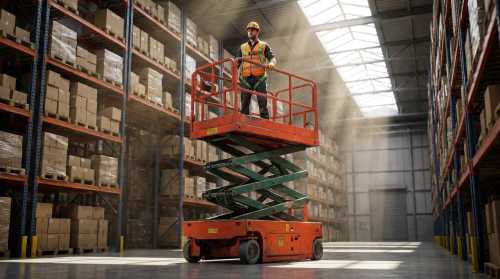
Preventive maintenance for scissor lifts reduced unplanned downtime and extended component life. Structured inspection intervals, clear defect criteria, and traceable records supported regulatory compliance and safe operation. At the same time, newer electric architectures, solid-state controls, and connected diagnostics changed how technicians monitored health and planned service. This section outlined practical inspection routines, subsystem-specific checks, battery strategies, and the role of digital tools in modern fleets.
Daily, Weekly, And Annual Inspection Routines
Technicians treated daily inspections as pre-use safety screens rather than detailed overhauls. They checked for visible leaks, dents, cracks, missing fasteners, damaged decals, and illegible placards, then performed a function test in an obstruction-free area. OSHA-aligned routines required verification of all fluid levels, tire condition and inflation, steering and brake response, battery state of charge, and correct operation of horns, lights, and backup alarms. Weekly checks typically went deeper into linkages, platform gates, guardrails, locking pins, cables, and wiring harness routing, looking for wear, corrosion, and looseness. Annual or major inspections included full structural assessment of scissor arms and centering links, non-destructive examination where required, detailed hydraulic and electrical testing, and documentation to manufacturer and local regulatory standards.
Hydraulic, Structural, And Mechanical Checks
Hydraulic checks focused on fluid level, cleanliness, and evidence of external leaks at cylinders, hoses, fittings, and manifolds. Technicians inspected hose routing through the scissor stack to avoid chafing at articulations and verified that seals did not weep under operating pressure. Structural checks covered welds, pins, and bushings on the scissor pack, base frame, and platform structure, with rejection criteria for deformation, cracks, and excessive pin wear. Mechanical verification included platform gate latching, guardrail integrity, centering link operation, and correct function of mechanical stops and locking devices. Proper tire condition and torque of wheel fasteners remained critical, especially for rough-terrain units where side loads and impact cycles were higher. Any damaged, missing, or malfunctioning component required immediate removal from service until repair and revalidation.
Battery Care, Monitoring, And Life-Cycle Costs
Battery maintenance strongly influenced both uptime and total cost of ownership. Lead-acid banks required regular cleaning to remove dirt and electrolytic residue, which otherwise caused surface discharge and self-drain. Technicians used amp-draw and charge tests with calibrated digital instruments to verify that each battery accepted and held charge within specification. Poorly maintained batteries often failed in roughly one year, while well-maintained units typically operated for up to three years in comparable duty. Advanced battery monitoring systems logged charge history, state of charge, fluid level status, and temperature, then used algorithms to recommend watering intervals and detect abnormal usage. All-electric platforms with lithium-ion packs reduced routine maintenance but still needed periodic capacity checks, charger verification, and software updates to keep degradation within the predicted life model.
Digital Diagnostics, Telematics, And AI Tools
Modern scissor lifts increasingly integrated onboard diagnostics and telematics to support faster troubleshooting and predictive maintenance. Controllers recorded fault codes for power-off events, drive failures, sensor alarms, and ECU or PCU anomalies, allowing technicians to correlate symptoms with specific circuits. Connected systems transmitted run hours, duty cycles, battery metrics, and alarm histories to fleet portals, which maintenance planners used to schedule inspections before failures occurred. Some all-electric models incorporated self-diagnostic routines accessible by mobile devices, eliminating the need for proprietary handheld analyzers on site. Emerging AI tools analyzed aggregated fleet data to identify patterns such as recurring wiring harness faults at particular articulations or abnormal tilt sensor behavior, enabling design improvements and targeted retrofits. These technologies did not replace basic inspection discipline but augmented it with data-driven decision support and more accurate remaining-life predictions.
Summary Of Key Practices And Future Directions
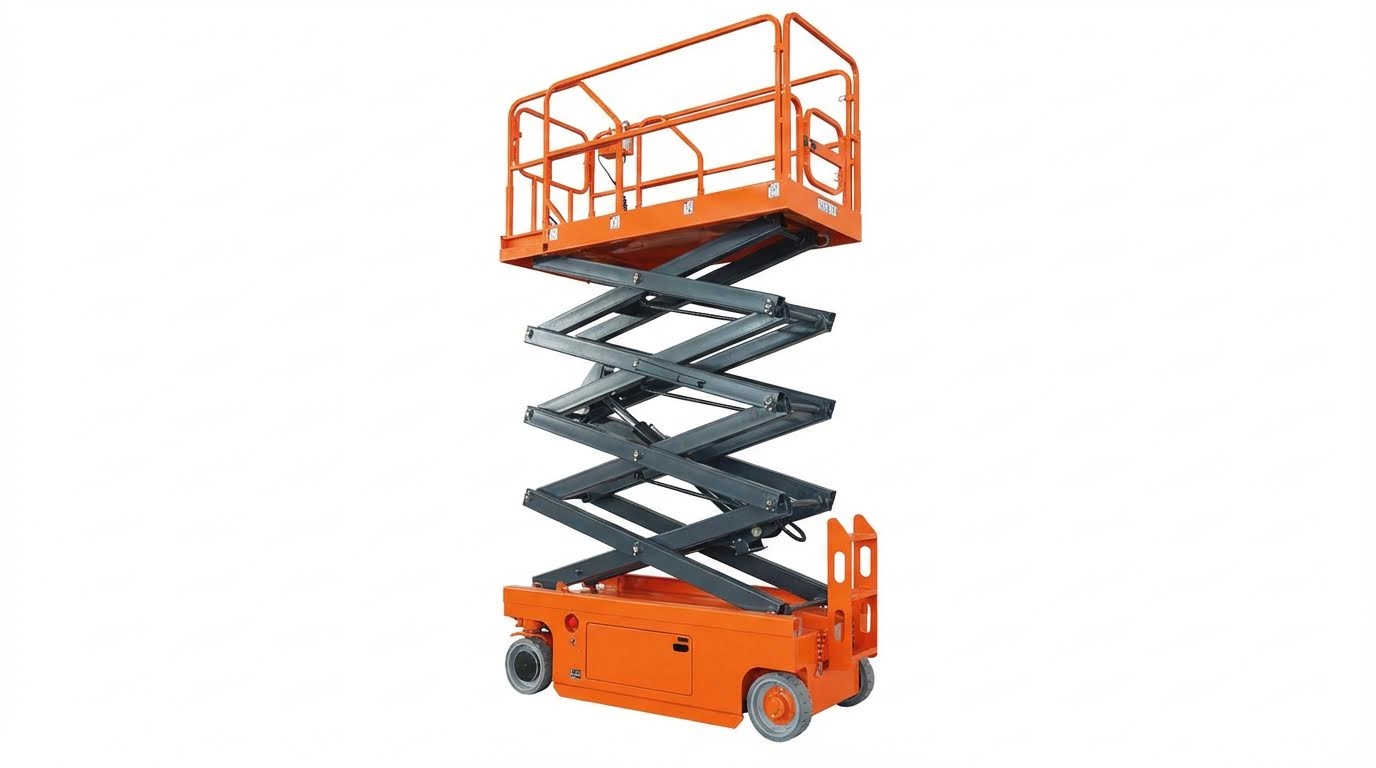
Scissor lift troubleshooting and manual operation relied on a disciplined combination of pre-use inspection, safe operating technique, and structured fault diagnosis. Operators minimized incidents by following OSHA-aligned walkaround checks, verifying guardrails and emergency stops, and respecting rated load, ground conditions, and work-zone controls. When faults occurred, technicians used a stepwise approach, starting from power supply and wiring integrity, then moving through drive, sensor, and controller checks using fault codes and multimeter measurements.
Industry practice increasingly emphasized preventive maintenance to reduce electrical connection failures, hydraulic leaks, and battery-related downtime. Daily and scheduled inspections, timely repair of damaged components, and strict lockout before service extended component life and supported regulatory compliance. Battery monitoring systems and all‑electric platforms reduced fluid-related hazards, improved diagnostics, and lowered life‑cycle costs through longer service intervals and higher energy efficiency.
Future trends pointed toward deeper integration of digital diagnostics, telematics, and AI-based analytics in access equipment fleets. Connected controllers and advanced battery monitors already provided real-time state-of-charge, event logs, and remote fault visibility, enabling condition-based maintenance rather than purely interval-based service. Over time, machine-learning models were expected to predict wiring harness failures, sensor drift, or motor degradation before they caused downtime, while software tools standardized parameter sets after updates.
For practical implementation, owners needed to pair these technologies with robust training, documented procedures, and clear responsibilities between operators, supervisors, and maintenance staff. A balanced approach treated new tools as extensions of, not replacements for, fundamental safety rules: stable setup, correct PPE, load discipline, and conservative operation within the manufacturer’s manual. Organizations that combined rigorous basic practice with data-driven maintenance would likely achieve higher uptime, safer worksites, and smoother adoption of evolving scissor lift technologies.