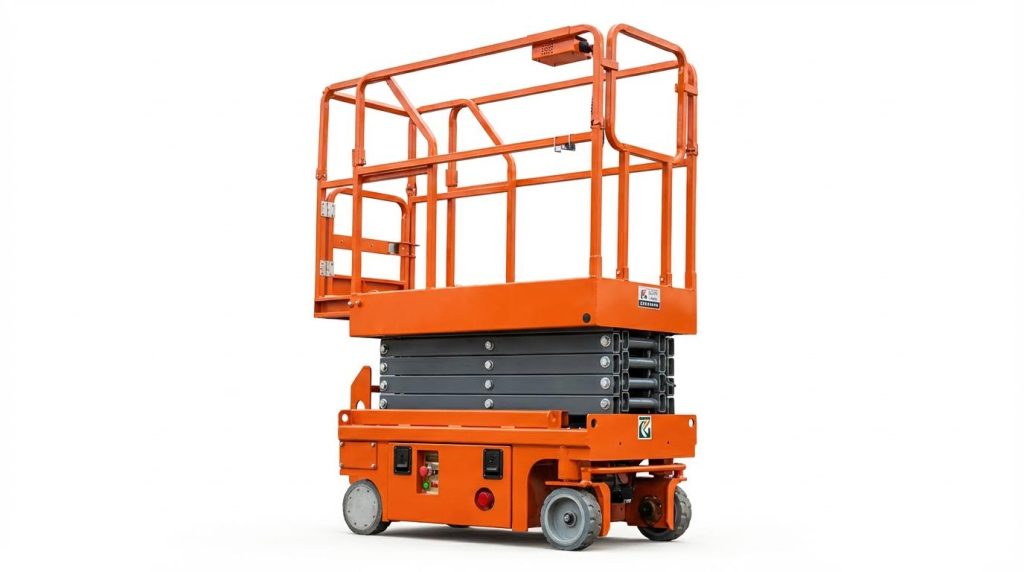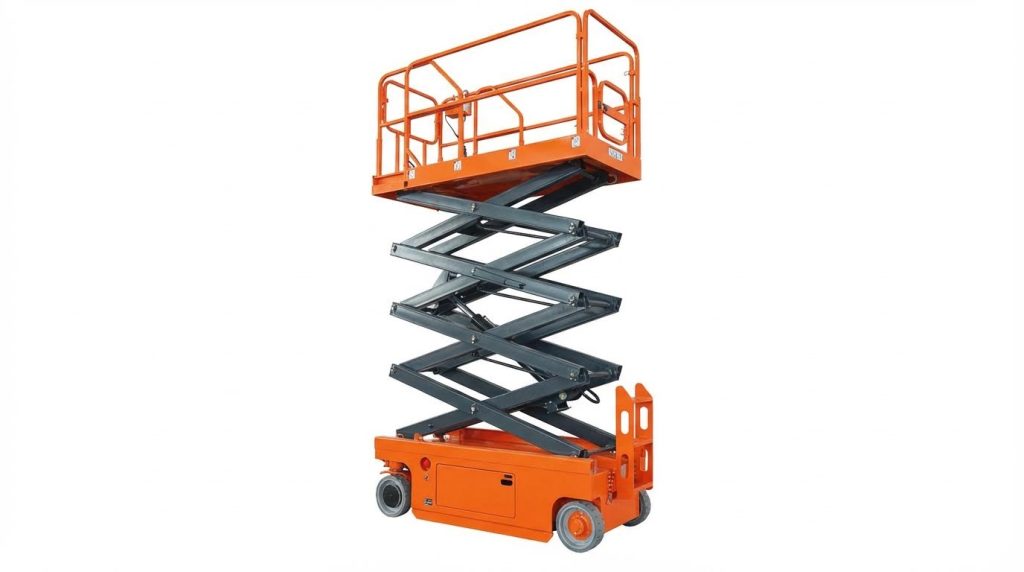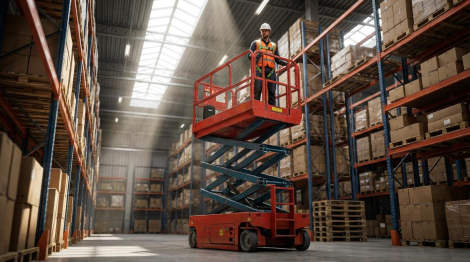
Scissor lift performance, uptime, and safety depended heavily on correctly specified and well-maintained batteries. This article examined core battery technologies for scissor lifts, including flooded lead-acid, AGM and VRLA, and modern lithium-ion and LiFePO4 options, comparing capacity, voltage, and cycle life. It then outlined how to select the right chemistry for specific duty cycles, environments, and regulatory requirements while balancing lifecycle cost, ROI, OEM specifications, and warranty constraints. Finally, it detailed safe replacement, charging, inspection, and end-of-life recycling practices to help operators and fleet managers optimize scissor lift battery performance over the full service life.
Core Scissor Lift Battery Technologies
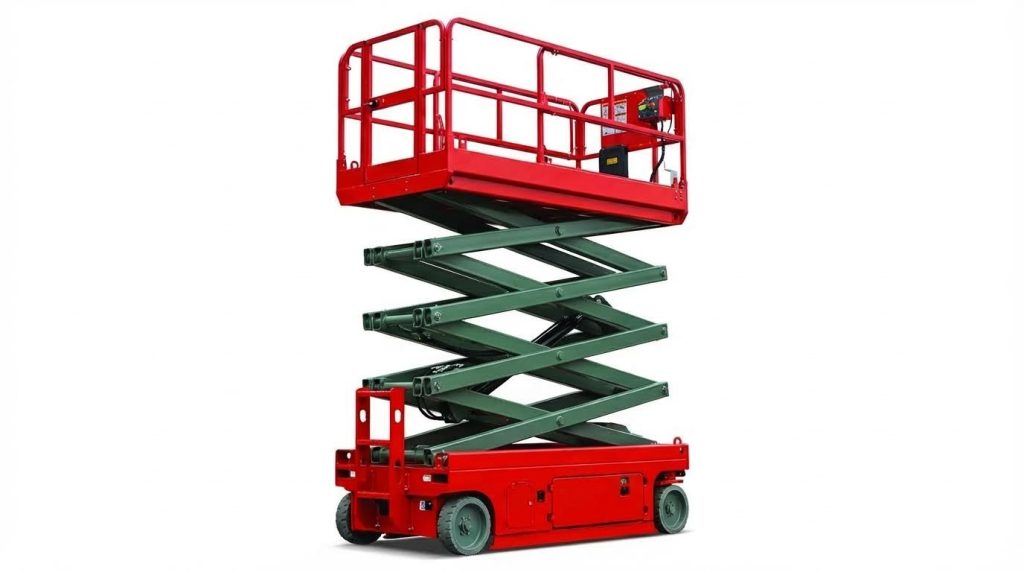
Core battery technologies for scissor lifts defined platform run time, maintenance burden, and total operating cost. Historically, manufacturers installed flooded lead-acid deep cycle batteries as standard because of low upfront cost and mature supply chains. Over time, AGM and other VRLA variants reduced maintenance requirements while preserving similar electrical characteristics. Lithium-ion, especially LiFePO4, then enabled higher energy efficiency, faster charging, and longer life for high-duty and multi-shift applications.
Flooded Lead-Acid Deep Cycle Batteries
Flooded lead-acid deep cycle batteries powered a large share of legacy scissor lifts. These batteries used liquid electrolyte and thick plates engineered for repeated deep discharge, not high cranking current. Typical installations used two 12 V deep cycle units in series, or multiple 6 V cells, to achieve the lift’s system voltage and ampere-hour requirement. Operators had to monitor electrolyte level, adding distilled water so plates stayed covered without overfilling, and clean terminals to control corrosion. In cold sites, performance dropped sharply, so lifts needed longer charging windows and careful scheduling to maintain productivity.
AGM And VRLA Maintenance-Free Options
AGM and VRLA batteries addressed maintenance and safety limitations of flooded designs. AGM batteries used absorbent glass mat separators to immobilize electrolyte, creating a sealed, spill-proof lead-acid system. VRLA technology, including AGM and gel variants, incorporated pressure-regulated valves that recombined gases internally and eliminated routine watering. Manufacturers specified these batteries as standard or upgrade options where reduced acid exposure, minimal venting, and lower corrosion risk were critical. Deep cycle VRLA products, such as EV and FM series types, delivered hundreds of cycles, with premium variants reaching about 1,200 cycles at 50% depth of discharge under controlled conditions. These batteries suited users who accepted slightly higher purchase cost in exchange for predictable maintenance and cleaner battery compartments.
Lithium-Ion And LiFePO4 For High-Duty Cycles
Lithium-ion, particularly LiFePO4, reshaped scissor lift battery strategy for intensive use. LiFePO4 chemistry offered stable P–O bonds that resisted thermal runaway and supported robust safety margins under abusive conditions. Typical scissor lift packs operated at 24 V with capacities near 105 Ah, 160 Ah, or 200 Ah, supporting multi-shift duty with short opportunity charges. Compared with lead-acid, LiFePO4 batteries reached up to four times the cycle life and maintained efficiency across a wide temperature range from approximately −20 °C to +75 °C. Integrated battery management systems controlled cell balancing, current limits, and temperature, and options like Bluetooth monitoring enabled real-time state-of-charge visibility. In practice, lithium-equipped lifts achieved up to 1.5 times longer run time and roughly 50% shorter charge time, which supported demanding rental and industrial fleets.
Capacity, Voltage, And Cycle Life Comparisons
Scissor lift battery selection depended on matching system voltage, usable capacity, and expected cycle life. Lead-acid deep cycle batteries for lifts often provided capacities around 200–250 Ah at 6–12 V, with practical life in the several-hundred-cycle range when discharged to 50% depth routinely. VRLA and AGM deep cycle variants improved reliability and reduced maintenance while offering similar voltage configurations and slightly enhanced cycle counts in optimized models. Lithium-ion and LiFePO4 packs delivered comparable or higher nominal capacity at 24 V, but their higher round-trip efficiency and deeper usable depth of discharge effectively increased daily energy availability. Over the service life, LiFePO4 solutions, rated for up to roughly ten years and thousands of cycles, reduced replacement frequency and downtime despite higher initial cost. Engineers evaluated duty cycle, recharge windows, and ambient temperature to compare lifetime kilowatt-hours delivered per euro or dollar invested across these technologies.
Selecting The Right Battery For Your Application

Battery selection for scissor lifts directly affects uptime, safety, and total operating cost. Engineers and fleet managers must balance chemistry, capacity, and duty cycle requirements against environmental and regulatory constraints. Modern product ranges included flooded lead-acid, AGM/VRLA, and lithium-ion or LiFePO4, each with distinct performance envelopes. A structured comparison allowed objective decisions rather than brand-driven choices.
Matching Battery Chemistry To Duty Cycle
Duty cycle defined the appropriate chemistry more than any other parameter. Traditional flooded lead-acid deep cycle batteries suited single-shift, low-to-medium utilisation where overnight charging was available and operators could maintain electrolyte levels. AGM and VRLA batteries, such as Vision’s EV and FM deep cycle series, offered sealed construction and reduced maintenance for similar duty cycles, with up to roughly 700–1,200 cycles at 50% depth of discharge depending on series. High-duty, multi-shift operations benefited from lithium-ion or LiFePO4 packs like the 24 V 105–200 Ah units described by BNT Battery, which delivered fast charging and up to four times the life of lead-acid. In practice, fleets running opportunity charging and frequent partial charges selected lithium solutions to avoid the sulphation and premature degradation that affected flooded batteries under the same conditions.
Environmental, Safety, And Regulatory Factors
Site conditions and regulatory requirements strongly influenced chemistry choice. Flooded lead-acid batteries produced hydrogen gas during charging and required well-ventilated charging areas and acid-resistant PPE, in line with typical occupational safety guidance for lead-acid systems. AGM and VRLA designs reduced acid exposure risk by using sealed, spill-resistant construction, which simplified compliance in indoor or food-handling environments. Lithium iron phosphate batteries improved safety further through inherently stable P–O bonds in the cathode crystal structure, which resisted thermal runaway and tolerated a wide operating range from about −20 °C to +75 °C. Environmental regulations, including RoHS-type heavy metal restrictions, favoured LiFePO4 chemistries that contained no free liquid acid and no added toxic heavy metals, while still requiring proper end-of-life recycling. Operators also considered cold-weather operation, where lithium packs with integrated heaters and Bluetooth monitoring provided traceable performance and easier documentation for safety audits.
Lifecycle Cost And ROI For Battery Upgrades
Lifecycle cost analysis compared acquisition price, replacement interval, charging energy, and downtime. Flooded lead-acid batteries had the lowest initial cost but required regular watering, cleaning, and controlled charging practices; frequent deep discharge or opportunity charging shortened their service life and increased unplanned replacements. AGM and VRLA batteries cost more upfront but reduced labour for maintenance and extended replacement intervals due to higher cycle life and better tolerance to partial discharges. Lithium-ion and LiFePO4 packs carried the highest purchase price yet often delivered the lowest cost per operating hour in multi-shift fleets, as they lasted up to roughly ten years with fourfold cycle life and reduced energy losses. Faster charging and the ability to capture up to about 80% more regenerative energy, as reported for lithium systems, decreased downtime and allowed smaller battery pools. A robust ROI calculation included warranty length, charger compatibility, and the avoided cost of spare batteries and swap labour.
OEM Specifications, Retrofits, And Warranties
Adherence to OEM specifications ensured that battery upgrades did not compromise safety or certification. Manufacturers defined nominal system voltage, required capacity in ampere-hours, allowable chemistries, and approved charger types in the scissor lift manual. When retrofitting from flooded lead-acid to AGM or lithium, engineers verified physical envelope, mass distribution, and cable routing to maintain stability and rated load performance. Lithium retrofit kits often integrated a Battery Management System and required chargers matched to the pack’s voltage and charge profile, since external booster chargers could violate OEM guidelines. Warranty coverage depended on using authorised batteries and chargers; deviations risked voiding both battery and machine warranties. Fleet managers therefore coordinated with OEMs or authorised dealers before changing chemistries, documented any modifications, and ensured that maintenance personnel were trained on the specific inspection and charging requirements of the selected battery technology.
Safe Battery Replacement And Maintenance Procedures
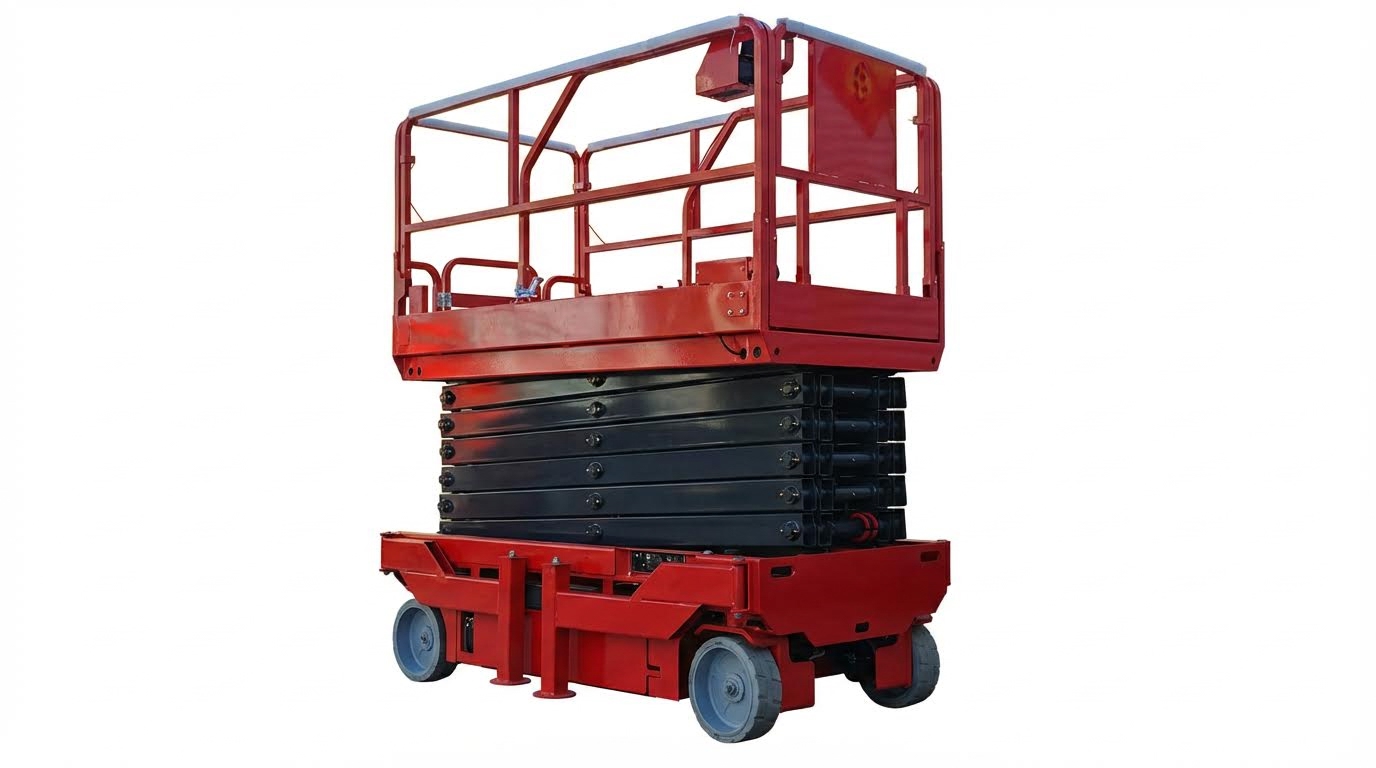
Safe battery replacement and maintenance determined overall scissor lift reliability, uptime, and compliance with site safety rules. Modern fleets used flooded lead-acid, AGM/VRLA, and lithium-ion or LiFePO4 packs, each with specific handling and charging requirements. Structured procedures limited arc flash risk, acid exposure, and premature battery failure. The following practices aligned with typical OEM manuals and industry guidance for MEWPs (mobile elevating work platforms).
Tools, PPE, And Shop Setup Requirements
Technicians required basic hand tools plus task‑specific safety gear. Standard tools included insulated wrench or socket sets, a torque wrench where specified, a multimeter, battery lifting straps, and a terminal or wire brush. Recommended PPE included acid‑resistant gloves, safety goggles or a face shield, and steel‑toe footwear; some facilities also specified aprons and Class 0 insulated gloves for lead‑acid work. The work area needed good ventilation to disperse hydrogen from charging lead‑acid batteries and a ban on open flames or sparks. Shops stored baking soda solution or a neutralizing agent, eye‑wash access, and spill kits near the work zone, and they posted lockout and battery handling procedures clearly.
Removal, Installation, And Cable Management
Technicians always powered down the lift, removed the key, and disconnected external AC before touching batteries. They located the battery compartment, often under the platform or in a side tray, and documented cable routing and series or parallel links with photos or tags. During removal, they disconnected the negative terminal first to reduce short‑circuit risk, then the positive, using appropriate tools to avoid bridging metal between posts. Batteries weighing up to 50 kg or more required lifting straps or mechanical aids to prevent musculoskeletal injuries. During installation, they positioned new batteries according to OEM polarity diagrams, connected positive cables first then negative, and ensured series or parallel links matched the original configuration. They routed cables to avoid pinch points and sharp edges, secured them with clamps or ties, and verified that no conductor had damaged insulation or loose lugs that could generate heat under high current.
Charging Practices And Temperature Management
Charging procedures depended on chemistry but always followed the lift and charger manufacturer instructions. For flooded lead‑acid batteries, operators favored full overnight charges over frequent short opportunity charges, which historically reduced cycle life. Smart chargers on many scissor lifts limited charge voltage, resumed charging at defined thresholds, and refused to charge batteries below a minimum voltage to prevent damage. Operators plugged chargers into properly grounded AC outlets and charged only in ventilated areas to control hydrogen accumulation. Temperature management was critical because battery capacity dropped sharply in cold conditions and heat accelerated degradation. In winter, heaters or battery heating options kept packs near room temperature, while in hot climates fans or shading reduced thermal stress. LiFePO4 batteries with integrated BMS and optional heaters operated across wide temperature ranges but still required adherence to specified charging temperature windows.
Inspection, Testing, And End-Of-Life Recycling
Routine inspections focused on wiring integrity, terminal condition, electrolyte levels where applicable, and physical damage. Technicians checked monthly for cracked cases, loose hold‑downs, cut insulation, and corrosion at posts or connectors, cleaning deposits with a baking soda solution and re‑coating terminals afterward. For flooded cells, they verified that electrolyte covered the plates without overfilling, typically adding distilled water after charging unless levels were below the plates. Electrical testing used a multimeter to confirm pack voltage and, for lead‑acid, sometimes a hydrometer to identify weak cells via low specific gravity. When performance declined or cells failed tests, operators removed batteries using the same safety steps and sent them to certified recycling centers, never to general waste. LiFePO4 packs, which contained no lead and complied with RoHS, still required regulated recycling channels to manage lithium content responsibly.
Summary: Optimizing Scissor Lift Battery Performance
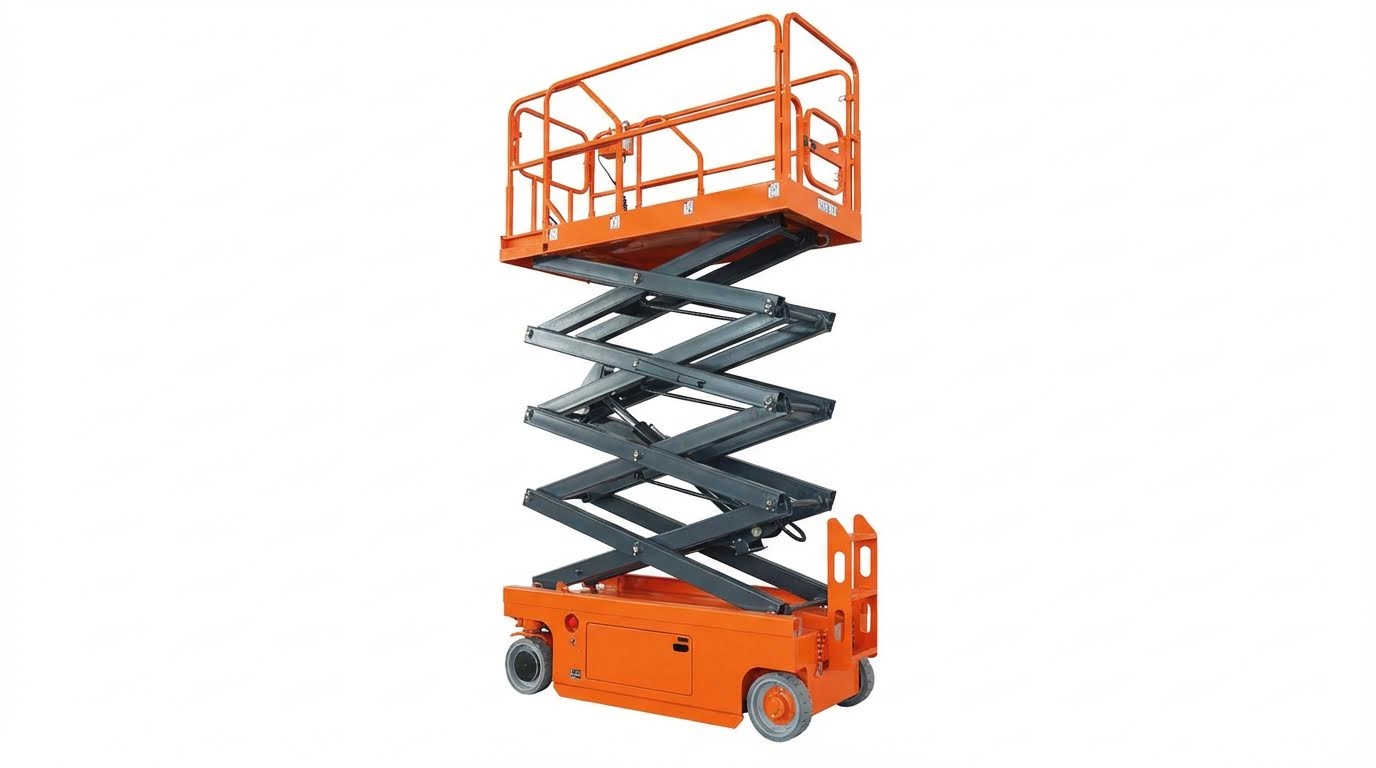
Optimizing scissor lift battery performance required a coordinated approach that linked chemistry selection, correct sizing, and disciplined maintenance. Flooded lead-acid, AGM/VRLA, and lithium-ion or LiFePO4 technologies each offered distinct trade-offs in energy density, cycle life, maintenance requirements, and upfront cost. Lead-acid solutions, including VRLA deep-cycle designs, delivered predictable performance when operators controlled depth of discharge, maintained electrolyte levels, and kept terminals clean and corrosion-free. Lithium-ion and LiFePO4 packs supported higher charge acceptance, fast opportunity charging, and longer service life, which suited multi-shift fleets and high-utilization rental applications.
Across the industry, the most significant trend was the gradual shift from flooded lead-acid toward sealed AGM and then lithium-based systems. This evolution reduced routine maintenance, minimized acid exposure, and improved energy efficiency, while also aligning with RoHS and similar environmental regulations. Future scissor platform platforms were expected to integrate smarter Battery Management Systems, onboard diagnostics, and remote monitoring to manage temperature, charge profiles, and regenerative energy capture more precisely. Integration with fleet telematics would further support predictive replacement based on actual cycles and operating temperature history instead of simple calendar age.
Practical implementation depended on matching battery technology to duty cycle, ambient temperature, and charging infrastructure. Fleets needed clear procedures for PPE use, cable routing, torque checks, and post-installation functional tests, as well as defined recycling channels for end-of-life lead-acid packs. A balanced strategy recognized that flooded or AGM batteries still fit low-to-moderate duty, cost-sensitive applications, while lithium solutions unlocked lower lifecycle cost where utilization and charging discipline justified the premium. By combining appropriate chemistry selection with correct charging practices and regular inspections, operators could extend battery life, reduce unplanned downtime, and maintain safe, reliable scissor lift performance over the full service interval.