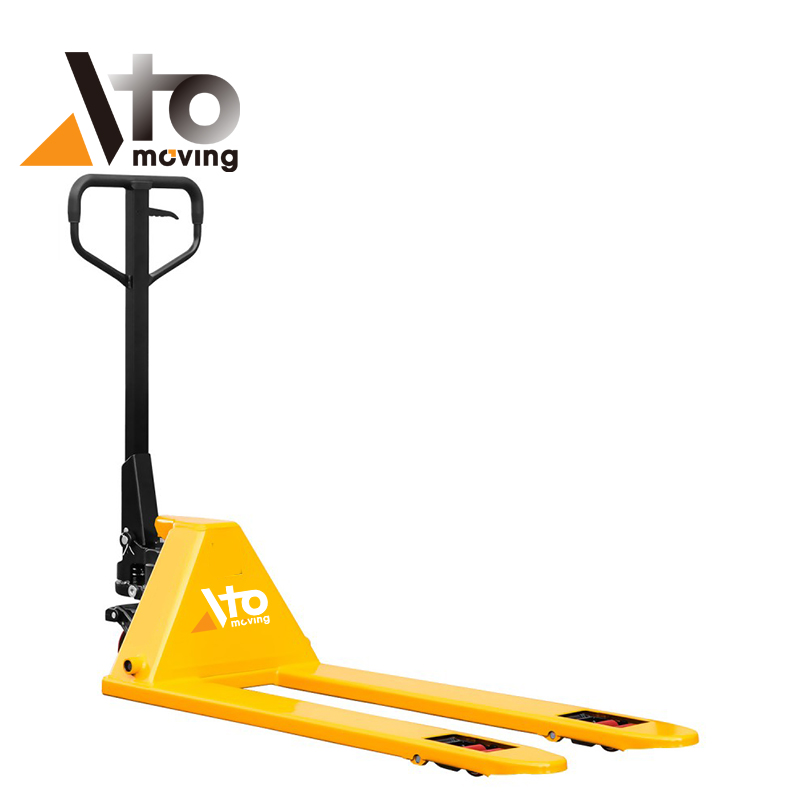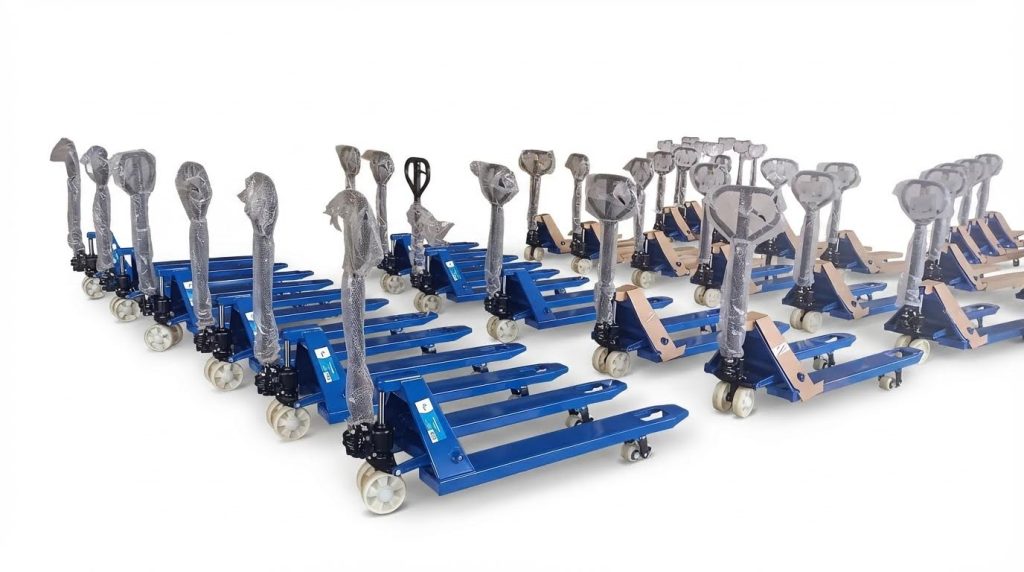
Pallet trucks and jacks sat at the center of modern material handling, linking storage, production, and distribution flows. This article outlined the regulatory framework that governed their design, use, and maintenance, with emphasis on OSHA, HSE, and PUWER requirements. It then moved through practical inspection regimes, from daily operator checks to formal six‑monthly examinations and defect management. Finally, it examined engineering controls, safe operating techniques, emerging technologies, and how all these factors interacted to drive compliance, reduce risk, and optimize lifecycle cost.
Regulatory Framework For Pallet Trucks And Jacks

The regulatory framework for pallet trucks and jacks combined equipment-specific jack rules with wider powered industrial truck and work equipment requirements. OSHA standards in 29 CFR 1910 and 1926 defined mandatory design features, inspection intervals, and safe operating limits for U.S. workplaces. HSE guidance and PUWER in the UK required suitable equipment selection, documented pre-use checks, and systematic maintenance. Together these rules aimed to control mechanical failure, overload, and operator error across the full lifecycle of pallet jacks and pallet trucks.
Key OSHA And HSE Standards For Jacks And Trucks
OSHA treated pallet jacks and trucks as industrial trucks and jacking devices, so several sections applied simultaneously. 29 CFR 1910.244 and 1926.305 governed jacks, requiring adequate rated capacity, positive stops to prevent overtravel, firm foundations, and secure blocking after lifting. 29 CFR 1910.178 covered powered industrial trucks, including powered pallet jacks, and required pre-use examinations, safe speeds, and competent operators. HSE guidance and PUWER in the UK required that pallet trucks be suitable for the task, maintained in safe condition, and inspected at defined intervals, with defects addressed before further use. Both regimes emphasized formal risk assessment, safe systems of work, and integration of inspections into routine operations.
Capacity Marking, Stability, And Load Security Rules
OSHA required that the manufacturer’s rated capacity be legibly and permanently marked on every jack in a prominent position. Standards 1910.244(a)(1)(ii) and 1926.305(a)(1) prohibited exceeding this rating and placed responsibility on the operator to verify that rating against the intended load. General industry rules such as 1910.178(o)(1) required handling only stable, safely arranged loads and warned against off‑centre or unbalanced loads that could not be centered. Good practice required operators to keep loads low to the ground during travel, distribute weight evenly on the forks, and avoid sharp edges or projections that could shift or damage restraints. HSE and PUWER-based guidance reinforced these principles by requiring that loads be secure, paths clear, and floor conditions suitable before moving a pallet truck.
Employer Duties: Training, Supervision, And Records
OSHA placed explicit duties on employers to ensure operator competence for powered industrial trucks under 1910.178(l)(1)(i). Training needed to cover theoretical knowledge, equipment-specific controls, load limits, and practical safe operating techniques, followed by evaluation and periodic refresher training. Employers also had to implement pre-use examinations for pallet jacks and trucks and ensure that defective equipment was removed from service, tagged, and repaired before reuse. Under PUWER and HSE guidance, employers had to keep records of daily and periodic inspections, including defects found and corrective actions, to demonstrate compliance and support audits. Supervision and enforcement of site rules, such as speed limits, PPE use, and route discipline, formed a critical part of the regulatory expectation for ongoing control of pallet truck and jack risks.
Inspection Regimes: Daily Checks To Six-Month Exams

Inspection regimes for pallet trucks and jacks linked day-to-day operator checks with structured engineering examinations. A layered approach reduced sudden failures, supported OSHA and HSE compliance, and extended asset life. Effective regimes combined standardized checklists, clear tagging rules, and documented maintenance decisions. This section described how to build that system from pre-use checks up to six‑month inspections.
Pre-Use Visual Inspection Checklist For Operators
Pre-use inspections functioned as the first safety barrier before each shift or task. Operators visually checked the frame for cracks, bends, or corrosion, and confirmed forks were straight, free from cracks, and not excessively worn at the heels. Wheels and rollers had to rotate freely, without flat spots, embedded debris, or loss of tread; pneumatic wheels needed correct inflation. The handle, steering, and brake (if fitted) had to operate smoothly, without sticking, excessive free play, or delayed response.
Hydraulic systems required particular attention. Operators looked for oil leaks at seals, hose connections, and the reservoir, and verified that the jack pumped smoothly and held the load without creep. The release valve needed to lower the forks in a controlled manner, without sudden drops. Rated capacity markings had to be legible and matched to the intended load, in line with OSHA 1910.244(a)(1)(ii) and 1926.305(a)(1). Finally, operators inspected the work area: clear travel paths, acceptable floor conditions, no obvious slopes beyond site rules, and adequate lighting and space to maneuver.
Formal Periodic Inspections And Service Intervals
Formal periodic inspections complemented daily checks by providing deeper, documented examinations at defined intervals. OSHA 1910.244(a)(2)(vi) and 1926.305(d)(1)(iv) required thorough inspections based on service conditions, with a minimum frequency of every six months for jacks used constantly or intermittently at one location. These inspections typically involved a competent technician measuring fork wear, checking structural alignment, and verifying that positive stops and travel limit indicators functioned correctly. Hydraulic components were checked under load for internal leakage, pressure stability, and cylinder rod condition.
Service intervals were set using manufacturer recommendations, duty cycles, and environmental exposure, such as corrosive atmospheres or freezing conditions that required suitable antifreeze in hydraulic jacks. Technicians inspected welds, pivot pins, and axles for fatigue, and confirmed lubrication at all specified points, as mandated by 1910.244(a)(2)(v). For powered pallet trucks, periodic inspections also covered electrical wiring, battery condition, chargers, and control electronics. Findings from these inspections drove planned maintenance actions, parts replacement, and, where necessary, temporary removal from service.
Tagging, Lockout, And Defect Management Practices
Defect management started with clear criteria for when a pallet truck or jack became unsafe. Visible structural cracks, leaking hydraulics, inoperative brakes, missing capacity markings, or failed positive stops all justified immediate removal from service. OSHA 1910.244(a)(2)(viii) and 1926.305(d)(1)(vi) required that disabled jacks be tagged and not used until repaired. Facilities used standardized “Do Not Use” tags with date, defect description, and the person reporting, attached at the handle or control position.
Lockout practices for powered pallet trucks added physical energy isolation, such as removing keys, disconnecting batteries, or applying lockable isolators during maintenance. After abnormal events, such as overloads, impacts, or shock loading, 1910.244(a)(2)(vi)(c) required immediate pre‑ and post‑use inspections, often triggering precautionary tagging. Repair parts had to be inspected for defects and suitability before installation, following 1910.244(a)(2)(vii). Only competent personnel should authorize removal of tags after verifying that corrective actions restored full functionality and compliance.
Documentation, PUWER, And Audit-Ready Records
Under PUWER in the UK and OSHA requirements in the US, employers had to demonstrate that work equipment remained safe through its lifecycle. Documentation formed the evidence base. Daily pre-use checklists captured pass/fail outcomes, noted defects, and recorded immediate actions or escalations. Formal inspection reports referenced asset identifiers, inspection scope, measurements, replaced parts, and the inspector’s competence. Retention periods
Engineering Controls, Safe Operation, And New Tech
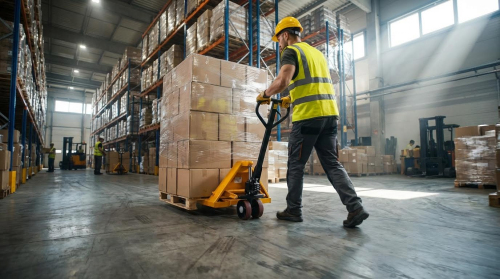
Engineering controls defined how pallet trucks and jacks met OSHA and HSE expectations for inherent safety. Designers embedded positive stops, cribbing interfaces, and hydraulic safeguards to prevent overtravel, instability, and sudden loss of support. Operators then applied safe-use techniques that differed between manual and electric units, especially on slopes, in confined spaces, and on damaged floors. New technologies such as telematics, sensor-based monitoring, and digital twins increasingly supported predictive maintenance and compliance assurance.
Design Features: Positive Stops, Cribbing, And Hydraulics
OSHA regulations required all jacks to incorporate a positive stop to prevent overtravel of the lifting mechanism. Designers typically used mechanical limit stops or internal stroke limiters so the ram could not exceed the safe travel range. Standards also required cribbing or blocking of the jack base when the foundation was not firm, and immediate cribbing or blocking of the raised load. This drove the inclusion of flat, stable base plates and clear contact areas for timber blocks or engineered cribbing systems.
Hydraulic circuits needed smooth, controllable lifting and lowering, plus resistance to sudden pressure loss. Manufacturers used check valves, pressure relief valves, and carefully sized orifices to achieve gradual lowering and to protect seals from overload. In freezing environments, OSHA required adequate antifreeze fluid, so hydraulic specifications referenced temperature ranges and compatible low-temperature oils. Lubrication points and seal materials were selected to support the mandated regular lubrication intervals and six‑month minimum inspection cycle.
Manual Vs. Electric Pallet Trucks: Risks And Controls
Manual pallet trucks relied on operator force for propulsion and pumping, which shifted risk toward musculoskeletal strain and poor body mechanics. Controls focused on handle ergonomics, low rolling resistance wheels, and smooth hydraulic pumps to reduce peak push and pull forces. Electric walkie and rider pallet trucks introduced higher kinetic energy, so speed control, braking performance, and stability during turns became critical. OSHA powered industrial truck rules required competent operators, pre-use checks, and speed moderation to maintain safe stopping distances.
Electric units needed battery management, emergency stop devices, and guarded controls to prevent inadvertent activation. Designers used deadman switches, key or PIN access, and proportional travel controls for precise low-speed maneuvering. Manual trucks usually posed lower collision energy but still required capacity markings and stable loads to prevent tip or drop events. Both types had to display legible rated capacity and maintain the load within that rating, with off-centre or unstable loads treated as non-compliant per OSHA load-handling provisions.
Operating On Slopes, Confined Areas, And Poor Floors
Operating pallet trucks on slopes increased rollback, runaway, and tipping risks, so guidance recommended avoiding steep gradients where possible. When movement on inclines was unavoidable, operators moved slowly, kept the load low, and ensured the truck rating and braking capability were adequate. On uneven or damaged floors, wheel impact loads rose and stability margins decreased, so inspections of floor conditions formed part of pre-use work-area checks. Operators scanned for cracks, potholes, and wet spots, then adjusted route, speed, or cribbing as needed.
Confined spaces such as trailers or narrow aisles required tight maneuvering and heightened situational awareness. Safe practice involved slow travel, controlled turns, and assistance or mirrors when visibility was restricted. Regulations required stable, safely arranged loads, so in tight spaces operators avoided sudden steering inputs that could shift the centre of gravity. Employers supported this with training that covered route planning, spotter use, and specific site rules for docks, elevators, and mezzanines.
Predictive Maintenance, Telematics, And Digital Twins
Predictive maintenance approaches extended beyond basic six‑month inspections by using condition data from pallet trucks and jacks. Sensors tracked usage hours, lift cycles, hydraulic pressures, and shock events to forecast seal wear, wheel damage, or frame fatigue. Telematics modules transmitted this data to fleet management systems, enabling maintenance scheduling before functional failures or safety-critical defects occurred. These systems also supported compliance by logging pre-use checks, fault codes, and repair confirmations for audit trails.
Digital twins represented high-fidelity virtual models of pallet trucks and their duty cycles, used mainly in larger fleets or automated facilities. Engineers simulated stress distributions, thermal behaviour, and hydraulic performance under typical
Summary Of Compliance, Risk Reduction, And Lifecycle Costs
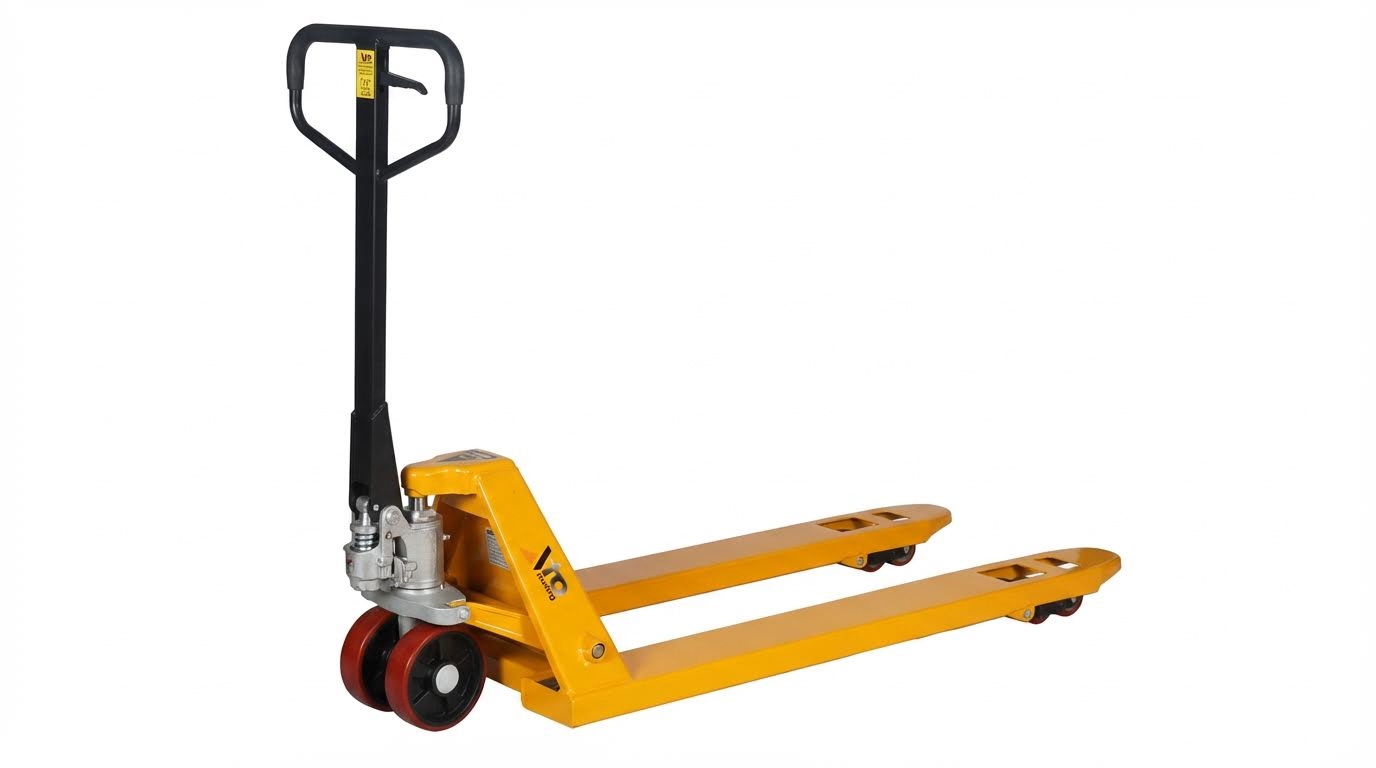
Regulatory compliance for pallet trucks and jacks centered on OSHA and HSE requirements for capacity marking, inspection, and safe operation. Standards such as 29 CFR 1910.244, 1926.305, and 1910.178 defined minimum expectations for rated load marking, positive stops, cribbing, lubrication, and inspection frequencies. HSE-aligned daily checklists and PUWER-style regimes supported this by formalizing pre-use and periodic examinations. Together, these frameworks reduced mechanical failure risk and helped control manual handling and struck-by hazards.
Risk reduction in practice relied on three pillars: engineering controls, disciplined inspection, and competent operators. Engineering controls included positive travel stops, robust hydraulic circuits, adequate antifreeze in cold environments, and stable chassis and fork design. Daily operator checks and six‑monthly thorough examinations detected cracks, leaks, and wear before catastrophic failure. Structured training and supervision ensured operators respected capacity limits, maintained low travel speeds, and used correct techniques on slopes, in confined spaces, and on poor floors.
Lifecycle cost performance improved when organizations treated pallet trucks and jacks as safety‑critical assets rather than consumables. Systematic lubrication, timely seal and wheel replacement, and prompt defect tagging and repair extended service life and reduced unplanned downtime. Digital tools such as telematics, checklists on mobile devices, and emerging digital‑twin approaches enabled condition‑based maintenance and supported audit‑ready records. Looking ahead, integration of sensors, automated inspection prompts, and analytics will further align compliance, safety performance, and total cost of ownership, provided employers continue to invest in training and robust maintenance governance.