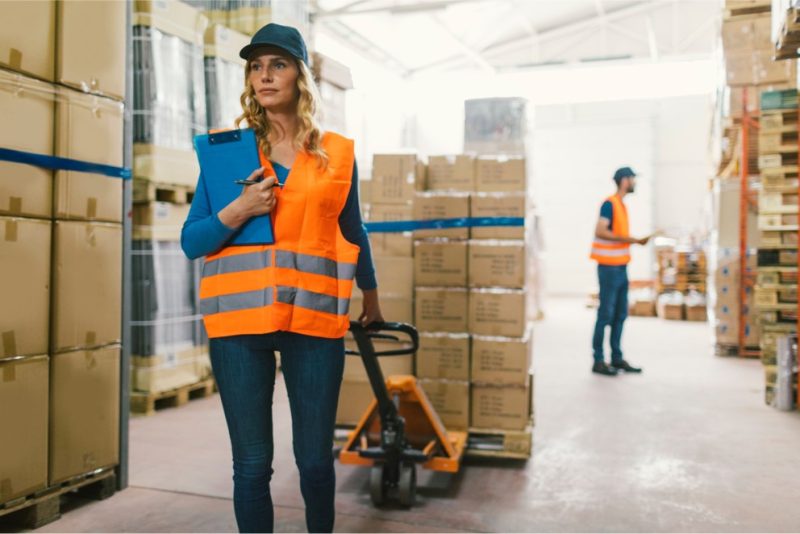
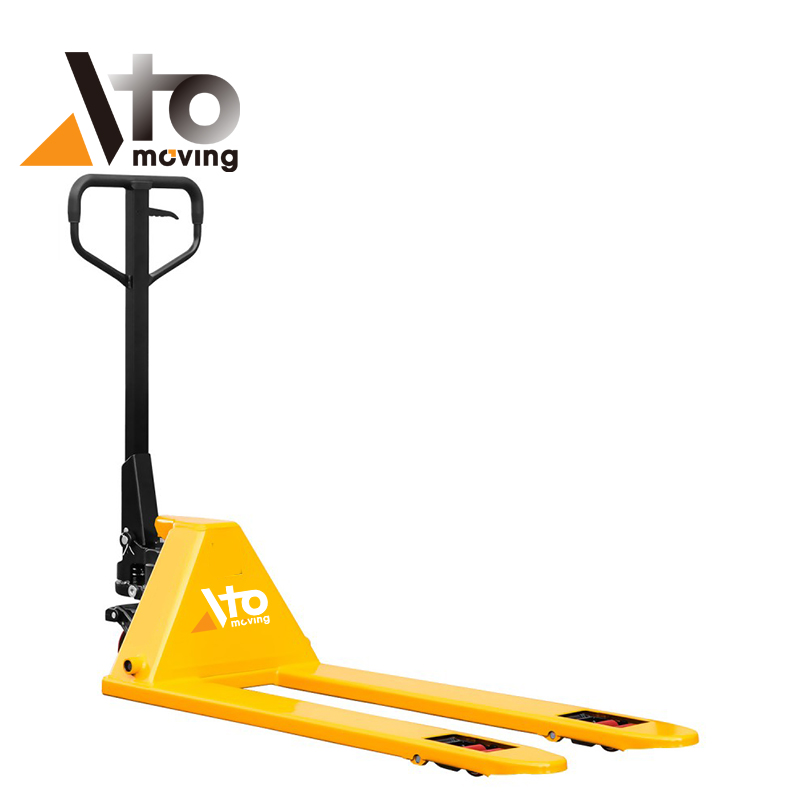
Pallet jack wheel performance directly affected safety, rolling resistance, and lifecycle cost in material handling systems. This guide covered wheel types and materials, typical failure modes, and how to match designs to floor conditions and loads. It then examined how to specify replacement wheels and kits, including capacity, diameter, bearings, and material selection for harsh environments. Finally, it detailed safe replacement, adjustment, and verification procedures before summarizing reliability, safety, and cost implications over the jack’s service life.
Wheel Types, Materials, And Failure Modes
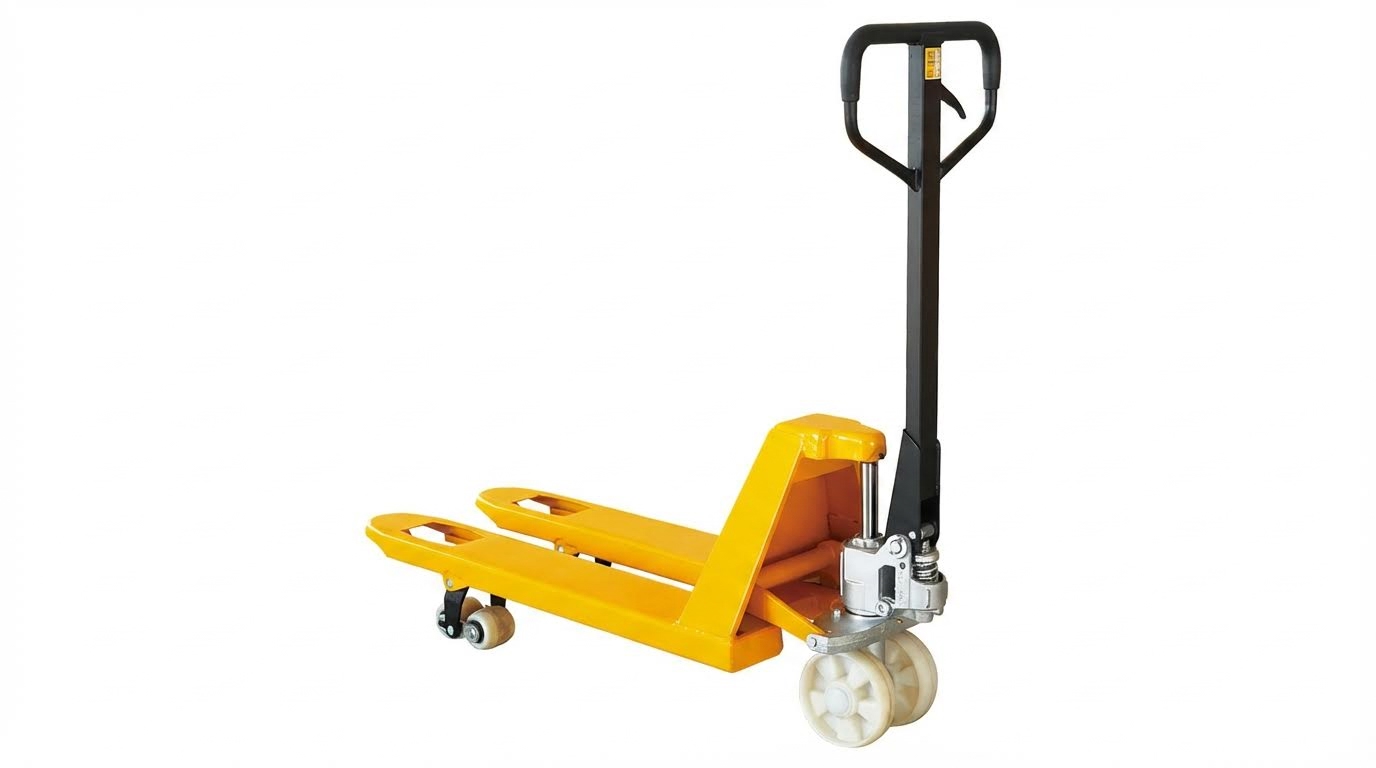
Pallet jack wheel engineering linked wheel geometry, material, and bearing design directly to reliability and ergonomics. Steer, load, bogie, and caster wheels carried different portions of the load and saw distinct stress profiles, so they failed in different ways. Matching wheel type and compound to floor conditions, load spectrum, and ambient environment reduced rolling resistance, wear, and safety risks. A structured understanding of wheel functions, materials, and failure modes allowed engineers to specify replacements and upgrades with predictable lifecycle cost.
Steer, Load, Bogie, And Caster Wheel Functions
Standard manual pallet jacks used two rear steer wheels and two front load wheels under the fork tips. The steer wheels carried a large share of the static and dynamic load during maneuvering and provided directional control through the tiller. Load wheels supported the fork tips, entered pallets, and experienced high contact pressures during crossing joints or debris. Bogie wheel assemblies used two or more small rollers in tandem at each fork tip to distribute load, improve climbing over thresholds, and reduce local stresses on uneven floors. Powered pallet trucks often added side castor wheels linked by torsion tubes to stabilize the chassis, control body roll, and prevent the “walking duck” effect caused by unbalanced spring forces.
Polyurethane, Nylon, Vulkollan, And Alternative Compounds
Polyurethane wheels provided a compliant tread with low noise, good floor protection, and moderate chemical resistance, so they suited smooth indoor floors and light to medium loads. Nylon wheels had a harder, lower-hysteresis tread that rolled easily under higher loads, tolerated rougher floors, and resisted many industrial chemicals, but they transmitted more vibration and noise. Vulkollan, a high-performance cast polyurethane, offered higher tear strength, lower compression set, and better wear resistance than standard PU, so it served heavy-duty or high-intensity applications where PU wore too quickly. Alternative compounds such as rubber, friction-enhanced polyurethane, Powerthane-type materials, and specialty quartz-filled treads optimized grip on wet or slippery floors, electrostatic behavior, and noise, enabling fine-tuning of wheel behavior to niche environments.
Common Wear Patterns, Flat Spots, And Chunking
Typical pallet jack wheel failures included diameter loss, flat spotting, surface cracking, and chunking of the tread. Flat spots developed when trucks remained parked under load for long periods or when operators dragged locked wheels, which increased rolling resistance and vibration. Chunking occurred when pieces of tread tore away due to embedded debris, impacts with joints, or overload on brittle or aged compounds, and it often exposed the core or even metal. Engineers considered wheels worn out when diameter loss exceeded about 6 mm from nominal, when cracks propagated across the tread, or when flat spots and bearing play caused wobble, grinding noise, or restricted rotation.
Matching Wheel Design To Floor, Load, And Environment
Wheel selection started from floor condition: smooth, coated concrete favored PU or soft-compound treads, while rough or damaged floors required harder nylon or Vulkollan to avoid rapid abrasion. High static and dynamic loads pushed designs toward larger diameters, bogie rollers, and harder compounds with higher compressive strength to limit deformation and heat build-up. Cold stores, wet ramps, or chemical exposure zones demanded materials with validated temperature and chemical resistance, such as nylon or Vulkollan, and treads with enhanced traction when floors were moist. For noise-sensitive or clean environments, engineers prioritized softer, non-marking compounds, sealed bearings, and wheel geometries that minimized impact shocks while still meeting load and durability requirements.
Selecting Replacement Wheels And Kits
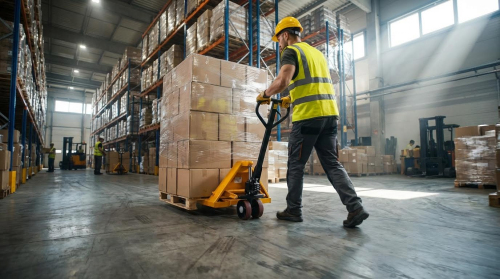
Replacement wheel selection strongly influences pallet jack safety, push force, and lifecycle cost. Engineers should treat wheels as engineered components, not consumables. Correct material, geometry, and bearing specification must match the rated load, floor condition, and duty cycle. The following subsections structure the selection process into capacity, configuration, environment, and sourcing strategy.
Load Capacity, Diameter, And Bearing Specification
Wheel load rating must exceed the pallet jack’s maximum rated capacity divided by the number of load‑sharing wheels, with margin for dynamic impacts. For example, a 2 500 kg jack with four load rollers should use rollers individually rated above approximately 700–800 kg to account for uneven floors and shock loading. Larger wheel diameters reduce rolling resistance and ease obstacle climbing, but they must remain compatible with fork tip geometry and pallet entry height. Engineers should verify that replacement wheel diameter and overall fork height stay within the original manufacturer’s specification to maintain pallet compatibility.
Bearing type determines both effort and durability. Sealed deep‑groove ball bearings provide low rolling resistance and good service life in clean or moderately dirty indoor environments. Plain bores or bushings tolerate shock and washdown better but increase push force and heat at higher speeds. For powered pallet trucks, bearing speed ratings and lubrication type must match the drive speed and duty cycle to prevent overheating. In corrosive or wet environments, stainless steel bearings or polymer bushings reduce seizure risk, especially where outdoor storage accelerates rust. Weekly spin tests and listening for grinding helped identify bearings that required replacement before catastrophic failure.
Choosing Between Single And Bogie Load Rollers
Single load rollers suit smooth, flat floors where maneuverability and tight turning are priorities. They present a smaller contact patch, which reduces scrub during pivoting and simplifies precise positioning under pallets. However, single wheels see higher contact stress and wear faster under heavy loads or across dock plates and expansion joints. Engineers should avoid single rollers for heavily rutted or damaged floors because impact loads concentrate into one wheel and one bearing set.
Bogie load rollers use two wheels per fork tip, typically on a rocker or tandem axle, to distribute load and bridge gaps. This configuration improved performance on uneven floors, broken concrete, and ramp transitions because at least one wheel remained loaded and rolling. Bogie rollers also reduced individual wheel wear and lowered the risk of flat spots when operators crossed thresholds frequently. They worked particularly well with European pallets and skids that demanded better climbing capability into lower entry openings. The trade‑off is a slightly larger turning radius and more components to maintain, including additional bearings and axles. When specifying bogies, engineers must confirm that fork tip geometry and pallet openings provide sufficient clearance to avoid jamming.
Material Selection For Cold, Wet, Or Chemical Exposure
Wheel material must align with floor hardness, temperature range, and chemical exposure. Polyurethane wheels provided quiet, low‑noise travel and protected smooth concrete or coated floors from scratching. They offered good chemical and puncture resistance but wore quickly on rough or debris‑covered surfaces and under continuous heavy loads. Nylon wheels, by contrast, were harder, rolled easily under heavy loads, and resisted many industrial chemicals, making them suitable for severe environments, cold storage, and high‑temperature areas where polyurethane degraded faster.
Higher‑performance compounds such as Vulkollan or VU‑type elastomers supported heavy loads with slower wear than standard polyurethane, at higher cost. These materials suited intensive multi‑shift operations or rough floors where standard PU wheels flattened, chunked, or cracked prematurely. Alternative materials like rubber or friction‑enhanced treads improved grip on wet or slippery floors and reduced electrostatic discharge but increased rolling resistance. Engineers should also consider that soft, high‑friction treads might mark floors or act like sandpaper, as reported for quartz‑filled compounds. For chemically aggressive sites, material data sheets and compatibility charts should confirm resistance to acids, solvents, or cleaning agents before specification.
Using OEM, Aftermarket, And Complete Wheel Kits
Engineers can source replacement wheels as individual components, as matched wheel kits, or through OEM part numbers. OEM wheels and kits typically match the original diameter, hardness, and bearing configuration, which simplifies compliance with the pallet jack’s rated capacity and maintains handling characteristics. Aftermarket options offer broader material choices, such as upgrading from polyurethane to Vulkollan or nylon for heavier or harsher service, but they require careful verification of dimensions, bore type, and load ratings. Using non‑equivalent diameters or hardness without analysis can alter fork height
Wheel Replacement, Adjustment, And Setup
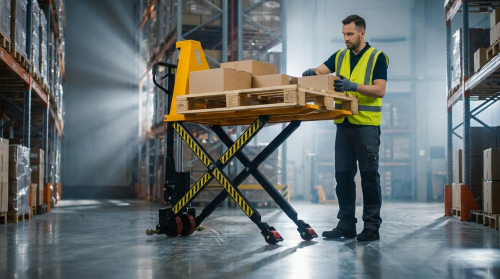
Wheel replacement on pallet jacks required a controlled, repeatable procedure to maintain safety and performance. Technicians minimized downtime by combining wheel change, alignment checks, and rolling resistance verification in a single service event. Correct positioning, secure support, and proper seating of axles and retainers prevented wheel loss, uneven wear, and steering instability. A structured approach also reduced the risk of damaging forks, brackets, or hydraulic components during maintenance.
Safe Jack Positioning, Support, And Lockout
Technicians first moved the pallet jack to a flat, clean, and well-lit area. They lowered the forks fully to release stored hydraulic energy and removed any load. For manual jacks, they typically laid the unit carefully on its side or inverted it only when stable supports were available. Chocks or blocks under the frame prevented rocking while applying hammer and punch forces to axles and pins.
Lockout in this context meant preventing unintended movement or lifting during work. Operators removed the handle from the operating position and ensured no one could pump or pull the jack. For powered pallet trucks, they disconnected the battery and applied any parking brake before tipping or jacking the unit. Working height and reach were set to maintain an ergonomic posture and reduce the risk of strain while driving out pins or handling wheels.
Step‑By‑Step Load Roller Replacement Procedure
Load roller replacement started with flipping the pallet jack so the fork tips and rollers faced upward and were easily accessible. The technician used a 3/16 inch pin punch to drive out the locking pins on both sides of the roller, then a 3/8 inch pin punch to drive out the axle. Once the axle cleared the brackets, they removed the worn wheels and any damaged or contaminated washers or spacers. At this stage, they inspected the bracket bores for elongation, burrs, or corrosion that could affect axle seating.
Reassembly involved sliding the cleaned or new axle partially through the first bracket and installing a washer. The technician positioned the new load wheel between the brackets, aligned the axle with the wheel bore, and continued to drive the axle through using light hammer blows if necessary. Before the axle reached the second bracket, they added the second washer, then drove the axle fully home so the pin holes aligned. Using a 3/16 inch pin punch as a temporary stop on one side, they held the axle in place while driving in the locking pin from the opposite side with pliers and a hammer, then repeated for the second pin. Both rollers on a fork were replaced as a pair to maintain even rolling height and load distribution.
Steer Wheel Removal, Rebuild, And Reassembly
For steer wheel service, the pallet jack was laid on its side to expose the steering assembly without stressing the handle linkage. The technician used a small flathead screwdriver to pry off the protective cap over the steer wheel hub. Snap-ring pliers then removed the retaining snap ring, followed by the washer or spacer. With retainers removed, the old steer wheel slid off the axle for inspection of tread, core, and bearing condition.
During rebuild, the mechanic cleaned the axle and verified it was straight and free of deep grooves that could trap the snap ring. They installed the new steer wheel, reinserted the washer or spacer, and fitted a new or inspected snap ring, ensuring it fully seated in the groove around the axle circumference. A plastic hammer tapped the cap back into place without deforming it or the hub. After reassembly, the handle was cycled through its steering range to confirm the wheel rotated freely without rubbing the traverse or binding under side load.
Axle, Snap Ring, And Pin Seating Checks
Correct seating of axles, snap rings, and pins was critical to prevent wheel walk-off and misalignment. After installation, the technician visually confirmed that locking pins passed fully through the axle and bracket, with equal protrusion on both sides. They checked that snap rings sat completely in their grooves, with no gap between the ring and the shoulder, and that the ring could not be rotated out of place with light finger pressure. Any deformation, cracks, or loss of spring tension in snap rings or roll pins required immediate replacement.
Axle axial play was measured qualitatively by pulling the wheel side-to-side along the axle. A small clearance allowed free rotation, but excessive end float indicated missing or worn washers or incorrect axle length.
Summary: Reliability, Safety, And Lifecycle Costs
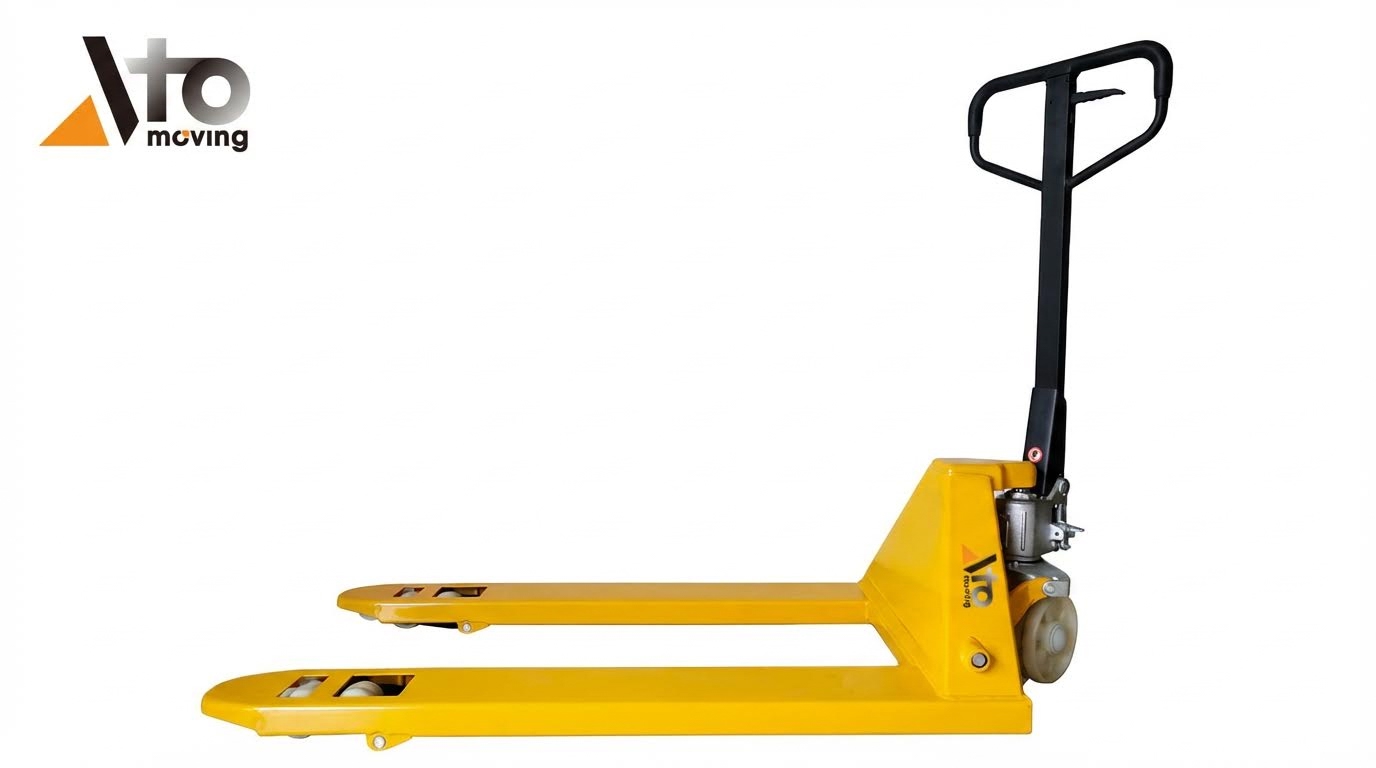
Pallet jack wheel engineering directly influenced reliability, operator safety, and lifecycle cost. Field data showed that regular inspections, cleaning, and lubrication prevented most in‑service failures, while timely wheel replacement eliminated flat‑spotting, overexertion, and cargo damage. Correct matching of wheel material and geometry to floor conditions and load spectra reduced wear rates and extended service intervals. Conversely, underspecified wheels, poor maintenance, or incorrect installation accelerated bearing failure and structural damage in forks and frames.
From a lifecycle perspective, higher‑grade compounds such as Vulkollan or engineered polyurethanes carried higher purchase prices but delivered lower cost per operating hour in heavy or abrasive duty. Nylon and iron wheels reduced rolling resistance and wear in severe environments but required careful assessment of floor compatibility and noise limits. Complete wheel kits and paired roller replacement simplified maintenance, reduced downtime, and helped maintain symmetrical loading, which protected bushings, axles, and hydraulic components. Avoiding improvised lubricants, pressure washing, or unqualified hydraulic repairs further stabilized long‑term ownership costs.
Future practice in pallet jack wheel design and maintenance would likely focus on predictive inspection intervals, corrosion‑resistant bearings, and application‑specific tread compounds optimized for cold stores, wet ramps, and chemically aggressive plants. Implementing structured routines—daily visual scans, weekly lubrication and tightening, and monthly dimensional checks—provided a pragmatic framework for most facilities. Engineers and maintenance planners who treated wheels as safety‑critical components, specified materials based on quantified duty cycles, and enforced correct replacement procedures achieved higher uptime, reduced injury risk, and more predictable lifecycle expenditure.