Electric forklifts represented a major capital decision, but their lifecycle economics often outperformed internal combustion engine fleets. This guide examined cost structure, operating expenses, and return on investment using a total cost of ownership framework. It also reviewed technology, safety, and sustainability factors, including battery chemistries, digital fleet tools, and regulatory drivers. The goal was to help engineers and operations leaders balance upfront price against long-term value when specifying or converting forklift fleets.
Cost Structure Of Modern Electric Forklifts
The cost structure of modern electric forklifts combined several capital and operating elements. Engineers evaluated not only truck price, but also batteries, chargers, infrastructure, and application-specific options. A structured breakdown helped compare electric fleets against internal combustion engine (ICE) fleets on a lifecycle basis. The following sections detailed the main cost blocks and their engineering drivers.
Purchase Price: New Vs. Used Units
New electric warehouse forklifts typically cost between $20,000 and $50,000, depending on capacity and specification. Heavy-duty outdoor electric units with higher capacities exceeded $100,000 due to larger drivetrains and battery systems. Comparative data showed that a 2,500 kg ICE forklift cost about £20,000, while a similar electric unit with battery and charger cost around £25,000. Reconditioned 2,500 kg electric forklifts sold for roughly £8,000 to £10,000, but older units carried higher maintenance and potential battery replacement risk. Engineers assessed purchase decisions using expected service hours, duty cycle, and remaining battery life, rather than price alone. Fleet managers also considered warranty length and availability of certified used equipment to reduce technical and financial risk.
Battery And Charger Cost Breakdown
The traction battery and charger represented a major share of electric forklift capital cost. Lead-acid batteries had lower upfront prices but required regular watering, equalization charging, and ventilation controls. Lithium-ion batteries cost more initially, yet delivered longer life, faster charging, and zero routine maintenance. Typical lithium-ion price ranges were $3,000–$5,000 for 24 V / 200 Ah packs, $7,000–$10,000 for 36 V / 400 Ah, and $12,000–$20,000+ for 48 V / 600–700 Ah heavy-duty systems. Battery replacement over 5–7 years often cost $5,000–$8,000 and had to be included in lifecycle budgets. Charger selection also influenced cost: conventional chargers were cheaper but required long overnight charging, while fast and opportunity chargers cost more yet reduced downtime and increased fleet productivity. Engineering teams modelled energy efficiency, charge profile, and thermal performance when selecting batteries and chargers for specific shift patterns.
Charging Infrastructure And Facility Upgrades
Charging infrastructure created an additional capital layer beyond the truck and battery. Facilities frequently needed new circuits, distribution boards, and dedicated charging areas sized for peak simultaneous loads. Lead-acid installations sometimes required acid-resistant flooring, spill containment, and ventilation or hydrogen extraction systems, which increased civil and mechanical costs. High-power fast-charging systems for lithium-ion packs demanded careful electrical design to avoid overloading existing supply capacity. Engineers coordinated with utilities to evaluate service upgrades, demand charges, and power quality constraints. They also planned charger locations to minimize travel distance, congestion, and cable damage in high-traffic aisles. These infrastructure decisions directly affected uptime, shift design, and long-term cost per operating hour.
Attachments, Options, And Hidden Line Items
Attachments and options significantly shifted the final acquisition cost of electric forklifts. Side-shifters, fork positioners, clamps, rotators, and specialized masts increased both purchase price and required hydraulic or electrical capacity. Cabins, heaters, lighting packages, and weather protection raised costs for outdoor or cold-store applications. Additional line items included training and certification, extended warranties, service contracts, and telematics subscriptions. Insurance, delivery, and installation of chargers and safety signage added further non-obvious expenses. Engineers also accounted for regulatory compliance measures, such as fire protection around charging zones and signage for high-voltage equipment. When building a cost model, practitioners itemized each option and its impact on payload, stability, and energy use, ensuring that specification creep did not erode the projected ROI.
Operating Costs, TCO, And ROI Analysis
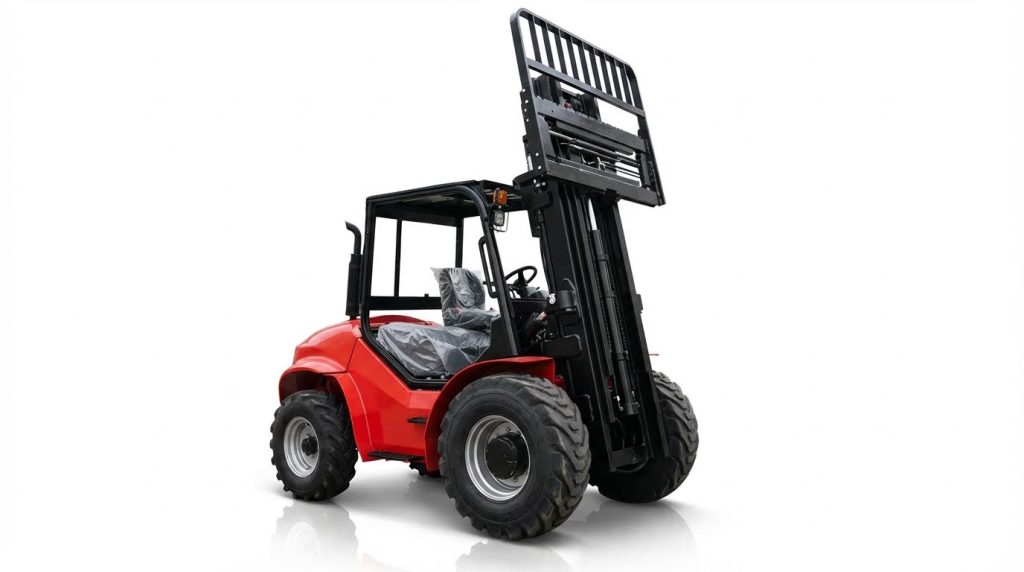
Operating cost analysis determined whether electric forklifts delivered real economic value over their service life. Engineers evaluated energy, maintenance, battery, and residual value to build a robust total cost of ownership (TCO) model. When structured correctly, these models showed how higher capital expenditure could convert into lower cost per operating hour. This section broke down the main cost drivers and provided a framework for return on investment (ROI) calculations.
Energy Cost Per Hour: Electric Vs. ICE Trucks
Energy cost per hour historically favored electric forklifts over internal combustion engine (ICE) trucks. Typical electricity cost for warehouse-class electric units ranged between 1.50 and 2.50 USD per operating hour. Comparable diesel or LPG forklifts often consumed fuel worth roughly 3.25 to 4.75 USD per hour. In some European analyses, annual operating costs for electric forklifts at 750 shifts sat around 2,000 to 3,000 GBP, while diesel units reached 5,000 to 6,000 GBP and LPG trucks 5,500 to 6,500 GBP. Engineers used site-specific tariffs, duty cycles, and shift patterns to refine these benchmarks.
To calculate energy cost per hour, practitioners multiplied measured or specified kWh consumption by local electricity tariffs, including demand charges where applicable. For ICE trucks, they used fuel burn rates in litres per hour and local diesel or LPG prices. Electric units often benefited from regenerative braking and optimized drive controls, which reduced kWh per pallet moved. However, frequent fast charging and poor battery management could increase real-world consumption, so logging data via telematics improved accuracy.
Maintenance, Downtime, And Reliability Factors
Electric forklifts typically incurred lower routine maintenance costs because they used fewer moving parts and eliminated engine-related systems. Annual maintenance expenditure for electric units often ranged from 750 to 1,200 USD or roughly 1,000 GBP, compared with 1,600 GBP or more for ICE fleets. Electric trucks did not require oil changes, fuel filters, exhaust aftertreatment, or engine overhauls. This reduced both direct workshop costs and indirect downtime.
Reliability analysis also considered unplanned stoppages. Electric drivetrains historically showed high mean time between failures, but poor battery care, connector damage, or charger misuse could introduce avoidable faults. ICE trucks, by contrast, suffered from wear in clutches, transmissions, and cooling systems under high-load cycles. Planned downtime for electric fleets often shifted to battery charging windows, which required careful shift and charger scheduling to avoid productivity losses. Engineers balanced scheduled preventive maintenance, battery service, and operator training to stabilize uptime across the fleet.
Battery Life, Replacement Cycles, And Resale Value
Battery life formed a major component of electric forklift TCO. Conventional lead-acid traction batteries generally delivered about 1,500 to 2,000 full charge cycles under proper watering and equalization. Lithium-ion packs often exceeded 3,000 cycles with lower capacity fade and required no routine watering, which reduced labor and error risks. Replacement costs varied widely: smaller 24 V, 200 Ah lithium-ion packs typically cost 3,000 to 5,000 USD, while 48 V, 600 to 700 Ah packs reached 12,000 to 20,000 USD or more. Many TCO models assumed one battery replacement over a 5 to 7 year horizon, at 5,000 to 8,000 USD for standard industrial packs.
Resale value depended on truck hours, condition, capacity, and battery state. Forklifts with fewer than about 9,000 operating hours usually retained stronger resale prices, while units above 16,000 hours experienced sharp value drops. Well-documented maintenance records and good cosmetic condition increased residuals. High-capacity trucks and models with modern lithium-ion systems tended to command better prices, due to longer remaining service life and lower expected running costs. Engineers included residual value as a negative cost in TCO calculations, improving the economic case for higher-spec electric trucks.
Using TCO Calculators For Fleet Justification
TCO calculators provided a structured way to compare electric and ICE fleets on a like-for-like basis. These tools typically captured purchase price, financing terms, energy cost per hour, maintenance cost per hour, battery replacement, charging infrastructure, and residual value. Users entered duty cycle parameters such as shifts per day, hours per shift, and load profile to estimate annual operating hours. The calculator then produced cost-per-hour and cost-per-Technology, Safety, And Sustainability Benefits
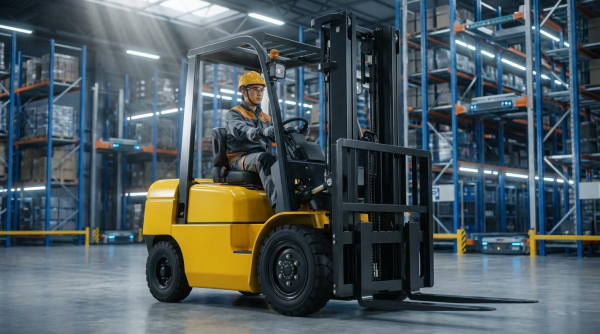
Electric forklifts combined technology, safety engineering, and sustainability performance into a single value proposition. Engineers evaluated battery chemistry, digital fleet tools, and vehicle design as an integrated system rather than isolated components. This system view allowed realistic TCO modelling and risk assessment for multi-shift fleets. The following sections broke down the main technical levers that influenced value beyond simple purchase price.
Lead-Acid Vs. Lithium-Ion And Future Chemistries
Lead-acid batteries offered lower upfront cost but imposed higher operational overhead. Typical traction lead-acid packs delivered around 1,500–2,000 charge cycles with strict maintenance requirements, including watering, equalization, and controlled charging rooms. Lithium-ion packs cost more initially but provided over 3,000 cycles, fast or opportunity charging, and eliminated routine maintenance. This improved availability and reduced downtime, especially in multi-shift operations. Future chemistries, such as solid-state and advanced lithium iron phosphate, aimed to increase energy density, cut charge times, and reduce cost per kWh, further improving lifecycle economics.
Telematics, AI Maintenance, And Digital Fleet Tools
Telematics platforms tracked truck utilization, impacts, energy use, and operator behavior in real time. Fleet managers used this data to calculate cost-per-hour, identify underused units, and right-size fleet size and mix. Predictive or AI-driven maintenance modules analyzed fault codes and usage profiles to schedule service just before failures, reducing unplanned downtime and overtime labor. Digital tools also generated automated reports for budgeting, TCO tracking, and replacement planning, supporting evidence-based justification for electrification projects.
Safety, Ergonomics, And Regulatory Compliance
Electric forklifts improved safety by removing on-site fuel storage and exhaust exposure, which supported occupational health compliance. Their lower center of gravity and refined traction control reduced tip-over and loss-of-control risks compared with older ICE designs. Noise and vibration levels were lower, which reduced operator fatigue and helped maintain concentration over long shifts. Integrated access control, impact logging, and pre-shift digital checklists supported compliance with regional regulations and internal safety policies.
Emissions, Noise, And Sustainability Targets
Electric forklifts produced zero tailpipe emissions at the point of use, which supported indoor air quality limits and corporate CO₂ reduction targets. When powered by low-carbon electricity, fleet-level greenhouse gas emissions dropped significantly compared with diesel or LPG trucks. Lower acoustic output enabled 24/7 operation in mixed-use or urban facilities without breaching noise ordinances. These environmental and community benefits often aligned with ESG reporting frameworks and helped justify higher capital expenditure through documented sustainability gains.
Summary: Balancing Upfront Cost And Long-Term Value
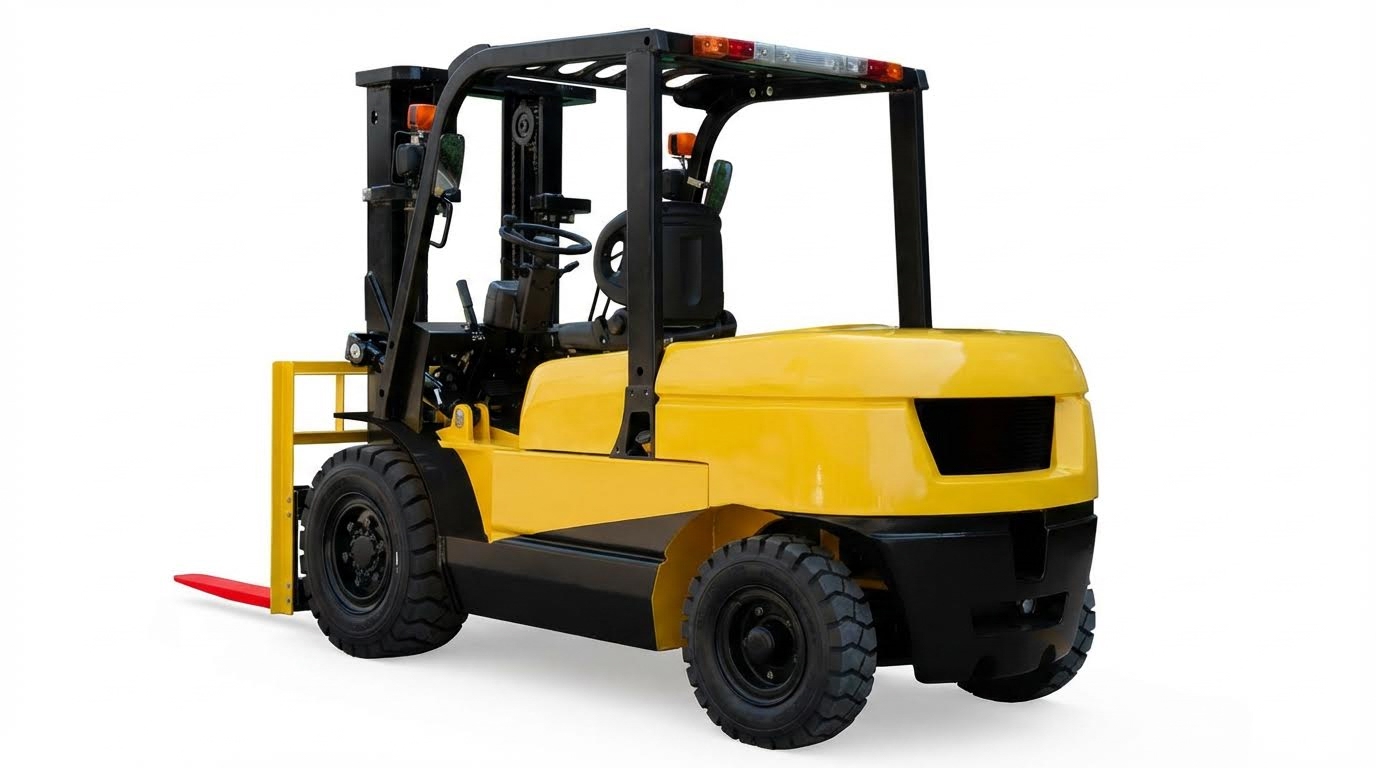
Electric forklifts carried a higher acquisition cost than comparable diesel or LPG units. Batteries, chargers, and charging infrastructure further increased the initial investment, especially for lithium-ion systems and purpose-built charging rooms. However, operating data from typical duty cycles showed markedly lower energy and maintenance costs per operating hour for electric fleets. Over five to seven years, these savings often offset the premium purchase price and periodic battery replacement.
From an engineering and financial perspective, total cost of ownership provided the correct comparison framework. Electricity typically cost less per operating hour than fossil fuels, and electric trucks required fewer wear-part replacements and less unplanned maintenance. Telematics and digital fleet tools improved utilization and scheduling, which reduced idle assets and supported higher resale value by retiring trucks before excessive hours. In parallel, tightening emissions regulations and indoor air-quality requirements pushed operators toward zero-exhaust solutions, reinforcing the business case for electrification.
Practical implementation required a structured approach. Engineers needed to model shift patterns, peak loads, and charging windows, then size batteries, chargers, and electrical infrastructure accordingly. They also had to budget for training, safety procedures, and compliance with battery-handling and charging-room standards. When these factors were captured in a TCO calculator, most medium-to-high utilization fleets showed favorable ROI for electric trucks, particularly when government incentives applied. The technology trajectory, including higher-energy batteries and smarter fleet management, indicated that the cost gap at purchase would continue to narrow while lifecycle value improved, making electric forklifts an increasingly robust long-term choice.