Electric forklift battery maintenance directly affected safety, uptime, and total cost of ownership across warehouse and manufacturing fleets. This article outlined best practices for both lead-acid and lithium-ion systems, focusing on charge control, temperature management, and safe handling.
It compared maintenance demands of different chemistries, detailed correct watering procedures for traction lead-acid batteries, and explained how to control corrosion and contamination. It also described advanced techniques such as equalization, digital monitoring, and predictive maintenance, then closed with a concise implementation roadmap for operators and fleet managers.
Fundamentals Of Electric Forklift Battery Care
Fundamental battery care for electric forklifts required a chemistry-specific approach, disciplined charging, and controlled operating conditions. Lead-acid batteries depended on correct watering, equalization, and temperature control, while lithium-ion batteries relied on electronics and charge-window management. Across chemistries, structured inspections, corrosion control, and adherence to safety standards reduced failure rates and lifecycle cost. Operator and technician training tied these elements together into a repeatable maintenance system.
Lead-Acid Vs. Lithium-Ion: Maintenance Differences
Lead-acid traction batteries required regular watering, equalization charging, and terminal cleaning to maintain capacity and runtime. Operators needed to charge them fully after an eight-hour shift or at about 70% depth of discharge, avoiding partial top-up charging. Water levels had to cover the plates and stay within the manufacturer’s level indicators, using only distilled or deionized water. Lithium-ion packs, in contrast, operated as sealed systems with a Battery Management System that controlled charge, temperature, and cell balance, so users focused on correct charger selection, 20–90% state-of-charge windows, and thermal limits rather than watering or equalization.
Key Failure Modes And Lifecycle Cost Drivers
Lead-acid batteries typically failed from sulfation, stratification, plate corrosion, and loss of active material due to chronic undercharging, deep discharges beyond 80%, or extended operation at high temperature. Low or incorrect water levels exposed plates, concentrated electrolyte, and accelerated grid corrosion, while corrosion at terminals raised resistance and heat. For lithium-ion packs, overcharging, overheating, mechanical damage, and BMS faults drove failures, often indicated by swelling, leakage, or rapid capacity loss. Lifecycle cost depended strongly on adherence to correct charging profiles, control of operating temperature near 25°C, disciplined watering for lead-acid units, and timely replacement of damaged components to prevent collateral damage to trucks and chargers.
Temperature, Duty Cycle, And Charge Regime Effects
Battery temperature influenced both immediate performance and long-term degradation; operation near 25°C maximized life, while every 10°C increase roughly halved expected life for lead-acid traction batteries. Heavy-duty, multi-shift applications with frequent high-current draws increased internal heating and made correct charging and cooling intervals critical. Recommended practice limited discharge to about 80% depth and avoided leaving discharged batteries idle, since that promoted hard sulfation and reduced runtime. For lithium-ion batteries, high C‑rate operation and storage at full charge or at elevated temperature accelerated capacity fade, so maintaining a 20–90% state-of-charge window and using chargers with appropriate voltage, current, and temperature compensation improved durability.
Safety Standards And Training Requirements
Safe battery care relied on compliance with industrial safety standards and site procedures governing charging areas, personal protective equipment, and hazardous materials handling. Facilities designated battery rooms with ventilation, eyewash stations, spill neutralization materials, fire extinguishers, and clear “no smoking” signage to manage gassing and acid or electrolyte risks. Operators and maintenance staff received formal training on correct watering timing, use of distilled water, proper chargers, lockout of trucks during service, and response to acid spills or thermal events. Records of inspections, cleaning, watering, and incident handling supported regulatory compliance, internal audits, and continuous improvement of fleet reliability and safety performance.
Lead-Acid Battery Watering: Procedures And Controls
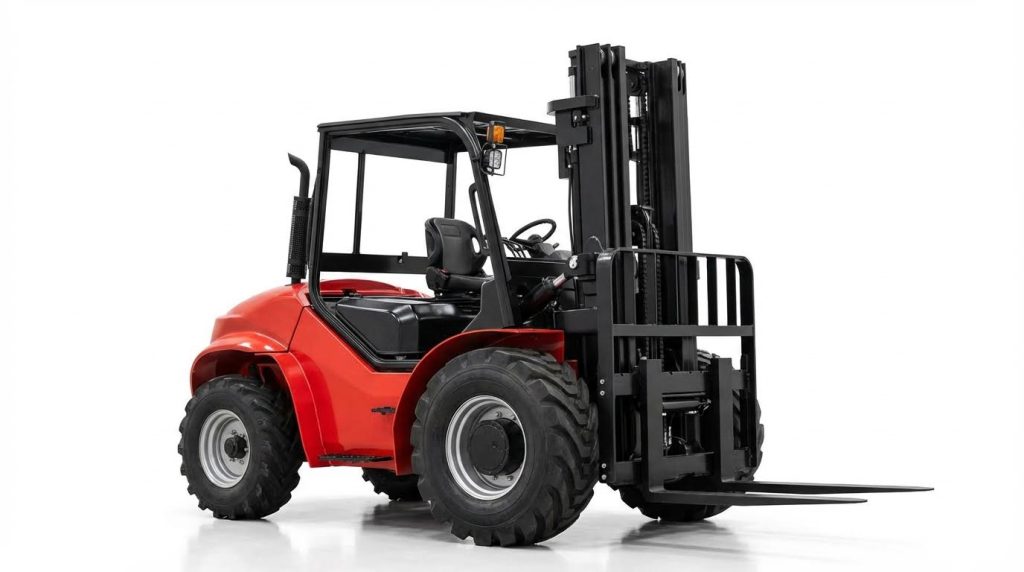
Lead-acid traction batteries relied on correct watering to maintain plate coverage, electrolyte concentration, and service life. Maintenance teams coordinated watering with charging patterns, ambient conditions, and utilization intensity to avoid chronic overfill or dry-out. Effective control of watering procedures reduced unplanned downtime, preserved warranty coverage, and lowered lifecycle cost per operating hour.
When To Add Water: Timing Vs. Charge Cycles
Operators typically added water after charging, not before, so electrolyte expansion did not cause overflow. The main exception occurred when plates were exposed; in that case, technicians added just enough water to cover plates before charging. Many fleets used simple rules such as checking levels every five charge cycles and topping off roughly every 7–10 cycles, adjusted for duty cycle and temperature. High-usage, multi-shift operations often implemented weekly or bi-weekly inspections, while lighter-duty fleets extended intervals but still maintained a fixed schedule. Maintenance manuals and minimum-level indicators on cell vents provided the primary reference for acceptable fill heights.
Step-By-Step Safe Watering Procedure
Watering began with lockout of the truck: the forklift was turned off, parked on a level surface, and the brake applied. Trained personnel wore goggles, acid-resistant gloves, and face protection, then opened the battery compartment and located the vent caps. After carefully removing vents, they visually checked that electrolyte covered the plates and used a flashlight rather than open flames. Using a non-metallic funnel or a battery watering gun, they slowly added distilled water to each cell to the manufacturer’s indicated level, typically about 10–15 mm above the plates, avoiding overfill. After filling, they reinstalled all vent caps securely, wiped off any moisture, neutralized minor acid residues with a baking soda solution, and documented the maintenance in service records.
Water Quality, Fill Levels, And Single-Point Systems
Distilled or deionized water with controlled impurity content and pH between about 5 and 7 minimized scaling and chemical contamination. Tap water often contained dissolved minerals such as calcium and iron that increased internal resistance and shortened battery life, so standards discouraged its use. Technicians aimed for consistent fill height at or slightly below the molded level ring or separator guard to allow expansion during charging without venting electrolyte. Single-point watering systems, when installed, allowed simultaneous filling of all cells to a calibrated level using a regulated supply, greatly reducing labor and variability. Even with such systems, operators still verified operation periodically and confirmed that float valves closed properly and hoses remained undamaged.
Inspection, Cleaning, And Corrosion Mitigation
Regular visual inspections identified cracked cases, leaking seals, swollen cells, and corroded terminals before they caused failures. Maintenance personnel cleaned the battery top monthly with warm water or approved battery cleaner to remove acid mist residue and conductive dirt that accelerated self-discharge. They scrubbed terminals and connectors with a baking-soda solution, rinsed, dried thoroughly, and often applied a thin protective coating to slow future corrosion. Corroded lugs, loose intercell connectors, or discolored cables indicated increased resistance and heat generation, prompting repair or replacement. Documented inspection findings fed into predictive maintenance plans, allowing planners to schedule corrective work and replacements without disrupting critical material-handling operations.
Advanced Maintenance, Monitoring, And Emerging Tech
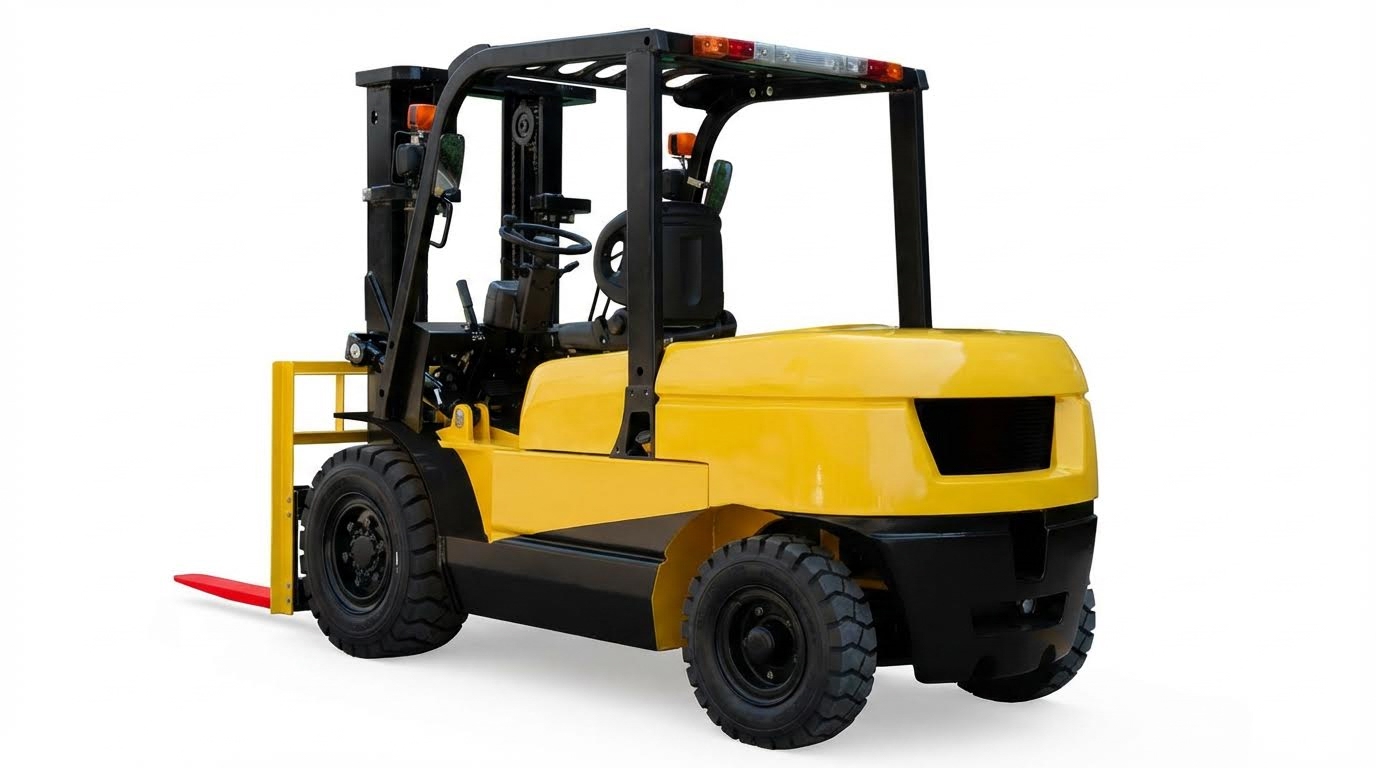
Advanced maintenance practices for electric forklift batteries combined traditional electrochemistry with digital monitoring and data analytics. These approaches reduced unplanned downtime, stabilized runtime, and extended service life for lead-acid and lithium-ion packs. Operations that adopted structured equalization, smart charging, and systematic recordkeeping achieved lower lifecycle cost per kWh delivered. Emerging chemistries and digital tools required disciplined integration to avoid safety or compatibility issues.
Equalization Charging And Specific Gravity Checks
Equalization charging used a controlled overcharge on flooded lead-acid batteries to rebalance cell voltages and break down sulfate crystals. Operators typically applied equalization weekly or at intervals recommended in the battery manual, using the charger’s equalize setting and respecting current limits, such as 25 A for sealed-vent designs. Technicians measured specific gravity after full charge with a calibrated hydrometer, targeting around 1.285 for standard industrial cells at 25°C, and corrected readings for temperature. Deviations between cells or persistent low gravity indicated sulfation, stratification, or cell damage, and triggered further diagnostics rather than repeated aggressive equalization. Over-equalizing increased water loss, plate corrosion, and heat, so facilities limited duration and frequency according to manufacturer instructions and monitored electrolyte temperature, keeping it below approximately 45°C.
AI-Driven Monitoring, BMS, And Digital Twins
Battery Management Systems monitored voltage, current, temperature, and state of charge in real time, which reduced overcharge, deep discharge, and overheating events. On lithium-ion packs, the BMS enforced safe limits, balanced cells, and logged alarms for conditions such as swelling, overvoltage, or excessive self-discharge. AI-driven analytics used this time-series data to identify abnormal patterns, such as rising internal resistance, faster-than-normal capacity fade, or temperature hotspots under specific duty cycles. Digital twin models of battery fleets combined physics-based degradation models with field data to simulate remaining useful life under alternative charging, watering, and shift patterns. These tools supported decisions on charger sizing, rotation strategies, and when to retire or repurpose aging packs, but still required human validation and adherence to safety standards such as IEC and local electrical codes.
Predictive Maintenance Schedules And Recordkeeping
Predictive maintenance programs relied on structured inspection intervals and accurate historical data, rather than reactive service after failures. Facilities scheduled checks of fluid levels, corrosion, case integrity, and cable condition based on charge counts, operating hours, or calendar time, such as weekly or bi-weekly for high-utilization lead-acid fleets. Technicians logged watering events, equalizations, temperature excursions, specific gravity readings, and charger faults in a centralized system. Analytics on these records highlighted batteries with increasing water consumption, repeated undercharge, or chronic high temperatures, which often preceded runtime complaints or cell failures. Integrating maintenance logs with fleet management software allowed planners to align battery service with truck downtime windows, improving availability and compliance with internal safety procedures and SOCMA-type training expectations.
Integrating New Chemistries Into Existing Fleets
Introducing lithium-ion or Thin Plate Pure Lead packs into a legacy lead-acid fleet required careful compatibility analysis. Facilities matched charger output profiles, connector types, voltage, and communication protocols to each chemistry to avoid mischarging or warranty violations. Lithium-ion packs eliminated routine watering and equalization, but demanded strict control of charge windows, typically 20–90% state of charge, and tighter temperature management to prevent accelerated degradation or thermal events. Operators adjusted charging infrastructure, adding designated areas with ventilation, signage, and emergency equipment that met local regulations for both chemistries. Fleet managers also updated training, SOPs, and maintenance schedules so staff clearly understood which trucks used sealed batteries, which still required electrolyte checks, and how to handle end-of-life recycling or hazardous waste requirements for each technology.
Summary Of Best Practices And Implementation Steps
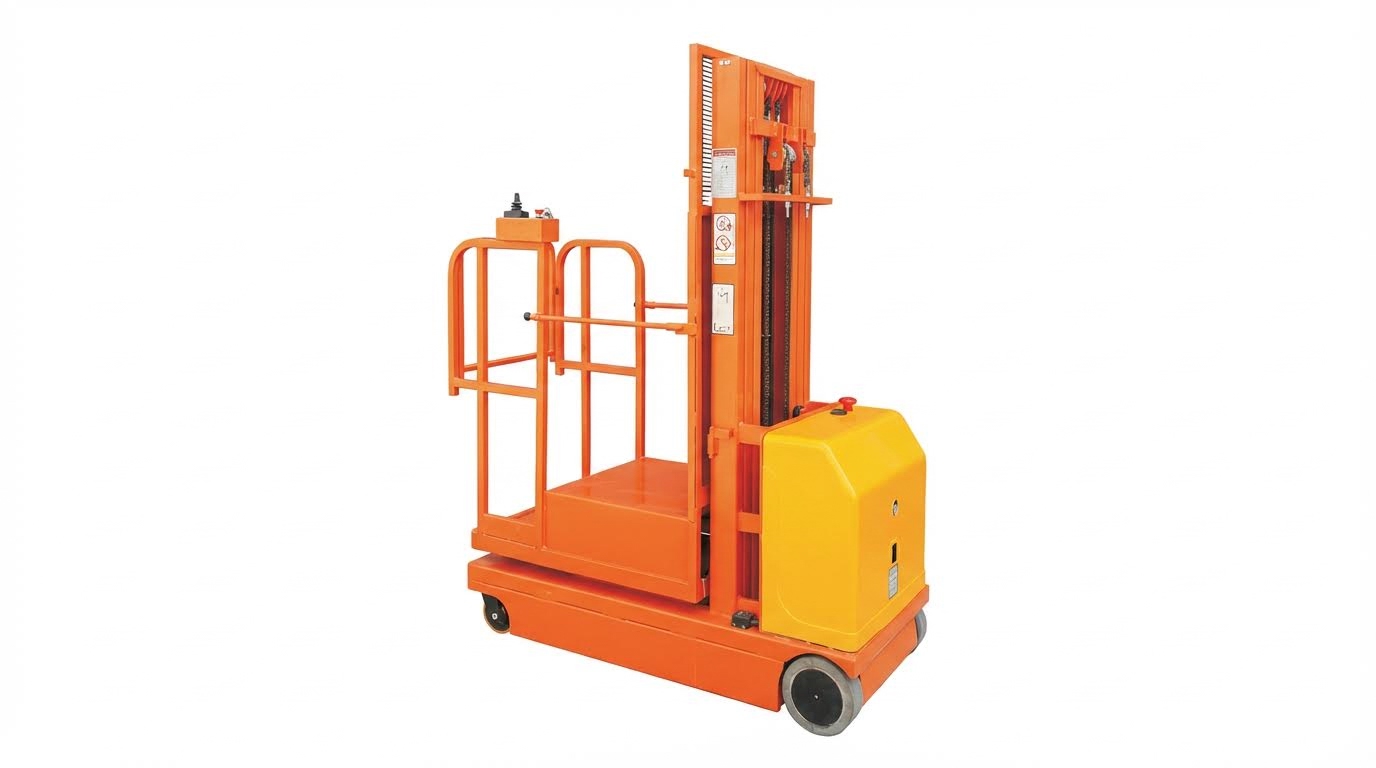
Electric forklift battery programs worked best when sites combined correct charging, disciplined watering, and structured inspections. Lead-acid batteries required periodic watering with distilled or deionized water after charging, keeping levels just above the plates and avoiding overfill. Operators followed PPE rules, used dedicated charging areas with ventilation and emergency equipment, and prevented ignition sources near gassing batteries. Lithium-ion batteries operated within a narrower state-of-charge window and temperature range, relying on integrated Battery Management Systems rather than watering.
Across chemistries, facilities minimized high temperature exposure, avoided deep discharges beyond about 80%, and prevented long dwell times at very low state of charge. Equalization charging and monthly specific gravity checks supported wet lead-acid batteries, while BMS data and charger logs supported lithium-ion diagnostics. Regular cleaning, corrosion removal, and terminal protection maintained low resistance connections and reduced stray current paths. Sites followed manufacturer manuals and applicable safety guidance, and replaced swollen, leaking, or mechanically damaged batteries without delay.
Implementation in existing fleets typically started with a risk and gap assessment of current charging, watering, and storage practices. Sites then defined standard operating procedures for watering intervals, charge start thresholds, equalization frequency, and inspection checklists, and trained only authorized personnel to execute them. Maintenance teams set digital or paper recordkeeping for watering, cleaning, temperature exceptions, and failures to enable trend analysis and predictive maintenance. Over time, operators integrated higher energy-density chemistries or lithium-ion packs by matching chargers, updating procedures, and ensuring mixed-fleet compatibility. A balanced approach treated batteries as managed assets rather than consumables, which reduced lifecycle cost, improved uptime, and supported safer, more energy-efficient warehouse order picker operations.