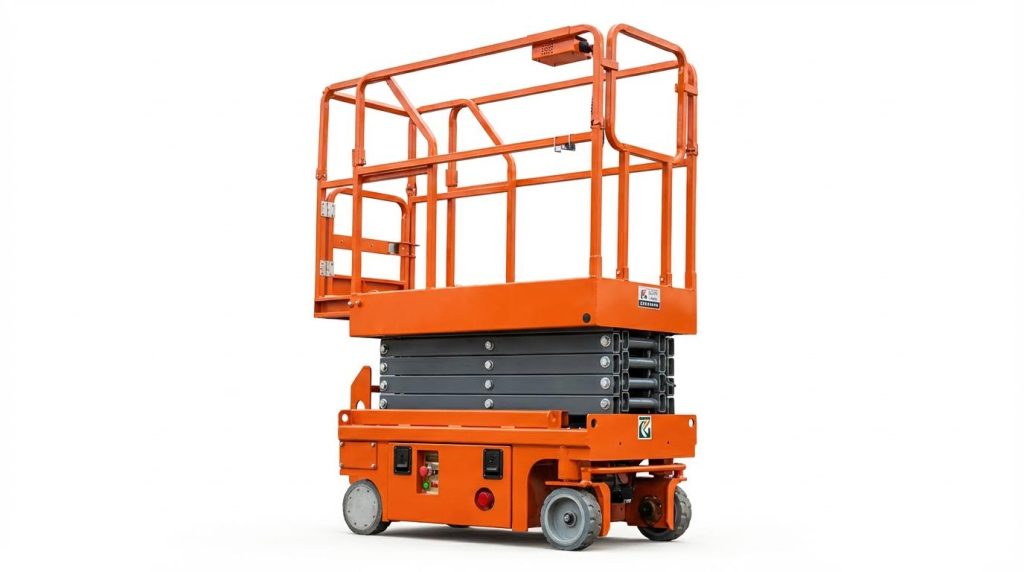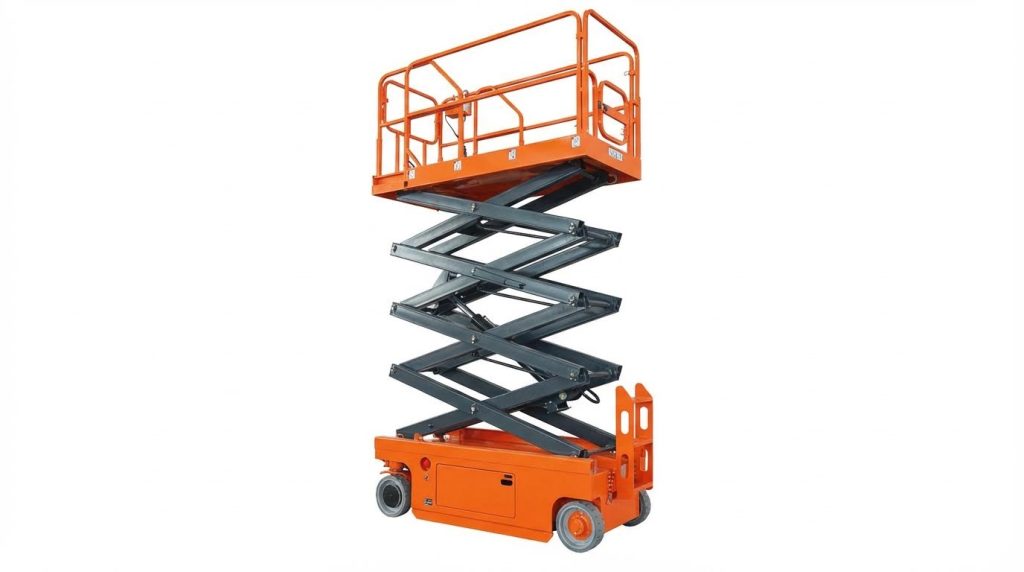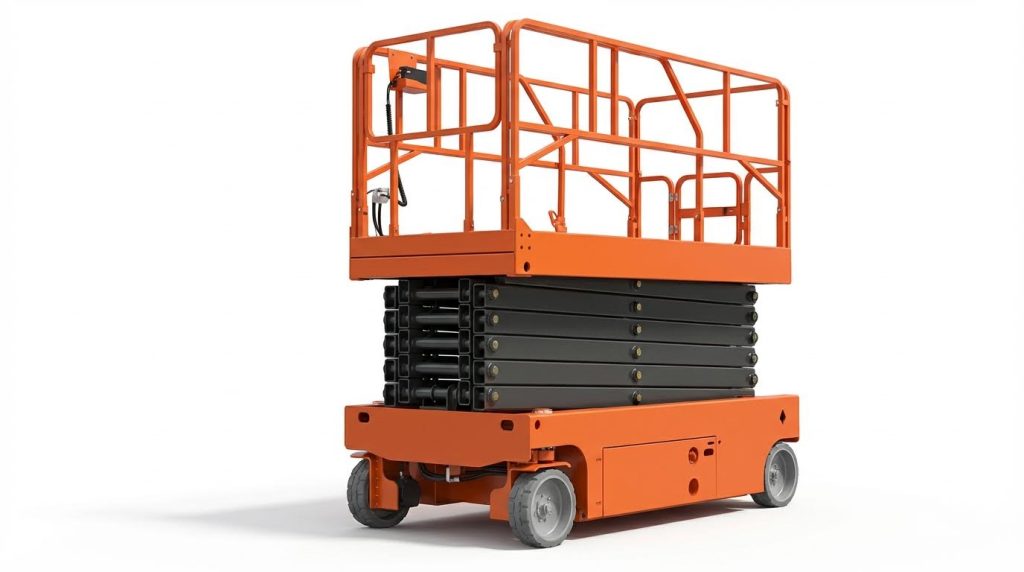
Scissor lifts functioned as mobile supported scaffolds across construction, industrial, and maintenance applications, so regulators treated them under scaffold and MEWP frameworks. This article outlined how OSHA standards 1926.451 and 1926.454, together with ANSI A92.6 and A92.24, defined core requirements for classification, training, inspection, and documentation. It then examined how engineering controls, structured inspections, work practices, and site assessments reduced fall, tip-over, and electrocution risks. Finally, it connected preventive maintenance, battery and hydraulic care, digital tools, and lifecycle risk management to achieving durable, auditable scissor lift compliance.
OSHA, ANSI, And Core Regulatory Requirements
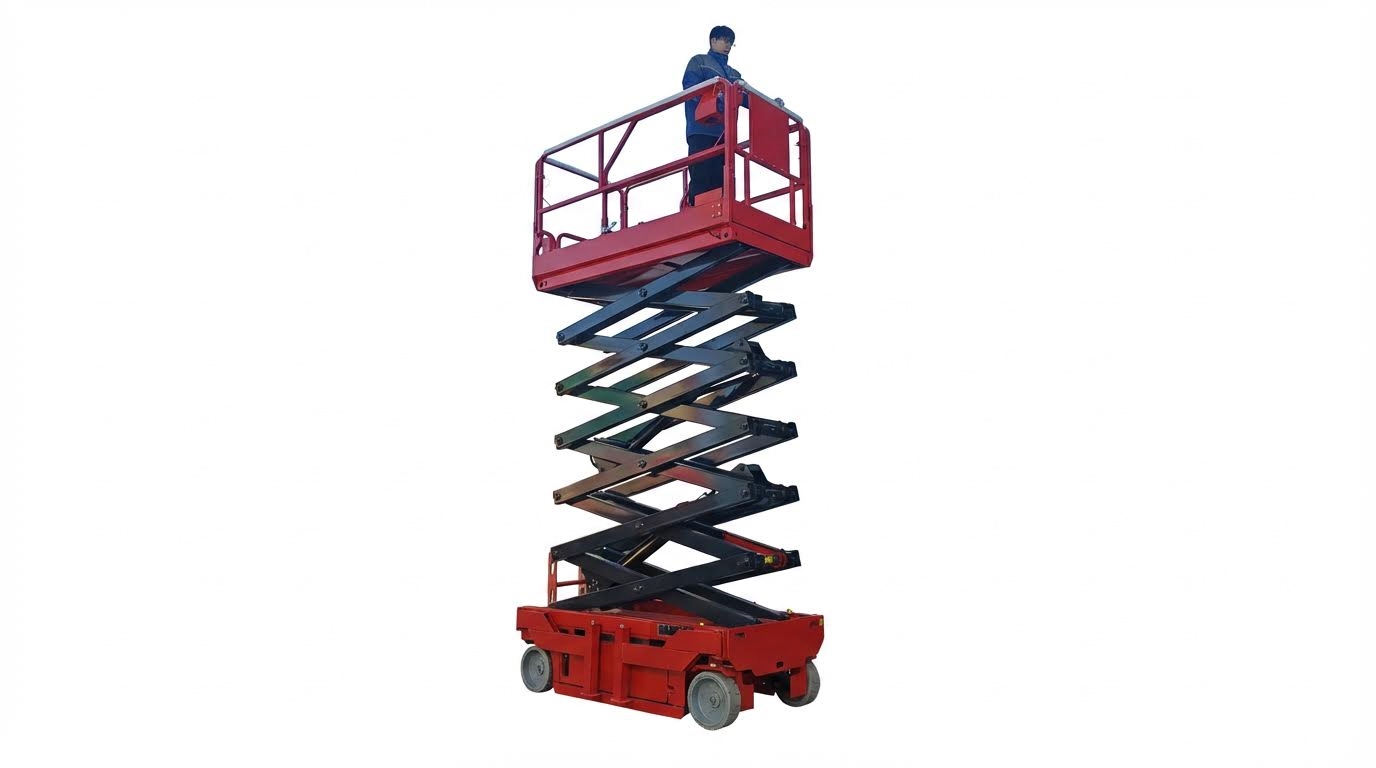
Regulatory frameworks for scissor lifts centered on OSHA scaffold rules and ANSI mobile elevating work platform standards. These frameworks defined minimum requirements for design, inspection, training, and operation. Compliance reduced fall, tip-over, and electrocution risks and limited employer liability exposure. Understanding how OSHA and ANSI interacted helped safety managers build integrated programs instead of ad‑hoc rules.
How OSHA Classifies And Regulates Scissor Lifts
OSHA treated scissor lifts as mobile supported scaffolds rather than powered industrial trucks. As a result, the primary construction requirements appeared in 29 CFR 1926 Subpart L, especially 1926.451 for scaffold use and 1926.452(w) for mobile scaffolds. OSHA required guardrail systems on platforms, stable support on firm, level surfaces, and protection from electrical hazards, including separation from energized conductors. Employers had to ensure the lift never traveled while elevated, stayed clear of overhead obstructions, and operated within manufacturer load and slope limits. General industry employers also referenced 1910 scaffold provisions and the OSH Act’s General Duty Clause when no specific standard applied.
Key OSHA 1926.451 And 1926.454 Training Rules
Section 1926.451 defined performance requirements for supported scaffolds that applied directly to scissor lifts. It required capacity margins, proper access, guardrails, fall protection, and safe work practices, including inspections before each work shift. Section 1926.454 addressed training and mandated that a qualified person trained each employee who performed work while on a scaffold. Training content had to cover electrical, fall, and falling object hazards, as well as correct use of scaffold and fall protection systems. Employers often modeled scissor lift training on powered industrial truck programs, even though OSHA did not classify scissor lifts as PITs, to ensure coverage of operating controls, inspections, and site hazard assessments.
ANSI A92.6 And A92.24 Inspection And Training
ANSI A92.6 governed design, safe use, and inspection of self-propelled elevating work platforms such as scissor lifts. It specified pre-start inspections by the operator, frequent inspections at defined hour or calendar intervals, and annual inspections by qualified personnel, including structural and hydraulic checks. A92.24 provided detailed guidance on training for operators, occupants, and supervisors, combining classroom or online theory with hands-on practical evaluation. It required documented training on hazard recognition, safe work practices, rescue and emergency procedures, and inspection and function testing. While ANSI standards were voluntary consensus documents, OSHA and courts often treated them as evidence of recognized good practice, so adherence reduced regulatory and civil liability risk.
Recordkeeping, Liability, And Digital Documentation
Both OSHA and ANSI required that scissor lift inspections and training be documented and retained. Employers needed written records of pre-use, frequent, and annual inspections that identified the unit, date, inspector, and any corrective actions. Training records had to show who was trained, on what equipment type, by which trainer, and when evaluations occurred. In incident investigations or litigation, regulators and courts used these records to assess whether the employer met its duty of care. Digital inspection and maintenance systems, including mobile apps, offered time-stamped checklists, photo evidence, and automated reminders, improving record integrity and audit readiness. Robust documentation practices reduced citation risk, supported insurance defensibility, and enabled better lifecycle risk management for the fleet.
Engineering Safe Operation: Inspections And Work Practices
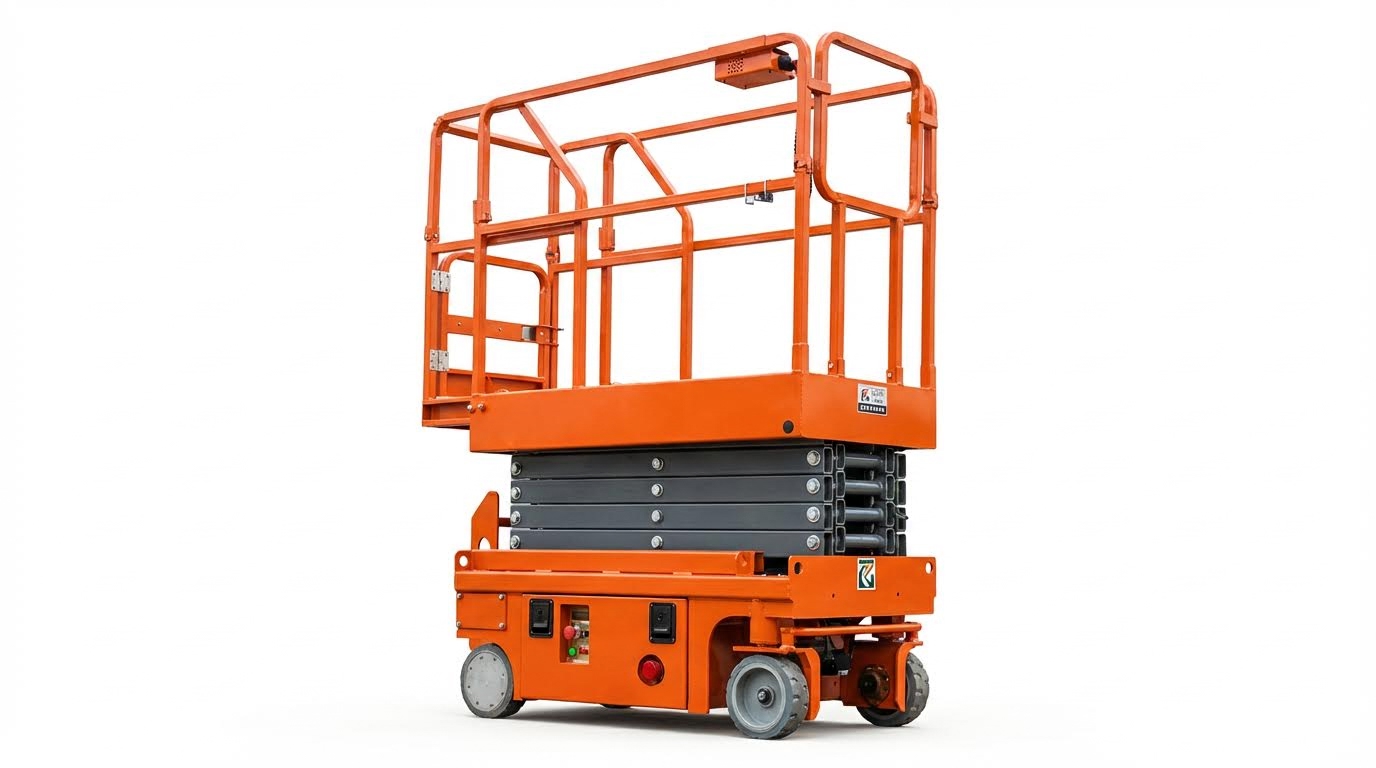
Engineering safe scissor lift operation relied on structured inspections and disciplined work practices. OSHA and ANSI frameworks defined minimum inspection frequencies, while manufacturers specified model-specific procedures and limits. Effective programs linked pre-use checks, periodic inspections, and work area controls into one integrated safety strategy. This section focused on translating regulatory expectations into practical, field-ready procedures.
Pre-Use And Shift Inspections: Scope And Method
Pre-use and shift inspections occurred before the first use in each work shift. The operator typically performed these checks in 5–10 minutes using a standardized checklist. The method started by parking the lift on a firm, level surface and applying brakes or wheel chocks. The operator walked around the unit, checking for visible damage, fluid leaks, loose or missing parts, and tire or wheel defects.
Inspectors verified that guardrails, gates, and chains were secure and that platform capacity markings were legible. They confirmed that safety decals, warning labels, and the operator’s manual were present and readable. The operator checked hydraulic, fuel, or battery systems for leaks and ensured cables, hoses, and wiring showed no abrasion or cracking. Ground and platform control panels had to be intact, with switches and buttons returning to neutral when released.
Function tests followed the visual inspection. Operators tested lift, lower, drive, steer, horn, and emergency stop functions from ground and platform controls. Any abnormal noise, sluggish response, or fault indication required tagging the machine out of service until a qualified technician corrected the defect. This disciplined pre-use process significantly reduced in-service failures and near misses.
Frequent, Annual, And Special Inspection Protocols
Frequent inspections occurred roughly every three months or after 150 operating hours, whichever came first. A qualified person performed these checks using detailed procedures aligned with ANSI A92.6 and manufacturer instructions. The scope extended beyond basic visual checks to include hydraulic system condition, structural connections, and control system reliability. Inspectors examined pins, bushings, scissor arms, and welds for wear, deformation, or cracking.
Annual inspections were more intrusive and often required partial disassembly. Qualified mechanics performed non-destructive testing on critical structural members when specified by the manufacturer. They verified cylinder integrity, hose routing, slide blocks or rollers, and anchorage points for fall protection. Control logic, interlocks, tilt sensors, and pothole protection systems underwent comprehensive functional testing. Written records documented findings, corrective actions, and parts replaced, supporting OSHA and ANSI compliance.
Special inspections were mandatory after incidents, tip risks, collisions, exposure to extreme weather, or storage longer than three months. They also followed major repairs or structural modifications. These inspections focused on hidden damage, misalignment, and fatigue that routine checks could miss. If inspectors found safety-critical defects, the lift remained locked out until repairs and a follow-up inspection restored it to serviceable condition.
Platform, Controls, And Emergency System Checks
Platform inspections focused on fall protection and housekeeping. Operators confirmed that guardrails, midrails, and toeboards were present, secure, and undamaged. Entry gates or chains had to latch properly and resist unintended opening. The platform floor required an intact anti-slip surface and removal of debris, loose tools, or trip hazards. Capacity labels and any tie-off anchorage markings had to be visible and consistent with the manual.
Control checks started with the key switch set to ground control. Operators raised and lowered the platform, verifying smooth motion and confirming that ground controls could override platform controls. All switches, joysticks, and foot pedals had to return to neutral automatically when released. From the platform, operators tested lift, drive, steer, horn, and speed reduction when elevated. Any lag, overshoot, or unexpected motion signaled a fault requiring maintenance.
Emergency system checks were critical for incident response. With the platform elevated to about mid-stroke, operators tested the manual emergency descent system for reliable operation. They verified tilt alarm functionality, descent alarms, and audible or visual fault indicators. Pothole protection systems and other interlocks had to deploy and retract correctly and prevent unsafe motion when conditions were outside limits. Documenting these tests created traceable evidence of functional safety controls.
Work Area, Weather, And Traffic Control Hazards
Work area assessments addressed ground support, overhead hazards, and environmental conditions. Operators inspected the floor or ground for potholes, soft spots, slopes,
Maintenance, Batteries, And Lifecycle Risk Management
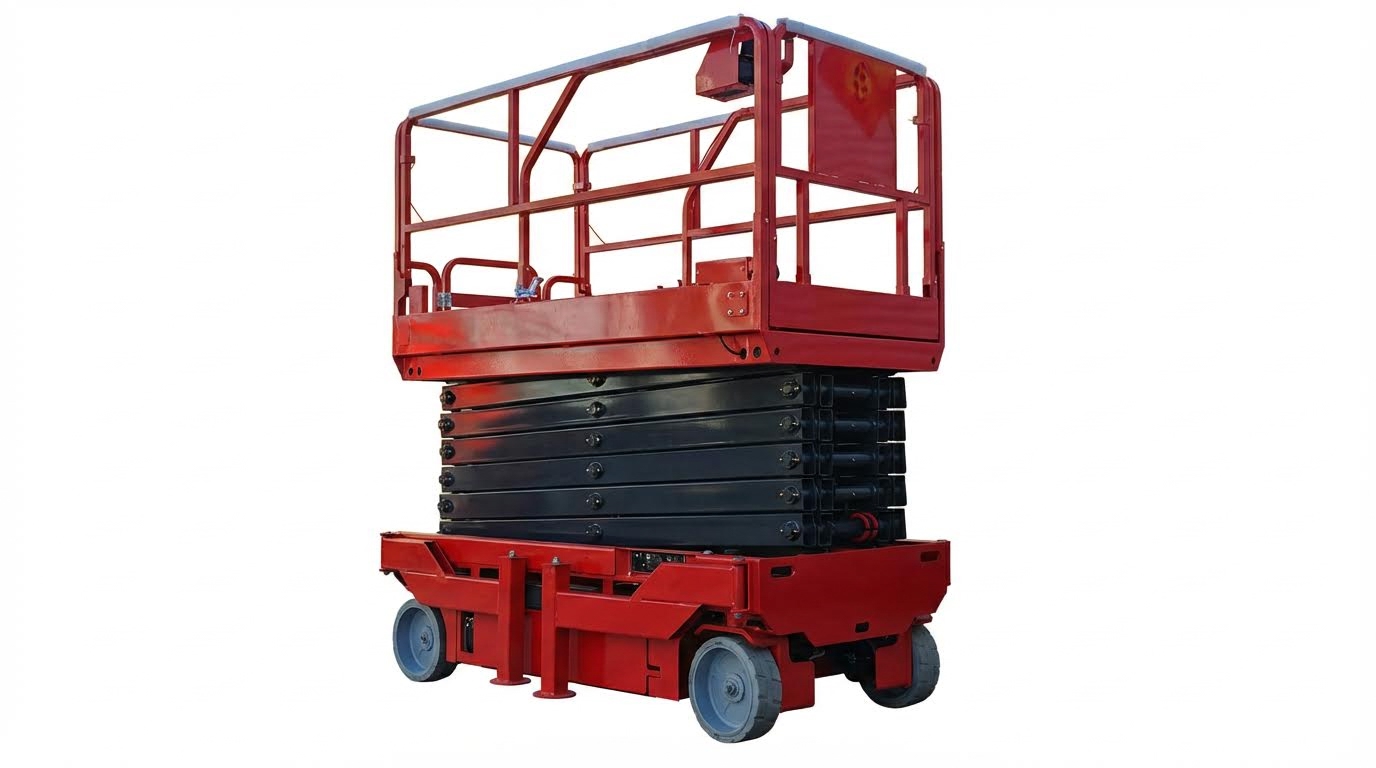
Maintenance, energy management, and structured inspections determined the real safety performance and lifecycle cost of scissor lifts. OSHA and ANSI standards required employers to keep equipment in safe condition through documented inspection and maintenance programs. Manufacturers’ instructions, combined with site-specific risk assessments, guided daily checks, scheduled servicing, and end-of-life decisions. Effective lifecycle risk management balanced uptime, operator safety, and total cost of ownership.
Daily To Annual Preventive Maintenance Intervals
Daily maintenance centered on walk-around inspections and basic functional checks before operation. Operators inspected for visible damage, leaks, tire wear, missing guards, and verified correct operation of controls and safety devices. Weekly and monthly tasks expanded this to lubrication of pivot points, checking hydraulic fluid levels, and verifying emergency lowering systems and drive components. Long-term maintenance at six to twelve month intervals included structural inspections for corrosion or fatigue, calibration of sensors and limit switches, and full system diagnostics by qualified technicians. Aligning these intervals with ANSI A92 guidance and manufacturer schedules reduced unplanned downtime and safety-critical failures.
Hydraulic, Structural, And Power System Integrity
Hydraulic integrity depended on maintaining correct fluid levels, clean filters, and leak-free hoses, fittings, and cylinders. Inspectors checked for weeping seals, damaged hoses, and abnormal actuator movement, then removed the lift from service if defects appeared. Structural inspections focused on scissor arms, welds, pins, and rollers, looking for deformation, cracks, corrosion, or excessive play that indicated fatigue. Power system integrity covered motors, wiring, connectors, and control modules, ensuring insulation remained intact and enclosures sealed against moisture and dust. Documented findings supported decisions on repair, derating, or retirement of aging units.
Battery Management And Charging Safety Practices
Battery condition directly affected lifting performance, control response, and emergency system reliability. Operators checked electrolyte levels on wet batteries with vent caps, used distilled water, and wore appropriate PPE to prevent chemical exposure. Charging followed manufacturer instructions, using correct AC supply, approved chargers, and well-ventilated locations to disperse hydrogen gas. Full overnight charging typically maximized battery life, while frequent short “opportunity” charges tended to accelerate degradation. Technicians inspected terminals for corrosion, verified cable tightness, and removed lifts from service when charge levels fell below operational thresholds.
Digital Tools, Predictive Maintenance, And Cost Control
Digital inspection and maintenance platforms replaced paper checklists with time-stamped, traceable records for each lift. These systems supported OSHA and ANSI recordkeeping expectations while enabling trend analysis on recurring defects and high-failure components. Integrating hour-meters and telematics allowed maintenance scheduling based on actual usage rather than calendar time, improving resource allocation. Predictive maintenance analytics identified early signs of hydraulic leaks, structural wear, or battery decline, enabling planned repairs instead of reactive downtime. This data-driven approach reduced lifecycle costs, improved fleet availability, and provided auditable evidence of due diligence in incident investigations.
Summary: Achieving Robust Scissor Lift Compliance
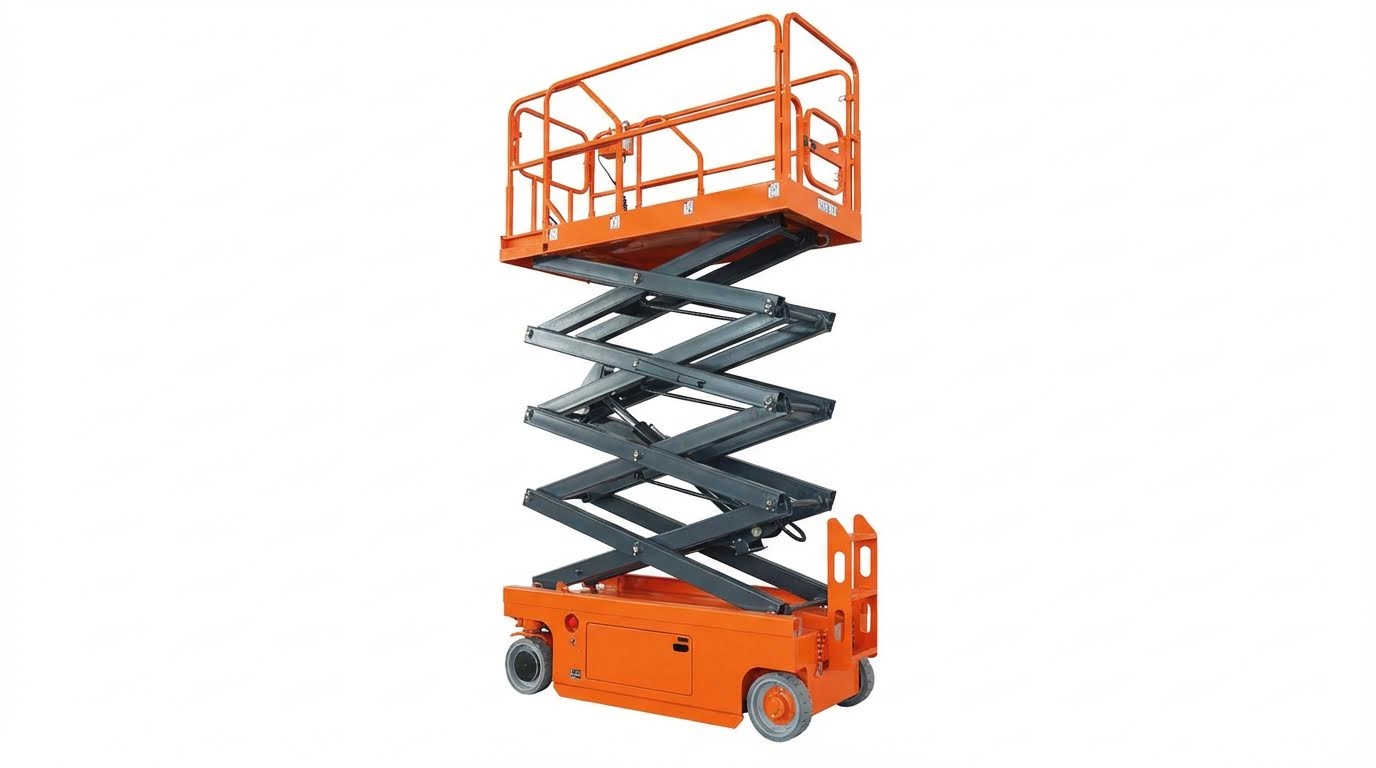
Robust scissor lift compliance depended on integrating regulations, engineering controls, and disciplined field practices. OSHA treated scissor lifts as mobile supported scaffolds, so employers aligned programs with 29 CFR 1926.451 for scaffold safety and 1926.454 for training, while using ANSI/SAIA A92.6 and A92.24 for detailed inspection and training frameworks. Effective programs established layered inspections: quick pre-use checks each shift, scheduled frequent and annual inspections by qualified personnel, and special inspections after incidents, harsh exposure, or major repairs. Organizations maintained written or digital inspection and training records to demonstrate due diligence and manage liability.
Industry practice showed that engineering controls and procedures significantly reduced fall, tip-over, and electrocution risks. Guardrails, interlocks, tilt alarms, pothole protection, and descent alarms provided hardware safeguards, but only worked when operators performed full functional tests from ground and platform controls. Stable, level setup; strict adherence to platform capacity and wind limits; and controlled traffic around the lift were critical for stability. Lifecycle maintenance plans—daily checks, weekly lubrication, monthly hydraulic and drive inspections, and annual structural assessments—extended equipment life and reduced catastrophic failures. Battery management, including correct charging routines and electrolyte checks for wet cells, also supported reliable performance and prevented unplanned outages.
Digital inspection and maintenance platforms improved consistency, created auditable histories, and supported trend analysis for predictive maintenance. Future programs increasingly combined these tools with sensor data and remote diagnostics to move from reactive repairs to condition-based servicing. To implement a balanced, future-ready approach, employers defined clear inspection frequencies, standardized checklists, and competency-based training for operators, occupants, and supervisors. They also integrated work-area risk assessments, PPE policies, and lockout/parking procedures into daily routines. This combination of regulatory alignment, engineered safeguards, and data-driven maintenance provided a stable path to sustained OSHA compliance and lower total risk over the full scissor platform lift lifecycle.