Used forklifts offered lower acquisition costs and shorter lead times than new units, but they required disciplined technical evaluation to avoid safety and reliability problems. This article outlined a structured approach from defining application requirements through detailed structural and mechanical inspection to lifecycle cost and risk analysis. It integrated regulatory obligations such as OSHA daily inspection rules with industry checklists covering forks, hydraulics, powertrains, batteries, and safety systems. The final sections connected these technical findings to pricing, warranty, resale value, and long-term fleet strategy so buyers could select used forklifts that met performance, compliance, and cost targets.
Define Application, Capacity, And Power Needs
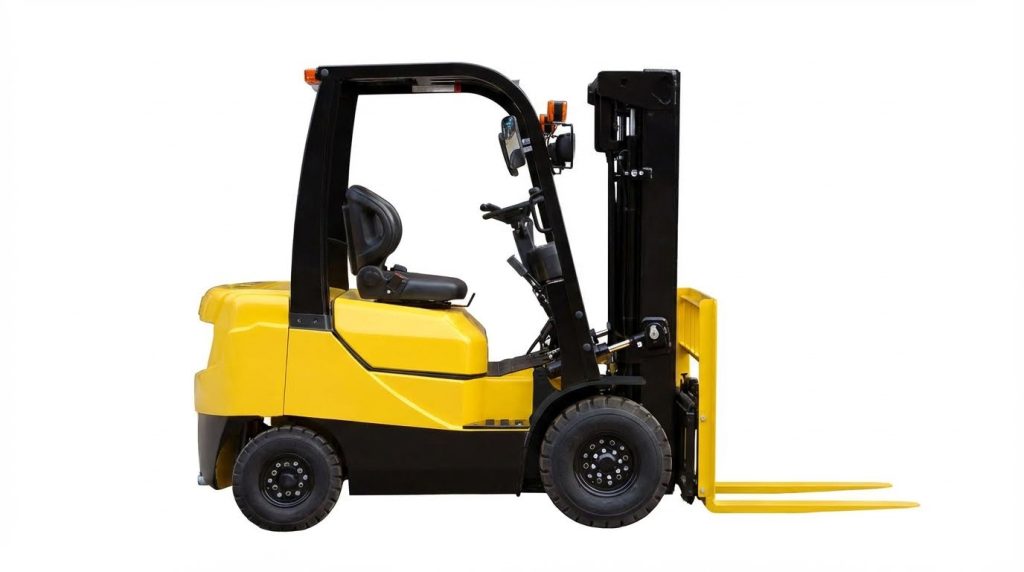
Defining the application precisely established the foundation for a reliable used forklift selection. Engineers evaluated load characteristics, lift heights, travel distances, surfaces, and shift patterns before comparing units. This approach prevented underspecification that created safety risks and overspecification that wasted capital. A clear requirement profile also enabled apples-to-apples comparison between different used machines and dealers.
Matching Load Capacity And Mast Height To The Job
Users first specified the heaviest load mass in kilograms, including pallets, attachments, and packaging. They then checked the data plate to confirm rated capacity at the required lift height and load center, rather than at standard 500 mm only. Residual capacity diagrams were critical when using side-shifters, clamps, or other attachments because these reduced effective capacity. Engineers also matched maximum mast height to racking or mezzanine clearances, considering overhead obstructions such as sprinklers and door headers.
For high-bay storage, they favored triplex or quad masts that provided greater lift without excessive collapsed height. They verified that the mast raised and lowered smoothly during inspection, with no binding or abnormal noise, to ensure reliable operation at full height. Capacity margins of 10–20% above the typical load improved stability and allowed for future load variation. This disciplined matching of load, height, and geometry reduced tip-over risk and structural overstress in used units.
Indoor vs. Outdoor Use, Floor Conditions, And Duty Cycle
Indoor applications typically required low-emission or zero-emission trucks with non-marking tires to protect floors and air quality. Outdoor or mixed-use operations needed higher ground clearance, more robust frames, and tires suitable for uneven or wet surfaces. Buyers evaluated floor conditions, including slope, surface roughness, and expansion joints, because these affected required traction and braking performance. They also considered aisle widths, turning radii, and ramp gradients when defining maneuverability needs.
Duty cycle analysis looked at hours per shift, number of shifts, and peak loading periods. High-duty operations, such as continuous loading docks, demanded trucks with stronger cooling systems and tighter maintenance schedules. For light or intermittent use, buyers could accept higher operating hours on a used forklift if maintenance history was strong. Matching the truck to environment and duty cycle reduced premature wear on tires, brakes, and drivetrains and improved lifecycle cost.
Choosing Fuel Type: Electric, LP, Gas, Or Diesel
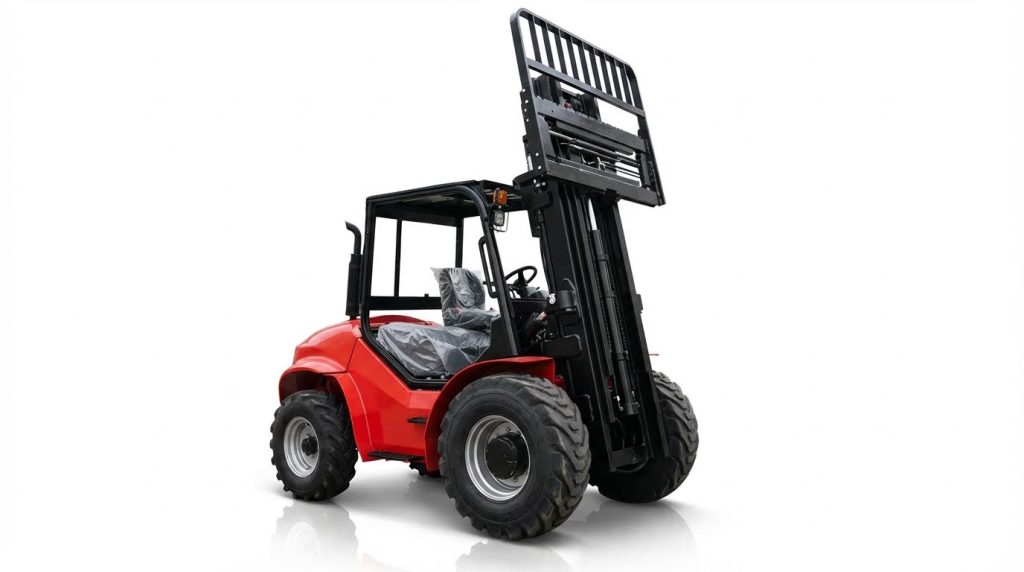
Electric forklifts suited indoor and food-grade environments because they produced zero tailpipe emissions and low noise. Buyers assessed battery age, capacity, and whether a compatible charger was included, as battery replacement represented a major cost. LP and gasoline trucks offered fast refueling and strong performance but required adequate ventilation and emissions compliance indoors. Diesel units delivered high torque and long runtime, fitting heavy outdoor work, yards, and rough terrain.
Fuel type decisions also considered local fuel prices, maintenance skills, and regulatory requirements. Electric units generally required less mechanical maintenance but demanded disciplined charging and battery care. Internal combustion (IC) trucks needed regular fluid changes, exhaust system checks, and adherence to emissions limits. Comparing lifetime energy and maintenance costs, not just purchase price, allowed buyers to choose the most economical power source for their application.
Evaluating Fleet Integration And Future Scalability
Used forklifts worked best when they integrated smoothly with the existing fleet. Buyers checked that mast heights, fork lengths, and attachments matched current racking, docks, and load types. They also aligned control layouts and operating characteristics to reduce operator retraining time and error risk. For electric fleets, compatibility with existing chargers and battery voltages prevented infrastructure duplication.
Scalability considerations included expected volume growth, new product dimensions, and planned facility changes. Standardizing on a limited set of models simplified spare parts stocking and maintenance training. Buyers also evaluated telematics or digital record-keeping capability to support fleet-wide maintenance programs and regulatory documentation. By viewing each used forklift as part of a multi-year fleet strategy, companies reduced stranded assets and improved total cost performance.
Structural, Mechanical, And Safety Inspection Steps
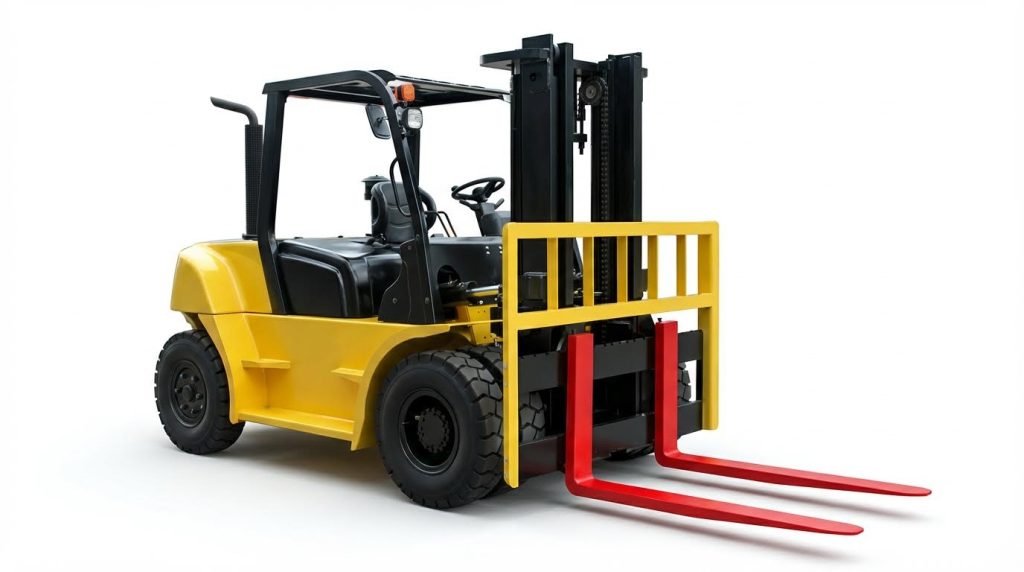
Structured inspection of a used forklift reduced failure risk and supported regulatory compliance. A systematic approach covered structure, driveline, control systems, and safety devices. Each subsystem required both visual checks and functional tests under load. The following subsections outlined a practical, engineering-grade inspection workflow.
Frame, Mast, Forks, And Attachments Integrity Checks
Inspect the chassis and overhead guard first for cracks, corrosion, and deformation, especially around welds and high-stress corners. Rust pitting near mast pivots or steer axle mounts indicated possible loss of section thickness and required further NDT such as ultrasonic testing. Check the mast rails for straightness, cracked welds, and damage at roller tracks; the mast should raise and lower smoothly without jerks or squealing. Examine lift chains for elongation, tight spots, corrosion, and missing or damaged links, and verify correct lubrication. Assess forks for cracks, unauthorized weld repairs, bending, or heel wear; heel thickness loss should not exceed 10% of original thickness and fork length mismatch should remain within 3 mm. Confirm attachments and their mounting points are free from cracks and elongated holes, and verify their rated capacity and residual load diagrams match the intended loads.
Powertrain, Hydraulics, And Transmission Assessment
Begin powertrain checks with a cold visual inspection for oil, coolant, and fuel leaks around engine, transmission, and differentials. Start the engine and listen for abnormal knocking, misfire, or unstable idle, and observe exhaust color; persistent blue or black smoke indicated internal wear or fueling issues. Cycle the transmission through all gears and directions under light load to verify smooth engagement without clunking, slipping, or delayed response. Inspect hydraulic hoses, fittings, and cylinders for abrasion, cracking, and seepage; any leak exceeding one drop per minute justified removing the truck from service until repair. Operate all hydraulic functions at full stroke and rated load where possible, checking lift speed, tilt holding ability, and absence of chatter or cavitation noise. For electric trucks, inspect the drive motor area for insulation damage, overheated connectors, and verify that all contactors and controllers operate without fault codes.
Tires, Brakes, Steering, And Control Responsiveness
Evaluate tire condition because it directly affected stability and residual capacity. For solid tires, check for chunking, deep cuts, and wear past molded indicators; for pneumatic tires, verify pressure against specifications and inspect for sidewall damage or exposed cords. Test the service brake for firm, progressive pedal feel and short, straight stopping distances without pulling or noise; confirm the parking brake held the truck on rated gradients. Assess steering for excessive free play, binding, or delayed response, and ensure the truck tracked predictably during tight turns at low and moderate speeds. During a short test drive, monitor acceleration, directional changes, and inching control to confirm smooth modulation suitable for precise pallet handling. Verify all hydraulic and travel controls returned to neutral automatically and did not drift, which indicated valve or linkage wear.
Safety Equipment, Labels, And Regulatory Compliance
Confirm all mandatory safety devices operated correctly, including horn, backup alarm, lights, and, where fitted, blue or red warning lights. Check seatbelts for retraction, latch integrity, and mounting security, and inspect the overhead guard and operator compartment for deformation that could compromise protection. Ensure capacity plates, warning labels, and residual load capacity diagrams were present, legible, and matched the current configuration of mast and attachments. Verify compliance with applicable standards such as OSHA 1910.178 and local regulations by reviewing the latest safety inspection certificate and emissions documentation for internal combustion units. Inspect mirrors, displays, and indicators for clarity and correct positioning to maintain good visibility and ergonomic operation. Record all findings in a structured checklist and integrate them into digital maintenance records to support traceability and future audits.
Service History, Lifecycle Cost, And Risk Management
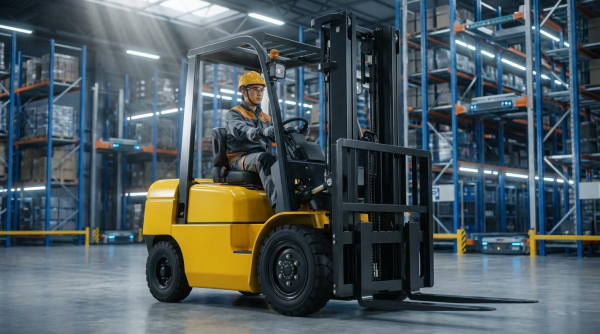
Used forklift selection relied heavily on documented history and quantified lifecycle cost rather than purchase price alone. Buyers evaluated how prior usage, environment, and maintenance practices affected remaining structural and mechanical life. Risk management combined technical inspection, record verification, and commercial safeguards such as warranties and resale planning. This section outlined how to translate those factors into predictable operating cost and lower safety and compliance risk.
Verifying Hours, Service Records, And Prior Environment
Operating hours provided a primary indicator of remaining life, with less than 10,000 hours typically preferred for general applications. Inspectors compared hour-meter readings against service records to detect inconsistencies that suggested tampering or undocumented repairs. Complete logs documented preventive maintenance intervals, major component replacements, and recurring faults, allowing prediction of future repair probability. Prior environments such as salt-laden coastal sites, cold storage, or high-humidity plants accelerated corrosion and wear, so buyers adjusted expectations and price for additional reconditioning. Regulatory guidance required maintaining accurate records to demonstrate inspection and maintenance compliance, which also supported insurance and audit requirements.
Battery, Charger, And Energy Efficiency Considerations
For electric forklifts, battery condition controlled both runtime and total lifecycle cost, often equaling a large fraction of the truck value. Inspectors checked age, charge retention, and visible defects such as sulfation crystals or bulging cells that indicated shortened remaining life. Electrolyte levels, terminal cleanliness, and corrosion state affected internal resistance and usable capacity, impacting shift length and charging frequency. Availability and compatibility of the charger were critical; mismatched chargers reduced battery life and violated manufacturer recommendations. Energy efficiency considerations included comparing electric units against internal combustion trucks on kWh or fuel consumption per tonne-metre moved, especially in multi-shift fleets with high annual hours. Buyers also evaluated whether existing site electrical infrastructure could support charging without costly upgrades.
Professional Inspection, Testing, And Digital Records
Certified technicians conducted structured multi-point inspections to identify hidden defects in hydraulics, powertrain, and structure that were not obvious in casual checks. These inspections often included functional tests under load, leak assessments, brake performance checks, and verification of mast and chain condition against manufacturer limits. Test drives on the buyer’s own site allowed evaluation of maneuverability, steering stability, and lifting performance under real gradients, floor conditions, and aisle widths. Digital record-keeping systems captured inspection results, defect lists, and repair actions, creating a traceable maintenance history for future resale and compliance audits. Fleet operators integrated these records into preventive maintenance schedules, using hour-based triggers for fluid changes, brake inspections, and structural checks to reduce unplanned downtime.
Pricing, Warranty, Resale Value, And Total Cost
Pricing negotiations considered not only visible condition but also projected repair backlog, battery replacement timing, and tire renewal costs. Buyers benchmarked offers against market ranges, typically around USD 5,000 to 25,000 depending on age, capacity, and configuration. Warranties on powertrain or full truck coverage reduced early-life repair risk and were particularly valuable for high-hour applications, provided terms matched expected annual usage. Expected resale value depended on brand reputation, documented service history, and structural condition, influencing depreciation rates and lease-versus-buy decisions. Lifecycle cost models combined acquisition price, scheduled maintenance, energy or fuel use, and expected major component replacements to estimate cost per operating hour. Fleets that implemented structured preventive maintenance programs, as reported in industry analyses, reduced repair costs by roughly 25–40% and extended service life by several years, significantly improving total cost of ownership.
Summary: Key Criteria For Selecting A Used Forklift
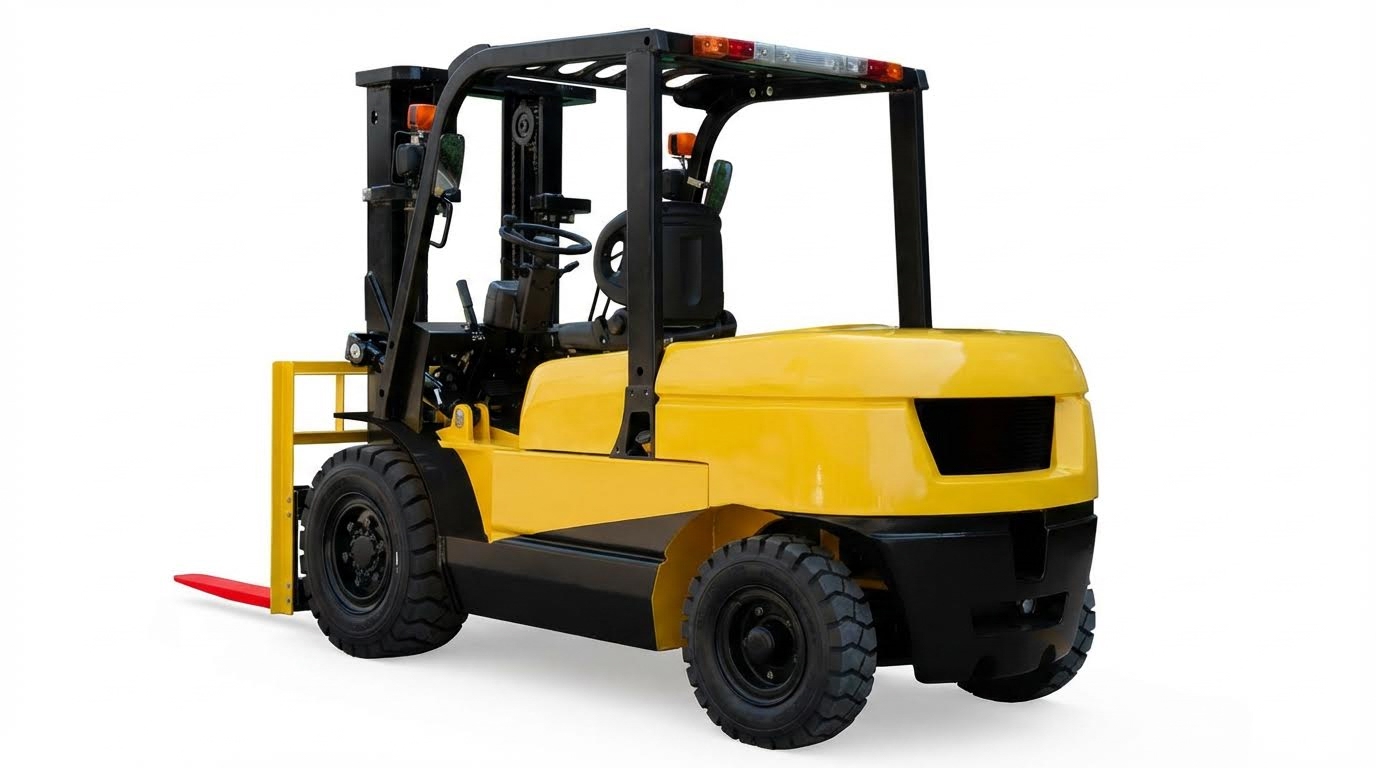
Selecting a reliable used forklift required a structured, engineering-driven approach. Buyers first defined application parameters: rated capacity, lift height, aisle width, floor conditions, and duty cycle. Those inputs determined mast configuration, chassis size, and fuel type, while also screening out units that could not legally or safely handle required loads. Matching the truck’s specification plate and residual capacity diagrams to the intended attachments remained essential for compliance.
Technical inspection then focused on structural and functional integrity. Frame, mast, forks, and attachments needed to be free of cracks, distortion, and excessive heel wear, with forks typically limited to 10% heel thickness loss. Powertrain, hydraulics, and transmission checks looked for leaks, abnormal noise, and harsh shifting, while brake, steering, and control tests verified predictable, repeatable response. Tire condition, battery health for electric units, and full operation of safety devices, labels, and lighting underpinned OSHA and local regulatory compliance.
Lifecycle economics depended on accurate hour readings, documented service history, and prior operating environment. Corrosive or extreme-temperature use increased future repair risk and influenced negotiated price. Professional inspections by certified technicians, combined with test operation under realistic site conditions, reduced hidden-failure risk and supported evidence-based pricing. Buyers also evaluated warranty terms, parts availability, energy efficiency, and expected residual value, then compared candidate trucks on total cost of ownership rather than purchase price alone. This balanced focus on specification fit, physical condition, compliance, and lifecycle cost produced safer, more economical used forklift selections and supported longer fleet life with lower unplanned downtime.