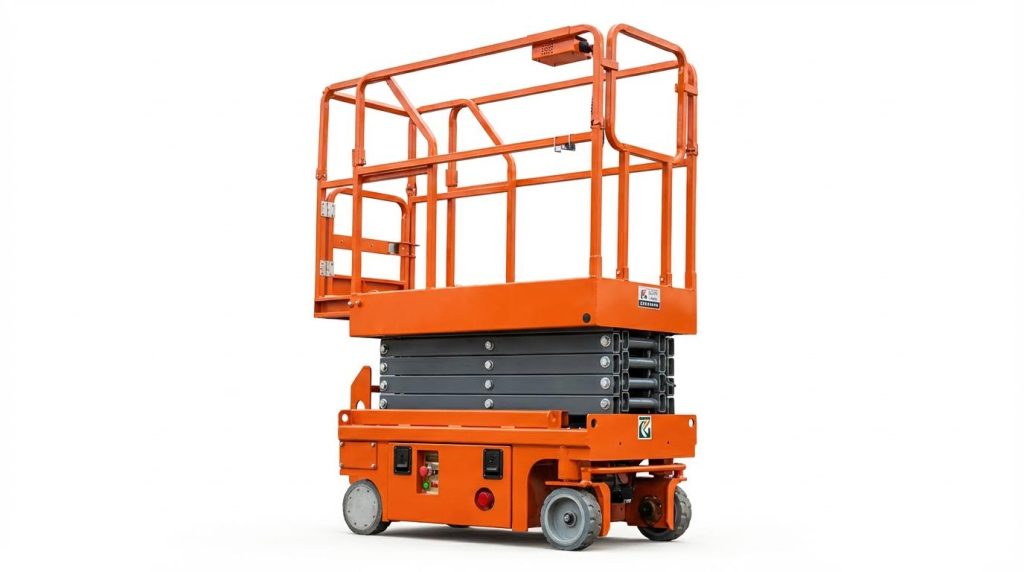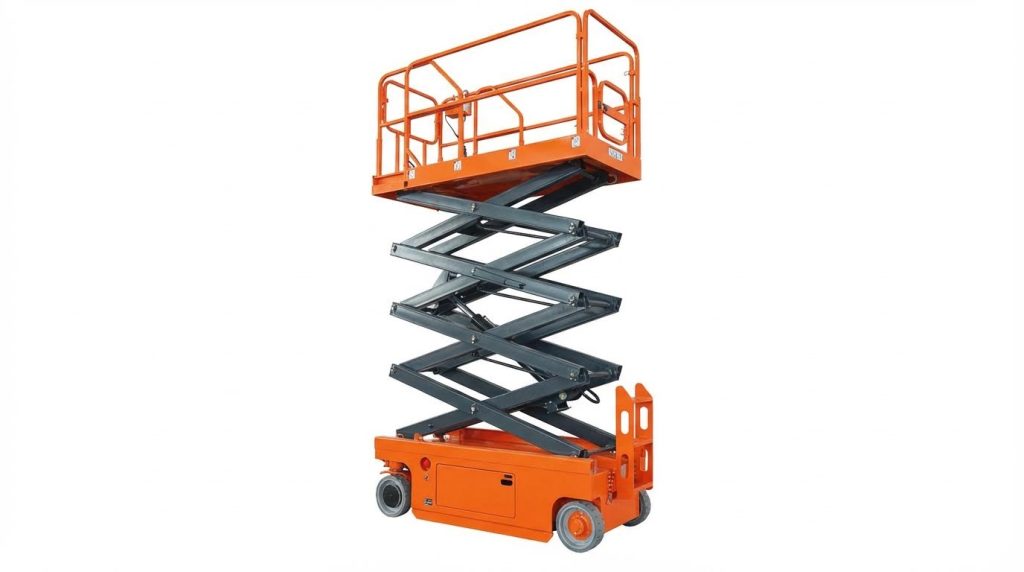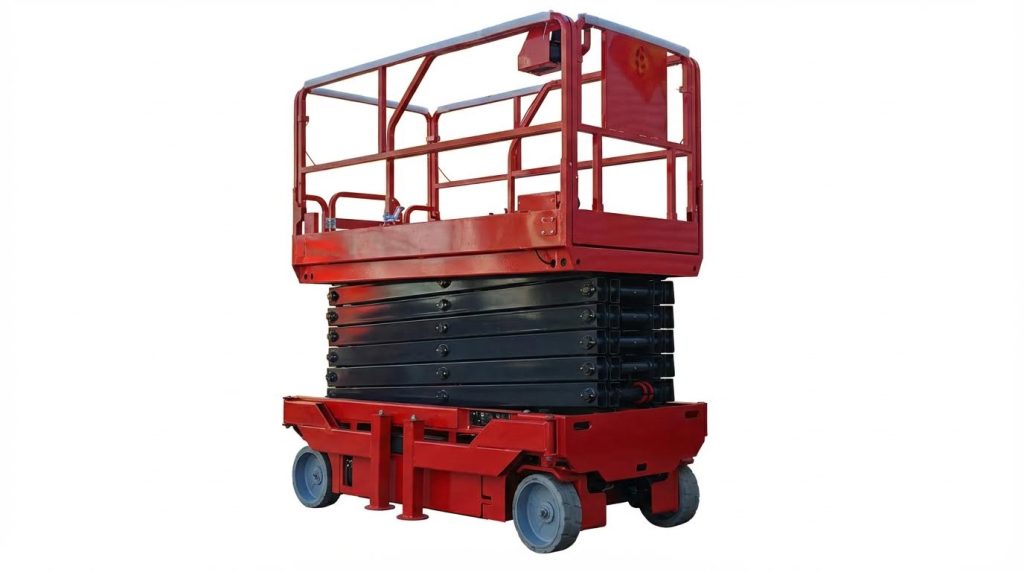
Scissor lifts had evolved into critical access equipment across construction, maintenance, and industrial facilities, and regulators had responded with detailed operator competency rules. This article outlined the regulatory frameworks that governed licensing thresholds, employer duties, and third‑party roles in North America, Europe, and Australia. It then examined what robust training actually contained, from stability theory and load control to emergency response and structured daily inspection routines. Finally, it compared delivery models, digital inspection tools, and record‑keeping integrations so organizations could build a safe, compliant, and auditable scissor lift competency program.
Regulatory Framework For Scissor Lift Licensing
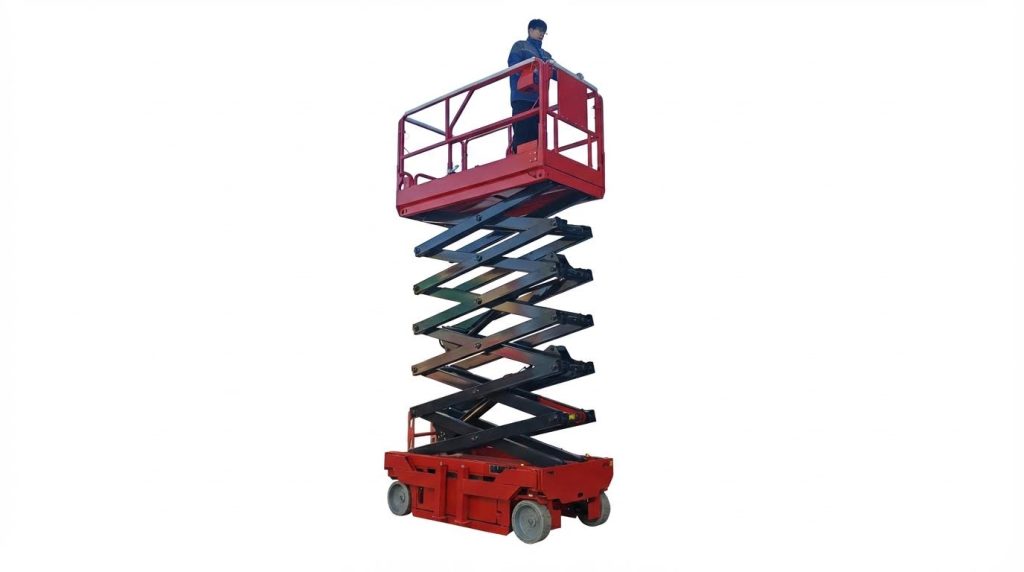
The regulatory framework for scissor lift licensing relied on a mix of national safety authorities and consensus standards. In North America, OSHA, WorkSafeBC, and CSA standards guided employer duties, operator training, and equipment design. In Europe, EN standards and national legislation defined similar obligations for elevating work platforms. Across regions, regulators placed the legal duty on employers to ensure operators were trained, evaluated, and authorized before use.
OSHA, CSA, And EN Standards Overview
OSHA classified scissor lifts as mobile scaffolds and applied scaffold, aerial lift, and general duty requirements. OSHA standards required employers to provide training, evaluate operators, and maintain equipment in safe condition; OSHA did not certify operators directly. In Canada, CSA B354 series standards defined technical and safe-use requirements for elevating work platforms, and provincial regulators such as WorkSafeBC enforced them. In Europe, EN 280 and related EN standards governed design, stability, safety devices, and instructions for EWPs, which employers had to apply through risk assessments and safe-work procedures.
Employer Versus Third-Party Certification Roles
Employers held the legal responsibility for operator competence, regardless of who delivered the course. Third-party providers, such as online platforms or in-person training companies, supplied structured programs, assessments, and documentation. However, only the employer could designate an individual as an authorized operator for a specific site and machine type. OSHA confirmed that it did not approve courses, so employers had to verify that external training met regulatory and site-specific requirements.
Licensing Thresholds: Height, Boom, And EWP Classes
Licensing thresholds depended on platform type, height, and jurisdiction. In Australia, the RIIHAN301E unit covered EWPs under 11 m and did not grant a high-risk work licence, which applied to boom-type EWPs with boom lengths of 11 m or more. Scissor and vertical lifts under 11 m typically required documented training and competency but not an HRW licence. Classification schemes also differentiated between vertical, scissor, and boom EWPs, so employers needed to match training and authorization to the correct class and height range.
Consequences Of Non-Compliance And Liability
Non-compliance exposed employers to significant legal and financial risk. OSHA could levy penalties of about USD 7,000 per untrained operator, and up to USD 70,000 per willful violation, in addition to potential criminal liability after fatalities. Civil lawsuits, workers’ compensation costs, and productivity losses further increased the total impact of accidents involving untrained or improperly supervised operators. Documented training, evaluations, and inspection records reduced liability exposure and supported a defensible safety management system.
Training Content And Competency Requirements
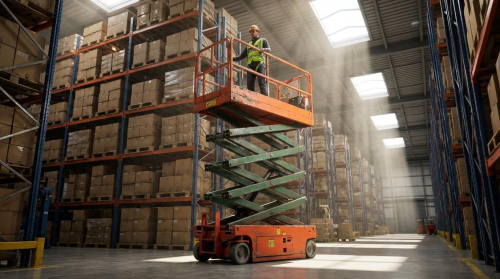
Scissor lift operator training programs focused on both theoretical knowledge and demonstrable skills. Regulators required employers to ensure that operators understood equipment limitations, site hazards, and emergency procedures before authorizing use. Competency frameworks typically combined classroom or online learning with supervised practical assessments on the actual or equivalent equipment. Effective curricula aligned with OSHA, CSA, or EN requirements and documented outcomes to support legal defensibility and internal safety management systems.
Core Theory: Hazards, Stability, And Load Limits
The core theory component addressed primary hazard categories, including falls, tip-overs, contact with power lines, and crushing or trapping risks. Training explained how platform height, scissor geometry, and center of gravity influenced stability, especially on uneven or sloped ground. Operators learned to interpret manufacturer load charts, plate markings, and rated capacity in kilograms, including combined mass of personnel, tools, and materials. Programs emphasized that exceeding rated capacity or altering load distribution increased overturning moments and structural stress. Theory modules also covered regulatory concepts, such as the distinction between scissor lifts and boom-type elevating work platforms for licensing thresholds. Case studies of real incidents illustrated how improper setup, overreaching, or unauthorized modifications led to fatalities and serious injuries. Trainees were expected to recall key stability rules, including maintaining guardrails, avoiding unauthorized use of planks or ladders on the platform, and respecting wind and weather limitations.
Practical Skills: Controls, Maneuvers, And Emergencies
Practical training developed proficiency with both ground and platform control stations, including function selectors, joysticks, speed controls, and emergency stop devices. Trainees practiced smooth raising, lowering, and driving maneuvers, maintaining low travel speeds, and avoiding abrupt directional changes that could destabilize the lift. Instructors demonstrated correct approach to work areas, including positioning to minimize reaching and ensuring sufficient overhead clearance. Practical modules always included function tests of emergency systems, such as manual descent, tilt alarms, pothole protection, and audible alarms. Operators rehearsed responses to simulated failures, including loss of power, hydraulic malfunction, and stuck controls, following site emergency procedures. Competency criteria typically required operators to complete tasks without unsafe acts, near misses, or breaches of exclusion zones around the lift. Documentation of each trainee’s evaluation, including test results and observation notes, formed part of the operator’s authorization record.
Daily Inspection And Pre-Start Check Protocols
Training programs treated daily inspections as a non-negotiable first line of defense against mechanical failure and accidents. Operators learned to follow structured checklists that covered scissor arms, pivot pins, hydraulic cylinders, hoses, and fittings for leaks, cracks, or signs of metal fatigue. Pre-start checks included verifying tire or wheel condition, guardrail integrity, gates and toe boards, and the presence and legibility of safety decals and operating manuals. Power system inspections required confirming battery charge level, hydraulic oil level, and engine oil level where applicable, ensuring sufficient capacity for the planned shift. Trainees function-tested all controls from both ground and platform stations, confirming that controls returned to neutral when released and that movements occurred smoothly without abnormal noises. They also tested emergency descent systems, tilt and overload alarms, and pothole protection devices before elevating. Programs increasingly introduced digital inspection tools and apps that recorded findings, generated alerts, and maintained historical maintenance records for compliance and asset management.
PPE, Fall Protection, And Work Area Assessment
Competency requirements included correct selection and use of personal protective equipment, typically safety boots, hard hat, high-visibility clothing, and other site-specific items. Training explained when fall protection systems, such as harnesses and lanyards, were required by local standards or company policy for scissor lift platforms. Operators learned to inspect harnesses and anchorage points and to avoid creating trip or entanglement hazards with lanyards and cords on the platform. Work area assessment skills covered checking ground conditions for level, bearing capacity, holes, and obstructions before deployment. Trainees evaluated overhead risks, including electrical lines, overhead structures, and weather influences such as wind and rain. Procedures addressed establishing exclusion zones, managing pedestrian and vehicle traffic, and coordinating with other trades to prevent
Comparing Training Delivery Models And Technologies
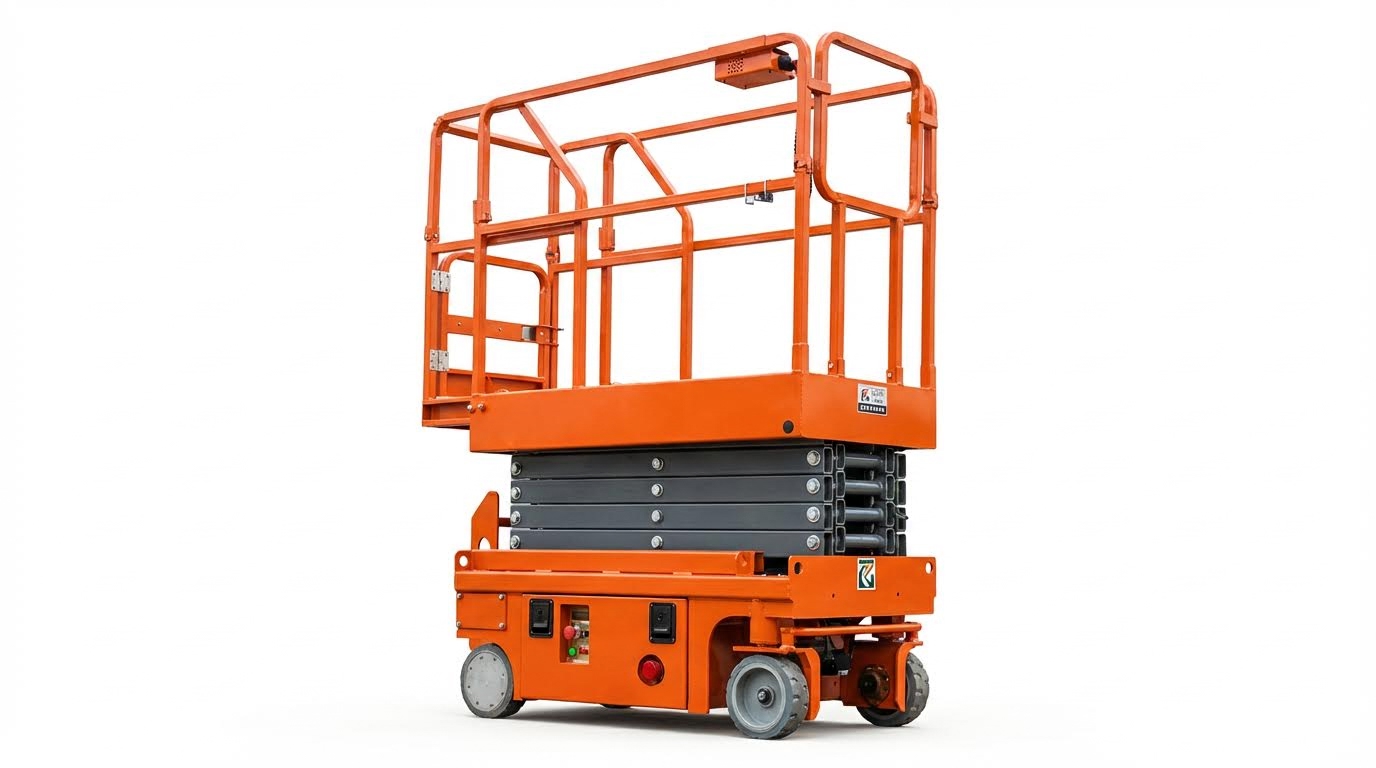
Training delivery models for scissor lift operators differed in structure, regulatory alignment, and logistical demands. Online, onsite, and accredited Registered Training Organisation (RTO) courses each addressed the same fundamental safety and competency objectives but with distinct trade-offs in cost, flexibility, and assessment rigor. Technology, including digital checklists, telematics, and integrated record systems, increasingly supported these models by standardising inspections, documenting competence, and enabling data-driven maintenance and compliance oversight.
Online, Onsite, And Accredited RTO Course Options
Online courses, such as the OSHA-compliant program from CertifyMeOnline.net, offered maximum scheduling flexibility and rapid deployment for distributed workforces. These courses typically focused on theory, regulatory requirements, and hazard awareness, and employers remained responsible for the practical evaluation on the actual equipment. Onsite courses, like WorkForce Training’s eight-hour program, combined classroom instruction with supervised hands-on operation on the employer’s scissor lift, which improved task-specific competency and site relevance. Accredited RTO courses, such as CEPUTEC’s RIIHAN301E, provided nationally recognised outcomes under frameworks like the Australian Qualifications Framework, which supported mobility across employers and projects but still required employers to address site-specific induction and high-risk licensing thresholds where applicable.
Assessment Methods, Pass Criteria, And Recertification
Assessment methods varied in stringency and transparency, but all aimed to verify both knowledge and practical skill. CertifyMeOnline.net guaranteed a 100% pass rate by allowing candidates to review and correct incorrect answers, which ensured eventual mastery of theoretical content but relied on employers to validate real-world competence. WorkForce Training required a minimum 70% score on a written theory test and a formal practical evaluation, documenting both components via evaluation forms, test records, and operator cards, which created a robust audit trail for regulators or investigators. CEPUTEC used multiple assessment tools to confirm planning, hazard control, and safe operation on at least two occasions, issuing a Statement of Attainment that remained valid evidence of competency under national standards, although not a high-risk work licence for EWPs above 11 m. Recertification cycles differed; for example, CertifyMeOnline.net issued three-year certificates with free renewals, while OSHA guidance required refresher training after incidents, near misses, or observed unsafe acts, regardless of card expiry.
Digital Checklists, Telematics, And Predictive Maintenance
Digital daily inspection tools transformed pre-start checks from paper-based routines into structured, traceable workflows. Software platforms modeled on detailed guides, such as Scissor Lift Daily Safety Inspection procedures, prompted operators to verify emergency descent systems, tilt alarms, pothole protection, and control neutrality, then timestamped and stored the results. When connected to telematics, scissor lifts could report utilisation hours, fault codes, and abnormal operating conditions, which supported condition-based maintenance and early detection of hydraulic leaks, battery degradation, or sensor faults. Predictive analytics on these datasets allowed maintenance teams to schedule interventions before failures affected availability or safety, reducing unplanned downtime and supporting compliance with inspection requirements. Digital records also simplified demonstrating due diligence during audits or incident investigations.
Integrating Training Records With EHS And HR Systems
Integrating operator training records with Environmental, Health, and Safety (EHS) and Human Resources (HR) systems improved control over authorisations and competency management. Centralised databases linked operator profiles to completed courses, Statements of Attainment, theory and practical test results, and licence classes or height limits, which enabled supervisors to verify that only trained and authorised personnel operated scissor lifts. Automated alerts flagged upcoming expiries, incident-triggered refresher requirements, or gaps between assigned tasks and held qualifications, reducing the risk of non-compliance fines and liability. When inspection checklists and telematics data also fed into the same EHS platform, organisations could correlate operator behaviour, training history, and equipment condition, supporting targeted coaching and continuous improvement. This integrated approach created a closed-loop system where training, operation, inspection, and incident data reinforced each other to maintain safe, compliant scissor lift use.
Summary: Ensuring Safe, Compliant Scissor Lift Operation
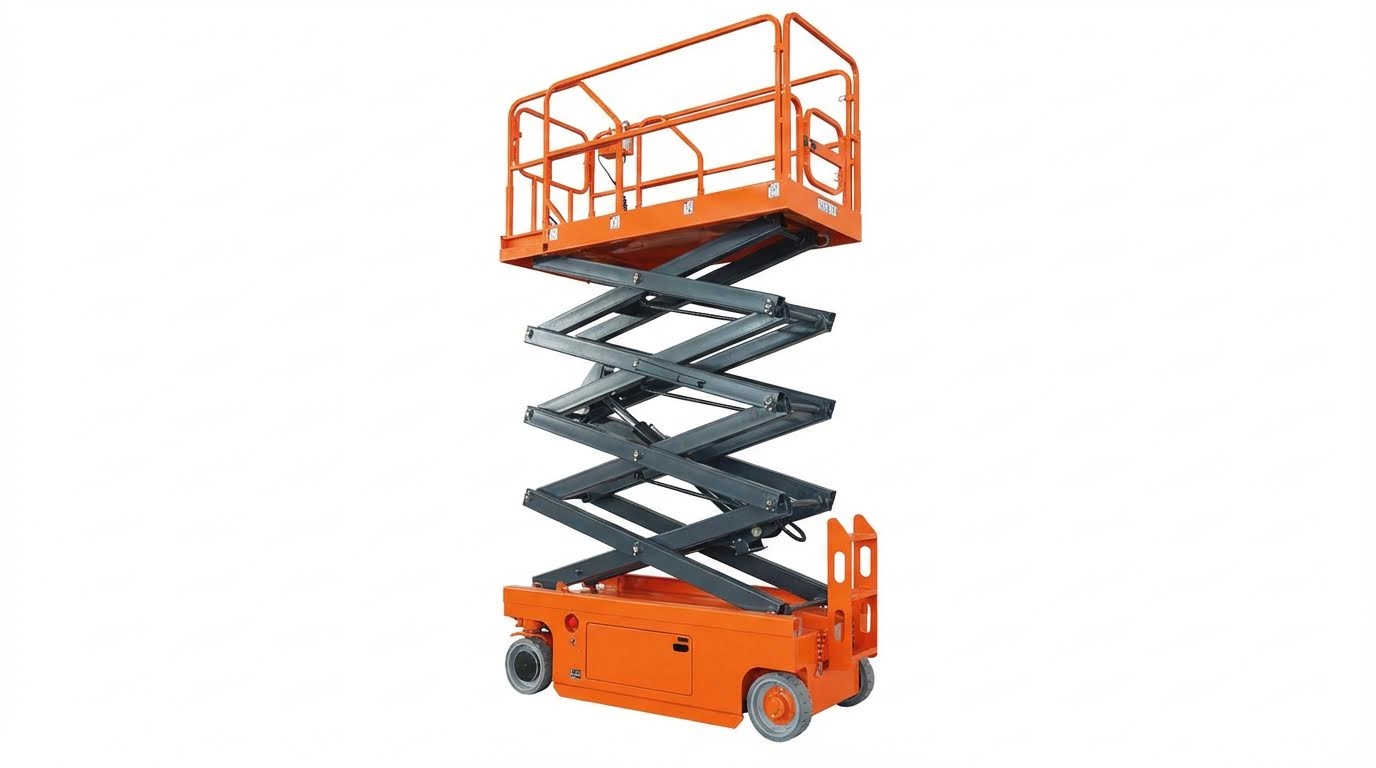
Safe, compliant scissor lift operation depended on three pillars: a clear regulatory framework, robust operator training, and disciplined inspection and documentation practices. OSHA, CSA, EN standards, and national training frameworks such as the Australian Qualifications Framework defined minimum training content, employer responsibilities, and licensing thresholds, especially around platform height and boom length. Providers such as CertifyMeOnline.net, WorkForce Training, and CEPUTEC illustrated different compliance pathways: short online theory courses, full‑day blended programs at client sites, and nationally accredited units of competency for EWPs under 11 m. In every jurisdiction, regulators placed the legal duty on employers to ensure operators were trained, evaluated, and retrained after incidents or unsafe behavior.
Industry practice increasingly combined structured theory on hazards, stability, and load limits with repeatable practical assessments on controls, maneuvers, emergency descent, and rescue procedures. Daily pre‑start inspections became non‑negotiable, covering structural components, hydraulics, power systems, alarms, decals, and both ground and platform controls. Fall protection and PPE expectations tightened, with checklists requiring harness availability where mandated, plus safety footwear, hi‑vis clothing, and head protection. Digital tools, including mobile inspection apps, telematics, and integrated EHS–HR systems, started to automate reminders, capture inspection evidence, and link training records to individual operators and specific assets.
For practitioners, the practical path forward included selecting a training model that matched risk profile and regulatory context, enforcing daily inspection and work area assessment checklists, and maintaining verifiable, auditable records of training, evaluations, and equipment condition. Future trends pointed toward wider use of real‑time equipment health monitoring, predictive maintenance based on usage and fault codes, and competency management systems that locked out untrained personnel. A balanced approach treated technology as an enabler, not a substitute, for disciplined supervision, clear procedures, and a strong safety culture around elevating work platforms.