Daily forklift pre-use inspections formed the backbone of safe and reliable materials handling in industrial operations. This article examined why checks at the start of each shift were mandatory from a safety, regulatory, and reliability engineering perspective, and compared paper versus digital checklist strategies. It then detailed how to structure a robust inspection program across mixed fleets, including frequency, standardized forms, documentation practices, and operator accountability. Finally, it broke down a technical, component-level daily checklist and concluded with practical takeaways for sustaining safe, compliant, and high-uptime forklift fleets.
Why Daily Forklift Checks Are Non‑Negotiable
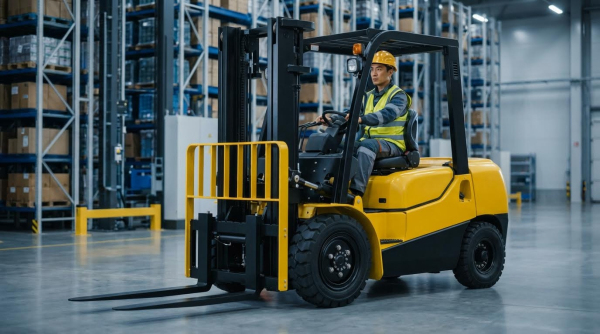
Daily pre-use inspections formed the backbone of safe forklift operation in industrial environments. They identified mechanical and safety-critical defects before the truck entered service. This reduced incident rates, supported regulatory compliance, and stabilized lifecycle costs. From an engineering management perspective, daily checks functioned as a low-cost risk-control and reliability tool.
Safety Risk Reduction And Incident Statistics
Forklifts presented a high-consequence risk profile due to mass, load height, and operating environments. In the United States, forklift incidents historically caused about 85 fatalities and roughly 34,900 serious injuries per year. Pre-use checklists targeted leading technical causes of incidents, such as faulty brakes, worn tires, steering defects, and hydraulic or mast failures. By detecting defects like fluid leaks, cracked forks, or damaged chains before operation, engineers reduced the probability of catastrophic events rather than only mitigating consequences. Routine inspections also improved operator confidence, because they confirmed that safety devices and structural components met functional requirements at the start of each shift.
OSHA Compliance And Legal Obligations
Daily inspections were not just best practice; they were a regulatory requirement. OSHA standard 29 CFR 1910.178(q)(7) required powered industrial trucks to be examined at least at the beginning of each shift and removed from service if unsafe. Separate checklists had to exist for different truck types, including electric, internal combustion, and LPG units, to reflect their distinct hazards and failure modes. Documented checklists supported proof of compliance during audits, incident investigations, and insurance reviews. Failure to implement and document daily inspections exposed employers to citations, fines, civil liability, and in severe cases criminal exposure following serious injuries or fatalities.
Lifecycle Cost, Uptime, And Asset Reliability
From an asset management standpoint, daily inspections functioned as a first line of condition monitoring. Operators routinely caught early-stage wear in tires, forks, chains, hoses, and seals before they escalated into failures that caused unplanned downtime. This supported preventive maintenance planning, allowing maintenance teams to schedule repairs, parts procurement, and truck swaps with minimal disruption. Over the forklift lifecycle, this approach reduced major component damage, extended useful life, and lowered total cost of ownership. Systematic checks, combined with accurate records, also enabled reliability engineers to analyze recurring defect patterns and refine maintenance intervals and design choices.
Paper Vs. Digital Checklists In Modern Fleets
Traditional paper checklists were simple to deploy but difficult to control, archive, and analyze at scale. Lost forms, incomplete fields, and illegible entries limited their value for compliance and reliability engineering. Digital checklists, typically implemented via mobile devices or onboard terminals, allowed standardized question sets per truck type, mandatory fields, and time-stamped user identification. They also supported photo or video evidence of damage, automated task creation for maintenance, and digital signatures for accountability. For multi-site fleets, digital systems enabled centralized data analysis, trend tracking, and audit-ready records, while still aligning with OSHA’s requirement that inspections occur at the start of each shift.
Structuring A Robust Daily Inspection Program
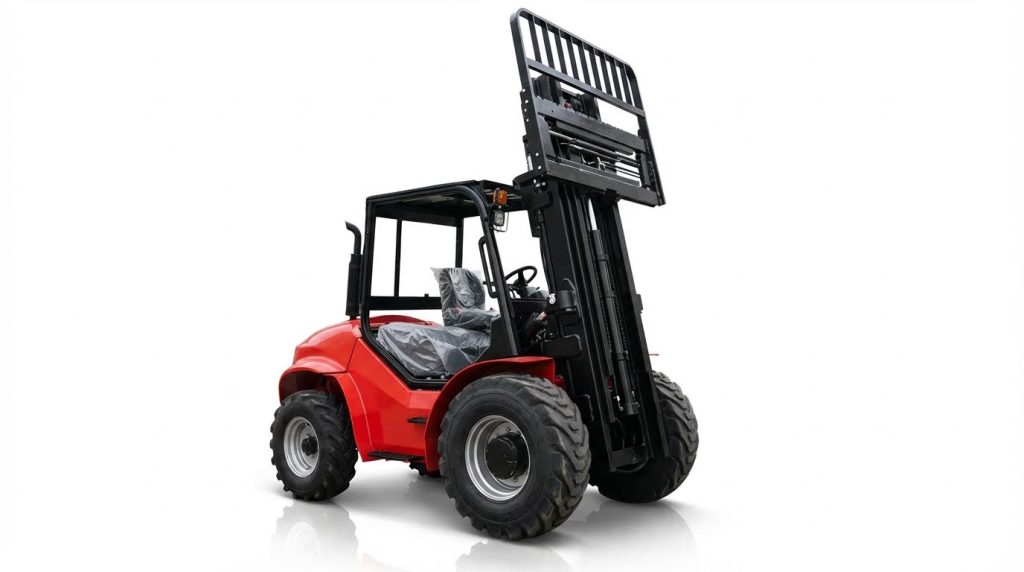
A robust daily inspection program defined when and how operators checked forklifts, and what they documented. It linked pre-use checks to maintenance planning, compliance, and operator behavior. From an engineering standpoint, the structure of the program determined data quality, defect detection rate, and fleet availability.
Shift-Based Frequency And Inspection Scope
OSHA required that forklifts be examined at least once per shift, and after each shift for 24-hour operations. Engineering teams therefore defined inspection frequency based on shift patterns, utilization hours, and duty severity. A typical structure used a full pre-start inspection at the beginning of each shift and a shorter post-shift check focused on new damage and performance anomalies. High-duty or harsh-environment trucks often received additional weekly engineering checks that went deeper into structural and fatigue-critical items. Scope had to cover both key-off visual checks and key-on functional tests, with clear boundaries between operator-level checks and technician-only tasks.
Standardized Checklists For Mixed Truck Fleets
Mixed fleets that used electric, internal combustion, and LPG trucks required standardized but type-specific checklists. The core checklist covered common elements such as forks, mast, tires, overhead guard, seat belt, and warning devices. Each truck type then had tailored sections, for example electrolyte levels and cables for electric units or tank mounting and relief valve orientation for LPG trucks. Engineering teams usually controlled master checklist content to align with 29 CFR 1910.178 and OEM manuals. Standardization enabled comparable data across sites and models, simplified training, and reduced the risk that operators skipped critical items when switching truck types.
Documentation, Traceability, And Audit Readiness
Inspection records needed to be complete, legible, and retained for a defined period to support OSHA and internal audits. A well-structured program assigned unique identifiers to each truck and linked every checklist to date, shift, operator, and hour-meter reading. Digital systems increased traceability by enforcing mandatory fields, time stamps, and user authentication. They also allowed attaching photos or videos of defects, which supported root cause analysis and warranty claims. From a compliance perspective, audit readiness meant being able to show that unsafe trucks were tagged out, that corrective actions were tracked to closure, and that repeat defects triggered engineering review.
Training Operators And Enforcing Accountability
Operator training underpinned the effectiveness of any inspection program. OSHA required trained and evaluated operators, but engineering-led programs went further by teaching defect criteria, not just checklist navigation. Practical training used real trucks to demonstrate acceptable versus rejectable conditions, such as fork heel wear or hydraulic leaks. Accountability mechanisms included sign-off on each checklist, disciplinary rules for falsified inspections, and positive reinforcement for early defect reporting. Supervisors and maintenance staff had to close the loop by communicating findings and repair timelines, so operators saw that accurate inspections led to safer, more reliable trucks rather than blame.
Technical Checklist: What To Inspect Each Day
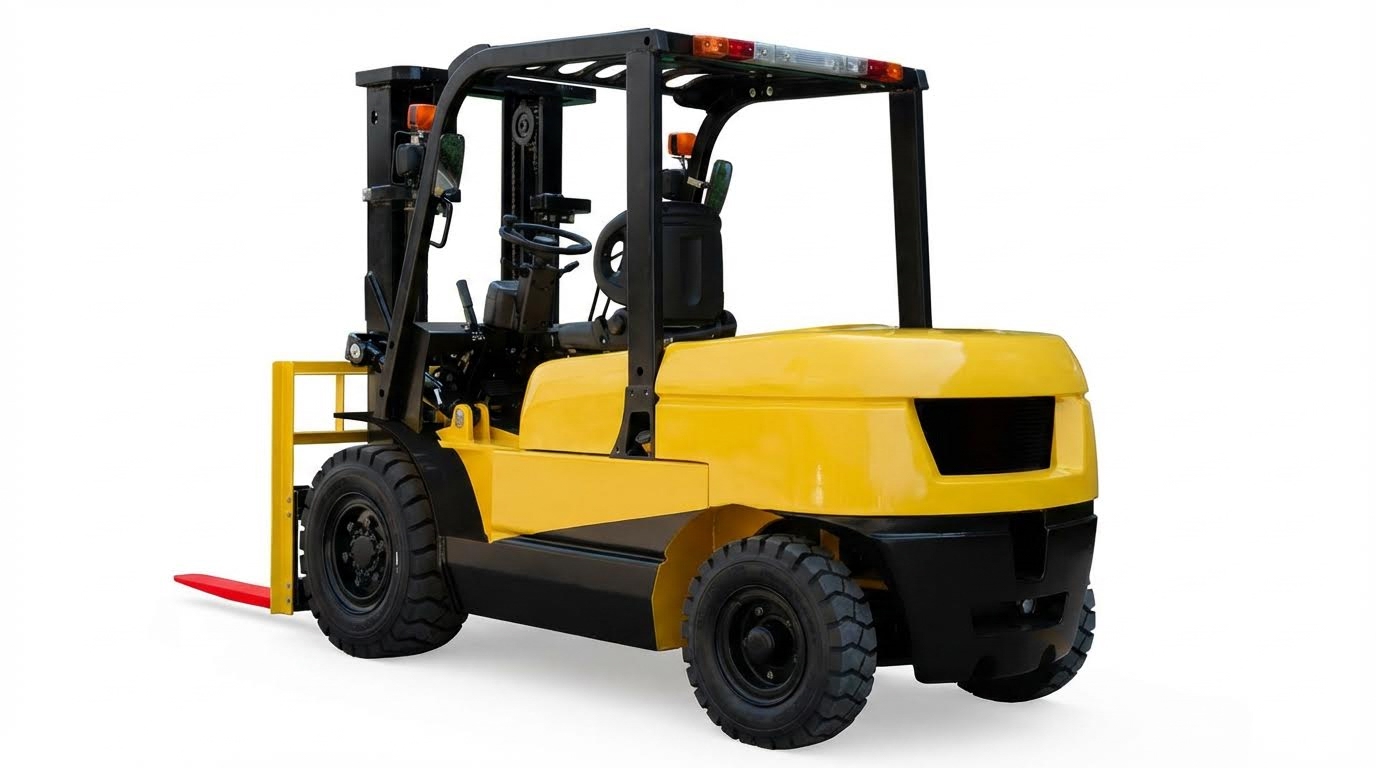
A technical daily checklist broke the forklift into logical subsystems and failure modes. Engineers structured these checks to detect safety‑critical defects before the truck moved under power. The sequence typically started with key‑off visual checks, followed by dynamic functional tests with the engine or traction system running. A disciplined approach reduced incident probability, improved reliability metrics, and supported OSHA-compliant documentation.
Pre-Start Visual Checks: Chassis, Mast, And Forks
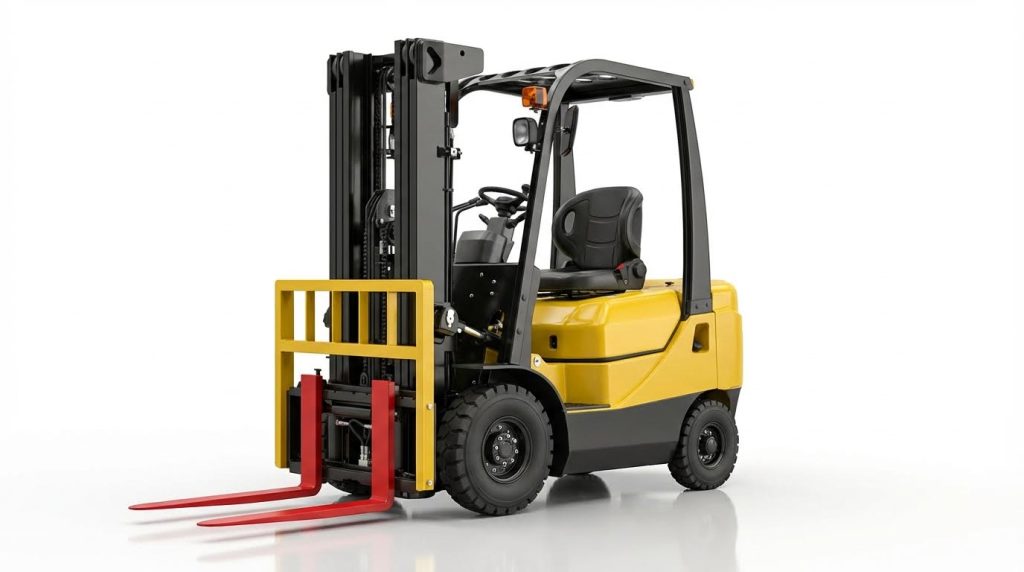
Pre-start checks occurred with the key off and parking brake applied. Operators walked around the truck, inspecting the chassis for impact damage, loose bodywork, fluid leaks, and missing guards. The mast and chains required checks for cracks, bent sections, misalignment, damaged rollers, and inadequate chain tension, using a tool rather than hands inside the mast. Forks needed close inspection for surface cracks, bent blades or shanks, heel wear, hook wear, and correct fork tip height within specification. A defective positioning lock or illegible fork markings constituted a tag-out condition under 29 CFR 1910.178 requirements.
Powertrain Checks: IC, Electric, And LPG Systems
Powertrain checks differed by energy source but used a common logic: verify containment, levels, and restraint. For internal combustion trucks, operators checked engine oil, coolant, brake reservoir, belts, hoses, air filter housing, and radiator for leaks or damage. Electric forklifts required inspection of battery cables, connectors, and restraints, plus electrolyte levels and vent caps, using appropriate PPE such as face shield, rubber gloves, and apron. LPG systems demanded confirmation of correct tank mounting, upward-facing relief valve, leak-free hose and connectors, intact restraint brackets, and tanks free from dents or cracks within the truck profile. Any evidence of fuel or electrolyte leakage triggered immediate removal from service.
Hydraulic, Brake, And Steering Function Tests
After visual checks, operators performed functional tests with the power unit running in a clear area. Hydraulic systems were cycled through full tilt, lift, and lower strokes while monitoring for jerky motion, drift, or abnormal noise that indicated air ingress, valve issues, or component wear. Service brakes and parking brake were tested for full, consistent stopping capability without pulling or extended pedal travel. Steering response was evaluated lock-to-lock at low speed, checking for excessive free play, hard spots, or delayed response. Observed leaks at hoses, cylinders, or fittings during these tests required immediate shutdown and maintenance intervention.
Safety Systems, Controls, And Warning Devices
Safety systems checks ensured the truck could communicate hazards and protect the operator during normal and abnormal events. Operators verified the seat belt latched and retracted correctly, and that the overhead guard and load backrest were intact and securely mounted. All control levers and pedals were checked for proper labeling, smooth travel, and automatic neutral return where designed. Horn, lights, turn indicators, and backup alarm (if fitted) were operated to confirm adequate sound level and illumination. The operator manual had to be present and legible in the cab, and all safety decals and the nameplate had to match the actual configuration and attachments.
Defect Criteria, Tag-Out, And Repair Triggers
Daily inspections used explicit defect criteria to avoid subjective decisions. Conditions such as cracked forks, non-functional brakes, steering faults, leaking fuel or hydraulics, inoperative safety devices, or missing nameplates mandated immediate tag-out. Operators documented defects, removed the truck from service, and notified maintenance according to facility lockout and repair procedures. Inspection records captured date, shift, operator, findings, and corrective actions to support OSHA compliance and internal audits. This structured decision framework prevented unsafe overrides, limited secondary damage, and aligned with a proactive maintenance culture across mixed fleets.
Summary: Key Takeaways For Safe, Reliable Forklift Use
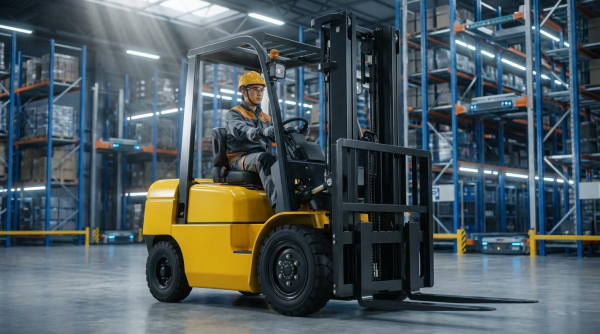
Daily pre-use inspections formed the backbone of safe forklift operations and regulatory compliance. Engineering-led programs that mandated checks at the start of every shift, and after each shift for 24/7 fleets, reduced incident rates, extended component life, and stabilized lifecycle cost. Robust checklists covered structural elements, powertrain, hydraulics, brakes, steering, and all safety systems, with clear defect criteria for forks, masts, tires, fluids, and controls that triggered immediate tag-out and corrective maintenance. Standardization across mixed fleets, with model-specific variants, ensured no critical subsystem remained unchecked.
Industry practice increasingly favored digital checklists for large fleets, because they improved traceability, photo-based defect evidence, and automated task assignment, while simplifying OSHA and internal audit responses. Future trends pointed toward tighter integration with telematics, condition monitoring, and predictive maintenance analytics, enabling data-driven inspection frequencies and targeted component replacement. However, even advanced tools still relied on disciplined operator behavior and strong supervision.
For implementation, organizations needed clear procedures, concise task definitions, and unambiguous go/no-go thresholds aligned with 29 CFR 1910.178 and equivalent local regulations. Maintenance and safety teams had to close the loop: review inspection data, prioritize repairs, and feed findings back into training and engineering standards. A balanced approach treated checklists not as paperwork but as a low-cost control that protected people, preserved assets, and supported high equipment availability. As technology evolved, the fundamentals remained constant: competent operators, systematic inspections, and prompt removal from service of unsafe lift stacker defined safe, reliable forklift use.