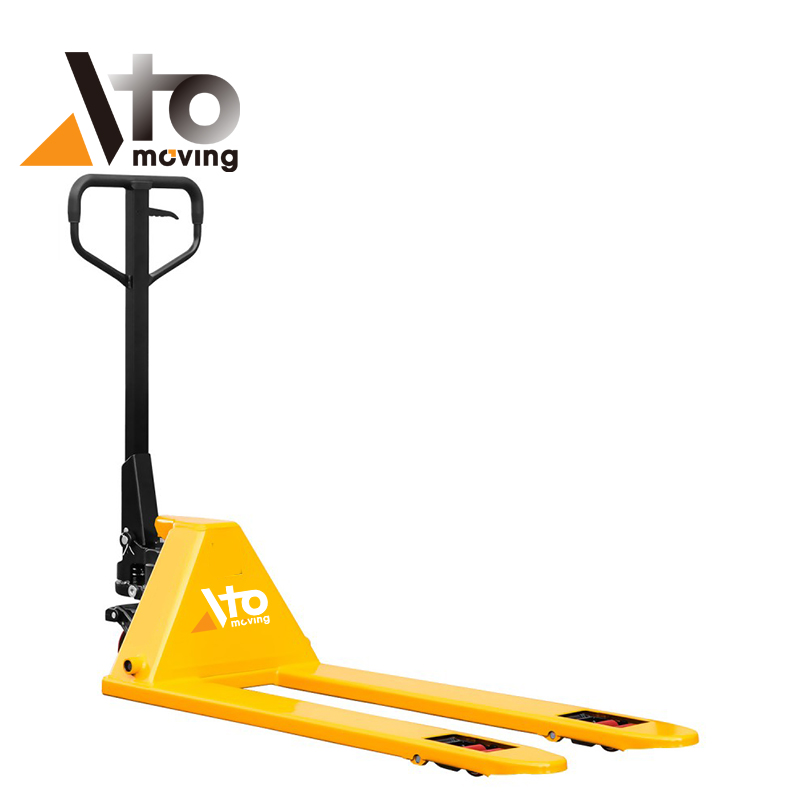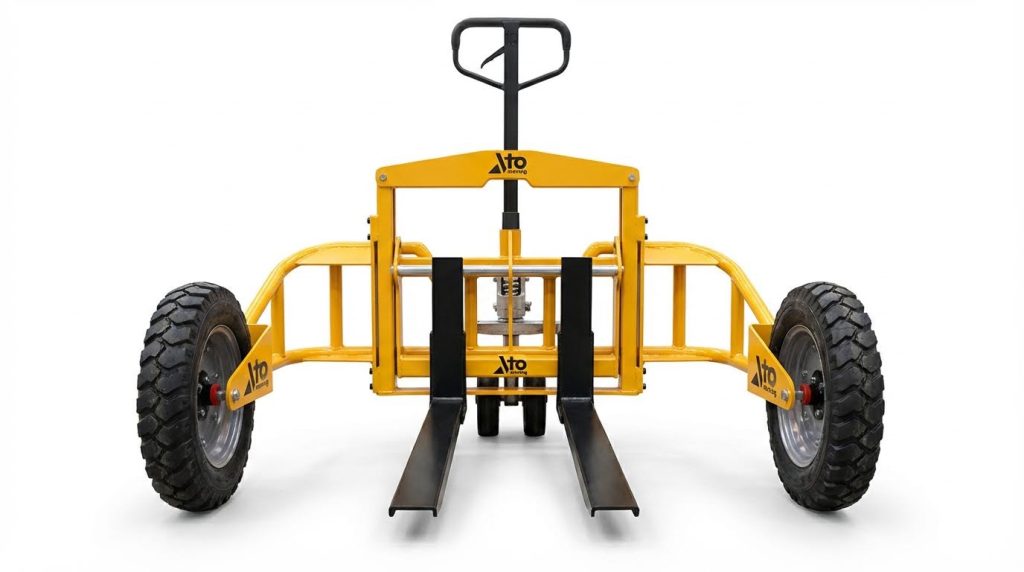
Pallet jacks remained fundamental to material handling in warehouses, retail, and distribution, yet they carried significant safety and ergonomic risks when misused or poorly maintained. This article structured best practices around the full pallet-handling lifecycle, from pre-use planning and risk checks through detailed manual and electric pallet jack operating steps.
It examined pre-use load, pallet, and route assessments, OSHA-powered industrial truck (PIT) training expectations, and how floor and environmental conditions affected stability and stopping distances. It then detailed stepwise procedures for manual pallet jacks, contrasted with electric units that required additional controls, charging, and maintenance discipline. Finally, it synthesized key safety, engineering design, and life-cycle cost lessons so engineers and supervisors could align procedures, training, and equipment specifications for safer, more efficient pallet handling.
Pre-Use Planning, Risk Checks, And Site Readiness

Effective pallet jack safety started before any load left the floor. Engineers and supervisors needed structured pre-use planning to control mechanical, ergonomic, and collision risks. Planning linked load characteristics, operator capability, and site conditions into one coherent system. A disciplined checklist approach reduced incident rates and unplanned downtime.
Load, pallet, and route assessment
Operators first verified load mass against the pallet jack’s rated capacity, expressed in kilograms on the nameplate. They checked that the pallet deck boards and stringers were uncracked, dry, and free from missing blocks, since damaged pallets concentrated stress into fork tips. Loads required stable stacking, with the heaviest units on the bottom layer and no significant overhang that could strike racking or door frames. Before moving, operators traced the entire route, confirming clear aisles, adequate turning radii, and no tight corners that forced diagonal travel with raised forks. They identified gradients, dock plates, and thresholds, because these features increased required push forces and braking distances. Where congestion or pedestrian crossings existed, planners scheduled movements during low-traffic windows or introduced one-way systems and marked walkways to separate people from equipment.
OSHA, PIT training, and operator competence
In the United States, powered pallet jacks fell under OSHA Powered Industrial Truck Standard 29 CFR 1910.178. Facilities implemented PIT training that covered control identification, pre-use inspection, load handling, and emergency procedures. Electric pallet jack operators demonstrated competence by scoring at least 80% on theoretical tests and passing practical evaluations that included picking up, transporting, setting down, and parking a load. Refresher training followed near-misses, equipment changes, or observed unsafe behavior. Even for manual pallet jacks, which were often exempt from PIT licensing, leading sites required task-specific instruction on safe push techniques, maximum load limits, and ramp procedures. Supervisors verified that operators understood signage, floor markings, and local traffic rules before authorizing independent operation.
Environmental and floor condition checks
Pre-use checks extended to the operating environment because floor quality strongly influenced handling forces and stability. Teams inspected travel paths for ruts, potholes, loose debris, and liquid spills, which increased rolling resistance and tripping risk. In refrigerated or freezer areas, condensation and ice reduced friction, so operators controlled speed and kept fork height low to maintain stability. Engineers specified floor flatness and surface roughness that limited vibration and shock loading on manual and powered trucks. They verified lighting levels so operators could see pallet entry points, floor defects, and pedestrians. Where slopes or dock ramps existed, procedures required straight-line travel up or down gradients and prohibited cross-slope maneuvers that could cause lateral tipping. Regular housekeeping and floor maintenance formed part of the site readiness plan, not an afterthought.
Ergonomic and throughput considerations
Pre-use planning also addressed human load, not only mechanical load. Manual pallet jacks generated significant push and pull forces, especially with heavy pallets or imperfect floors, so planners preferred pushing to reduce lumbar stress and improve control. In cold warehouses, box weights often reached 36–45 kg, and operators repeatedly bent to the lowest pallet level, increasing back injury risk. Engineering controls included raising the bottom pallet position by stacking empty pallets on the jack, or using height-adjustable picking equipment. Workflows balanced throughput targets with rest breaks and task rotation to avoid repetitive strain. Where force or distance demands remained high, managers specified powered pallet jacks or other mechanized solutions to keep required hand forces within ergonomic guidelines. This integration of ergonomics with productivity planning delivered safer operations without sacrificing output.
Manual Pallet Jack Operation And Safety Steps
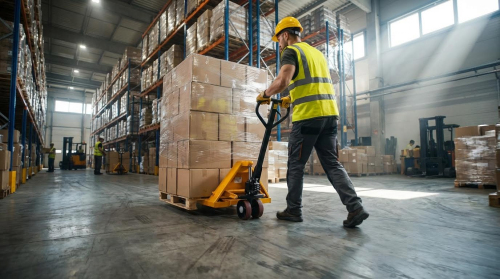
Manual pallet jacks operated as low-complexity devices, but incident data showed frequent strain and crush injuries. Structured operating steps reduced these events and improved throughput. This section focused on translating regulatory expectations and ergonomic findings into repeatable floor practices.
Pre-use inspection and functional checks
Operators first performed a quick visual inspection before every shift or task. They checked forks for cracks, bends, or twisted tips and verified that fork heels sat parallel to the floor. They inspected wheels and rollers for embedded debris, flat spots, or cracked tread, removing nails or plastic with a hand tool. The handle, control lever, and linkage needed smooth motion between raise, neutral, and lower positions without sticking. A short hydraulic test followed: operators pumped the handle three to five strokes with an empty jack and confirmed stable fork height without sinking. Any oil leakage, jerky pumping, or abnormal noises triggered an out-of-service tag and maintenance request in line with manufacturer instructions and OSHA expectations for powered industrial equipment.
Correct fork positioning and lifting technique
Operators aligned forks with the pallet entry points so both blades entered square and parallel. They lowered the forks fully to the floor by pulling the control lever, then pushed the jack until the forks sat completely under the pallet with the load centered between fork tips and heels. Full fork insertion ensured that the load sat over the fork structure, not just the tips, which reduced bending stress and tipping risk. Operators then returned the lever to the raise position and pumped the handle using leg power, keeping the back relatively upright. They lifted only to the minimum height that cleared floor irregularities, typically 25–75 millimetres, to maintain a low centre of gravity and good lateral stability.
Pushing vs. pulling and travel on ramps
Best practice required pushing manual pallet jacks during level travel because pushing allowed better use of body weight and leg muscles. Pushing also reduced shear forces on the lumbar spine compared with extended-arm pulling. On slopes and dock plates, operators followed a different rule set: when travelling uphill, they kept the load upgrade; when moving downhill, they kept the load downgrade and controlled speed. They avoided diagonal paths on ramps, which could create lateral instability and side-roll potential. Operators reduced fork height slightly above the surface, kept speeds low, and avoided sudden turns or stops, especially near edges, door thresholds, and transitions between floor materials.
Parking, securing, and out-of-service tagging
Correct parking reduced trip hazards and prevented unintended movement. At the end of use, operators lowered forks fully to the floor so no tips protruded at ankle height. They positioned the jack outside marked walkways, emergency routes, and egress doors, ideally in a designated equipment bay. On sloped floors, they oriented the jack perpendicular to the slope or used wheel chocks to prevent rolling. If inspections revealed structural damage, hydraulic leaks, or control failures, operators attached an out-of-service tag, removed the jack from the operating area, and reported the defect according to site procedures. This tagging process aligned with general OSHA expectations that defective handling equipment not remain in service until a competent person completed repairs and verified safe function.
Electric Pallet Jacks, Ergonomics, And Maintenance

Electric pallet jacks combined powered traction with hydraulic lifting, so their control logic directly affected safety and productivity. Engineers specified clear operating modes, robust interlocks, and intuitive interfaces to reduce operator error. Maintenance and battery strategies determined lifecycle cost, while ergonomic controls limited fatigue and musculoskeletal risk.
Control logic, modes, and safety interlocks
Electric pallet jacks typically used three core modes: travel, lift/lower, and emergency stop. Control logic limited speed when forks were raised or when the unit operated in pedestrian-congested zones. Dead‑man switches on the tiller handle cut traction power when the operator released the control. Emergency stop buttons isolated traction and lift circuits and applied braking.
Modern units incorporated creep or “turtle” mode for tight spaces, reducing speed while maintaining full steering authority. Travel direction, horn, and lift/lower buttons sat on the handle to allow one‑handed control with neutral wrist posture. Safety interlocks prevented travel with forks fully lowered against obstructions or when the parking brake remained engaged. OSHA Powered Industrial Trucks standard 29 CFR 1910.178 required that operators received formal training and evaluation on these controls.
Designers minimized unintended activation by using guarded or recessed switches and distinct tactile feedback. Control layouts followed consistent conventions for forward/reverse and raise/lower to reduce cognitive load between models. Fault detection in the control logic triggered visual or audible alarms for low battery, overload, or sensor failure. These diagnostics supported timely maintenance and reduced unsafe improvisation by operators.
Battery care, charging, and energy efficiency
Electric pallet jacks typically used lead‑acid or lithium‑ion batteries sized for a full shift under rated duty cycles. Proper charging practice avoided deep discharge, which shortened lead‑acid battery life and increased internal resistance. Operators were trained to plug in units after use and to follow manufacturer charging curves and equalization schedules. Clean, tight terminals reduced resistive heating and voltage drop during peak current draw.
Lithium‑ion systems supported opportunity charging, which improved availability in high‑throughput facilities. Battery management systems monitored cell voltage, temperature, and state of charge to prevent overcharge or over‑discharge. Engineers specified chargers with power factor correction and high efficiency to reduce energy cost per pallet moved. Ventilation requirements differed: flooded lead‑acid batteries required hydrogen gas dispersion, while sealed or lithium packs reduced that hazard.
Energy efficiency also depended on drive motor selection, gearbox design, and rolling resistance of wheels. Low‑friction bearings and correctly specified polyurethane wheel hardness reduced traction current. Keeping fork height low during travel minimized mast and hydraulic losses and improved stability. Periodic verification of charger output voltage and current ensured that degraded chargers did not slowly damage batteries.
Predictive maintenance and inspection routines
Predictive maintenance programs for electric pallet jacks built on structured daily, weekly, and monthly routines. Operators performed pre‑use checks of forks, wheels, handle, brakes, and hydraulic function before every shift. They verified smooth lifting, absence of jerky motion, and correct response of emergency stop and horn. Any hydraulic oil leaks, cracked forks, or damaged wheels triggered immediate out‑of‑service tagging.
Weekly inspections typically included lubrication of pivot points, wheel axles, and steering joints using compatible greases. Technicians checked fastener torque at the handle base, fork heel, and wheel brackets while listening for rattles. Load tests with moderate weight verified that the forks did not sink over time, indicating internal seal wear. Electric systems required inspection of cables, connectors, and insulation for abrasion or discoloration.
Monthly or quarterly deep inspections assessed fork straightness with a straightedge and measured wheel wear or flat spots. Maintenance teams cleaned accumulated debris from under forks and around axles to prevent binding and increased push forces. For fleets, hour‑meter and fault‑code data supported predictive scheduling of seal replacement, bearing changes, and battery renewal. Avoiding pressure‑washing protected electronic controls and hydraulic components from water ingress and corrosion.
Ergonomic risk controls in cold environments
Cold‑store and freezer applications introduced additional ergonomic and mechanical challenges for electric pallet jacks. Low temperatures increased oil viscosity and rolling resistance
Summary Of Key Safety, Design, And Cost Lessons
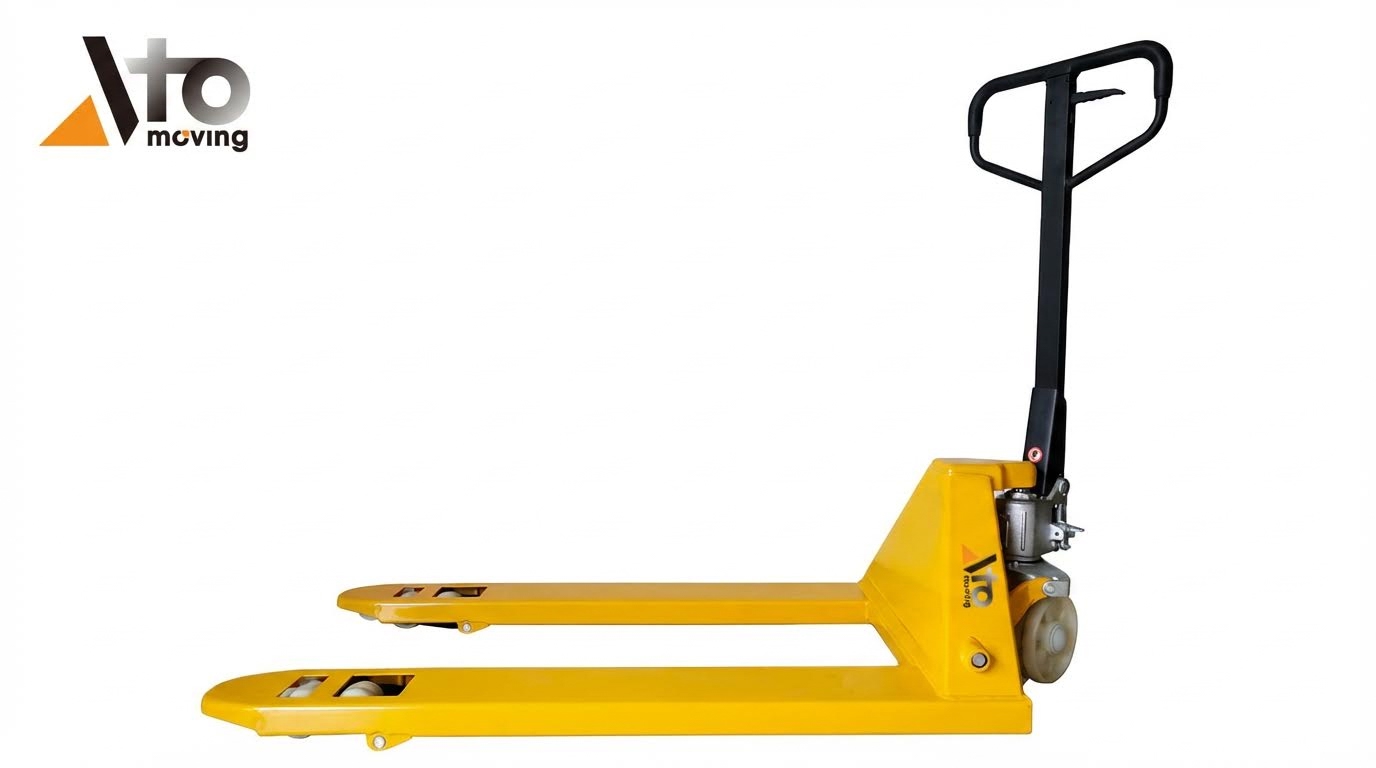
Pallet jack safety, reliability, and lifecycle cost depended on disciplined pre-use checks, correct operating technique, and structured maintenance. Pre-planning reduced incident probability by matching load, pallet condition, and route to the jack’s rated capacity and maneuvering limits. Systematic inspections of forks, wheels, hydraulics, and controls detected defects early, which avoided overload failures and unplanned downtime. Compliance with OSHA powered industrial truck requirements for electric units ensured operators understood controls, stability limits, and emergency procedures.
From a design and engineering perspective, low rolling resistance wheels, robust fork sections, and well-protected hydraulics or drive units lowered ergonomic load and extended service life. Control logic with clear travel modes, dead-man features, and reliable lowering controls reduced collision and crushing risks. In cold or uneven-floor environments, specifying suitable materials, seals, and wheel compounds maintained performance and minimized vibration and shock exposure. Integration of predictive maintenance, including routine lubrication, hydraulic checks, and structured visual inspections, delayed major component replacement and improved availability.
Cost outcomes linked directly to these technical choices and behaviors. Daily and weekly maintenance routines were inexpensive yet prevented a high proportion of failures and associated repair costs. Training operators to push rather than pull, maintain low fork height in transit, and park safely reduced injury risk and liability exposure. Organizations that aligned equipment selection, operator training, and maintenance planning achieved lower total cost of ownership without compromising throughput. Over time, incremental improvements in ergonomics, inspection discipline, and data-driven maintenance formed the most resilient strategy for safe, economical pallet handling.