Forklift operations sat at the intersection of mechanical design, human factors, and strict regulatory control. This article outlined core OSHA and international certification rules, then translated them into engineering-focused training program designs tailored to specific fleets and facilities. It further examined advanced practices such as blended and simulation-based training, data-driven safety metrics, and integration with plant layout and maintenance strategies. Finally, it provided a concise summary and compliance checklist that plant, maintenance, and safety teams could use to align daily operations with OSHA 29 CFR 1910.178 and comparable global standards.
Core OSHA And Global Forklift Certification Rules
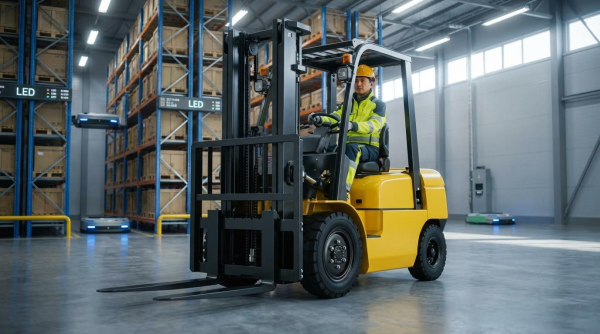
Core OSHA and global forklift certification rules defined the minimum competence for powered industrial truck operators. Engineers and safety managers used these rules to design compliant, high-reliability material-handling systems. Understanding operator training structure, legal eligibility, cross-country differences, and documentation requirements reduced accident risk and regulatory exposure.
OSHA 29 CFR 1910.178(l) Operator Training Basics
OSHA standard 29 CFR 1910.178(l) required employers to train and evaluate every powered industrial truck operator. Training followed a three-part structure: formal instruction, practical training, and workplace performance evaluation. Formal instruction used lectures, videos, computer-based modules, and written materials to cover theory, hazards, and regulatory content. Practical training used demonstrations and supervised exercises on the actual or similar trucks, in representative workplace conditions. A qualified trainer, with appropriate knowledge and experience, had to conduct or oversee the program and evaluations. Employers could omit inapplicable topics only if they demonstrated that specific truck- or workplace-related items did not apply. Trainees could operate trucks only under direct supervision and only when their operation did not create additional risk. OSHA allowed avoidance of duplicate training where prior instruction was relevant and the operator had been evaluated as competent. The standard shifted responsibility from individual operators to the employer’s management system and documentation.
Age, Licensing, And Legal Eligibility To Operate
In the United States, OSHA required forklift operators to be at least 18 years old. OSHA did not mandate a state-issued driver license, although individual employers or sites often imposed this as a policy control. Legal eligibility therefore depended mainly on age, successful completion of OSHA-compliant training, and employer certification rather than on road-driving credentials. Operators with prior road traffic infractions could still qualify, because OSHA-focused programs assessed knowledge and behavior related to powered industrial trucks, not driving history. Trainees had to work only under close supervision until they demonstrated safe operation. From an engineering-management perspective, organizations often layered additional criteria, such as medical fitness, vision standards, or substance-abuse policies, to align with broader risk controls. These internal criteria complemented OSHA’s minimum legal requirements but could not undercut them.
U.S. OSHA vs. Japan Forklift Licensing Requirements
U.S. OSHA treated forklift qualification as an employer-based certification rather than a government-issued license. Employers developed training to meet 29 CFR 1910.178 requirements and documented evaluations. In Japan, the Labor Safety and Health Act mandated a formal “Forklift Operation Skills Training” course for trucks with rated capacities above 1 tonne. Government-approved institutions delivered these courses, and operators received a national qualification card. Operating such forklifts without this card exposed individuals and employers to legal penalties, including possible imprisonment and fines up to 500,000 yen. For trucks under 1 tonne, Japan required special education courses of shorter duration, typically around 12 hours. Course length and cost varied with the candidate’s prior driving or equipment qualifications, creating tiered pathways. While U.S. certification records had defined evaluation intervals, Japanese cards did not formally expire, though retraining every few years was recommended. Engineers supporting multinational plants had to map these differing frameworks into site-specific competence matrices and contractor controls.
Validity Periods, Refresher Triggers, And Recordkeeping
Under OSHA, employers had to evaluate each operator’s performance at least once every three years. Many online courses stated that their formal training component remained valid for three years, but full certification still depended on an employer-led performance evaluation. Refresher training became mandatory when operators drove unsafely, were involved in accidents or near-misses, received poor evaluations, switched to a different truck type, or when workplace conditions changed significantly. Employers had to maintain written certification records, including operator name, training date, evaluation date, and the trainer or evaluator’s identity. These records supported regulatory inspections and internal audits. In Japan, the formal qualifications did not expire, but organizations often scheduled retraining around every five years to address technology and standards evolution. For global plants, robust recordkeeping systems, often digital, helped track multi-country validity rules, refresher triggers, and cross-qualification status across fleets and sites.
Engineering The Training Program For Your Facility
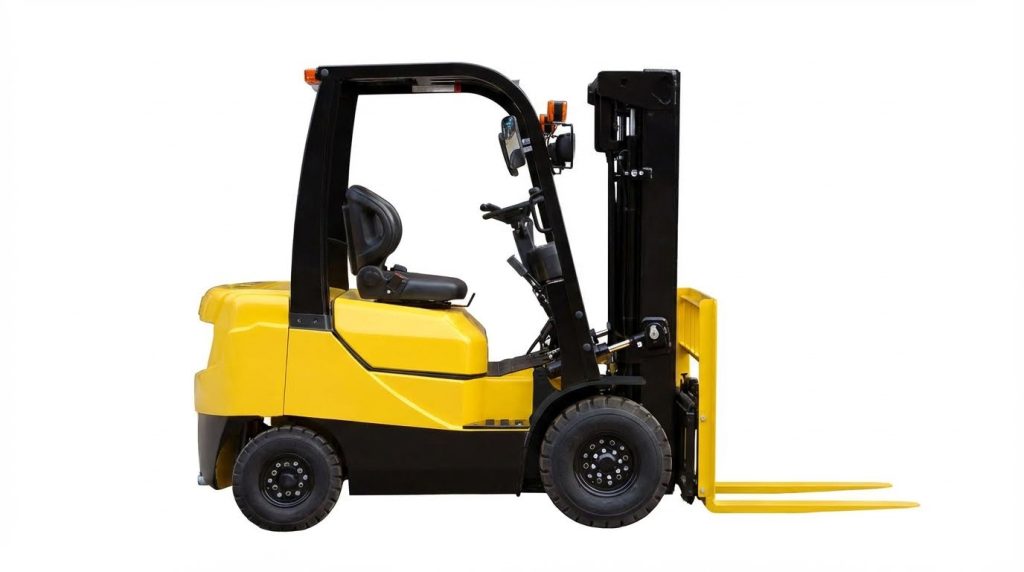
Engineering a forklift training program for a specific facility required alignment with OSHA 29 CFR 1910.178(l) and local regulations. The program design had to integrate formal instruction, practical training, and workplace evaluation into a coherent system. Engineers and safety managers needed to treat it as a lifecycle process, with feedback from incidents, audits, and productivity data driving revisions. Customization by truck type, load profile, and plant layout ensured that training translated into measurable risk reduction.
Formal Instruction: Content, Depth, And Delivery Modes
Formal instruction covered the theory required by OSHA, including operating instructions, warnings, controls, capacity, stability, and limitations. Effective programs used blended media: classroom lectures, videos, interactive e-learning, manuals, and quizzes to reinforce key concepts. Online courses could satisfy the formal instruction element, but they never replaced employer-led practical training and evaluation. Depth of coverage depended on operator experience and task complexity; new operators required structured modules, while experienced drivers benefited from focused refreshers on stability, hazardous locations, and incident case studies. Engineers should specify minimum passing scores, such as 70–80%, and include question banks on load centers, truck classes, and inspection criteria.
Practical Training: Hands-On Tasks And Performance Tests
Practical training translated theory into controlled, observable behaviors on the shop floor or a test area. Trainees operated trucks only under direct supervision of a qualified instructor and in conditions that did not endanger others. Typical task lists included pre-use inspection, starting and stopping, picking up and setting down loads, traveling with and without loads, ramp work, and parking. Performance tests also covered refueling or battery charging, horn use at intersections, speed control, and maintaining visibility. Engineers should define objective criteria, such as no pallet or rack impacts, stable load handling, and adherence to route markings. Employers then documented pass/fail outcomes and corrective coaching, forming the basis for the required performance evaluation and three-year re-evaluation cycle.
Truck-Specific Topics: Classes, Attachments, And Stability
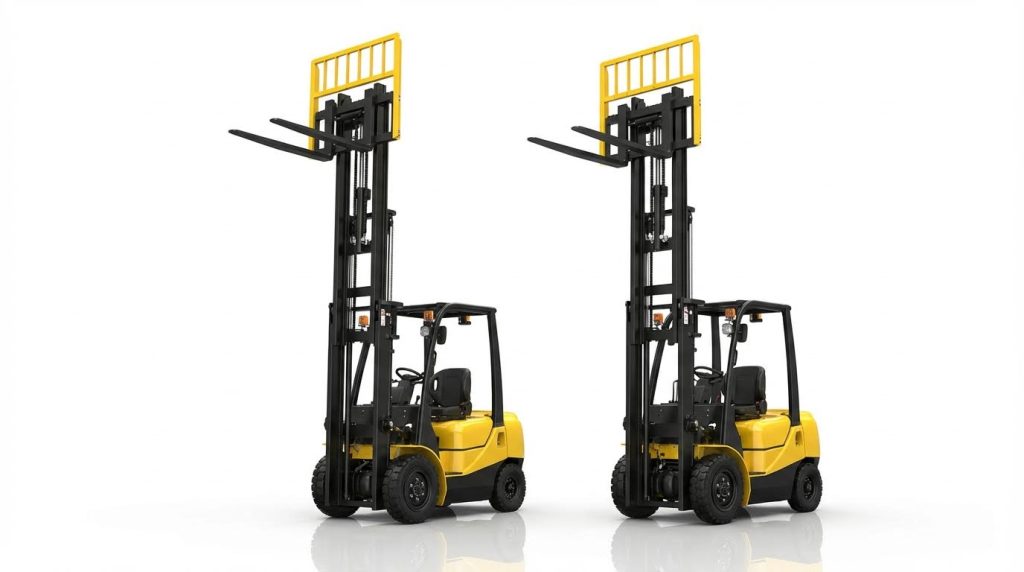
Truck-specific content focused on the exact forklift classes and configurations used on site. OSHA-recognized classes I–VII covered electric rider trucks, narrow-aisle units, walkies, internal combustion trucks with cushion or pneumatic tyres, tractors, and rough-terrain trucks. Training had to address differences between these trucks and automobiles, including rear-wheel steering, mast behavior, and braking characteristics. Attachments such as clamps, booms, or side-shifters altered the truck’s effective capacity and load center, so operators needed instruction on revised nameplate ratings and stability impacts. Programs should explain the stability triangle, center of gravity shifts with elevation and travel, and restrictions in hazardous locations, including EX-designated trucks where flammable gases or combustible dust existed. Facility engineers had to link truck selection, attachment approval, and training content so that operators never exceeded rated capacities or used non-approved equipment in classified areas.
Workplace-Specific Topics: Layout, Hazards, And Traffic Flow
Workplace-specific training translated generic forklift skills into the actual plant environment. OSHA required coverage of surface conditions, ramps, dock edges, narrow aisles, pedestrian traffic, and any hazardous locations. Engineers should map traffic routes, define one-way systems where possible, and specify speed limits and stop points at intersections. Training then used that map to teach right-of-way rules, pedestrian separation methods, visibility controls, and parking locations. Environmental factors such as poor ventilation, temperature extremes, and noise levels affected risk and therefore belonged in the curriculum. Operators also needed guidance on local procedures for near-miss reporting, incident-based toolbox talks, and lockout or maintenance reporting for defective trucks. By embedding site rules into training, plants reduced collisions, improved throughput, and aligned operator behavior with the engineered layout and safety systems.
Advanced Practices, Digital Tools, And Safety Culture
Blended And Simulation-Based Training For Engineers
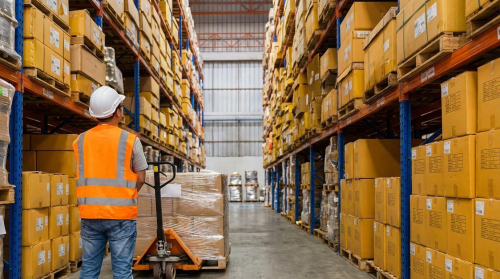
Blended forklift training combined online modules, videos, quizzes, and manuals with instructor-led sessions and hands-on practice. This approach allowed engineers to front-load theory asynchronously, then use classroom time for problem-solving and site-specific hazards. Simulation-based tools replicated load handling, visibility constraints, and stability limits without exposing operators to real risk. High-fidelity simulators modeled truck dynamics, center-of-gravity shifts, and ramp conditions, helping engineers test procedures and validate SOPs. Facilities used simulations to rehearse rare but critical scenarios, such as hydraulic failures, near-miss avoidance, or operations in hazardous locations. Seasoned operators required less lecture time and benefited from targeted simulations that challenged bad habits and reinforced OSHA-compliant behaviors.
Data-Driven Evaluation, KPIs, And Incident Analytics
Modern programs treated forklift training as a measurable system, not a one-time event. Plants tracked KPIs such as near-miss frequency, property-damage incidents, unplanned downtime, and retraining rates per operator. Instructors and safety engineers used observation checklists to log unsafe acts, like excessive speed, failure to sound the horn, or improper load securement. Facilities correlated incident data with training histories, shift patterns, and truck types to identify high-risk combinations. Analytics from telematics systems, access-control logs, and maintenance records supported targeted refresher training instead of generic annual sessions. Management reviewed KPI trends monthly, then adjusted training content, route design, and supervision intensity to drive continuous reduction in incident rates and OSHA violations.
Integrating Forklift Safety With Plant Design And Maintenance
Effective forklift safety extended beyond operator behavior into layout, engineering controls, and maintenance. Engineers designed traffic flows that physically separated pedestrians and trucks using barriers, marked aisles, and one-way routes. They specified turning radii, aisle widths, and rack clearances based on the largest truck class and load envelope, not average conditions. Visual controls such as floor markings, mirrors, and flashing beacons improved sightlines at intersections and blind corners. Preventive maintenance programs enforced daily inspections, prompt correction of defects, and strict rules for removing unsafe trucks from service. Designers considered ventilation, battery-charging locations, and hazardous-area classifications when selecting truck types and routing paths, ensuring alignment with OSHA and explosive-atmosphere requirements.
Building A Zero-Tolerance, Learning-Focused Safety Culture
A mature forklift program combined strict rule enforcement with a non-punitive learning culture. Organizations communicated zero tolerance for stunt driving, bypassing inspections, or ignoring speed limits while encouraging open reporting of near-misses. Supervisors addressed unsafe behaviors immediately through coaching, on-the-spot refreshers, or formal retraining when required by OSHA triggers. Plants integrated forklift topics into toolbox talks, safety meetings, and onboarding, reinforcing that safe operation was as critical as throughput. Recognition systems highlighted operators who consistently followed procedures, reported hazards, and mentored new drivers. This balance of accountability and psychological safety created an environment where operators engaged with training, shared practical insights, and treated forklift safety as a core engineering and operational priority.
Summary And Compliance Checklist For Plant Teams
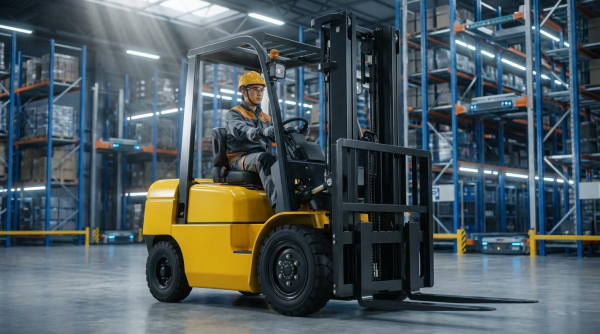
Forklift operator training and certification frameworks under OSHA 29 CFR 1910.178(l) and comparable global rules required a structured, evidence-based approach. Effective programs combined formal instruction, supervised practical training, and performance evaluations tailored to truck type and workplace conditions. Engineering teams used these requirements to design training that reflected real load types, traffic patterns, and hazards in their facilities. Digital tools, blended learning, and safety culture initiatives supported continuous improvement and reduced incident rates.
From a technical perspective, compliance depended on aligning training content with specific truck classes, stability principles, and hazardous area classifications. Programs had to address inspection routines, maintenance interfaces, battery charging safeguards, and refueling controls as part of a broader plant engineering and safety strategy. Data from observations, audits, and incident reports fed back into program updates, enabling measurable reductions in near-misses, property damage, and downtime. This closed-loop approach supported both regulatory compliance and operational efficiency.
In practice, plant leaders benefited from a concise compliance checklist. Key items included: verifying operators were at least 18 years old and trained only on the truck types they used; documenting formal instruction, hands-on training, and evaluations; ensuring evaluations occurred at least every three years or after incidents, unsafe operation, truck changes, or workplace changes; and maintaining records with operator names, dates, and trainer/evaluator identities. Facilities also needed documented rules for traffic separation, speed limits, horn use, visibility, and pedestrian protection.
Looking forward, technology evolution pointed toward greater use of e-learning, VR simulations, telematics, and analytics to target high-risk behaviors and locations. However, online modules alone did not satisfy certification requirements and could not replace supervised practical training. A balanced strategy combined modern tools with disciplined engineering controls, robust maintenance, and a zero-tolerance safety culture. Plants that treated forklift training as an integrated element of system design, rather than a standalone HR obligation, achieved higher safety performance and more resilient operations.