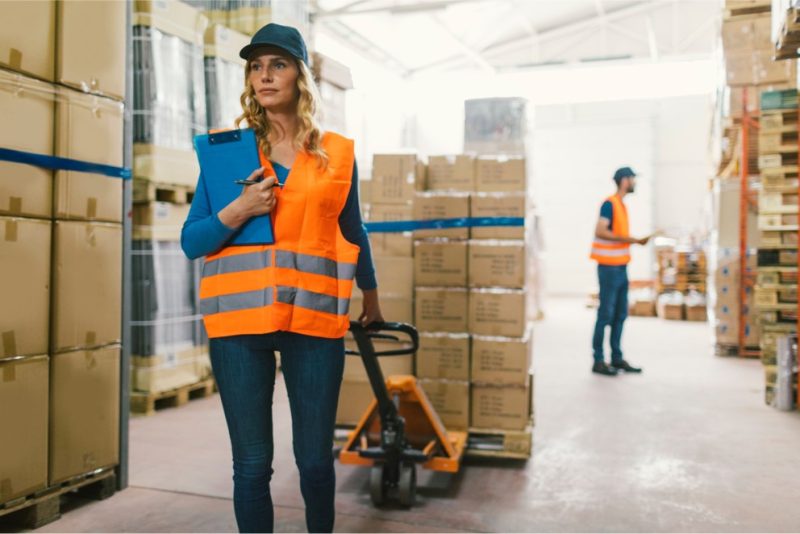
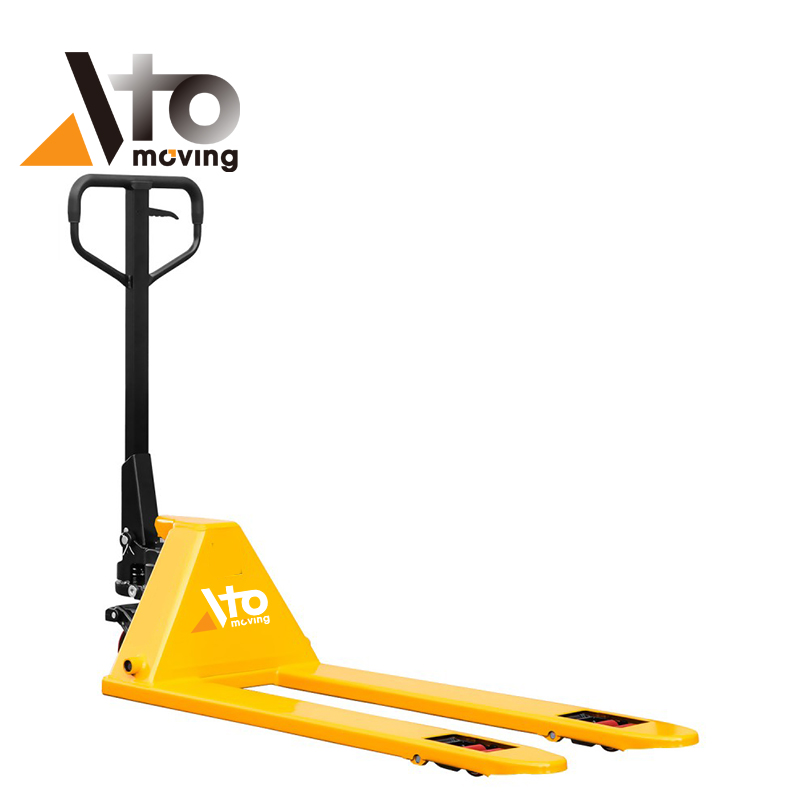
Pallet lifting safety depended on sound engineering controls, disciplined maintenance, and informed operator behavior across warehouses and distribution centers. This article examined typical hazards in pallet lifting operations, from ergonomic strain in low-level case picking to load stability and travel path risks, within the OSHA and ANSI/ITSDF B56.1 framework. It then outlined ergonomic design solutions such as raised pallet heights, height-adjustable jacks and stackers, powered versus manual equipment selection, and structured operator training. Finally, it detailed maintenance strategies and concluded with practical implementation guidance to help engineers and safety managers design safer, more reliable pallet handling systems.
Engineering Hazards in Pallet Lifting Operations
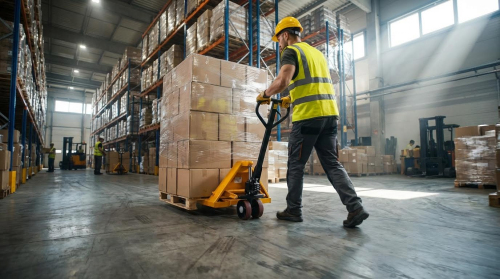
Pallet lifting in warehouses, retail backrooms, and distribution centers exposed workers to combined ergonomic, mechanical, and environmental hazards. These hazards often interacted: poor floor conditions increased push–pull forces, while unstable loads amplified the risk of musculoskeletal disorders and struck-by incidents. Understanding these engineering hazards at task level allowed safety engineers to design targeted controls instead of relying only on administrative rules. The following subsections analyzed the main risk domains and linked them to engineering and procedural mitigation strategies.
Ergonomic Risks in Low-Level Case Picking
Low-level case picking forced workers to bend at the waist to access product on the bottom pallet layer, typically at ankle height. In grocery and freezer warehouses, cases weighing 80–100 pounds sat on the lowest tier, requiring deep flexion of the spine with arms extended away from the body. This posture increased compressive and shear loads on lumbar discs and elevated the risk of acute strains and chronic MSDs. Repeated bending and twisting while building mixed pallets compounded the exposure, particularly during long shifts or high pick rates.
Engineers needed to treat pallet height as a design variable, not a fixed constraint. Raising the effective bottom layer using extra empty pallets, fork-height adjustment, or pallet positioners kept the load closer to waist level and reduced trunk flexion angles. Keeping the load close to the body shortened the moment arm on the spine and lowered required muscle forces. Task analysis with video and posture scoring tools, such as RULA or NIOSH lifting guidelines, provided quantifiable evidence to justify investment in height-adjustable equipment.
Overexertion, MSDs, and Load-Handling Limits
Manual pallet jacks relied entirely on human push and pull forces, which created substantial overexertion risks when operators moved heavy or poorly rolling loads. Exceeding recommended force limits for initial movement or sustained travel contributed to shoulder, back, and arm MSDs. Overexertion also occurred during lifting, turning, and stacking of heavy cases, especially under time pressure or incentive pay structures. Repetitive cycles of high-force exertions increased cumulative trauma, even when individual lifts stayed within nominal weight limits.
Engineering controls needed to address both load magnitude and frictional resistance. Selecting low-rolling-resistance wheels, maintaining smooth floors free of ruts and bumps, and preventing flat spots on solid rubber wheels reduced required push–pull forces. Clearly defined load limits based on manual pallet stacker capacity and ergonomic guidelines helped prevent operators from moving pallets that were technically within equipment rating but ergonomically excessive. OSHA and NIOSH guidance indicated that back belts did not provide reliable protection and could encourage riskier lifting, so design emphasis had to shift toward mechanical assistance rather than personal devices.
Load Stability, Visibility, and Travel Path Hazards
Unstable pallet loads presented a combined risk of falling objects, tip-over, and loss of control during travel. Poorly distributed weight, high centers of gravity, and unwrapped or unsecured cases increased the likelihood of load shift when crossing floor irregularities or turning. Flat-spotted or damaged wheels also caused jerky motion, amplifying dynamic forces on the stacked product. When loads became tall, they obstructed forward visibility and forced operators to travel with compromised sightlines or in reverse, increasing collision risk.
Engineering controls focused on both load formation and travel environment. Standardized pallet patterns, use of stretch wrap, and, where appropriate, straps or nets improved unit load integrity. Specifying maximum stack heights relative to pallet footprint and jack type reduced top-heaviness. Floor engineering, including removal of bumps, maintaining drainage without deep channels, and controlling surface contamination, lowered vibration and impact loads. Good lighting and marked travel aisles further reduced incidents linked to poor visibility and cluttered paths.
Regulatory Framework: OSHA and ANSI/ITSDF B56.1
The regulatory framework for pallet lifting safety combined OSHA’s general duty and materials handling requirements with consensus standards such as ANSI/ITSDF B56.1. OSHA required employers to provide a workplace free from recognized hazards, which included overexertion, struck-by loads, and equipment failures involving pallet jacks and stackers. OSHA guidance emphasized hazard recognition, operator training, and the use of mechanical aids where manual handling created unreasonable risk. It also stressed housekeeping, clear aisles, and control of slip and trip hazards around pallet handling zones.
ANSI/ITSDF B56.1 defined design, maintenance, and operating requirements for industrial trucks, including manual and powered pallet trucks. It addressed rated capacities, stability, braking performance, warnings
Ergonomic Design Solutions for Pallet Lifting
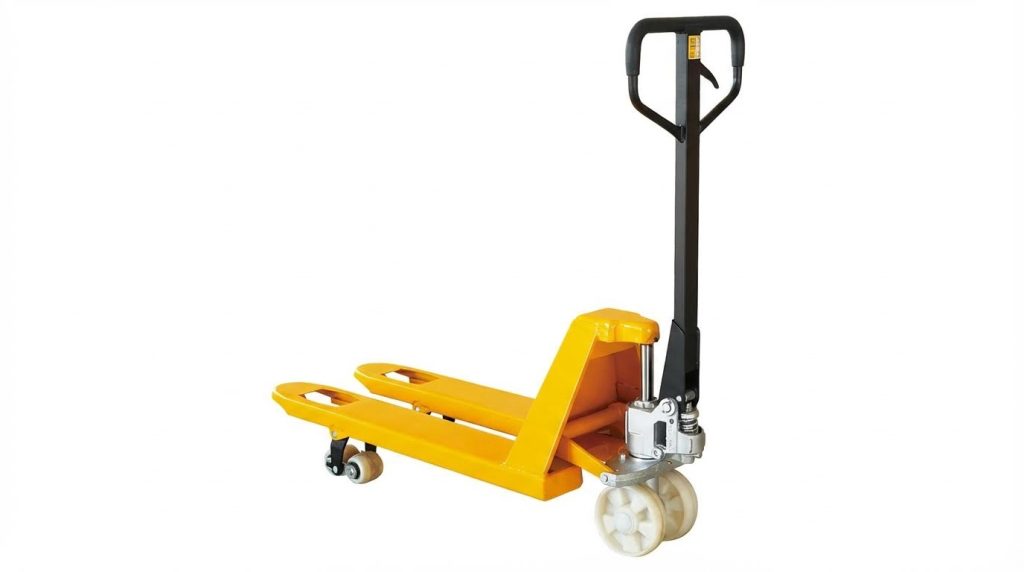
Engineering controls for pallet lifting focused on reducing spinal loading, joint stress, and overexertion. This section examined how geometry, equipment capability, and operator interface design mitigated those risks. It linked ergonomic layout choices with regulatory expectations and real-world warehouse constraints.
Raising Pallet Height and Minimizing Forward Bending
Low-level case picking historically forced workers to flex the trunk significantly, especially when loading bottom pallet tiers. Loads between 36 kilograms and 45 kilograms placed on the floor-level layer required deep forward bending and long reach distances. Raising the effective pallet base height reduced trunk flexion angles and horizontal reach, which lowered lumbar compression and shear forces. Facilities achieved elevation by staging pallets on raised platforms, double-stacking empty pallets on jacks, or using forklifts to position pallets at mid-thigh to waist level. Engineering controls worked best when they maintained the hand-load height between approximately 750 millimetres and 1 100 millimetres for most tasks, limiting repetitive stooping. Any elevation solution had to preserve pallet stability, maintain clear fork access, and avoid creating trip edges or step changes in the travel path.
Height-Adjustable Jacks, Stackers, and Palletizers
Height-adjustable pallet jacks and electric stackers allowed operators to keep the working layer near waist height throughout the pick cycle. Some pallet jacks offered fork elevation up to about 250 millimetres, compared with conventional units that lifted 200 millimetres or less. This additional stroke reduced the time operators spent bending below knee height when loading or unloading. Pallet positioners and small palletizers mounted on jack forks raised product to approximately elbow level and could track load height as layers were added or removed. In freezer or refrigerated environments, these devices reduced cumulative spinal loading during high-frequency case handling. Selection of adjustable equipment required verifying rated capacity, fork length compatibility with standard pallets, and stability at maximum lift height. Integrating these solutions into existing layouts demanded checking aisle widths, turning radii, and clearance under racking beams.
Power vs. Manual Handling and Equipment Selection
Using powered equipment instead of manual pallet jacks reduced push and pull forces and lowered overexertion risk. Electric pallet jacks and stackers carried and lifted loads without relying on operator strength, provided users respected the rated capacity and load centre. However, powered units introduced new design constraints, including turning radius, acceleration control, and the need to limit whole-body vibration on uneven floors. Equipment selection therefore compared task profiles, load weights, travel distances, and environmental conditions such as temperature and floor quality. Manual pallet jacks remained appropriate for short horizontal moves with well-maintained floors and moderate loads, provided push forces stayed within ergonomic guidelines. In contrast, high-throughput case picking, long travel routes, or frequent elevation changes justified powered solutions on both safety and productivity grounds. Decision frameworks typically considered life-cycle cost, maintenance capability, and compliance with standards such as ANSI/ITSDF B56.1.
Operator Training and Safe Lifting Techniques
Even with well-designed equipment, poor technique still created high musculoskeletal risk. Training programs emphasized keeping loads close to the body, using leg power instead of back flexion, and avoiding twisting while lifting or lowering. Operators learned to position pallet jacks or stackers so they handled cases from the side or corner, reducing reach distance and awkward postures. Instruction also covered safe push and pull strategies, including starting loads gradually, using both hands on the handle, and maintaining clear visibility around tall stacks. OSHA guidance stressed that back belts did not replace proper technique and could encourage unsafe lifting attempts. Effective programs combined classroom instruction with supervised practical sessions and periodic refreshers tied to incident data. Facilities that integrated ergonomic coaching with pre-shift warm-up routines and micro-breaks reported lower fatigue and fewer MSD cases.
Maintenance Strategies for Safe Pallet Handling

Structured maintenance strategies kept pallet handling equipment safe, predictable, and compliant. Organizations that embedded daily checks, scheduled service, and formal inspections reduced unexpected failures and injury risk. A layered approach worked best, combining operator routines, technician-level tasks, and regulatory inspections. The following subsections outlined practical, engineering-focused maintenance controls for pallet jacks, stackers, and related equipment.
Daily and Weekly Inspection Routines
Daily inspections focused on quick, visual, and functional checks before use. Operators scanned wheels for embedded debris, checked forks for visible bends or cracks, and verified smooth lifting without jerky pumping. They wiped down forks and frames to remove oil and contaminants, improving grip and making leaks easier to detect. A simple hydraulic test, such as pumping the handle three times and observing lift response, identified low oil or internal leakage.
Weekly routines went deeper and targeted wear-prone interfaces. Maintenance staff lubricated wheel axles with silicone spray, oiled handle hinges, and applied white lithium grease at the center pivot. They tightened fork bolts and handle base fasteners, using any rattling noise during empty rolling as a trigger for further tightening. Weekly safety checks included a controlled load test and wheel spin test to detect sinking forks, grinding bearings, or out-of-round rollers. These short, scheduled tasks prevented over 80% of avoidable failures reported in field surveys.
Hydraulic, Wheel, and Fork Integrity Checks
Hydraulic integrity checks addressed leaks, trapped air, and degraded fluid. Technicians inspected around the pump unit and lift cylinders for external oil traces and wiped rods to spot rust streaks, which indicated seal wear. They verified oil levels, topped up with manufacturer-specified hydraulic fluid, and bled the system if lift performance felt spongy. Periodic oil changes involved draining, inspecting sealing rings, reinstalling valves, and refilling to the correct level.
Wheel and roller maintenance directly influenced handling forces and stability. Inspectors checked load rollers and steer wheels for flat spots, cracks, or misalignment, which increased push–pull forces and caused unstable loads. They replaced damaged rollers using proper pullers and alignment procedures, then confirmed free spinning without grinding noises. Fork integrity checks used a straightedge along the fork length to detect sag or twist and looked for surface cracks at high-stress regions near the heel. Bent or cracked forks required immediate removal from service because they compromised rated capacity and violated safety standards.
Battery and Electrical Care for Powered Equipment
Powered pallet jacks and stackers required disciplined battery and electrical care to remain safe. Operators checked battery charge status before shifts and followed manufacturer guidance on charging intervals to avoid deep discharge. For lead–acid batteries, they monitored electrolyte levels, topped up with deionized water when required, and kept vent caps and cases clean. Technicians cleaned and tightened terminals to prevent corrosion-induced voltage drops and overheating.
Pre-operation checks included verifying that all control switches, emergency stop buttons, and safety interlocks functioned correctly. Inspectors examined cables and connectors for insulation damage or exposed conductors, especially in cold storage or wet environments. They confirmed that lift, lower, and travel functions responded smoothly without delay or surging, which could indicate electrical or hydraulic faults. Regular cleaning around electrical enclosures reduced conductive dust buildup and moisture ingress, extending component life and improving reliability.
FEM, Periodic Audits, and Predictive Maintenance
Formal inspections under FEM and similar standards provided a regulatory backbone for maintenance programs. At least once per year, a competent person performed a comprehensive inspection covering structure, hydraulics, brakes, steering, and safety devices. This audit documented defects, rated their severity, and defined repair or replacement actions before continued operation. Employers used these reports to demonstrate compliance with occupational safety regulations and internal policies.
Periodic internal audits complemented statutory inspections. Safety teams reviewed maintenance records, defect close-out times, and incident data to identify systemic weaknesses, such as recurring wheel failures or hydraulic leaks. Advanced facilities adopted predictive maintenance elements, tracking wear indicators like vibration, abnormal noises, or increased push forces. Operators played a key role by reporting early warning signs instead of working around faults. Over time, this data-driven approach optimized service intervals, reduced unplanned downtime, and maintained pallet handling
Summary and Practical Implementation Guidance
Pallet lifting safety relied on a combination of engineered controls, disciplined maintenance, and structured operator training. Ergonomic risks in low-level case picking, especially in cold storage, created high exposure to bending, twisting, and overexertion. Engineering controls such as raising pallet heights, using height-adjustable pallet jacks and stackers, and applying powered rather than manual handling where feasible reduced these stresses measurably. At the same time, robust load stability practices, clear travel paths, and adherence to OSHA and ANSI/ITSDF B56.1 requirements formed the regulatory backbone for safe operation.
Industry experience showed that simple, repeatable maintenance routines prevented the majority of pallet jack failures. Daily visual checks, weekly lubrication and tightening, and monthly deep inspections of hydraulics, forks, and wheels reduced breakdowns and unplanned downtime. For powered units, structured battery and electrical care, combined with pre-use safety checks, supported consistent performance and minimized hazardous failures. FEM-compliant annual inspections and periodic third-party audits provided an additional safety net and aligned fleets with legal obligations.
For practical implementation, facilities benefited from treating pallet lifting safety as a system, not a collection of isolated fixes. A typical roadmap started with a risk assessment of picking heights, travel routes, and load profiles, followed by targeted engineering changes such as pallet height elevation, selection of appropriate manual or powered equipment, and layout adjustments to improve visibility and floor quality. Parallel initiatives included formal operator training programs, refresher courses, and clear reporting channels for equipment defects and near misses. Data from incident logs and inspection findings then informed a basic predictive maintenance plan, focusing resources on high-risk assets and operating areas.
From a technology evolution perspective, the trend moved toward higher-adjustability equipment, integrated sensors, and more data-driven maintenance. However, even advanced solutions still depended on correct specification, proper commissioning, and disciplined daily use. A balanced strategy combined proven low-tech measures—like extra empty pallets for elevation and rigorous housekeeping—with selective adoption of advanced palletizers and powered stackers. Organizations that aligned engineering controls, maintenance standards, and workforce competence achieved sustained reductions in musculoskeletal disorders, equipment failures, and material handling incidents while maintaining throughput and cost control.