Pallet jack lift height directly constrained handling safety, stability, and throughput in warehouses and yards. This article examined how manufacturers defined maximum fork height, usable lift range, and how pallet and floor conditions altered real-world capability. It compared manual, high-lift, stainless, extra-low, and all-terrain designs, including electric and scale-equipped variants, against typical height bands from about 165 mm to 12 inches. It then outlined engineering criteria, safety standards, and maintenance strategies so engineers could specify pallet jack lift heights that balanced safety, cost, and operational performance.
Defining Pallet Jack Lift Height And Key Parameters
Pallet jack lift height defined the vertical travel of the forks relative to the floor. Engineers distinguished between geometric limits, stability limits, and safe operating practice. For selection, users needed to translate catalogue fork heights into real ground clearances under loaded pallets. A clear understanding of these parameters reduced tip-over risk and prevented pallet or floor damage.
Maximum Fork Height Vs. Usable Lift Range
Maximum fork height described the highest fork top surface relative to the floor at full pump stroke. Usable lift range referred to the vertical distance between the fully lowered and fully raised fork positions. Typical manual warehouse jacks offered maximum fork heights between 185 mm and 220 mm, with lifting strokes near 110 mm. Extra-low designs reduced maximum height to about 165 mm, while high-lift or all-terrain units reached about 12 inches (≈305 mm). Operators rarely used the full geometric maximum under load, because stability guidelines required keeping pallets only a few centimetres off the floor during travel.
Typical Heights For Standard, Low, And High-Lift Units
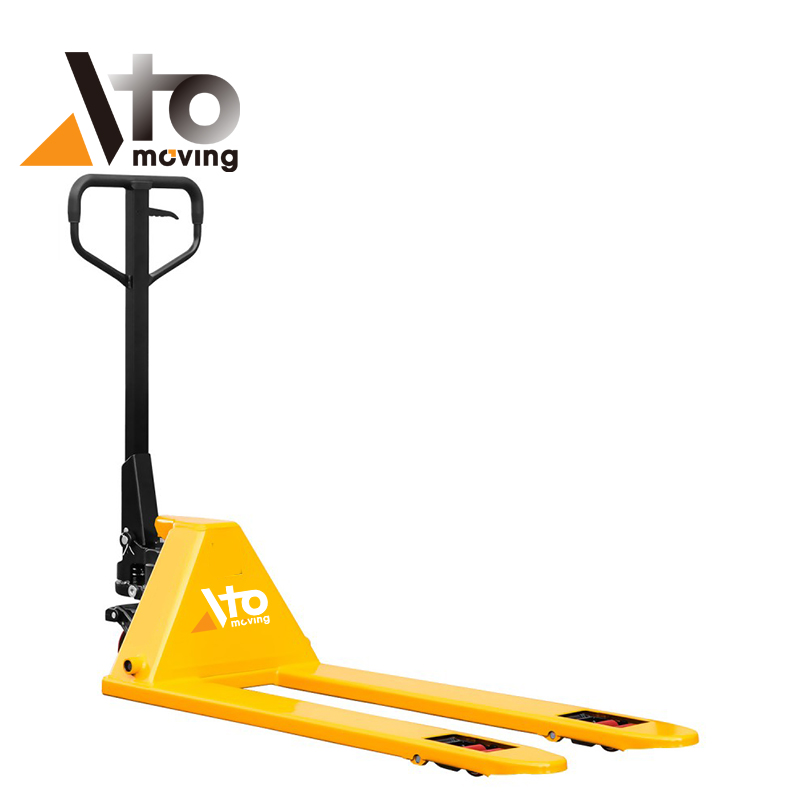
Standard manual pallet jacks in warehouses typically used maximum fork heights between 195 mm and 220 mm. ONEN models, for example, provided 195 mm or 185 mm maximum fork height with about 110 mm lift. CUBLiFT narrow and scale jacks reached 195 mm to 220 mm, while stainless narrow versions stayed at 195 mm across 2000–5000 kg capacities. Extra-low variants limited maximum height to about 165 mm to enter low-profile pallets or slip sheets. High-lift and all-terrain pallet jacks, such as Beacon units, offered a service range from 3 inches to 12 inches, enabling operation on uneven outdoor surfaces or higher dock transitions. Engineers matched these ranges to pallet entry height, ramp geometry, and required ground clearance in the target facility.
Impact Of Pallet Design And Floor Conditions
Pallet design directly constrained the minimum and usable lift heights. Standard EUR and GMA pallets allowed entry with typical lowered fork heights, but low-profile or damaged pallets required extra-low jacks with reduced maximum height. Block pallets with narrower openings demanded accurate fork thickness and limited vertical overtravel to avoid deck contact. Floor conditions also influenced effective lift: uneven slabs, dock plates, and thresholds consumed part of the available clearance. All-terrain models with 3–12 inch service ranges tolerated gravel or rough concrete but increased the center of gravity height. Engineers therefore balanced fork height, pallet geometry, and worst-case floor irregularities to maintain at least several centimetres of under-pallet clearance without sacrificing stability or exceeding tip-over limits.
Comparing Manual, High-Lift, And All-Terrain Designs
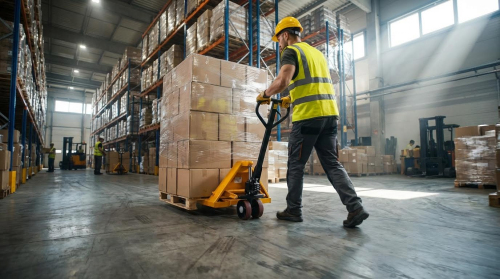
Engineers compared pallet jack designs primarily by maximum fork height, service range, and operating environment. Manual narrow jacks, stainless variants, high-lift units, and all-terrain models covered distinct use cases. Electric and scale-equipped versions added functionality without significantly changing height envelopes. Understanding these differences helped match equipment to pallet geometry, floor conditions, and safety margins.
Standard Warehouse Jacks: 180–220 mm Fork Heights
Standard warehouse pallet jacks typically operated with maximum fork heights between 180 mm and 220 mm. CUBLiFT narrow models, for example, reached 195 mm or 220 mm depending on configuration, while ONEN units listed 185 mm to 195 mm. This range provided enough under-clearance for typical 100 mm pallet entry heights plus wheel diameter and safety tolerance. Engineers treated 180–220 mm as the baseline for Euro and GMA style pallets in flat indoor warehouses. These jacks prioritized stability over vertical travel, so operators kept loads only a few centimetres above the floor during transport. The relatively small lift minimized center-of-gravity shift and reduced tip-over risk on smooth concrete.
Extra-Low And Stainless Narrow Jacks For Special Loads
Extra-low pallet jacks addressed applications with thin or non-standard pallets, skids, or low-profile machinery bases. CUBLiFT offered extra-low variants with maximum heights near 165 mm instead of 195 mm, combined with reduced minimum fork heights. This geometry allowed entry under pallets with lower bottom-deck clearance while still achieving limited transport clearance. Stainless steel narrow jacks, also reported at approximately 195 mm maximum height, targeted corrosive or hygienic environments such as food processing. Their fork height envelope stayed similar to painted steel jacks, but materials and seals resisted wash-down and chemical attack. Engineers specified these designs when contamination control, drainage, or confined aisle widths dominated over vertical reach.
High-Lift And All-Terrain Jacks Up To 12 Inches
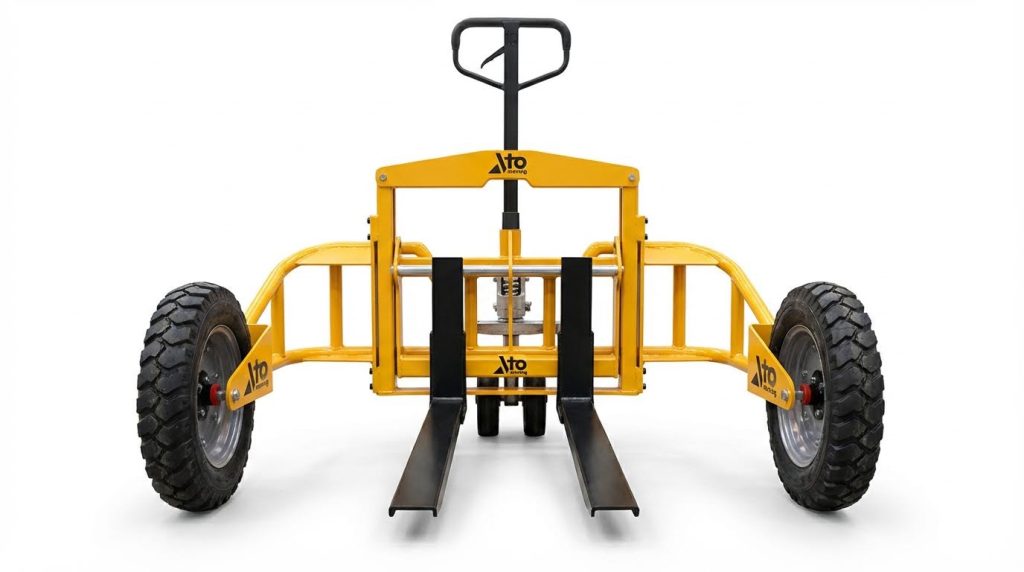
High-lift and all-terrain pallet jacks traded some stability margin for greater vertical range and rough-surface capability. Beacon’s all-terrain BALL-T-GPT series illustrated this, with a service range from about 3 inches to 12 inches (approximately 75–305 mm). Large pneumatic or semi-pneumatic wheels, wide stance, and reinforced frames supported higher load centers over uneven ground. These units operated on gravel yards, construction sites, or dock approaches where standard 195–220 mm lifts were insufficient. Engineers had to verify that pallets and loads remained structurally sound at 12-inch elevation, especially during ramp transitions. Operating procedures emphasized slower travel, reduced steering angles under load, and strict adherence to rated capacities at elevated fork positions.
Electric And Scale-Equipped Jacks With Added Functions
Electric pallet jacks and integrated-scale models typically retained similar maximum heights to manual narrow units. CUBLiFT’s electric and scale-equipped BHA narrow jacks, for instance, maintained maximum fork heights near 195–220 mm. Electric drives added powered lift and traction, improving ergonomics and throughput without extending the lift envelope. Scale-equipped jacks incorporated load cells in the fork structure, enabling in-motion weighing and inventory control. Designers ensured that sensors, wiring, LED lighting, and optional cameras did not alter lift kinematics or reduce rated height. From a specification standpoint, engineers still selected these units using the same 180–220 mm height assumptions, then evaluated power, weighing accuracy, and control ergonomics as secondary criteria.
Engineering Criteria For Specifying Lift Height
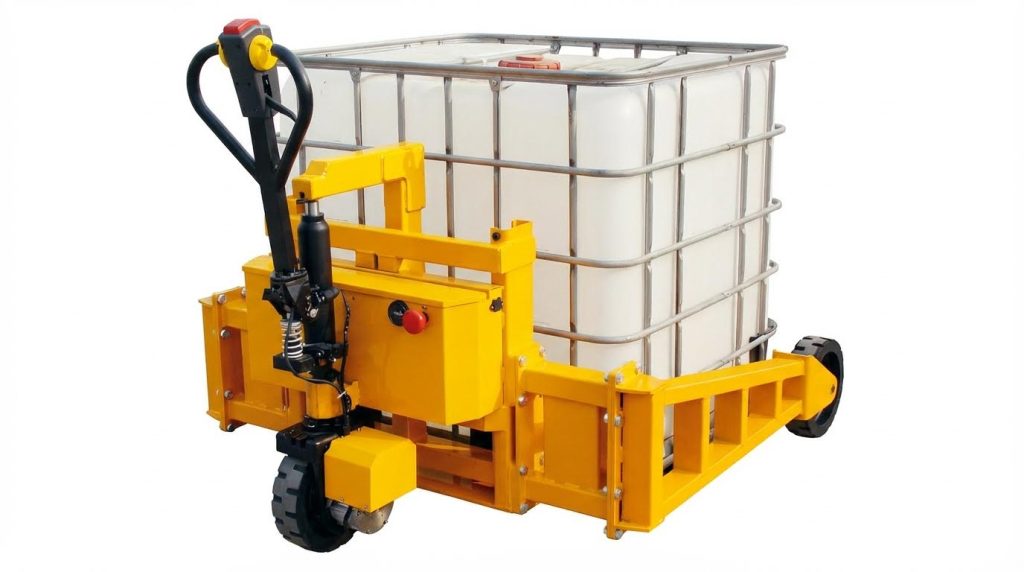
Engineers specified pallet jack lift height to balance clearance, stability, and component stress. They treated lift height as a system variable that interacted with fork geometry, wheel diameter, and pump characteristics. The goal was to clear typical pallets and floor irregularities with minimal elevation to limit risk and wear. Design teams validated choices through calculations, physical tests, and, increasingly, simulation.
Stability, Load Center, And Tip-Over Risk
Stability analysis started from the combined center of gravity of truck and load. As lift height increased, the center of gravity rose and shifted, which reduced the stability margin against the support polygon formed by wheels and rollers. Engineers therefore limited fork height to the 165–220 mm range for conventional warehouse jacks, and to about 12 inches for all-terrain designs, where larger wheels enlarged the support base. They evaluated tip-over risk on ramps, uneven floors, and during turning, and they specified operating instructions that kept loads as low as practical during travel.
Load center distance also governed allowable lift height. Long pallets or offset loads moved the center of gravity forward, which increased front axle loading and the risk of forward pitching when braking or encountering obstacles. Designers used worst-case load centers, often at or beyond the nominal 600 mm pallet standard, to size frames and axles. They validated safety factors through static tilt tests and dynamic braking trials.
Safety Standards, Clearances, And Operating Practice
Safety standards and industry guidance constrained both maximum and typical working heights. Selection guides and operating manuals recommended lifting pallets only high enough to roll freely, usually just a few tens of millimetres of under-clearance. This practice improved stability and reduced the consequences of hydraulic failure. Standards and inspection regimes, such as annual FEM-type checks, enforced functional brakes, steering, and hydraulics, which indirectly supported safe operation at the designed height.
Clearance requirements depended on pallet type, deck board thickness, and floor flatness. Engineers assumed realistic floor defects and specified minimum fork-tip and under-pallet clearances to avoid scraping or impact. They then set the maximum fork height to provide that clearance with margin, without encouraging operators to travel with excessively raised loads. Operating procedures reinforced this by instructing smooth lifting, controlled lowering, and keeping loads low during movement.
Lifecycle Cost, Maintenance, And Reliability Factors
Lift height affected lifecycle cost through its influence on hydraulic pressure, seal wear, and structural loading. Higher maximum height demanded longer stroke cylinders and sometimes higher operating pressures, which increased seal stress and the probability of leaks. Field data and maintenance reports showed that regular hydraulic checks, including daily pump tests and periodic oil changes, prevented most failures. Engineers therefore balanced desired height against expected maintenance burden and warranty targets.
Wear on pivot points, wheels, and axles also scaled with lift cycles at or near maximum stroke. Maintenance guides recommended specific lubrication intervals for wheel axles and center pivots to sustain smooth lifting at the designed height. Designers specified robust bearings and corrosion protection where stainless or narrow jacks operated in harsh environments. Replacement criteria, such as rejecting trucks with bent forks or persistent leaks, ensured that units no longer capable of safely achieving their rated height left service.
Digital Twins, Sensors, And Predictive Maintenance
Advanced pallet jacks began to incorporate sensors and digital monitoring to manage lift height and health. Integrated scales, travel sensors, and in some cases cameras or LEDs supported precise pallet positioning without increasing maximum height. Engineers used digital twins to simulate stress distributions in frames and masts across the full lift range, which improved prediction of fatigue hotspots. These models incorporated real usage data from sensors to refine assumptions about duty cycles and overload events.
Predictive maintenance systems analyzed patterns such as slower lift response, increased pump strokes, or small height losses under static load. These signatures indicated hydraulic degradation or air in the system before outright failure. Maintenance procedures, including bleeding hydraulics and adjusting lowering valves, restored performance to design levels. Over time, feedback from these systems informed revised specifications for lift height, cylinder sizing, and component materials, closing the loop between design and field performance.
Summary: Selecting Safe, Efficient Pallet Jack Lift Heights
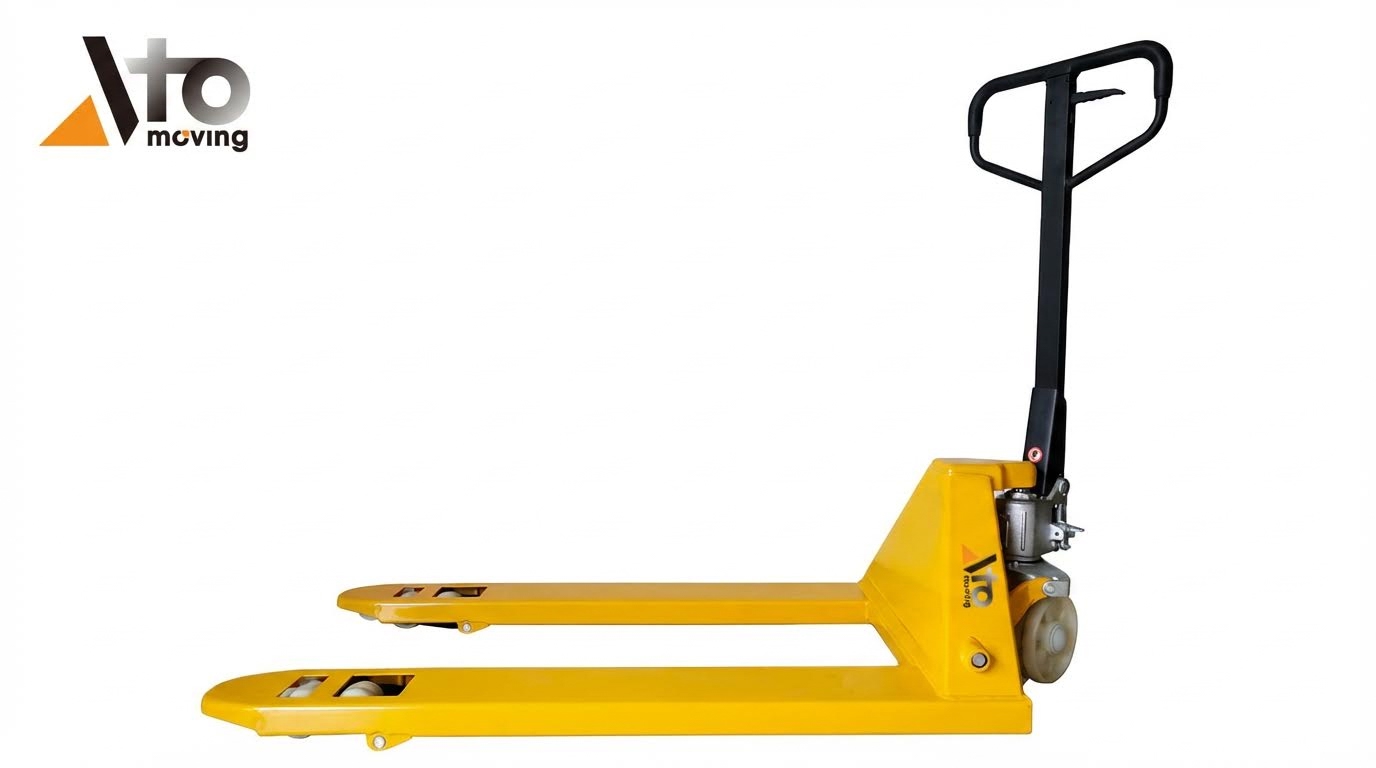
Pallet jack lift height selection depended on a narrow but critical operating window. Typical manual warehouse jacks operated in the 180–220 mm maximum fork height band, with extra-low variants near 165 mm and high-lift or all-terrain units reaching about 300 mm (12 inches). Engineers balanced clearance, stability, and ergonomics rather than aiming for maximum elevation, since safe travel required keeping loads only a few centimetres off the floor.
Industry data showed that high-lift ranges around 195–220 mm covered most pallet and floor combinations, while stainless narrow and extra-low models addressed special cases such as low-entry pallets or corrosion-prone environments. All-terrain jacks with 3–12 inch service ranges supported yards and construction sites but introduced higher tip-over risk, demanding stricter operator discipline. Safety guidance consistently recommended minimal travel height, smooth lifting, and controlled lowering to keep the center of gravity inside the wheelbase.
From a lifecycle view, hydraulic health, lubrication, and structured inspection routines prevented the majority of failures and preserved rated lift performance. Regular oil checks, bleeding trapped air, and wheel and fork inspections reduced downtime and avoided sudden loss of lifting capability. Emerging use of sensors, condition monitoring, and digital twins enabled predictive maintenance and more accurate matching of jack type, lift height, and duty cycle to the application.
Future pallet jack designs were likely to keep lift heights within current bands but improve stability margins, feedback to operators, and automation of safety limits. Practitioners should specify lift height only as high as needed for pallet clearance, verify compatibility with pallet geometry and floor quality, and integrate maintenance planning and regulatory inspections into procurement decisions. This approach delivered safe, efficient material handling without overengineering lift height or compromising stability.