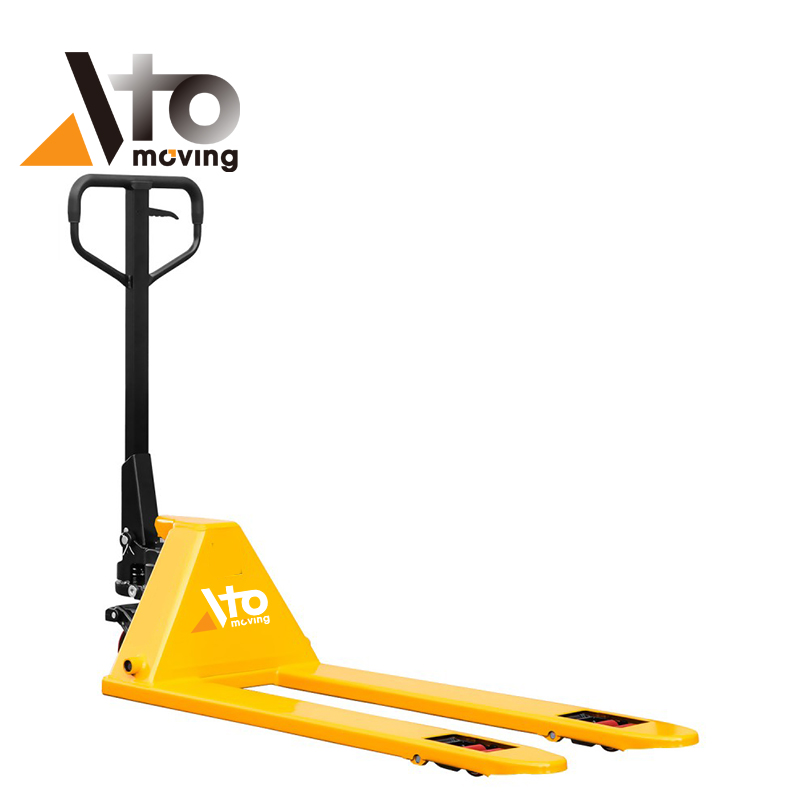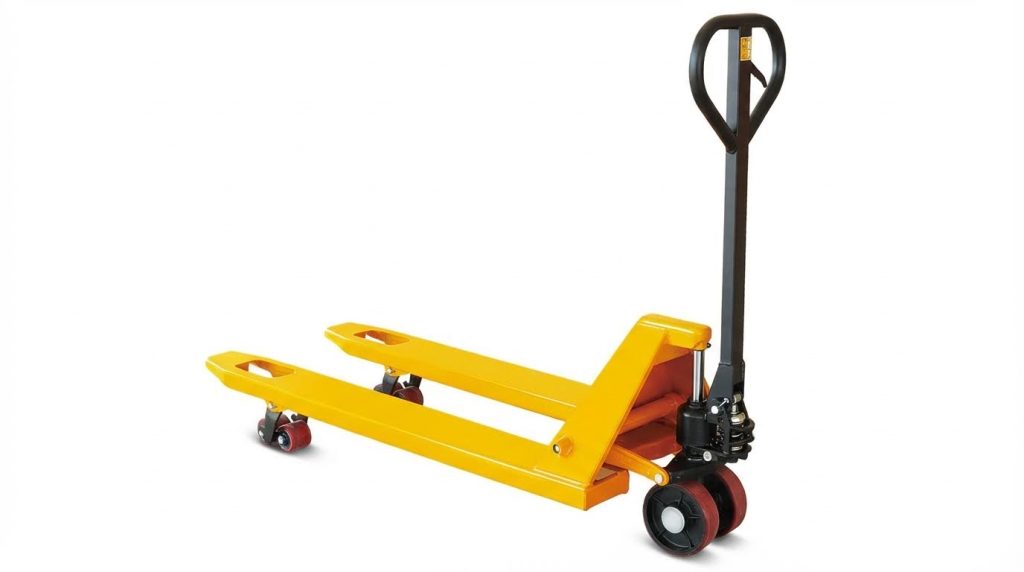
Pallet jack uptime depended heavily on the health of a compact hydraulic lifting system. This guide examined how that system carried load, how components failed, and which safety and rating standards governed their use across industrial environments. It then walked through structured diagnostic methods for no-lift, slow-lift, and sinking-fork conditions, including fluid, leakage, and valve checks. Finally, it detailed repair and maintenance practices, from seal and valve service to predictive maintenance and digital tracking, to support reliable, safe pallet jack operation in demanding material-handling fleets.
How Pallet Jack Lift Systems Work
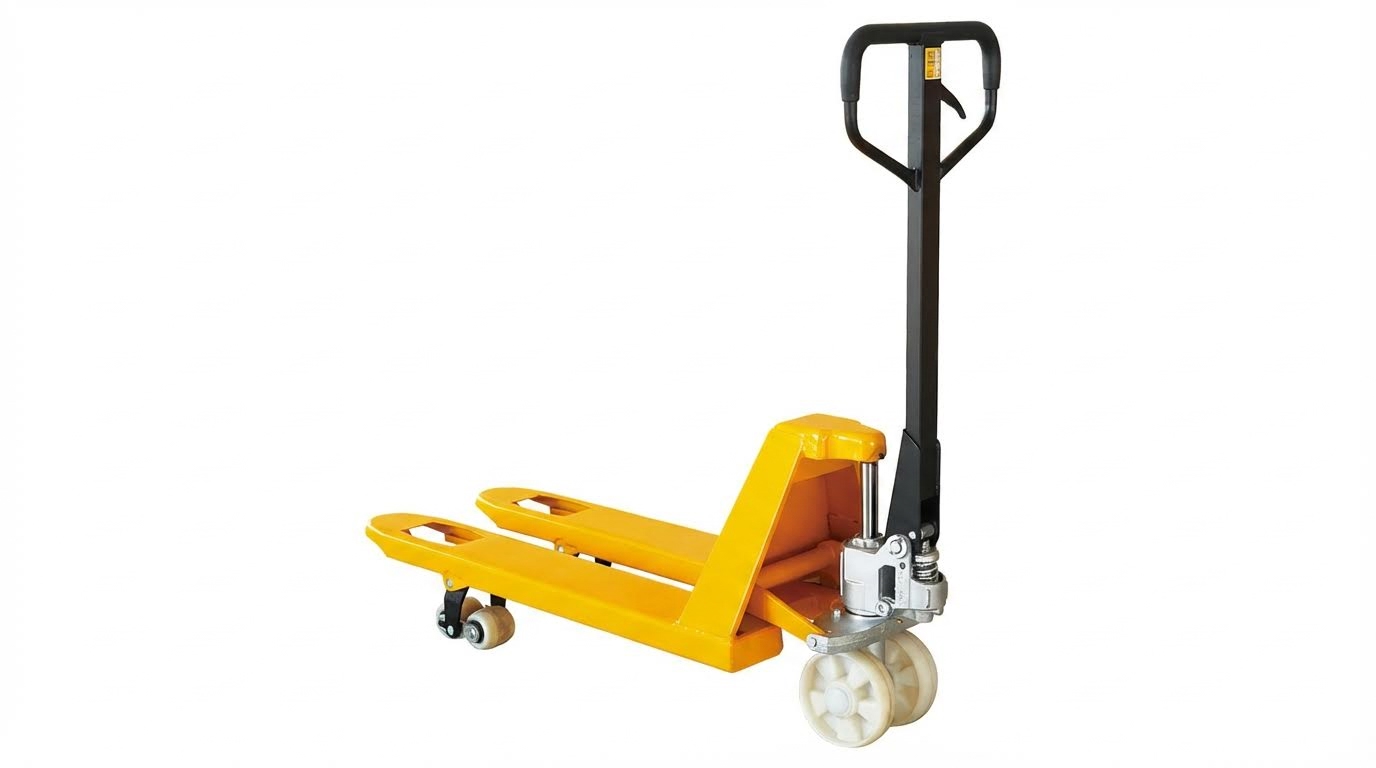
Manual pallet jacks used a compact hydraulic circuit to convert operator input into vertical lifting force. Understanding this circuit and the associated load path allowed engineers and technicians to diagnose faults efficiently and design robust maintenance plans. The same principles applied across most warehouse pallet trucks, despite differences in frame geometry, wheel materials, or handle designs. This section described how force and fluid moved through the system, where failures typically occurred, and how safety and standards constrained allowable loads.
Hydraulic Circuit And Load Path Basics
The lifting mechanism relied on a single-acting hydraulic pump, a reservoir, check valves, a lift cylinder, and a mechanical linkage to the forks. When the operator pumped the handle, a small plunger displaced hydraulic oil from the reservoir into the cylinder through a check valve. The incompressible oil forced the piston upward, transmitting force through the lift linkage to raise the fork assembly and the load. During lowering, a control valve opened a restricted return path to the reservoir, allowing oil to flow back while gravity pulled the forks down in a controlled manner. The structural load path ran from the pallet into the forks, through the fork frame and pivot points, into the steering wheels and load rollers, and finally into the floor, so local overstress in any of these elements could limit lifting performance even if the hydraulics worked correctly.
Key Components And Failure Modes
Critical hydraulic components included the pump body, piston, reservoir, suction and discharge check valves, seals, and the main lift cylinder. Typical hydraulic failure modes involved low or degraded oil, entrained air, worn seals, stuck or eroded valves, and internal leakage across the piston or valve seats. Mechanically, bent forks, deformed piston rods, worn pivot pins, and damaged wheels or axles altered geometry and increased resistance, which manifested as slow lift, uneven lift, or inability to reach full stroke. Contaminated oil with particles or moisture accelerated wear on valve seats and seals, which then caused external leakage or sinking under load due to internal bypass flow. Regular oil changes, seal inspection, and verification of valve movement minimized these degradation mechanisms and extended service life.
Safety, Standards, And Load Ratings
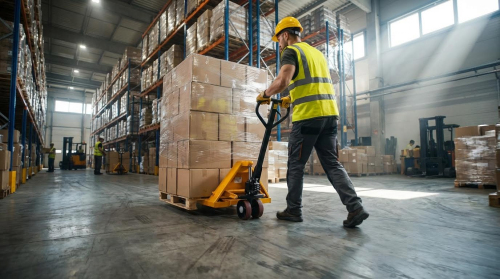
Pallet jack design and use historically referenced material-handling and lifting standards such as ISO and EN norms, along with regional occupational safety regulations. Each jack carried a rated load capacity, typically between 2 000 kilograms and 3 000 kilograms for manual units, defined for level, smooth floors and centered loads on standard pallets. Exceeding this rating, lifting off-center loads, or operating on slopes increased stresses in the forks, frame, and hydraulic components, raising the probability of structural deformation or sudden loss of lifting capability. Safety practice required daily checks for leaks, damaged wheels, and proper lowering and lifting response before use, plus correct personal protective equipment for hands and feet. Engineers and maintenance planners needed to ensure that inspection intervals, oil specifications, and replacement criteria aligned with both manufacturer documentation and applicable regulatory requirements to maintain a safe residual risk level.
Systematic Diagnosis Of Lift Performance Issues
Systematic diagnosis started with clear symptom definition, then moved through the hydraulic circuit in a structured order. Technicians minimized downtime and rework by separating hydraulic faults from mechanical linkage issues. A repeatable diagnostic sequence also supported compliance with facility safety programs and reduced the risk of overloading compromised equipment.
No-Lift, Slow-Lift, And Sinking Forks
No-lift, slow-lift, and sinking forks described distinct hydraulic failure patterns. A no-lift condition with a free-moving handle usually indicated severe low oil, a stuck valve, or major air ingress. Slow-lift under rated load often pointed to marginal oil level, viscosity issues, or internal leakage across worn seals. Sinking forks under static load suggested bypass leakage at piston seals, check valves, or relief valve seats. Technicians first verified the rated capacity on the nameplate and compared it with the test load to rule out overload-induced symptoms.
Checking Oil Level, Contamination, And Leaks
Oil level checks formed the starting point for most lifting complaints. On typical pallet jacks, the correct level sat roughly 20–30 mm below the reservoir top or about one inch for legacy specifications. Low oil prevented the pump from building pressure and limited fork stroke, especially at the top of travel. Dark, milky, or particle-laden oil indicated water ingress or contamination, which damaged seals and valve seats over time. Technicians inspected around the ram, pump body, and hose connections for wetness, drips, or rust streaks as evidence of external leakage. When topping up or replacing oil, they used manufacturer-approved hydraulic fluid only, since incorrect viscosity or improvised lubricants, such as cooking oil, caused sticking valves and pump failure.
Bleeding Air And Verifying Valve Functions
Air in the hydraulic circuit reduced effective bulk modulus and caused spongy, slow, or inconsistent lifting. Bleeding procedures typically required placing the truck unloaded, setting the lever to the release or lower position, and pumping the handle 10–20 strokes to purge air. Some models included a dedicated bleeder screw that technicians loosened slightly until air-free oil flowed, then tightened to the specified torque. After bleeding, they confirmed that forks reached full height smoothly and held a test load without noticeable sinking. Persistent aeration after correct bleeding suggested suction-side leakage, damaged seals, or cavitation at the pump inlet, which required component-level inspection. Technicians also checked that lowering and check valves shifted cleanly by observing response to lever movements and correlating with pressure behavior.
Isolating Pump, Handle, And Linkage Faults
Separating hydraulic pump faults from mechanical linkage issues shortened repair time and prevented unnecessary pump rebuilds. A common method involved disconnecting the lifting linkage from the control lever and confirming that the lever pivoted freely through its full travel. With the linkage isolated, technicians pumped the handle and observed whether the forks rose under light load. If the jack lifted correctly in this state, the problem usually lay in misadjusted rods, worn pins, or deformed linkage components. If lifting still failed, diagnosis shifted to internal pump valves, seals, or the main ram. Free play, delayed response, or incomplete lever return also indicated handle or spring issues that affected valve actuation. Documenting these observations in a standard checklist supported consistent troubleshooting and traceability across a fleet.
Repair, Rebuild, And Maintenance Practices
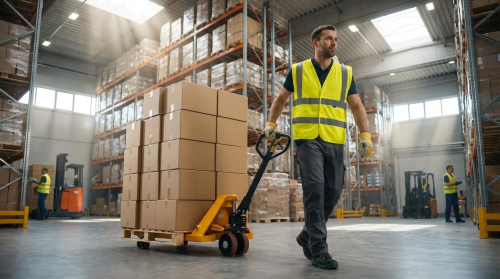
Repairing pallet jack lifting mechanisms required a structured approach that started with the hydraulic unit and extended to mechanical interfaces and maintenance routines. Engineers prioritized restoring sealing integrity, controlling valve behavior, and preserving geometric alignment of the pump and linkage. Routine lubrication and fastener checks limited wear-induced faults, while systematic inspection schedules reduced unexpected downtime. Increasingly, maintenance teams integrated digital tracking to quantify failure patterns and optimize service intervals.
Seal, Valve, And Pump Unit Repairs
The hydraulic unit governed lift capability, so technicians first assessed seals, valves, and pump elements. Worn rod seals, base seals, or O-rings typically caused external leakage or sinking forks under load; replacing these elastomeric parts restored pressure retention. When forks failed to rise or stopped below full stroke, engineers checked for contaminated oil, clogged valve seats, or mis-set pressure relief components, then cleaned, lapped, or replaced valve cartridges as required. If the jack still did not lift after bleeding air and confirming correct oil level, diagnosis shifted to pump internals such as check valves, plungers, and bores, which sometimes required a complete hydraulic unit rebuild. During rebuilds, technicians used compatible ISO-grade hydraulic oil, verified surface finishes, and pressure-tested the assembly to rated capacity before returning the unit to service.
Adjusting Relief And Lowering Valves
Pressure relief and lowering valves controlled maximum load and descent behavior, so improper adjustment created both performance and safety risks. When forks refused to reach full height or lifted sluggishly with normal oil level, the relief valve could have opened prematurely; technicians adjusted the set screw incrementally while monitoring lift height and checking against the nominal capacity on the nameplate. If forks dropped or drifted without the control lever in the lowering position, engineers inspected the lowering valve for debris, wear, or incorrect clearance, then cleaned or replaced parts and readjusted using a spanner or pin wrench and screwdriver. After any valve adjustment, technicians performed functional tests with an unloaded jack, then with a calibrated test load, verifying that the unit lifted smoothly, held without sinking, and lowered at a controlled speed. All changes were documented to demonstrate compliance with local safety regulations and internal maintenance standards.
Lubrication, Fastener Checks, And Wheel Care
Mechanical interfaces around the hydraulic unit influenced perceived lift performance and operator effort. Maintenance plans therefore specified targeted lubrication: light multi-purpose oil for pivot joints and linkage pins, silicone-based lubricant for wheel axles, and grease for high-load center pivots. Weekly or monthly inspections included tightening fork-to-frame bolts, handle base nuts, and linkage hardware, since looseness produced rattling, misalignment, and uneven loading of the pump rod. Technicians inspected steering and load wheels for cracks, flat spots, or wobble and replaced damaged wheels or worn bearings, sometimes upgrading to polyurethane wheels to reduce rolling resistance on smooth floors. They avoided pressure-washing, which risked forcing water into bearings and hydraulic components, and prohibited non-engineering lubricants such as cooking oil that could degrade seals or clog pump passages. These relatively simple mechanical tasks significantly extended hydraulic component life by keeping loads aligned and motion smooth.
Predictive Maintenance And Digital Tracking
Modern fleet operators increasingly used digital tools to manage pallet jack reliability. Maintenance teams logged events such as oil changes, seal replacements, and valve adjustments in computerized maintenance management systems, associating each action with the jack’s serial number and operating hours. Trend analysis on recorded faults, for example repeated sinking under load or frequent wheel failures, allowed engineers to identify systemic issues like underspecified seals or harsh floor conditions. Some operations linked inspections to QR codes or mobile apps, enabling technicians to complete standardized checklists and immediately flag units with leaks, bent forks, or persistent lifting delays. By combining historical data with manufacturer recommendations, organizations optimized service intervals, planned hydraulic rebuilds before catastrophic failure, and justified retirement of units that continued to leak or deform despite repair. This data-driven approach reduced unplanned downtime and supported compliance with occupational safety requirements for material handling equipment.
Summary: Reliable, Safe Pallet Jack Lift Repairs
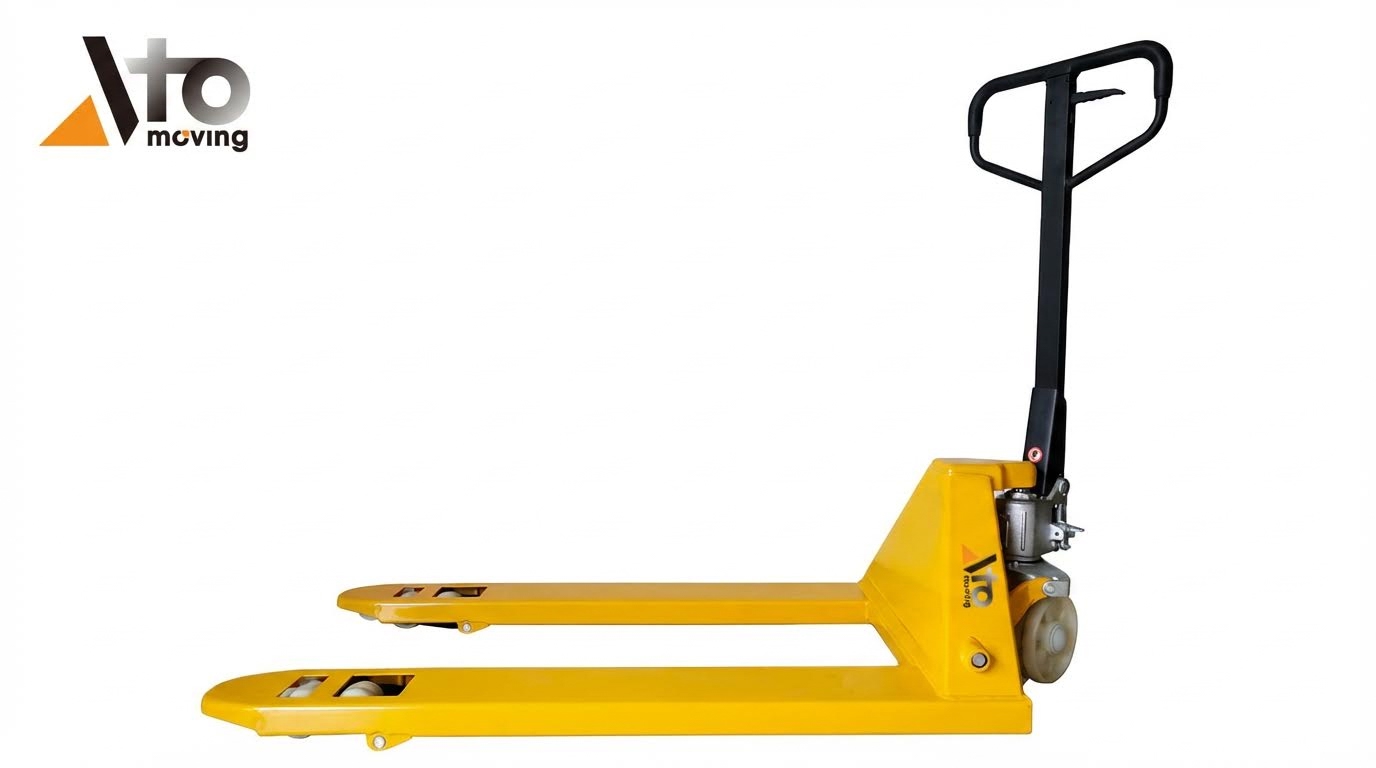
Pallet jack lifting reliability depended on a sound hydraulic circuit, correct oil management, and intact seals and valves. Systematic diagnosis started with simple checks such as oil level, visible leaks, and basic bleeding cycles, then progressed to valve function tests and separation of pump versus handle faults. Field experience and published guides showed that no-lift, slow-lift, and sinking forks usually traced back to a small set of causes: low or contaminated hydraulic oil, trapped air, misadjusted relief or lowering valves, and worn sealing elements. When these issues were addressed in a structured sequence, most units returned to full stroke height and stable load holding without requiring complete replacement.
Across the industry, maintenance practice moved toward scheduled inspections, standardized bleeding and oil-change procedures, and clear criteria for when to rebuild or retire equipment. This trend aligned with occupational safety regulations that required verified load ratings, prevention of uncontrolled fork descent, and protection of operators’ hands and feet during use and service. Future developments were expected to include wider use of polyurethane wheel packages for reduced shock loading, improved seal materials for longer service intervals, and compact sensor modules that logged lift cycles and overload events for predictive maintenance. Digital tracking of service history and fault patterns would support data-driven decisions on rebuild versus replacement, reducing unplanned downtime.
For practical implementation, operators needed simple daily checks, while technicians followed detailed hydraulic service instructions using compatible fluids and specified tools. Shops benefited from standard work instructions covering bleeding procedures, valve adjustments, and seal replacement, combined with clear escalation rules to specialized workshops when structural damage or repeated leakage occurred. A balanced approach recognized that manual pallet jacks remained mechanically simple yet safety-critical assets: economical to repair when hydraulic issues were caught early, but uneconomical and unsafe to retain once forks bent, frames cracked, or chronic leaks persisted. Engineering-led maintenance policies therefore focused on early fault detection, correct repair methods, and strict adherence to rated capacity to keep lifting mechanisms reliable over their full service life.