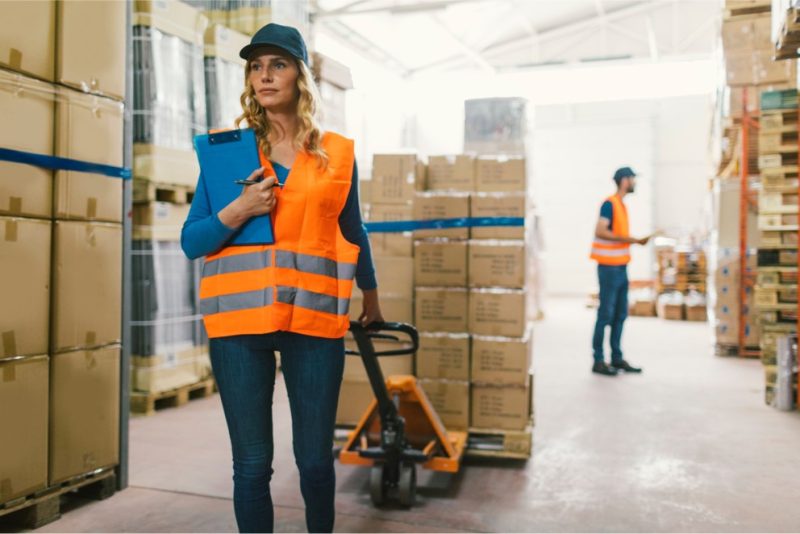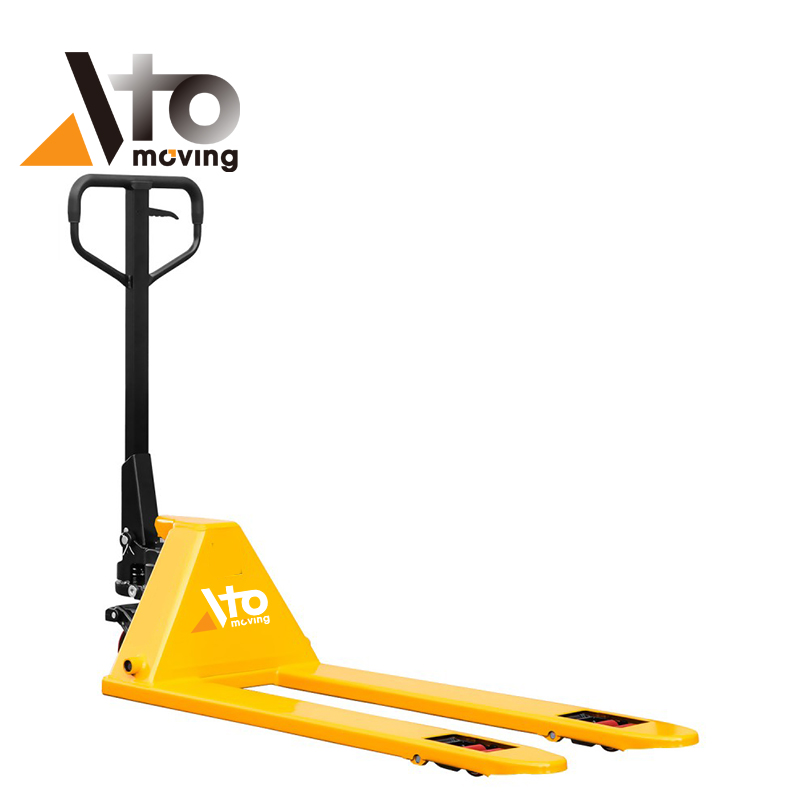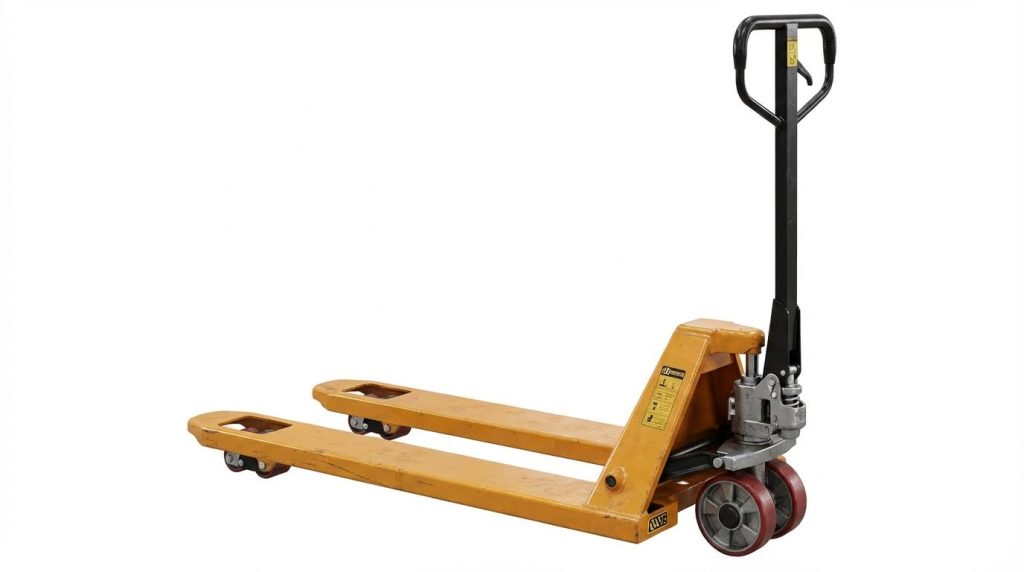
Manual pallet jacks operated in warehouses and distribution centers relied on compact hydraulic circuits to lift loads safely. When these units failed to raise or lower, the root cause usually lay in hydraulic faults, mechanical linkage issues, or poor maintenance practices. This guide outlined core failure mechanisms, a structured diagnostic sequence, and repair strategies, from bleeding air and correcting oil levels to seal replacement and hydraulic unit rebuilds. It also addressed predictive maintenance, digital monitoring options, and objective criteria for deciding when repair was no longer economical and full pallet jack replacement was justified.
Core Causes Of Pallet Jack Lift Failures
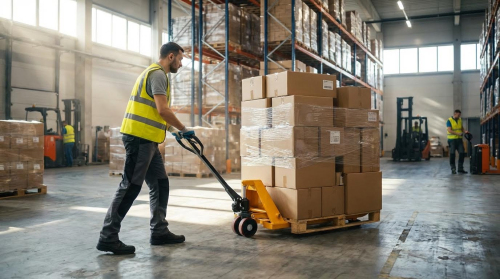
Core lift failures in manual pallet jacks usually originated in the hydraulic power unit, mechanical linkages, or structural components. Understanding how the hydraulic circuit worked, how it failed in real warehouses, and how safety rules applied allowed technicians to troubleshoot efficiently. Most documented issues related to air ingress, fluid loss, valve malfunctions, or progressive wear of seals and moving joints. Systematic analysis of these causes reduced unplanned downtime and prevented unsafe improvisations during material handling.
Hydraulic Circuit Basics For Manual Pallet Jacks
A manual pallet jack used a compact hydraulic circuit that converted handle strokes into lifting force at the forks. The pump piston pressurized hydraulic oil, which flowed through a check valve into the lift cylinder, extending the ram and raising the forks. A separate release valve connected the pressurized side back to the reservoir, allowing controlled lowering when the operator pulled the trigger or lever. Trapped air, low oil level, or internal leakage across valves and seals reduced effective pressure and caused slow lifting, incomplete lifting, or total failure to raise a load. Because the circuit operated at relatively high pressure with small oil volumes, even minor seal damage or contamination produced noticeable performance loss.
Common Failure Modes In Warehouse Operation
In warehouse environments, lift failures often started with hydraulic oil issues such as leaks, low level, or contamination. Leaking seals, damaged hoses, or cracked pump housings allowed fluid loss, visible as oil on the floor or around the pump area, and eventually prevented sufficient pressure build-up. Air entered the circuit through worn seals or after component replacement, which required bleeding by cycling the handle while holding the release open until fork motion stabilized. Progressive wear of O-rings, valve seats, and pump pistons caused internal bypass, leading to sluggish lifting, forks that sank under load, or jacks that lifted only when empty. Mechanical problems such as bent linkages, misadjusted chains, worn wheel bearings, or deformed forks further degraded performance and sometimes masked underlying hydraulic faults. Overloading beyond rated capacity and poor lubrication of pivots accelerated these failure modes and shortened service life.
Safety And Compliance Considerations
Lift failures had direct safety implications because unexpected loss of support under a pallet could cause load shift, product damage, or injury. Regulations and standards for industrial trucks required that lifting devices maintained load without excessive sinking and that hydraulic components did not leak in a way that created slip hazards. Operators needed to remove from service any pallet jack showing persistent hydraulic oil leaks, noticeable fork bending, or erratic lifting or lowering behavior, rather than continuing operation. Maintenance personnel had to depressurize the hydraulic system, secure the forks, and use appropriate personal protective equipment when servicing pumps, valves, or springs. Documented inspection intervals, load tests, and defect tagging supported compliance and created traceability for audits. Applying these safety practices during troubleshooting ensured that efforts to restore lift performance did not introduce new risks to operators or bystanders.
Step-By-Step Diagnosis When The Jack Won’t Lift
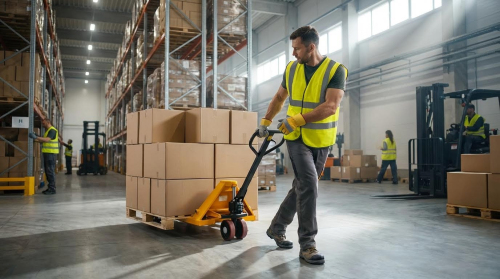
A structured diagnostic sequence reduced downtime and avoided unnecessary component replacement. Technicians first confirmed basic hydraulic function, then narrowed faults to fluid, mechanical linkage, or internal pump components. Each step built evidence for a repair decision, including whether a full hydraulic unit rebuild was justified. This methodical approach also supported compliance with internal maintenance standards and safety procedures.
Bleeding Air From The Hydraulic Pump
Trapped air in the hydraulic circuit frequently caused a pallet jack to stop lifting or to lift erratically. Technicians bled the pump first because the procedure was quick, low risk, and required no disassembly. They held the control lever in the release or lower position and pumped the handle 10 to 20 times to purge air. This cycling moved air from the pump and cylinder back to the reservoir, restoring a solid hydraulic column. If lifting performance improved immediately after bleeding, no further internal work was usually necessary.
Persistent spongy handle feel or chattering during lift indicated residual air or low oil level. In those cases, technicians repeated the bleeding sequence after topping up fluid. They always secured the truck on level ground and kept forks unloaded during this step to minimize risk. If the jack still failed to lift after correct bleeding, the fault likely lay in fluid quantity, valve function, or worn internal parts.
Verifying Hydraulic Oil Level And Condition
After bleeding, the next diagnostic step involved checking hydraulic oil level and quality. Most manual pallet jacks used a reservoir integrated into the pump body, with a correct fill height approximately 25 millimetres below the top opening. Technicians removed the fill plug, verified that the level sat near the specified height, and added compatible hydraulic oil if it was low. Underfilling reduced available stroke volume and prevented the cylinder from generating sufficient pressure and lift.
Oil condition also provided critical diagnostic clues. Dark, milky, or contaminated fluid suggested water ingress, oxidation, or particulate contamination, which accelerated seal wear and valve sticking. In those cases, technicians drained the reservoir into a pan, flushed as recommended by the service manual, and refilled with clean oil of the correct viscosity. They avoided improvised lubricants such as engine oil or cooking oil, because these fluids damaged seals and altered valve behavior. If correct fluid level and condition did not restore lifting, attention shifted to mechanical linkages and internal valve components.
Isolating Handle, Linkage, And Valve Problems
Separating handle and linkage faults from hydraulic valve issues helped avoid unnecessary pump replacement. Technicians first observed handle travel, return action, and chain or rod movement at the pump end. Excess slack, misaligned chains, or bent linkage arms prevented the release and lift valves from shifting fully. They adjusted chain tensioners, replaced worn pins, and lubricated pivot points to restore precise motion transfer. If the handle felt stiff, they inspected for corrosion or debris at the base and applied suitable penetrating lubricant.
To isolate the pump, they disconnected the lifting linkage from the control lever at the valve block. They then operated the pump directly at the valve interface, using pliers or a temporary lever, while pumping the handle. If the jack lifted correctly in this configuration, the fault resided in the handle or linkage geometry. If it still failed to lift, the problem was internal to the pump, typically a stuck valve, worn seat, or damaged O-ring. This isolation step provided clear evidence before committing to valve replacement or a hydraulic unit rebuild.
Inspecting Seals, O-Rings, And Pump Components
When external checks did not resolve the issue, technicians inspected seals, O-rings, and core pump components. Visible hydraulic oil on the floor or around the pump body indicated leaking rod seals, end caps, or fittings. They cleaned the area, cycled the jack, and traced fresh leakage paths to the failed component. For non-lifting faults without obvious leaks, attention turned to internal O-rings on control valves and check valves. A hardened or cut O-ring allowed internal bypass, so pressure never built in the lift cylinder.
Disassembly followed the service manual sequence to avoid damaging precision surfaces. Typical procedures included supporting the frame, propping the drive wheels, draining hydraulic fluid, then removing the lower lever assembly to access the valve cartridge and O-rings. Technicians replaced seals with parts matched to the jack’s make and model, because incorrect cross-sections or diameters caused persistent bypass. They inspected the pump piston, cylinder bore, and valve seats for scoring or corrosion and measured clearances where specifications existed
Advanced Repairs, Upgrades, And Predictive Care
Rebuilding Or Replacing The Hydraulic Power Unit
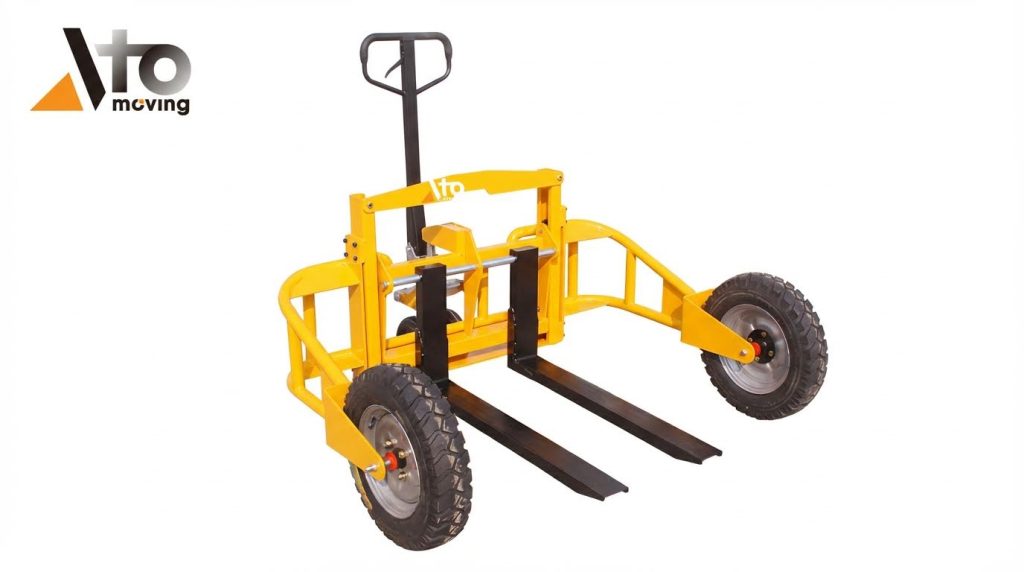
Technicians treated hydraulic unit rebuilds as a last step after basic troubleshooting. A rebuild typically included full disassembly, inspection of the pump body, pistons, check valves, and all seals. Worn pistons, scored bores, and damaged valve seats reduced achievable pressure and caused lift failure under load. Industry practice required replacing all soft parts, including O-rings and shaft seals, rather than reusing partially worn items.
Shops used manufacturer torque specifications and clean assembly procedures to avoid internal leakage paths. If the pump casting showed cracks, heavy corrosion, or out-of-tolerance wear, replacement of the complete hydraulic unit was usually more economical. For older low-cost pallet jacks, the labor cost of a rebuild sometimes exceeded the price of a new jack. Engineers therefore evaluated total life-cycle cost, downtime impact, and parts availability before selecting rebuild or replacement.
Fixing Leaks, Contamination, And Sinking Forks
Hydraulic leaks around the pump, cylinder, or fittings indicated failed seals, damaged hoses, or cracked components. Technicians first cleaned the area, then cycled the handle under moderate load to identify the exact leak source. They replaced defective hoses, fittings, or rod seals, and used hydraulic-compatible sealants only on threaded joints specified by the manufacturer. After repairs, they refilled fluid to the correct level, approximately 25 mm below the reservoir lip on typical units.
Contaminated fluid, visible as discoloration or suspended particles, accelerated wear and valve sticking. Maintenance staff drained the reservoir into an oil pan, flushed with clean hydraulic oil, and refilled with fluid meeting ISO viscosity and OEM specifications. Sinking forks under static load usually pointed to internal leakage past check valves or piston seals. In those cases, technicians replaced internal seals and O-rings, then performed a load-hold test over at least 10–15 minutes to verify that fork height remained stable.
Preventive Maintenance And Inspection Intervals
Operators reduced failure rates by implementing structured inspection intervals. Daily checks focused on visible leaks, fork damage, wheel condition, and abnormal handle feel during three to five test pumps. Weekly routines included moderate-load lift tests to detect slow sinking, plus listening for grinding noises from wheels and pivot points. Monthly inspections used straightedges on forks, checked hydraulic rods for rust streaks, and verified that all fasteners at the handle base and fork brackets remained tight.
Lubrication schedules specified silicone spray or lithium-based grease on wheels, axles, and pivot joints, while avoiding non-approved lubricants such as cooking oil. Maintenance teams inspected O-rings and external seals periodically and replaced them at the first sign of seepage. They also documented fluid changes, leak events, and component replacements to build a maintenance history. This record supported reliability analysis and justified replacement when recurring failures indicated end-of-life for the jack.
Digital Tools, Sensors, And Predictive Monitoring
Warehouses increasingly adopted digital tools to monitor pallet jack health and usage. Simple hour meters and usage counters helped schedule maintenance based on operating hours rather than calendar time. Some fleets used Bluetooth or RFID tags to log location and utilization, enabling planners to balance workloads and reduce overuse of specific units. This data-driven approach supported more accurate preventive maintenance intervals.
Advanced electric pallet jacks integrated onboard diagnostics that recorded error codes, battery status, and motor temperature. External vibration and acoustic sensors, temporarily attached during audits, detected developing bearing or wheel failures before catastrophic damage occurred. Maintenance software stored inspection results, fluid changes, and repair actions, allowing trend analysis on leaks, lift performance, and seal failures. Over time, this predictive monitoring reduced unplanned downtime and informed decisions on when to retire or upgrade pallet jacks across the fleet.
Summary Of Best Practices And Replacement Criteria
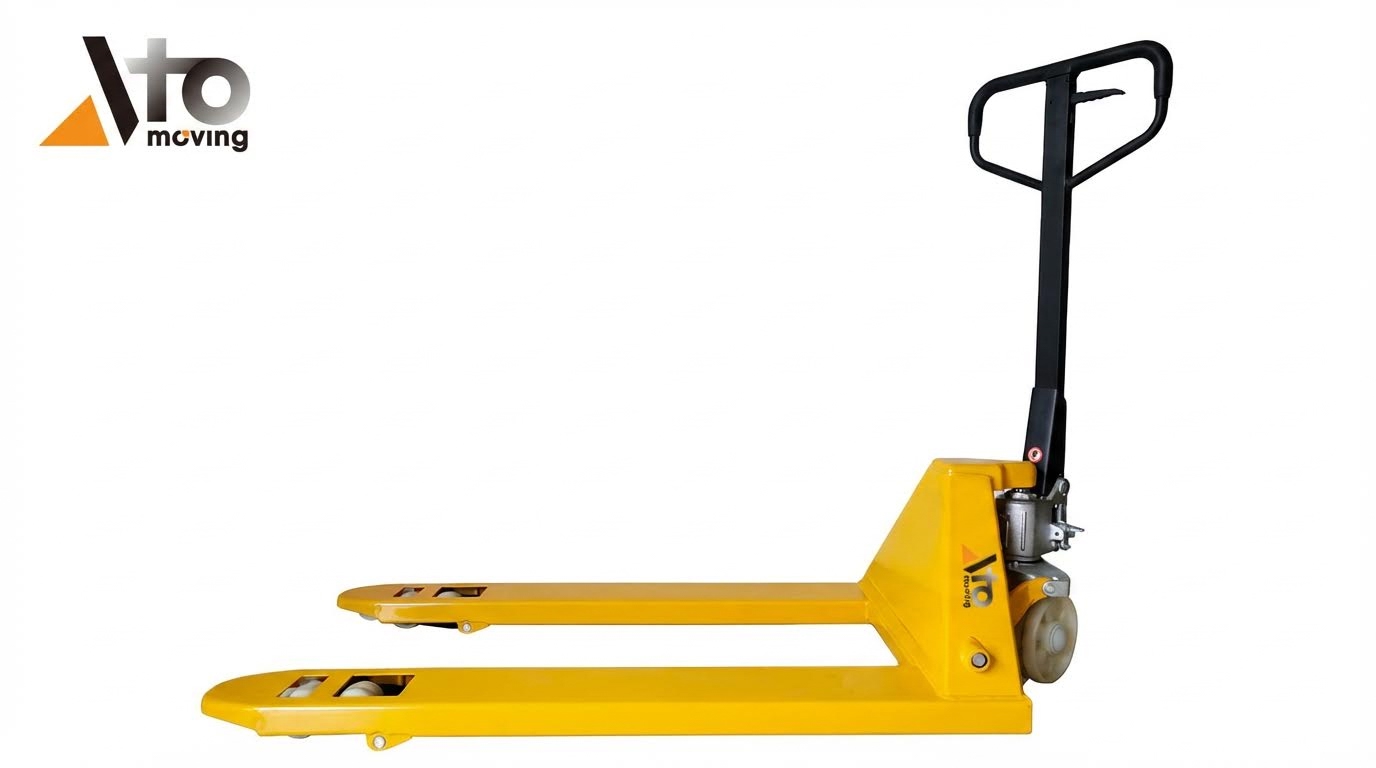
Pallet jack lift failures typically originated in the hydraulic circuit, mechanical linkages, or basic setup issues such as air in the pump or low oil. Effective troubleshooting followed a structured path: bleed the pump, verify fluid level and quality, isolate the handle and linkage, then open the hydraulic unit only if earlier checks failed. This staged approach reduced unnecessary disassembly and helped technicians localize faults to valves, O-rings, seals, or the pump body with minimal downtime.
Best practice maintenance programs combined daily visual checks with weekly functional tests and monthly detailed inspections. Technicians inspected for hydraulic leaks, sinking forks under a static load, rust on the pump rod, wheel bearing noise, and fork straightness against a straightedge. They maintained oil about 25 millimetres below the reservoir top, kept linkages lubricated, avoided pressure-washing, and used appropriate industrial lubricants instead of cooking oils. These routines aligned with industry guidance that most manual pallet jack failures were preventable through systematic care.
Replacement criteria became clear when structural or hydraulic degradation exceeded safe or economical repair. Indicators included bent or cracked forks, persistent hydraulic leaks after seal and O-ring replacement, heavily scored or corroded pump rods, and wobbling wheels that remained unstable after axle and bearing renewal. At that point, the residual risk of sudden failure and the cumulative cost of parts and labour often exceeded the price of a new unit.
Looking forward, predictive maintenance tools, condition monitoring, and digital recordkeeping supported more data-driven decisions. Simple additions such as low-cost pressure gauges, hour meters, and mobile inspection checklists allowed maintenance teams to trend performance, schedule seal and fluid changes, and justify timely replacement before critical failures occurred. A balanced strategy used rigorous troubleshooting and repair for serviceable units while retiring jacks that no longer met structural integrity, hydraulic reliability, or safety compliance thresholds.