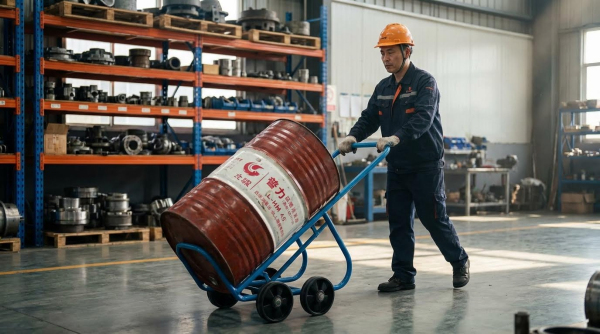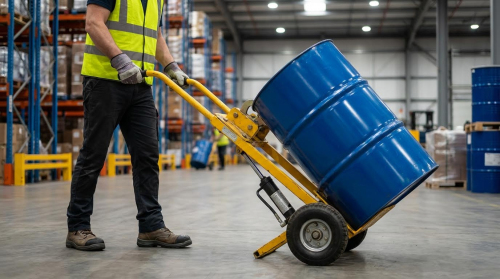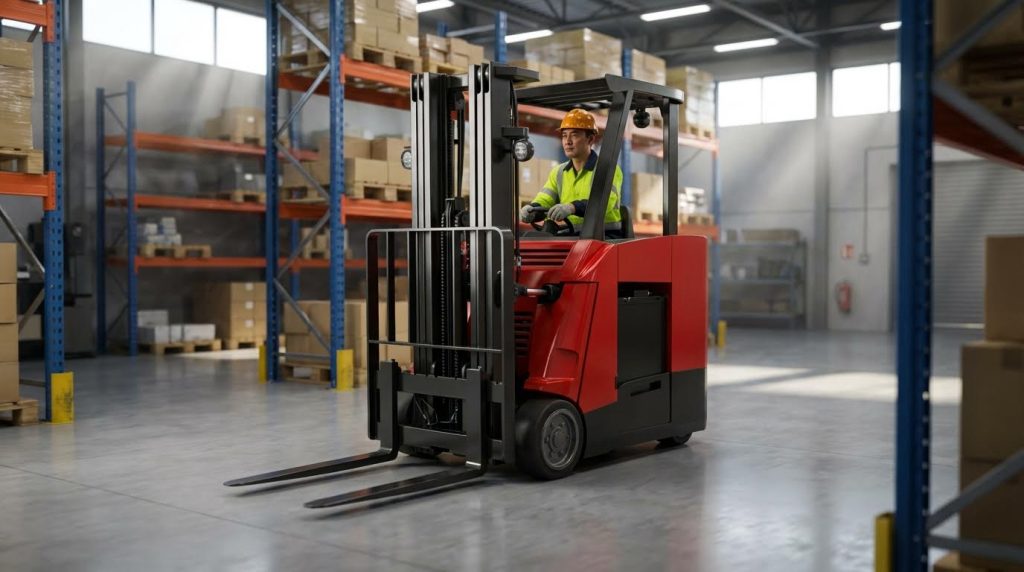
Electric forklift safety and fire protection standards governed industrial truck design, selection, and operation across warehouses and process plants. Engineers and safety managers had to align truck hazard classifications with area ratings, UL/FM labeling, and OSHA, NFPA, and CCOHS requirements. Fire-safe electric forklift design depended on controlled enclosures, wiring, guards, and integration with detection and suppression systems. Battery charging systems, especially lithium technologies, required rigorous BMS control, ventilation, spacing, and operator training to prevent thermal runaway and ensure compliant, reliable operation.
Forklift Hazard Classifications And Area Ratings
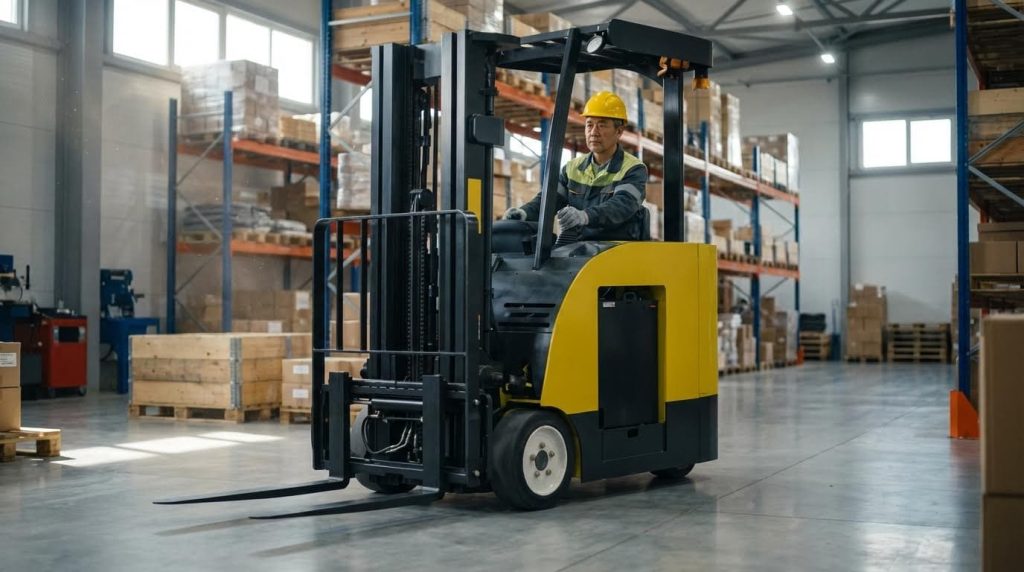
Forklift hazard classifications and area ratings defined fire and explosion risk controls in industrial facilities. Electric and internal combustion trucks carried coded designations that linked construction features to permitted atmospheres. Correct matching of truck type, hazardous location class, and regulatory approvals reduced ignition probability to an acceptable level. Engineers needed to understand these codes before specifying equipment, layouts, or operating procedures.
E, ES, EE, EX, DY And Other Truck Designations
Electric forklifts used E, ES, EE, and EX designations to describe their fire protection level. E-rated trucks provided only the minimum safeguards against inherent electrical and fire hazards, with standard open motors and control enclosures. ES units added measures that limited surface temperatures and controlled sparking, typically by using enclosed contactors and sealed compartments. EE trucks fully enclosed motors and electrical components so that arcs and sparks could not reach the surrounding atmosphere.
EX-rated electric forklifts were suitable for classified hazardous atmospheres containing flammable gases, vapors, or combustible dusts. Their designs incorporated explosion-proof enclosures, flame paths, and strict temperature limits verified by testing laboratories. Diesel trucks used DY ratings for units without any electrical system; they relied on air starters and non-electric safeguards to remove ignition sources. Other designations such as DS, G, GS, LP, and LPS described different fuel types and levels of exhaust and electrical shielding for less hazardous locations.
Matching Truck Ratings To Hazardous Locations
Hazardous locations required strict alignment between area classification and truck designation. In areas where flammable vapors or gases were present in normal operation, EX-rated electric trucks or equivalently protected units were mandatory. Typical examples included chemical process rooms, solvent handling areas, and gas compressor buildings with continuous or frequent release. For combustible dust atmospheres where dust clouds could form, EX trucks were required in grain elevators, pulverizing rooms, and metal powder storage unless dust was fully contained.
Where combustible dust only settled on surfaces and was not normally airborne, standards allowed DY, EE, or EX trucks if their design prevented arcs or hot surfaces from igniting dust layers. In areas with easily ignitable fibers or flyings, such as textile processing or fiberboard cutting, DY, EE, or EX designations were acceptable when fibers were unlikely to be suspended in air. However, where fibers were stored or handled in bulk, codes required DS, DY, ES, EE, EX, GS, or LPS trucks depending on fuel type and construction. Proper area classification under electrical codes and fire standards formed the basis for these selection decisions.
UL/FM Labels, OSHA, NFPA And CCOHS References
Approved industrial trucks carried labels from nationally recognized testing laboratories such as UL or FM. These labels indicated that the truck design had been evaluated for fire and explosion safety according to defined standards. OSHA regulations required employers in the United States to use only approved powered industrial trucks in hazardous locations, referencing UL classifications and NFPA fire codes. The UL marking on the truck, including its designation (for example EE or EX), therefore served as a primary compliance indicator during inspections.
NFPA standards provided detailed guidance on truck selection for different classes and divisions of hazardous locations. They also addressed storage, charging, and clearance requirements that affected fire spread potential. In Canada, CCOHS guidance and provincial regulations referenced similar technical criteria and emphasized engineered controls such as ventilation and explosion-proof electrical systems in charging areas. Designers and safety managers needed to cross-check OSHA, NFPA, and CCOHS requirements with the UL or FM listing on each truck model to ensure legal and technical conformity.
Effects Of Modifications On Truck Approvals
Unapproved modifications could invalidate a forklift’s listing and hazard designation. Changes that affected electrical systems, exhaust routing, surface temperatures, or spark generation risk required explicit manufacturer approval. For example, adding static discharge devices to electric trucks altered external grounding paths. Steel static chains or straps were acceptable on E or ES units, but EE and EX trucks required non-sparking materials such as brass chains or conductive rubber straps to maintain their rating.
OSHA rules stated that trucks should not be altered in ways that changed capacity, center of gravity, or safe operation without written approval from the manufacturer. UL and FM listings assumed the original configuration and test conditions; field changes outside that envelope could increase ignition risk. Installing non-original electrical components, aftermarket lighting, or non-approved attachments around battery compartments or motors could introduce untested ignition sources. Facilities therefore needed a formal engineering change process, including hazard review and documentation, before modifying any rated industrial truck used in hazardous areas.
Electric Forklift Design For Fire And Explosion Safety
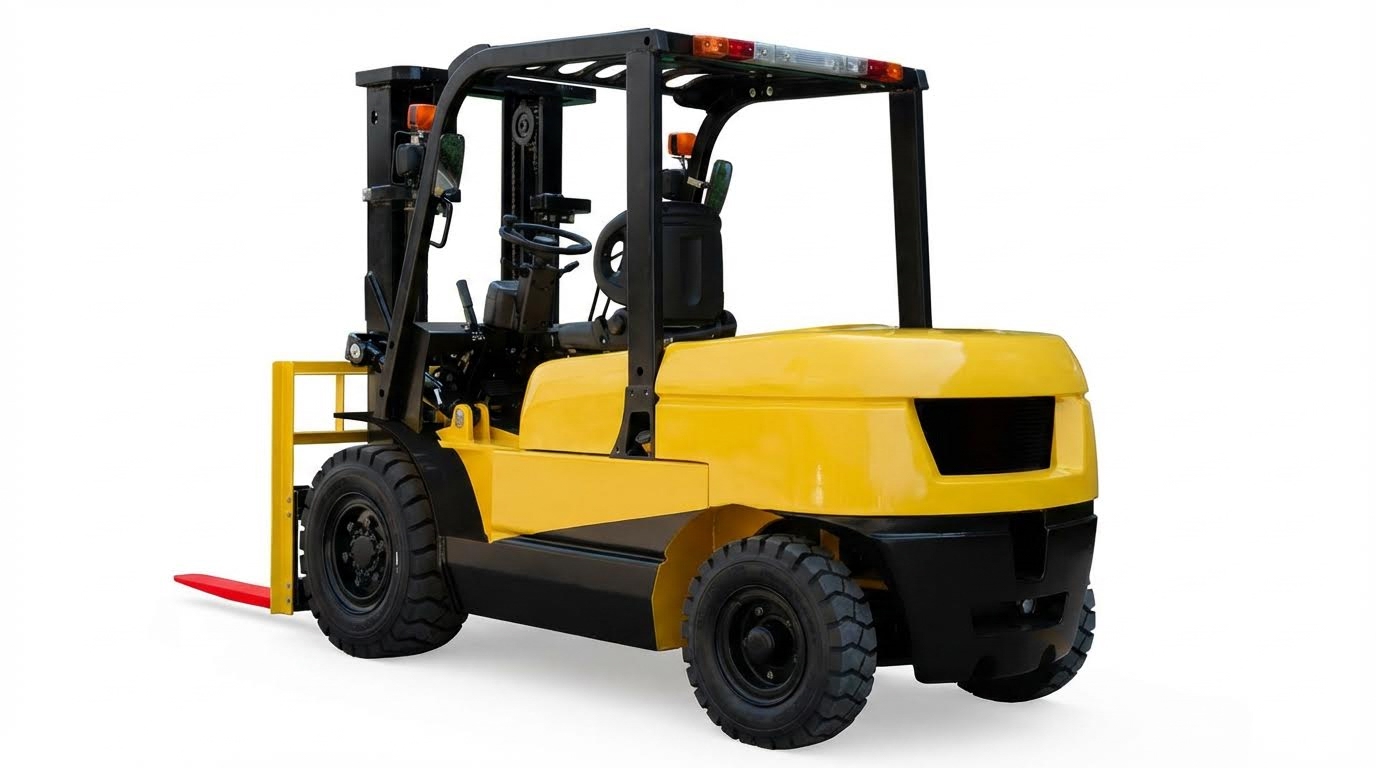
Electric forklift fire and explosion safety design relied on controlling ignition sources, limiting fuel exposure, and managing consequences. Engineers selected truck types (E, ES, EE, EX, DY) based on the classified area and then detailed enclosures, wiring, batteries, and guarding to maintain approvals. Layout decisions for aisles, sprinklers, and detection systems complemented truck design and reduced residual risk. This section described how component-level design and facility integration worked together to meet OSHA, NFPA, UL, FM, and CCOHS expectations.
Enclosures, Surface Temperatures And Spark Control
Enclosure design directly influenced a truck’s fire rating and permitted locations. ES-rated units used additional safeguards such as sealed contactor housings and covered terminals to prevent external arcing and limit surface temperatures. EE-rated trucks enclosed motors, switches, and wiring in housings that prevented the emission of sparks or hot particles into the surrounding atmosphere. EX-rated designs went further and used explosion-proof or flameproof enclosures with certified joints, restricted breathing paths, and defined maximum surface temperatures compatible with the hazardous area class and group.
Designers controlled surface temperatures by specifying derated motors, oversized conductors, and conservative current densities to minimize resistive heating. Thermal cut-outs and temperature sensors monitored windings and enclosures, tripping power before surfaces reached ignition temperatures for relevant gases or dusts. Spark control also covered static electricity; chains or straps dissipated charge, with brass or rubber elements required on EE and EX trucks to avoid steel-on-concrete sparking. All these measures had to remain consistent with the original UL or FM listing so that the truck retained its designated rating in service.
Battery Compartments, Wiring, And Component Selection
Battery compartment design affected both fire risk and explosion protection. Compartments for lead-acid packs provided robust mechanical protection, corrosion-resistant trays, and vent paths that directed hydrogen away from enclosed spaces and ignition sources. For lithium packs, designers used sealed or IP-rated housings, integrated Battery Management Systems (BMS), and thermal insulation to contain faults and limit propagation between cells. Compartment ventilation and temperature monitoring ensured batteries operated within safe ranges, typically 15–25 °C for lithium systems, to avoid accelerated degradation and thermal runaway.
Wiring design followed conservative ampacity ratings and used insulation and sheathing suited to the environmental class. In hazardous locations, cables passed through approved glands and conduit systems that maintained explosion-proof integrity where required. Component selection focused on contactors, fuses, circuit breakers, and connectors certified for the truck’s classification and voltage. Designers located high-energy switching devices away from potential dust accumulation zones and ensured clearances and creepage distances met relevant standards. Replacement parts needed equivalent or higher safety ratings, otherwise the truck’s UL/FM approval and OSHA compliance could be compromised.
Guards, Clearances, And Fire Access In Aisle Design
Physical guarding limited mechanical damage that could create ignition sources. Overhead guards protected operators from falling objects, while load backrests stabilized pallets and reduced the chance of product collapse onto hot components. Guards around battery compartments, motors, and power electronics prevented impact from forks, racking, or debris that might deform housings and expose energized parts. Designers considered impact loads and used materials and fasteners capable of withstanding typical collision energies without breaching enclosures.
Aisle clearances influenced both collision risk and fire response. Layouts preserved fire aisles, access to stairways, and unobstructed routes to extinguishers and hose stations, as required by OSHA and fire codes. Minimum aisle widths allowed safe truck maneuvering without striking racks, sprinklers, or detection devices, which reduced both mechanical and electrical hazard creation. Racking design integrated vertical and horizontal clearances for sprinkler discharge patterns and smoke movement, avoiding obstructions from loads or guards. Facilities used marked fire lanes and no-storage zones so emergency responders could reach affected areas quickly during a battery or equipment fire.
Integration With Sprinklers, Detection And E-Stop
Truck and facility design needed coordinated fire protection systems. Sprinkler layouts accounted for forklift traffic, ensuring heads were protected from impact yet maintained required discharge density over battery charging areas and storage zones. NFPA 855 and related standards guided sprinkler coverage and water supply duration for lithium battery areas, often specifying coverage areas around 230 m² and extended discharge times. Designers grouped batteries with separation distances that allowed sprinkler spray penetration and reduced thermal interaction between racks or cabinets.
Detection systems provided early warning of developing incidents. Smoke detectors or gas detectors near charging stations and battery rooms monitored for hydrogen from lead-acid batteries and combustion products from lithium systems. Placement within a few meters of charge points improved response time. Electric forklifts integrated with facility emergency-stop schemes through clearly marked, accessible E-stop devices that cut power to chargers and, where appropriate, to truck traction circuits. Control circuits and E-stop wiring used fail-safe designs so that damaged or open circuits defaulted to a safe, de-energized state. Together, these measures reduced escalation potential when a fault or fire occurred and supported compliant emergency response procedures.
Battery Charging, Lithium Systems, And Fire Protection
Lead-acid charging stations in industrial facilities required dedicated, segregated areas with non-combustible construction. Designers located these areas away from ignition sources and normal traffic routes. Charging generated hydrogen and oxygen, so ventilation design focused on keeping hydrogen well below 1% by volume, far under the 4% lower explosive limit. Codes such as OSHA 29 CFR 1910.178 and CCOHS guidance specified forced ventilation or high air-change rates in enclosed rooms.
Engineers typically calculated ventilation using worst-case hydrogen evolution at maximum charge rate and assumed ceiling accumulation. Exhaust inlets sat at the highest point, with intake air supplied low in the room to sweep the entire volume. Electrical equipment in charging rooms used explosion-proof or intrinsically safe designs where hydrogen accumulation was possible. Chargers incorporated automatic shutoff and equalization control to limit overcharge and gas generation.
Layouts provided clear working space around each battery, spill containment curbs, and corrosion-resistant floor finishes. Designers specified eyewash and emergency showers near charging areas, with flow rates aligned to national standards. Storage racks and handling equipment supported battery masses with at least 1.5 times safety factor. Facilities used mechanical lifting devices for batteries above 25 kg to avoid manual handling injuries.
Hydrogen detection systems and interlocked ventilation became common in high-density charging rooms. Detectors typically alarmed at 1% hydrogen and increased exhaust flow or shut down chargers. Operational procedures prohibited smoking, open flames, and arc-producing work in charging zones. Periodic inspections verified charger cable integrity, insulation resistance, and torque on terminal connections.
Lithium Battery BMS, Certifications, And Layout Rules
Lithium forklift batteries introduced different risk profiles and required more stringent control of charging and layout. Most industrial systems used lithium iron phosphate (LiFePO₄) chemistry for improved thermal stability and lower fire propagation tendency. A battery management system monitored cell voltages, currents, and temperatures in real time, enforcing limits on charge, discharge, and temperature windows. The BMS disconnected the pack if parameters exceeded safe thresholds, preventing overcharge or deep discharge.
Certifications such as UN 38.3, UL 2580, and IEC 62619 validated resistance to abuse, fire, and electrical faults. Facilities in North America referenced OSHA, NFPA 70, NFPA 855, and CCOHS requirements for stationary and mobile energy storage. Compliance included verified insulation coordination, short-circuit protection, and enclosure impact resistance. Chargers required compatibility with the specific lithium chemistry, with precise voltage limits, for example 3.65 V per LiFePO₄ cell.
Layout rules for lithium systems emphasized separation distances, fire zoning, and structural protection. NFPA 855 and similar guidance specified minimum clearances from combustibles, often at least 1 m, and larger distances for bulk storage. Designers grouped batteries into arrays with aisle space for firefighting access and thermal management. Fire-rated partitions or 2-hour fire walls separated battery rooms from other occupancies.
Charging areas for lithium packs integrated smoke detection within a few metres of charge points and clear signage for Class D fire extinguishers. Designers avoided overhead storage of combustibles above charging bays. Floor plans ensured direct egress routes and no obstruction of fire aisles or emergency equipment. BMS data links to facility monitoring systems enabled early fault detection and maintenance planning.
Thermal Runaway Prevention, Spacing, And Extinction
Thermal runaway prevention relied on a layered approach combining cell chemistry, mechanical design, electronics, and facility controls. LiFePO₄ chemistry reduced exothermic reaction intensity compared with high-nickel chemistries, but did not eliminate risk. Battery packs used robust separators, flame-retardant electrolytes, and reinforced casings to resist puncture and vibration. BMS algorithms limited charge rates at high state of charge and blocked charging at low temperatures to avoid lithium plating.
Spacing between batteries acted as a passive fire barrier and heat sink. Designers used minimum clearances on the order of 1–1.8 m depending on combustibility of surroundings and sprinkler protection. Racks incorporated non-combustible materials and open geometry to promote convective cooling. Thermal imaging inspections identified hot spots or imbalanced cells before they reached critical temperatures around 150 °C where electrolyte venting and ignition became likely.
Extinction strategies differed for lead-acid and lithium systems. Water-based sprinklers effectively controlled surrounding combustibles and cooled structures, and NFPA guidance still favoured sprinklers in battery rooms. However, direct lithium cell fires required Class D agents or dry sand to smother burning material. Water streams could react with exposed lithium and generate hydrogen, so responders followed specialized tactics.
Designers located fire detection and alarm devices close to charging and storage zones for rapid response. Smoke detectors and sometimes heat detectors provided early warning. Facilities maintained clear access for firefighters and pre-planned isolation points to disconnect power. Emergency procedures included evacuation routes, communication protocols, and isolation of affected battery groups via BMS or manual disconnects.
Inspection, Maintenance, And Operator Training Needs
Inspection and maintenance programs underpinned safe battery operation and fire protection. Daily checks verified physical condition, cable routing, connector tightness, and absence of leaks or damage. Weekly or monthly routines included more detailed inspections, such as torque verification on terminals, insulation resistance testing, and evaluation of charger performance. Records documented test values, corrective actions, and component replacements.
For lithium systems, technicians reviewed BMS logs for over-temperature events, imbalance trends, and fault codes. Thermal imaging surveys at monthly or quarterly intervals detected abnormal heating patterns across modules or racks. Facilities replaced batteries that exhibited excessive capacity fade or rising internal resistance, which increased heat generation under load. All replacement parts matched original safety ratings and approvals to preserve UL or FM listings.
Operator training addressed both forklift use and battery-specific hazards. Programs covered hazard classifications, truck ratings, and restrictions on truck use in classified locations. Training for charging operations included correct connection sequences, prohibition of metal jewelry, and recognition of damaged batteries. Operators learned emergency steps for smoke, unusual odours, or visible swelling, including isolation of the truck and notification of supervisors.
Regulations such as OSHA and CCOHS required documented training, periodic evaluations, and refresher courses after incidents or procedural changes. Facilities integrated battery safety content into broader fire safety drills and toolbox talks. Clear procedures, signage, and supervision reinforced correct behaviour in charging and storage areas, reducing the likelihood of ignition events and improving response when anomalies occurred.
Summary Of Compliance, Design Choices, And Best Practice
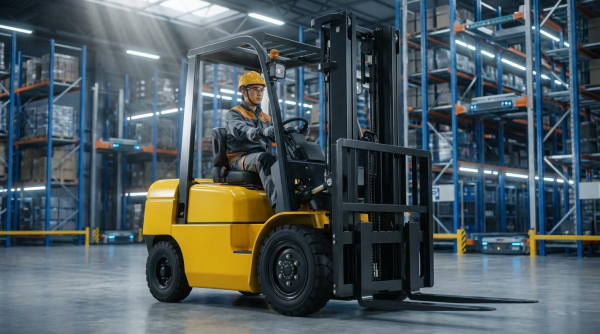
Electric forklift safety and fire protection relied on correct truck classification, compliant batteries, and engineered infrastructure. Facilities minimized risk when they matched E, ES, EE, EX, DY and related truck designations precisely to the hazard class of each area. UL or FM labels, combined with OSHA, NFPA, and CCOHS references, provided the baseline for selecting trucks, designing charging stations, and defining inspection and training regimes.
Designers had to combine enclosure integrity, low surface temperatures, and spark control with robust wiring, guarded battery compartments, and protected aisles. Integration with sprinklers, gas or smoke detection, and clearly located emergency stops created layered protection against both ignition and fire spread. For batteries, compliant lead‑acid charging stations required ventilation sized to hydrogen release, classified electrical equipment, and strict separation from combustibles. Lithium systems added BMS, UL 2580 and UN 38.3 certifications, NFPA 855 spacing rules, and dedicated fire‑rated storage zones.
Best practice balanced operational efficiency with conservative safety margins. This included daily pre‑use inspections, scheduled thermal imaging and load tests, and documented operator training with periodic refresher evaluations. Future trends pointed toward smarter BMS with real‑time telemetry, predictive maintenance using temperature and resistance data, and closer harmonization of OSHA, NFPA, and CCOHS requirements. Facilities that treated truck selection, facility design, and training as a single integrated system achieved the most resilient and compliant electric forklift operations.