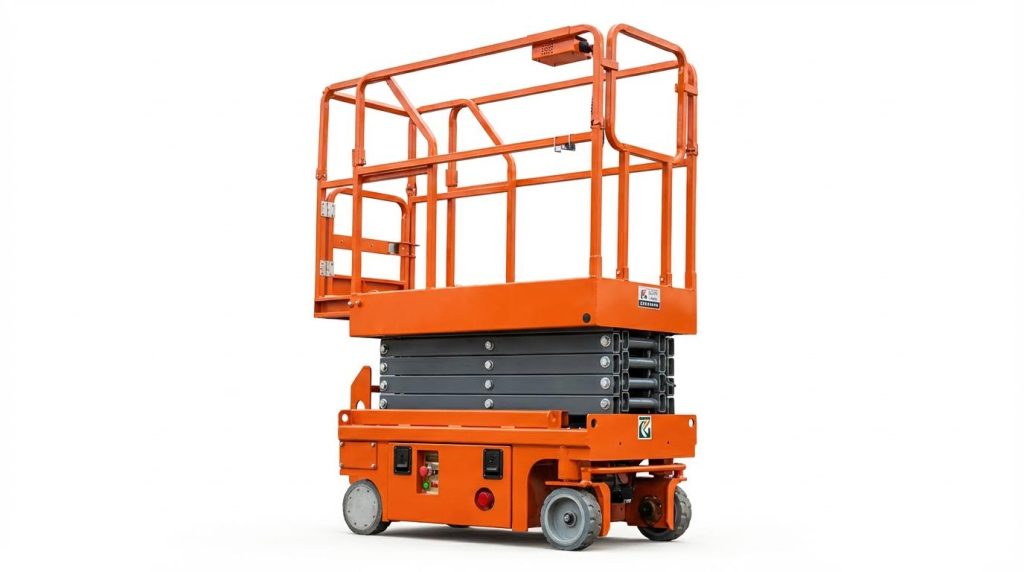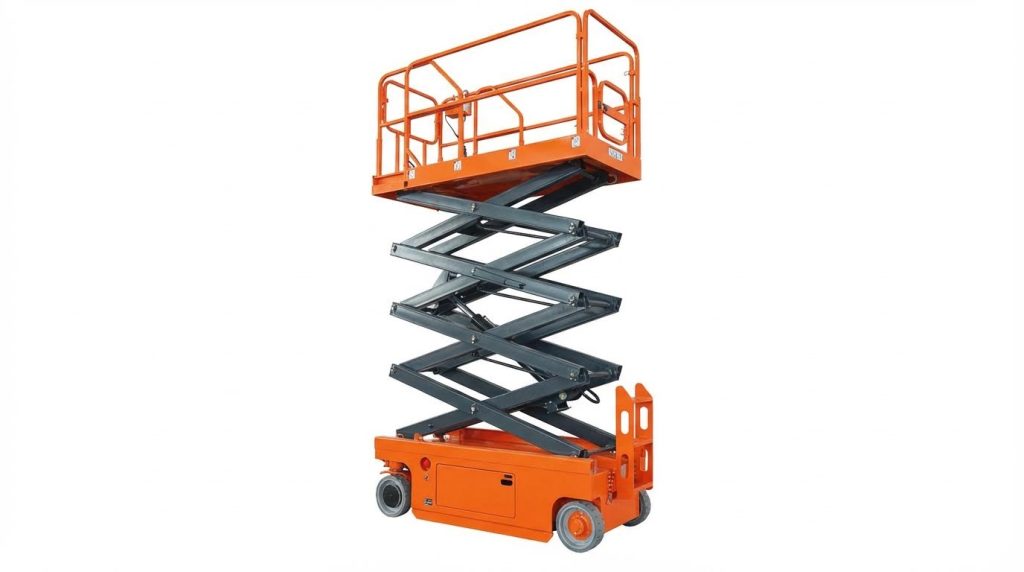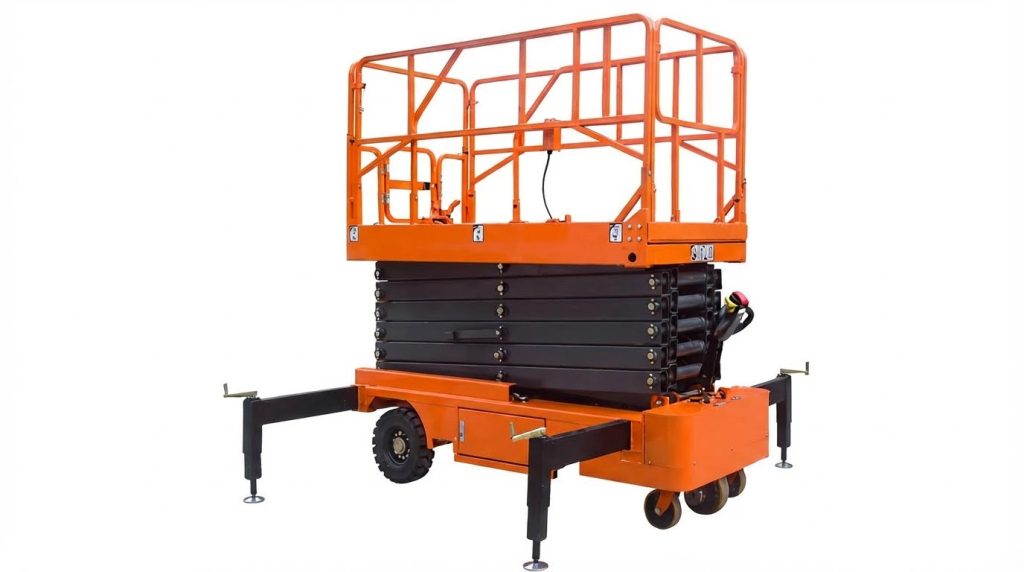
AC-powered scissor lifts combined electrical drives, hydraulic power units, and electronic controls to deliver reliable elevation in industrial and construction environments. Their safe operation depended on matching motor and hydraulic specifications with regional grid voltages, frequencies, and earthing systems across markets such as Mexico, Europe, the USA, and China. Incorrect AC connections created under-voltage, over-voltage, frequency, or phase mismatches, which increased failure risk and threatened CE/UL compliance. Modern designs therefore integrated dual-voltage motors, wide-range contactors, VFDs, certified panels, and diagnostic systems to ensure globally compatible, safe AC power usage.
Electrical Requirements For AC-Powered Scissor Lifts
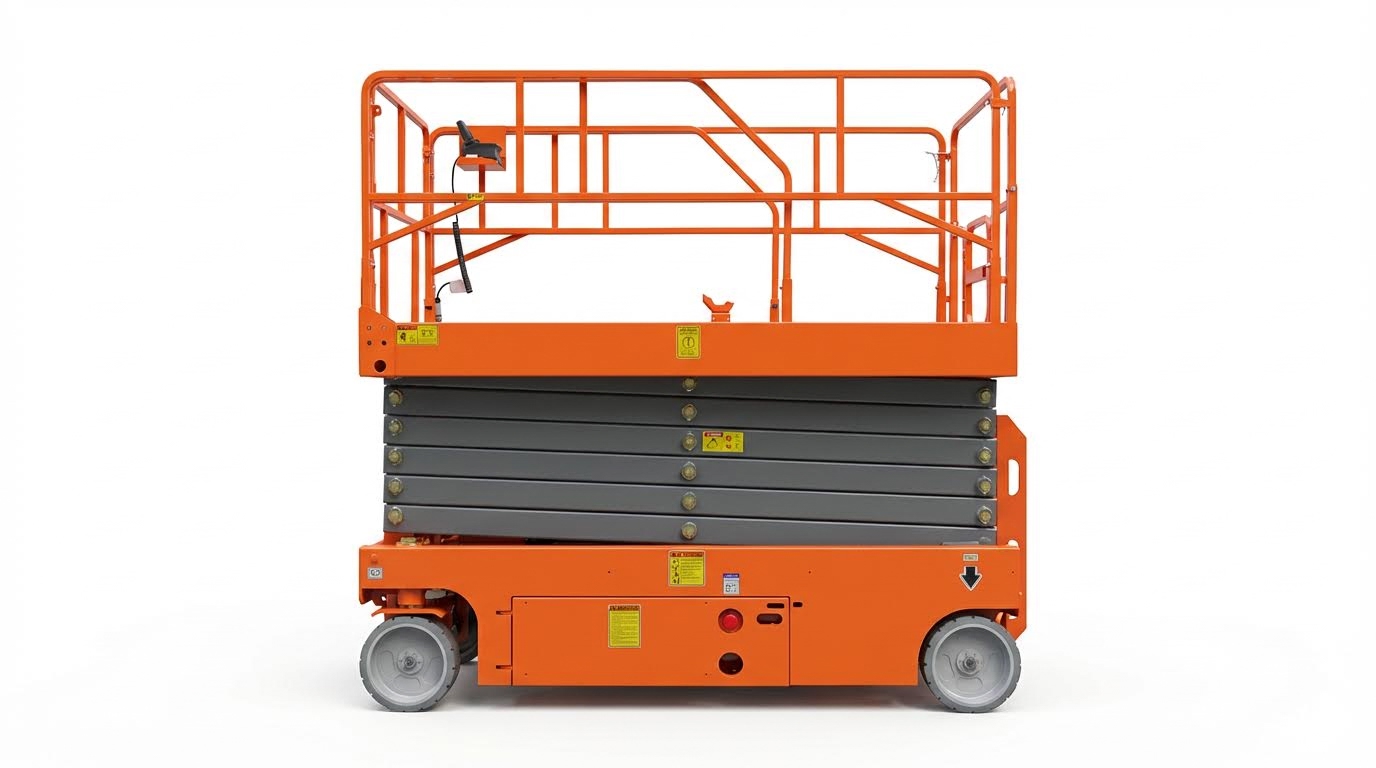
Electrical requirements for AC-powered scissor lifts defined how designers matched motors, hydraulic power units, and site supplies. Correct pairing of voltage, frequency, and protection hardware reduced motor failures and kept CE/UL certifications valid. Engineers also needed to consider regional grids, plug standards, and earthing schemes to ensure plug-and-play deployment. This section focused on practical design envelopes and field-compatible configurations.
Typical AC Motor And Hydraulic Power Unit Specs
Hydraulic power units for scissor lifts typically used squirrel-cage induction motors driving fixed-displacement gear pumps. Common ratings included 1.5 kW at 220 V, 1400 r/min with 2.7 mL/rev displacement and 22 MPa system pressure, and 2.2 kW at 220 V, 2800 r/min with 2.5 mL/rev displacement and 18 MPa system pressure. Higher-capacity units used 3 kW, 380 V motors at 2800 r/min, 2.7 mL/rev displacement, 20 MPa, and 20 L tanks. Designers specified vertical pump mounting, intermittent duty cycles around 1 minute on and 9 minutes off, and oil viscosity between 22–46 mm²/s (ISO 3448, N46 recommended). Filtration at 10–30 µm and oil changes after 100 hours then every 3000 hours limited wear and valve sticking.
Regional Voltages, Frequencies, And Earthing Systems
Electrical design had to match regional supply characteristics for safe operation. In Mexico, typical grids provided single-phase 127 V or 220 V split-phase and three-phase 220 V or 480 V at 60 Hz, with earthing via NEMA 5-15 connectors and TT systems. Europe used single-phase 230 V ±10% and three-phase 400 V ±10% at 50 Hz, with TN-S or TN-C-S earthing, which influenced RCD selection and leakage current limits. The USA supplied 120 V / 240 V split-phase and three-phase 208 V, 240 V, or 480 V at 60 Hz with TN-S and NEMA 6-30 style outlets for higher power loads. China used 220 V ±10% single-phase and 380 V ±10% three-phase at 50 Hz with TN-S or legacy TT earthing, which affected touch-voltage calculations and fault-clearing times.
Plug-And-Play Compatibility By Country And Voltage
Plug-and-play compatibility depended on matching both voltage and frequency to the motor nameplate or to the VFD input range. A 220 V 50 Hz single-phase lift connected directly in Europe and China, while in Mexico it required a 220 V outlet and in the USA it typically used a 240 V branch circuit with tolerance checks. A 220 V 60 Hz single-phase design fit directly in Mexico, the USA, and China; in Europe engineers had to confirm 60 Hz motor tolerance or use a VFD. Three-phase 380 V 50 Hz units connected directly in Europe and China but required a transformer or VFD in Mexico and the USA. Conversely, 480 V 60 Hz three-phase lifts connected directly to industrial supplies in Mexico and the USA, but needed conversion equipment in Europe and China. Designers therefore often preferred wide-range VFD inputs (200–480 V, 50/60 Hz) to simplify global deployment.
Breaker Sizing, Wiring, And Protection For 3 kW Drives
For a 3 kW hydraulic power unit, breaker sizing and wiring cross-section followed regional standards and motor full-load current. In Mexico, a 3 kW motor at 220 V three-phase typically used a 20 A breaker at 60 Hz, while in the USA a comparable 240 V three-phase circuit used a 15 A breaker according to local practice. Europe and China used 16 A breakers at 400 V or 380 V three-phase respectively for 3 kW drives, coordinated with type C or D curves to tolerate inrush. Undersized breakers or low supply voltage caused high current draw, nuisance tripping, or thermal cut-out near 85 °C, while oversizing reduced protection against short circuits. Engineers also coordinated cable size, earthing conductors, and motor overload relays with the breaker to comply with CE, UL, or CSA panel requirements and ensure safe fault clearing.
Avoiding Damage From Incorrect AC Power Connections
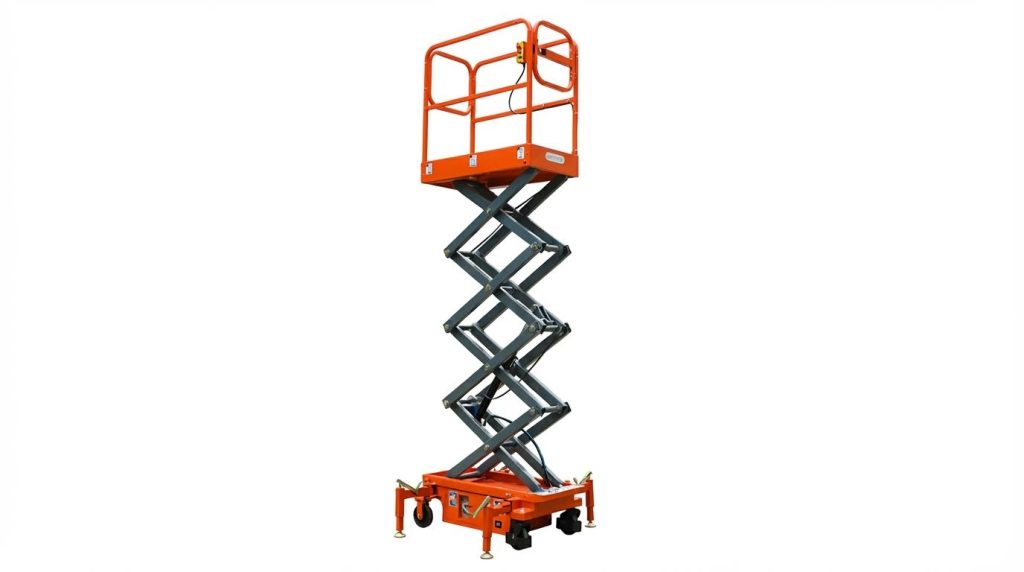
Incorrect AC connections damaged motors, controls, and certifications on scissor lifts. Engineers reduced these failures by treating supply compatibility as a design and commissioning task, not a field improvisation. This section focused on how voltage, frequency, and phase errors translated into thermal stress, torque loss, and control malfunctions. It also outlined practical tools like nameplate checks, structured site surveys, and conversion equipment selection.
Under-Voltage, Over-Voltage, And Frequency Mismatch Risks
Under-voltage forced AC motors to draw higher current to maintain torque. For example, a 2.2 kW, 230 V motor running on 127 V drew about 17 A and tripped breakers or thermal protection near 85 °C. Persistent undervoltage caused winding insulation fatigue and contactor pitting due to repeated restarts. Over-voltage created different hazards such as contactor chatter and premature coil failure; a 230 V lift tied to a 277 V line burned a coil within 11 days. Frequency mismatch added mechanical and thermal stress: operating a 50 Hz motor at 60 Hz increased mechanical stress by about 44%, while running 60 Hz motors at 50 Hz risked oil starvation in hydraulic power units due to reduced cooling and altered pump characteristics.
Phase Mismatch, Torque Loss, And Motor Stalling
Phase configuration errors directly affected starting capability and torque. Single-phase motors did not self-start on three-phase supplies without correct auxiliary circuitry, so the lift either failed to move or repeatedly tripped protection. Three-phase 380 V motors supplied from 220 V three-phase experienced torque reductions of roughly 65%, which caused scissor lifts to stall while raising loads or during ramp starts. Such stalls increased current draw, overheated windings, and sometimes damaged hydraulic pumps due to repeated pressure spikes. A 3 kW drive connected to the wrong voltage could stall in less than 30 s, voiding CE or UL compliance because the installation no longer matched the certified configuration. These failures often manifested as nuisance trips, slow lift speeds, or inability to reach full platform height under rated load.
Nameplate Reading And Three-Step Voltage Checklist
Systematic nameplate reading minimized compatibility errors. Technicians first recorded motor and panel data such as voltage range, frequency, phase, full-load current, and enclosure rating, and they captured photos before shipping or installation. The second step mapped this data to the site supply: breaker rating and curve, socket type such as NEMA 6-30 or CEE 32 A, and earthing system such as TN-S or TT, which was critical for fault-clearing and EMC compliance. The final step involved budgeting and planning for any conversion gear instead of improvising on site. This structured three-step checklist reduced miswiring, avoided oversizing or undersizing breakers, and preserved CE and UL 508A panel certifications by ensuring that the installed configuration matched tested conditions.
When To Use Transformers, VFDs, And Conversion Gear
Conversion equipment allowed one lift design to operate safely across multiple grid standards. Engineers selected transformers when only voltage magnitude differed, for example using a 5 kVA 220→110 V transformer at an approximate landed cost of US $300 to feed a lower-voltage control circuit. Variable Frequency Drives were preferred when both phase and voltage conversion were required, such as 220 V single-phase to 380 V three-phase for a 3 kW hydraulic power unit; a 4 kW VFD cost about US $450 landed. Wide-range VFDs that accepted 200–480 V, single- or three-phase, simplified global compatibility and provided soft-start and motor protection. Procurement teams also considered customs duty, for example HTS 8428.90.00 with 0% duty for non-China origin and +25% for China origin, because this altered the true landed cost of conversion solutions.
Integrating AC Power With Lift Controls And Safety Systems
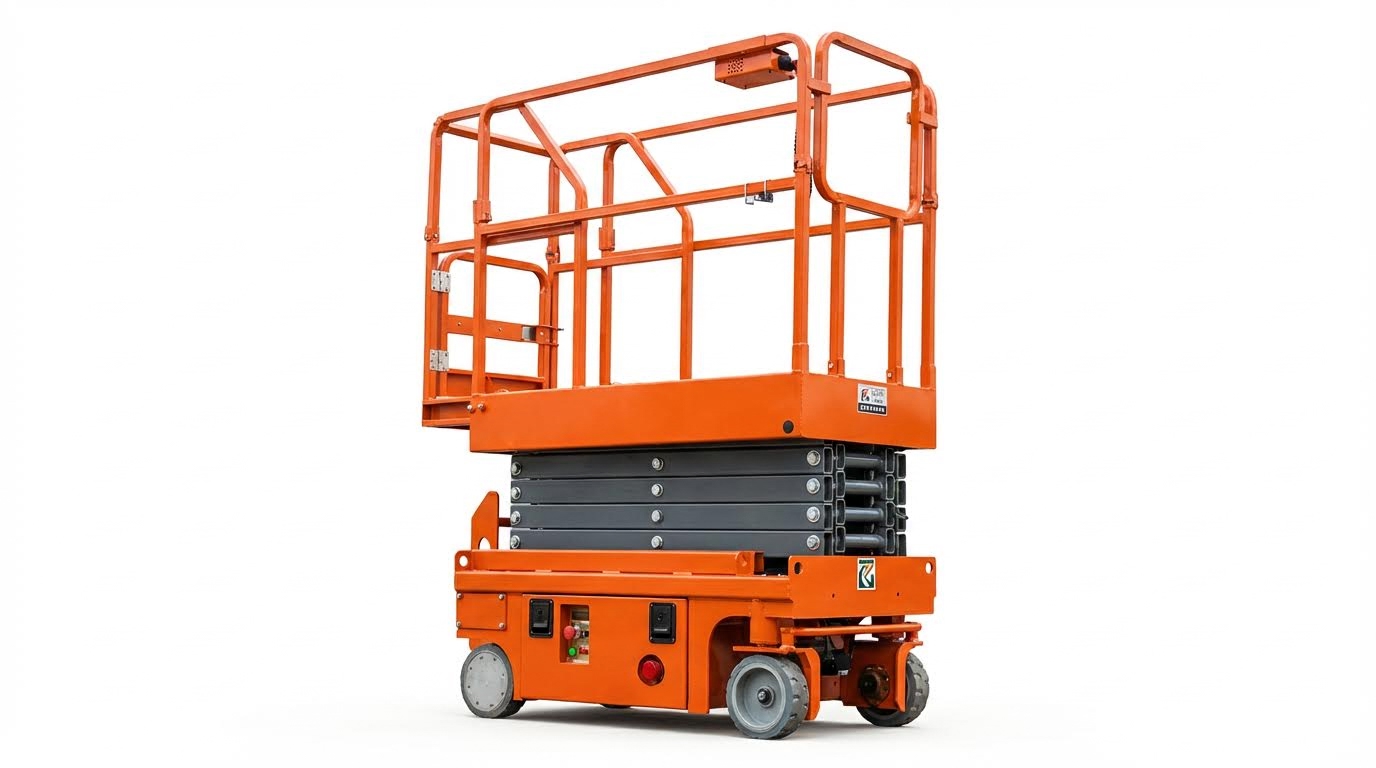
AC power integration in scissor lifts linked the hydraulic power unit, control electronics, and safety interlocks into one coordinated system. Designers balanced global voltage compatibility with strict CE, UL, and CSA requirements. Modern lifts used dual-voltage motors, wide-range contactors, and VFDs to handle regional differences while protecting operators and equipment.
Dual-Voltage Motors, Wide-Range Contactors, And VFD Options
Modern scissor lifts used dual-voltage motors rated for 208–240 V and 50/60 Hz to simplify global deployment. Terminal links on the motor allowed series or parallel winding configurations, matching local supply without rewinding. Wide-range contactors with 110–240 V coils tolerated common facility control voltages and reduced nuisance failures from moderate overvoltage. Designers increasingly specified VFDs that accepted 200–480 V single- or three-phase inputs and automatically adjusted output frequency. These VFDs mitigated frequency mismatch, controlled inrush current, and provided soft start, which reduced mechanical shock to the hydraulic pump and extended component life. Integrating motor, contactor, and VFD selection into one design package reduced field wiring errors and improved nameplate clarity.
CE/UL Panel Compliance, Earthing, And Fault Protection
Control panels for AC-powered lifts followed CE and UL 508A requirements for creepage distances, short-circuit ratings, and protective device coordination. Dual-certified panels allowed the same design to ship into Europe and North America without redesigning the enclosure. Earthing schemes matched regional practice, such as TN-S or TN-C-S in Europe and NEMA-style grounded systems in North America and Mexico. Designers sized breakers to match motor full-load current and local norms, for example 16 A at 400 V three-phase in Europe or 15 A at 240 V in the USA for a 3 kW motor. Residual current or ground-fault protection improved safety for indoor electric lifts operating on damp floors. Clear labeling of earthing points and protective device settings helped maintenance staff verify compliance during periodic inspections.
AC Input For Onboard Chargers And Battery Management
Electric scissor lifts often used onboard chargers that accepted standard AC inputs, typically 120–240 V depending on market. Manufacturers specified that operators connect only to outlets matching the charger nameplate voltage to avoid overheating or coil failure. Skyjack and Genie lifts used dedicated AC interlock or input connectors that prevented machine operation while charging and ensured safe isolation. Battery management relied on correct charge profiles and full overnight charging rather than short opportunity charges, which shortened battery life. Operators checked electrolyte levels and used appropriate PPE when servicing wet batteries before connecting AC power. Battery-level indicators on the platform or ground controls signaled when low charge required removing the lift from service to protect both batteries and power electronics.
Predictive Maintenance, Sensors, And Digital Diagnostics
AC integration extended beyond power delivery into sensors and digital diagnostics. Controllers monitored supply voltage, current draw, and fault codes to detect under-voltage, over-voltage, or phase issues before serious damage occurred. Software stored error histories such as O2 failures, drive faults, or abnormal sensor alarms, supporting predictive maintenance. Technicians used these logs to inspect wiring harnesses, PCU connectors, and motor components like brushes and slip rings when unstable performance appeared. Level and overload sensors fed into safety logic, preventing platform movement on excessive slope or with loads above the rated capacity. Incorrect software updates or parameter changes sometimes caused abnormal behavior, so maintenance procedures included verifying controller settings against original specifications. This closed loop between AC power quality, sensing, and diagnostics improved uptime and reduced unplanned motor or contactor failures.
Summary: Safe, Compliant AC Power For Scissor Lifts
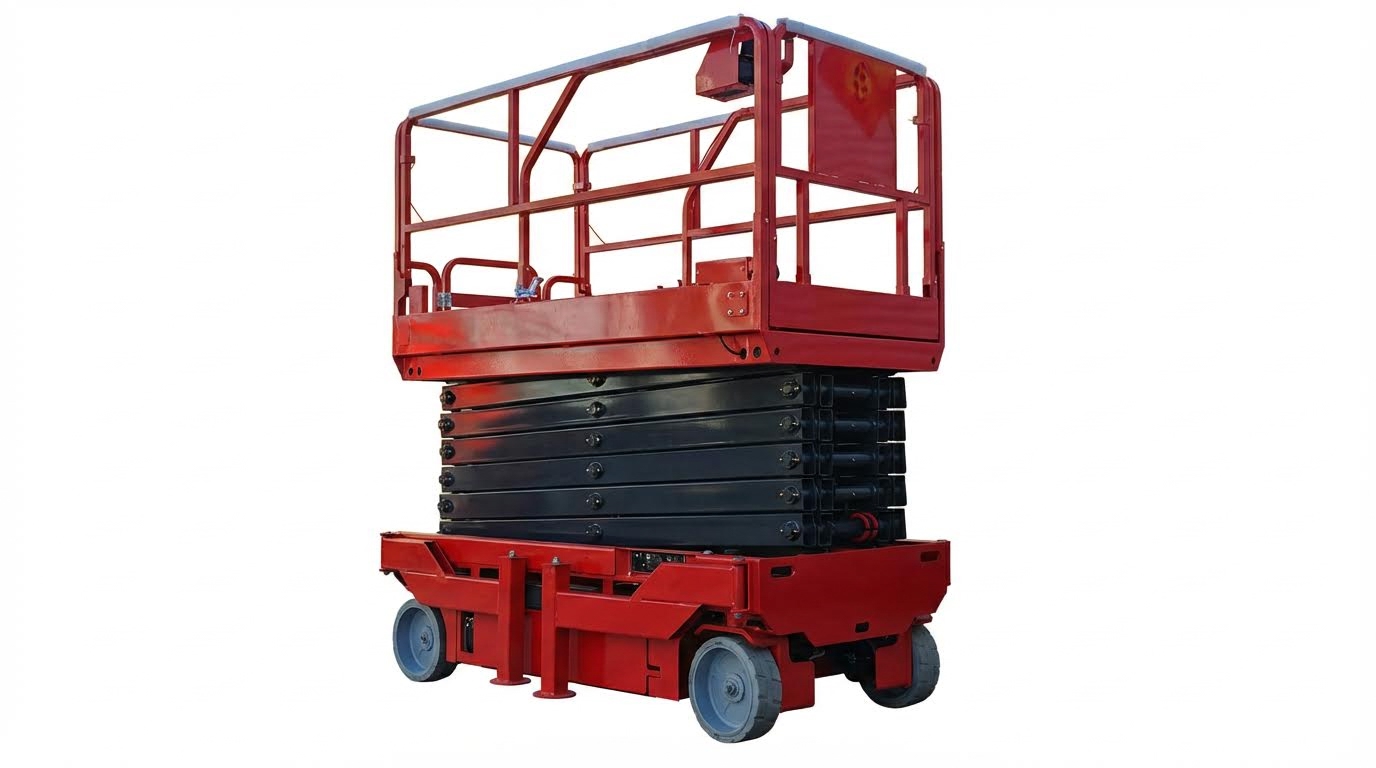
AC-powered scissor lifts relied on correctly matched voltage, frequency, and phase to avoid rapid motor damage and certification issues. Field data showed that misapplication, such as feeding 230 V equipment from 277 V or running 50 Hz motors at 60 Hz without verification, caused coil failures, overheating, stalling within 30 seconds, and loss of CE or UL validity. Regional grids in Mexico, Europe, the USA, and China used distinct voltage, frequency, and earthing combinations, so engineers needed to cross-check nameplates against site supplies and select breakers, cables, and plugs accordingly. Hydraulic power units typically operated at 220 V or 380 V with 1.5–3 kW motors, which required correct breaker curves, 50/60 Hz compatibility, and adherence to hydraulic oil, filtration, and duty-cycle limits.
From an industry perspective, demand for scissor lifts increased as EV assembly lines and low-ride-height vehicles expanded, driving more installations into mixed global fleets. Manufacturers responded with dual-voltage motors, wide-range contactors, VFD-ready inputs, and CE/UL 508A dual-certified panels that tolerated 200–480 V and 50/60 Hz, reducing the need for site-specific redesigns. Future designs were likely to integrate smarter diagnostics, including sensor-based monitoring of voltage sag, phase loss, and thermal stress, feeding into predictive maintenance platforms.
In practice, safe deployment depended on a disciplined three-step process: reading and documenting the motor and panel nameplates, mapping that data to local breakers, sockets, and earthing systems, and budgeting for transformers or VFDs when a direct match did not exist. Engineers needed to consider not only motor torque and starting current, but also charger input ratings, onboard electronics, and fault-clearing coordination to avoid nuisance trips or undetected faults. A balanced approach combined conservative electrical design, compliant panels, and robust hydraulic practices, while leveraging modern multi-voltage hardware to keep fleets interchangeable across regions without sacrificing safety or regulatory compliance.