Warehouse pick rate optimization required an integrated engineering approach that combined layout, process, labor, and automation design. This article examined how to engineer the warehouse for high pick rates, from slotting rules and compact storage to clear separation of picking, returns, and buffer zones. It then explored process design and labor optimization, including warehouse order picker methods, lean pick paths, KPI frameworks, and human-factor levers such as training, ergonomics, safety, and gamification. Finally, it analyzed how WMS-centric automation, real-time data, AI, dynamic clustering, and GPU-accelerated routing created a strategic roadmap for sustained pick rate gains in high-throughput operations.
Engineering The Warehouse For High Pick Rates
Engineering a warehouse for high pick rates required a coordinated approach to layout, storage policy, and flow control. High-throughput facilities minimized non-value-adding travel, concentrated fast movers, and decoupled conflicting flows such as returns and picking. Modern designs combined physical reconfiguration with digital control through warehouse management software to maintain performance under volatile demand. The following sections detailed the core engineering levers at layout and storage level.
Layout Design To Minimize Picker Travel
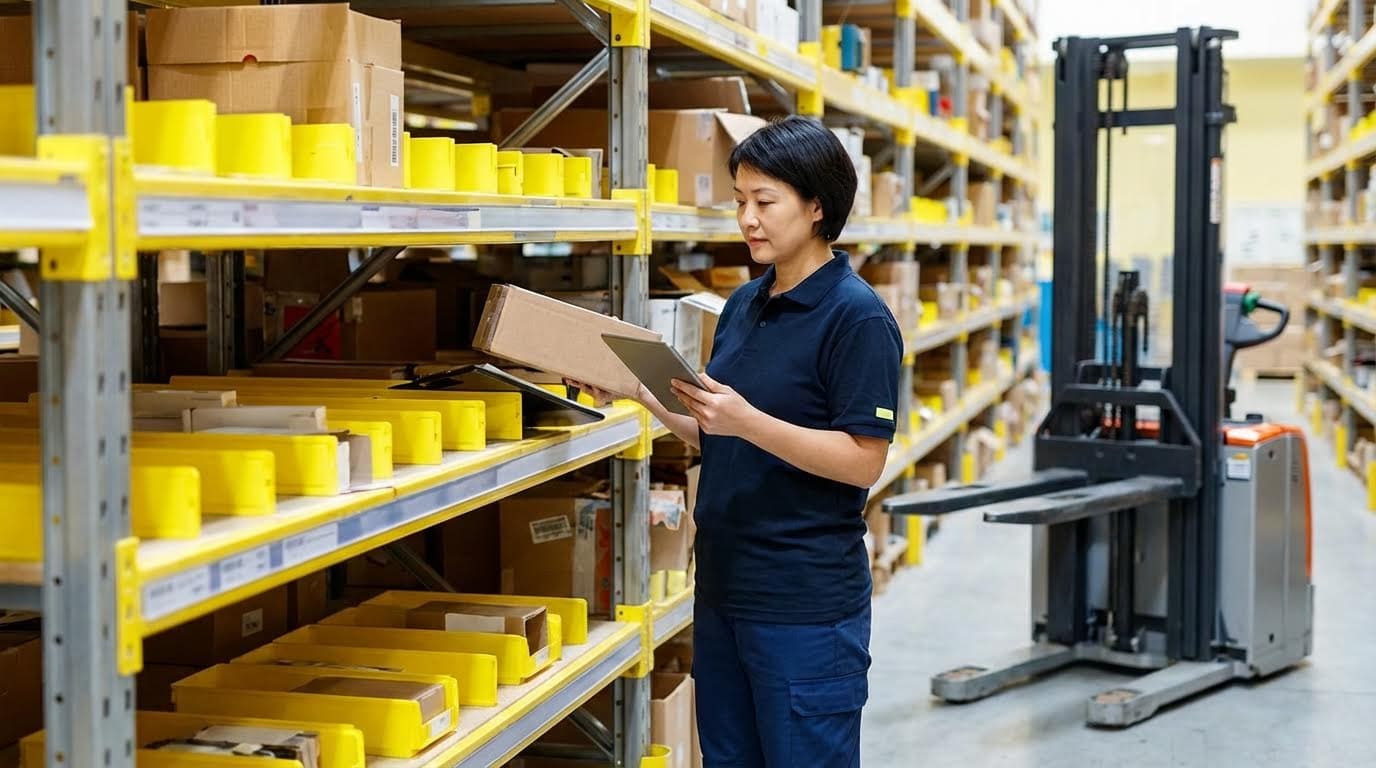
Layout design for high pick rates focused on reducing average travel distance per line picked. Engineers placed high-demand SKUs closest to packing and consolidation zones, typically in ground-level pick faces along primary aisles. Aisle width supported bidirectional traffic with walkie pallet truck while limiting dead space, usually between 2.4 m and 3.6 m depending on equipment envelope. Designers organized zones by product family, size, and handling characteristics to simplify navigation and reduce decision points. Warehouse management software or route optimization modules generated pick paths that followed predefined patterns, such as serpentine or U-shaped routes, to avoid backtracking. Real-time data from Labor Management Systems highlighted congestion points, enabling iterative re-layout or slotting changes to balance picker density across zones.
Slotting Rules Based On Demand And Co-Ordering
Efficient slotting rules determined where each SKU should reside based on demand frequency and co-ordering patterns. Engineers classified SKUs into velocity classes, often A, B, and C, using historical order lines per period, then assigned A-items to ergonomically optimal positions between knee and shoulder height. Co-ordered items, identified through order history correlation analysis, were placed in proximity to reduce multi-line order travel. Warehouse management software periodically recalculated slotting recommendations, accounting for seasonality and promotional peaks, and proposed relocations to maintain alignment with current demand. Advanced operations integrated predictive analytics that forecasted demand shifts and adjusted slotting before peaks occurred. This continuous slotting approach reduced picker travel, lowered error risk, and stabilized pick rates despite changing order profiles.
Separating Picking, Returns, And Buffer Zones
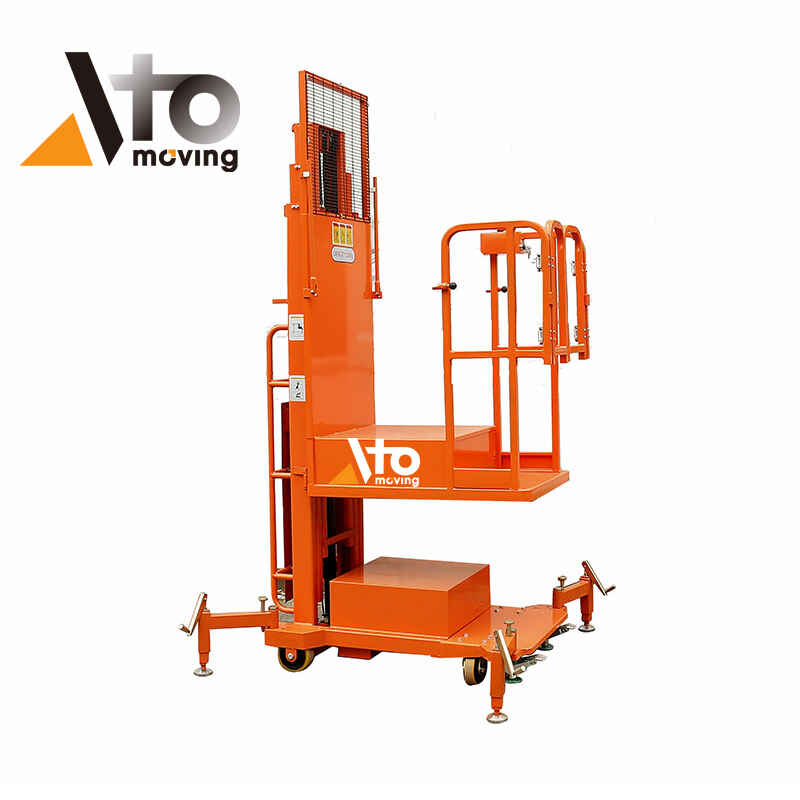
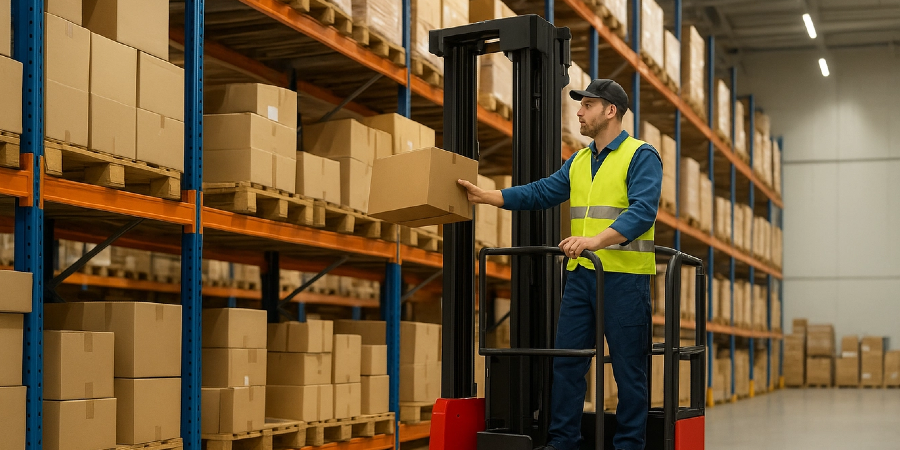
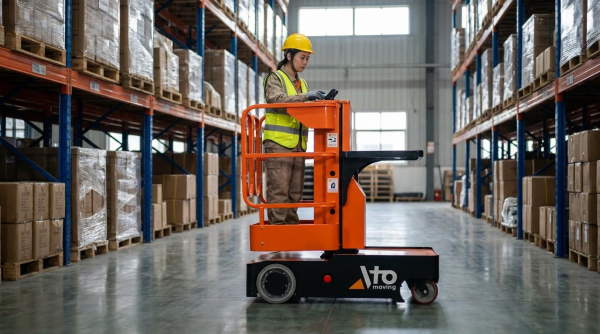
Separating picking, returns, and buffer zones prevented flow interference that reduced pick rates. Returns areas handled inspection, quality checks, and rework, which introduced variability and dwell time not compatible with high-speed picking aisles. By isolating returns, engineers avoided uncontrolled backfeeding of stock to pick faces and reduced the risk of inventory discrepancies. Buffer or staging zones near docks decoupled inbound receipt and outbound shipping from active picking, smoothing short-term fluctuations in workload. Clear physical boundaries, signposting, and dedicated semi electric order picker paths minimized cross-traffic between pickers, receivers, and returns staff. Warehouse management software controlled stock status transitions, ensuring that only verified and system-confirmed units re-entered pickable inventory, which supported accurate availability and reduced re-picks.
Compact Storage To Expand Active Pick Area
Compact storage solutions increased space utilization, allowing a larger proportion of the footprint to function as active pick area. Engineers deployed high-density systems such as carton flow racks for small and medium cartons, which provided gravity-fed replenishment from the rear and separated replenishment from front picking activity. Pallet flow or drive-in configurations supported pallet-level picking where SKU homogeneity per pallet was high. By compressing reserve storage vertically and in depth, facilities freed floor area for additional pick faces, more pick stations, or wider travel corridors that reduced congestion. Compact storage inherently shortened reach distances and improved picker ergonomics, which supported sustained high pick rates. Design teams validated fire protection, egress, and racking compliance with relevant standards such as EN or NFPA codes when increasing density, ensuring that throughput gains did not compromise safety or regulatory conformity.
Process Design, Methods, And Labor Optimization
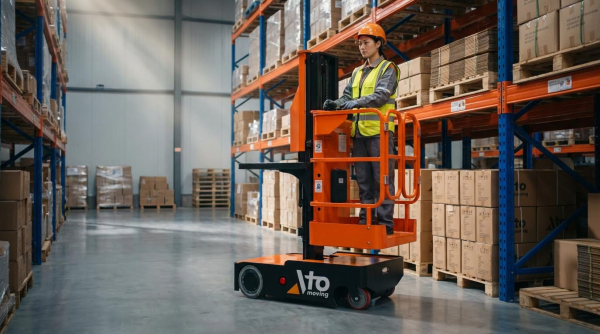
Process design determined how effectively an engineered layout translated into realized pick rates. Warehouses that standardized methods, aligned labor models, and embedded continuous improvement consistently achieved lower unit costs and higher service levels. This section examined picking method selection, path design, KPI structures, and human-factor levers that sustained high-throughput operations.
Choosing Discrete, Batch, Wave, And Zone Picking
Engineers selected picking methods based on order profile, SKU count, and service commitments. Discrete (order-by-order) picking suited low-volume or high-urgency environments where simplicity and traceability outweighed travel inefficiency. Batch picking grouped multiple orders with overlapping SKUs, which reduced walk distance and paired well with WMS-driven cart or tote assignment logic. Wave and zone picking coordinated release timing and spatial segmentation, smoothing workload, limiting congestion, and enabling parallel picking across areas with synchronized pack-out.
High-volume e-commerce facilities often combined methods, for example batch picking within zones and wave-based order release. Real-time Distribution Software and similar systems orchestrated wave rules, cartonization, and cart assignment to cut walk time by up to 50%. Engineers validated method selection using historical order data, simulating walk distance, touches per line, and labor utilization under alternative strategies. The chosen mix then fed into labor standards and staffing models.
Pick Path Design And Lean Waste Elimination
Pick path design directly impacted travel time, congestion, and error exposure. WMS and Labor Management System modules configured optimal routes using fixed or dynamic pathing, typically enforcing one-way aisles, serpentine patterns, or zone-first logic. Engineers used slotting data and heat maps to minimize backtracking and decision points, especially in high-SKU pick modules. Automated order release logic sequenced stops to reduce deadheading and avoid high-traffic intersections.
Lean principles targeted classic wastes: over-travel, waiting, over-processing, motion, and defects. Data from RF or voice systems highlighted bottlenecks, such as chronic queuing at specific aisles or pack stations. Process redesign removed non-value-adding touches, for example eliminating manual paperwork via digital pick lists and scan-weigh-vision audits. Continuous improvement loops used time studies and path analytics to iteratively shorten routes and rebalance zones.
KPI Framework: Pick Rate, Accuracy, And Cycle Time
A robust KPI framework linked warehouse operations to service and cost objectives. Core indicators included lines picked per labor hour, order accuracy percentage, internal order cycle time, backorder rate, and rework due to picking errors. WMS and RDS-style systems captured scan events in real time, enabling dashboards that showed throughput by zone, shift, and picker. Advanced implementations integrated these metrics with ERP to align operational performance with commercial promises.
Engineers defined KPI targets by benchmarking current performance and modeling demand growth scenarios. Automated analytics identified variance by SKU family, storage type, or picking method, exposing structural issues instead of blaming individuals. Labor Management Systems converted KPIs into engineered standards, considering travel distance, picks per stop, and equipment used. This supported fair performance management while highlighting where layout, slotting, or automation, not workers, constrained pick rate.
Training, Ergonomics, Safety, And Gamification
High pick rates depended on trained, healthy, and engaged operators. Structured onboarding familiarized staff with storage systems, handling equipment, signage, and WMS workflows, including how slotting changes affected routes. Refresher training addressed new technologies such as voice headsets, pick-to-light displays, or RF scanners, which historically delivered 10–35% productivity gains over paper-based methods. Clear communication of process rationales improved compliance and reduced workarounds.
Ergonomic design reduced fatigue and injury risk, preserving productivity over long shifts. Engineers positioned fast movers at waist-to-shoulder height, limited lift weights per standards, and provided adjustable workstations at pack and kitting areas. Good lighting, signposting, and housekeeping minimized mispicks and accidents, especially in manual zones. Some operations layered gamification on top of safety and ergonomics, using dashboards, contests, and recognition to boost engagement and sustain high, yet safe, pick performance.
Automation, Data, And Advanced Optimization
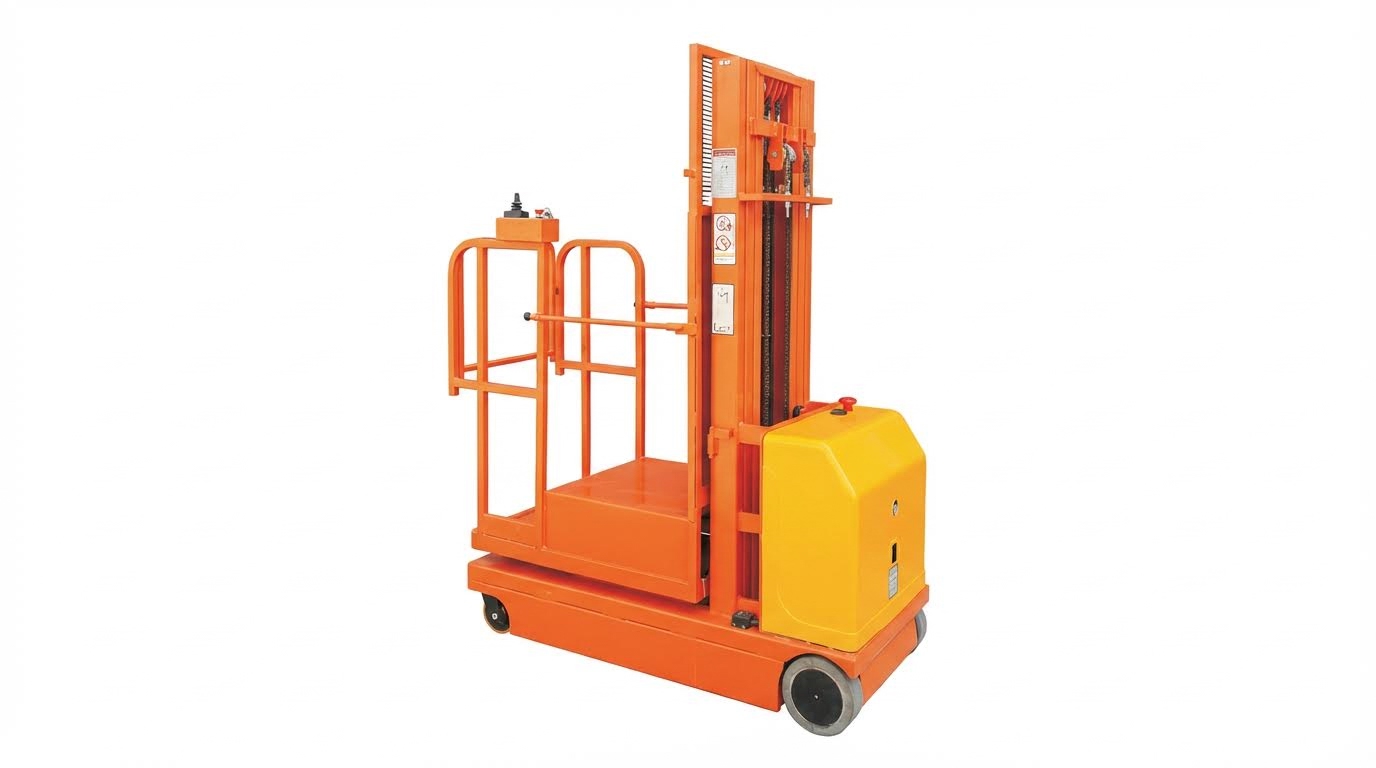
Automation, data, and advanced optimization technologies transformed warehouse picking from manual, error-prone work into a highly engineered flow. This section focuses on how software, assistance systems, and algorithms interacted to raise pick rates while preserving accuracy. It links execution systems, human–machine interfaces, and advanced analytics into a single technical framework. The goal is to show how to stack these layers progressively rather than deploy isolated tools.
WMS, RDS, And Labor Management System Integration
Warehouse Management Systems (WMS) provided the digital backbone for inventory control and order orchestration. Integrated Real-time Distribution Software (RDS) or Warehouse Execution/Control Systems coordinated order release, task interleaving, and equipment commands in real time. When engineers linked WMS and RDS with Labor Management Systems (LMS), they obtained granular visibility of pick productivity, utilization, and bottlenecks. Two-way integration with ERP ensured automatic order import, inventory updates, and feedback of shipping confirmations without manual data entry.
Technically, the WMS defined slotting rules, picking strategies, and wave or batch formation logic, while RDS sequenced work to automation assets such as conveyors, sorters, or AMRs. LMS modules analyzed historical pick times, travel distances, and idle periods to generate engineered labor standards. These systems supported dashboards that monitored pick rate, order accuracy, and internal order cycle time in real time. Properly tuned, integrated stacks reduced walk time, balanced workloads across zones, and stabilized throughput under demand variability.
Pick-To-Light, Voice, Goods-To-Person, And AMRs
Pick-to-light and put-to-light systems used location LEDs and confirmation buttons to replace paper lists, which increased speed and reduced visual search time. Voice-directed picking used wearable computers and headsets to deliver instructions and capture confirmations hands-free, which historically delivered 20–35% productivity gains over RF scanning alone. Both technologies reduced cognitive load by presenting one unambiguous next action, which decreased mispicks in dense pick faces. Engineers selected between light and voice based on SKU density, line complexity, and required flexibility.
Goods-to-person (GTP) systems inverted the traditional paradigm by moving totes, cartons, or pallets to stationary operators via AS/RS, shuttles, or robotic walls. This approach minimized walking and allowed ergonomic, high-speed pick stations that routinely exceeded 250–300 line picks per hour. Autonomous Mobile Robots (AMRs) further automated internal transport, supporting batch cart picking and mixed-case pick-to-pallet flows. Advanced AMR fleets could carry dozens of orders per mission, while software optimized their missions to cut total travel distance and congestion.
AI, Predictive Analytics, And Digital Twins
AI and predictive analytics used historical orders, SKU demand profiles, and seasonality to anticipate workload and adapt warehouse configuration. Algorithms forecasted peaks, recommended slotting changes, and proposed adjustments to picking strategies such as switching from discrete to batch picking during high volume. Data models also detected error patterns tied to specific SKUs, locations, or operators, which guided targeted training and layout corrections. Reducing manual data entry and using automatic capture technologies improved data quality and model reliability.
Digital twins extended these capabilities by creating virtual replicas of warehouse layouts, material flows, and control logic. Engineers used them to simulate new routing rules, automation deployments, and wave release policies before physical implementation. By running what-if scenarios, planners evaluated trade-offs between pick rate, congestion, and labor utilization. Combined with real-time telemetry from WMS, RDS, and LMS, digital twins supported continuous optimization rather than one-off redesign projects.
Dynamic Clustering And GPU-Accelerated Route Optimization
Dynamic clustering techniques grouped orders and SKUs based on co-ordering patterns and spatial proximity to reduce long-term travel distances. A 2025 framework applied unsupervised clustering to compact order regions and iteratively resorted storage locations toward cluster centers. Over iterations, cluster separation increased and variance decreased for stable demand patterns, which shortened typical pick tours. Even under noisy order profiles, clustering still produced measurable gains, demonstrating robustness for real operations.
Route optimization for clustered picks resembled a traveling salesman problem and remained computationally intensive at scale. Engineers therefore used GPU-accelerated implementations of algorithms such as Bellman-Ford to evaluate route segments in parallel. Segmentation strategies divided large routing graphs into subproblems that fit GPU memory limits while preserving near-optimal paths. Numerical experiments showed substantial reductions in total picking distance and up to roughly 80% capacity increase after extensive iterations. Large e-commerce operators validated similar approaches by applying GPU-based routing and stochastic modeling to robotic picking fleets in live fulfillment centers.
Summary And Strategic Roadmap For Pick Rate Gains
Warehouse pick rate optimization required a coordinated approach across facility design, processes, technology, and analytics. Engineering the warehouse for high pick rates meant minimizing travel through optimized layouts, demand-based slotting, and clear separation of picking, returns, and buffer zones while using compact storage to enlarge the active pick face. Process and labor design then defined how work flowed: choosing appropriate picking methods, engineering pick paths, applying Lean principles to remove non-value movements, and governing performance using KPIs such as lines per hour, order accuracy, and internal order cycle time. Training, ergonomics, safety, and engagement practices sustained these gains at the operator level.
Digitization and automation formed the second pillar. Integrated WMS, real-time distribution software, and Labor Management Systems orchestrated orders, labor, and equipment, while pick-to-light, voice, goods-to-person systems, AMRs, and AS/RS raised throughput and reduced errors. Data analytics, AI, and digital twins enabled predictive slotting, demand forecasting, and continuous process tuning. Dynamic clustering and GPU-accelerated routing, as demonstrated in recent research and large-scale e-commerce operations, showed that near-optimal pick paths and storage policies were achievable in real time, even under stochastic demand.
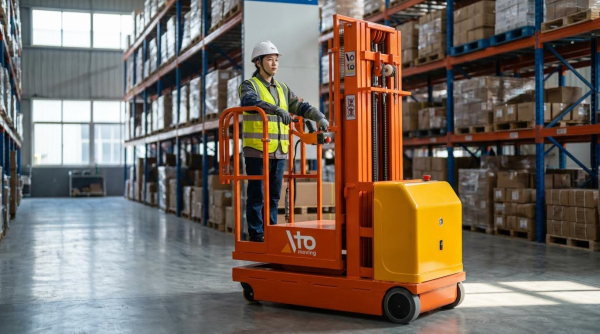
A practical roadmap starts with baseline measurement and layout review, followed by quick-win process changes and WMS configuration, then progressive deployment of warehouse order picker technologies and transport automation. Subsequent phases introduce advanced analytics, clustering, and GPU-based routing where order volumes and complexity justify the investment. Over time, periodic reviews of KPIs, slotting rules, and routing performance keep the system aligned with changing SKU profiles and demand patterns. This balanced evolution—from foundational engineering to high-end optimization—allowed warehouses to increase pick rates, protect accuracy, and remain flexible under volatile market conditions without over-automating too early. Additionally, tools like scissor platform lift and walkie pallet truck further enhance operational efficiency.