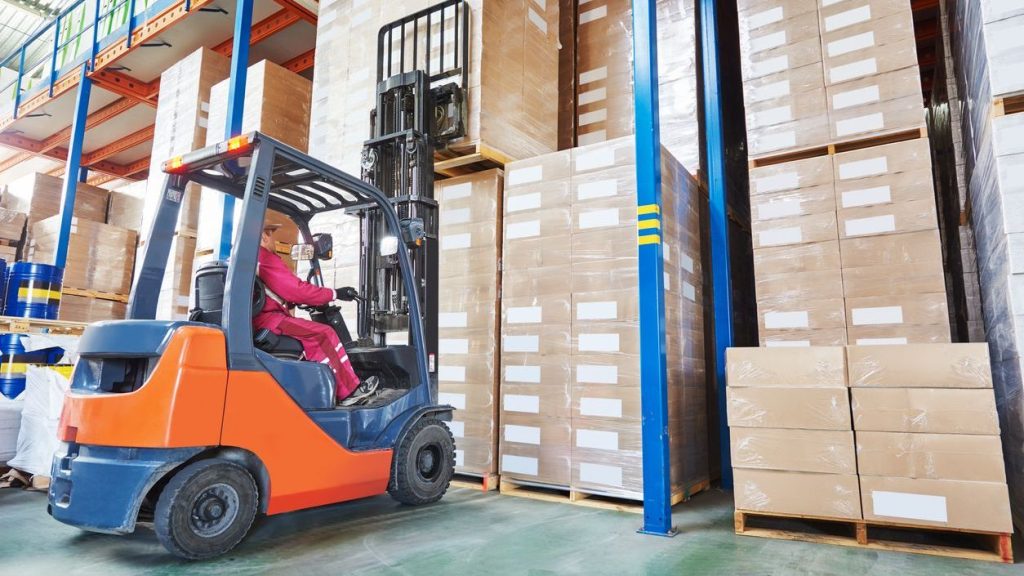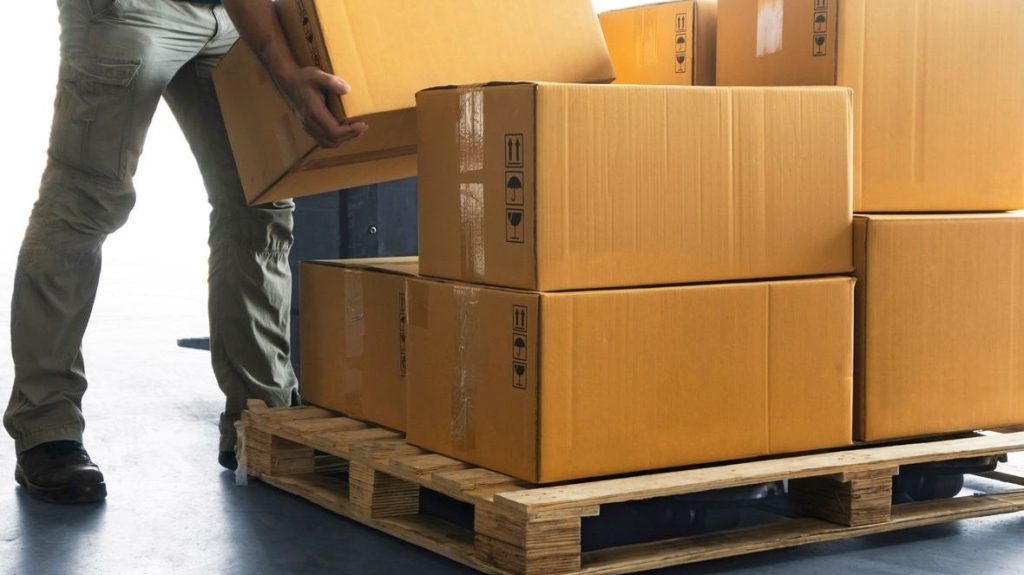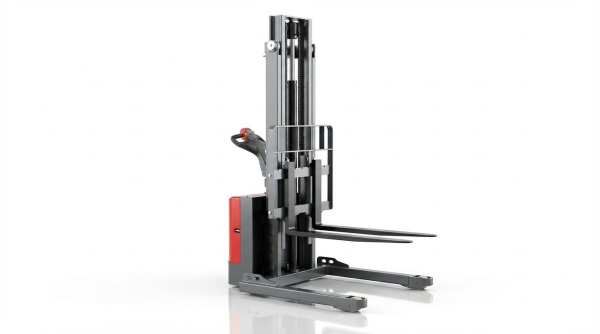
Walkie stacker lift height directly constrained storage density, safety margins, and equipment lifecycle in industrial facilities. This guide explained how to interpret maximum lift height, related mast dimensions, and capacity de‑rating with elevation across typical lift stacker designs. It then examined structural, hydraulic, stability, and regulatory factors that limited achievable height, before translating these into practical selection rules for real warehouses. The final sections connected height choice with hydraulic maintenance, safe transport heights, and emerging digital tools for monitoring performance and risk.
Defining Maximum Lift Height And Key Parameters
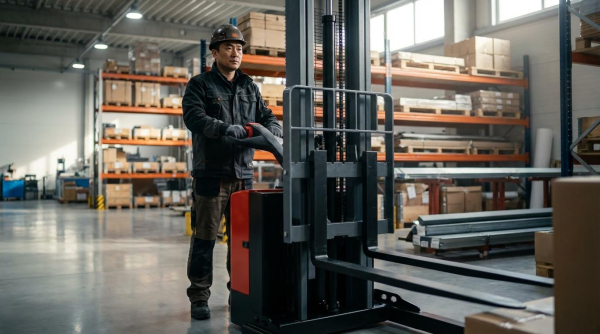
Engineers defined walkie stacker lift height using standardized mast dimensions and rated capacities. Correct interpretation of these parameters determined whether a stacker could safely reach a given rack level. This section described typical height ranges, key dimensional codes, capacity de-rating, and stability limits used in industrial specifications.
Typical Lift Height Ranges For Walkie Stackers
Walkie stackers operated across a wide but structured lift height spectrum. Entry configurations offered raised heights near 1,600 mm, suitable for low-level racking and staging. Common industrial models provided maximum lift options at 2,000 mm, 2,500 mm, 3,000 mm, 3,300 mm, and 3,500 mm, covering most standard pallet racking geometries. Advanced designs reached 4,400 mm to about 5,400 mm, supporting high-bay storage without requiring ride-on trucks. Double-pallet variants typically limited lift to around 2,600 mm because of higher combined load and stability constraints. Engineers selected these ranges by balancing aisle height, load center, and economic justification for mast complexity.
Critical Height Dimensions (h1, h3, h4, Free Lift)
Manufacturers described mast geometry using standardized height codes. The lowered mast height h1 defined the overall mast height at ground level and governed doorway clearance and mezzanine access. The rated lift height h3 represented the vertical distance from the floor to the fork surface at the maximum specified lift point under rated load. The extended mast height h4 indicated the overall mast tip height at full extension, which engineers compared against ceiling, sprinkler, and lighting clearances. Free lift specified how high the forks could rise before the mast profile extended above h1, which was critical in low-headroom areas such as inside containers or under mezzanines. For some walkie stackers, h4 varied roughly between 2,870 mm and 3,620 mm for mid-range configurations, and higher for premium masts.
Capacity Curves And De-Rating With Height
Walkie stacker capacity rarely stayed constant across the full lift range. Capacity rating tables or curves related allowable load to lift height and load center, typically defined at 600 mm for standard pallets. Certain configurations maintained nominal capacity up to thresholds near 1,600 mm or 3,000 mm, then reduced allowable load as height increased further. This de-rating reflected increased overturning moment and mast deflection at higher elevations. Engineers used manufacturer load charts to confirm that target pallet weights at specific beam levels remained within the permitted envelope. Ignoring de-rating at high lift could lead to hydraulic overloads, structural fatigue, or mast instability, especially with off-center or non-uniform loads.
Stability Limits During Lifting And Travel
Stability constraints defined practical and regulatory limits on walkie stacker lift height and operating modes. The combination of mast height, wheelbase, chassis width, and load center determined the truck’s static and dynamic stability triangle. Industry safety rules required operators to keep forks relatively low during travel, usually around 300 mm to 400 mm above the floor when transporting loads. It was prohibited in safety guidance to drive long distances with loads raised above approximately 500 mm, because lateral and longitudinal tipping risk increased sharply. A safety envelope around the forks, often a 1 m exclusion radius during lifting and lowering, helped protect pedestrians from falling loads or unexpected mast motion. Engineering validation, including tilt tests and compliance with regional industrial truck standards, ensured that rated maximum lift heights remained compatible with these stability requirements.
Engineering Factors That Limit Lift Height
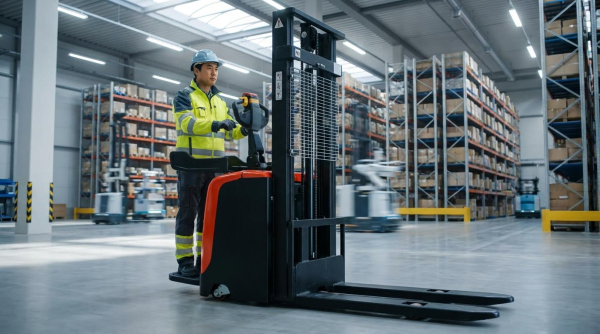
Engineering constraints defined the practical maximum lift height of lift stacker. Designers balanced mast strength, hydraulic performance, chassis geometry, and safety standards against target lift heights from roughly 1.6 m up to more than 5.4 m. Higher masts increased reach but also amplified deflection, reduced residual capacity, and tightened stability margins. A systematic understanding of these factors helped engineers and facility planners select configurations that met storage heights without compromising safety or uptime.
Mast Design, Deflection, And Load Center Effects
Mast design governed how high a walkie pallet truck could lift while maintaining acceptable deflection and stability. Two‑stage and three‑stage telescopic masts enabled heights from about 2.0 m to more than 5.0 m, but each added section increased bending flexibility. At typical rated load centers of 500 mm to 600 mm, the mast behaved as a cantilever beam, so deflection grew rapidly with height and load. Engineers specified stronger sections, higher‑strength steels, and optimized weld profiles to keep fork tip deflection within limits that preserved pallet engagement and operator confidence. Capacity curves reflected these mast limits by reducing allowable load as lift height increased, especially beyond points such as 1.6 m, 3.0 m, or 3.5 m.
Hydraulic System Sizing Versus Target Lift Height
The hydraulic system set both achievable lift height and lifting performance. Cylinder bore, stroke, and operating pressure determined the maximum extended height h4, which for walkie stackers typically ranged from about 2.0 m to over 3.6 m in common warehouse configurations, and up to more than 5.0 m on advanced models. As target height increased, engineers needed longer cylinder strokes and greater oil volumes, which maintenance guides associated with stepwise increases from about 5.0 L around 2.5 m to roughly 6.0 L near 3.5 m. Higher masts required careful valve sizing to control lift speed and smooth lowering, avoiding pressure spikes that could destabilize the load. Inadequate oil volume, aeration, or leaks reduced attainable height and caused erratic motion, so hydraulic sizing and maintenance practices directly constrained reliable maximum lift height.
Chassis, Wheelbase, And Counterbalance Constraints
The chassis and wheelbase geometry limited how tall a mast could be before stability margins became unacceptable. A longer wheelbase and wider stance increased the stability triangle, allowing higher centers of gravity when lifting pallets to heights above 3.0 m. However, counterbalanced stacker had to remain compact for narrow aisles, so designers optimized battery placement, drive unit position, and counterweight distribution instead of simply enlarging the frame. As mast height increased, the combined center of gravity of truck and load rose and shifted forward, reducing the allowable rated capacity at height. Engineers used finite element analysis and tilt‑table testing to validate that the chassis resisted overturning under worst‑case conditions such as braking, turning, or uneven floors with the mast raised. These tests defined the capacity de‑rating curves and maximum permissible lift heights for each chassis configuration.
Safety Standards, Aisle Geometry, And Guarding
Safety regulations and facility geometry also capped practical lift height. Standards for industrial trucks required stability testing, load chart labeling, and guarding clearances that became more stringent as lift height increased. Taller masts needed overhead guards and load backrests sized to contain loads at extended heights, which added mass and raised the center of gravity. Aisle width and rack layout further constrained mast selection, since higher masts demanded sufficient overhead clearance and controlled sway to avoid contact with beams or sprinklers. Operational rules recommended limiting travel with elevated loads, typically keeping forks around 0.3 m to 0.4 m above the floor during movement and prohibiting long‑distance travel with goods raised above about 0.5 m. These procedural limits worked together with engineering design to ensure that theoretical maximum lift height aligned with safe, repeatable operation in real warehouses.
Specifying The Right Lift Height For Your Facility
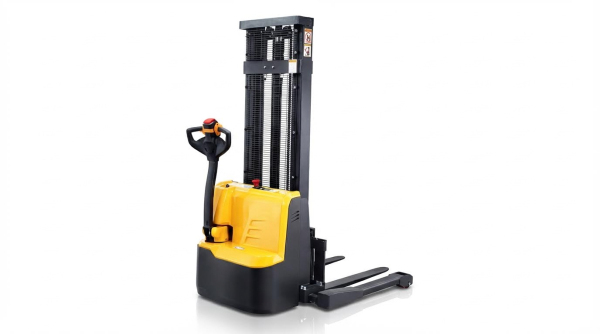
Engineering the correct maximum lift height for a walkie stacker requires alignment between storage geometry, workflow, and equipment limits. Designers must translate racking elevations, pallet dimensions, and clearance envelopes into specific mast height requirements while respecting capacity de‑rating and stability constraints. At the same time, safe transport height, hydraulic system sizing, and maintenance regimes directly influence uptime and lifecycle cost. Modern facilities also increasingly connect stackers to digital and AI tools to monitor utilization, safety margins, and maintenance needs in real time.
Matching Maximum Height To Racking And Workflow
Start by mapping the highest pallet position, including beam level, pallet height, and any load overhang. Add clearance for safe handling and floor tolerances, typically 150–250 mm above the top storage height, to define required maximum fork height. Compare this requirement with catalog lift ranges, which historically spanned from about 1.6 m to over 5.4 m depending on mast type and series. Where racking heights vary, select a mast that fully serves the highest level without forcing operators to work at the extreme stroke for every cycle, which reduced productivity and increased wear. Also consider workflow: high-throughput zones may justify higher masts with reach or straddle configurations, while low-bay or point-of-use storage often operated efficiently with 2.0–3.0 m units.
Safe Transport Height And Operating Practices
Maximum lift height rarely represented the correct travel height. For loaded travel, good practice kept forks approximately 300–400 mm above the floor to clear minor obstacles while maintaining a low center of gravity. Historical safety rules prohibited long-distance travel with loads raised above roughly 500 mm because lateral stability decreased as mast extension and load elevation increased. Operators needed to fully insert forks, center the pallet, and verify load stability before lifting, then reduce height to the recommended transport band. During parking, procedures required lowering forks to the minimum position, which reduced tripping hazards and unloaded the hydraulic circuit. Facilities also defined exclusion zones, for example a 1 m radius around the raised fork area, to keep pedestrians clear during lifting and lowering.
Hydraulic Oil Volume, Maintenance, And Uptime
Hydraulic oil volume scaled with lift height because taller masts required greater cylinder stroke. Maintenance guides from 2025 specified typical volumes of about 5.0 L for 2.5 m lift, 5.5 L for 3.0 m, 5.7 L for 3.3 m, and 6.0 L for 3.5 m configurations. Engineers therefore needed to check that tank capacity, return-line routing, and deaeration performance matched the chosen mast height. Inadequate oil level or aerated fluid reduced achievable lift height and caused erratic motion, which operators often misinterpreted as mechanical failure. Routine inspections had to verify fluid level, contamination, and leaks, particularly for units working near their rated maximum height. By tying preventive maintenance intervals to lift cycles and stroke length rather than only calendar time, facilities improved uptime and preserved the designed maximum lift capability.
Integrating Stackers With Digital And AI Tools
Digital monitoring allowed facilities to track how often operators approached maximum lift height and whether they respected safe transport heights. Sensor packages could log mast position, load weight, and travel speed, then feed these data into analytics platforms. AI tools analyzed patterns such as frequent overload attempts at high elevation or repeated travel with excessive fork height, generating targeted training or automated speed reductions. Linking maintenance systems to lift-height and stroke data supported condition-based service, for example scheduling hydraulic inspections when cumulative high-lift hours exceeded a threshold. Over time, aggregated data from connected lift stackers informed reconfiguration of racking heights, aisle widths, and traffic rules, closing the loop between equipment capability, facility design, and safe, efficient operation.
Summary Of Walkie Stacker Lift Height Selection
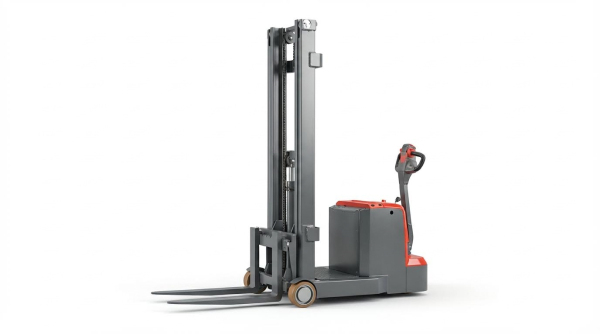
Engineering teams needed to treat maximum lift height as a coupled structural, hydraulic, and stability problem. Typical walkie stackers operated within 1.6–3.5 m, while advanced models reached approximately 5.4 m, but usable height always depended on load center and capacity derating. Capacity curves showed that rated load often decreased at height steps such as 1.6 m, 3.0 m, and above 3.8 m, so engineers had to match racking design and pallet geometry to these inflection points. Key height dimensions, including lowered height h1, lift height h3, and extended height h4, defined clearance under beams and sprinklers, as well as driver sightlines and guarding envelopes.
Industry practice emphasized that transport height differed from maximum stacking height. Safety rules recommended traveling with forks only 0.3–0.4 m above the floor and prohibited long-distance driving with forks raised above 0.5 m, even when the mast could lift beyond 3.0 m. Hydraulic system sizing and oil volume scaled with lift height, for example about 5.0 L around 2.5 m and up to roughly 6.0 L at 3.5 m, which affected reservoir design, heat management, and maintenance intervals. Regular inspection of fluid level, leaks, and cylinder condition remained critical to actually achieving the specified maximum height under load.
Future developments pointed toward taller yet narrower masts, improved high-strength steels, and smarter stability control using sensors and analytics. Digital tools and AI-based fleet systems already helped planners simulate aisle geometry, rack elevations, and capacity derating before procurement. In practice, the best solution balanced maximum height against maneuverability, battery life, and safety margins rather than chasing the tallest available configuration. Facilities that periodically reviewed racking layouts, load characteristics, and maintenance data achieved more reliable performance and reduced downtime from over-specified or misapplied walkie pallet trucks.