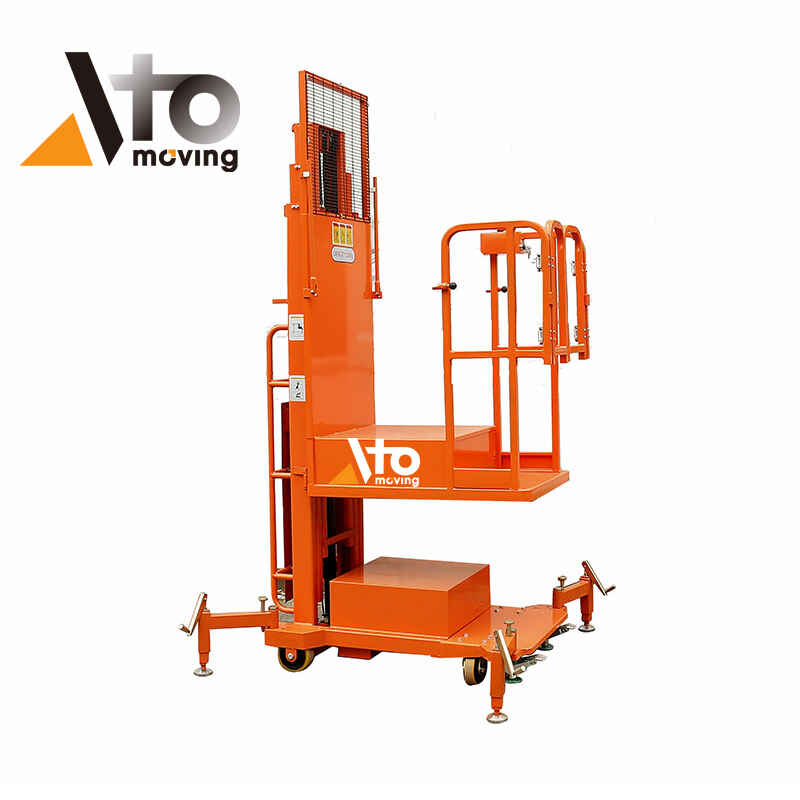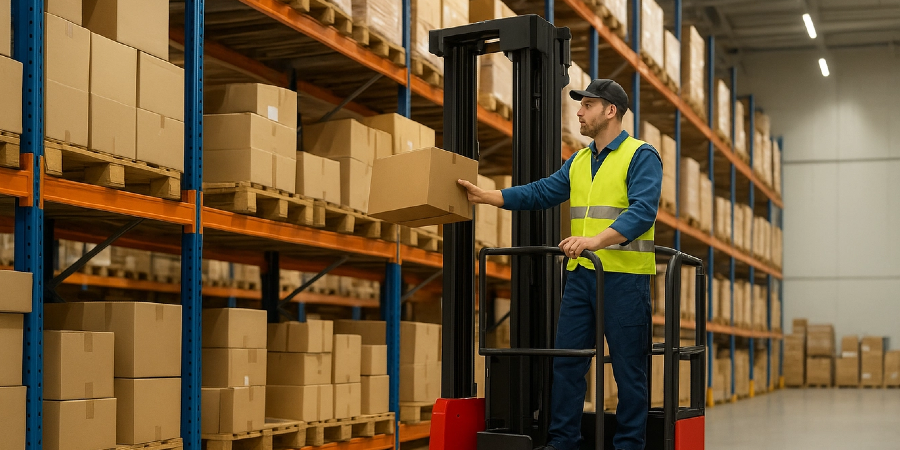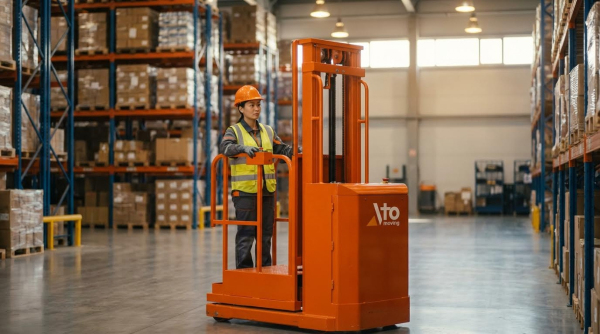
Batch picking allowed high-volume fulfillment centers to group multiple orders into a single pick tour, sharply reducing travel time and labor. The complete article explained core batch-picking concepts, engineering design of storage and pick paths, and the role of automation and software logic in intelligent batch formation. It also covered enabling technologies such as barcoding, RFID, voice systems, warehouse order picker, AMRs, AI, and digital twins that increased accuracy and throughput. The final sections connected these technical elements to safety practices, performance KPIs, and practical implementation guidelines for modern high-volume operations.
Core Concepts Of Batch Picking Operations
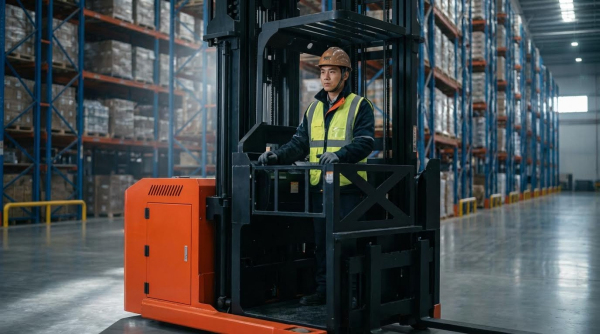
Core concepts of batch picking operations defined how high-volume facilities structured labor, storage, and technology. Engineers used these concepts to reduce travel distance, increase order throughput, and stabilize downstream packing. Clear definitions, workflow discipline, and capacity-aware batch sizing formed the basis for later automation and analytics. This section outlined when batch picking suited an operation and how it compared with alternative strategies.
Definition, Objectives, And When To Use Batch Picking
Batch picking meant a picker collected items for multiple orders in a single tour through the warehouse. The primary objectives were to cut travel time, raise lines picked per hour, and maintain high order accuracy, often above 99.5%. Operations used ABC-based slotting so fast movers sat close to packing, further reducing walking distance. Batch picking fit best where order profiles shared overlapping SKUs, such as e‑commerce, retail replenishment, and spare-parts operations with repeated common items. It became especially effective under high order volumes, short order cycle-time targets, and when a warehouse order picker supported real-time order aggregation and pick-path optimization.
Batch vs. Wave vs. Zone Picking: Key Differences
Batch picking grouped orders by SKU similarity and pick density, then executed them as consolidated tours. Wave picking released groups of orders at scheduled times, aligned with constraints such as carrier cutoffs, dock capacity, and pack-station throughput. Zone picking divided the warehouse into zones, with each picker responsible for one zone and orders flowing through multiple zones. Batch picking minimized travel for each picker, while wave picking optimized flow over time, and zone picking reduced congestion within defined areas. Hybrid strategies often combined batch and zone picking, where pickers batch-picked within their zones and downstream sortation or packing consolidated orders.
Pick-To-Bin And Cart-Based Batch Picking Workflows
Pick-to-bin workflows used uniquely barcoded bins on a cart, each bin representing a single order within the batch. The picker followed a system-directed path, scanned the storage location and SKU, then scanned the destination bin so the system allocated quantities correctly. Each bin barcode remained associated with its order until packing completed, allowing quick handoff to pack stations and reducing sortation effort. Carts could use multi-level shelves, dividers, or modular bin frames sized to expected batch profiles and order volumes. Engineering teams validated that cart footprint, wheel selection, and maneuverability matched aisle widths and floor conditions to avoid congestion and ergonomic strain.
Right-Sizing Batches To Match Downstream Capacity
Right-sized batches balanced picker efficiency against limits at sortation and pack stations. Oversized batches created short-term surges that overwhelmed packing, increased queue times, and risked missed carrier cutoffs. Engineers modeled end-to-end capacity, including average pack time per order, available pack stations, and sorter throughput, then set batch size and wave release rules accordingly. Warehouse management or execution systems aligned batch release with real constraints, such as dock schedules and label printing capacity. Continuous KPI tracking, including lines per hour, order cycle time, and on-time shipment rate by wave, guided iterative tuning of batch sizes and release timing.
Engineering Design Of Batch Picking Systems
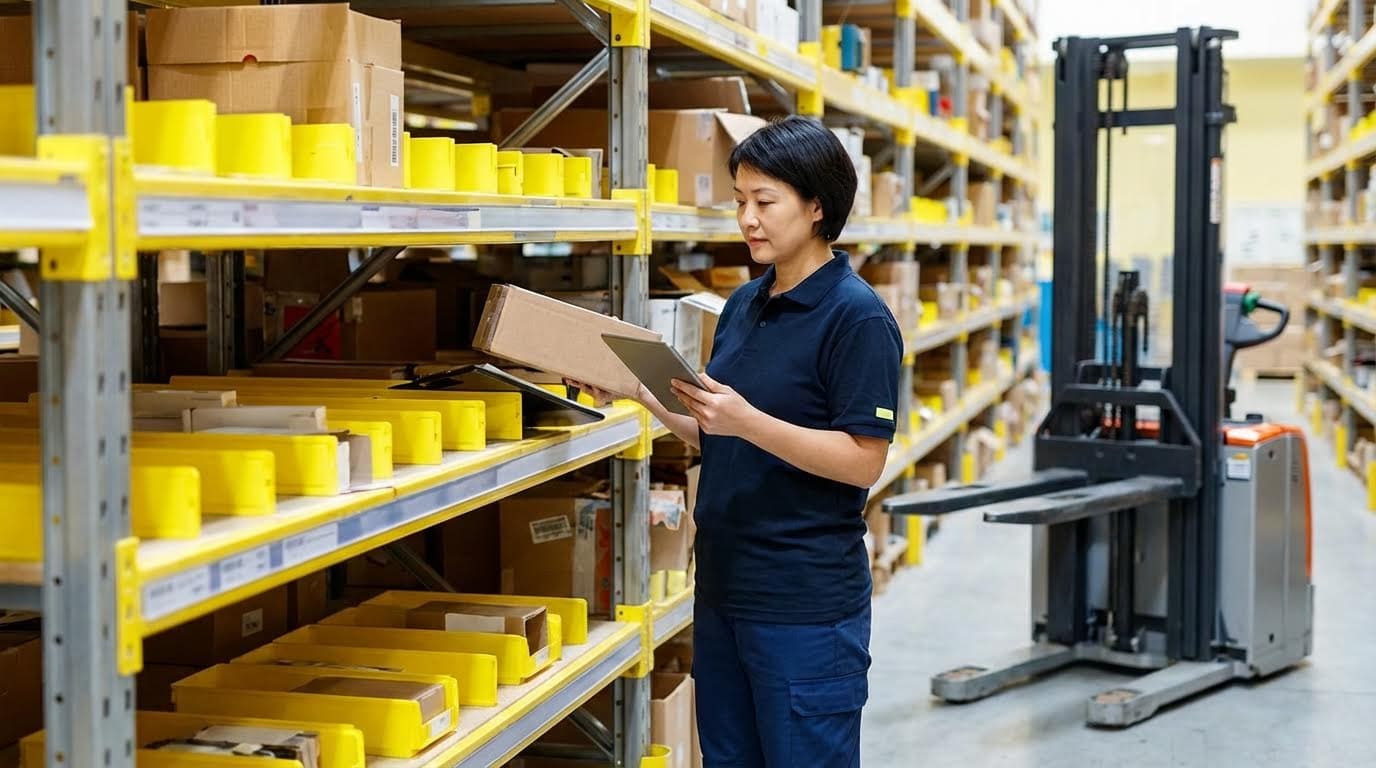
Engineering design of batch picking systems focused on translating theoretical efficiency gains into reproducible, safe workflows. Designers integrated storage layouts, pick paths, and equipment to support high-order volumes with minimal travel and handling. Effective systems aligned batch sizes, slotting, and cart design with real constraints such as pack-station capacity and carrier cutoffs. Robust engineering also required continuous data-driven tuning using KPIs like lines per hour, order cycle time, and on-time shipment rate.
Slotting Strategy: ABC Analysis And Dynamic Reslotting
ABC analysis categorized SKUs by demand frequency and value, placing A-items closest to packing and induction points. This reduced average travel distance and supported high batch density on each tour. Engineers used historical order lines, not just unit volume, to classify SKUs and define storage zones. Dynamic reslotting periodically re-evaluated these assignments as demand patterns shifted, especially around promotions or peak seasons. Advanced slotting strategies grouped high-affinity SKUs near each other to increase multi-line hits per stop during batch tours. Dynamic policies also respected constraints such as temperature zones, hazardous goods segregation, and ergonomic reach limits.
Pick Path Optimization And Order Clustering By SKU
Pick path optimization minimized total walking distance for a batch while respecting aisle direction, congestion points, and one-way traffic rules. Engineers modeled pick tours using algorithms similar to traveling-salesman heuristics, often embedded in WMS modules. Order clustering by SKU grouped orders that shared common SKUs into the same batch, increasing pick density per location visit. This reduced redundant aisle passes and allowed pickers to handle higher lines per hour with stable accuracy. Systems tuned batch composition to avoid oversized tours that exceeded cart capacity or overwhelmed downstream sortation. Machine learning tools later refined pick paths using live data, achieving travel reductions of up to 25% compared with static routes.
Cart, Bin, And Workstation Design For Batch Picking
Cart design directly influenced safe batch size, maneuverability, and error rates. Engineers selected between shelf carts, bin carts, and multi-level carts based on order profile, item size, and handling requirements. Each cart typically carried multiple uniquely barcoded bins, enabling pick-to-bin workflows where each bin represented a single order. Clear physical dividers and color coding reduced the risk of item mixing between orders. Cart dimensions balanced storage volume with aisle width and turning radii to avoid congestion and safety issues. Workstations at packing and consolidation areas incorporated height-adjustable benches, integrated scanners, and label printers to support rapid verification. Ergonomic layout minimized reach and twist motions, improving sustained throughput and reducing strain injuries.
Balancing Storage Density, Travel Time, And Throughput
Engineering design always traded off storage density against travel time and required throughput. High-density storage reduced footprint but increased vertical reaches and location congestion, which slowed batch tours. Lower density with wider aisles and more pick faces improved travel speed and safety but required more floor space. Engineers used simulation or digital twin models to test layout scenarios, evaluating lines per hour, queue lengths, and pack-station utilization. Right-sized batches matched upstream picking capacity with downstream sortation and packing, preventing bottlenecks at workstations. Designers also considered future automation upgrades, reserving space and structural capacity for potential walkie pallet truck, semi electric order picker, or automated sorters. Continuous monitoring of KPIs guided incremental layout changes, ensuring the system evolved with order volumes and SKU mix.
Automation, WMS Logic, And Advanced Technologies
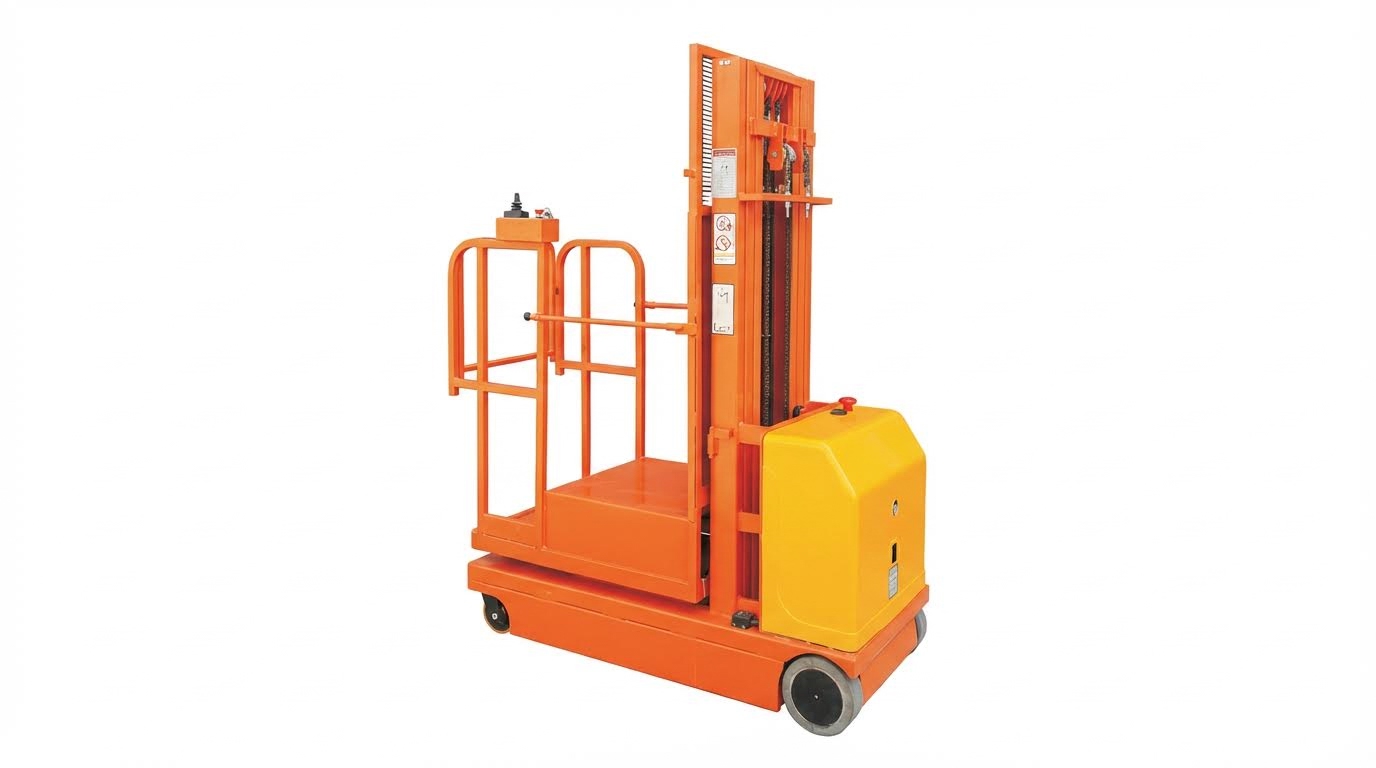
Automation technologies transformed batch picking from a manual routing problem into a highly optimized, data-driven process. Modern warehouse management and execution systems orchestrated batches, resources, and equipment in real time. Advanced identification, mobility, and robotics cut travel time, raised accuracy, and stabilized throughput. This section focused on how software logic and emerging technologies engineered high-performance batch operations.
WMS And WES Rules For Intelligent Batch Formation
Warehouse Management Systems (WMS) and Warehouse Execution Systems (WES) defined how orders grouped into batches and how waves released. Intelligent batching rules clustered orders by SKU affinity, pick density, temperature class, or packaging constraints to reduce travel and handling. Systems aligned batch sizes with real constraints such as pack-station capacity, sorter throughput, dock doors, and carrier cutoff times. Right-sized batches avoided downstream congestion while still improving labor efficiency by up to 25% through optimized pick paths. WES modules sequenced waves so that sorters and packing lines received a steady, controllable flow instead of spikes. Continuous KPI feedback, including lines per hour, order cycle time, and on-time shipment rate by wave, drove rule refinement and parameter tuning.
Barcoding, RFID, And Voice Systems In Batch Picking
Automatic identification technologies underpinned reliable batch execution. Barcoding with handheld scanners reduced manual entry errors by up to 30% and supported pick-to-bin workflows with uniquely labeled totes or bins. RFID tags and readers enabled non-line-of-sight verification and cut picking time by about 40% in suitable item profiles. Voice-directed picking guided operators through multi-order tours while keeping hands and eyes free, increasing productivity by roughly 20%. Combining these technologies with WMS logic allowed item, location, and bin confirmations at each step, achieving order accuracy levels near 99.8%. Well-designed label standards, bin naming conventions, and scan validation rules minimized misidentification and simplified exception handling.
AGVs, AMRs, And Robotic Aids For Batch Tours
Automated Guided Vehicles (AGVs) and Autonomous Mobile Robots (AMRs) assumed the travel-intensive component of batch tours. Robots transported multi-level carts or totes between zones, pick faces, and packing areas, reducing manual pushing and walking distances by up to 50%. Human pickers often stayed within compact zones while AMRs shuttled batches, which improved ergonomics and reduced congestion in shared aisles. Robotic systems integrated with WES received missions based on live order queues, inventory status, and congestion maps. This orchestration lowered labor costs, stabilized throughput, and supported hybrid strategies that combined batch and zone picking in large facilities. Safety-rated sensors and traffic control logic maintained compliance with industrial safety standards while robots operated near pedestrians.
AI, Machine Learning, And Digital Twins For Optimization
Artificial intelligence and machine learning analyzed historical order patterns to forecast demand and refine batch strategies. Algorithms generated pick paths that reduced travel distance by up to 25% and cut travel time between locations by as much as 50%. AI-driven batch picking engines adjusted batch size, composition, and release timing by learning from KPIs such as pick rate, order discrepancies, and missed carrier cutoffs. Digital twins of the warehouse modeled storage layouts, routing rules, and equipment behavior, allowing engineers to test new slotting schemes or batching policies without disrupting operations. Case studies reported throughput increases of 25–40% during peak seasons when AI optimization and advanced automation worked together. These tools supported continuous improvement by revealing bottlenecks and quantifying the impact of design or policy changes before physical implementation.
Safety, Performance KPIs, And Practical Conclusions
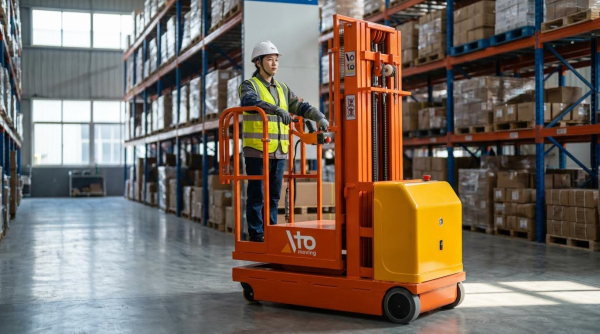
Safety in batch picking environments required the same engineering rigor as throughput design. Operations teams needed structured risk assessments around congestion points, narrow aisles, and intersections where walkie pallet truck, AMRs, or AGVs interacted with pedestrians. Clear separation of pedestrian and equipment lanes, backed by floor markings, guardrails, and controlled crossing points, reduced collision risk. Regular safety audits, preventive maintenance, and lockout procedures for mobile equipment kept incident rates low and ensured regulatory compliance with frameworks such as OSHA in the United States.
Ergonomics played a critical role in sustaining high pick rates. Height-adjustable workstations, correct carton heights on carts, and limits on bin mass reduced musculoskeletal injuries. Rotating staff between batch picking, packing, and replenishment limited repetitive strain. Technology also supported safety: WMS or WES logic could sequence tasks to avoid opposing traffic, while AMRs and AGVs removed a large share of manual pushing and pulling. Voice and hands-free scanning reduced distraction by allowing operators to keep eyes on travel paths.
High-volume operators tracked a tight KPI set to govern batch picking performance. Typical benchmarks from industry deployments showed travel time reductions of up to 50–60%, labor efficiency gains near 25%, and order accuracy approaching 99.8% when barcoding or RFID validated each move. Key metrics included lines and units per hour, average order cycle time, on-time shipment rate by wave, pick and pack accuracy, and pack-station utilization. Facilities that tuned batch sizes and wave timing against these KPIs reported order processing speed increases between 25% and 40% and operational cost reductions up to roughly 15–30%.
Future developments pointed toward deeper integration of AI, machine learning, and digital twins. Machine learning models already optimized pick paths and batch composition, cutting travel distance by about 25% in documented cases. Digital twins of the warehouse allowed engineers to test batch rules, cart designs, and slotting changes virtually before deployment, reducing commissioning risk. The most resilient designs combined automation with robust safety culture, disciplined KPI review, and iterative pilots. Facilities that treated batch picking as a living system, continuously rebalanced between storage density, travel time, safety, and labor well-being, achieved durable gains in both throughput and workforce sustainability.