Zone-based picking reshaped how large warehouses organized storage, labor, and material flows to meet high order volumes. This guide covered core layout principles, from zoning by SKU velocity and product families to balancing travel distance, throughput, and labor. It then examined physical flows, including warehouse order picker, conveyor, cart, and goods-to-person routing, and the integration of AS/RS, layer pickers, and pallet flows. Finally, it addressed control systems, automation, performance metrics, and concluded with a practical implementation checklist for engineering robust, scalable zone picking layouts.
Core Principles Of Zone Picking Layouts
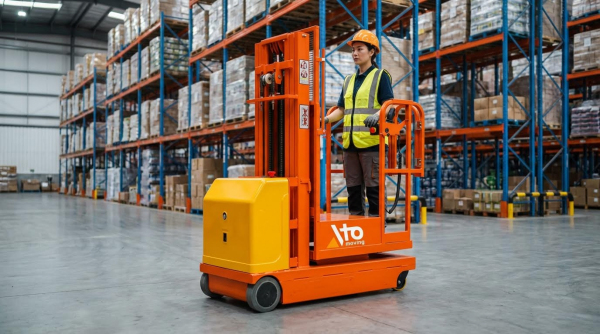
Core principles for zone picking layouts focused on reducing travel, increasing accuracy, and enabling parallel work. Engineers structured zones around SKU behavior, safety constraints, and equipment capabilities to support high-volume fulfillment. Robust slotting rules, storage policies, and replenishment logic underpinned reliable performance during peak demand. A compliant layout also separated hazardous and high-value inventory while maintaining efficient flows.
Defining Zones By SKU Velocity And Product Families
Engineers typically defined zones using SKU velocity, product family, and physical characteristics. High-velocity items concentrated near packing or shipping to minimize travel distance and cycle time. Slow movers located in deeper zones or higher rack positions where access frequency was lower. Grouping by product family, such as beverages, apparel, or pharmaceuticals, simplified specialized storage, packaging materials, and quality checks. Within each family, designers considered size and handling method, for example, small bins, case flow, or pallet locations. This structure allowed flexible zone boundaries when sales patterns or seasonality shifted.
Balancing Travel Distance, Throughput, And Labor
Zone picking layouts aimed to minimize non-value-adding walking while matching zone capacity to demand. Engineers used order history to estimate line items per hour per zone and sized pick faces and aisle lengths accordingly. Parallel picking by multiple workers in different zones reduced order cycle time but required balanced workloads to avoid bottlenecks. Travel distance was controlled through compact zones, optimized pick paths, and use of conveyors or carts to move totes between zones. Designers also evaluated labor models, for example, one picker per zone versus floating relief staff, to maintain target throughput during peaks and breaks.
Slotting Rules, Storage Policies, And Replenishment
Effective slotting rules ensured that frequently picked SKUs occupied ergonomically favorable, short-travel locations. Velocity-based storage policies placed fast movers at waist height and near zone infeed or outbound transfer points. Engineers distinguished between fixed-location and random storage, recognizing that random storage sped up putaway but could slow picking if not supported by strong system guidance. Replenishment logic targeted minimum and maximum levels at the pick face, triggering tasks before stockouts affected service levels. Coordination between reserve storage, AS/RS, or pallet flow and forward pick zones limited congestion and avoided emergency replenishment during peak waves.
Safety, Hazard Segregation, And Regulatory Compliance
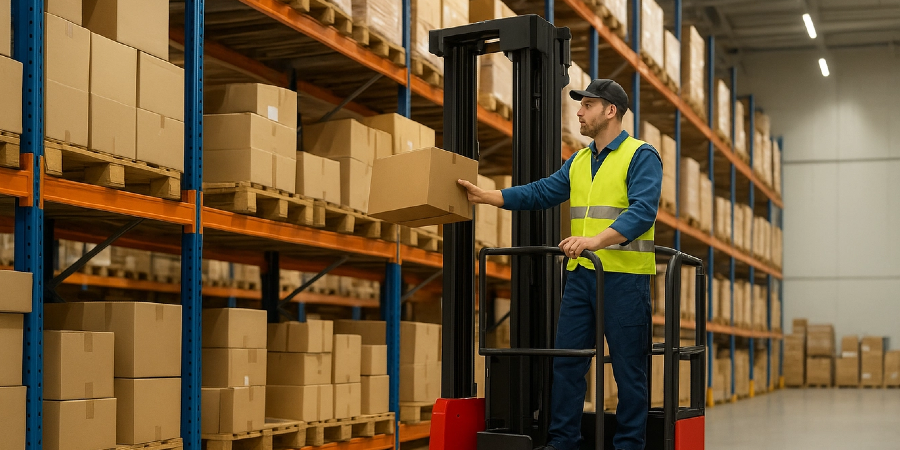
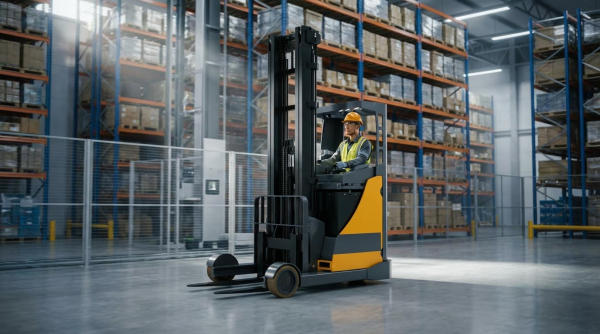
Zone picking layouts had to comply with fire codes, hazardous materials regulations, and occupational safety requirements. Designers segregated flammable, corrosive, or temperature-sensitive goods into dedicated zones with appropriate containment, ventilation, and fire protection. High-value SKUs often resided in security cages or controlled-access areas integrated into the overall zone routing pattern. Aisle widths, rack clearances, and emergency egress routes followed applicable standards while still supporting target picking equipment, such as manual pallet jack or narrow-aisle trucks. Clear signage, restricted zones, and defined pedestrian paths reduced collision risk and supported training and enforcement.
Designing Physical Flows And Material Handling
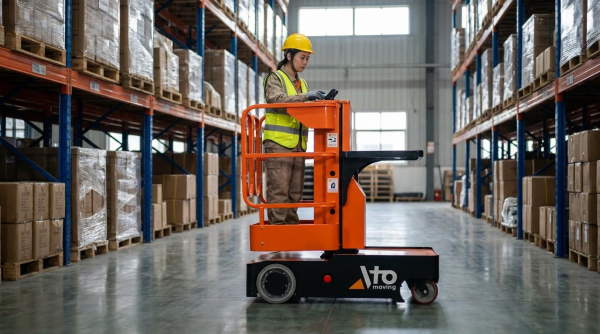
Physical flow design determined the real throughput of a zone-picking warehouse. Engineers needed to align routing methods, storage technologies, and ergonomics to reduce travel, protect workers, and stabilize takt times. Well-engineered flows synchronized conveyors, carts, and goods-to-person systems with zone routing logic. This section described how to integrate these elements into a coherent, scalable layout.
Conveyor, Cart, And Goods-To-Person Zone Routing
Conveyor-based routing created a fixed, predictable path for totes or cartons between zones. Zone-routing conveyors allowed orders to skip non-required zones, which reduced accumulation and unnecessary travel. Engineers located induction points near receiving or decanting and positioned discharge points next to packing and shipping. Cart-based routing used vehicle or trolley pick trains that moved along aisles, which offered higher flexibility but required careful aisle width and turning-radius design. Goods-to-person systems, such as shuttles or carousels, brought SKUs to static pick stations, which minimized operator walking and supported high pick rates. Hybrid layouts often combined conveyors between macro-zones with carts or goods-to-person inside each zone.
Control logic had to synchronize physical routing with order priorities and cut-off times. Warehouse execution systems assigned each tote a zone sequence and released work to avoid overloading any single zone. Engineers sized conveyor speeds, accumulation capacity, and cart fleet size to meet peak-hour demand with defined safety margins.
Integrating AS/RS, Layer Pickers, And Pallet Flows
Automated storage and retrieval systems (AS/RS) stored high-density inventory and fed case or pallet picks into the zone network. Shuttle or crane AS/RS retrieved totes or pallets and discharged them to conveyors or transfer cars serving pick or depalletizing zones. Layer pickers handled partial-pallet flows by removing one or more layers from a unit load without disturbing the remaining stack. Engineers used layer pickers to build mixed-SKU pallets or to replenish forward pick faces with full layers instead of individual cases, which reduced touch count.
Pallet flow racks supported first-in-first-out movement using gravity-fed lanes, which suited high-velocity SKUs that replenished from the back and picked from the front. Integration required clear interfaces: AS/RS to pallet flow for reserve storage, layer picker stations adjacent to conveyor spurs, and manual or automated manual pallet jack for full-pallet transfers. Designers specified clearances, pallet dimensions, and load stability criteria to avoid jams and product damage. Control systems tracked each pallet or layer transaction to maintain inventory accuracy and traceability.
Minimizing Congestion At Aisles And Merge Points
Congestion occurred at aisle intersections, conveyor merges, and workstations with unbalanced workloads. Engineers first mapped peak traffic flows using historical order profiles and simulated picker and tote movements. They then widened primary aisles, separated pedestrian and vehicle paths, and limited cross-aisle traffic in high-volume zones. Conveyor merges used metering belts, accumulation zones, and merge controls to maintain gaps and prevent back-pressure into pick areas.
Zone routing logic helped by dynamically diverting totes to alternate paths or buffer loops when primary routes approached saturation. Workload balancing, such as reassigning SKUs between adjacent zones or splitting long aisles into subzones, reduced localized queues. Visual line-of-sight at intersections, clear floor markings, and one-way traffic rules further reduced delays and collision risk. Periodic reviews of heat maps and throughput data allowed continuous refinement of aisle layouts and merge configurations.
Ergonomics, Reach Envelopes, And Pick Face Design
Ergonomic design protected workers and sustained consistent pick rates over long shifts. Engineers kept primary pick faces within the optimal vertical zone, typically from mid-thigh to shoulder height, to reduce bending and overhead reaches. Heavy or bulky SKUs occupied the lowest levels within this band, while light items could sit slightly higher. Deep reaches into racks were avoided by limiting shelf depth or using flow rack that presented cases at the front.
Pick face design aligned slot size, opening height, and presentation angle with carton dimensions and handling method. High-velocity SKUs received wider or multiple faces to reduce congestion and restocking frequency, while slow movers shared segmented locations. Labeling, color coding, and clear lane dividers improved visual identification and reduced pick errors. At goods-to-person stations, engineers specified adjustable work surfaces, anti-fatigue flooring, and appropriately positioned scanners or displays. Validating designs through ergonomic assessments and pilot stations ensured that theoretical reach envelopes matched real operator capabilities.
Control Systems, Automation, And Performance Metrics
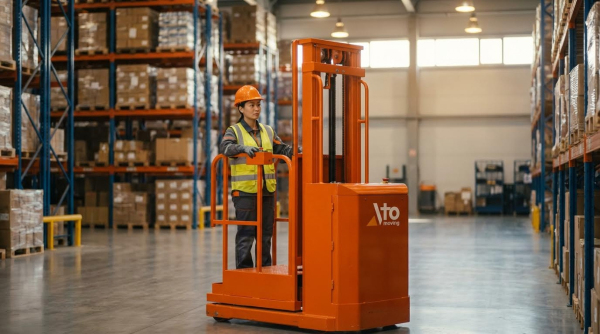
Control systems defined how zone picking layouts translated into real-time warehouse behavior. Engineers combined software, automation, and sensing to coordinate people, equipment, and inventory. Robust designs minimized travel, balanced workloads, and enforced safety and storage policies. Performance metrics closed the loop by quantifying throughput, accuracy, and labor efficiency.
WMS, WES, And Real-Time Zone Routing Logic
Warehouse Management Systems (WMS) stored master data, inventory locations, and order details, and generated pick waves or tasks. Warehouse Execution Systems (WES) orchestrated real-time work, including carton or tote routing between zones, device control, and workload balancing. In zone picking, routing logic determined which zones each order required and sequenced them to minimize conveyor distance and dwell time. Advanced WES implementations supported dynamic zone routing, allowing totes to skip non-required zones and rerouting around congestion or equipment downtime.
Engineers configured routing tables based on SKU velocity, zone capacities, and service-level constraints. The system grouped orders to common zones to increase batch density while respecting carton size and weight limits. Interfaces between WMS and WES exchanged status messages, such as task completion, exception flags, and inventory adjustments, using standard APIs or message queues. Robust designs included fallback modes that allowed degraded but safe operation during network or server incidents.
Pick-To-Light, Voice, And Wearable Interfaces
Pick-to-light systems used light modules mounted at pick faces to indicate locations and quantities. These systems reduced search time and supported high pick rates in dense zones, especially for small items and high-velocity SKUs. Voice-directed picking used headsets and speech recognition to guide operators through sequences, leaving both hands free. Voice workflows suited environments with variable lighting or where operators moved across multiple rack levels or workstations.
Wearable devices, including wrist-mounted or finger-mounted terminals, provided barcode scanning and task confirmation with minimal motion. Engineers selected interface technologies based on zone characteristics, SKU profiles, and required accuracy levels. For example, pick-to-light often supported very high line counts per hour, while voice systems handled more complex instructions or safety checks. Integration with WMS or WES ensured task confirmation updated inventory in real time and triggered downstream routing decisions.
AI, Digital Twins, And Predictive Maintenance
Artificial intelligence models analyzed historical order patterns, SKU velocity, and congestion data to optimize zone assignments and slotting rules. Machine learning algorithms predicted peak loads and recommended temporary rebalancing of labor or dynamic zone boundaries. Digital twins created virtual replicas of warehouse layouts, conveyors, and picking processes. Engineers used these models to simulate routing strategies, staffing scenarios, and equipment changes before physical implementation.
Predictive maintenance combined sensor data from conveyors, layer pickers, and other automation with analytics to forecast component failures. Vibration, temperature, and cycle counts fed models that estimated remaining useful life of motors, belts, and actuators. Maintenance teams scheduled interventions during planned downtime, reducing unplanned outages that disrupted zone routing. These tools required accurate data capture, consistent tagging of assets, and integration with Computerized Maintenance Management Systems.
KPIs For Throughput, Accuracy, And Labor Utilization
Throughput metrics included order lines picked per hour, cartons processed per hour, and peak versus average flow by zone. Engineers tracked these at zone, shift, and equipment levels to identify bottlenecks and underutilized capacity. Accuracy metrics covered pick accuracy, order accuracy, and error sources, such as mis-picks, short picks, and substitution errors. Barcode or RFID verification at pack-out or at zone exits provided feedback loops to refine processes and training.
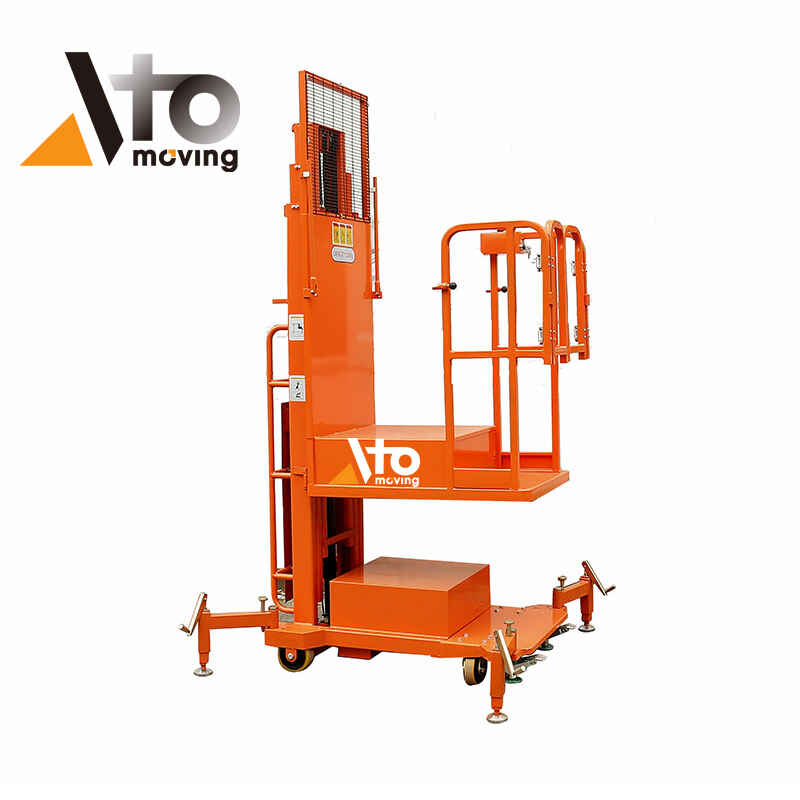
Labor utilization metrics measured picks per labor hour, idle time, and travel versus productive time ratios. Zoning strategies aimed to increase the proportion of time spent picking by reducing walking and waiting. Additional KPIs included conveyor uptime, average tote dwell time per zone, and on-time order completion against service-level targets. Dashboards in WMS or WES presented these indicators, enabling continuous improvement cycles and evidence-based decisions on semi electric order picker and other automation investments.
Summary And Practical Implementation Checklist
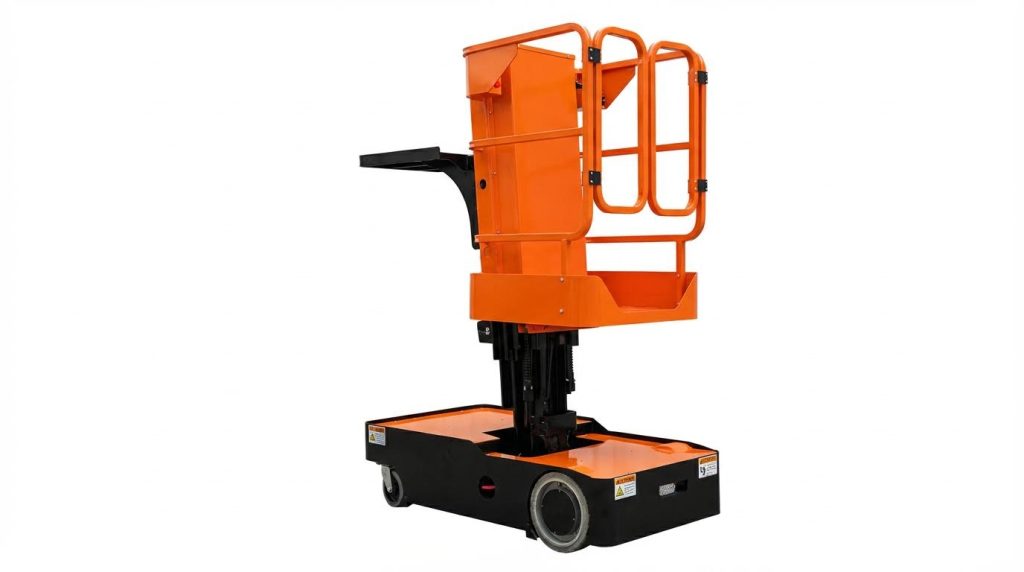
Zone picking layouts divided warehouse space into engineered zones that matched SKU velocity, product families, and storage constraints. This approach reduced travel distance, enabled parallel picking, and supported high-throughput fulfillment under tight service-level targets. Proper slotting, storage policies, and replenishment logic aligned inventory placement with demand patterns while keeping hazardous and high-value goods segregated for safety and compliance. Material flows combined conveyors, carts, and goods-to-person systems to route work efficiently between zones and into packing.
Control systems such as warehouse management and execution software coordinated carton or tote routing, balanced workloads between zones, and synchronized with technologies like pick-to-light, voice, and wearable interfaces. Automation elements, including AS/RS, layer pickers, and pallet flow lanes, increased pick density and reduced manual handling, while digital twins and predictive maintenance stabilized performance and minimized unplanned downtime. Well-structured KPI frameworks tracked throughput, order accuracy, labor utilization, congestion, and equipment health, enabling continuous improvement and data-driven re-slotting.
In practice, engineers started with a quantitative analysis of order profiles, SKU velocity curves, cube-by-velocity data, and safety requirements, then defined zone boundaries and storage media accordingly. They validated flows with simulation or pilot areas before scaling, and ensured each zone supported appropriate picking methods, equipment, and ergonomics. Regular reviews of zoning logic, replenishment triggers, and technology settings accounted for seasonality, product introductions, and changes in customer behavior. Future zone picking designs would integrate deeper automation, richer sensor data, and adaptive routing algorithms, but they would still rely on disciplined engineering of layout, safety, and human workflows.