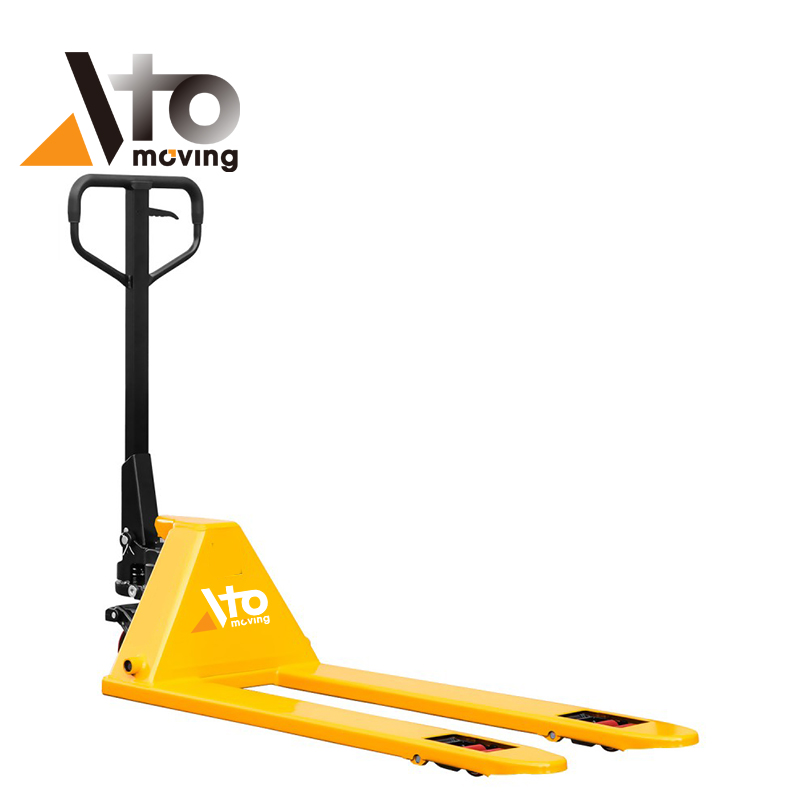
Electric pallet jacks operated as a critical subset of powered industrial trucks in warehouse and logistics environments. This article examined how standards bodies and regulators defined their role within the broader forklift family. It walked through formal ITA and OSHA classifications, core Class III design characteristics, and the safety and lifecycle engineering frameworks that governed their use. Finally, it translated the Class III status of electric pallet jacks into practical implications for specification, compliance, and fleet strategy in modern material handling operations.
Forklift Classification And Where Pallet Jacks Fit
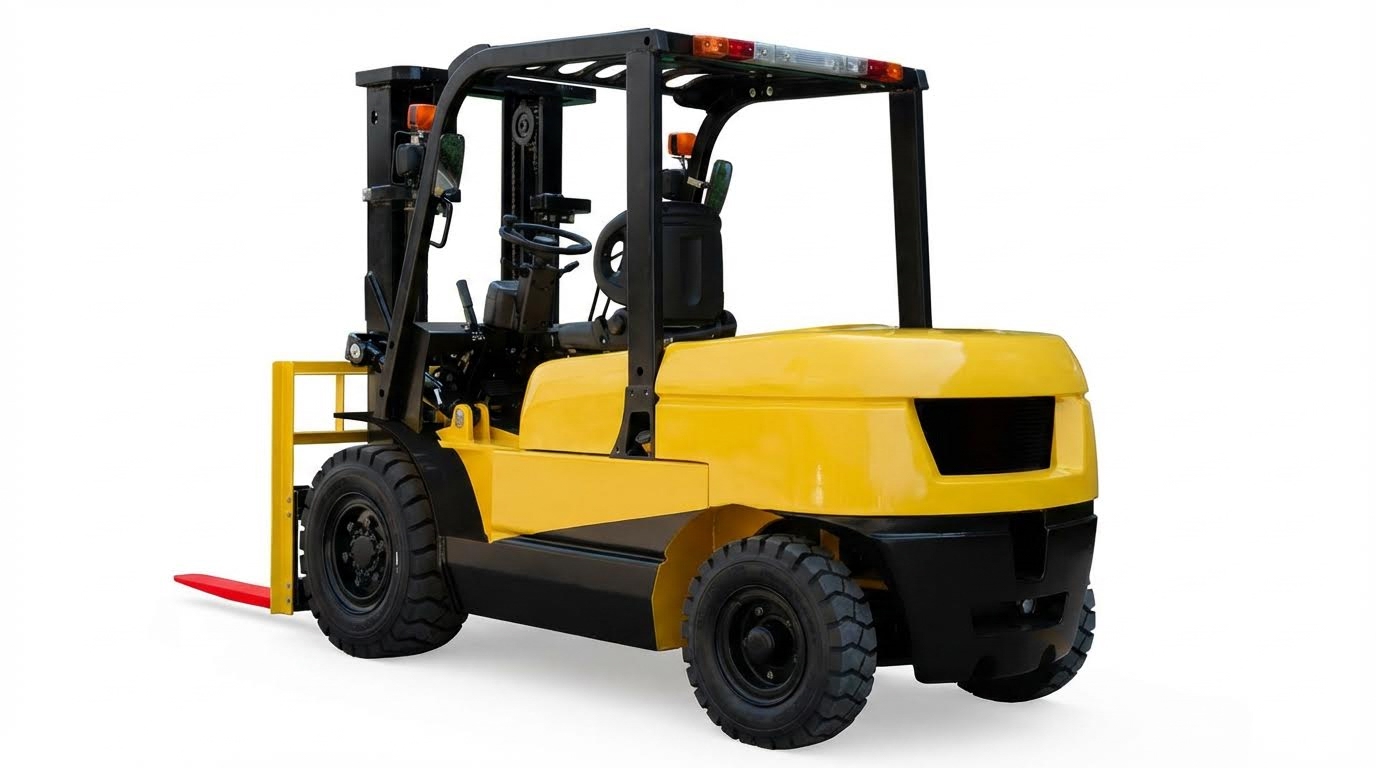
Forklift classification frameworks created by ITA, ISO, and OSHA defined clear boundaries between truck types. These systems grouped industrial trucks by power source, operator position, environment, and functional role. Electric pallet jacks sat within this structure as powered industrial trucks, not just enhanced hand trucks. Understanding where they fit helped engineers, safety managers, and fleet planners apply the correct technical and regulatory requirements.
Overview Of ITA And OSHA Forklift Classes
The North American Industrial Truck Association divided forklifts into seven classes based on power, environment, and geometry. Class III covered electric motor hand and hand/rider trucks, including pallet jacks, stackers, and tow tractors. These units used on-board batteries, lacked seated operator compartments, and typically worked on smooth indoor floors. OSHA aligned with this scheme under 29 CFR 1910.178 and treated Class III units as powered industrial trucks. OSHA rules required operator training, evaluation, and periodic refresher training for all powered classes, including Class III. Manual pallet jacks fell outside this powered-truck scope and therefore did not trigger OSHA PIT operator certification requirements.
Why Electric Pallet Jacks Are Class III Trucks
Electric pallet jacks met every defining criterion for Class III trucks. They used electric traction and lift motors powered by lead-acid or lithium-ion batteries. Operators walked behind or stood on a small platform instead of sitting in an enclosed cab. The trucks performed low-lift, short-distance horizontal transport of palletized loads, typically below 3 tonnes and under roughly 250 millimetres lift height. Their compact chassis omitted a large counterweight, which differentiated them from higher-capacity counterbalanced stacker. These attributes matched the ITA and OSHA definition of “electric motor hand or hand/rider trucks,” which anchored their Class III designation.
Distinction From Manual Pallet Jacks And Carts
Manual pallet jacks used human force for traction and hydraulic lifting, so standards did not classify them as powered industrial trucks. They lacked electric drive, control circuits, and traction batteries, which removed them from Class III. Warehouse carts, dollies, and non-lift platform trucks only provided rolling support and offered no powered lifting or integrated forks. Electric pallet jacks, in contrast, combined powered drive, powered lift, and fork geometry designed for standardized pallets. This combination justified their forklift status and placed them under PIT rules. For engineering and safety planning, this distinction affected training obligations, inspection regimes, and fleet sizing assumptions in warehouse and logistics facilities.
Design Characteristics Of Class III Electric Pallet Jacks
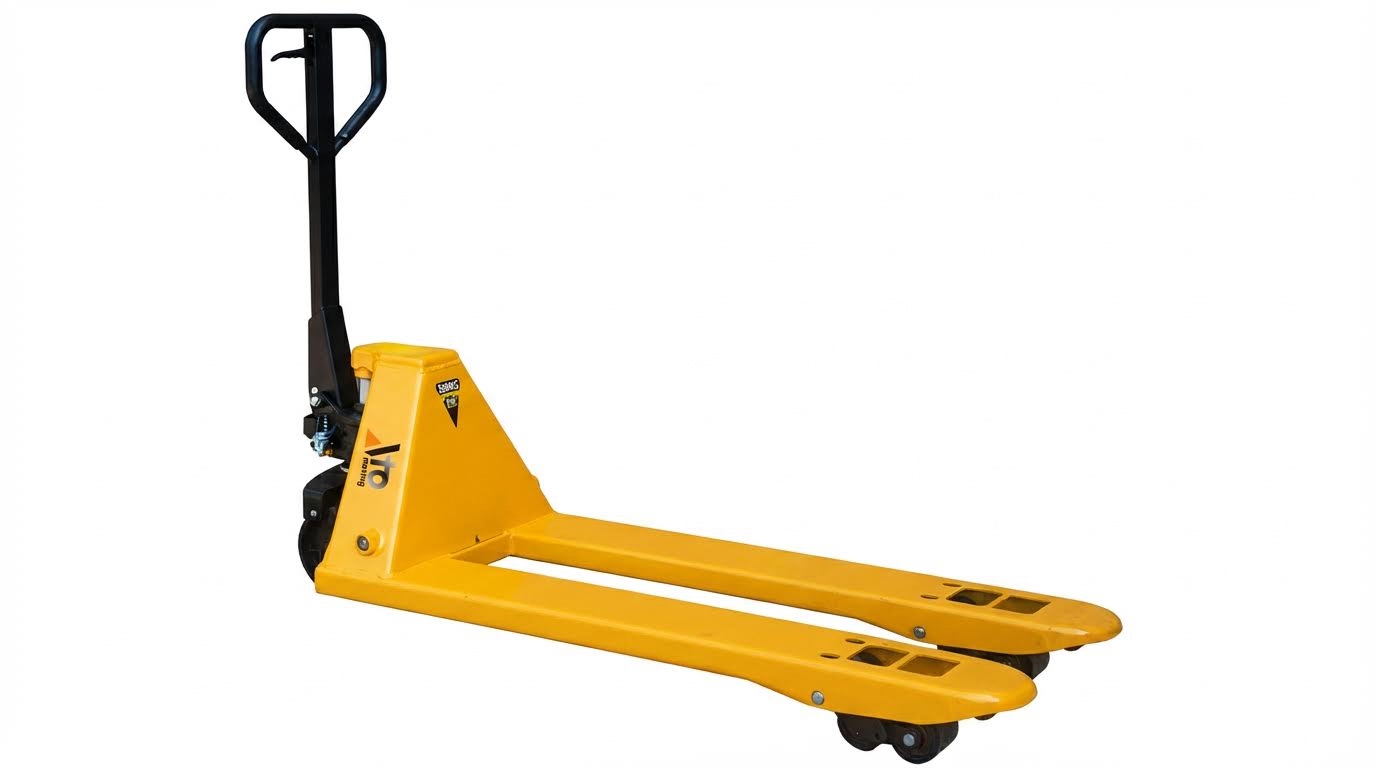
Class III electric pallet jacks had a distinct architecture compared with seated counterbalance trucks. Their design prioritized short horizontal moves, low lift heights, and compact envelopes over high mast reach or rough‑terrain capability. Understanding these design characteristics helped engineers and operators match equipment to throughput, aisle geometry, and regulatory constraints.
Power Source, Capacity, And Duty Cycle Limits
Class III pallet jacks used on‑board electric power, historically lead‑acid batteries and increasingly lithium‑ion packs. Typical rated capacities stayed below 3 tonnes, with many warehouse units around 1.5–2.5 tonnes due to the absence of a counterweight. Their maximum lift height usually remained under 250 millimetres, sufficient only to clear floor irregularities and dock plates rather than stack in racking. Duty cycles depended on battery chemistry, charger sizing, and shift pattern; lead‑acid systems required scheduled charging and equalization, while lithium‑ion supported partial and opportunity charging with less degradation. Engineers sized battery capacity based on energy consumption per pallet‑kilometre, ambient temperature, and peak‑throughput periods to avoid voltage sag and performance loss late in the shift.
Operator Position, Controls, And Stability Factors
Electric pallet jacks in this class used walk‑behind or stand‑on rider configurations, not seated cabs. The operator controlled travel and lift via a tiller arm with integrated throttle, direction, lift, and lower switches, plus a horn and emergency reverse or belly button. Stability relied on a low centre of gravity, short load centre distance, and a three‑ or four‑point wheel layout rather than a counterweight and mast. Designers managed longitudinal and lateral stability by limiting lift height, restricting speed under load, and tuning acceleration and braking ramps in the motor controller. Stability margins also depended on fork length, wheelbase, and the relationship between the combined centre of gravity of truck and load and the support polygon defined by the wheels.
Horizontal Transport Vs. Vertical Lifting Functions
Class III pallet jacks primarily executed horizontal transport over short distances between docks, staging lanes, and storage zones. Their hydraulic systems raised loads just enough to free pallets from the floor, not to interface with multi‑level racking as reach trucks or counterbalance forklifts did. This functional focus simplified the mast structure, reduced overall height, and allowed operation under low door headers and conveyors. Because vertical lift was minimal, design trade‑offs favoured compact chassis and manoeuvrability over high‑strength mast sections and tilt mechanisms. In process terms, these trucks bridged the gap between manual pallet jacks and higher‑capacity forklifts, feeding and evacuating pallet flows without replacing vertical handling equipment.
Suitability For Indoor, Clean, And Tight-Aisle Use
Electric pallet jacks suited indoor environments with smooth, hard floors such as distribution centres, manufacturing plants, pharmaceutical warehouses, and food facilities. Their electric drive produced no tailpipe emissions and low noise, which aligned with clean‑room‑adjacent, temperature‑controlled, or hygiene‑critical operations. The compact chassis and short turning radius enabled navigation in narrow aisles, inside trailers, and around congested staging areas where larger forklifts could not rotate safely. Design options such as low‑profile forks, creep‑speed buttons, and precise proportional controls improved positioning accuracy at docks and conveyors. These characteristics made Class III units effective where space optimisation, air quality limits, and worker noise exposure thresholds constrained the use of internal combustion trucks.
Safety, Compliance, And Lifecycle Engineering
Safety, compliance, and lifecycle engineering defined how facilities deployed Class III electric pallet jacks. Engineers and safety managers integrated regulatory requirements, technical limits, and maintenance data into fleet decisions. This section focused on operator qualification, engineering controls, and asset-management strategies that supported safe, high-availability operation.
OSHA Training, Certification, And Inspection Rules
OSHA treated electric pallet jacks as powered industrial trucks under 29 CFR 1910.178. The regulation required operators to be at least 18 years old and to complete formal instruction, practical training, and an on-the-job evaluation. Employers had to certify each operator and document the evaluation date, trainer, and equipment type. Re-evaluation occurred at least every three years, or sooner after an incident, near miss, or unsafe behavior. Daily pre-use inspections were mandatory and typically covered forks, horn, brakes, steering, controls, hydraulic leaks, and visible structural damage. Facilities often used standardized checklists to prove compliance and to feed defects directly into maintenance workflows.
Maintenance Regimes For Batteries, Hydraulics, And Wheels
Lifecycle engineering programs defined maintenance intervals for batteries, hydraulics, and running gear based on duty cycle and environment. Lead-acid and lithium-ion batteries required correct charging profiles, avoidance of deep discharge, and weekly or monthly checks of voltage, temperature, and, for flooded cells, electrolyte condition. Hydraulic systems needed six-month inspections for cylinder leaks, hose damage, seal condition, and contamination in the fluid. Wheels and axles required frequent checks for flat spots, bearing wear, and embedded debris that increased rolling resistance. Monthly lubrication of wheel bearings and pivot points reduced energy consumption and extended component life. Documented preventive maintenance plans reduced unplanned downtime and aligned with OSHA expectations for safe equipment condition.
Risk Controls For Load Balance And Tip-Over Prevention
Class III electric pallet jacks lacked counterweights, so stability depended on correct load placement and conservative handling. Operators had to respect the rated capacity, typically below 3 tonnes, and keep the combined load center within the manufacturer’s specified distance. Loads needed even distribution across both forks, with damaged pallets or offset loads flagged for repalletizing. Engineering controls included low maximum lift height, usually under 250 millimetres, and speed limits that reduced dynamic instability. Procedures required forks fully lowered when traveling and reduced speed on ramps, in congested zones, and near staging interfaces with larger forklifts. Facilities often combined these rules with marked travel lanes, one-way traffic plans, and clear visibility requirements to further reduce collision and tip-over risk.
Cost, Uptime, And Fleet Optimization Considerations
Electric pallet jack fleets contributed significantly to warehouse operating costs through energy use, batteries, tires, and unplanned repairs. Lifecycle engineering teams tracked mean time between failures and battery replacement cycles to optimize maintenance spend. Opportunity charging strategies and correctly sized chargers reduced battery stress and extended service life. Data from inspections and telematics, where available, identified high-impact failure modes and abusive driving patterns that drove costs. Right-sizing the fleet, based on actual horizontal transport demand and shift patterns, minimized idle equipment and capital tie-up. A structured Class III program balanced acquisition cost, safety performance, and uptime, ensuring that pallet jacks remained reliable links between docks, staging areas, and storage locations.
Summary: Practical Implications Of Class III Status
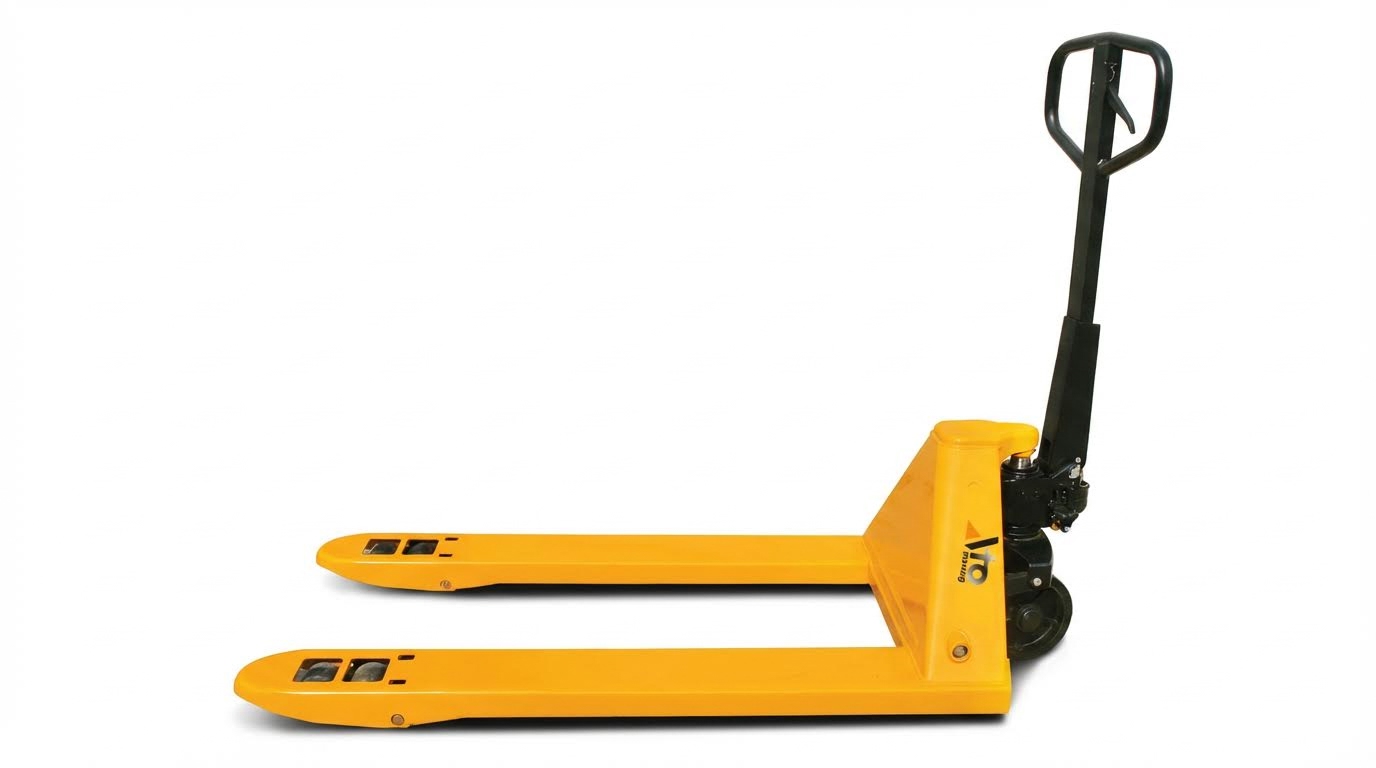
Class III status defined electric pallet jacks as powered industrial trucks with specific design and use boundaries. They operated as low-lift, horizontal-transport machines with typical capacities below 3 tonnes and lift heights under 250 millimetres. Their compact chassis, walk-behind or stand-on operation, and battery power made them ideal for dense, indoor warehouse layouts. Standards from ITA, ISO/TC110, and OSHA framed them as forklifts in a regulatory sense, which drove training, inspection, and maintenance obligations.
This classification had strong implications for safety and compliance. OSHA treated electric pallet jacks like other forklifts under 29 CFR 1910.178, so operators required formal and practical training, evaluation, and three-year re-certification. Daily pre-use inspections, structured maintenance of batteries, hydraulics, and wheels, and documented risk controls for load stability were not optional; they were baseline requirements. Organizations that embedded these processes achieved lower incident rates and longer equipment life.
From an engineering and operations perspective, Class III status clarified the role of electric pallet jacks in the fleet mix. They handled short-distance pallet moves, dock work, and staging, while higher-class trucks performed vertical storage and outdoor handling. This separation supported right-sizing of equipment, reduced energy use, and minimized noise and emissions in sensitive environments such as food and pharmaceutical facilities. Future trends pointed toward broader use of lithium-ion batteries, smarter chargers, and telematics-based monitoring to extend uptime and enable condition-based maintenance. At the same time, tighter regulatory focus on operator competence and battery safety would likely continue, requiring engineering controls, clear procedures, and periodic retraining to keep Class III fleets both productive and compliant.