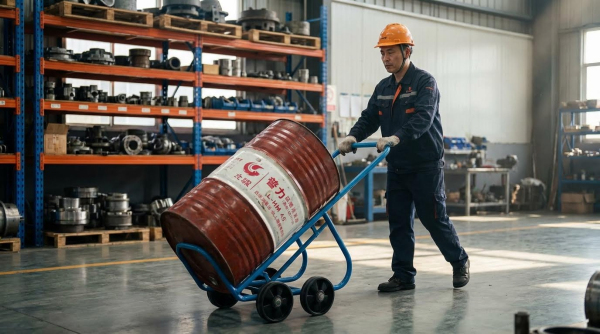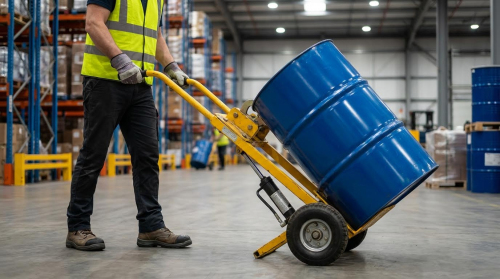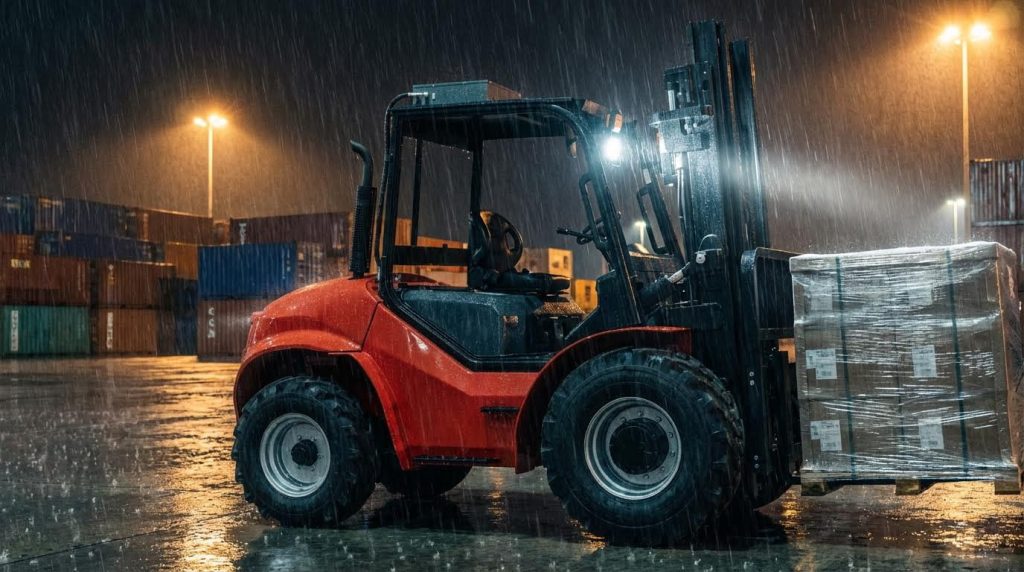
Diesel forklift weight influenced engineering, safety, and investment decisions across ports, construction sites, and heavy industry. This guide examined how diesel forklift mass varied by capacity class, engine system design, and counterweight strategy, and compared it with electric and LPG trucks.
It then explored how higher truck weight affected stability envelopes, floor and ground loading, transport logistics, and lifecycle costs. Finally, it outlined how to specify the right diesel forklift weight for a given application, including forklift drum grabber, compliance, training, and the use of digital tools for long-term fleet planning.
Diesel Forklift Weight Ranges And Key Drivers
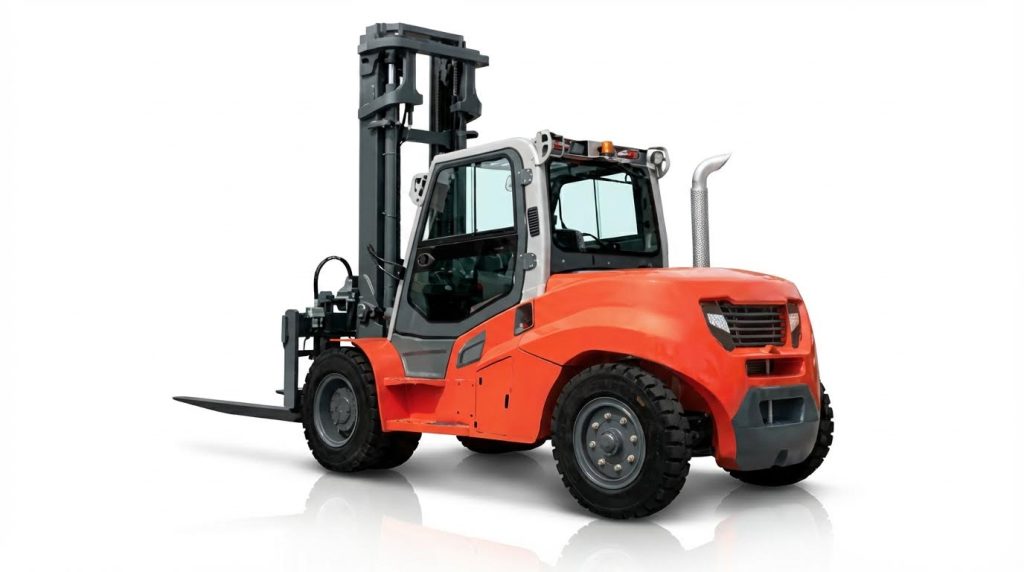
Diesel forklift weight directly affected stability, lifting capacity, transport logistics, and infrastructure design. Engineers evaluated truck mass alongside rated capacity, wheelbase, and counterweight geometry. Understanding weight drivers allowed better matching of equipment to outdoor, port, and industrial applications. This section examined how capacity class, powertrain, and counterweight strategy defined overall diesel truck weight.
Typical Diesel Forklift Weight By Capacity Class
Diesel forklifts occupied a wide weight spectrum tied to rated capacity. Light industrial diesel units with 3,000–5,000 pound capacities typically weighed between 4,500 and 8,000 kilograms. Medium-capacity trucks in the 5,000–12,000 pound class usually fell in the 7,000–15,000 kilogram range. Heavy industrial and port-focused diesel trucks with 10,000–100,000 pound capacities routinely exceeded 7,000 kilograms and reached over 90,000 kilograms for specialized models. The largest container-handling and steel-mill forklifts surpassed 140,000 pounds, with some container-handling variants above 200,000 pounds. In practice, a forklift often weighed significantly more than its rated load, which ensured a stable counterbalance for high, offset loads.
How Engine, Fuel, And Cooling Systems Add Mass
Diesel powertrains contributed a substantial share of total forklift mass. Heavy-duty diesel engines in these trucks typically weighed 450–1,100 kilograms, depending on displacement and turbocharging. The fuel system added further mass through tanks holding 15–50 gallons, which added roughly 45–160 kilograms when full. Cooling systems, including large radiators, charge-air coolers, and high-capacity fans, increased front-end weight to manage continuous high-load operation. Exhaust aftertreatment, reinforced engine mounts, and structural crossmembers also added steel mass around the powertrain. Collectively, these elements made diesel forklifts heavier than comparable-capacity electric or LPG units, but they supported continuous outdoor duty, high torque output, and thermal robustness.
Counterweight Sizing And Its Impact On Stability
The counterweight remained the dominant single contributor to diesel forklift weight. Designers typically sized the rear counterweight at 1.5–2 times the rated lifting capacity to maintain stability across the load chart. For example, a 10,000 pound capacity diesel forklift often carried a 6,800–9,000 kilogram rear counterweight, which significantly influenced the truck’s total mass. This dense steel block shifted the center of gravity rearward, balancing the forward tipping moment created by the load on the forks and the mast assembly. Heavier counterweights improved stability and allowed higher capacities or longer load centers, but they also raised floor loading, transport weight, and braking energy. Engineers therefore balanced counterweight mass, wheelbase, and mast geometry to meet stability standards while controlling infrastructure and logistics impacts.
Comparing Diesel Weight To Electric And LPG Trucks
Diesel forklifts generally weighed more than LPG trucks of similar capacity but often less than equivalent high-capacity electric units. Electric counterbalance forklifts typically weighed 1,100–8,000 kilograms, with the traction battery forming a large portion of the mass. Standard counterbalance trucks in the 2,500 kilogram capacity range usually weighed 3,000–5,000 kilograms, whether diesel, LPG, or electric, but weight distribution differed. Diesel trucks concentrated mass in the engine, transmission, and counterweight, whereas electric trucks used the battery as both an energy source and counterweight. LPG forklifts tended to be lighter than diesel equivalents because their engines and fuel systems were smaller and required less cooling. However, at the very high-capacity end, diesel forklifts dominated, with weights from 10,000 to over 100,000 pounds, where electric and LPG solutions remained rare due to energy density and refueling constraints.
Engineering Implications Of Heavier Diesel Forklifts
Heavier diesel forklifts changed how engineers evaluated stability, infrastructure, and operating economics. Their mass affected not only lifting performance but also floor design, transport methods, and lifecycle cost models. Understanding these implications allowed engineers and fleet managers to select suitable trucks and avoid structural or regulatory issues.
Load Charts, Capacity Plates, And Stability Limits
Capacity plates and load charts defined the safe operating envelope for diesel forklifts. Engineers derived these values from the truck’s weight, wheelbase, mast geometry, and counterweight size. Heavier diesel units, often with counterweights 1.5–2 times the rated capacity, provided higher nominal capacities but still followed strict stability triangles and moment limits. Attachments, higher lift heights, and load center shifts reduced allowable capacity, so updated plates were essential after any configuration change. Operators needed training to interpret capacity data at different lift heights and load centers and to never exceed plate values, even if the truck felt stable.
Floor Loading, Slab Design, And Ground Conditions
The weight of diesel forklifts drove critical floor and ground design decisions. Standard warehouse slabs usually supported trucks under about 6,800 kilograms, but heavier diesel models could exceed point load or punching shear limits, especially at rack aisles and joints. Engineers calculated wheel loads, contact pressures, and dynamic factors from braking and turning to verify slab thickness, reinforcement, and subgrade capacity. Outdoors, heavy diesel forklifts required compacted sub-bases, adequate drainage, and sometimes crane mats or steel plates on weak soils to prevent rutting or differential settlement. Older facilities and mezzanines often needed structural assessment or strengthening before introducing high-capacity diesel units.
Transport, Permitting, And Rigging Considerations
Transporting heavy diesel forklifts demanded accurate weight data and careful logistics. Typical road trailers had payload limits near 15,400 kilograms per tandem group, so forklifts above roughly 18,000 kilograms often required low-bed or multi-axle trailers. Units over about 13,600–18,000 kilograms in many jurisdictions triggered overweight permits, routing constraints, and escort requirements, which increased project cost and lead time. Rigging plans accounted for the truck’s center of gravity, counterweight bias, and lift points to avoid sling overload or crane instability. Facilities needed rated docks, ramps, and suitable jacking points so technicians could safely lift or support these machines during maintenance or component replacement.
Fuel Use, Tire Wear, And Lifecycle Cost Impacts
Higher diesel forklift weight directly influenced operating costs over the machine’s life. Heavier trucks typically consumed 15–25% more fuel than lighter models with similar engines due to increased rolling resistance and acceleration loads. Tire wear accelerated because contact pressures and scrub forces during tight turns increased, especially on rough or abrasive surfaces. Maintenance budgets had to account for heavier components, larger consumables, and more demanding lifting of parts during service. Capital projects sometimes included floor upgrades, reinforced aprons, or thicker yard pavements, which shifted the true cost comparison between diesel, electric, and alternative solutions. Lifecycle analyses therefore combined purchase price, fuel, tires, maintenance, infrastructure, and transport costs rather than focusing only on initial capacity and engine power.
Specifying The Right Diesel Forklift Weight
Specifying diesel forklift weight required careful alignment of engineering limits, safety rules, and site constraints. Engineers evaluated load cases, reach, terrain, and duty cycles before selecting a weight class. Incorrect weight selection increased risk of tip-over, structural damage, or excessive operating cost. A structured approach helped balance stability, productivity, and lifecycle economics.
Matching Truck Weight To Load, Reach, And Terrain
Engineers first defined the maximum load mass, load center distance, and required lift height. Diesel forklifts with capacities from 10,000 to over 100,000 pounds used heavier chassis and counterweights to satisfy these requirements. The counterweight typically equaled 1.5 to 2 times the rated capacity, so a 10,000-pound truck capacity implied roughly 15,000 to 20,000 pounds of counterweight mass. Outdoor steel yards, ports, or construction sites often justified heavier trucks for long load centers and uneven ground. On soft or unprepared terrain, excessive truck weight increased sinkage, so engineers sometimes accepted lower capacity to reduce ground pressure.
Effects Of Attachments, Tires, And Options On Weight
Attachments such as side-shifters, clamps, rotators, and fork positioners shifted the truck’s center of gravity forward and added dead weight. These options reduced rated capacity at a given load center, even when overall truck weight increased. Solid or foam-filled tires weighed more than pneumatic tires and increased unsprung mass, which improved puncture resistance but raised floor loading. Optional cabs, larger fuel tanks, and heavy-duty masts further increased truck mass beyond base manufacturer data by several hundred kilograms or more. Engineers therefore verified the capacity plate for the exact configuration instead of relying on catalog weights.
Safety Compliance, Training, And Inspection Practices
Safety compliance started with using only trucks whose capacity plates matched the intended loads, heights, and attachments. Regulations such as LOLER and equivalent national standards required periodic thorough examinations of lifting components and documented daily checks. Operators trained on reading capacity plates, understanding de-rated capacities with attachments, and recognizing how added weight affected stopping distance and tip risk. Site managers implemented pre-use inspections that included tire condition, leaks, warning lights, and functional tests of mast, tilt, and brakes. Heavier diesel units received particular attention for floor condition, ventilation in semi-enclosed areas, and safe parking arrangements on slopes.
Digital Twins And Predictive Tools For Fleet Planning
Digital twins and simulation tools allowed planners to model forklift weight, load cases, and facility constraints before purchase. Engineers could test different truck weights, attachment packages, and tire types against floor slab ratings, ramp gradients, and trailer deck limits. These models incorporated manufacturer weight data, plus estimated mass for options not included in base specifications. Predictive analytics used historical duty cycles to forecast fuel use, tire wear, and maintenance loads for heavier versus lighter trucks. Fleet managers then optimized the mix of diesel forklift weights to minimize lifecycle cost while maintaining safety margins and throughput targets. Tools like forklift drum attachments, electric drum stacker, and drum handler were often considered in such evaluations to ensure compatibility with specific operational needs.
Summary: Diesel Forklift Weight, Risk, And ROI Conclusion
Diesel forklift weight directly influenced lifting capacity, stability, infrastructure demands, and operating economics. Typical units ranged from 6,800 kilograms to well over 90,000 kilograms, while extreme container-handling variants exceeded 90,000 kilograms. Heavy-duty engines, large fuel systems, and oversized counterweights, often 1.5 to 2 times rated capacity, drove this mass. Accurate weight data underpinned safe operation, compliant transport, and correct floor loading checks.
Heavier diesel forklifts delivered superior stability, higher load ratings, and improved traction on rough ground. They also increased fuel consumption by roughly 15–25%, accelerated tire wear, and raised maintenance and transport costs, especially above 13,600 kilograms where special trailers and permits became common. Facilities occasionally needed reinforced slabs or ground improvements before admitting very heavy trucks. These factors shifted total cost of ownership, particularly for fleets running multiple shifts.
Practical implementation required matching truck weight to real load spectra, lift heights, and terrain, rather than choosing capacity on nameplate alone. Engineers and safety managers had to review capacity plates, floor design data, and road regulations together. Attachments, non-standard tires, and custom options added unrecorded mass, so verification against manufacturer data and site conditions remained essential.
Looking forward, digital twins and predictive tools supported better fleet right-sizing by simulating duty cycles, fuel use, and structural impacts before purchase. The industry trend moved toward data-driven selection, where diesel forklifts remained indispensable for heavy outdoor work but operated within tightly engineered envelopes. A balanced approach considered not only maximum capacity, but also structural risk, regulatory exposure, and long-term ROI across the machine’s full lifecycle. For specialized operations, equipment like the forklift drum grabber, electric drum stacker, and manual pallet jack offered tailored solutions.