Indoor use of propane forklifts required careful control of exhaust emissions, ventilation, and operating practices. This article examined combustion byproducts, regulatory limits, and how propane compared with diesel and electric trucks in enclosed spaces. It then detailed how to size and arrange ventilation systems, apply gas monitoring, and account for changing airflow conditions in real warehouses and trailers. Finally, it covered engineering controls, maintenance, storage and refueling rules, and operator training, before summarizing how facilities could choose and manage indoor forklift power sources safely.
Indoor Propane Forklift Risks And Regulations
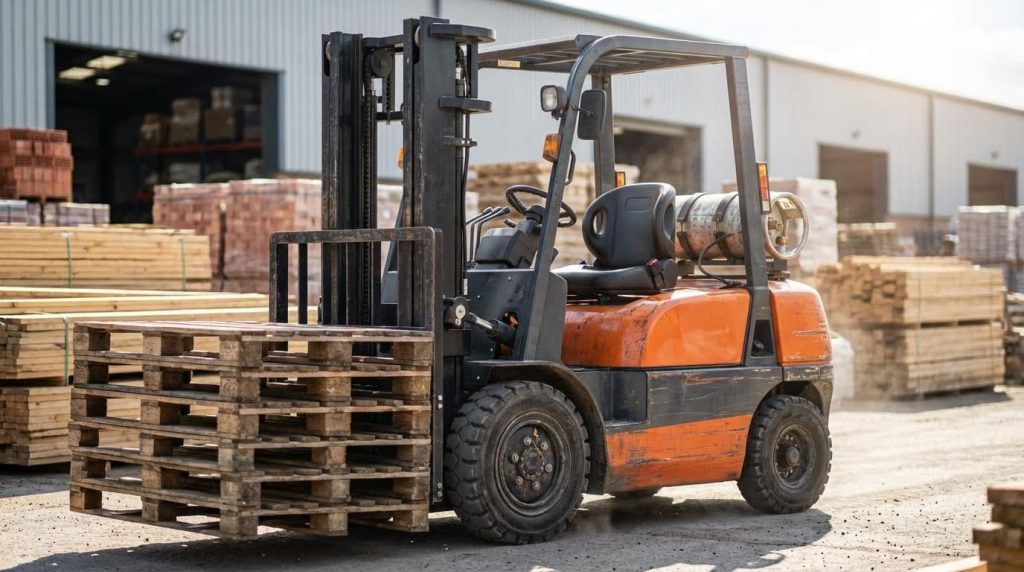
Indoor propane forklift operation introduced complex interactions between combustion chemistry, ventilation design, and regulatory limits. Engineers needed to understand exhaust composition, exposure thresholds, and duty cycles to design safe systems. Regulations framed minimum requirements, but risk assessments often justified stricter internal standards. Comparing propane, diesel, and electric platforms allowed facilities to align powertrain choices with air quality and productivity targets.
Combustion Byproducts: CO, NOx, And Particulates
Propane engines emitted carbon monoxide, nitrogen oxides, carbon dioxide, and ultrafine particulates during indoor operation. CO posed the dominant acute risk because it was colorless, odorless, and bound to hemoglobin more strongly than oxygen. Poor mixture control, restricted air intake, or misfiring increased CO levels sharply, sometimes up to tenfold over tuned engines. NOx formation depended strongly on combustion temperature and excess air, so lean-burn strategies and exhaust aftertreatment reduced it. Although propane produced less particulate mass than diesel, deposits from oil consumption and incomplete combustion still contributed to indoor particulate matter. Engineers therefore treated propane units as lower-emission than diesel, but never as emission-free, and always coupled them with ventilation and monitoring.
OSHA And Local Code Requirements For LPG Use
OSHA regulations classified propane forklifts as powered industrial trucks and liquid petroleum gas systems, tying them to exposure and fuel-handling rules. CO exposure limits typically followed an 8-hour time-weighted average of 25–50 parts per million, with short-term ceiling values that were lower than concentrations seen near poorly ventilated trucks. Guidance from state agencies, such as the 5,000 cubic feet per minute dilution airflow for a 60-horsepower truck at 50 percent duty, provided engineering baselines. Codes required proper storage of LPG cylinders outdoors in secure enclosures, compliance with 29 CFR 1910.110 for handling, and prohibition of ignition sources near refueling areas. Local fire and building codes often tightened these requirements by specifying mechanical ventilation rates, alarm integration, and egress clearances around operating and parked units. Compliance audits therefore needed to examine both federal OSHA rules and jurisdiction-specific amendments.
Comparing Propane, Diesel, And Electric Indoors
Propane forklifts historically offered faster refueling and lower CO and particulate emissions than comparable diesel units, which made them attractive for mixed indoor–outdoor work. Diesel trucks generated higher NOx and particulate matter, requiring advanced aftertreatment like diesel particulate filters and selective catalytic reduction to approach indoor air quality targets. Even with controls, diesel exhaust posed visibility and deposition issues in enclosed warehouses. Electric forklifts eliminated tailpipe emissions, removing CO and NOx concerns in occupied spaces, but introduced hydrogen generation risks at battery charging stations. Battery rooms therefore required dedicated ventilation sized to keep hydrogen below 1 percent by volume, plus ignition source controls. In facilities with high indoor utilization or limited ventilation capacity, engineers increasingly favored electric fleets and reserved propane or diesel for outdoor or short indoor transits. Additionally, some facilities opted for semi electric order picker solutions to enhance efficiency while maintaining safety standards.
Ventilation Design For Safe Forklift Operation
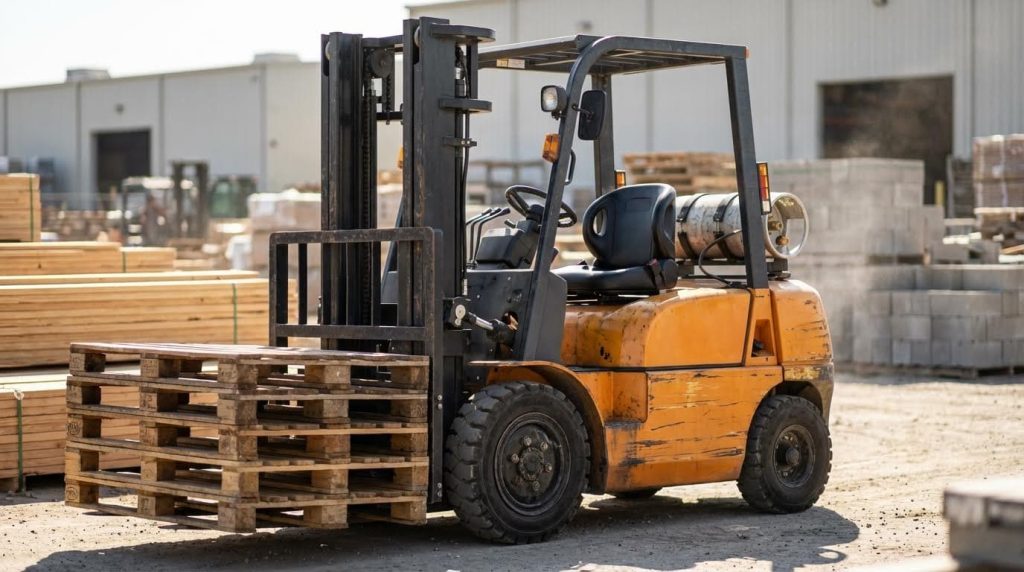
Ventilation design for indoor propane forklift use required a quantitative approach. Engineers needed to link engine power, duty cycle, and building geometry to airflow capacity and distribution. Effective systems diluted exhaust gases, prevented local fume pockets, and maintained concentrations below occupational exposure limits. Designs also accounted for variable operating patterns, weather impacts, and the mix of internal combustion and electric trucks.
Calculating Airflow Needs From Truck Power And Duty
Engine power and utilization time directly influenced required dilution airflow. Guidance from agencies such as the Washington State Department of Labor and Industries indicated that a 60 horsepower propane forklift operating at roughly 50 percent duty needed about 5,000 cubic feet per minute of ventilation. Engineers scaled this value for higher power ratings, multiple units, and longer daily usage. They also considered worst-case CO emission rates, which could reach 10 percent if engines were poorly maintained, and sized fans to keep concentrations below regulatory limits with a safety margin. Calculations typically converted CO generation rates to volumetric airflow using acceptable indoor concentration thresholds, then verified that system capacity matched realistic duty cycles.
Warehouse And Trailer Ventilation Layout Strategies
Ventilation layout focused on moving fresh air through occupied zones and typical travel paths. In warehouses, designers used a combination of general dilution ventilation and targeted extraction near loading docks, staging lanes, and high-traffic aisles. Supply air inlets were often placed high or along exterior walls, while exhaust points were positioned to draw contaminated air away from operators and toward roof or wall fans. For semi-trailers or containers, portable fans or dock-mounted supply and exhaust units created flow-through ventilation before and during entry with forklifts. Engineers avoided dead zones behind racking, inside enclosed rooms, or at mezzanine levels by using computational flow analysis or tracer gas tests to validate air movement patterns.
CO Monitoring, Alarm Setpoints, And Sensor Placement
Carbon monoxide monitoring provided real-time verification that the ventilation design performed as intended. Fixed CO detectors were installed in areas with the highest expected concentrations, including loading docks, interior aisles with frequent forklift traffic, and enclosed rooms where trucks operated. Sensors were mounted at breathing height or slightly above, away from direct fan discharge or fresh air jets that could dilute readings locally. Typical alarm strategies used multiple setpoints, with a lower pre-alarm prompting investigation and ventilation checks, and a higher level triggering evacuation and shutdown of internal combustion trucks. Facilities integrated CO monitoring into building management systems to log trends, correlate peaks with operating patterns, and guide adjustments to fan speed control or traffic routing.
Weather, Doors, And Dynamic Airflow Constraints
Weather and building operation strongly affected actual airflow compared with design assumptions. During cold periods, facilities often closed doors and reduced natural infiltration, which increased the risk of CO buildup from propane forklifts. Engineers therefore sized mechanical ventilation so that required dilution could be achieved even with doors closed and minimal wind-driven exchange. Variable-speed fans and demand-controlled ventilation, driven by CO sensor data, allowed systems to ramp airflow up during heavy truck use and down during low-activity periods to save energy. Designers also considered pressure differences between zones, stack effects, and door opening patterns that could short-circuit airflow or pull exhaust toward occupied spaces. Periodic airflow verification and operational audits ensured that changes to racking, process layout, or door control did not compromise the original ventilation intent.
Engineering Controls, Maintenance, And Training
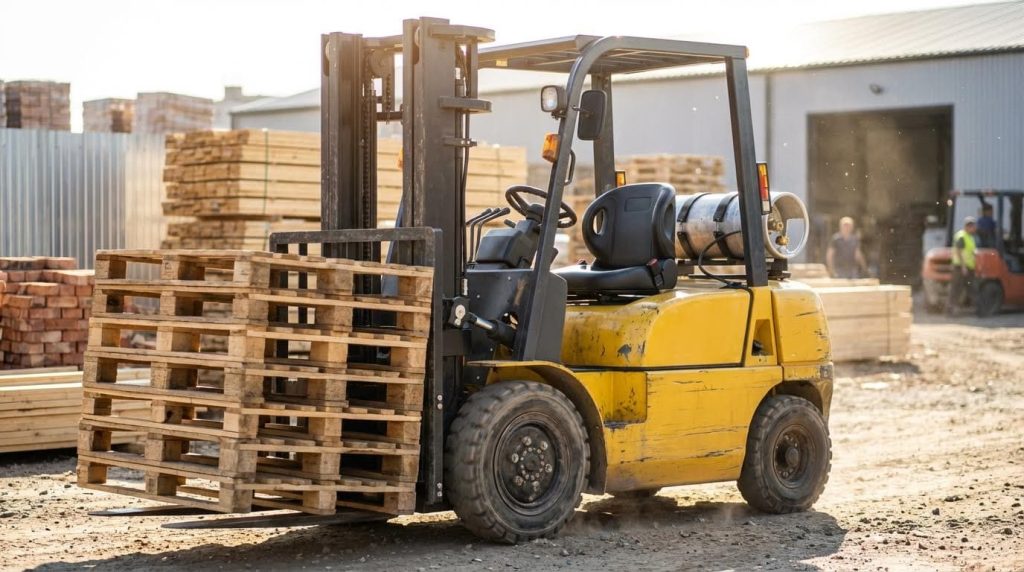
Indoor propane forklift safety depended on robust engineering controls, disciplined maintenance, and structured training. Facilities that integrated all three elements reduced carbon monoxide incidents and improved regulatory compliance. This section focused on practical measures that engineers, safety managers, and supervisors could implement in active warehouses and mixed-use industrial buildings.
Engine Tuning, Exhaust Treatment, And Leak Checks
Proper engine tuning kept combustion efficient and limited carbon monoxide, nitrogen oxides, and unburned hydrocarbons. Maintenance schedules typically specified full tune-ups at least annually or every 2 000 operating hours, including ignition, air–fuel calibration, and emission checks. Technicians inspected exhaust systems for cracks, loose joints, and backpressure issues, because leaks inside a building directly increased worker exposure. Where feasible, retrofitted catalytic converters or oxidation catalysts further reduced CO and HC levels, especially on older LPG engines. Routine leak checks on fuel lines, regulators, and fittings with approved leak-detection solutions helped prevent propane releases that could accumulate in pits or low areas.
Propane Storage, Refueling, And Cylinder Handling
Safe propane logistics started with compliant storage design. Facilities stored cylinders outdoors in lockable, ventilated cages, protected from impact, direct sun, and standing water, in line with LPG and OSHA requirements. Refueling or cylinder exchange occurred in designated areas, ideally outdoors, away from ignition sources, traffic routes, and building intakes. Procedures required shutting off the engine, closing the service valve, prohibiting smoking, and controlling static discharge during cylinder changes. Personnel wore appropriate gloves and eye protection to prevent frostbite from cold liquid or vapor contact, and they secured cylinders upright with valves closed when not in use.
Operator Training On CO Symptoms And Safe Practices
Training programs taught operators how indoor exhaust hazards developed and how to recognize early carbon monoxide symptoms such as headache, dizziness, nausea, and confusion. Courses covered safe driving patterns that minimized idling, aggressive acceleration, and operation in confined spaces like trailers or small rooms without verified ventilation. Operators learned to respond to CO alarms, including stopping work, moving to fresh air, and notifying supervisors rather than silencing devices. Instruction also emphasized pre-operation inspections, including exhaust color checks, unusual odors, and ventilation status, and reinforced seat belt use, load security, and speed control as part of an integrated safety culture.
Summary: Indoor Forklift Exhaust Safety And Choices
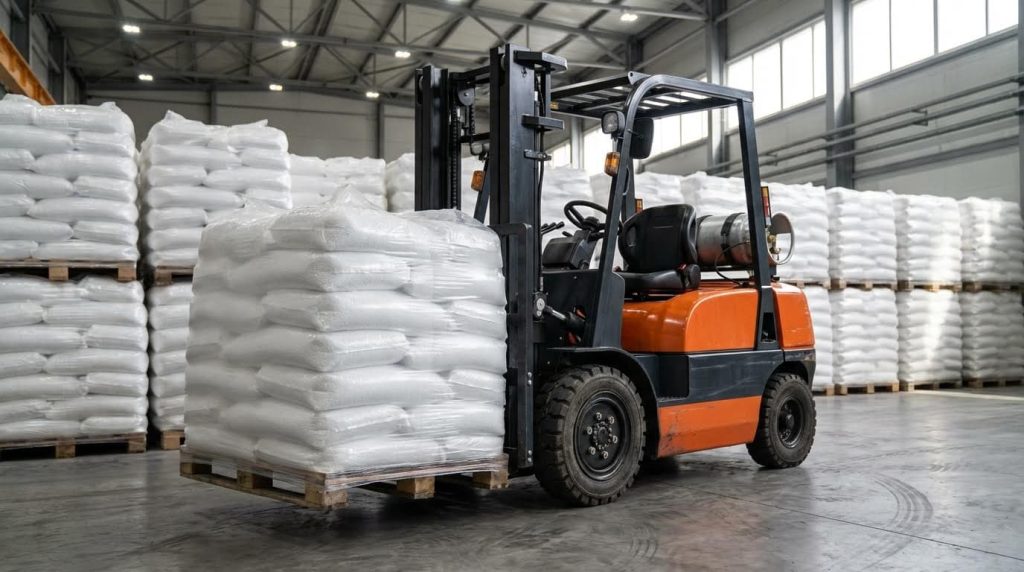
Indoor use of propane forklifts required careful control of exhaust hazards, especially carbon monoxide, nitrogen oxides, and particulates. Regulatory frameworks such as OSHA and local fire codes defined minimum requirements for LPG handling, ventilation, and detector use. Engineering design, equipment selection, and operating practices together determined whether indoor air quality stayed within safe limits.
Technically, the key findings centered on combustion quality, ventilation rate, and exposure time. Poorly tuned internal combustion engines could drive CO levels from below 1 percent to values approaching 10 percent in exhaust, which sharply increased risk in confined spaces. Guidance such as the 5,000 cubic feet per minute dilution airflow for a single 60 horsepower propane truck operating half a shift illustrated the scale of ventilation required. Continuous CO monitoring, correctly placed in high-traffic and worst-case stagnation zones, provided an essential last line of defense.
Industry trends moved toward lower-emission powertrains and smarter controls. Propane units adopted better fuel control and catalytic after-treatment, while electric forklifts eliminated exhaust but shifted the ventilation challenge to hydrogen management at battery charging stations. Future systems were likely to integrate real-time telematics, emission diagnostics, and building ventilation controls into one coordinated safety strategy.
For practical implementation, facilities needed a structured approach: characterize truck power and duty cycle, calculate minimum airflow, verify actual air movement, and then overlay CO detection with alarm and response protocols. Maintenance programs had to enforce tune-ups, exhaust inspections, and leak checks on defined hour-based intervals. Training ensured operators recognized CO symptoms, followed refueling and cylinder-handling rules, and adapted driving behavior to minimize idling and emissions. A balanced technology choice compared propane, diesel, and electric options not only on purchase cost but also on ventilation infrastructure, regulatory exposure, and long-term health and productivity impacts.