Electric pallet jacks support short-range transport, low-lift handling, and in some variants, medium-height stacking. This article examines core specifications such as lift height, travel speed, and capacity, then links them to real warehouse and industrial use cases. It also compares power systems, safety functions, and lifecycle performance to guide engineering-based selection. By the end, you will understand how high an electric lift pallet jack will lift, how far it can travel in a shift, and how to specify the right configuration for demanding industrial operations.
Core Specifications: Lift, Speed, And Capacity
Engineers evaluating how high will an electric lift pallet jack lift must consider lift height, travel speed, and rated capacity as a coupled system. These parameters defined the usable envelope for horizontal transport, truck loading, and low-level stacking. The following subsections describe typical ranges, underlying geometry, and stability constraints that governed safe use in industrial environments.
Typical Lift Heights And Fork Geometry
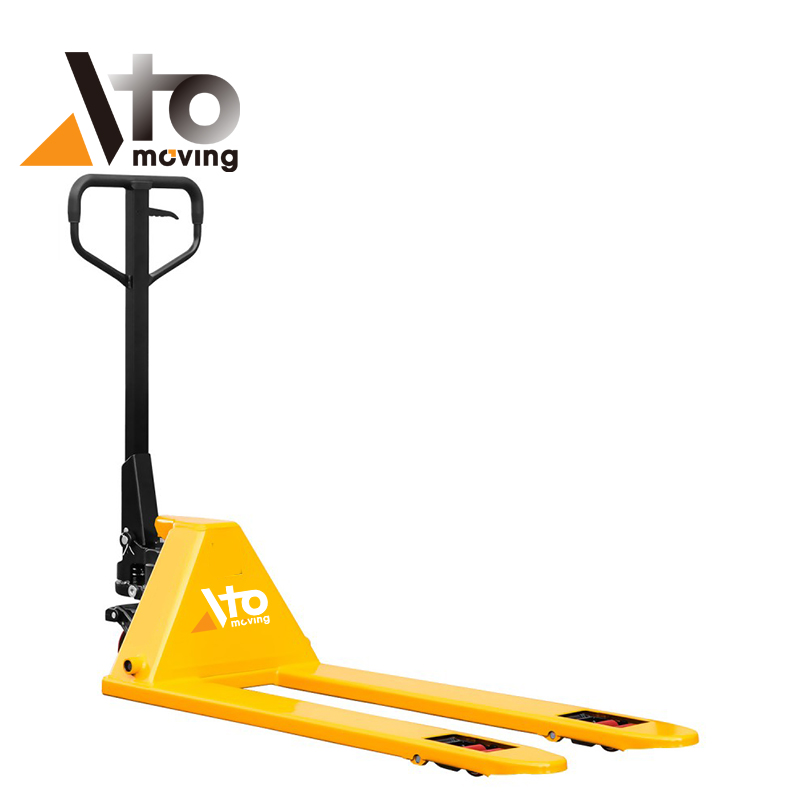
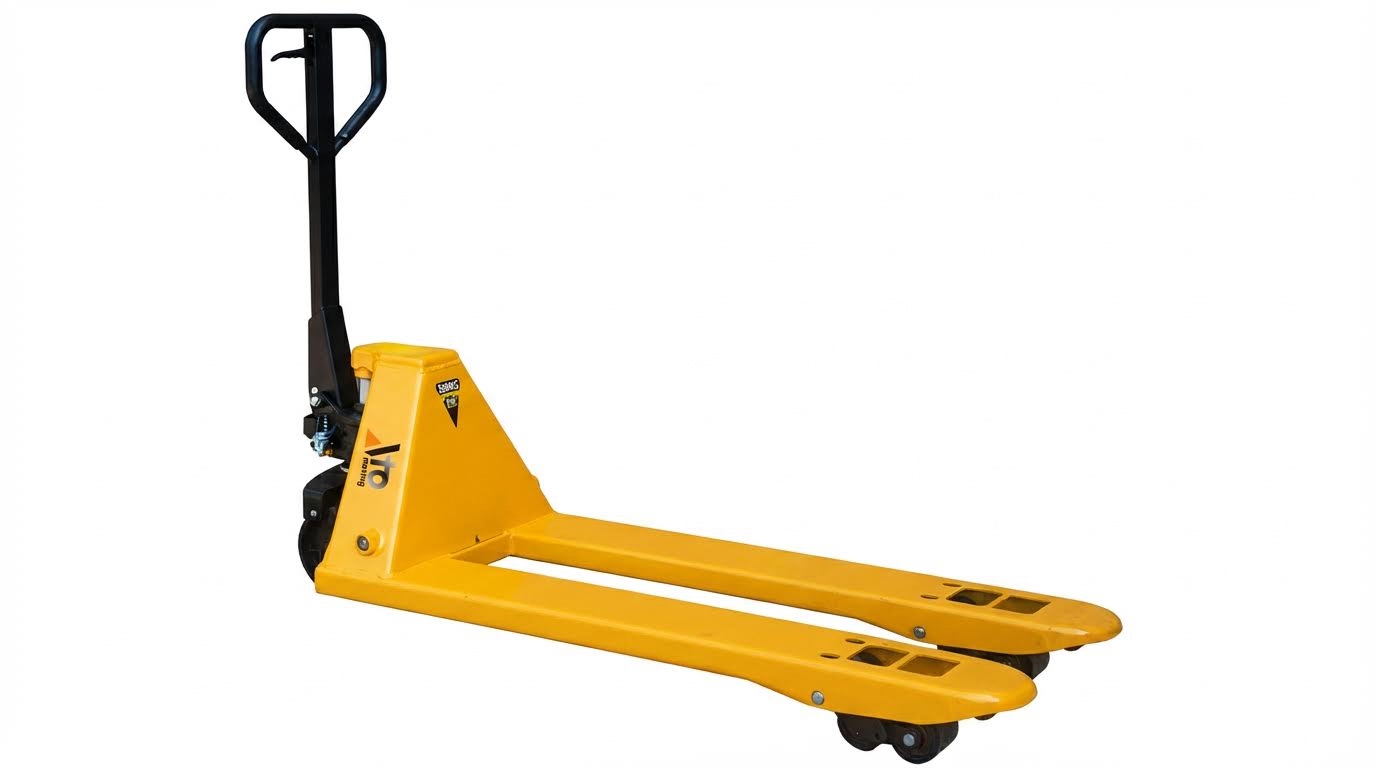
Standard electric pallet jacks used low-lift hydraulics intended for transport, not high stacking. Typical lowered fork heights ranged from 75 mm to 85 mm to enter standard pallets with minimal floor clearance. Maximum fork lift for conventional walkie pallet truck typically reached 180 mm to 205 mm, which equaled roughly 7 to 8.1 inches. This lift height was sufficient to clear floor irregularities, dock plates, and truck beds while keeping the load center low for stability.
High-lift and stacker-type pallet trucks answered higher “how high will an electric lift pallet jack lift” requirements. These designs used mast structures and lifted pallets from roughly 1.6 m up to about 5.0 m. Fork lengths usually ranged from 1 150 mm to 1 300 mm to match ISO pallet footprints. Engineers specified fork thickness and taper to balance stiffness against easy pallet entry, while ensuring compliance with ISO fork deflection limits under full load.
Travel Speed, Range, And Duty Cycles
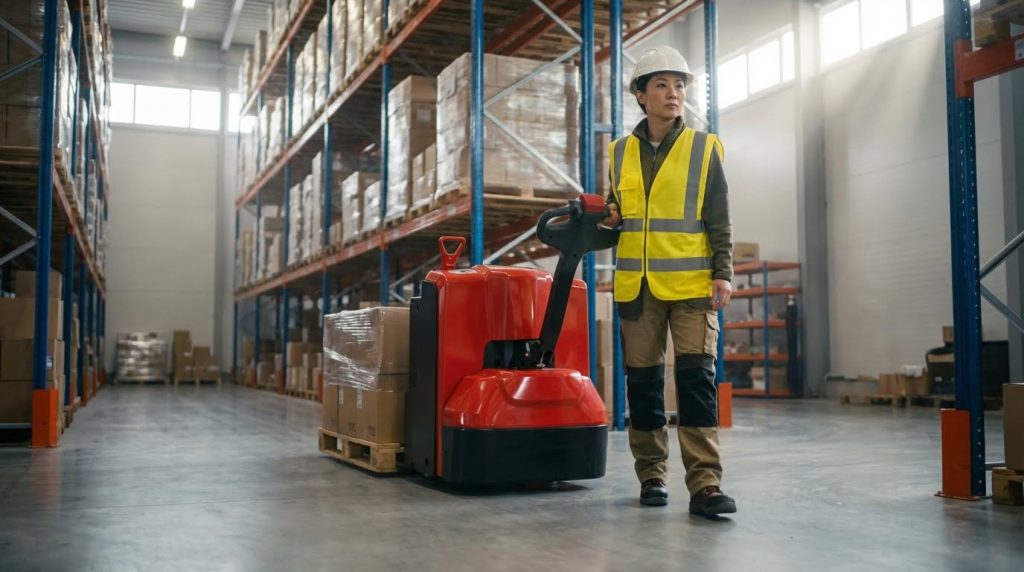
Electric pallet jacks operated at walking or jogging speeds to align with pedestrian safety. Typical walkie units traveled around 4.5 km/h to 6 km/h under load and up to about 8 km/h unladen. Rider or stand-on variants achieved higher speeds, roughly 6 km/h to 10 km/h depending on capacity and braking performance. Manufacturers usually derated speed when the drive sensed elevated loads or steering angles to maintain control in tight aisles.
Range depended on battery voltage, ampere-hour rating, and duty cycle profile. Common 24 V systems with capacities between about 70 Ah and 200 Ah supported 4 hours to 8 hours of mixed operation per charge. Intensive multi-shift use required either larger lead-acid batteries with battery exchange or lithium-ion packs with opportunity charging. Engineers characterized duty cycles using percentages of travel, lift, idle, and plug-in time to size batteries and chargers correctly and to avoid premature depth-of-discharge damage.
Load Capacities, Axle Loads, And Stability Limits
Rated capacity defined how much mass an electric pallet jack could lift to its specified height at a defined load center. Typical nominal capacities for low-lift pallet jacks ranged from about 1 400 kg to 3 000 kg, with heavy-duty models extending to roughly 5 000 kg. The rating assumed a standardized load center, often 600 mm, corresponding to a uniformly distributed pallet load. Exceeding this mass or shifting the center of gravity outward reduced the residual capacity and increased tip risk.
Axle loads on the drive wheel and load wheels governed floor loading and ramp performance. Engineers calculated maximum wheel loads to verify compatibility with floor slab design, mezzanines, and dock plates. Stability envelopes considered longitudinal and lateral tipping under braking, cornering, and ramp conditions. Standards required that the truck remain stable with its rated load on the forks at maximum lift and at specified gradients, which typically ranged up to about 6% to 10% laden and higher unladen.
Turning Radius, Aisle Widths, And Maneuverability
Turning radius and required aisle width determined whether an electric pallet jack could operate efficiently in a given layout. Compact walkie units often achieved turning radii around 1 350 mm to 1 550 mm, enabling work in narrow-aisle warehouse configurations. Larger rider or high-capacity models needed radii from roughly 1 900 mm to over 2 000 mm. Engineers used these values to calculate the minimum right-angle stacking aisle, which included truck length, pallet overhang, and clearance margins for safe maneuvering.
Short overall length and optimized tiller geometry improved maneuverability at low speeds. Crawl-speed or “turtle” modes allowed operators to steer with the tiller in an upright position while maintaining control in very tight spaces, such as inside trailers. Wheel layout, including single or tandem load wheels and drive wheel offset, also affected pivot behavior and tire scrub. Proper matching of truck dimensions to rack layout minimized cycle times and reduced impact damage to racks, pallets, and building structures.
Design Variants And Application Scenarios
Electric pallet jacks answered the question “how high will an electric lift pallet jack lift” with different design families. Each configuration targeted a specific lift range, travel distance, and operator posture. Understanding these variants helped engineers match specifications to warehouse geometry, floor conditions, and duty cycles. Correct selection reduced energy use, collision risk, and life‑cycle cost.
Walkie, Rider, And High-Lift Configurations
Walkie pallet jacks used a tiller and pedestrian control for short to medium horizontal runs. Typical walkie units lifted pallets only 80–205 mm, just enough for ground clearance during transport. Rider and stand-on versions extended range and speed, supporting around 5–10 km/h depending on load and model. High-lift or stacker-style pallet jacks answered “how high will an electric lift pallet jack lift” with mast heights from roughly 1.6 m up to about 5 m for stacking. Engineers selected walkies for compact aisles and frequent starts, riders for cross-warehouse runs, and high-lift units where pallets needed placement into racking.
Horizontal Transport, Dock Work, And Stacking
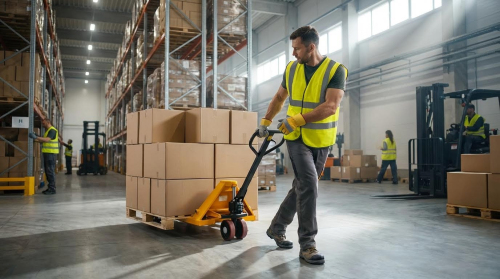
For pure horizontal transport, engineers prioritized travel speed, acceleration, and battery capacity over extreme lift height. Standard electric pallet jacks lifted only 3–8 inches, which minimized mast mass and improved stability at speed. Dock work required quick cycling between floor level, dock plates, and trailer beds, so operators used low-lift walkies or riders with strong grade performance and precise inching controls. Stacking applications demanded answers beyond “how high will an electric lift pallet jack lift” at floor level, focusing instead on rated lift heights aligned with racking beams, typically 2–4 m in light-duty facilities and higher in dense storage. In stacking duty, designers specified better load backrests, controlled lowering, and fine-positioning hydraulics to protect product and racking.
Operation On Ramps, Grades, And Uneven Floors
Operation on ramps and grades shifted emphasis from lift height to tractive effort and braking. Specifications often quoted gradeability between 6–10% under load and up to around 20% unladen for certain models. On inclined docks, operators still needed enough lift height to clear dock plates and threshold lips, typically under 250 mm, while maintaining load stability. Uneven or damaged floors required larger drive wheels and tandem load rollers to bridge gaps and reduce point loads. Engineers avoided using low-lift pallet jacks on steep ramps when possible, even if “how high will an electric lift pallet jack lift” met clearance needs, because traction loss and rollback risk dominated the safety case.
Matching Forks, Wheels, And Pallets To The Task
Matching forks and wheels to pallet geometry often mattered more than absolute lift height. Standard fork lengths around 1150–1300 mm suited ISO and EUR pallets, while custom lengths supported long loads or double-pallet handling. Fork tip thickness and entry bevel determined how easily operators could engage low or damaged pallets without exceeding the modest 80–205 mm lift range. Wheel materials such as polyurethane reduced noise and rolling resistance on smooth concrete, whereas elastomeric or larger-diameter wheels tolerated rougher floors. When engineers evaluated “how high will an electric lift pallet jack lift,” they combined that figure with pallet entry heights, floor slope, and dock level differences to ensure enough but not excessive lift stroke, which kept frames compact and improved maneuverability in tight aisles.
Power Systems, Safety, And Lifecycle Performance
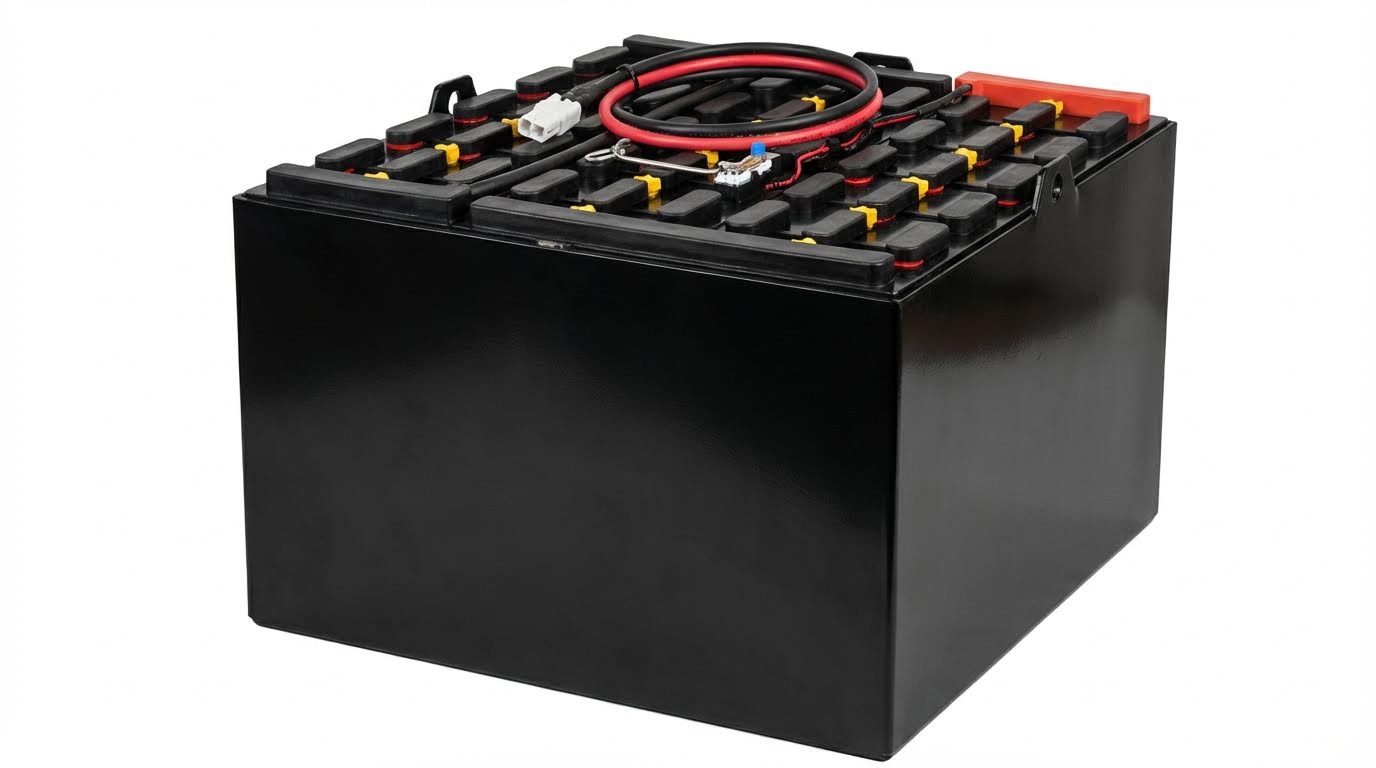
Power, safety, and lifecycle performance determine how high an electric high lift pallet truck will lift during real operations, how long it will keep lifting at rated height, and how safely it will perform over years of use. Engineers must consider battery chemistry, drive and brake design, protective functions, and maintenance strategy as one integrated system. The right configuration supports consistent lift heights, predictable range per charge, and compliance with applicable safety standards.
Lead-Acid Vs Li-Ion Batteries And Charging
Battery chemistry strongly affects how high an high lift pallet truck will lift under sustained duty. Traditional flooded or sealed lead-acid batteries provided stable 24 V supplies but suffered from voltage sag at high discharge rates, which reduced lift speed near the end of a shift. Lithium-ion packs maintained voltage better, so lift motors could reach rated pressure and achieve full lift heights more consistently until state of charge dropped below protective thresholds. Li-ion systems also supported opportunity charging, which allowed partial fast charges during breaks and extended effective daily range without deep cycling. Lead-acid systems required longer, uninterrupted charge cycles and equalization routines, and operators had to avoid repeated deep discharges to prevent sulphation and capacity loss.
Motors, Braking, And Energy-Efficient Drives
Drive and lift motor selection influenced both lifting performance and energy use. AC traction and lift motors paired with modern inverters delivered precise torque control, which helped maintain stable fork elevation even near maximum rated height. Efficient drives reduced current draw for a given lift cycle, extending runtime per charge and limiting thermal stress on windings. Regenerative braking converted kinetic energy during deceleration or ramp descent back into electrical energy, which marginally extended range and reduced brake wear. Well-tuned control algorithms limited peak current during acceleration and lift start, protecting batteries and maintaining consistent lift speed across the rated load spectrum.
Safety Functions, Training, And Compliance
Safety systems ensured that an hydraulic pallet truck would only lift to its designed height within safe stability limits. Controllers monitored overload conditions and could inhibit further lift when hydraulic pressure or motor current exceeded thresholds, preventing operators from forcing the forks higher than intended. Emergency stop circuits, dead-man controls, and reverse belly buttons reduced collision risk in tight aisles. Compliance with regional standards required documented operator training, including understanding maximum lift heights, rated capacities at that height, and correct load positioning. Trained operators checked that forks fully entered the pallet and kept the load low while traveling, raising only to the minimum height required for transfer or stacking.
Maintenance, Predictive Tools, And Total Cost
Lifecycle performance depended on structured maintenance and, in advanced fleets, predictive monitoring. Regular inspection of hydraulic cylinders, chains, and mast or scissor mechanisms ensured that the truck continued to reach its nominal lift height without drift or jerky motion. Battery diagnostics, such as logging charge cycles, temperature, and depth of discharge, helped predict replacement timing and avoid unexpected runtime loss. Connected telematics could track lift counts, overload events, and impact shocks, allowing planners to adjust duty cycles or specify heavier-duty components. Over the life of the truck, well-maintained power and safety systems reduced unplanned downtime, stabilized lifting performance, and lowered total cost per pallet moved.
Summary: Selecting Electric Pallet Jacks For Industry
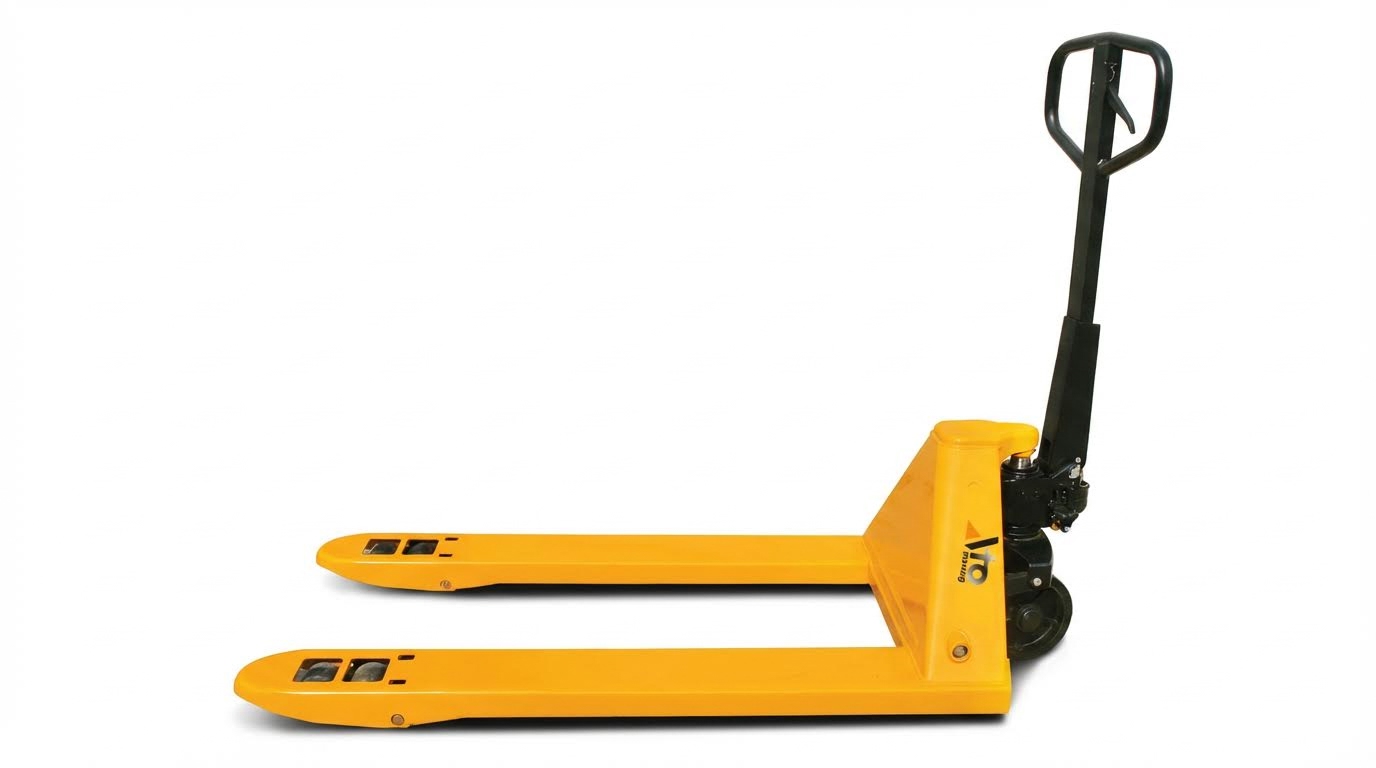
Industrial buyers who ask “how high will an electric lift pallet jack lift” also need to align lift with capacity, range, and safety. Typical low-lift electric pallet jacks raised loads only 75–205 mm, just enough to clear floor irregularities and dock plates. High-lift and stacker variants extended that range to approximately 1.6–5.0 m, enabling one- or two-level stacking in racking or truck bodies. The correct choice depended on required lift height, pallet interface, and the real duty cycle in the facility.
From a technical perspective, the selection process started with defining the heaviest pallet and the maximum lift height at which that mass must remain stable. Rated capacities for electric pallet jacks ranged from about 900 kg to 3,500 kg, with heavy-duty units reaching 5,000 kg. However, effective capacity decreased at higher lift heights and on grades, so engineers applied safety factors and observed manufacturer de-rating curves. Battery system choice, typically 24 V lead-acid or lithium-ion, then determined feasible shift lengths, opportunity charging strategies, and utilization of features such as regenerative braking.
Industry trends moved toward compact chassis, shorter turning radii, and electronic steering, which allowed operation in narrower aisles while keeping sound levels below roughly 70 dB(A). Integration with telematics and predictive maintenance tools reduced life-cycle cost by monitoring energy use, fault codes, and impact events. Future developments were expected to push more units toward partial automation and AGV-style operation, especially for repetitive horizontal transport.
For practical implementation, engineers matched fork length and spread to pallet standards, verified wheel materials against floor conditions, and checked ramp or dock gradients against rated gradeability. They also ensured compliance with local training, inspection, and brake performance regulations. A balanced specification compared not only “how high will an manual pallet jack lift,” but also how efficiently, safely, and economically it would perform over its full service life in the intended application.