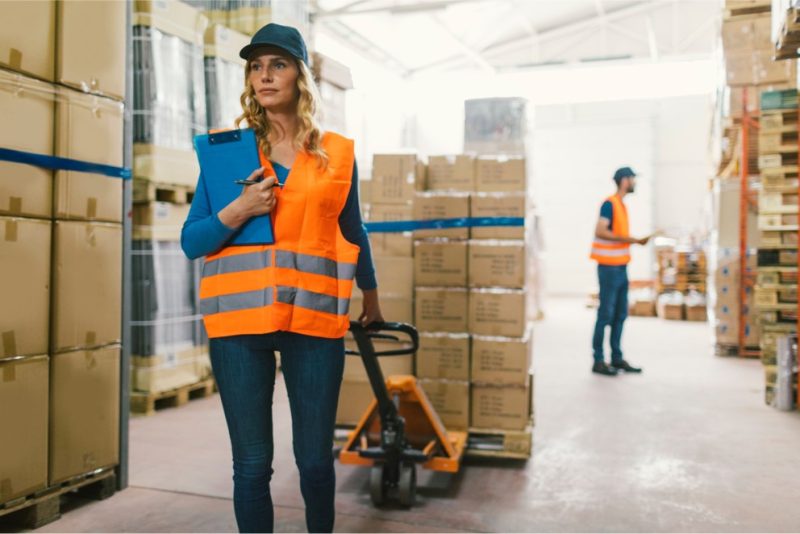
Understanding how to you lift pallets into a truck efficiently and safely required a systems view of docks, trucks, and load paths. This article examined the full pallet-to-truck loading process, from dock interface geometry and load stability to safety, ergonomics, and lifecycle cost. It then compared forklift loading practices, pallet jack options, and manual handling methods, highlighting design limits, regulatory constraints, and data-driven performance. By the end, readers could align equipment selection and operating methods with throughput targets, risk tolerance, and long-term fleet strategy.
Engineering The Pallet-To-Truck Loading Process
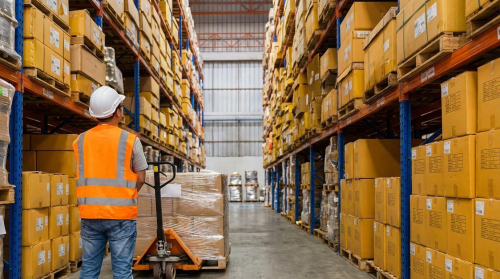
Engineering how to you lift pallets into a truck required a system view of docks, vehicles, loads, and people. This section framed the pallet-to-truck interface so engineers could compare forklifts, pallet jacks, and manual methods rigorously. It focused on geometric constraints, load stability, safety and ergonomics, and the throughput and lifecycle economics that drove equipment selection. The goal was to translate practical loading questions into quantifiable design and operational criteria.
Typical Dock And Truck Interface Constraints
Engineers first defined the physical interface between dock, dock leveler, and truck. Typical constraints included dock height, trailer bed height range, and allowable dock leveler slope, usually under 10% for loaded equipment. Door width, trailer internal width, and turning radius governed whether forklifts or pallet jacks could enter safely. Floor flatness, local deflection limits, and point-load capacity of trailer decks constrained wheel loads from forklifts or pallet trucks. When planning how to you lift pallets into a truck, these constraints determined whether loading occurred from inside the trailer, at the threshold, or from ground level using ramps.
Load Characteristics And Stability Requirements
Load geometry, mass, and packaging strongly influenced the safe loading method. Engineers calculated the combined center of gravity of pallet, packaging, and product, then compared it with the stability envelope of forklifts or pallet jacks. Tall or offset loads required tighter speed limits, reduced ramp gradients, and sometimes load restraint such as stretch wrap or straps. For forklifts, forks needed to engage at least two-thirds of pallet length, with the heaviest portion of the load closest to the carriage. When using pallet jacks inside trucks, low fork height and careful acceleration minimized oscillation and tipping risk. These stability rules applied regardless of whether the operator used powered equipment or partial manual handling.
Safety, Compliance, And Ergonomic Considerations
Designing how to you lift pallets into a truck had to align with OSHA 1910.178 for powered trucks and general material-handling safety guidance. Engineers specified procedures that kept forks low during travel, masts tilted back with elevated loads, and speeds matched to visibility and surface conditions. They integrated requirements for pre-use inspections, horn use at blind corners, and spotters in confined trailers. Ergonomically, they limited manual pushing forces, ramp gradients, and walking distances to reduce musculoskeletal disorders. Manual pallet jack applications typically stayed below recommended continuous loads and distances, with policies that favored powered equipment for heavier or repetitive tasks. PPE such as safety footwear and hand protection formed part of the engineered system, not an afterthought.
Throughput, Labor, And Lifecycle Cost Drivers
From an operations engineering view, the right method for lifting pallets into a truck depended on pallets per hour, shift patterns, and labor availability. Engineers modeled cycle times for forklifts, manual pallet jacks, and electric pallet trucks, including approach, entry, positioning, and exit from trailers. They combined these with labor rates, training requirements, incident costs, and preventive maintenance to calculate lifecycle cost per pallet moved. High-throughput docks with long travel distances usually justified electric pallet trucks or forklifts, given their lower labor input per pallet. Low-volume or short-distance operations sometimes favored manual jacks due to low capital cost and minimal maintenance. Data from telematics or time studies allowed continuous refinement of equipment mix, staffing levels, and dock layout to align cost, safety, and service-level targets.
Forklift Loading: Best Practices And Design Limits
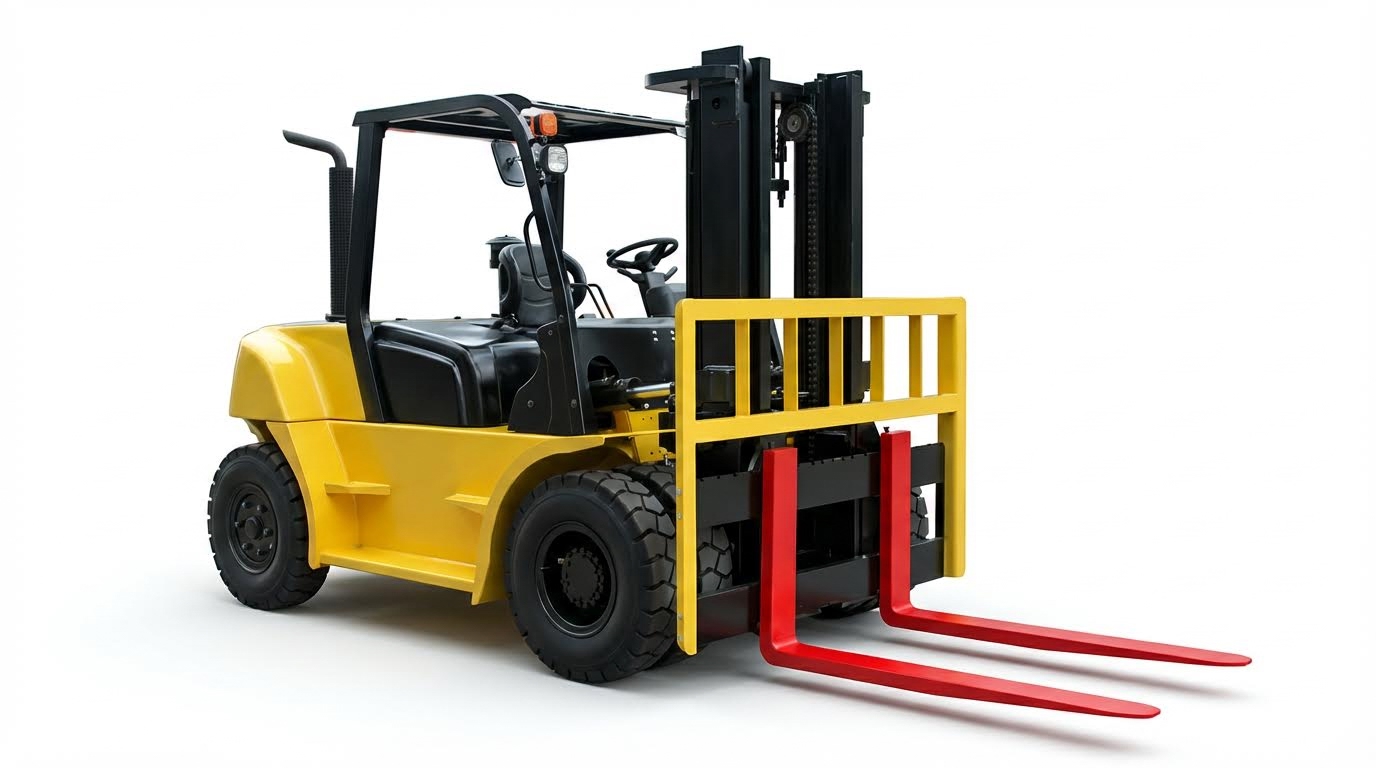
Forklifts remained the dominant engineered solution for how to you lift pallets into a truck at scale. Effective loading required precise control of fork position, mast tilt, and center of gravity to keep the combined truck–load system stable. Engineers also had to manage trailer entry constraints, ramp grades, and confined spaces while complying with OSHA 1910.178. This section outlined how to design and operate forklift loading systems that balanced throughput, safety, and equipment life.
Fork Positioning, Mast Tilt, And Center Of Gravity
Correct fork positioning was the foundation of safe pallet lifting into trucks. Operators leveled the forks, spaced them as wide as pallet openings allowed, and ensured they reached at least two thirds of the pallet length. They centered the forks under the pallet, stopped the truck, and applied the brake before lifting. During lift, they raised the load vertically until clear of the floor, then tilted the mast back to bring the load against the backrest.
Keeping the heaviest portion of the load closest to the carriage shifted the combined center of gravity rearward. This reduced tip risk when entering a truck or crossing dock plates. During travel, operators kept forks low, typically 100–150 mm above the floor, to maintain a low center of gravity while clearing floor irregularities. Engineers specified fork dimensions, backrest height, and mast tilt ranges based on pallet geometry, load height, and truck-rated capacity.
For repetitive dock loading, standard work instructions defined fork height targets at the dock plate, trailer floor, and staging areas. This reduced time spent correcting fork misalignment, which otherwise increased rack strikes and pallet damage. Load stability analyses used the truck’s stability triangle and rated load center distance to confirm that worst-case pallet heights and overhangs remained within design limits.
Trailer Entry, Ramps, And Confined Space Hazards
When defining how to you lift pallets into a truck with forklifts, engineers treated trailer interiors as confined, dynamic structures. They required dock locks or wheel chocks to prevent trailer movement and specified dock levelers or plates rated above the maximum axle load. Before entry, operators checked overhead clearance for mast and load, especially with double-stacked pallets. They aligned straight to the trailer, avoided sharp steering inputs on the dock plate, and maintained low travel speed.
On ramps and yard slopes, they followed the rule that loaded trucks traveled with the load uphill and unloaded trucks with forks downhill. They never turned on ramps or raised loads on inclines, because lateral components of gravity shifted the center of gravity outside the stability triangle. In confined trailer spaces, operators used inching controls and sounded horns at entry, while spotters assisted when sightlines were blocked by tall loads. Ventilation requirements addressed exhaust buildup for internal combustion trucks in closed trailers.
Engineering controls included high-friction dock plate surfaces, trailer stands to prevent nose drop, and lighting inside trailers to improve fork tip visibility. Layout designers minimized ramp gradients and specified transition radii that limited dynamic shock to the mast and load. Risk assessments identified pinch and crush zones at dock edges and trailer doors, then guided guardrail placement and pedestrian exclusion zones.
Capacity, Stability, And OSHA 1910.178 Compliance
OSHA 1910.178 defined core requirements for powered industrial trucks, directly affecting how to you lift pallets into a truck safely. Each forklift carried a legible data plate listing rated capacity at a defined load center and mast configuration. Engineers ensured pallet weights, including packaging and dunnage, stayed below this rating with adequate margin. They treated attachments, such as clamps or fork positioners, as capacity-reducing modifications and obtained updated rating plates.
Stability analysis considered static and dynamic conditions. Static cases covered fully raised loads in level conditions, while dynamic cases included braking, turning, and dock plate transitions. Operators avoided sudden stops and sharp turns with elevated loads, which shifted the combined center of gravity toward the triangle edges. Procedures required seat belt use, horn use at intersections, and speed limits calibrated to floor friction and congestion.
OSHA compliance programs mandated operator training, daily inspections, and removal of defective trucks from service. Pre-shift checks verified brakes, steering, mast chains, tilt cylinders, forks, and safety devices. For truck loading, inspections also included dock surfaces, plate integrity, and floor condition inside trailers. Documentation of training, inspections, and incident investigations formed part of a continuous improvement loop that reduced tip-overs, struck-by events, and dropped pallets.
Automation, Telematics, And Predictive Maintenance
Automation and telematics technologies reshaped how to you lift pallets into a truck using forklifts and hybrid systems. Semi-automated guidance supported repeatable dock approaches, reducing fork-height and alignment errors when entering trailers. In more advanced facilities, automated guided forklifts or reach trucks executed preprogrammed missions from staging lanes into specific trailer positions. These systems relied on sensors for obstacle detection and trailer position verification before entry.
Telematics platforms captured data on travel speed, impact events, lift counts, and mast cycles. Engineers used this data to refine loading routes, adjust speed limits, and identify high-risk dock positions or ramp transitions. Predictive maintenance algorithms analyzed motor currents, hydraulic pressures, and vibration signatures to forecast component wear on masts, tilt cylinders, and drive axles. This reduced unplanned downtime during peak truck loading windows.
Integration with warehouse management systems allowed dynamic assignment of forklifts to dock doors based on trailer arrival times and pallet queue lengths. Load-level sensors and onboard weighing helped prevent overloads before entry into the trailer. Over time, these data-driven controls supported right-sizing fleets, optimizing charging or fueling schedules, and extending equipment life while maintaining high dock throughput and regulatory compliance.
Pallet Jacks: Manual Versus Electric For Truck Loading
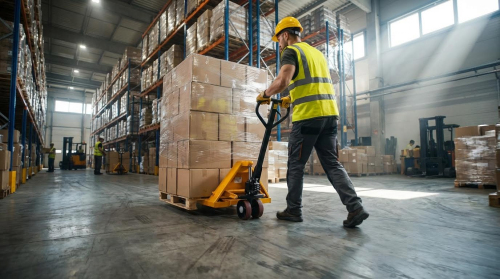
Pallet jacks played a central role in how to you lift pallets into a truck when forklifts were not justified or not allowed. Engineers compared manual and electric designs by capacity, distance, grade, and duty cycle, then matched each to dock and trailer constraints. This section focused on how pallet jack choice affected safety, ergonomics, and throughput at the pallet-to-truck interface.
Manual Pallet Jacks: Range, Limits, And Safety
Manual pallet jacks used a hand-pumped hydraulic circuit to lift pallets typically 100–200 mm off the floor. In truck loading, operators positioned the forks fully under the pallet, centered the load, and kept the heaviest items over the fork heels. Typical rated capacities ranged between 2,000 kg and 2,500 kg, but ergonomic best practice limited routine loads to about 750–1,000 kg for repeated truck loading cycles. Manual jacks worked best for short in-truck repositioning, last‑meter alignment, or distances under roughly 10–12 m on flat, smooth decks. Safe operation required pushing instead of pulling whenever possible, keeping the load low, controlling speed at dock edges and ramps, and performing daily checks on wheels, forks, and hydraulics to avoid failures inside confined trailers.
Electric Pallet Trucks: Performance And Trade-Offs
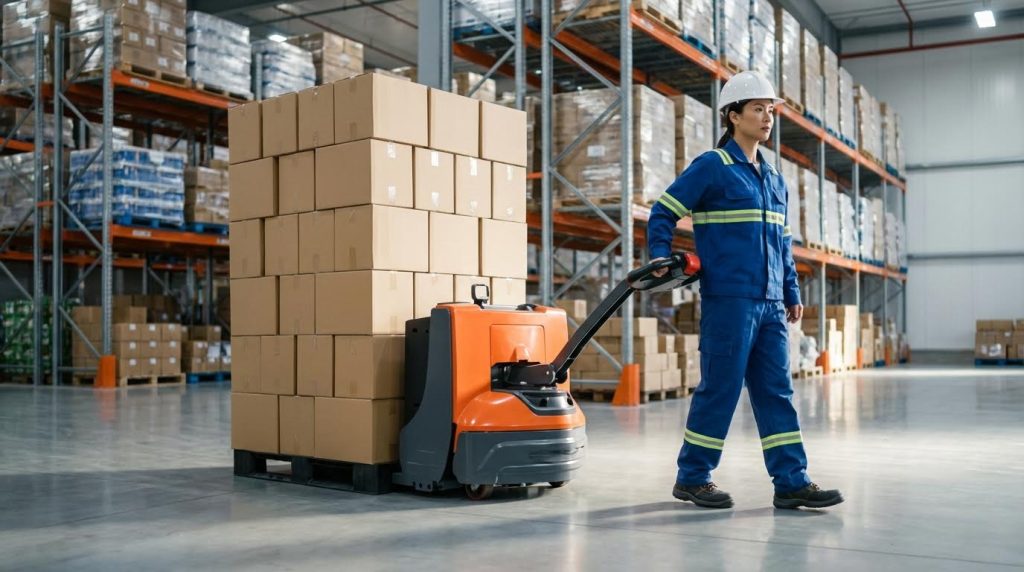
Electric pallet trucks used battery-powered traction and lift motors to move and raise loads with minimal operator effort. They typically handled 2,000–3,500 kg pallets into and out of trucks, even over longer distances from staging lanes to dock positions. For how to you lift pallets into a truck at high volume, electric jacks increased loading speed, reduced musculoskeletal strain, and maintained more consistent cycle times than manual units. However, they introduced trade-offs such as higher capital cost, required battery charging infrastructure, and more complex maintenance of motors, controllers, and braking systems. Engineers also evaluated floor strength, trailer height, and ramp gradients, because powered entry into trailers increased impact forces on dock equipment and trailer floors compared with manual jacks.
Selecting For Distance, Grade, And Duty Cycle
Selection started from three quantitative factors: travel distance, ramp or grade, and duty cycle measured in pallets per hour. Manual jacks remained suitable when operators moved light to moderate loads over short, level paths, for example from dock plate to the first pallet position in the truck. As distances exceeded roughly 15–20 m per trip, or when grades above about 2–3% appeared at dock approaches or yard ramps, electric pallet trucks provided safer and more sustainable operation. Higher duty cycles, such as more than 50 pallets per hour or multi-shift loading, also favored electric units because they reduced fatigue-related incidents and preserved consistent handling quality. Engineers combined time-and-motion studies with load maps and ramp surveys to decide which mix of manual and electric equipment best supported throughput while keeping push–pull forces and stopping distances within safety guidelines.
Data-Driven Optimization And AI-Enabled Uptime
Data from pallet jack operations allowed engineers to refine how to you lift pallets into a truck for both safety and productivity. Electric pallet trucks increasingly carried telematics modules that logged travel distance, speed, acceleration, impacts, and lift cycles. Analysis of this data identified bottlenecks at dock doors, excessive impacts at dock plates, and unsafe speeds inside trailers, enabling targeted changes to layouts, training, and speed-limiting parameters. AI-enabled maintenance tools processed current draw, temperature, and vibration trends from motors and hydraulic pumps to predict failures before they stopped truck loading. Even manual jacks could enter this data loop through barcode-based inspections and defect logging, which highlighted high-wear areas such as specific docks or trailer types. Over time, these feedback systems supported right-sizing fleets, scheduling proactive service, and validating that chosen pallet jack types matched the real loading patterns and risk profile of the site.
Manual Handling Options: Risks, Use Cases, Conclusion
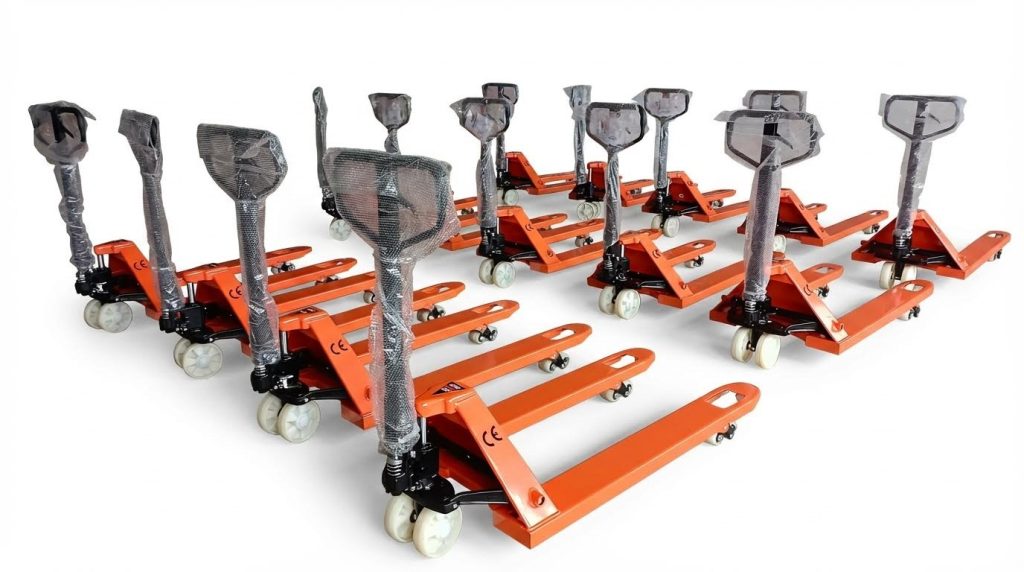
Manual handling remained the baseline method for how to you lift pallets into a truck in small operations. It relied on simple tools, physical effort, and strict adherence to ergonomic and safety principles. Engineering teams evaluated these options against mechanical solutions using risk, throughput, and lifecycle cost metrics.
Pure manual lifting of full pallets into trucks was rarely acceptable under modern safety standards. Most facilities instead used partial manual handling combined with simple aids such as pallet skates, rollers, hand trucks, or dollies. These approaches reduced capital cost but introduced significant limits on weight, distance, and repeatability.
From a risk perspective, manual handling of palletized or unitized loads introduced high musculoskeletal disorder exposure. Repetitive lifting, pushing, and pulling near or above 25–30 kg per person significantly increased the probability of back, shoulder, and knee injuries. When workers tried to reposition or “muscle” pallets at the truck threshold, pinch, crush, and slip hazards increased, especially on wet or uneven dock plates.
OSHA and similar regulators required employers to minimize manual handling where mechanical aids could reasonably substitute. Best practice kept individual lift weights low, used team lifts only with clear communication, and avoided twisting while carrying. Manual methods near truck beds also required strict control of fall risks, clear floor conditions, and adequate lighting to keep edges, gaps, and level changes visible.
Manual aids such as hand trucks and dollies worked best for broken-down pallet loads, cartons, or kegs rather than full pallets. They supported short horizontal transfers from dock to truck interior where grades were minimal and floors remained smooth. However, capacity stayed limited, typically under 200–300 kg per move, and productivity dropped quickly with longer walking distances or high daily shipment counts.
For how to you lift pallets into a truck with minimal equipment, operations often staged pallets at dock height and then manually re-stacked cases inside the trailer. This approach eliminated the need to lift a full pallet but multiplied the number of individual lifts. Ergonomic design then focused on keeping lift zones between mid-thigh and shoulder height, minimizing reaches over 400–500 mm, and using adjustable-height work platforms where feasible.
Data-driven comparisons showed manual-only loading became uneconomic and unsafe once daily pallet counts exceeded relatively low thresholds, typically under 20–30 pallets per shift. At that point, cumulative load mass per worker, measured in tonne-metres per shift, exceeded recommended ergonomic guidelines. Fatigue increased error rates, leading to mis-stacked product, unstable loads inside trailers, and higher damage rates during transit.
In specialized use cases, such as remote sites without power, hazardous atmospheres with strict ignition controls, or very constrained truck access, manual handling still offered a viable interim solution. Here, engineering controls emphasized low-friction surfaces, short push distances, and mechanical leverage tools like pry bars and rollers rather than raw lifting. PPE, including safety footwear and gloves, remained essential to limit crush and laceration injuries around pallet edges and unit loads.
Looking ahead, manual handling in pallet-to-truck loading continued to shrink as an engineered solution of last resort. Wearable sensors, incident data, and insurance claims all supported migration toward powered or semi-powered equipment for how to you lift pallets into a truck at scale. However, manual methods still filled gaps for micro-operations, emergency work, or highly specialized environments where the simplicity, portability, and zero-energy nature of manual tools outweighed their ergonomic disadvantages.
Practically, engineers and safety managers should treat manual handling as a transient state in the technology evolution of loading systems. They should quantify exposure using task analysis, time–motion studies, and cumulative mass metrics, then build a roadmap toward mechanical assistance. A balanced strategy combined strict manual-handling limits, targeted training, and clear trigger points where volume, weight, or incident trends justified upgrading to manual pallet jack, walkie pallet truck, or semi electric order picker.