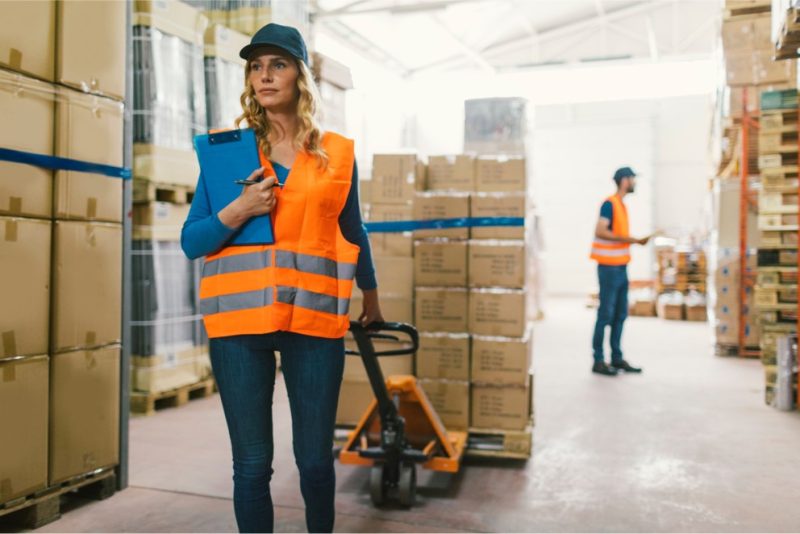
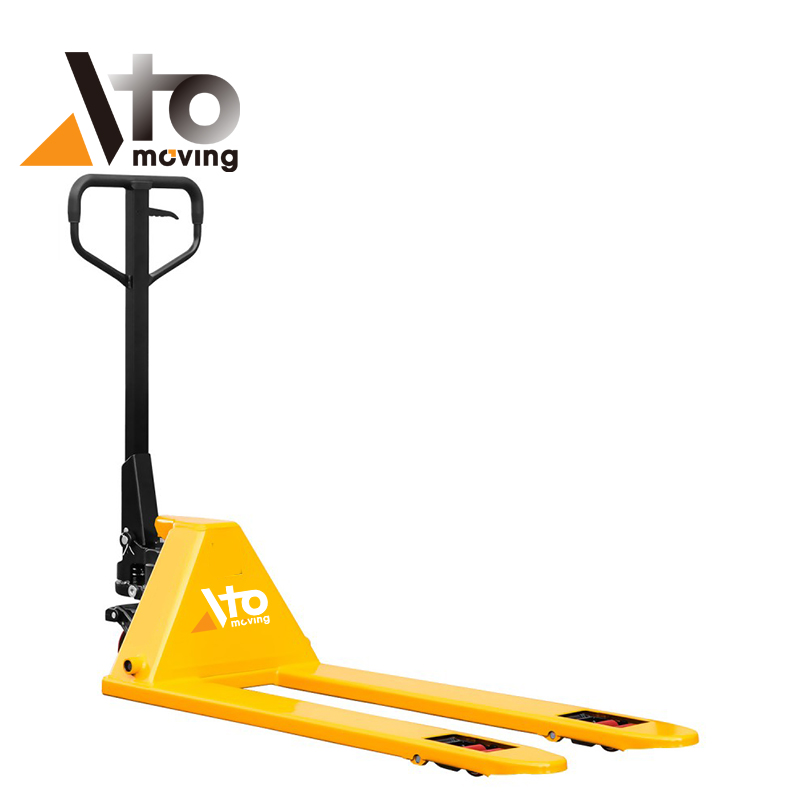
Safe pallet jack operation depended on disciplined pre-use checks, correct loading, and controlled travel techniques. This article covered OSHA-aligned training and inspection practices, how to lift a pallet jack and its loads safely, and how to move through real-world sites with minimal risk. It also addressed ergonomics, ramps, elevators, and vehicles, plus best practices for setting loads down and parking. The final section summarized key engineering and safety principles that underpinned reliable pallet jack handling in industrial environments.
Pre-Use Checks And Site Conditions
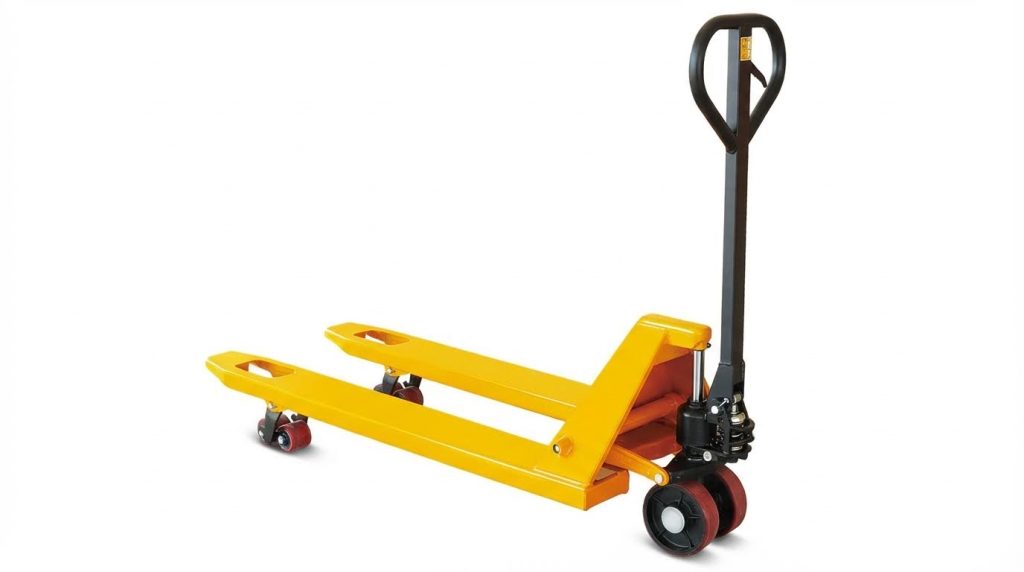
Pre-use checks and site assessments created the foundation for safe pallet jack operation and directly affected how to lift a pallet jack without incident. Operators reduced mechanical failures and handling injuries when they inspected equipment, verified training, and evaluated floor and traffic conditions before every shift. Effective risk control also depended on consistent PPE use, clear visibility, and communication protocols tailored to busy warehouse traffic patterns. These elements worked together to ensure the pallet jack lifted, traveled, and set down loads in a controlled and predictable way.
OSHA Rules, Training, And Authorization
OSHA classified motorized pallet jacks as powered industrial trucks and required formal training, evaluation, and written authorization before operation. Facilities in the United States typically aligned training content with OSHA 29 CFR 1910.178, including theory, hands-on practice, and site-specific hazards. Manual pallet jacks did not always require formal certification, but employers still needed to train workers on safe techniques for how to lift a pallet jack, move loads, and respond to emergencies. Refresher training followed incidents, near misses, or changes in equipment or layout and helped maintain consistent operating standards across shifts.
Mechanical Inspection And Hydraulic Checks
Before lifting any load, operators inspected forks, wheels, and the chassis for cracks, bends, or excessive wear that could cause sudden failure under load. They checked the handle, actuating lever, and release controls to confirm smooth operation and positive return to neutral, which was critical for controlled lifting and lowering. Hydraulic systems required a quick functional test: pumping the handle to verify that the forks rose evenly and held height without creeping down, and bleeding trapped air if the jack failed to lift properly. Regular checks for oil leaks around seals and pump housings, combined with scheduled lubrication of pivot points and axles, extended service life and maintained predictable lifting performance.
Evaluating Floors, Ramps, And Traffic Flows
Safe lifting started with the surface under the wheels, so operators scanned floors for cracks, spalled concrete, loose debris, or wet patches that could increase rolling resistance or cause loss of control. They identified slopes, dock plates, and ramps, then planned travel paths that minimized steep gradients and avoided turning while on an incline to reduce the risk of tipping or runaway loads. Before deciding how to lift a pallet jack and move it, workers checked for congestion, blind corners, and intersections with pedestrian routes, adjusting speed and routes to match traffic density. Using marked aisles, one-way traffic patterns, and designated crossing points significantly reduced conflict between pallet jacks, forklifts, and pedestrians.
PPE, Visibility, And Communication Protocols
Pre-use preparation included selecting PPE that matched the site risk profile, typically safety footwear with toe protection, good traction soles, and work gloves for grip and cut resistance. In busy warehouses, high-visibility vests or garments improved detection distances and allowed other operators to react earlier to a moving hydraulic pallet truck. Clear rules for verbal calls, hand signals, and, where installed, audible warning devices supported safe coordination at dock doors, elevators, and shared aisles. When operators understood how to lift a pallet jack correctly and combined that with PPE, visibility, and communication controls, they significantly lowered the likelihood of foot injuries, struck-by incidents, and load-handling accidents.
Loading, Lifting, And Load Stability
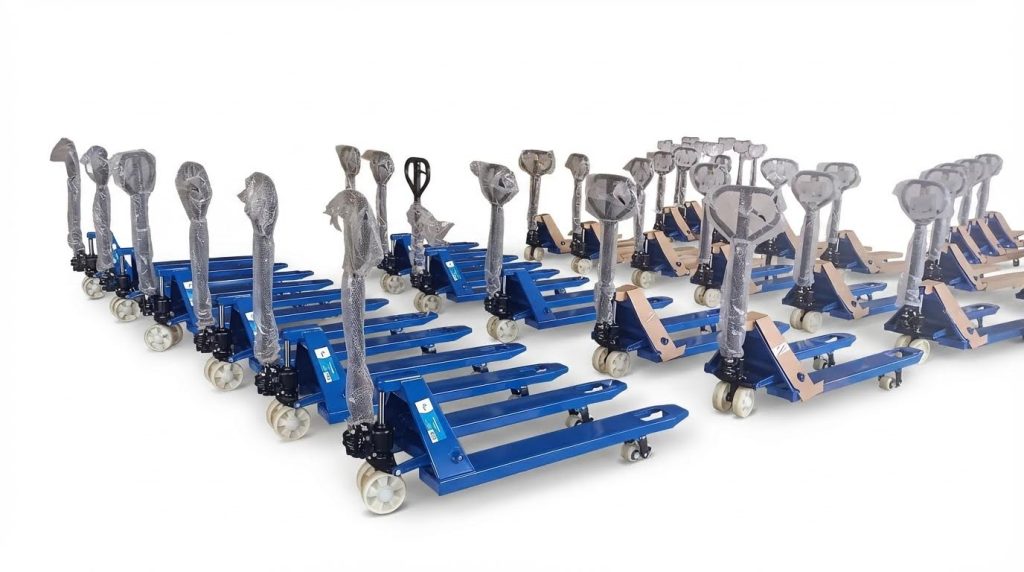
Understanding how to lift a pallet jack correctly starts with how you load and stabilize the pallet. Safe lifting depends on pallet condition, fork positioning, rated capacity, and controlled hydraulic operation. Poor choices at this stage increase the risk of tipping, falling loads, and musculoskeletal injuries. The following subsections break down each step so operators can lift, transport, and set down loads with predictable stability.
Pallet Selection, Fork Positioning, And Entry
Select a pallet that has intact deck boards, solid stringers, and no visible rot or cracks. Reject pallets with broken top boards, missing blocks, or exposed nails, because these defects compromise load support and can cause sudden collapse during lifting. Approach the pallet slowly and squarely so the forks align parallel to the pallet openings. Lower the forks completely before entry to avoid pushing or lifting the pallet unintentionally.
Position the forks at the correct spacing so each fork sits under a main stringer or block, not at the extreme edges. Slide the forks fully under the pallet until the heel of the forks nearly touches the opposite side. Full fork entry reduces bending stress on the fork tips and improves load distribution. Center the pallet laterally on the forks so the overhang, if any, is equal on both sides to minimize side-to-side instability during lifting.
Rated Capacity, Center Of Gravity, And Stack Height
Verify that the total load mass, including pallet and packaging, does not exceed the pallet jack’s rated capacity shown on its data plate. Overloading increases hydraulic pressure, lengthens stopping distances, and can cause fork or wheel failure. Place the heaviest items at the bottom of the stack and keep the combined center of gravity near the geometric center between the forks. Avoid offset or cantilevered loads that shift the center of gravity outside the wheelbase.
Limit stack height so the operator maintains clear forward or side visibility and the load remains stable under normal acceleration and deceleration. Excessive height increases overturning moment, especially when crossing joints, thresholds, or uneven floors. Use stretch wrap, banding, or corner boards to bind unstable cartons before lifting. If a load feels flexible or top-heavy during a test lift, lower it, restack, and re-secure before traveling.
Controlled Lifting Technique And Ergonomics
To understand how to lift a pallet jack safely, start from a stable stance behind the handle with feet clear of the forks. Keep your back relatively straight, bend slightly at the knees, and grip the handle with both hands. Move the control lever to the lifting position and pump the handle using smooth, rhythmic strokes. Avoid rapid or jerky pumping, which can shock the hydraulic system and jolt an unstable load.
Raise the pallet only enough to provide ground clearance, typically about 25–40 millimetres, depending on floor condition. Higher lifts raise the center of gravity and increase the chance of tipping when turning or crossing slopes. Use leg and body weight rather than isolated arm strength to reduce strain on shoulders and wrists. If the jack fails to lift smoothly, stop, inspect for overload, hydraulic leaks, or trapped air, and bleed or repair the system before continuing.
Handling Ramps, Elevators, And Vehicles
When operating on ramps, always keep the load on the uphill side of the operator to maintain control. Move slowly, maintain a straight path, and avoid turning on the incline, because lateral forces can shift the load or cause roll-over. Do not park or leave a loaded pallet jack on a slope; instead, move to a level surface and lower the forks fully before leaving the equipment. If traction is poor or the gradient is excessive, select an alternative route or mechanical aid rather than forcing the move.
Before entering an elevator with a pallet jack, confirm that the elevator’s rated capacity exceeds the combined mass of the jack, load, operator, and any passengers. Position the load to enter first, keep the forks low, and ensure no other personnel share the car while entering or exiting to avoid crush hazards. When loading vehicles such as trucks or trailers, verify that dock plates or bridge plates are correctly rated and secured, and that the vehicle is chocked and restrained against movement. Maintain a low travel speed on loading surfaces, because flexing floors, gaps, and transitions can destabilize a marginally stable load during lifting and positioning.
Traveling, Steering, And Setting Loads Down
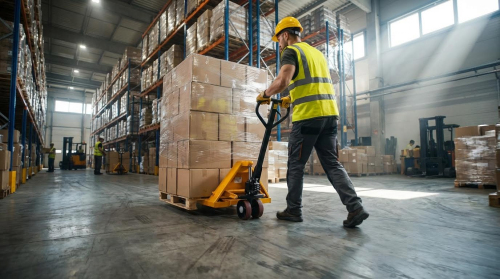
Traveling with a raised load completed the sequence that started when operators learned how to lift a manual pallet jack safely. This phase introduced dynamic risks such as momentum, turning forces, and changing floor conditions. Effective steering and controlled setting down of loads reduced product damage, strain injuries, and collision incidents. The following subsections described best practices that aligned with OSHA expectations and typical facility safety rules.
Push Vs. Pull, Speed Control, And Stopping
Operators should push a manual pallet jack whenever possible, especially after they know how to lift a pallet jack to the correct travel height. Pushing kept the load ahead of the body, reduced back strain, and improved braking leverage. Pulling was acceptable only for short repositioning moves or when descending slight ramps while keeping the operator uphill of the load. Walking speed should stay below normal walking pace, with slower speeds on wet floors, tight aisles, or when visibility decreased. Operators should avoid sudden starts or direction changes because these could shift the center of gravity and destabilize the pallet. Stopping should be gradual, using body weight to resist motion while keeping feet clear of the jack and pallet. For powered units, operators should use the designated brake or dead‑man control and avoid using structural objects as improvised stops.
Maneuvering In Tight Spaces And Shared Aisles
Tight spaces amplified the consequences of poor technique, even if the operator had correctly followed procedures on how to lift a hydraulic pallet truck earlier in the task. Operators should reduce speed before entering narrow aisles, doorways, or racking rows and maintain the forks just high enough to clear the floor. The steering arc of the tiller required extra clearance at the handle end, so planning turns early reduced impacts with racks or walls. In shared aisles, operators should yield to pedestrians, maintain eye contact where possible, and use verbal signals or facility-approved horns at blind corners. When the load blocked forward visibility, operators should travel in reverse while still pushing, or use a trained spotter positioned outside the potential crush zone. On ramps or dock plates, operators must stay on the high side of the load, avoid turning, and keep the travel path aligned with the slope to prevent lateral tipping.
Unloading, Fork Withdrawal, And Parking Rules
Safe unloading started with correct positioning of the pallet at the destination, ideally before the operator even thought about how to lift a pallet jack for the next move. The operator should stop fully, center the pallet in its storage footprint, and verify that floor, rack, or vehicle surfaces could support the combined mass. Lowering should be smooth and controlled, using the lowering lever gradually so the pallet settled evenly without bounce or skew. The forks must reach their lowest position before withdrawal to avoid dragging or catching deck boards. The operator should then pull the jack straight back until the fork tips cleared the pallet, keeping toes outside the fork path. When leaving the pallet jack unattended, the forks should remain fully lowered, the unit parked out of travel lanes, and not on ramps, dock edges, or in front of emergency exits. Powered units should have controls switched off and, where procedures required, keys or access devices removed to prevent unauthorized use.
Summary Of Safe Pallet Jack Operation Practices

Safe pallet jack operation depended on three linked elements: equipment condition, operator behavior, and site control. From a mechanical and safety engineering perspective, knowing how to lift a manual pallet jack correctly was only one part of a broader risk-control system.
Operators first verified training and authorization in line with OSHA powered industrial truck requirements. They performed structured pre-use inspections, checking forks, wheels, frame, and hydraulic circuits for cracks, wear, leaks, or deformation. Daily, weekly, and monthly maintenance routines, including lubrication, hydraulic oil checks, and corrosion control, reduced failure probability and kept lifting performance predictable.
Correct loading and lifting practices were central to both safety and ergonomics. Operators selected undamaged pallets, aligned and fully inserted forks, and kept the load within rated capacity with the center of gravity centered between the forks. They lifted only to the minimum clearance, maintained low travel height, and used body mechanics that kept the spine neutral and knees flexed, avoiding twisting under load.
Traveling practices focused on speed control, line-of-sight, and route planning. Operators generally pushed instead of pulled, especially with heavy loads, and slowed on ramps, at intersections, and near pedestrians. They avoided steep slopes, wet or damaged floors, and confirmed elevator or vehicle decks could support combined mass of jack, load, and operator before entry.
Setting loads down and parking completed the safe-use cycle. Operators lowered pallets smoothly with controlled hydraulic release, ensured full contact with the floor before withdrawing forks, and never left jacks with elevated loads. They parked with forks fully lowered, controls neutral, away from ramps, exits, and traffic paths. Looking ahead, tighter OSHA enforcement, sensor-assisted equipment, and standardized digital training modules were expected to further reduce incidents while keeping hydraulic pallet truck and walkie pallet truck cost-effective in material handling operations.