Oil drum stacking rules directly affect spill control performance, fire load, and personnel safety in compliant storage areas. This article explains how to stack oil drums within the regulatory framework of OSHA, NFPA, and SPCC, and how those rules drive engineering design of stacks, racking, and secondary containment. It also addresses safe handling, inspection access, and maintenance practices that support stable stacks and reliable spill control systems. By the end, you will understand how to stack oil drums in ways that align structural stability, fire protection, and environmental compliance across indoor and outdoor installations.
Regulatory Framework: OSHA, NFPA, And SPCC
Understanding how to stack oil drums safely requires alignment with overlapping spill prevention and fire protection codes. The regulatory framework ties SPCC spill rules to OSHA and NFPA flammable and combustible liquid standards. Engineers must interpret these requirements consistently across bulk drum installations, both indoors and outdoors. Coordination with Authorities Having Jurisdiction (AHJs) ensures that drum stacking layouts remain enforceable and auditable over the facility life cycle.
SPCC Secondary Containment For Drum Storage
SPCC regulations in 40 CFR 112 defined secondary containment expectations for drum storage used as bulk oil containers. Facilities had to design containment or diversionary structures that prevented discharges as described in 40 CFR 112.1(b) and 112.7(c). For stacked oil drums, engineers typically sized containment for at least the full volume of the largest single drum plus freeboard to capture precipitation in outdoor areas. The rules allowed common containment for multiple 55-gallon drums, so designers could use shared sumps, trenches, or curbed pads serving several drum stacks. When planning how to stack oil drums, containment geometry, drum footprint, and aisle spacing had to integrate so that spilled liquid drained reliably to a controlled collection point.
OSHA 1910.106 And NFPA 30/31 Interactions
OSHA 29 CFR 1910.106 referenced NFPA 30 and NFPA 31 for flammable and combustible liquid storage design. For drum stacks, these standards limited indoor and outdoor quantities, specified separation distances, and required approved containers and cabinets. Indoor storage limits, such as 25 gallons in open rooms and higher volumes in listed cabinets or liquid storage rooms, constrained how many oil drums could be stacked and where. Outdoor groups of containers needed capacity caps, minimum 5-meter class separation between groups, and offsets from buildings and combustibles. NFPA diking and venting criteria that applied to above-ground tanks also informed the design of diked drum yards, including minimum dike height, grading, and liner performance for spill control.
Defining Bulk Storage Container Installations
SPCC rules treated groups of oil drums as bulk storage container installations when used for long-term storage rather than transient staging. The term covered assemblages of containers that stored similar or segregated products in a defined area, often on racking or pallets. When engineers decided how to stack oil drums, classification as a bulk installation triggered 40 CFR 112.8(c)(2) obligations for secondary containment and integrity considerations. Each drum, or the installation as a whole, had to meet containment criteria for volume and freeboard. This classification also influenced inspection frequency, documentation in the SPCC Plan, and expectations for access to view drum surfaces for corrosion, leakage, and labeling. Dense or high stacking that obstructed visual inspection conflicted with the intent of bulk storage oversight.
Federal, State, And Local AHJ Coordination
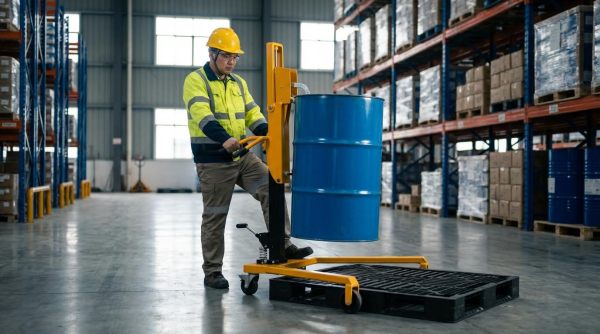
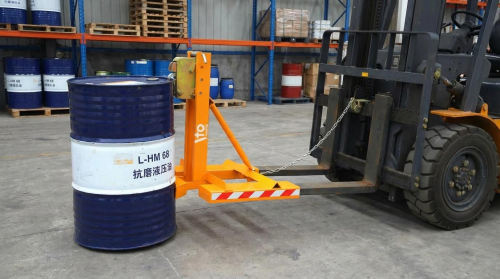
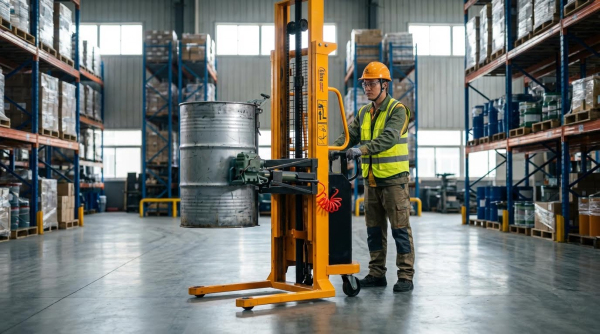
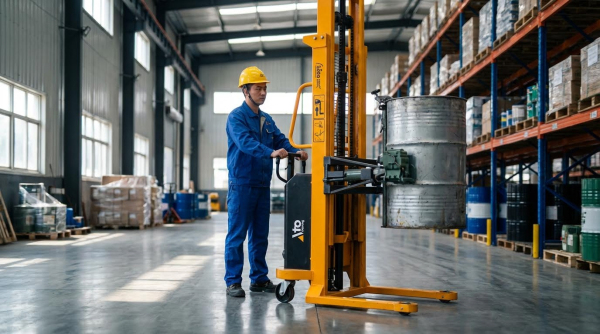
Compliant drum stacking layouts required coordination across federal SPCC rules, OSHA workplace safety requirements, and local fire or building codes enforced by AHJs. State and municipal fire marshals often adopted or modified NFPA 30 provisions, which affected allowable stack heights, aisle widths, and separation distances between drum groups. Zoning and environmental regulators could impose additional containment, liner, or drainage criteria for oil drum yards, especially near waterways or stormwater systems. During design, engineers documented how to stack oil drums within these layered requirements and presented calculations for containment volume, fire separation, and egress to AHJs. Early engagement with regulators reduced redesign risk and ensured that drum stacking, handling routes, and inspection access aligned with both spill control and fire safety expectations. To handle oil drums effectively, equipment like hydraulic drum stacker, forklift drum grabber, and drum dolly can be utilized.
Engineering Design Of Drum Stacks And Containment
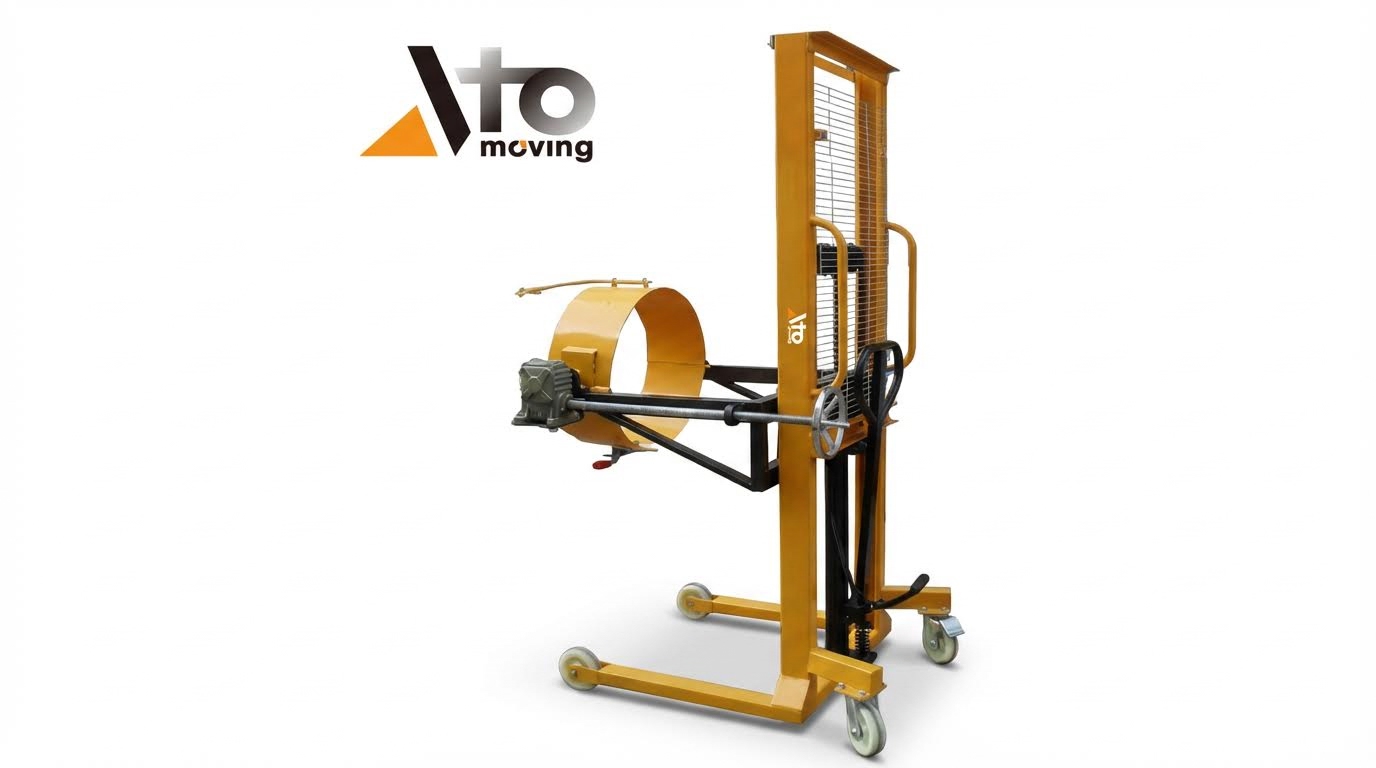
Engineering design for oil drum stacks must integrate structural stability, spill control, and fire safety. Designers need to understand how to stack oil drums safely while satisfying SPCC, OSHA, and NFPA requirements. This section explains technical criteria for stack geometry, containment sizing, and siting, with a focus on practical layouts that withstand real-world loading and environmental conditions.
Stack Height, Stability, And Load Path Analysis
Engineers should limit vertical stacking of 200 L (55 gal) drums to two high in most facilities. This constraint reflects variability in drum shell thickness, corrosion, and denting, which reduce load-carrying capacity. Vertical load paths must pass through chimes or engineered rack beams, not through thin shell walls, to avoid local buckling. When defining how to stack oil drums in rows, keep stacks no more than two drums wide so inspectors can see all drum surfaces and labels.
Drums should sit on level, rigid foundations such as concrete pads or steel racking with defined bearing points. Coefficient of friction between drum and support, and between stacked drums, must resist sliding under seismic, impact, and handling loads. Use chock blocks, drum cradles, or rack dividers to prevent rolling and to define lateral load paths. Perform a simple overturning check by comparing stabilizing weight moments to overturning moments from impact or seismic loads, applying safety factors aligned with local building codes.
Outdoors, wind loads and thermal expansion add to stability concerns, especially for empty or partially filled drums. Avoid pyramidal stacks higher than two drums unless using certified pallet racking or modular drum racks rated for the combined mass. Any rack system must list maximum uniformly distributed load (UDL) and be verified against the worst-case drum weight, typically 180–360 kg per drum. Guardrails or bollards should protect stacks from vehicle impact, with design impact energies referenced from site traffic studies.
Secondary Containment Sizing And Layout
Secondary containment for drum storage must comply with SPCC principles in 40 CFR 112.7(c) and 112.8(c)(2). Containment volume must at least equal the capacity of the largest single drum or drum group, plus freeboard for precipitation when outdoors. In practice, designers often size for 110% of the largest container volume to provide a conservative allowance for sloshing and wave run-up. For multiple drums on a common pad, calculate the total capacity but ensure the containment can retain at least the largest drum volume without overtopping.
Engineers can use shared sumps, graded floors, or trench drains that direct spills to a common collection basin. SPCC guidance allowed this flexible approach, provided drainage paths are positively controlled and do not discharge to surface waters. Floor slopes of 1–2% toward the sump usually provide effective drainage without compromising forklift stability. Containment curbs or berms must be continuous around the storage area, with any penetrations (such as pipes) sealed and elevation-checked to prevent bypass flow.
Layout decisions should support how to stack oil drums for inspection and emergency response. Place aisles and sumps so that leaked product flows away from egress routes and electrical equipment. Integrate isolation valves or shutoff points in drainage lines so operators can retain a spill on site during an incident. Where multiple products share a containment system, consider segregation by compatibility to avoid hazardous reactions if different liquids mix in the sump.
Indoor Vs Outdoor Storage Design Criteria
Indoor storage of oil drums improves contamination control and temperature stability, which protects lubricant performance. Designers should target stable temperatures near 21 °C to minimize drum “breathing” that draws in moisture and dust. Ventilation and fire-rated construction must comply with NFPA 30 limits on flammable and combustible liquid quantities per fire area. Where inventories exceed cabinet capacities, dedicated liquid storage rooms with fire-rated walls, explosion relief, and mechanical ventilation become necessary.
Indoors, floor loading capacity must support stacked drum weights plus handling equipment. A two-high stack of 55-gallon drums can impose floor loads exceeding 10 kN/m² in compact layouts. Clear access aisles, typically at least 1.2 m wide, are needed for drum trucks and manual pallet jack, and should align with egress paths. Lighting must allow operators to read labels and inspect chimes, weld seams, and bungs without moving adjacent drums.
Outdoor storage requires additional criteria for weather, UV exposure, and fire separation distances. NFPA 30 guidance limited container group capacities, mandated minimum clearances from buildings and combustibles, and specified access ways for firefighting equipment. Designers should elevate drums on racks or pallets above grade to prevent corrosion from standing water and to direct spills into containment. Use covers or shelters to reduce rain intrusion and UV degradation, and design containment to handle both oil volume and local design storm rainfall.
Drainage, Diking, And Liner System Selection
Diking systems around drum storage must contain spills and ruptures while allowing controlled drainage. For above-ground container groups, NFPA-based practices required dikes at least 300 mm high, graded inward to a low point. The diked area volume should equal or exceed the total volume of all drums or, at minimum, the largest drum group plus rainfall allowance. Designers should model flow paths so that any release reaches the sump without bypassing under doors or through site drains.
Liner selection depends on stored liquid type, soil conditions, and regulatory expectations. For oil drum yards, composite systems using compacted subgrade, geosynthetic clay liners, and 1.25 mm or thicker HDPE geomembranes provide robust containment. Historical guidance referenced 1.3 mm plastic sheeting or equivalent for tank farms; for drum storage, similar or higher performance membranes are prudent. Joints and penetrations must be welded or sealed, and quality-tested using vacuum boxes or spark testing where applicable.
Drainage control valves at sump outlets allow operators to retain contaminated water until testing or treatment. Normally closed valves or lockable weirs help prevent accidental discharge. Designers should separate clean stormwater from potentially contaminated containment areas by using perimeter grading and diversion swales. Regular inspection access to dikes, liners, and drains is essential, so avoid overly narrow berm tops or buried structures that hinder visual checks and maintenance.
Safe Handling, Inspection, And Maintenance Controls
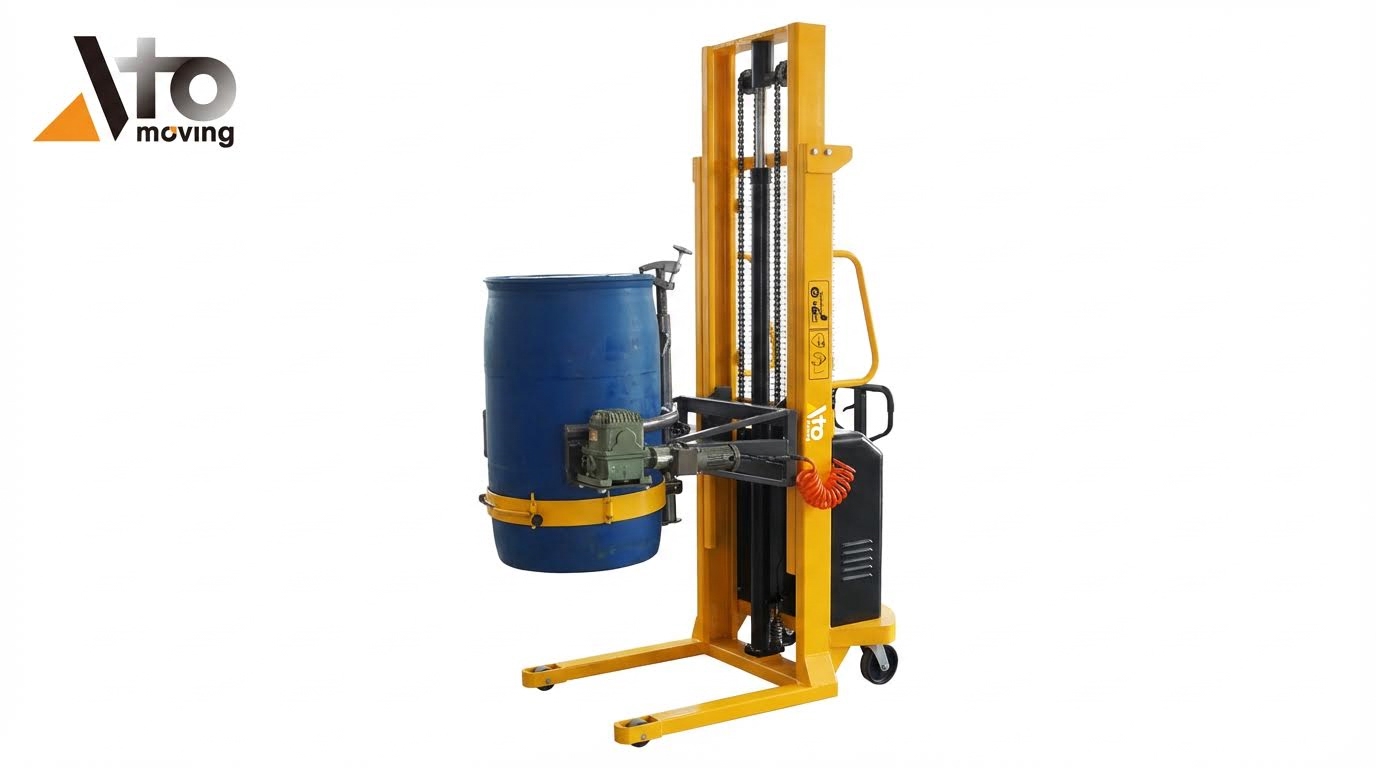
Safe handling, structured inspection, and proactive maintenance controls determine how to stack oil drums without creating spill or fire hazards. This section focuses on drum handling ergonomics, inspection access, fire protection, and digital tools that support compliant, high-density drum stacking. Engineers and EHS managers can apply these controls to align stacking practices with OSHA 1910.106, NFPA 30, and SPCC expectations while preserving lubricant quality and worker safety.
Drum Handling Equipment And Ergonomic Limits
Understanding how to stack oil drums starts with safe handling methods and ergonomic limits. A 208 litre drum typically weighs 180–360 kilograms, so manual lifting is not acceptable. Facilities should use drum-specific carts, pallet jacks with drum cradles, or forklifts with drum clamps to position drums on racks or containment pallets. Operators should never roll drums up improvised ramps or lever them onto stacks using pry bars, because these methods increase strain and tip-over risk.
Engineering controls should minimise push–pull forces and awkward postures. Layouts should limit the need to rotate drums by hand and should provide clear aisles for powered equipment. Risk assessments should identify pinch points near racking, dock edges, and containment berms where drums can shift or strike workers. Standard operating procedures must address bung closure checks, verification of drum integrity before movement, and use of personal protective equipment such as safety shoes, gloves, and eye protection.
Inspection Access, FIFO Rotation, And Labeling
Effective inspection access is central to compliant strategies for how to stack oil drums. Stacks higher than two drums or deeper than two drums block visual inspection of bungs, seams, and labels. Best practice limits rows to two drums high and two drums deep, allowing inspectors to see each container without ladders or moving other drums. This configuration also supports leak detection around the lower chime and secondary containment edges.
Facilities should implement first-in/first-out rotation so older lubricants leave storage before additive separation or oxidation progresses. Racking and floor markings can define FIFO lanes, guiding operators to load new drums from one side and pick from the opposite side. Each drum should carry durable labels indicating product, hazard class, fill date, and storage location code. Barcode or RFID tags can streamline inventory checks and ensure that no drum remains in a stack beyond its qualified storage life.
Fire Protection, Separation Distances, And Egress
Fire protection and egress planning strongly influence acceptable configurations for how to stack oil drums. Indoor drum storage must respect limits from OSHA 1910.106 and NFPA 30 for flammable and combustible liquids per fire area, cabinet, or room. Stacks should not obstruct fire extinguishers, hose stations, or sprinkler discharge patterns. Aisles at least 1 metre wide should serve as primary egress paths, with additional width where powered industrial trucks operate.
Outdoor stacks of flammable or combustible liquid drums must comply with capacity limits and separation distances. Groups should not exceed 4.2 cubic metres of liquid and should stand at least 6 metres from buildings and other combustibles, unless local codes specify stricter values. Each group requires clear access for firefighting vehicles and hose lines, typically a 3.7 metre access way. Designers should avoid stacking drums under building overhangs or near ignition sources such as transformers, welding stations, or vehicle refuelling points.
Predictive Maintenance And Digital Twin Use
Predictive maintenance and digital twin models can optimise how to stack oil drums while reducing lifecycle risk. A digital twin of the drum storage area can represent rack geometry, containment curbs, floor slopes, and thermal conditions. Engineers can simulate load paths through stacked drums, evaluate rack deflections, and test different stack heights under seismic or impact loads. This allows validation of two-high or limited three-high stacking only where structure, drum condition, and containment capacity support it.
Condition-based monitoring can track drum age, inspection findings, and leak history. Analytics can flag specific stack locations with elevated corrosion or deformation rates, often linked to temperature gradients or UV exposure. Maintenance teams can then prioritise reconfiguration, drum replacement, or cover installation in those zones. Integrating inspection data, incident reports, and regulatory changes into the digital twin supports continuous improvement of stacking rules, keeping drum storage layouts aligned with evolving fire and spill control requirements.
Summary Of Best Practices For Compliant Drum Storage
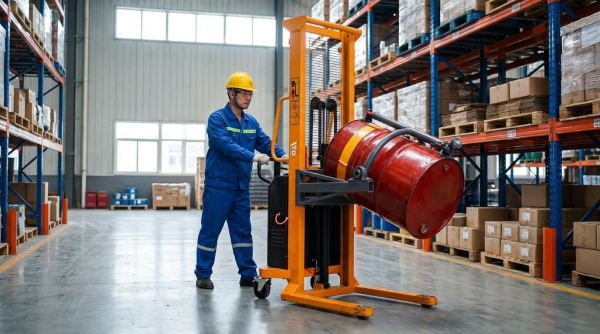
Facilities that research how to stack oil drums should integrate spill control, structural stability, and fire safety into a single engineered system. Best practice aligned with SPCC, OSHA 1910.106, and NFPA 30 treated drum arrays as bulk storage container installations and sized secondary containment for at least the largest drum plus freeboard for precipitation. Designers typically limited stacks to two drums high and two drums deep to maintain a predictable load path, reduce crushing risk on lower drums, and preserve clear visual access for inspection. This low stack profile also simplified emergency response because firefighters and operators retained direct hose streams, egress routes, and equipment access lanes.
For compliant stacking, drums rested on sound, level, non-combustible supports such as steel racks, structural pallets, or elevated platforms inside diked or curbed containment. Engineers avoided mixed-condition drums in the same stack and removed dented, corroded, or out-of-tolerance containers from structural service. Indoors, facilities favored climate-controlled rooms that held temperatures near 21 °C to minimize drum breathing, moisture ingress, and lubricant degradation. Outdoors, operators used covered, graded, and lined areas with UV-resistant covers, maintained separation distances from buildings and combustibles, and provided 12 m class access ways for firefighting where applicable.
Operationally, facilities enforced FIFO stock rotation, clear labeling, and hazard identification so that stacked drums remained traceable and compatible. Inspection programs checked seams, bungs, labels, and secondary containment integrity without requiring ladders or unsafe climbing. Handling plans specified forklift drum grabber, drum dolly, or dedicated drum grabs, and set ergonomic weight limits that reflected the 180–360 kg mass of typical 208 L drums. Future trends pointed toward digital twins and sensor-based monitoring of containment fill levels, structural rack loading, and temperature profiles, which supported predictive maintenance and more precise SPCC compliance documentation. Together, these practices allowed facilities to stack oil drums efficiently while maintaining regulatory compliance and a defensible risk profile.