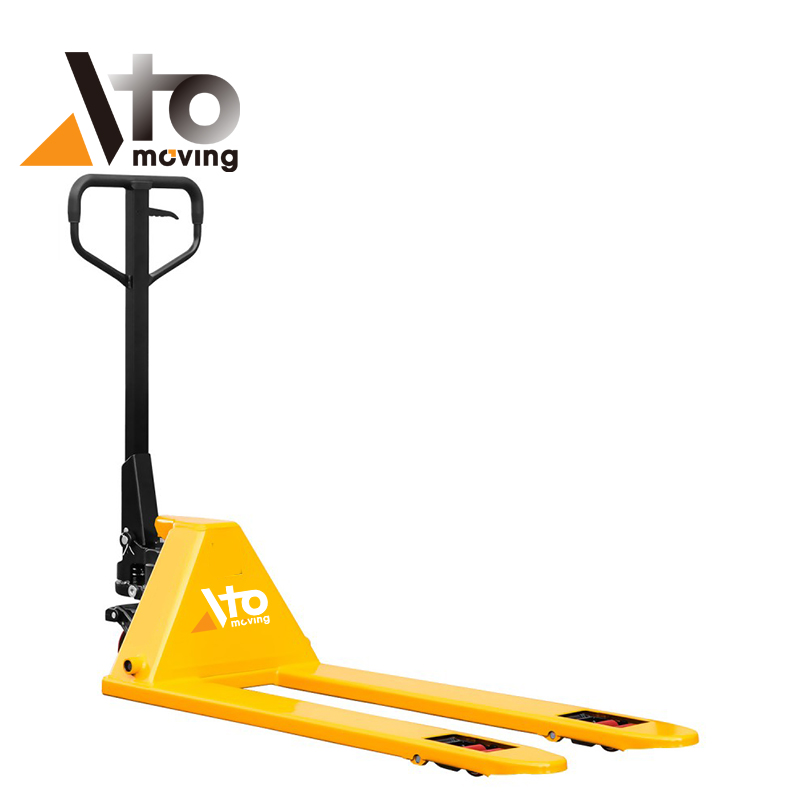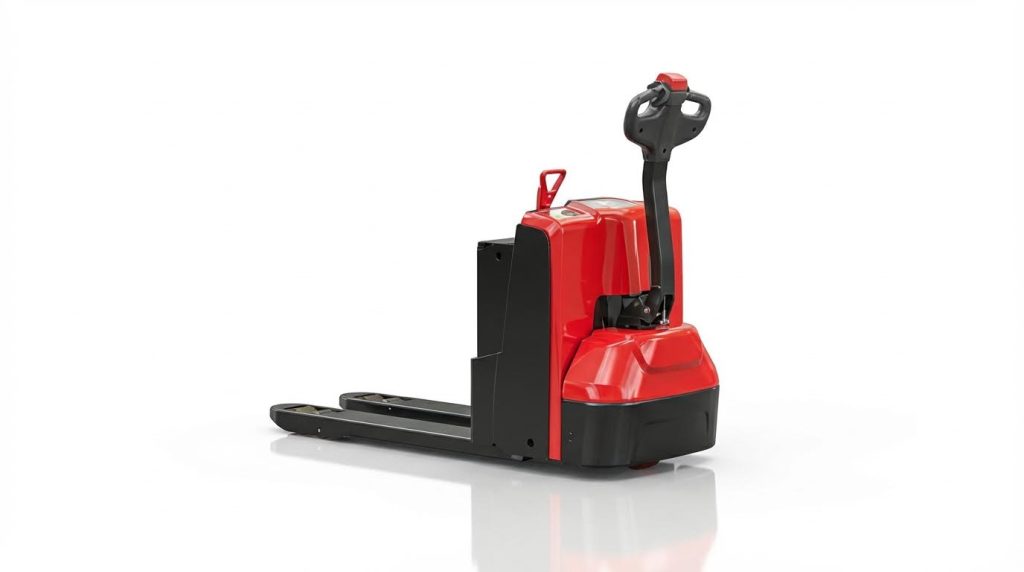
When a manual pallet jack refuses to lift, warehouse throughput, safety, and labor efficiency all degrade immediately. This article breaks down how hydraulic pallet truck hydraulics work, typical load ratings and failure modes, and the built-in safety and overload protections that limit lifting. You then get a structured engineering checklist for how to fix a pallet jack that won’t lift, from basic safety and visual checks through hydraulic bleeding, oil level correction, valve diagnostics, and seal replacement. Finally, it covers preventive maintenance, inspection routines, and decision points on when to rebuild, replace, or upgrade units so lifting performance stays reliable over the long term.
How Manual Pallet Jack Hydraulics Work
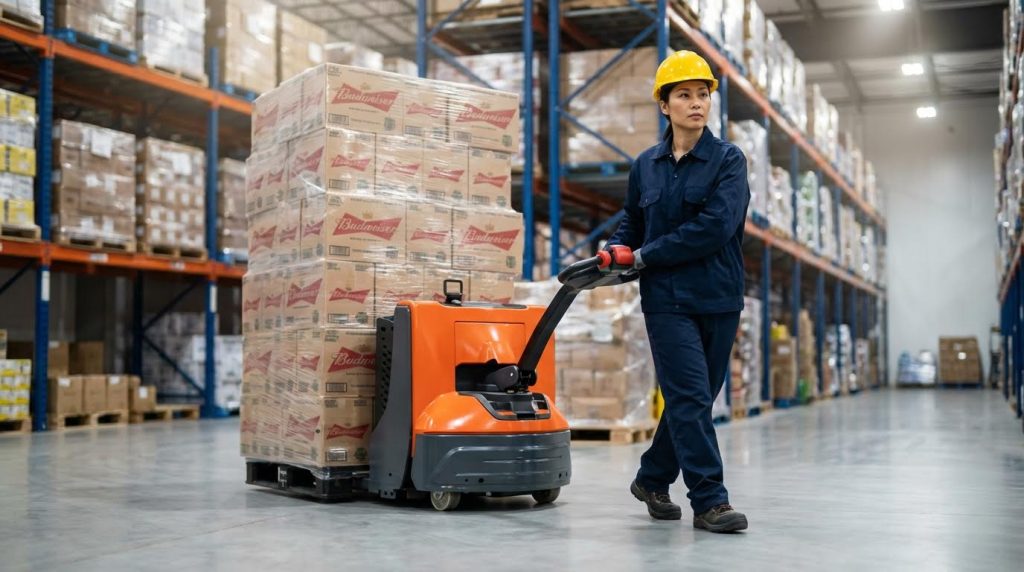
Understanding how manual pallet jack hydraulics work is the foundation for knowing how to fix a pallet jack that won’t lift. The system converted low handle forces into high lifting forces using compact hydraulic components. Engineers designed these units for repetitive short-stroke lifting within defined load and duty limits. Knowing the internal load path, fluid path, and safety devices allowed technicians to diagnose lift failures quickly and safely.
Core Components Of A Pallet Jack Pump
The hydraulic pump assembly contained several tightly integrated components. A reservoir held hydraulic oil, usually mineral-based fluid with a viscosity suited to low-speed hand pumping. A pump piston, driven by the handle linkage, pressurized this oil on each stroke. Suction and discharge check valves controlled flow direction, drawing oil from the reservoir and forcing it into the lift cylinder. The lift cylinder converted hydraulic pressure into linear motion, raising the fork frame through a series of levers and linkages. A lowering valve provided controlled return flow to the reservoir when the operator actuated the release trigger or lever. When a technician evaluated how to fix a pallet jack that won’t lift, they typically traced the fault along this chain: handle motion, pump piston travel, check valve sealing, cylinder integrity, and return flow control.
Load Ratings, Duty Cycles, And Failure Modes
Manual pallet jacks typically carried rated capacities between 2000 kilograms and 2500 kilograms. Engineers established these ratings based on maximum hydraulic pressure, frame strength, and wheel load limits. Duty cycles assumed intermittent operation: short lifting strokes, brief travel, and resting periods that allowed components to cool and equalize pressure. When operators exceeded rated loads or duty assumptions, failure modes appeared. Common hydraulic failures included internal leakage past piston seals, worn check valve seats, and distorted valve springs that prevented tight sealing. Mechanical overload produced bent linkages, cracked fork welds, and brinelled wheel bearings. Over time, micro-leakage in seals combined with contamination in the oil reduced effective pressure, so the jack either lifted very slowly or failed to raise the load at all. When diagnosing how to fix a pallet jack that won’t lift, engineers compared actual loads and usage patterns against the original design duty cycle to identify overload-related degradation.
Safety Limits, Relief Valves, And Overload Risks
Manual pallet jacks incorporated safety limits to prevent catastrophic failures. A pressure relief valve, usually integrated into the pump block, opened when system pressure exceeded a calibrated threshold. This valve diverted oil back to the reservoir, limiting maximum fork lifting force and protecting the cylinder, frame, and wheels. If operators routinely overloaded the jack, the relief valve reseated repeatedly under high differential pressure, which accelerated seat wear and caused early leakage. That leakage appeared as a jack that pumped but would not raise a rated load, a key symptom when assessing how to fix a pallet jack that won’t lift. Engineers also specified mechanical stops on the handle and linkage to prevent over-stroking the piston, which could otherwise damage seals. Proper troubleshooting distinguished between normal relief-valve activation under genuine overload and abnormal early opening caused by contamination or wear. In maintenance practice, technicians verified relief-valve function, checked for unauthorized adjustments, and ensured loads stayed within the nominal capacity marked on the data plate.
Step-By-Step Troubleshooting When It Won’t Lift
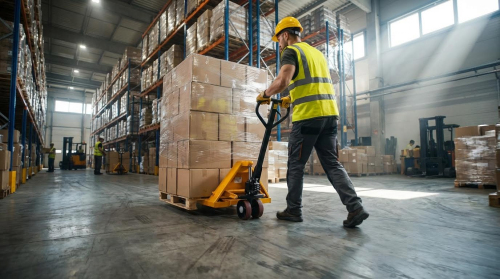
When you search for how to fix a pallet jack that won’t lift, you need a structured engineering checklist rather than guesswork. This section walks through a systematic diagnostic path, from basic safety checks to hydraulic service, so technicians can isolate faults quickly and restore lifting performance with minimal downtime.
Initial Safety, Visual, And Load Checks
Start by removing the load and parking on a flat, stable floor. Chock the steer wheels if the floor slopes. Verify the load rating on the nameplate and compare it with the typical pallet mass in your operation; do not exceed the rated capacity, which usually ranged from 2 000 kilograms to 2 500 kilograms for manual units. Inspect forks for visible bends, cracks, or twisted tips, because structural deformation can cause binding that feels like a lift failure. Check for external hydraulic oil leaks at the pump body, ram, and hose joints; wet, dust-coated areas usually indicated chronic leakage. Cycle the handle without a load and note the feel: a dead, low-resistance stroke pointed to internal bypass or air, while a jerky, high-resistance stroke suggested mechanical binding in the linkage or handle pivot. Document these observations before proceeding, as they narrow down whether you are dealing with overload, mechanical, or hydraulic faults.
Bleeding Air And Correct Hydraulic Oil Level
Air trapped in the hydraulic circuit was the dominant cause when users asked how to fix a hydraulic pallet truck that won’t lift. With forks unloaded and fully lowered, operate the handle 15 to 20 full strokes to purge air through the internal ports; this simple step often restored normal lift. If lifting remained weak, check the oil level at the reservoir fill plug, usually located on top or side of the pump housing. Position the jack so the pump sat level, then remove the plug carefully to avoid contamination. For typical manual designs, the correct level sat roughly 25 millimetres to 40 millimetres below the filler opening, leaving expansion volume; overfilling increased internal pressure and could force oil past seals, while underfilling caused cavitation and loss of stroke. Top up only with compatible hydraulic oil of appropriate viscosity grade, then repeat the bleeding sequence and retest under a moderate load within the rated capacity.
Isolating Handle, Linkage, And Pump Valve Faults
If correct oil level and bleeding did not restore lift, isolate whether the fault lay in the handle mechanism or in the pump and valve block. Disconnect the lift linkage from the pump actuating lever according to the manufacturer’s service procedure, then move the lever by hand. The lever should pivot smoothly through its stroke without sticking or excessive free play. With the linkage still disconnected, pump the handle and observe fork motion; if the forks now rise, the problem likely sat in the handle, pins, or linkage geometry, such as misadjusted rods or worn pivot bores preventing full pump actuation. If the forks still failed to rise or rose only slightly and then drifted down, suspect internal pump leakage at the check valves or relief valve. In that case, cleaning or rebuilding the valve stack, and verifying the relief valve setting against the rated capacity, became the next logical step.
O-Ring, Seal, And Valve Service Procedures
Persistent non-lifting with correct oil and intact linkage usually indicated degraded O-rings, hardened seals, or contaminated valve seats inside the hydraulic unit. Safely support the low profile pallet jack so drive wheels stayed off the floor using rated stands, then drain the hydraulic oil by loosening the reservoir cover or designated drain plug while cycling the handle. Remove the lower control lever and valve cartridge as specified for the model, using suitable hand tools to avoid scoring machined surfaces. Extract O-rings and seals with plastic or brass picks rather than steel to prevent groove damage, and match replacements by size, cross-section, and material compatibility with the hydraulic oil. Inspect check valve balls and seats for pitting or embedded debris; clean with lint-free cloths and non-aggressive solvent. After installing new seals and reassembling to the correct torque, refill with clean hydraulic oil, bleed air with 15 to 20 strokes, and perform a staged load test up to the rated capacity to confirm that the pallet jack now lifts smoothly and holds the load without drift.
Preventive Maintenance And Reliability Practices
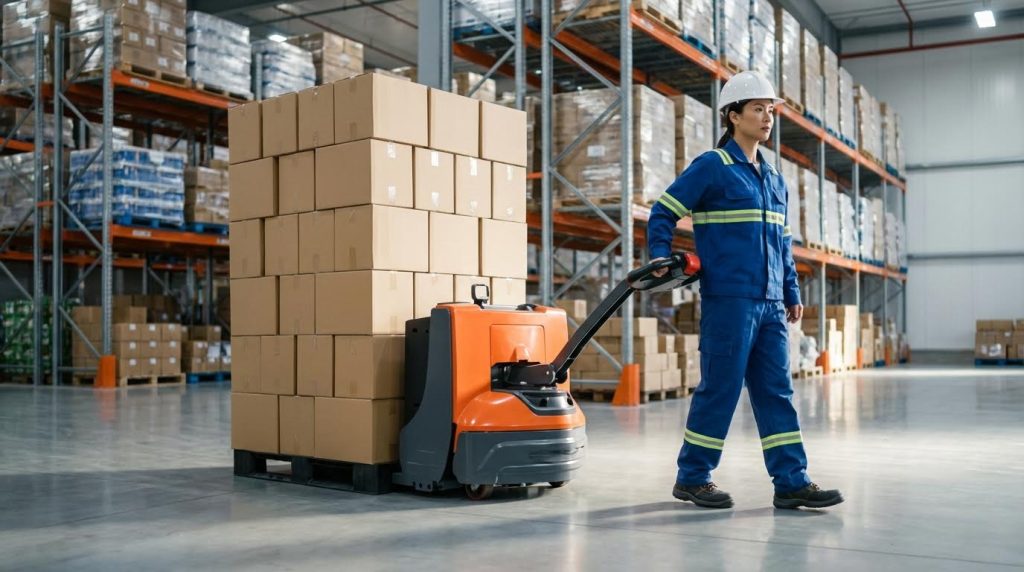
Preventive maintenance practices keep a pallet jack lifting reliably and minimize downtime. Structured inspection intervals, correct lubrication, and disciplined hydraulic care reduce the chance that operators ever need to search how to fix a pallet jack that won’t lift. Reliability engineering principles focus on predictable wear, controlled contamination, and timely replacement of critical parts. The following routines provide a practical framework for technicians and supervisors.
Daily, Weekly, And Monthly Inspection Routines
Daily checks focus on quick, high‑value items that directly affect lifting safety. Operators should scan forks for cracks or bending, wheels for embedded debris, and the handle for rough or jerky pumping. A short functional test with an unloaded jack verifies smooth lifting, holding, and lowering without sinking. Any sluggish lift can signal low oil, air in the hydraulics, or internal leakage that will later cause a pallet jack that will not lift under load.
Weekly routines extend the inspection envelope to fasteners, linkages, and rolling elements. Technicians should tighten fork-to-frame bolts, handle base hardware, and wheel axle nuts to the manufacturer’s torque recommendations. Spinning each wheel by hand helps detect flat spots, bearing damage, or misalignment. A controlled load test within rated capacity verifies that the jack lifts to full stroke and holds height for a defined period, usually several minutes.
Monthly tasks address slower degradation mechanisms such as corrosion, structural fatigue, and hidden contamination. Crevices under forks, around axles, and near the pump body should be scrubbed clean to remove compacted dirt that traps moisture. Straightedges or gauges can check fork tip height and parallelism to identify bending before it becomes a safety risk. Visual inspection of the pump rod, seals, and cylinder area for rust streaks or oil films helps detect early hydraulic leakage.
Lubrication, Corrosion Control, And Wheel Care
Lubrication reduces friction loads in pivots and linkages, which otherwise increase handle effort and accelerate wear. Technicians should apply light oil to pivot joints, control linkages, and the handle mechanism, and use grease where specified on center pivots or high-load pins. Over-lubrication should be avoided, because excess product attracts dust and forms abrasive paste. Using lubricants compatible with seal materials and ambient temperatures prevents swelling or hardening that could later compromise hydraulic performance.
Corrosion control focuses on moisture management and protective films. Cleaning off chemical residues, especially in food, chemical, or coastal environments, prevents aggressive attack on steel components. Applying corrosion inhibitors or touch-up coatings on exposed metal surfaces slows rust formation on forks, frames, and pump housings. Rust on the pump rod or near seal interfaces can score sealing surfaces and create internal bypass paths that eventually cause lifting failures.
Wheel care directly influences rolling resistance, stability, and shock loading into the hydraulic unit. Technicians should inspect tread surfaces for cuts, chunks, and flat spots, and replace wheels that show cracking or severe wear. Ensuring free wheel rotation reduces side loads on axles and brackets, which might otherwise loosen under repeated impacts. Keeping the floor and wheel area free from string, wrap, and debris avoids drag that forces operators to overload the handle and structure.
Oil Change Intervals And Seal Life Management
Hydraulic oil condition strongly affects how to fix a pallet jack that won’t lift and how often such failures occur. Contaminants, moisture, and oxidation byproducts reduce lubricity and can pit valve seats or scratch cylinder bores. Many facilities adopted annual oil changes under normal duty, with shorter intervals under heavy or dirty service. During each change, technicians should use the specified hydraulic fluid grade and fill only to the recommended level to avoid aeration.
Seal life depends on surface finish, temperature, chemical exposure, and pressure cycling. Regular external checks for oil weeping around the pump, cylinder, and valve block help identify early seal degradation. If operators notice gradual loss of lift height or slow sinking under load, internal seal leakage is a likely cause. Replacing worn O-rings and seals proactively during scheduled maintenance avoids unplanned outages and reduces the need for emergency hydraulic rebuilds.
Proper bleeding procedures after oil service remove trapped air pockets that reduce effective pressure. Technicians should cycle the handle through its full stroke with no load until the lift motion becomes firm and consistent. Documenting oil change dates, fluid type, and any seal replacements supports trend analysis and reliability planning.
When To Rebuild, Replace, Or Upgrade Units
Deciding between rebuild, replacement, or upgrade requires a structured cost and risk assessment. If a pallet jack repeatedly loses lift despite correct oil level, proper bleeding, and seal replacement, internal wear of the pump bore, valve seats, or cylinder may justify a full hydraulic rebuild. Rebuild kits with matched seals, springs, and valve components restore original performance when the frame, forks, and mast structure remain sound. Technicians should measure fork deflection, frame alignment, and wheel bracket integrity before investing in hydraulic work.
Replacement becomes more economical when structural damage, extensive corrosion, or multiple component failures appear simultaneously. Frequent downtime, high parts consumption, and repeated operator complaints indicate that continued repair is no longer cost-effective. In such cases, tracking lifecycle cost per operating hour helps justify new units. Upgrading to pallet jacks with higher corrosion resistance, improved seals, or enhanced ergonomics can reduce future maintenance loads and extend service intervals.
Maintenance records play a central role in these decisions. Documented histories of failures, oil changes, and seal replacements allow engineers to estimate remaining useful life and predict when lifting performance will fall below acceptable safety margins. This data-driven approach keeps fleets reliable and reduces unexpected cases where a pallet jack will not lift during critical operations.
Summary: Key Takeaways For Safe, Reliable Lifting
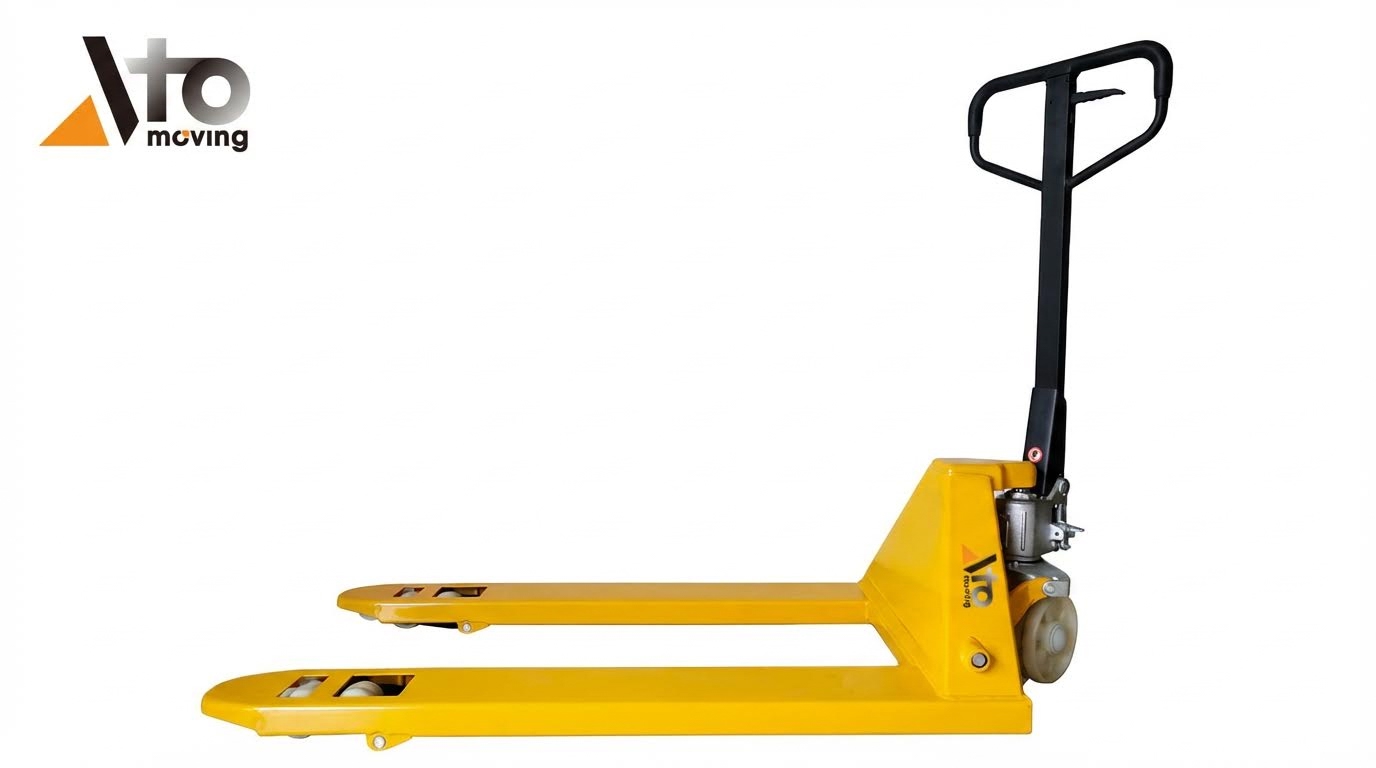
Knowing how to fix a pallet jack that won’t lift required a structured engineering approach. The article covered hydraulic pump fundamentals, systematic troubleshooting, and preventive maintenance practices that reduced unplanned downtime and safety risk. Technicians who followed this checklist restored lifting performance in most cases without full unit replacement.
From a technical standpoint, the most frequent root causes included trapped air, low or contaminated hydraulic oil, worn seals and O-rings, misadjusted valves, and overloaded forks beyond the rated capacity, typically around 2 000–2 500 kilograms for manual pallet jack units. A repeatable diagnostic sequence delivered the best results: verify load and safety conditions, bleed air, set oil to the correct level, then isolate handle, linkage, and pump faults before opening the hydraulic circuit. This reduced unnecessary parts replacement and limited contamination risk.
For long-term reliability, daily visual checks, weekly lubrication, and monthly deep inspections of forks, wheels, and cylinders proved more effective than reactive repair. Scheduled oil changes and seal monitoring extended hydraulic service life and delayed major rebuilds. When damage affected the main cylinder, structural forks, or pump body, economic analysis often favored a replacement hydraulic pallet truck rather than a full rebuild.
Looking ahead, tighter safety expectations and lean warehousing practices continued to push toward condition-based maintenance, standardized inspection routines, and better operator training. Facilities that documented failures, tracked root causes, and enforced load and maintenance limits achieved safer, more reliable lifting performance and reduced lifecycle cost for their low profile pallet jack fleets.