Aerial work platforms are engineered systems that provide temporary, controlled access to elevated work areas for people and tools. This article explains what an aerial work platform is, how its core components and duty ranges define performance, and why specific platform types suit different industrial tasks. It also outlines safety standards, inspection regimes, and maintenance practices that underpin reliable operation across a fleet. Finally, it distills strategic takeaways plant teams can use to select, deploy, and manage scissor platforms efficiently and safely.
Core Functions And Design Of Aerial Work Platforms
Engineers who ask “what is aerial work platform” usually focus on function, structure, and safety margins. Aerial work platforms (AWPs) elevated personnel and tools to temporary work positions at height with controlled motion, defined load ratings, and standardized safety systems. Their design integrated mechanical structures, hydraulic or electromechanical actuators, and electronic controls to deliver repeatable duty cycles under OSHA and ANSI constraints. The following sections break down definitions, operating envelopes, power architectures, and structural design concepts that governed AWP selection and engineering assessments.
Definition, Key Components, And Working Principles
An aerial work platform was a mechanical elevating device that provided temporary access to elevated work areas. Typical assemblies included a base chassis, lifting structure, platform or basket, power unit, and control systems. The chassis could be self-propelled, towed, or vehicle-mounted, with steering and braking sized for rated gross weight. The lifting structure used scissor linkages, telescopic booms, or articulated booms to convert actuator stroke into vertical and horizontal reach. Hydraulic cylinders or electromechanical actuators raised and lowered the structure, while proportional valves or inverters controlled speed and smoothness. Primary and emergency controls allowed operation from the platform and ground. Integrated safety subsystems included load-sensing valves, tilt sensors, interlocks, and emergency-lowering circuits, which together enforced rated operating limits and safe stopping behavior.
Typical Duty Cycles, Heights, And Load Ranges
AWP duty cycles depended on application, but designers typically assumed frequent short elevation and positioning movements within an 8–10 hour shift. Indoor electric scissor lifts often provided working heights between about 6 m and 14 m with platform capacities around 230–350 kg. Rough-terrain scissors extended working heights toward 16–18 m and increased capacities up to roughly 450–750 kg to support multiple workers and materials. Articulating and telescopic booms prioritized reach rather than payload, offering working heights exceeding 28–30 m and horizontal outreach up to about 13–19 m with lower platform capacities. Vertical mast lifts served light-duty tasks, usually below 10 m and under roughly 200 kg capacity, where compact footprint and low floor loading were critical. Engineers evaluated duty cycles using expected number of lift cycles per hour, travel distances, and average load to size hydraulic pumps, battery capacity, and structural fatigue life.
Power Options: Electric, Engine-Driven, And Hybrid
Power architecture strongly influenced where and how an aerial work platform operated. Electric AWPs used battery packs, typically lead-acid in the historical fleet, to drive electric traction motors and hydraulic power units. They produced zero local emissions and low noise, which suited indoor plants, warehouses, and urban work with ventilation constraints. Engine-driven units used diesel or gasoline engines coupled to hydraulic pumps, providing higher continuous power, fast travel, and better performance on rough terrain or long outdoor duty cycles. These machines supported larger platforms, greater gradeability, and higher auxiliary loads, but required exhaust management and noise control. Hybrid concepts combined smaller combustion engines with battery storage, allowing engine-off operation in sensitive zones and engine-on charging in high-load phases. Selection between these options required analysis of daily run hours, indoor versus outdoor mix, ambient temperature, and site energy infrastructure.
Structural Materials, Stability, And Rating Concepts
AWP structures relied on high-strength steels for booms, scissor arms, and chassis frames because of their predictable yield behavior and weldability. Designers optimized section geometry to resist bending and buckling while minimizing mass for transport and floor loading. Aluminum and fiber-reinforced plastics appeared in guardrails, platforms, and insulating components where weight or electrical isolation mattered. Stability analysis considered the combined center of gravity of machine and load, support base dimensions, and ground conditions. For self-propelled units, stability envelopes defined allowable combinations of platform height, outreach, slope, and load. Rating concepts included rated load, maximum platform height, maximum horizontal outreach, and allowable wind speed, typically expressed in SI units and verified by test. Manufacturers applied safety factors to structural members and hydraulic components to meet ANSI A92 and comparable standards. Engineers reviewing “what is aerial platform” from a design standpoint therefore treated each rating as a boundary condition that must not be exceeded in service or during modifications.
Major Aerial Work Platform Types And Use Cases
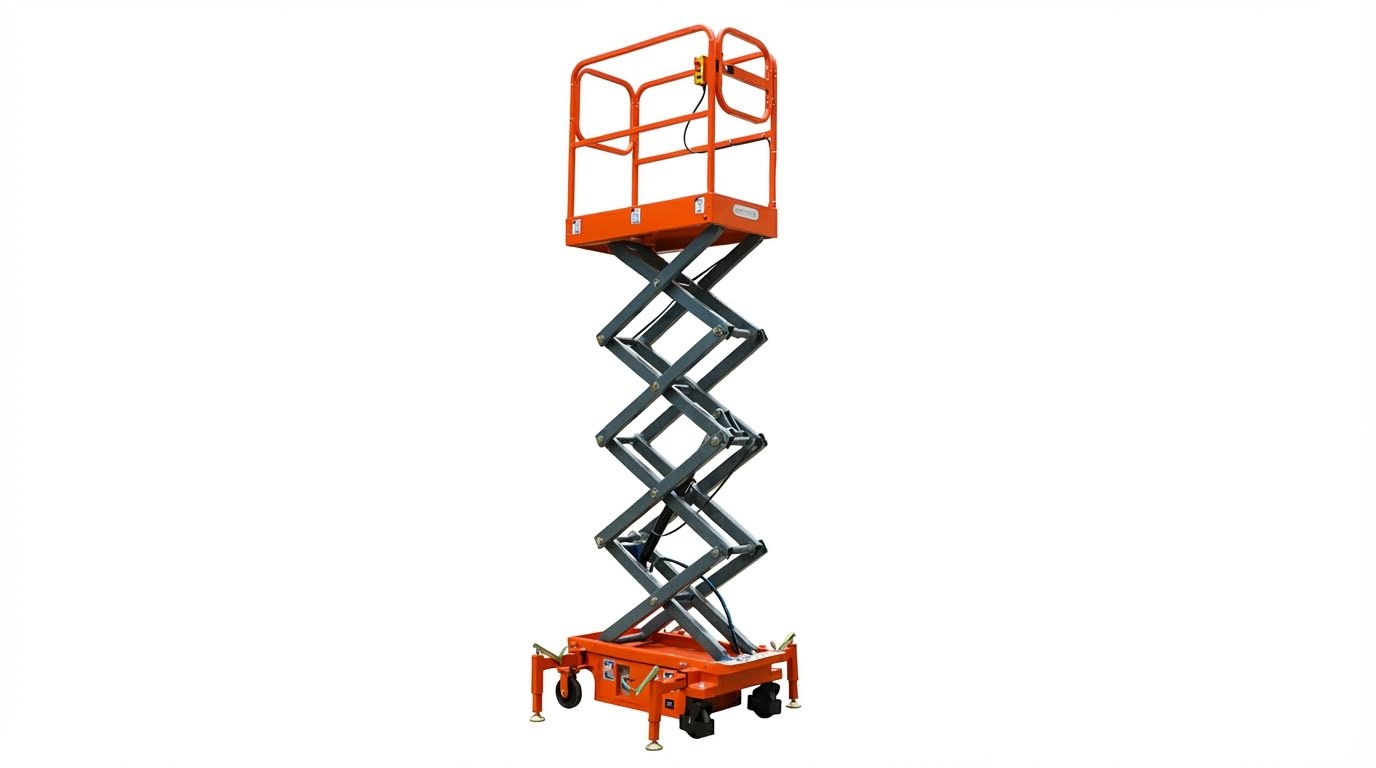
When engineers or safety managers ask “what is aerial work platform” in a practical context, they usually focus on which configuration best fits a task, not just the formal definition. This section compares the main aerial work platform types by geometry, reach envelope, duty profile, and terrain capability, then links those characteristics to typical industrial and construction use cases. It highlights how platform motion pattern, footprint, and load rating influence productivity and risk control at height.
Scissor Lifts And Crawler Scissor Lifts
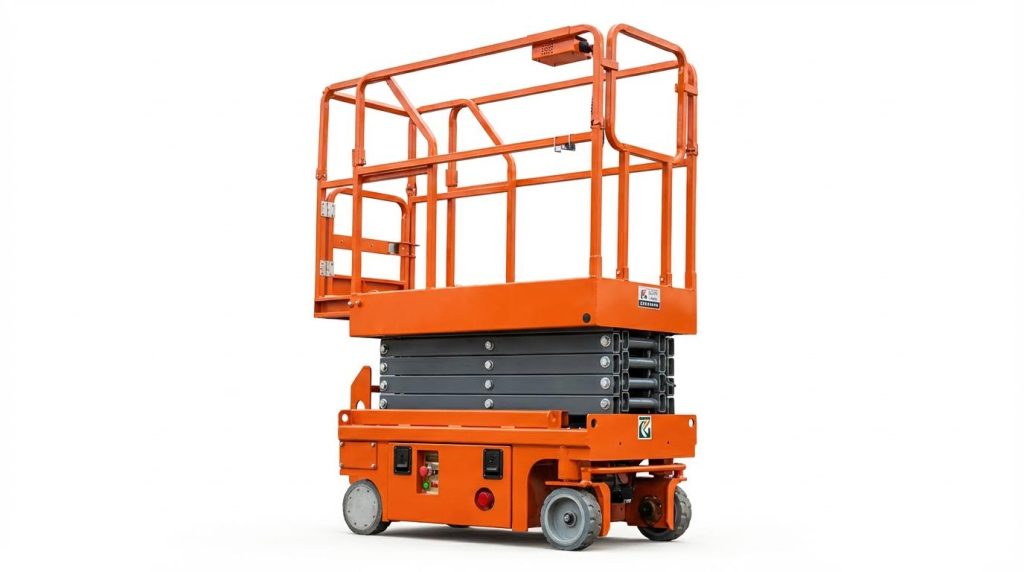
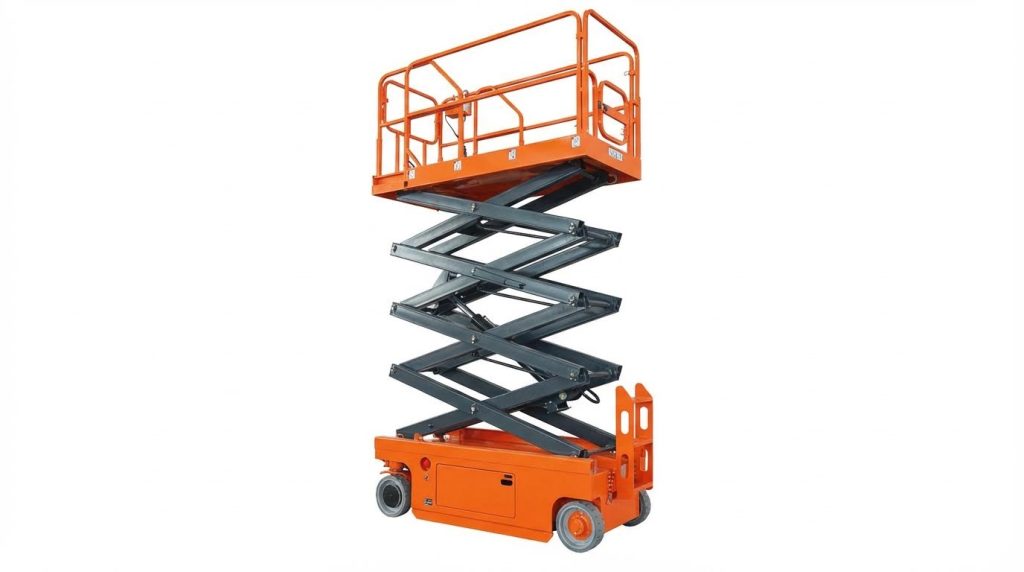
Scissor lifts provided purely vertical elevation using a pantograph mechanism and a rigid, usually rectangular, deck. Typical electric units delivered working heights from about 5.6 m up to roughly 16 m with platform capacities between 230 kg and 350 kg. Rough‑terrain variants extended capacities and deck size, and used four‑wheel drive, higher ground clearance, and stabilizing systems for unpaved sites. Crawler scissor lifts replaced wheels with rubber tracks, often non‑marking, to reduce ground pressure and protect sensitive floors during zero‑degree turns.
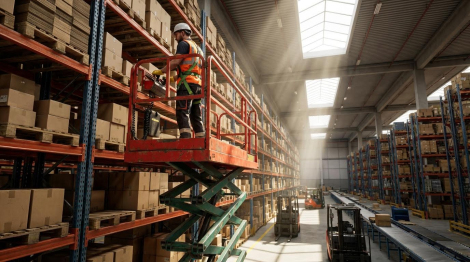
In practice, engineers specified slab electric scissors for indoor maintenance, racking installation, and fit‑out work on level concrete. Rough‑terrain and crawler scissors served exterior cladding, steel erection support, and work on compacted soil where scaffold erection times were unacceptable. The key constraints were vertical‑only motion and required platform width; narrow‑aisle models allowed operation in warehouse racking, while large‑deck units supported multiple technicians plus materials. Load charts defined allowable personnel plus tooling mass, and operators had to derate for side loads such as panel handling or wind.
Articulating And Telescopic Boom Lifts
Articulating boom lifts used multiple jointed booms to “up‑and‑over” obstacles, while telescopic booms used straight, extendable sections for maximum horizontal outreach. Articulated machines in industrial fleets commonly reached working heights up to about 28 m with horizontal outreach near 19 m. Telescopic booms exceeded 30 m working height on many models, with horizontal reach values around 13 m and beyond, depending on chassis size and counterweighting. Both types usually carried smaller platform capacities than large scissors but offered far greater positional flexibility.
Articulated booms proved effective where technicians had to negotiate over pipe racks, conveyors, or building overhangs, for example in process plants or shipyards. Telescopic booms suited façade work, wind‑turbine service, tank farms, and high‑bay construction where direct line‑of‑sight access existed. Duty cycles often involved frequent slewing, telescoping, and fine positioning, so hydraulic and control system responsiveness strongly affected productivity. Engineers evaluated working envelope diagrams rather than simple “maximum height” figures, ensuring that required horizontal offset and up‑and‑over clearance fell within the safe operating zone for the expected load.
Vertical Mast Lifts And Compact Indoor Platforms
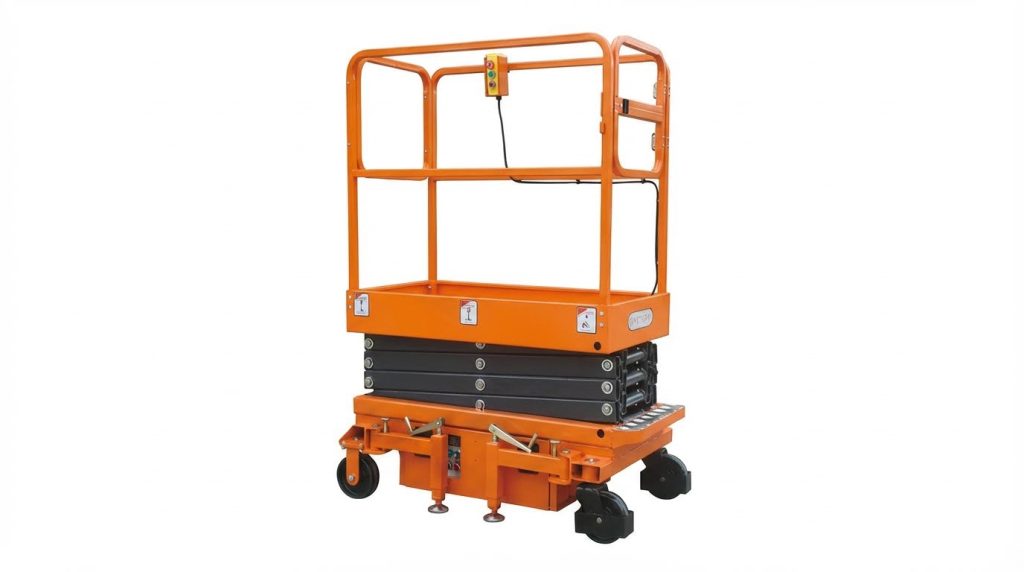
Vertical mast lifts used a single telescoping or stacked‑mast column with a small platform, delivering low to medium working heights with a very compact footprint. Typical units operated in the 6 m to 12 m working‑height range and carried one worker plus light tools. Their low overall mass and narrow chassis allowed access through standard doors and operation on mezzanines or suspended slabs with limited floor loading. Some models used non‑marking tires and zero‑turn steering for dense retail or institutional environments.
Compact indoor platforms, including micro‑scissors and lightweight mast units, replaced ladders in applications such as HVAC servicing, lighting maintenance, and data‑center overhead work. They reduced setup time versus mobile scaffold and significantly decreased fall risk compared with step‑ladders. Engineers considered point‑load on floor structures, turning radius in corridors, and required outreach, which was typically minimal for these platforms. For tasks requiring frequent relocation but modest elevation, these machines offered high cycle efficiency and reduced operator fatigue, especially in multi‑shift facilities.
Selection Criteria For Industrial Applications
When deciding what is aerial platform type to deploy, plant teams balanced height, outreach, load, and access constraints rather than focusing on a single specification. Scissor platform lifts fit tasks needing high platform capacity and vertical movement on stable surfaces, while boom lifts addressed complex geometries and long horizontal reach. Vertical masts and compact platforms were optimal where floor loading limits, doorway dimensions, or aisle widths constrained larger equipment. Engineers also evaluated power source, choosing electric drives for indoor, low‑emission environments and engine‑driven units for rough, outdoor conditions.
Risk controls influenced selection as much as productivity metrics. For example, work near overhead power lines favored insulated booms with strict clearance planning, whereas confined indoor spaces favored small electric platforms with minimal exhaust and noise. Lifecycle cost calculations incorporated expected duty cycle, terrain severity, and maintenance accessibility of hydraulic and structural components. By mapping task requirements to each platform family’s operating envelope and stability characteristics, teams could standardize a fleet that minimized changeover time, met regulatory obligations, and supported safe, repeatable work at height across the facility portfolio.
Safety, Standards, And Maintenance For AWPs
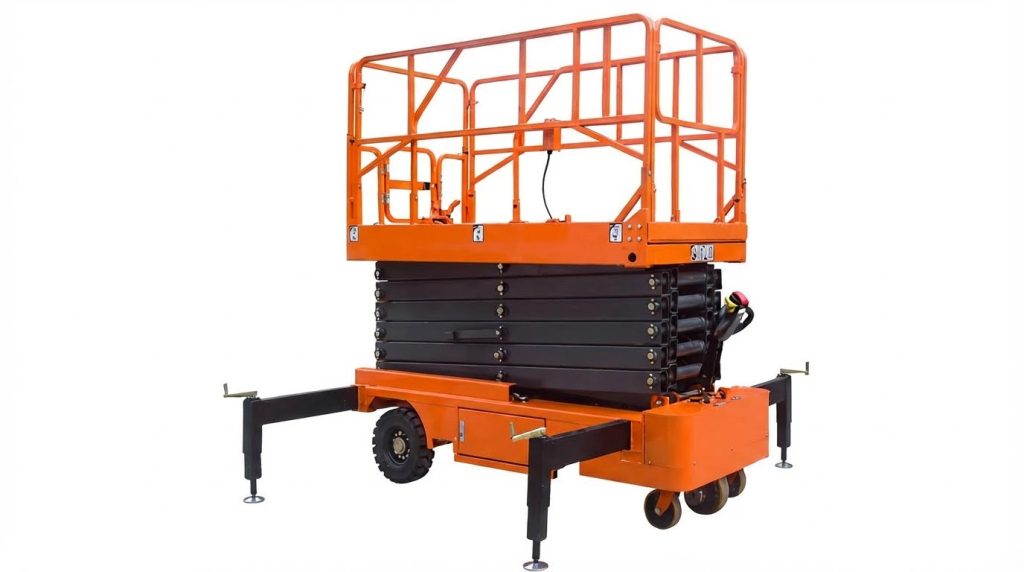
Safety management for aerial work platforms answered the question “what is aerial work platform” from a compliance and reliability angle. It covered how regulations, operator competence, inspections, and data-driven maintenance together controlled risk at height. This section linked legal requirements with engineering practice so plant teams could embed safety into daily operation and long-term asset strategies.
OSHA/ANSI Requirements And Operator Training
OSHA defined aerial work platforms as vehicle-mounted or self-propelled devices that elevated personnel for temporary access. In the United States, OSHA 29 CFR 1910.67 and 1926.453 governed vehicle-mounted elevating and rotating work platforms in general industry and construction. ANSI A92 family standards (such as A92.2, A92.3, A92.5, A92.6) specified design, safe-use, and training requirements for mobile elevating work platforms. Compliance required employers to integrate these rules into written procedures, job planning, and equipment procurement.
Operator training needed to address more than basic controls. Programs covered fall, electrical, struck-by, and falling-object hazards, plus platform load limits and reach envelopes. Trainees practiced pre-start inspections, emergency lowering, and correct positioning around overhead obstructions and power lines. Employers documented initial training, evaluations, and retraining after incidents, near misses, or introduction of a new platform type. Only trained and authorized personnel could operate any aerial work platform on site.
Pre-Use, Periodic, And Annual Inspection Regimes
Inspection regimes ensured that an aerial work platform remained safe between design and end-of-life. A pre-use or pre-start inspection occurred at the beginning of every shift or before each deployment. Operators checked fluid levels, leaks, tires or tracks, steering, brakes, alarms, emergency stops, limit switches, guardrails, gates, decals, and all platform and ground controls. Any defect that affected safe operation required immediate lockout until repair.
Periodic inspections occurred weekly or monthly, depending on duty cycle and manufacturer guidance. These inspections focused on structural members, welds, pins, bushings, scissor arms, booms, mast sections, and hydraulic hoses for wear, cracks, or corrosion. Inspectors verified hydraulic and electrical integrity, tested emergency descent systems, and confirmed that load charts and safety labels remained legible. Annual inspections, required by ANSI and referenced by OSHA, were performed by qualified technicians who documented structural, mechanical, hydraulic, and electrical condition.
Common Hazards, Controls, And Safe Work Practices
Typical aerial work platform hazards included falls, tip-overs, ejections, falling objects, entanglement, and electric shock from overhead lines. Engineering controls such as guardrails, gates, interlocks, tilt and overload sensors, and emergency lowering systems formed the first safety layer. Administrative controls such as work permits, exclusion zones, and weather limits further reduced exposure. Personal fall protection, usually a full-body harness with lanyard attached to designated anchor points, addressed residual fall risk, especially on boom-type platforms.
Safe work practices started with site assessment. Supervisors identified slopes, drop-offs, unstable ground, overhead obstructions, high winds, and energized conductors before moving a platform into position. Operators only elevated on firm, level surfaces and obeyed level alarms and wind-speed limits in the manual. They never used ladders or planks on the platform, never exceeded rated load or reach, and avoided traveling with the platform raised unless the manufacturer allowed it. Maintaining at least 3 m clearance from power lines, or greater where specified, remained a non-negotiable rule.
Predictive Maintenance, Telemetry, And Lifecycle Cost
Predictive maintenance and telemetry changed how plant teams managed what is aerial work platform fleets. Modern machines used sensors and controllers to log run hours, duty cycles, hydraulic temperatures, fault codes, and battery or engine health. Telematics modules transmitted this data to maintenance systems, enabling condition-based service rather than simple calendar-based intervals. Maintenance teams identified trends such as rising hydraulic temperature, increased pump noise, or repeated fault codes before they caused in-service failures.
Integrating telemetry with computerized maintenance management systems allowed planners to optimize spare parts, technician scheduling, and platform availability. Tracking repair frequency and major component replacements across the fleet revealed when an aerial work platform approached economic end-of-life, even if it remained structurally sound. By combining predictive analytics with rigorous inspections and standards compliance, plants reduced unplanned downtime, improved safety margins, and minimized lifecycle cost per operating hour for their elevated access equipment.
Summary And Strategic Takeaways For Plant Teams
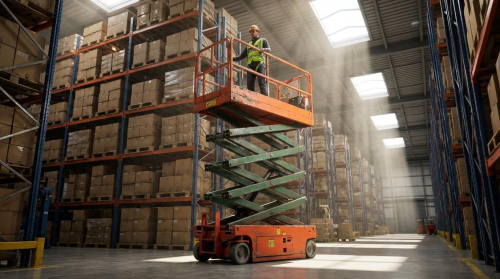
Plant teams asking “what is aerial work platform” should view AWPs as engineered systems that integrate structure, powertrain, and control to deliver safe elevation at height. They replaced ladders and scaffolds on industrial sites because they combined mobility, reach, and controlled access with codified safety standards. Modern fleets covered scissor, boom, mast, and crawler platforms, each optimized for a specific envelope of height, outreach, and floor condition. Strategic deployment required aligning these capabilities with task risk profiles, regulatory duties, and lifecycle economics.
From a technical standpoint, AWPs operated as temporary access machines with defined working envelopes, rated loads, and stability limits. Design and use had to comply with OSHA 1910.67 and 1926.453, plus ANSI A92 series requirements for design, safe use, and training. This drove disciplined regimes for pre-use checks, periodic inspections, and annual certification, supported by documented maintenance and clear decal packages. Plants that embedded these routines into their permit-to-work and lockout procedures typically reduced falls, tip-overs, and electrical contact events.
Looking ahead, the role of aerial work platforms in plants continued to expand as facilities added more overhead utilities, automated lines, and complex building services. Electric and hybrid units with low noise and zero local emissions suited indoor production halls and clean environments. Telemetry and condition monitoring started to connect “what is aerial work platform” decisions with real utilization, fault codes, and component wear, enabling data-driven replacement timing and right-sizing of fleets. This supported lower lifecycle cost per operating hour and better capital planning.
For implementation, plant engineering and safety teams benefited from a structured approach: define typical work-at-height tasks, map required heights and outreach, classify floor conditions, and then select platform families and options accordingly. Parallel investment in operator training, rescue planning, and standardized inspection checklists remained essential. As standards evolved and new technologies such as advanced sensors or semi-automated positioning matured, teams needed to balance innovation with proven reliability, ensuring that each AWP in the plant remained a controlled, predictable tool rather than an uncontrolled risk source. Additionally, integrating tools like scissor platforms could further enhance operational efficiency.