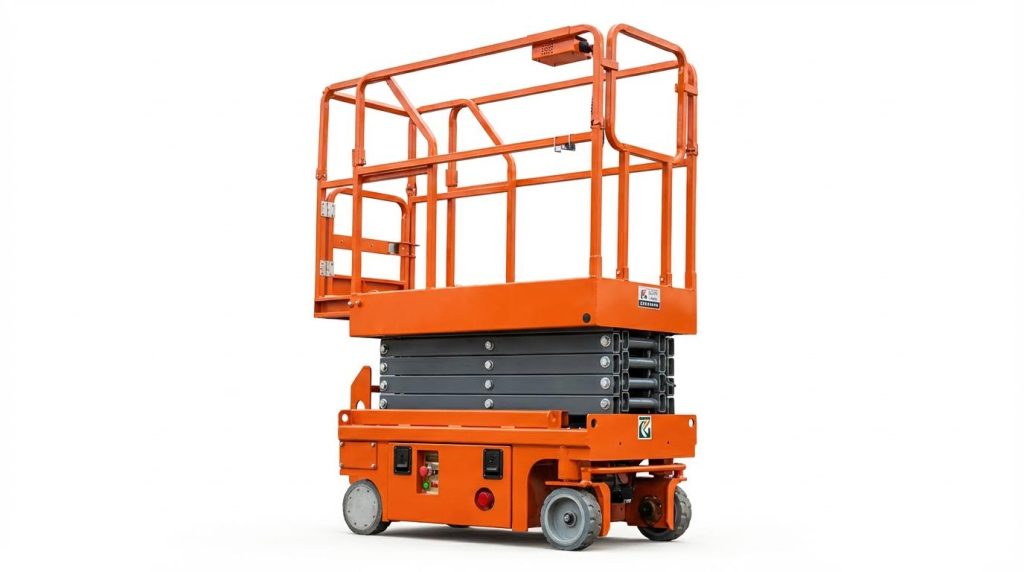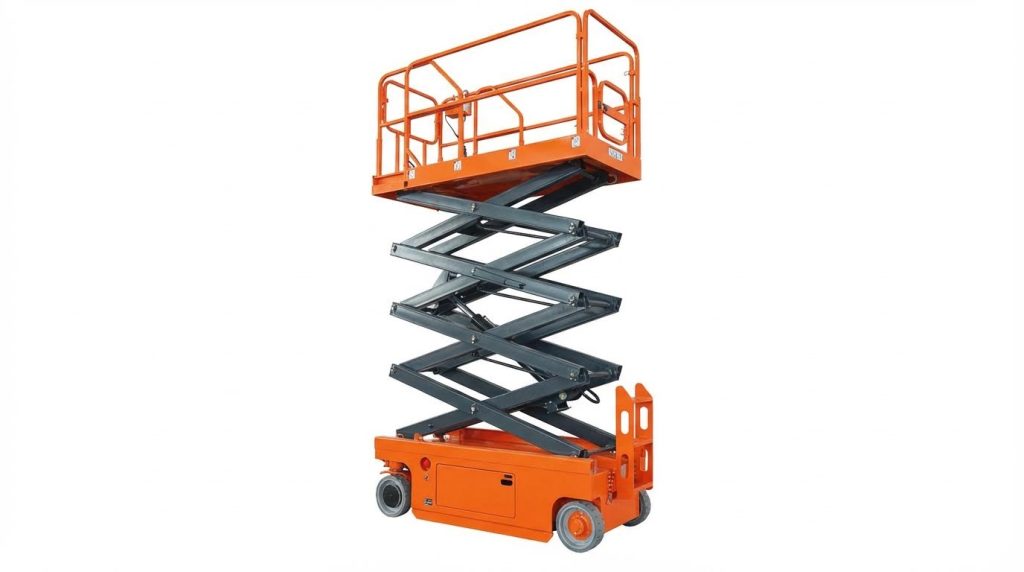
Aerial work platforms required a specific set of manuals, plates, decals, and records to stay compliant and safe. This documentation covered operator guidance, engineering approvals, inspection history, and clear on-machine markings for capacity and configuration. Understanding which publications must be kept on the aerial platform helped owners, rental fleets, and contractors satisfy ANSI, OSHA, and regional regulatory requirements. The following sections examined core manuals, mandatory labels, inspection and training records, and how to structure a complete documentation package for any aerial device.
Core Manuals Required On Every Aerial Work Platform

When considering which publications must be kept on the aerial platform, regulations and standards required a structured document set. Core manuals supported safe operation, traceable maintenance, and engineering compliance. These documents needed to stay with the machine in weather-resistant storage and remain legible and current. The following subsections outlined the minimum publications expected on every compliant aerial work platform.
Operator’s Manual: Content and Storage Requirements
The operator’s manual answered the question “which publications must be kept on the aerial platform” first. Standards required a complete operating manual on the unit, not only at the office or depot. The manual described normal operation, emergency procedures, start-up and shutdown, and platform positioning. It also defined rated platform capacity, allowable occupants, and any alternate configuration limits. For units with multiple operating modes, the manual detailed each mode and its corresponding load rating. Regulations required that the manual be stored in a dedicated, weather-resistant compartment fixed to the platform or base. This location had to be accessible to the operator before use and during operation. Site supervisors needed to verify the correct, machine-specific manual remained on board after rentals, transfers, or major repairs.
Service and Parts Manuals for Maintenance Teams
Service and parts manuals did not always need to be on the platform itself, but they had to be readily available on site. Service manuals defined inspection intervals, lubrication schedules, torque values, hydraulic settings, and troubleshooting procedures. Parts manuals or illustrated parts lists supported accurate identification of structural members, pins, cylinders, valves, and control components. Keeping at least a condensed maintenance guide or checklist in the platform storage box improved field fault-finding. Maintenance teams often used digital systems, but they still kept a controlled master copy for regulatory audits. When technicians modified components or replaced structural parts, they referenced the original parts documentation to maintain conformity with design. Consistent use of the correct parts manual reduced the risk of non-approved substitutions that could invalidate certifications.
Engineered Letters, Certifications, and PE Approvals
Engineered letters and professional engineer (PE) approvals formed a critical part of the publication set on many scissor platform units. Jurisdictions such as Ontario required a PE letter certifying that the unit met the applicable national or international standard. This letter or certificate typically traveled with the machine and was stored with the operator’s manual in a weatherproof container. When structural modifications, capacity changes, or special attachments were introduced, a new engineered letter became mandatory. These documents confirmed that a qualified engineer had reviewed loading, stability, weld details, and fatigue implications. Inspectors and safety officers often requested these letters during audits or incident investigations. Keeping current engineering approvals directly on the platform simplified field verification and reduced downtime.
Digital vs. Physical Copies and Redundancy
Digital documentation improved access, searchability, and revision control, but regulations still expected at least one physical operator’s manual on the aerial platform. A balanced strategy kept the official printed operating manual and key certifications in the on-board storage box. In parallel, maintenance teams stored digital service manuals, bulletins, and parts lists in a central system or cloud repository. This redundancy ensured that operators always had minimum required publications at the platform, while engineers and technicians could access detailed archives remotely. When connectivity failed or devices ran out of power, the hard-copy manual still supported safe operation and emergency procedures. From a compliance and SEO perspective, clearly specifying which publications must be kept on the aerial platform highlighted the need for both on-board physical documents and controlled digital backups.
Mandatory Plates, Decals, and Safety Labels
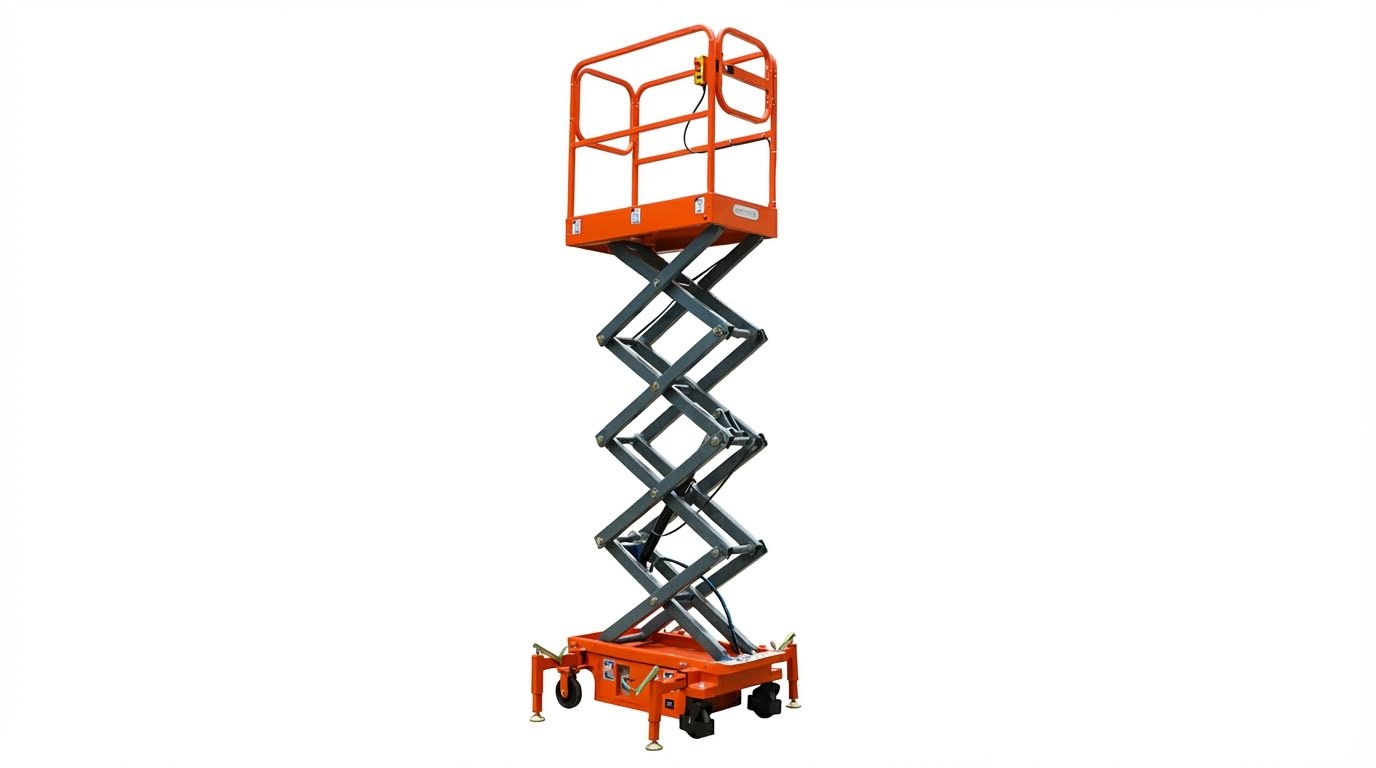
Mandatory plates, decals, and safety labels on aerial work platforms answered a critical part of the question “which publications must be kept on the aerial platform.” They translated key content from manuals and standards into quick, point‑of‑use information. Regulators treated missing, illegible, or incorrect markings as a documentation failure, even if the underlying manuals existed.
ANSI Compliance Plates and Required Data Fields
ANSI compliance plates identified the design standard and core performance data for each aerial work platform. Units placed in service before 23 December 1999 required plates referencing legacy standards such as ANSI A92.2‑1969, A92.3‑1980, A92.5‑1980, A92.6‑1979, A92.7‑1981, or ANSI/SIA A92.9‑1993. Newer units required plates showing compliance with updated ANSI/SIA A92 editions, such as A92.2‑1990 or A92.5‑1992. The plate had to list, where applicable, the make, model, manufacturer’s serial number, rated capacity at maximum platform height, maximum platform height, maximum hydraulic or pneumatic pressure, basic cautions or restrictions, basic operating instructions or a reference to the operator’s manual, and rated line voltage for insulated devices. Inspectors checked these plates to verify that the physical machine matched the documented configuration and rating, so operators had to keep them clean, legible, and permanently affixed.
Capacity Charts and Alternate Configuration Markings
Where a platform supported alternate configurations, capacity charts and configuration markings acted as mandatory on‑board publications. Standards required a chart, schematic, or scale showing the rated capacity for all permitted boom positions, outreach combinations, or platform extensions. The chart also had to state any special cautions or restrictions for each configuration, such as limited wind ratings or reduced capacities with outriggers partially deployed. For mast‑climbing platforms, the plate could direct users to the operating manual for detailed capacity data, but typical boom and scissor lifts needed the full chart at the point of use. Maintenance teams had to confirm, after structural repairs or retrofits, that capacity decals still matched the engineering approval or professional engineer letter. If the chart became unreadable, the platform was effectively undocumented for capacity and had to be removed from service until correct markings were restored.
Safety Warnings, Pictograms, and Control Decals
Safety warning decals and pictograms condensed critical manual content into fast, language‑independent cues. Typical sets included fall protection reminders, overhead power line approach limits, pinch‑point and crush‑hazard symbols, and warnings against climbing guardrails or using the platform as a crane. Control decals labeled each function at the ground and platform controls, indicating lift, drive, steer, emergency stop, and auxiliary lowering. These markings supported regulatory requirements that operators receive instruction consistent with the manufacturer’s manual and applicable safety orders. When operators asked which publications must be kept on the aerial platform, safety professionals treated these decals as mandatory visual publications that had to remain visible from normal operating positions. Any missing, painted‑over, or illegible warning or control decal compromised compliance and increased the likelihood of misuse.
Durability, Inspection, and Replacement of Labels
Standards and best practice required plates and decals to use durable materials suitable for outdoor and industrial environments. Typical constructions used anodized aluminum, polycarbonate, or high‑performance vinyl with UV‑resistant inks and adhesives. Labels had to withstand rain, temperature cycling, hydraulic oil, and abrasion for several years without losing legibility. Daily and periodic inspections included a check that all required plates, capacity charts, and safety labels were present, securely attached, and readable at arm’s length. If any label failed these criteria, the platform had to be tagged out until a correct replacement with the same wording, symbols, and data fields was installed. This approach ensured that even when digital manuals existed, the aerial work platform itself always carried the minimum safety and compliance information needed for immediate, correct operation.
Inspection Records, Training Proof, and Test Documents
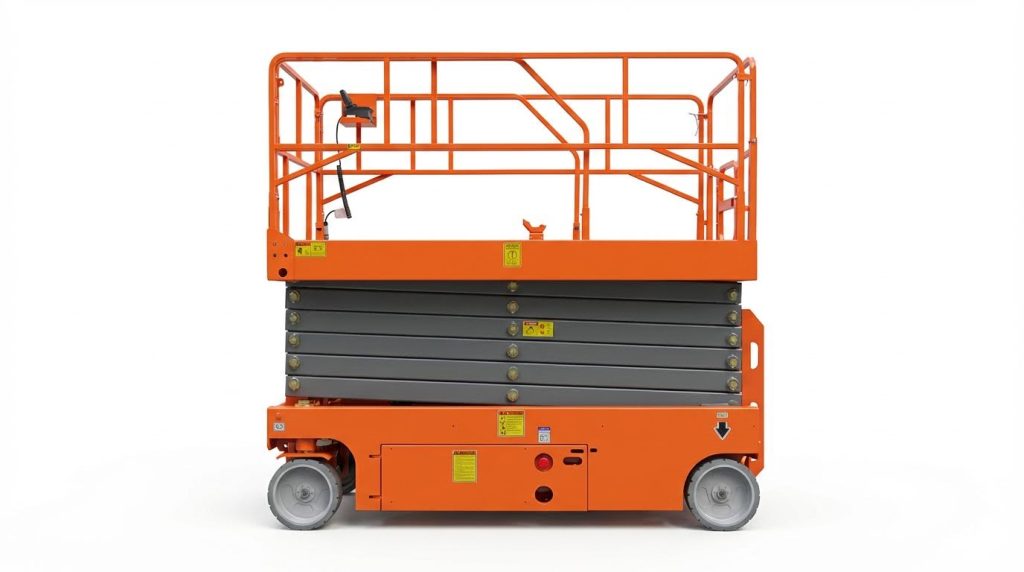
Inspection records, training proof, and test documentation answered the question “which publications must be kept on the aerial platform” from a compliance angle. These records demonstrated that the machine, the work method, and the operator all met regulatory and manufacturer requirements. They also formed the audit trail that incident investigators, regulators, and insurers expected to see on or near the aerial work platform.
Daily Pre-Use Checklists and Logbook Practices
Daily pre-use inspections documented the condition of the aerial work platform at the start of each shift. A trained worker completed a standardized checklist that covered structural components, guardrails, controls, emergency lowering systems, tires or outriggers, and safety devices. Best practice placed a written checklist and logbook in a weatherproof container on the platform, together with the operating manual and any engineered letter. The logbook recorded the date, time, inspector’s name, deficiencies found, and corrective actions, creating traceability for maintenance and incident investigations. When inspectors identified critical defects, they locked out the platform and recorded the status in the log until a qualified person repaired and cleared the unit.
Annual Inspection Tags, PE Letters, and Test Records
Regulations and consensus standards required a documented annual inspection by a qualified person for every aerial work platform. The result appeared on a dated inspection tag or decal fixed in a conspicuous location on the chassis or platform, typically valid for twelve months from the inspection date. Where the original manufacturer data were unavailable, a Professional Engineer issued an engineered letter certifying that the platform complied with the applicable national or ANSI-based standard. This letter had to be available on the machine or at the site for regulatory review. For insulated or specialty units, annual or periodic structural and electrical test records supported the inspection tag, showing test method, standard used, measured values, and pass or fail status. Together, tags, PE letters, and test records proved that the platform remained within its design envelope over its service life.
Operator Training Certificates and Site-Specific Permits
Only trained and authorized workers could legally operate an aerial work platform. Each operator held a training certificate or wallet card that identified the operator, the training provider, the equipment class, and the completion or expiry date. Supervisors needed to verify and, when required by local rules, keep copies of these certificates available on site for inspectors. Several jurisdictions and large projects also required site-specific permits or authorizations, which addressed local hazards such as traffic routes, overhead power lines, ground bearing capacity, and emergency procedures. These permits often linked a specific aerial platform, a named operator, and a defined work area or task. Maintaining these documents near the work location demonstrated that training was not only generic but also adapted to the actual job site conditions.
Electrical Test Documentation and High-Voltage Work
When aerial work platforms operated near energized conductors, documentation had to show compliance with high-voltage or low-voltage electrical safety orders. For insulated booms or platforms rated for live-line or proximity work, electrical test certificates recorded dielectric test voltages, leakage currents, test dates, and acceptance criteria according to the relevant ANSI or equivalent standards. These tests verified that insulating components still provided the required protective margins. Work procedures, permits, and job hazard analyses for high-voltage tasks complemented the test certificates, and supervisors kept them with the project safety file or in a digital system accessible on site. For platforms used only below specific voltage thresholds, records still had to confirm that clearances, approach distances, and grounding practices followed the applicable low-voltage rules. Retaining these documents answered regulators’ expectations and reduced liability when working in electrically hazardous environments.
Summary of AWP Documentation for Safe Compliance
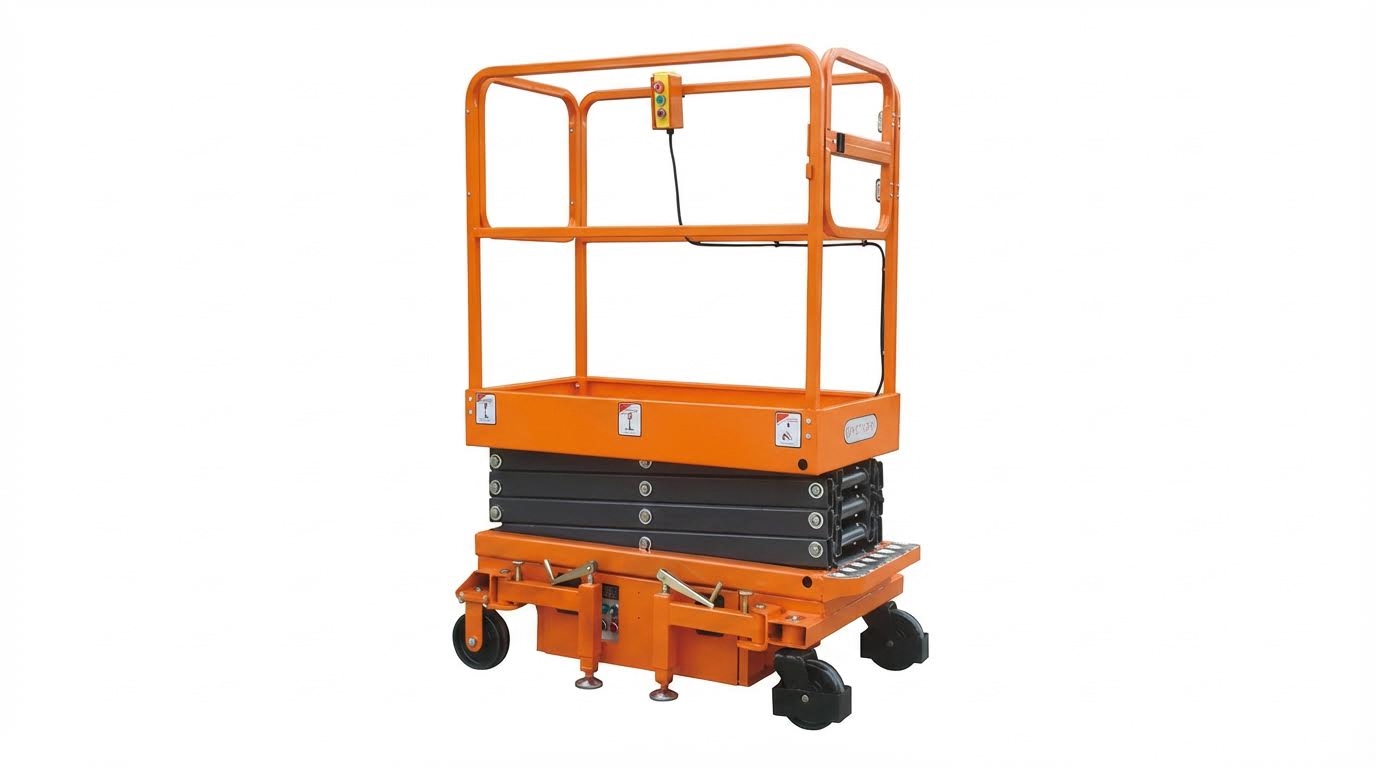
Aerial platform required a tightly controlled documentation set to remain compliant and safe. When asking which publications must be kept on the aerial platform, operators had to consider manuals, plates, labels, and records together. The operator’s manual, maintenance and parts information, engineered letters, and inspection documents formed the core package. Capacity plates, ANSI compliance markings, and safety decals then translated that information into on-machine guidance for real-world work.
From a technical standpoint, regulators expected every aerial platform to carry a legible operator’s manual in a weather-resistant compartment on the machine. This manual described safe operating procedures, maintenance intervals, fault responses, and all allowable configurations with rated capacities for each. Service and parts information could be on the platform or available to the maintenance team, but the operating instructions and configuration data had to remain physically with the unit. For units with alternate jibs, outriggers, or platform extensions, charts or schematics showing all capacity combinations were mandatory on the device itself.
Compliance plates and decals closed the loop between theory and practice. The ANSI plate confirmed the design standard and listed key parameters such as platform height, rated capacity, hydraulic pressure, and basic cautions. Capacity charts, control decals, and hazard pictograms had to be readable at the point of use and durable under UV, moisture, and abrasion. Industry trends moved toward high-durability polycarbonate labels and redundant digital documentation, but regulations still treated missing or illegible plates and decals as a critical defect requiring immediate correction.
Inspection, training, and test documents supported this installed information set. Daily pre-use checklists, annual inspection tags, and professional engineer letters demonstrated that the platform still met its original design intent. Training certificates and site permits showed that only qualified workers used the equipment under the specified conditions, including high-voltage or specialized tasks. In practice, the most robust programs combined on-platform publications with centralized digital archives, ensuring that operators always had the minimum required documents at the platform while engineering and safety teams maintained full lifecycle records. This balanced approach aligned with evolving standards and kept aerial work platforms both legally compliant and technically defensible.