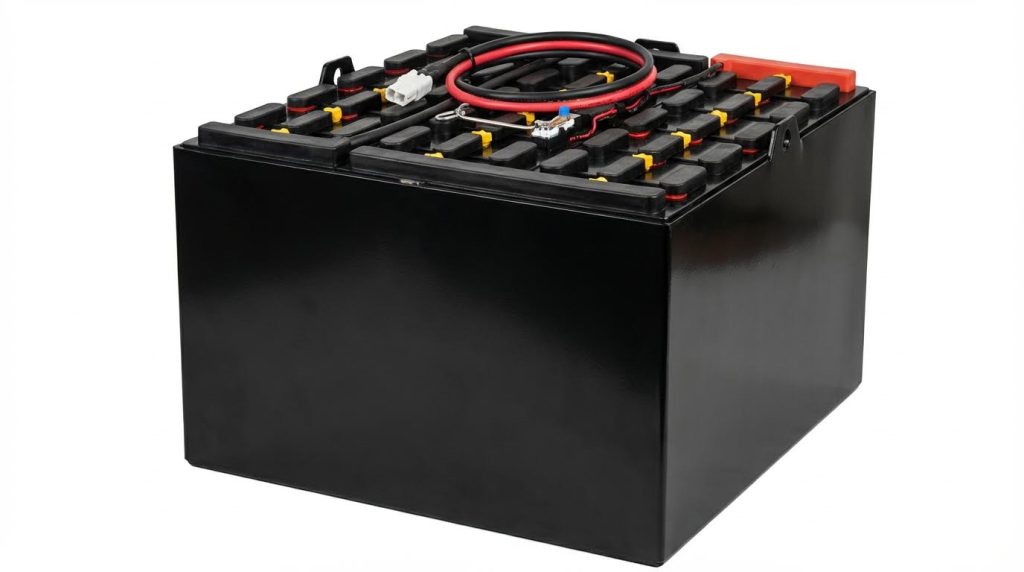
Safe, efficient battery charging kept lift stacker reliable in intensive warehouse and manufacturing operations. This guide explains how to charge walkie pallet truck batteries step by step, from preparing the truck and charging area to executing correct lead-acid and lithium charging profiles. It also covers battery care, troubleshooting, and lifecycle planning so maintenance teams can extend service life and avoid unplanned downtime. Use these best practices to standardize charging procedures, reduce safety incidents, and comply with modern workplace safety expectations.
Preparing The Walkie Stacker And Charging Area
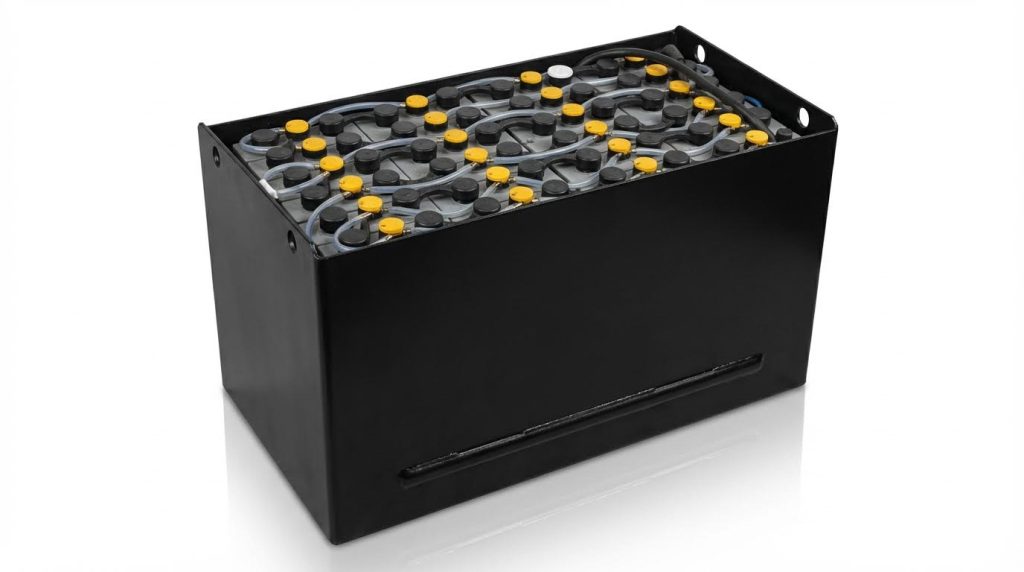
Operators who search for how to charge walkie stacker equipment need a structured preparation routine before connecting any charger. Proper preparation protects the operator, extends battery life, and reduces unplanned downtime. The following sections describe how to confirm battery–charger compatibility, inspect battery health, set up a compliant charging zone, and apply appropriate personal protective equipment and controls.
Verifying Battery Type And Charger Compatibility
Before deciding how to charge walkie stacker batteries, confirm the battery chemistry and nominal voltage from the nameplate or data label. Walkie stackers typically use either flooded or sealed lead-acid packs or lithium iron phosphate (LiFePO4) packs, often around 24 V or 36 V nominal. Match the charger output voltage and charge algorithm to the battery type, including correct absorption and float settings for lead-acid or constant-current/constant-voltage profiles for LiFePO4. Check that the charger current rating aligns with the battery ampere-hour capacity, usually between 10% and 20% of rated Ah for routine charging. Never connect a generic lead-acid charger to a lithium pack or bypass an integrated Battery Management System, because this can cause overheating or permanent capacity loss.
Inspecting Battery Condition Before Charging
Always inspect the battery before deciding how to charge walkie stacker packs safely. Look for cracks, swelling, electrolyte leakage, or discolored cases; remove damaged batteries from service instead of charging them. Examine terminals and connectors for corrosion, pitting, or looseness, and clean light corrosion with a baking soda and water solution followed by complete drying. Verify that cables, insulation, and connector housings show no signs of overheating, such as melted plastic or darkened copper. If the battery voltage has dropped extremely low, follow manufacturer guidance for recovery charging rather than forcing a high current into the pack.
Setting Up A Safe, Ventilated Charging Zone
Set the charging area on a flat, dry, and stable surface away from traffic lanes and combustible materials. Provide effective ventilation, especially for flooded lead-acid batteries that released hydrogen and oxygen during charging in the past. Avoid metal workbenches or racks that could create short circuits if tools or terminals contact the surface. Position chargers so that AC cords and DC leads do not create trip hazards and protect them from mechanical damage by pallets or wheels. Ensure the charging zone includes clear signage, emergency access, and suitable fire protection in line with local electrical and occupational safety regulations.
Personal Protective Equipment And Safety Controls
Wear appropriate PPE whenever you prepare or charge a walkie pallet truck battery, especially with lead-acid chemistry. Typical protection includes chemical-resistant gloves, safety goggles or a face shield, and a protective apron to guard against electrolyte splashes. Use insulated tools around terminals to reduce short-circuit risk and remove metallic jewelry that could bridge conductors. Install administrative controls such as written charging procedures, lockout of damaged chargers, and operator training focused on how to charge walkie stacker batteries without defeating safety interlocks. Keep an eyewash station, neutralizing agent for acid spills, and a clear emergency response plan accessible in the charging area.
Step-By-Step Walkie Stacker Charging Procedures

Knowing how to charge a walkie stacker correctly reduces battery damage and unplanned downtime. The following procedures focus on built-in chargers, correct connection order, and optimal charge profiles for lead-acid and lithium packs. Each step aims to control current, voltage, temperature, and gas evolution within safe limits.
Connecting Built-In Chargers To AC Power Safely
Before charging, park the walkie stacker on a flat, dry surface and apply the parking brake. Switch off the key or main power to isolate traction and lift circuits while keeping the battery connected to the on-board charger. Use a grounded AC outlet that matches the charger input rating, typically 120 V or 230 V at 50–60 Hz. If an extension cord is necessary, select a cord no longer than 7.5 m with a minimum conductor size of 1.3 mm² (16 AWG) and intact insulation.
Connect the extension cord to the stacker’s charge receptacle first, then plug into the wall outlet to avoid live prongs at the truck. Verify that charger status LEDs or the display indicate that AC power is present and charging has started. A steady or flashing yellow light usually confirms AC input, while a flashing green light typically indicates active charging. If the charger shows a fault indication, disconnect from AC and investigate battery voltage, temperature, and cable integrity before attempting another charge cycle.
Correct Cable Polarity And Connection Sequencing
Correct polarity is critical when learning how to charge a walkie stacker without damaging electronics. The charger positive output must connect to the battery positive terminal, and the charger negative to the battery negative. On trucks with removable battery connectors, inspect the connector housings and keys to ensure they mate only in the correct orientation. Never defeat mechanical keys or modify connectors to force a connection.
When using an external charger, connect the DC leads to the battery first with the charger switched off. Confirm tight, corrosion-free contact at the lugs to minimize resistance and heat generation. After the DC side is secure, connect the charger to the AC outlet and power it on. At the end of charging, reverse the sequence: switch the charger off, unplug from AC, then remove the DC clamps or connector, starting with the negative side where applicable. This sequence reduces arcing risk and protects sensitive control electronics.
Normal Charge Profiles For Lead-Acid Batteries
Lead-acid walkie stacker batteries typically use a multi-stage charge profile: bulk, absorption, and equalize or finish. During bulk charge, the charger applies constant current until the battery voltage reaches the target, often about 2.4 V per cell, or roughly 28.8 V for a 24 V pack and 57.6 V for a 48 V pack. In the absorption stage, the charger holds near-constant voltage while current tapers, allowing the electrolyte to stabilize and the state of charge to approach 100%. Typical full-charge durations range from 8 to 12 hours depending on ampere-hour rating and depth of discharge.
Equalize charging, if specified, uses a slightly higher voltage to balance cell voltages and reduce sulfation on flooded batteries. This step should follow manufacturer limits to avoid excessive gassing and electrolyte loss. During charging, monitor battery temperature and stop the process if the case becomes hot to the touch or if the electrolyte appears to boil violently. Maintain good ventilation to disperse hydrogen and oxygen generated, and never smoke or use open flames near the charging area. Recharging after each shift rather than deep discharging extends lead-acid cycle life.
Normal Charge Profiles For Lithium (LiFePO4) Packs
LiFePO4 walkie stacker batteries rely on an integrated Battery Management System to control cell balancing, over-voltage, under-voltage, and over-temperature limits. The charger must be specifically rated for LiFePO4 chemistry and the pack nominal voltage, for example 38.4 V nominal with a full-charge voltage around 43.8–44.4 V for a 48 V-class system. Lithium charging typically follows a constant current–constant voltage profile with fewer stages than lead-acid and higher energy efficiency. Charge times are often shorter for the same usable capacity due to higher allowable C-rates.
If the BMS has locked out due to undervoltage, some smart chargers can send controlled pulses to wake the pack once the terminals are connected. In severe undervoltage conditions, technicians sometimes use a temporary parallel DC source to raise pack voltage, but this procedure requires strict supervision and adherence to manufacturer instructions. During normal operation, avoid fully discharging LiFePO4 packs; stop operation well before the BMS cutoff to preserve cycle life. Monitor charger indicators and the truck display for fault codes, and disconnect AC power immediately if the pack shows abnormal heating, swelling, or persistent BMS errors during charging.
Battery Care, Troubleshooting, And Lifecycle Planning
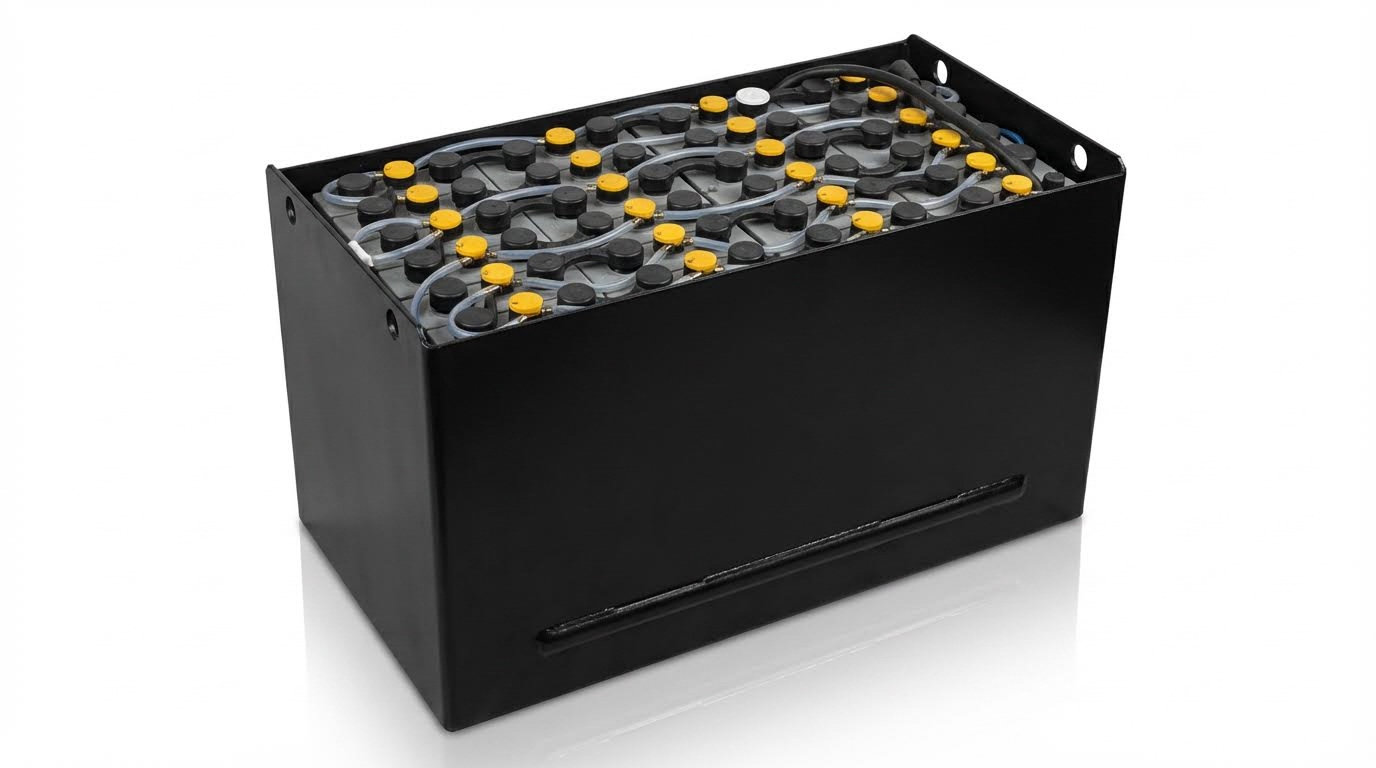
Battery care strongly influences how to charge walkie stacker systems safely and cost-effectively. Engineers planned charging strategies around chemistry limits, cycle life, and site duty cycles. Robust maintenance and diagnostics reduced downtime and avoided premature pack replacement. The following subsections focus on preventing damage, storing packs correctly, and reacting to faults.
Avoiding Over-Discharge And Overcharge Damage
Understanding how to charge walkie stacker batteries starts with strict voltage and state-of-charge control. Over-discharge of lead-acid packs below roughly 20% state of charge accelerated sulfation and reduced the typical 400–600 cycle life. For lithium iron phosphate packs, repeated deep discharge below the BMS cut-off risked BMS lockout and capacity loss, even though the chemistry tolerated moderate depth of discharge. Operators therefore recharged lead-acid batteries after each shift and avoided running lithium packs to full depletion, especially under high current. Overcharge damage occurred when chargers did not match battery chemistry or ampere-hour rating, so engineers always selected chargers with correct voltage profiles and automatic termination. During charging, they monitored temperature and electrolyte condition and stopped charging if cases felt hot, vents emitted strong odors, or flooded cells showed excessive gassing.
Storage Practices For Idle And Spare Batteries
Correct storage practices were critical for fleets that did not operate every day. For short-term idle periods up to about 30 days, best practice was to store walkie stacker batteries around 50% state of charge in a cool, dry, ventilated area. For longer storage, operators turned off the machine, disconnected or removed the battery, and kept it at room temperature away from direct sunlight and moisture. Lead-acid batteries benefited from a full charge before storage and a top-up charge every 1–2 months to prevent sulfation and loss of capacity. Lithium packs typically held charge better, but engineers still scheduled monthly or bimonthly checks to keep the voltage within the recommended window and avoid deep self-discharge. In all cases, they prevented accidental short circuits by covering terminals, avoiding metal workbenches, and using dust covers in dirty environments.
Routine Inspection, Cleaning, And Recordkeeping
Routine inspections supported safe decisions about how to charge walkie stacker fleets and when to remove units from service. Before or after charging, technicians checked cases for swelling, cracks, or electrolyte leakage and removed any damaged units from operation. They cleaned terminals with a mild baking soda solution for lead-acid systems, then dried and tightened connections to minimize resistance and heating. Surface dust and debris were removed to reduce tracking currents and corrosion, especially in humid or conductive environments. Maintenance teams also inspected cables, connectors, and charger plugs for wear, discoloration, or loose contacts. Structured recordkeeping logged charge hours, equalization events, water additions, error codes, and capacity tests, which helped predict end-of-life and plan replacements before unexpected failures disrupted operations.
Handling Fault Codes, BMS Lockout, And Weak Packs
Modern walkie stackers used onboard diagnostics and BMS functions to protect batteries from unsafe charging conditions. When the display reported undervoltage or over-discharge fault codes, operators stopped using the truck and initiated a controlled recharge rather than attempting to finish the task. For lithium packs with BMS lockout at very low voltage, technicians used compatible smart chargers capable of wake-up pulses or, where procedures allowed, a brief parallel connection to a low-voltage DC source to reactivate the BMS under supervision. Persistent errors, such as repeated over-discharge codes or abnormal temperature alarms, indicated weak cells or imbalanced modules that required professional evaluation. Capacity testing, internal resistance measurements, and cell voltage logging identified packs that no longer supported the duty cycle. Those weak packs were either derated to lighter service or scheduled for replacement, ensuring that only healthy batteries entered regular charging cycles and reducing fire and failure risks.
Summary Of Safe Charging And Maintenance Practices
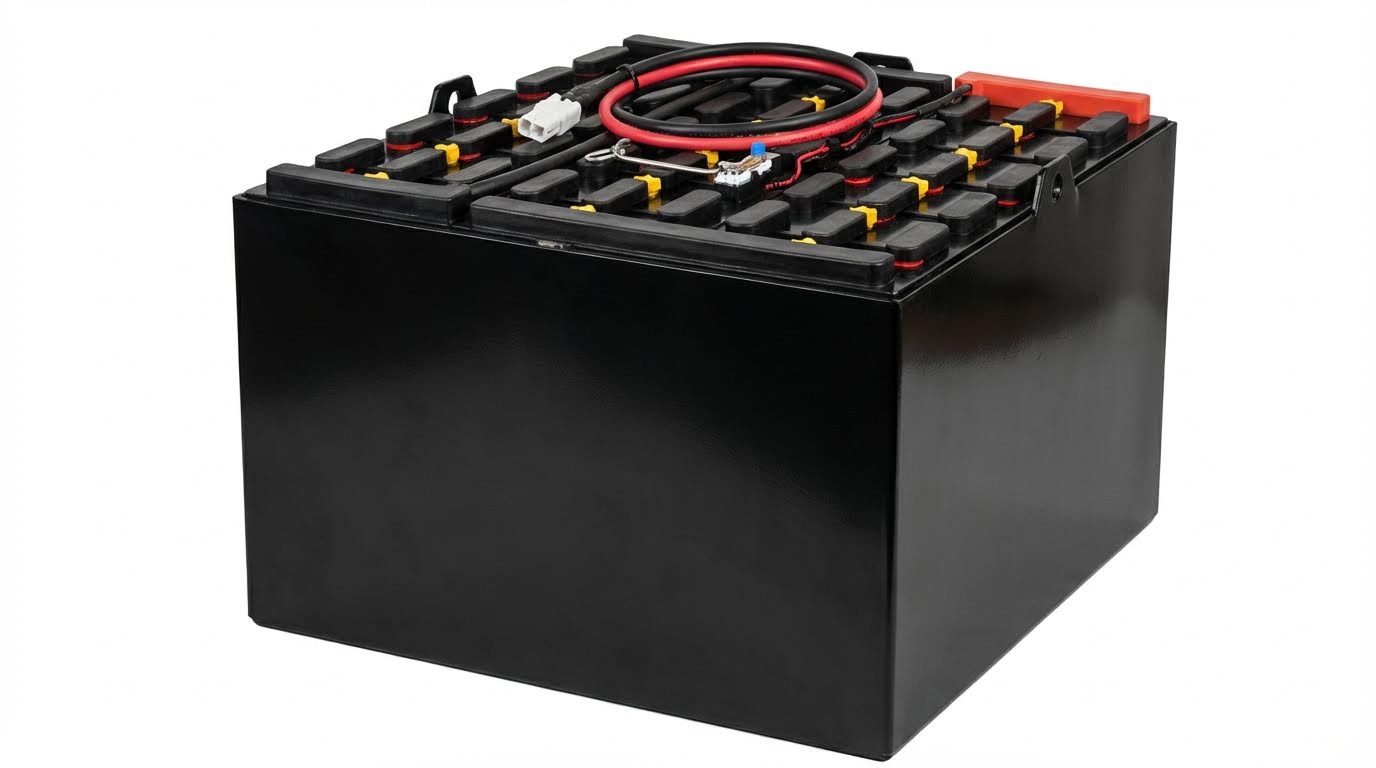
Safe, repeatable procedures for how to charge walkie stacker batteries depended on correct setup, controlled charging, and disciplined maintenance. Technicians minimized risk by verifying battery–charger compatibility, using ventilated charging zones, and wearing appropriate personal protective equipment during every charge cycle. Consistent adherence to polarity, connection sequencing, and manufacturer charge profiles for both lead-acid and lithium packs reduced failure rates and unplanned downtime.
Industry practice showed that avoiding deep discharge, limiting overcharge, and preventing prolonged storage at extreme states of charge extended service life significantly. Lead-acid packs benefited from daily or post-shift charging and periodic electrolyte checks, while lithium iron phosphate packs required BMS-aware chargers and careful handling of lockout or wake-up conditions. Structured inspection routines for terminals, cables, hydraulic components, and controls, combined with accurate recordkeeping, supported predictive maintenance and regulatory compliance for industrial trucks.
Implementing these practices for how to charge lift stacker fleets required clear site procedures, trained operators, and designated charging areas isolated from flammable materials. Facilities that standardized extension cord ratings, connector types, and visual charge indicators improved safety and reduced operator error. Over time, the shift toward higher-energy-density lithium systems, smarter BMS functions, and integrated diagnostics increased efficiency but also demanded stricter adherence to manufacturer instructions and national electrical standards.
A balanced approach treated both chemistries as critical assets: lead-acid batteries needed careful watering and ventilation management, while LiFePO4 packs required temperature, voltage, and BMS monitoring. Operations that combined correct daily charging, scheduled inspections, and lifecycle planning based on cycle counts and capacity tests achieved lower total cost of ownership and higher walkie stacker availability.