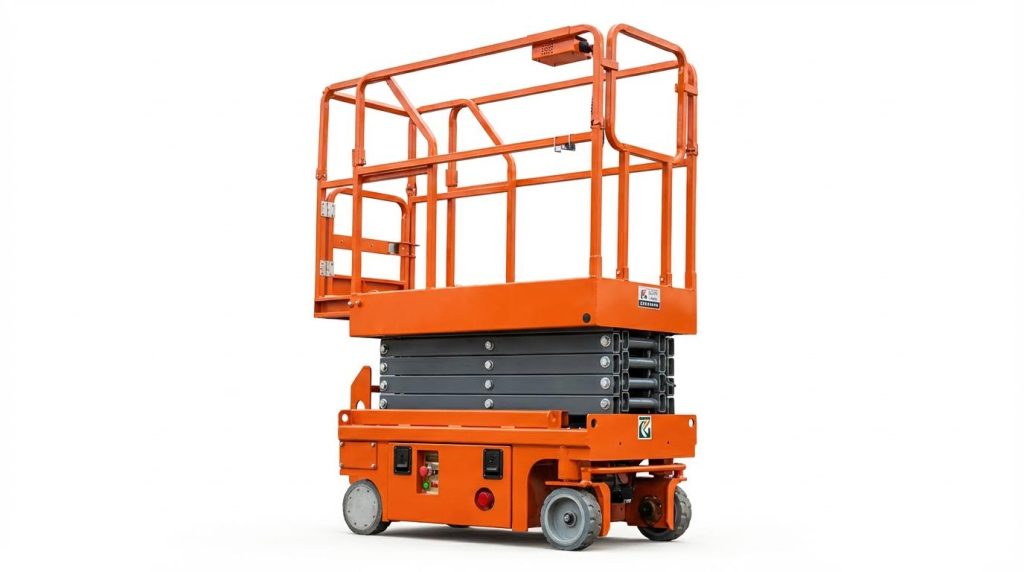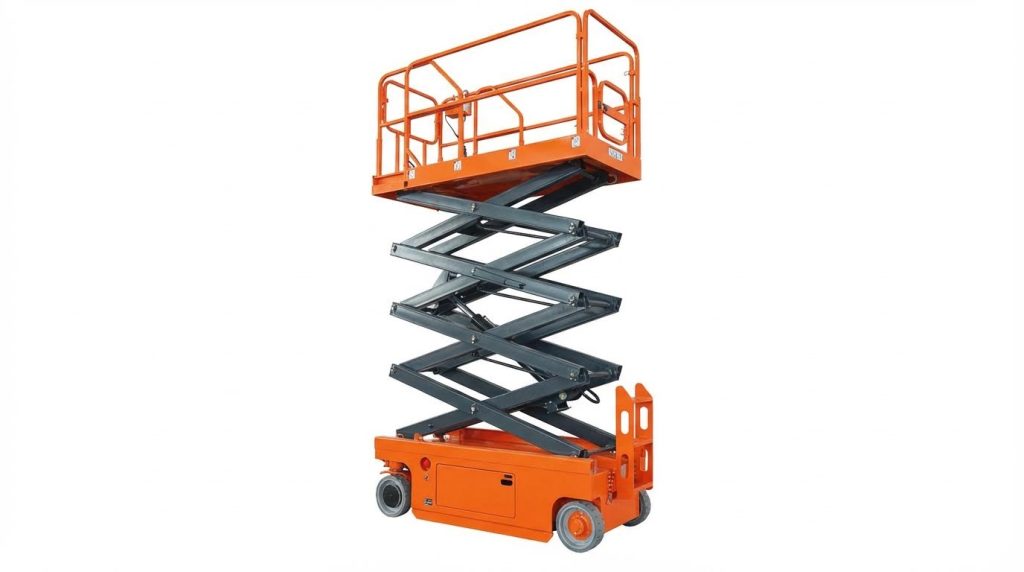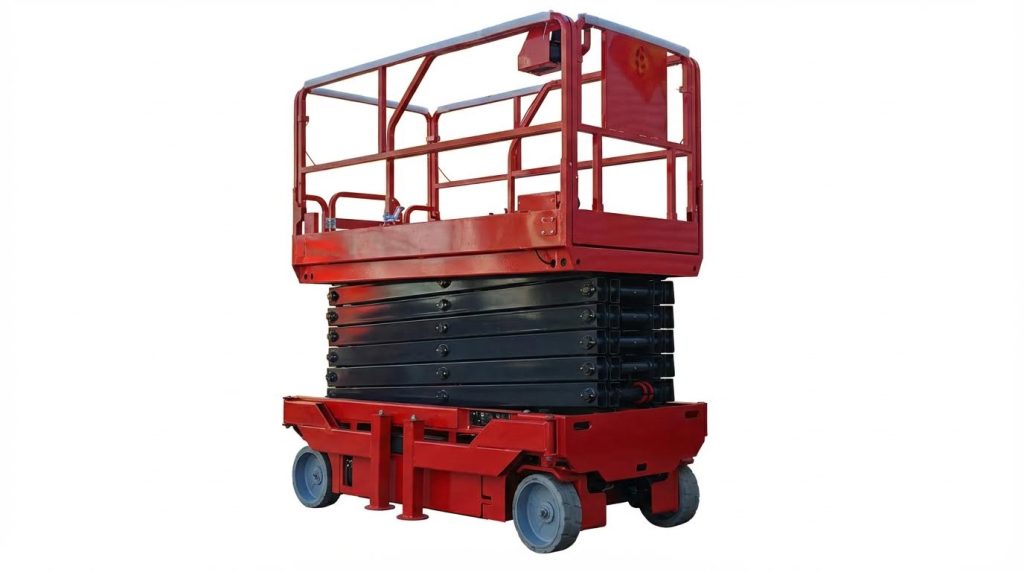
Mobile elevating work platforms operated under strict ANSI A92 standards that defined design, safe use, and training requirements. These rules covered structural design, load sensing, guardrails, stability, inspection intervals, and operator competencies across the MEWP lifecycle. They also aligned closely with OSHA regulations and CSA standards to support cross-border fleets and consistent safety practices. If you are asking “where can I find ANSI standards for aerial work platforms,” this guide outlined the core A92 documents, key technical changes, and practical ways to obtain and apply the current standards in your operations.
Core ANSI A92 Standards Governing MEWPs
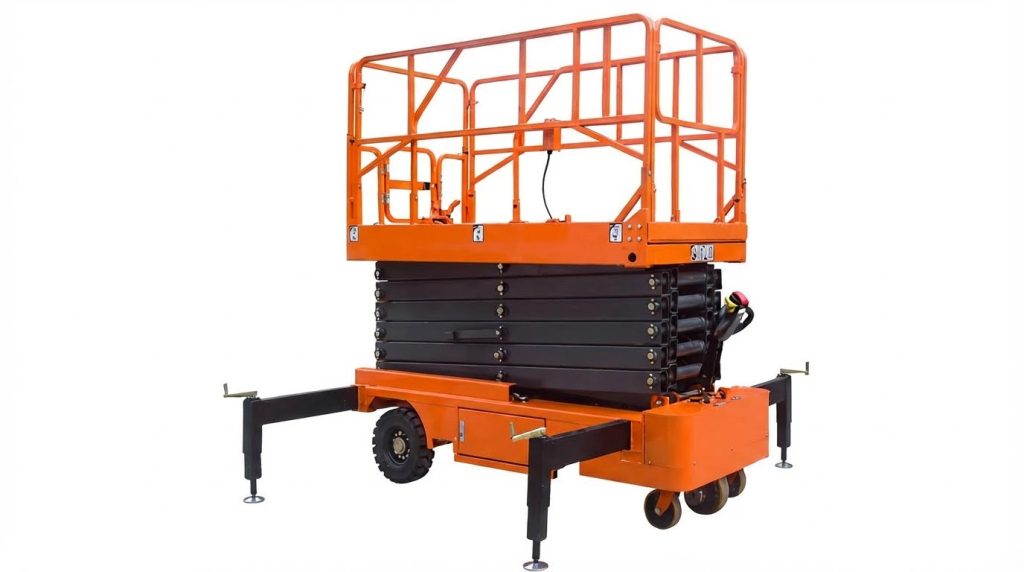
The ANSI A92 family defined the technical and operational framework for Mobile Elevating Work Platforms, historically called aerial work platforms. When engineers or safety managers ask “where can I find ANSI standards for aerial work platforms,” they usually refer to these core documents. Each part targeted a different phase of the MEWP lifecycle: design, safe use, training, and vehicle-mounted devices. Understanding their scope helped specifiers, fleet owners, and site supervisors choose compliant equipment and build robust procedures.
A92.20: Design, Construction, And Performance Rules
ANSI A92.20 governed how MEWPs were designed, built, and performance-tested. It introduced mandatory load-sensing systems that detected overload conditions and locked out normal elevation until the platform load dropped below the rated capacity. The standard also set wind force criteria, so manufacturers had to rate machines separately for indoor and outdoor use, which sometimes reduced allowable platform capacity at height. Guardrail design changed as well, with a minimum height of about 1.1 meters and a prohibition on chains as access barriers, which drove adoption of folding rails and solid gates. Foam-filled tires became typical on rough-terrain units to improve puncture resistance and stability, influencing chassis and axle design envelopes.
A92.22: Safe Use, Risk Assessment, And Supervision
ANSI A92.22 focused on how owners and users operated MEWPs in the field. It required a formal risk assessment before each task, including work description, MEWP selection, hazard identification, and control measures such as exclusion zones or traffic separation. The standard obligated owners to register machines with manufacturers so they received safety bulletins and product updates. It also clarified the role of the “qualified supervisor,” who had to plan work, verify inspections, and monitor operator behavior against site and ANSI rules. For engineers and safety coordinators searching where to find ANSI standards for aerial work platforms, A92.22 provided the operational blueprint that complemented OSHA requirements and internal procedures.
A92.24: Operator And Supervisor Training Requirements
ANSI A92.24 detailed the training content and competency expectations for MEWP operators and supervisors. It specified that training must cover applicable standards, local regulations, hazard recognition, machine selection, and emergency descent procedures. Operators had to demonstrate both theoretical knowledge and practical skills, including pre-use inspections and safe maneuvering in constrained work areas. Supervisors needed additional understanding of risk assessment, rescue planning, and oversight responsibilities. The standard also required dealers and rental providers either to supply compliant training or direct customers to qualified trainers, ensuring that access to ANSI-aligned education remained practical for fleets of all sizes.
A92.2: Vehicle-Mounted Elevating And Rotating Devices
ANSI/SAIA A92.2 addressed aerial devices mounted on vehicles such as trucks, trailers, or all-terrain carriers. It applied to extensible booms, aerial ladders, articulating booms, vertical towers, and combinations of these, but it excluded equipment like cranes, mast-climbing platforms, and firefighting apparatus. The 2021 revision covered design, manufacture, testing, inspection, maintenance, and operator training for these vehicle-mounted systems. It aligned terminology and safety concepts with the broader A92 suite while recognizing the unique load paths, stability constraints, and electrical clearance risks associated with chassis-mounted devices. Engineers looking for where to find ANSI standards for aerial work platforms typically obtained A92.2 through the ANSI or Scaffold Industry Association webstores, often as part of an elevating platforms standards collection.
Key Technical Changes Impacting MEWP Design
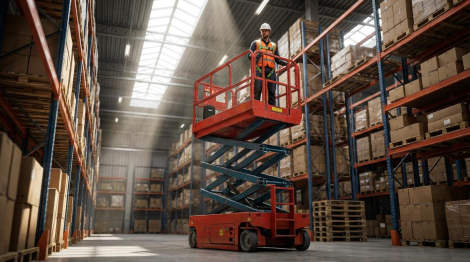
Updated ANSI A92 standards introduced step-change design requirements for MEWPs, and these directly affect machine selection, fleet strategy, and compliance workflows. Engineers and owners asking “where can I find ANSI standards for aerial work platforms” now also need to understand how these technical changes alter load charts, transport envelopes, and allowable applications. The latest A92.20, A92.22, A92.24, and A92.2 revisions defined new baselines for stability, access geometry, and rough‑terrain performance, while also pushing closer alignment with CSA and other global frameworks.
Load Sensing, Wind Forces, And Stability Criteria
ANSI A92.20 required integrated load sensing on most compliant MEWPs. These systems monitor platform load in real time and trigger alarms and function cutouts when the rated capacity is exceeded. Designers had to revalidate structural members, hydraulic circuits, and control logic to ensure safe response under overload conditions. Wind force provisions also changed stability calculations. Machines now carry distinct ratings for indoor and outdoor use, with reduced allowable platform height or capacity when exposed to wind. Manufacturers therefore optimized counterweights, outrigger geometry, and boom profiles to maintain compliance without excessive mass growth. Engineers researching where can i find ansi standards for aerial work platforms should review A92.20 load and wind annexes for the exact test methods and safety factors.
Guardrails, Gates, And Access Geometry Constraints
Guardrail rules under A92.20 reshaped platform design envelopes. The standard specified a minimum rail height of about 1.1 m, which improved fall protection but created clearance challenges for passing through standard door openings. To preserve utility, designers adopted folding or removable rail systems and refined hinge mechanisms to avoid pinch points. Chains ceased to be acceptable as platform access closures, so platforms now incorporate half‑height, full‑height, or saloon‑style gates with integral toe boards at entry points. These updates affected step‑in height, gate swing paths, and user egress in emergencies. When evaluating older fleets against current rules, engineers should compare legacy platform dimensions and access methods directly with the A92.20 text obtained from the ANSI or SAIA webstores.
Tire, Chassis, And Rough-Terrain Design Updates
Rough‑terrain MEWPs experienced notable changes in rolling gear and chassis configuration. A92.20 drove widespread adoption of foam‑filled tires instead of air‑filled alternatives on rough‑terrain scissors and booms. Foam filling reduced the risk of sudden deflation that could compromise stability or tilt sensing accuracy. This change required recalculation of unsprung mass, axle loads, and transport weights. Chassis frames and oscillating axles also saw revisions to satisfy updated stability margins on side slopes and during dynamic maneuvers. Designers refined wheelbase, track width, and ground clearance to balance off‑road capability with trailer transport constraints. Service teams reviewing where can i find ansi standards for aerial work platforms should cross‑reference the A92.20 rough‑terrain sections with manufacturer service manuals to align inspection criteria, especially for tires, axles, and leveling systems.
Global Alignment And Cross-Border Fleet Strategy
The revised ANSI A92 series moved North American MEWP requirements closer to CSA B354 and long‑standing European design practices. This global alignment allowed manufacturers to rationalize platforms across regions, reducing variant counts and simplifying engineering change control. For fleet owners operating in both the United States and Canada, the convergence eased cross‑border transfers, though local regulatory enforcement and labeling still required attention. Machines now often share common core designs, with configuration differences limited to options, decals, and documentation sets. Asset managers investigating where can i find ansi standards for aerial work platforms should obtain both ANSI A92 and relevant CSA documents to build a unified specification baseline. This approach supports consistent procurement, training, and maintenance programs while minimizing compliance gaps when units move between jurisdictions.
Compliance, Inspection, And Lifecycle Management
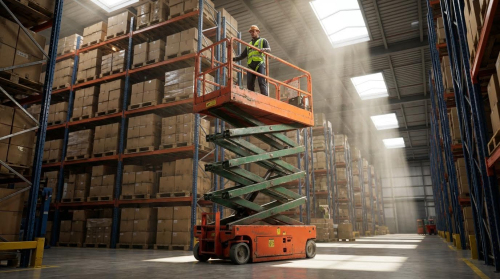
Compliance with ANSI MEWP standards relies on structured inspections, documented maintenance, and disciplined lifecycle management. Engineers and fleet owners who ask “where can I find ANSI standards for aerial platform” usually need more than the PDFs; they also need repeatable processes that keep machines aligned with A92.20, A92.22, A92.24, and A92.2 over decades of use.
Inspection Intervals, Logbooks, And Record Retention
ANSI A92.22 and related guidance required annual inspections at intervals not exceeding 13 months, with additional frequent inspections after long storage periods or severe service. OSHA rules, which referenced ANSI practices, mandated pre-use checks and frequent plus annual inspections, so site procedures had to satisfy both frameworks. Daily, weekly, and monthly inspections covered fluid levels, braking systems, structural welds, pins, boom functions, platform controls, and safety devices, with each task clearly defined in checklists. Technicians recorded findings, corrective actions, and replaced components in logbooks, which served as evidence of due diligence during audits and incident investigations. Best practice required retaining annual inspection records for at least five years, because regulators and insurers often requested historical data after accidents or before resale of used MEWPs. Engineers managing large fleets typically standardized electronic templates, so inspection intervals, findings, and sign-offs matched ANSI terminology and could be correlated with serial numbers and operating hours.
Risk Assessment And Job Planning For MEWP Tasks
ANSI A92.22 introduced a formal requirement for task-based risk assessment before MEWP use. Planners first defined the work scope, then selected the MEWP category and configuration that matched height, outreach, and load requirements under defined wind and surface conditions. They evaluated hazards such as overhead power lines, ground bearing capacity, traffic interfaces, and potential entrapment zones, then specified controls including exclusion zones, spotters, and fall protection methods. The risk assessment output fed into a job plan that detailed approach paths, setup positions, platform loading rules, emergency descent procedures, and communication protocols. Supervisors reviewed and updated these plans when site conditions changed, ensuring that operators understood both the ANSI-derived rules and project-specific constraints. This structured planning approach helped align engineering assumptions in design standards with real-world construction, maintenance, and industrial tasks.
Integration With OSHA Rules And Site Procedures
OSHA regulations for scissor platform referenced ANSI A92 content, so compliance strategies had to integrate both sets of requirements into a single site procedure. Safety managers mapped ANSI provisions on inspections, training, and safe use to OSHA clauses, then embedded them into company MEWP policies, work instructions, and permit-to-work systems. Site procedures typically required documented pre-use inspections, lockout or tagout during maintenance, fall protection consistent with platform design, and adherence to manufacturer operating limits defined under A92.20 and A92.2. During incident investigations, OSHA inspectors often reviewed whether employers followed their own written procedures and whether those procedures reflected current ANSI standards. Therefore, engineering and safety teams periodically reviewed OSHA updates and cross-checked them against new A92 revisions, updating internal documents, toolbox talks, and training modules accordingly. This integration reduced ambiguity for operators, who then followed one coherent rule set on every job.
Using Digital Tools For Maintenance And Monitoring
Digital tools increasingly supported ANSI-compliant MEWP lifecycle management. Fleet operators used cloud-based maintenance systems to schedule annual and frequent inspections, track work orders, and store logbooks in formats that were easy to retrieve for audits. Mobile applications allowed technicians to complete checklists on tablets or phones at the machine, attaching photographs of defects, torque reports, and calibration certificates. Some telematics platforms monitored utilization, fault codes, and overload or tilt alarms, enabling predictive maintenance aligned with A92.20 load sensing and stability requirements. Digital recordkeeping improved traceability when owners needed to prove that inspections met ANSI and OSHA expectations over multiple years. For engineers and safety professionals asking “where can I find ANSI standards for scissor platform lift,” these systems often linked directly to purchased standards in document libraries, ensuring that technicians always worked from the latest approved versions while performing inspections and repairs.
Summary: Applying ANSI MEWP Standards In Practice
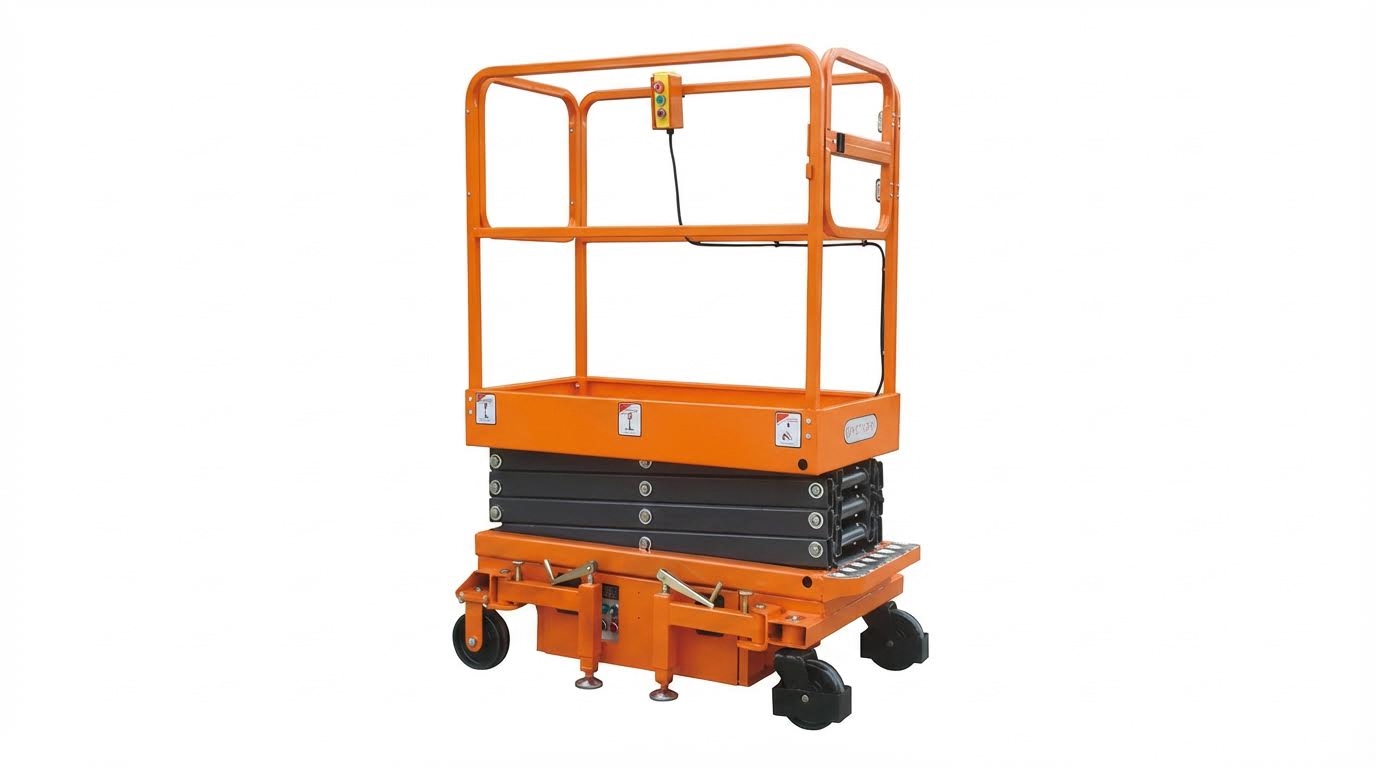
ANSI A92 standards for mobile elevating work platforms provided a complete framework that covered design, use, training, and lifecycle control. Applying these requirements in daily operations meant integrating risk assessment, inspection discipline, and documented training into every MEWP task. For safety managers asking where can i find ansi standards for aerial platform, the answer combined both official purchase channels and freely accessible meta-resources. The goal in practice was consistent: verifiable compliance, predictable behavior of machines, and traceable decisions across the fleet.
Technically, ANSI A92.20, A92.22, A92.24, and A92.2 defined how platforms should be built, selected, operated, and maintained. Design rules such as mandatory load sensing, wind-force limits, minimum 1.1 m guardrail height, and the prohibition of chain entrances translated directly into procurement specifications and retrofit decisions. Safe-use and training standards required documented risk assessments, formal operator and supervisor instruction, and clear emergency procedures for each job. When implemented correctly, these measures reduced overload events, tip-over risk, and misuse in adverse wind or terrain conditions.
From an access standpoint, current and historical ANSI A92 documents were available for purchase through the ANSI webstore and through the Scaffold & Access Industry Association as the accredited standards developer. Users could also download free ANSI lists in Excel or PDF format that showed which scissor platform and MEWP standards were current, proposed, or superseded, then buy only the specific titles needed. This answered the practical question of where can i find ansi standards for aerial work platforms while keeping document control auditable.
Looking ahead, MEWP owners could expect further refinement of global alignment between ANSI and CSA rules, plus deeper integration of digital inspection and maintenance tools. The underlying direction remained stable: more prescriptive design safeguards, more explicit documentation of risk, and clearer traceability of training and inspections. Organizations that embedded these ANSI requirements into their engineering specifications, site procedures, and digital maintenance systems were best positioned to adapt as standards evolved without disruptive fleet overhauls.