Safe heavy pallet lifting depends on matching ergonomic techniques with the right handling equipment, from manual pallet jack to automated systems. This article explains core principles of how to lift a heavy pallet safely, including risk assessment, travel path planning, and compliance requirements. It then compares key pallet lifting technologies, covers design and maintenance practices, and explores emerging tools such as AI, IoT, and digital twins. Finally, it provides practical selection guidelines so engineers and safety managers can specify appropriate pallet handling solutions for their facilities.
Core Principles Of Safe Pallet Lifting
Understanding how to lift a heavy pallet safely starts with core ergonomic and risk management principles. These principles define human lifting limits, proper manual techniques, and when to switch to mechanical assistance. They also cover path planning, load stability, and mandatory training and PPE that align with regulatory expectations. Applying these fundamentals consistently reduces musculoskeletal injuries and improves pallet-handling productivity.
Ergonomic Lifting Limits And Risk Assessment
Before deciding how to lift a heavy pallet, engineers and supervisors should quantify the task. Use ergonomic guidelines that typically limited safe one-person lifts to moderate weights at waist height and close to the body. Full wooden pallets often exceeded these limits, especially when wet or made from dense hardwood, so manual lifting required strict justification. A structured risk assessment considered pallet mass, frequency of handling, vertical lift range, horizontal reach, and torso twisting. The assessment also evaluated floor conditions, temperature, visibility, and time pressure, all of which historically increased incident rates. Where calculated risk indices indicated high strain, the correct control was to introduce manual pallet jack, stackers, or conveyors rather than rely on manual strength.
POWERLIFT And Two-Person Manual Techniques
When operators needed to know how to lift a heavy pallet manually, the POWERLIFT method provided a biomechanically sound baseline. Workers stood at a pallet corner with a wide stance, kept the load close, bent at the hips and knees, and drove the lift with leg power rather than spinal flexion. They tipped the pallet to a standing position instead of dead-lifting it vertically, which reduced lumbar compression forces. For heavy oak pallets or degraded units, procedures required a two-person lift. Each worker approached at roughly 45 degrees to the corner, synchronized the tip, and used leg drive to raise or lower the pallet between their feet. This team method reduced individual joint loading and allowed better control over pallet trajectory and stability.
Planning Travel Paths And Load Stability
Safe heavy pallet lifting extended beyond the initial lift to the entire travel path. Supervisors first ensured the route was clear of ruts, debris, water, ice, or abrupt level changes that could destabilize a pallet on a jack or stacker. Engineers specified maximum pallet stack heights and center-of-gravity limits to avoid tipping when moving or staging loads. Operators positioned loads symmetrically on pallets, avoided overhang that could catch on racking, and verified wrapping or strapping before transport. They also checked pallet integrity, rejecting units with broken boards or protruding nails, which historically caused hang-ups and sudden shifts. For long horizontal moves or slopes, procedures favored wheeled equipment and pushing rather than pulling to maintain better posture and control.
Training, PPE, And Safety Compliance
Core principles for how to lift a heavy pallet safely relied on systematic training and compliance programs. Formal instruction covered lifting biomechanics, recognition of overload conditions, and decision rules for when to request help or use equipment. Operators practiced POWERLIFT and two-person techniques under supervision until they could maintain neutral spine posture and consistent foot placement. PPE requirements typically included safety shoes with toe protection, cut-resistant or impact-rated gloves, and in some cases thigh guards when rolling pallets up the leg. Facilities integrated these practices into written standard operating procedures aligned with occupational safety regulations. Regular refresher training, incident reviews, and ergonomic audits closed the loop, ensuring that safe lifting methods became routine rather than optional.
Comparing Key Pallet Lifting Equipment Types
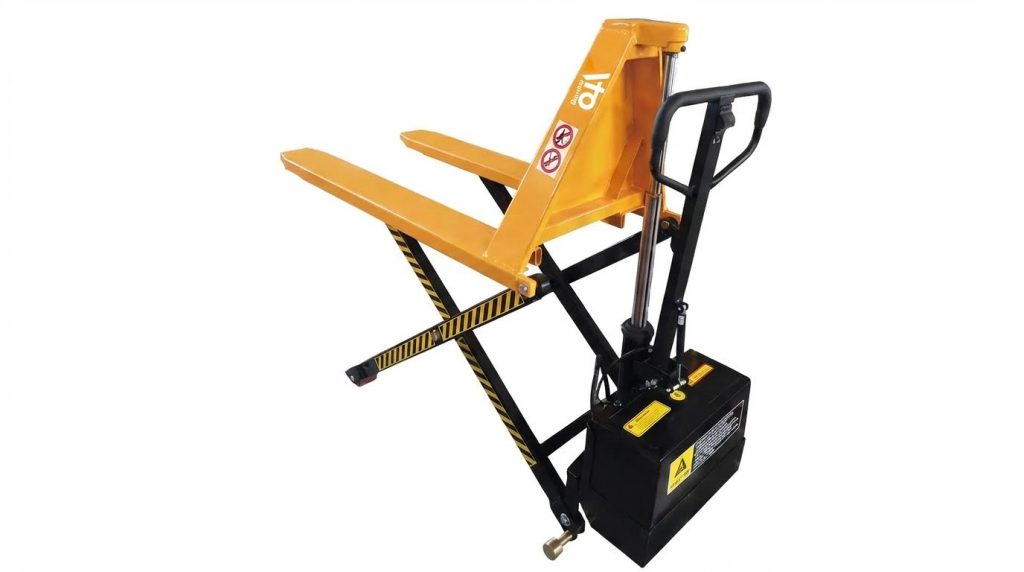
Understanding how to lift a heavy pallet safely starts with selecting the correct equipment. Each equipment type changes the force required, the stability margin, and the exposure to ergonomic risk. This section compares manual and powered solutions, vertical-lift options, and automated systems so engineers and safety managers can align equipment with load, height, and duty cycle.
Manual Vs. Electric Pallet Jacks
Manual pallet jacks suited operators who handled moderate loads over short, flat distances. Typical capacities ranged from 1,000 kg to about 2,500 kg with lift heights around 200 mm, just enough to clear floor irregularities. Operators pumped a tiller to raise the load and pushed or pulled the jack, which increased cardiovascular and musculoskeletal load, especially when learning how to lift a heavy pallet frequently. Manual jacks worked best for short hauls below roughly 12 m, low throughput, and good floor conditions.
Electric pallet jacks used traction and lift motors to move and raise pallets with minimal operator effort. Capacities typically ranged from 900 kg to 4,500 kg, with similar lift heights but higher travel speeds and better performance on slight slopes or rougher floors. They significantly reduced push–pull forces and cumulative spinal loading, which improved safety when moving heavy pallets all day. However, they required battery management, planned charging, and more structured operator training, including basic electrical and brake system awareness.
From an engineering standpoint, the choice depended on task frequency, route length, and peak load. Manual jacks minimized capital cost and maintenance complexity but increased ergonomic risk at higher workloads. Electric units supported higher cycle counts, heavier average loads, and colder environments where rolling resistance increased, but they demanded preventive maintenance on motors, batteries, and control circuits to maintain consistent performance and braking distances.
Pallet Stackers Vs. Forklifts For Vertical Lift
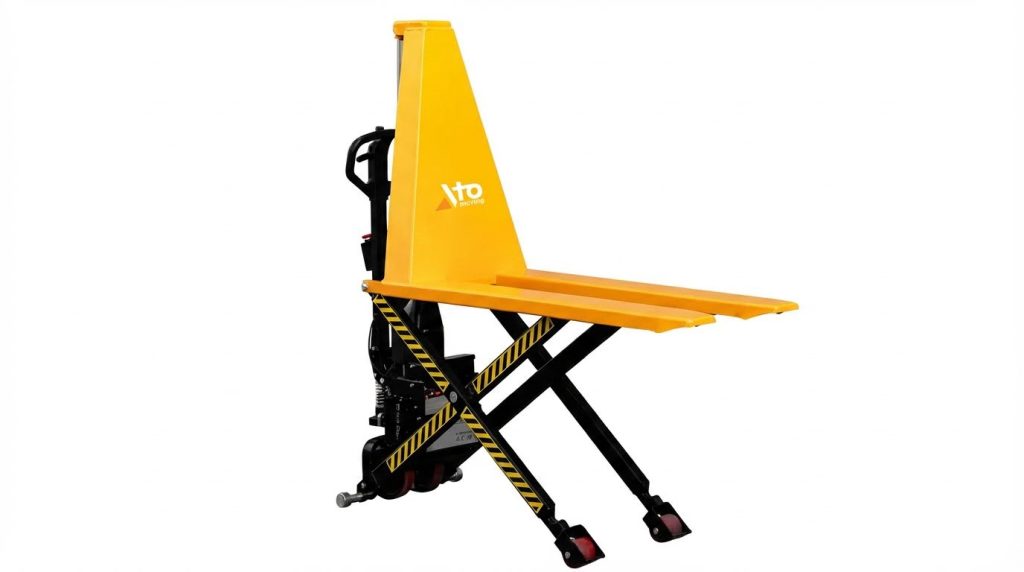
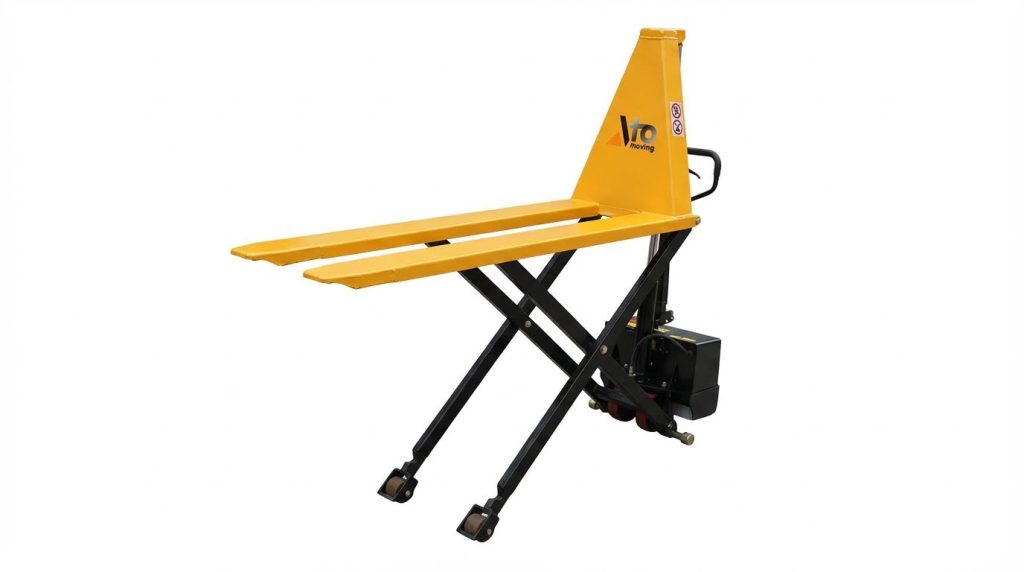
Pallet stackers bridged the gap between pallet jacks and forklifts for vertical handling. Typical walk-behind or ride-on stackers lifted 1,000–2,500 kg to about 3–4 m, which suited low to medium racking. Their compact chassis allowed use in narrow aisles where counterbalance forklifts could not maneuver safely. When operators asked how to lift a heavy pallet to the second or third beam level in tight spaces, engineers often evaluated stackers first due to their lower mass and reduced turning radius.
Forklifts handled significantly heavier loads and higher lift heights. Standard warehouse models lifted 1,500–5,000 kg, while heavy-duty units exceeded 20,000 kg and reached 10 m or more with specialized masts. Forklifts supported a wide range of attachments and worked indoors or outdoors, including uneven yards, but they introduced higher kinetic energy and impact potential. Regulatory frameworks typically required formal certification, periodic medical fitness checks, and strict traffic management plans.
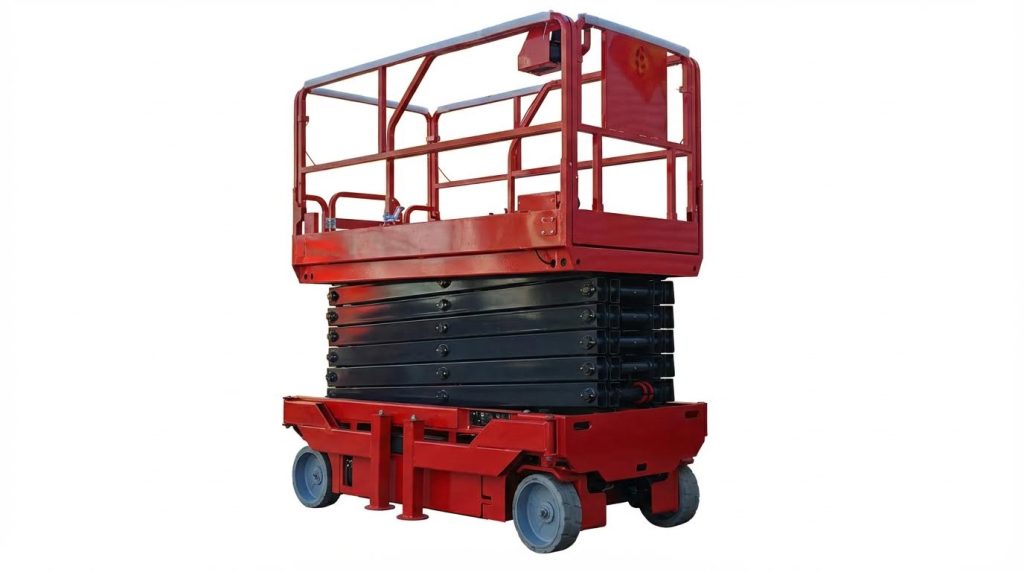
Stackers offered lower acquisition and operating costs, simpler training, and reduced floor loading, which benefited mezzanines or older slabs. Forklifts offered throughput and versatility but demanded wider aisles, reinforced floors, and robust safety infrastructure such as guardrails and clearly marked travel lanes. The vertical stability envelope also differed; engineers had to verify rated capacity at specific lift heights and load centers for both machines, especially when handling tall, unstable palletized loads.
When To Use AS/RS And Stacker Cranes
Automated Storage and Retrieval Systems (AS/RS) with stacker cranes suited high-density, high-throughput pallet storage where manual handling posed ergonomic or safety challenges. Stacker cranes operated in very narrow aisles, often 1.5–2.0 m wide, and interfaced directly with Warehouse Management Systems. They routinely handled loads from about 500 kg to 1,500 kg per pallet position and reached heights exceeding 20 m, which far surpassed typical forklift ranges. When facilities needed to know how to lift a heavy pallet repeatedly to great heights with minimal human exposure, AS/RS became a primary option.
These systems reduced direct manual lifting to almost zero in the storage zone. Operators interacted at infeed and outfeed stations, often at ergonomic waist height, while cranes performed vertical and horizontal movements. This improved consistency, reduced product damage, and enhanced traceability. However, AS/RS required significant capital investment, careful seismic and structural design, and rigorous commissioning to validate positioning accuracy and safety interlocks.
Stacker cranes introduced different risk profiles compared to conventional trucks. Engineers had to address maintenance access, fall protection, and energy isolation procedures. Integration with fire protection, emergency egress, and system redundancy also mattered. AS/RS excelled in cold storage, food distribution, and 24/7 operations where labor constraints and temperature exposure previously limited manual handling efficiency.
Matching Equipment To Load, Height, And Duty
Selecting equipment started with a structured analysis of load characteristics. Engineers defined maximum pallet mass, dimensions, center-of-gravity location, and packaging stability. For low lift heights and short horizontal travel, manual pallet jacks remained viable for lighter loads and low duty cycles. For frequent moves, heavier pallets, or operators asking how to lift a heavy pallet with minimal strain, electric pallet jacks or powered stackers provided a better ergonomic profile.
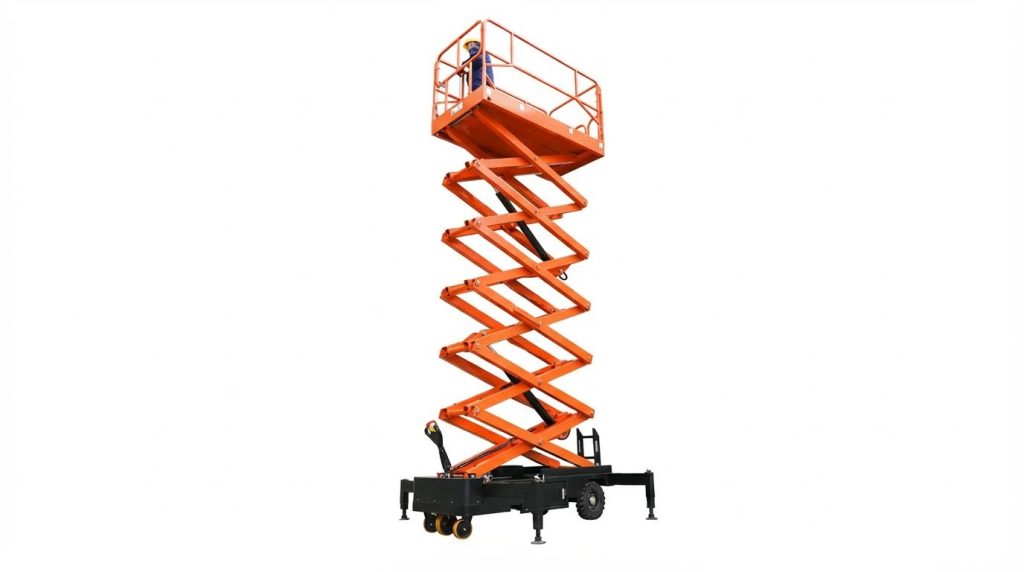
Required lift height and aisle geometry then narrowed the options. If racking stayed below roughly 3–4 m in narrow aisles, walk-behind stackers usually sufficed. Above that range, or where attachment use and outdoor travel were necessary, forklifts or reach trucks became more appropriate. For very high-bay storage above conventional forklift mast limits, AS/RS and stacker cranes provided both reach and precision, especially when land costs justified vertical density.
Duty cycle and environment completed the decision matrix. High-frequency operations, cold rooms, and long travel paths favored electric or automated solutions with regenerative braking and optimized acceleration profiles. Low-frequency or seasonal tasks could justify simpler manual equipment to control cost. Throughout the selection process, safety engineers validated that chosen equipment kept push–pull forces, lift frequencies, and operator postures within ergonomic guidelines, ensuring that every method of lifting heavy pallets aligned with regulatory requirements and long-term worker health.
Design, Maintenance, And Emerging Technologies
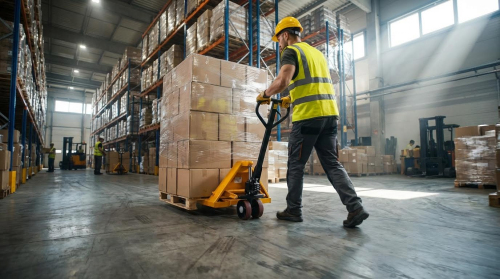
This section explains how to lift a heavy pallet safely by integrating layout design, preventive maintenance, and modern technologies. It links pallet flow, equipment condition, and digital tools so engineers can reduce manual strain and improve throughput. The focus stays on practical warehouse and plant applications where operators routinely move heavy pallet loads.
Layout Design For Safe, Efficient Pallet Flow
Engineers should start with travel path design when deciding how to lift a heavy pallet in a facility. Aisles must provide adequate clearance for pallet jacks, stackers, and forklifts, typically at least the equipment length plus 0.6–0.8 m for maneuvering. Straight, obstacle‑free paths reduce steering effort, wheel impact loads, and the risk of sudden stops that destabilize heavy pallets. Position receiving, staging, and shipping zones to minimize horizontal travel distance, especially for manual pallet trucks that suit hauls of 12 m or less.
Floor conditions strongly influence ergonomic load on operators. Smooth, well‑maintained concrete with limited ruts, bumps, or broken joints lowers push–pull forces on pallet trucks and reduces vibration for ride‑on equipment. Grade changes should be minimal; where slopes are unavoidable, specify powered equipment and clear downhill travel rules to prevent run‑away loads. Storage layouts should segregate heavy pallets near ground level and close to main aisles, avoiding frequent high lifts or long detours.
Pallet flow rack lanes require careful alignment with inbound and outbound equipment. Charge and discharge aisles must allow perpendicular truck approach and sufficient clearance for mast tilt and fork extraction. Designers should include buffer zones at flow lane discharge so operators do not stand in pinch points while guiding heavy pallets. Clear line‑of‑sight around rack ends and intersections helps operators anticipate cross‑traffic, which is critical when transporting tall or high‑center‑of‑gravity loads.
Inspection And Maintenance Of Jacks And Stackers
Knowing how to lift a heavy pallet safely depends on the mechanical condition of pallet jacks and stackers. Daily pre‑use checks should verify wheel integrity, fork straightness, hydraulic leaks, and control function. Flat‑spotted or damaged wheels increase push forces and can cause sudden jerks that destabilize heavy loads. Operators should tag out equipment with cracked forks, leaking hydraulic cylinders, or malfunctioning brakes until maintenance clears them.
Electric stackers require structured maintenance intervals based on operating hours. Daily checks include hydraulic oil levels matched to mast height, battery state of charge, and visible damage to hoses and cables. Weekly and monthly tasks cover brake clearance, steering gear cleanliness, lubrication, and verification of horn, tiller, and emergency stop functions. Technicians should inspect contactors, micro switches, wiring harnesses, and motor brushes at 200–600 hour intervals to prevent unexpected failures under heavy pallet loads.
Preventive maintenance programs must document inspections, findings, and corrective actions. Standardized checklists help ensure consistency across shifts and sites. Troubleshooting procedures should address common lifting issues, such as slow mast rise, inability to achieve rated lift height, or intermittent control response. Typical remedies include correcting overload conditions, restoring hydraulic oil levels, replacing worn seals, tightening electrical connections, and replacing blown fuses or faulty switches. A well‑maintained jack or stacker keeps lifting forces predictable and supports compliance with ergonomic guidelines.
Pallet Flow Racks And Pallet Quality Control
Pallet flow racks can significantly reduce manual handling when workers need to move or retrieve heavy pallets. However, their performance depends on both rack condition and pallet quality. Engineers should schedule visual inspections within days of commissioning a system, then one month after, and quarterly thereafter. These inspections check for impact damage to uprights and rails, missing or bent rollers, misaligned guides, and malfunctioning speed controllers that could cause uncontrolled pallet acceleration.
A structured pallet review program is essential. Inspectors should reject pallets with broken or missing boards, protruding nails, or warped stringers that disrupt smooth rolling. For repaired pallets, surface flatness and board thickness must remain compatible with the original rack design. Plastic pallets must retain all support pods and avoid any hanging material that could catch on rollers. Using pallets that match the system’s specified style and weight range prevents hang‑ups and sudden stops when moving heavy loads.
When a pallet does jam in a flow lane, operators should follow controlled recovery methods rather than entering a loaded lane. Techniques such as “plugging the pallet flow,” which involves slightly lifting the discharge pallet and pushing rear pallets back before extraction, can free stuck loads while limiting risk. Documentation of every hang‑up event, root cause, and corrective action helps refine maintenance intervals and pallet acceptance criteria. Reliable pallet flow reduces the need for manual repositioning, which directly lowers the physical demand of lifting heavy pallets.
AI, IoT, And Digital Twins In Material Handling
Emerging technologies now support safer strategies for how to lift a heavy pallet in complex facilities. IoT sensors on pallet jacks, stackers, and racks can monitor impacts, travel paths, wheel condition, hydraulic pressure, and mast cycles. These data streams feed predictive maintenance algorithms that flag abnormal vibration, temperature rise, or current draw before a component fails under load. Real‑time dashboards can alert supervisors to overloaded equipment, repeated hard braking, or frequent manual overrides near heavy pallet zones.
Digital twins of warehouses and distribution centers allow engineers to simulate pallet flows, equipment interactions, and ergonomic loads before implementing physical changes. By modeling different aisle widths, rack orientations, and equipment mixes, teams can quantify walking distance, number of manual touches, and high‑risk lifting tasks. Scenario analysis shows where powered equipment, pallet flow racks, or height‑adjustable workstations most effectively reduce heavy manual lifts. This virtual validation shortens design cycles and lowers retrofit risk.
AI‑enabled storage and retrieval systems, including automated stacker cranes, optimize pallet placement based on weight, turnover rate, and height restrictions. Algorithms can assign the heaviest pallets to positions that minimize vertical lift height and travel distance. Integration with training platforms allows organizations to generate targeted coaching for operators who frequently exceed safe push–pull forces or choose suboptimal routes. Together, AI, IoT, and digital twins create a feedback loop that continuously improves how facilities handle heavy pallets while maintaining throughput and safety compliance.
Summary And Practical Selection Guidelines
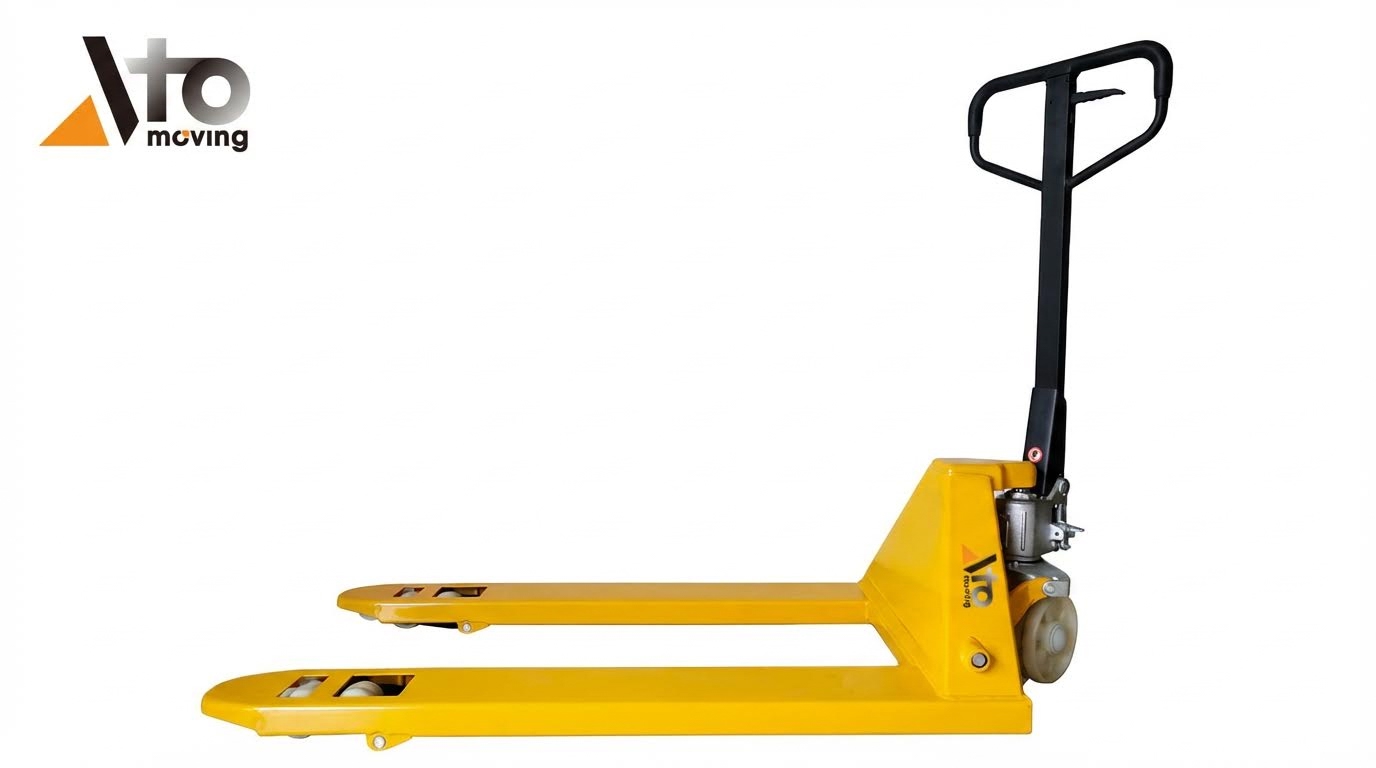
Knowing how to lift a heavy pallet safely required a structured approach that combined ergonomics, correct equipment selection, and disciplined maintenance. Organizations first assessed task frequency, load mass, lift height, and operator capability, then aligned these factors with engineered controls such as pallet jacks, stackers, forklifts, or automated systems. This systematic method reduced musculoskeletal disorders, collision risks, and product damage in warehouses and production facilities.
From a technical standpoint, manual handling stayed acceptable only for isolated, lighter pallets within ergonomic limits and using techniques such as POWERLIFT and two-person lifts. As load mass, travel distance, or cycle rate increased, facilities transitioned to manual pallet jacks, then to electric pallet jacks, and finally to pallet stackers or forklifts for vertical storage up to 10 m. Where throughput, land cost, or temperature control justified the investment, AS/RS with stacker cranes and digital twins provided dense storage, automated sequencing, and predictive maintenance using IoT data.
In practice, engineers defined standard decision rules: use pallet jacks for short horizontal moves at floor level, select pallet stackers for 1,000–2,500 kg loads up to 3–4 m, and specify forklifts for heavier, higher, or outdoor work. They embedded these rules into layout design, traffic plans, and training programs, supported by PPE, inspection schedules, and documented pallet quality criteria. Future trends pointed toward AI-supported routing, real-time condition monitoring, and simulation-driven layout optimization, but the foundation remained unchanged: respect human ergonomic limits, keep the load stable and close to the operator, and let appropriately rated equipment perform the heavy lifting.