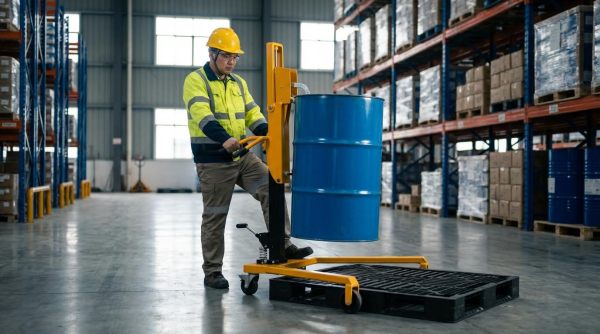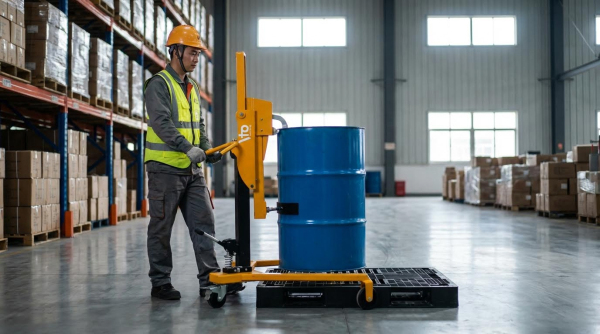
Industrial facilities that handle drums of chemicals, fuels, and process liquids face significant mechanical and chemical risks. This article explains how to handle drums safely across the full lifecycle, from hazard identification and regulatory compliance to lifting, moving, stacking, and long‑term storage. It also covers grounding, bonding, and controlled dispensing to prevent static ignition, structural failures, and spills. Finally, it summarizes best practices and design implications so engineers can specify safer systems, equipment, and layouts for drum operations.
Hazard Identification, Regulations, And Risk Controls
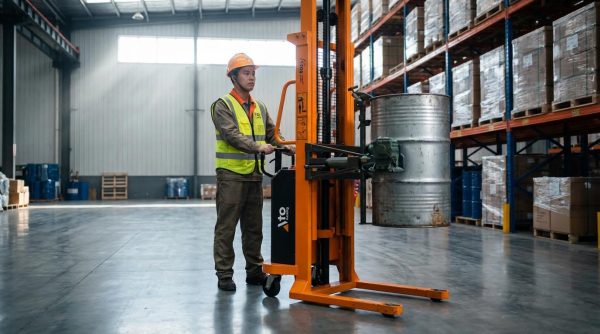
Industrial teams that want to know how to handle drums safely must start with systematic hazard identification and regulatory compliance. This section explains how drum contents, labeling, and SDS data drive risk controls, how key codes such as CFR, NFPA 30, EPA, and OSHA apply, and how to structure task-based risk assessments. It also links these hazards to practical PPE selection for both mechanical and chemical risks during drum lifting, moving, stacking, and dispensing.
Drum Contents, Labeling, And SDS Management
Safe decisions on how to handle drums depend first on knowing what is inside each container. Operators should read labels for hazard pictograms, signal words, UN numbers, and handling instructions before any movement. If a drum lacks a legible label, facilities should classify it as hazardous until analysis confirms the contents. Safety Data Sheets must be accessible in the work area, organized by product name and identifier, and linked to drum IDs or barcodes.
Supervisors should train workers to cross-check label information with SDS sections on hazards, handling, storage, and emergency measures. Before moving a drum, personnel should inspect for leaks, corrosion, deformation, or missing bungs and lids, then restore closures to specified torque where regulations require. Facilities should implement written procedures for relabeling, documenting, and isolating any unidentified or damaged drums. These steps reduce the probability of chemical exposure, incompatible mixing, and uncontrolled releases during routine handling.
Regulatory Codes: CFR, NFPA 30, EPA, And OSHA
Regulatory frameworks define minimum safety performance for drum handling, storage, and transport. Title 49 of the Code of Federal Regulations specified drum design, closure torque, and stacking tests for UN-rated packaging used in transport. These provisions ensured that drums containing hazardous materials withstood vertical loads equivalent to a 3 m stack for 24 hours at ambient temperature. NFPA 30 provided criteria for flammable and combustible liquid storage, including maximum stack heights, aisle spacing, sprinkler densities, and venting hardware.
EPA rules addressed hazardous waste accumulation, container integrity, and segregation of incompatible wastes in drum storage areas. OSHA standards required employers to identify chemical hazards, maintain SDS systems, label containers, and protect workers through engineering controls, PPE, and training. When planning how to handle drums in a plant, engineers should map each operation against these codes: receiving, internal transport, staging, storage, dispensing, and waste handling. Documented compliance not only reduced incident risk but also minimized enforcement penalties and improved insurer confidence.
Risk Assessment For Drum Handling Tasks
Structured risk assessment translated regulations and hazard data into task-level controls. Teams should break down each drum operation into discrete steps such as inspection, lifting, tilting, rolling, stacking, and dispensing. For each step, they should identify mechanical risks like crush injuries, overexertion, and tip-over, alongside chemical risks such as splash, inhalation, and reactivity. Likelihood and severity ratings then guided the selection of engineering controls, administrative rules, and PPE.
For example, moving a 200 L drum weighing 400–800 lb manually created a high risk of musculoskeletal injury. Risk assessments should therefore prioritize mechanical aids and limit manual tilting to empty or near-empty drums using defined ergonomic techniques. For storage, analysts should evaluate floor capacity, pallet condition, and drum strength against expected stacking heights and ambient temperatures. Facilities should review assessments periodically, especially after changes in chemicals, equipment, or layout, to keep controls aligned with actual operating conditions.
PPE Selection For Mechanical And Chemical Hazards
PPE for drum handling must match both the physical task and the chemical profile of the contents. For mechanical hazards, baseline protection typically included safety footwear with toe protection, impact-resistant gloves, and hard hats in areas with overhead handling. Where drums could shift or roll, shin and metatarsal guards further reduced crush injury risk. High-visibility garments improved operator awareness around walkie pallet truck and drum mover.
Chemical hazards required PPE linked directly to SDS recommendations for skin, eye, and respiratory protection. For corrosive or toxic liquids, workers should use chemical-resistant gloves, splash goggles or face shields, and aprons or coveralls rated for the specific agents. When planning how to handle drums containing flammables, facilities should avoid PPE materials that generated static and instead specify low-static garments. Respiratory protection might be necessary for volatile organics during dispensing or spill response, selected under a formal respiratory protection program. PPE policies should integrate with training so operators understand when to escalate from basic to enhanced protection based on task, drum condition, and environment.
Safe Drum Lifting, Moving, And Stacking Practices

Safe drum handling starts with recognizing that a typical 200 L drum can weigh 180–360 kg when full. Direct manual lifting of full drums is unsafe and often violates internal safety rules and ergonomic guidelines. Use structured techniques, mechanical aids, and engineered storage systems to control the main risks: musculoskeletal injury, crush hazards, and loss of containment. The following subsections explain how to handle drums in industrial operations with a focus on lifting, moving, and stacking.
Manual Handling Limits And Ergonomic Techniques
Manual handling of full drums should be avoided because the load exceeds typical ergonomic limits for a single worker. Most occupational guidelines kept recommended single-person lifts below 25–35 kg under ideal conditions, far less than a full drum. When workers must reposition empty or near-empty drums, they should use leg-dominant lifting techniques and maintain a neutral spine. The operator should stand at one end of the drum, place one foot forward and one back, bend hips and knees, and keep elbows inside the thighs to stabilize the torso.
As they raise the drum edge, they should push from the rear leg and walk the drum to a balanced tilt instead of dead-lifting it vertically. For two-person lifts on light drums, both workers should mirror this technique on opposite sides, coordinating commands before lifting. When rolling or tilting a standing drum, the worker should stay close to the drum, grasp the upper rim with straight arms, and rock it gently to assess fill level and internal movement. Locked elbows and a stable stance allow the legs and body weight to control the motion, reducing strain on the lower back and shoulders.
Operators should never attempt to catch a falling drum or manually arrest a tipping stack. Training programs should include task-specific demonstrations, practice with empty drums, and clear criteria for when mechanical aids are mandatory. Consistent use of gloves, safety footwear with toe protection, and eye protection reduces injury risk from pinching, impact, and unexpected leaks during manual handling.
Selecting And Using Mechanical Drum Handling Aids
Mechanical aids are the primary control for how to handle drums safely in routine operations. Typical options include drum trucks, dollies, pallet jacks with drum attachments, forklifts with drum clamps, and overhead lifting devices with rated drum grabs. Selection should consider drum mass, center of gravity, travel distance, floor condition, and whether tilting, rotating, or dispensing is required. For full 55-gallon drums, single-operator movement should rely on purpose-built drum trucks or powered equipment, not generic hand trucks with marginal stability.
Before moving a drum, operators should verify closures are present, bungs are tightened to specified torque, and there are no visible leaks. The drum handling attachment or clamp must match drum diameter and chime profile and carry a rated capacity above the drum gross mass. When using forklifts, the driver should keep the drum as low as practicable, travel at reduced speed, and avoid sudden turns that could overload the attachment or shift the center of gravity. For upending or rotating drums, use dedicated tilting levers or mechanical rotators rather than improvised bars or slings.
Mechanical aids reduce musculoskeletal loads but introduce new hazards such as crush points and tip-over risks. Clear walkways, non-slip floors, and marked drum routes improve control of these risks. Operators should receive equipment-specific training, including how to check locking mechanisms, verify engagement on the drum chime, and respond if a drum begins to slip. Preventive maintenance of wheels, brakes, and clamps is essential to maintain rated performance over time.
Engineering Guidelines For Pallets, Racks, And Floors
Engineered support surfaces are a critical part of how to handle drums safely during storage and movement. Pallets should provide full or near-full bearing under the drum base to avoid localized deformation and instability. Common practice used 1 220 mm × 1 220 mm pallets (48 in × 48 in) or at least 1 170 mm × 1 170 mm to support four drums with adequate edge clearance. Pallets should have intact stringers, no protruding fasteners, and sufficient deck board thickness to limit deflection under stacked loads.
Four-way entry pallets simplify forklift access and reduce the need for complex maneuvers in tight aisles. Floors in drum handling areas should be flat, non-porous, and in good repair, preferably sealed concrete designed to support concentrated loads from stacked pallets. Uneven floors, potholes, or ramps increase the risk of drum tip-over during transport and compromise pallet stability. Where racks support drums, the structure should be designed or verified for the maximum combined load, including dynamic effects from handling.
Rack beams and decking must prevent drums from rolling or walking under vibration, often by using drum cradles or chocks. Clearances should allow visual inspection of labels, closures, and potential leaks without moving drums unnecessarily. Where drums contain hazardous materials, designers should integrate secondary containment, such as sumps under racks or spill pallets, sized for at least the volume of the largest drum or a prescribed percentage of the total. Floor slopes must not direct leaks into walkways or exits; instead, they should drain to controlled collection points compatible with environmental regulations.
Drum Stacking Heights, Stability, And Test Standards
Stacking strategy directly affects drum stability and overall facility risk. As a general engineering practice, full drums on pallets are stored one pallet high, with stack height determined by drum design, specific gravity of contents, and applicable codes. Steel drums for hazardous materials were required to pass stacking tests defined in regulations such as 49 CFR §178.606, which simulated a 3 m stack load for 24 hours at ambient temperature. These tests verified that drums could withstand compressive loads without permanent deformation or loss of integrity when stacked within rated limits.
In routine warehouse practice, steel drums with contents of specific gravity up to approximately 1.5 were often stacked up to four pallets high under controlled conditions. Where contents had higher specific gravity or elevated ambient temperatures above about 30 °C, facilities typically reduced stack height to three pallets to maintain safety margins. Stacks should be plumb, with uniform pallet orientation and no overhang that could shift center of gravity outside the support footprint. Drums should not be manually lifted into stacks; instead, cranes, forklifts, or other powered equipment should place pallets and drums.
For loose floor stacking of individual drums, conservative arrangements such as two-high and two-wide rows improve inspection access and reduce the need for ladders. Facilities handling flammable liquids must also comply with fire codes that limit stack height and prescribe sprinkler densities and pressure-relief features. Regular inspections should verify there is no bulging, corrosion, or pallet damage that could compromise stack stability. If any drum in a stack shows deformation or leakage, the area should be isolated, the stack safely deconstructed with mechanical equipment, and the nonconforming drum removed from service for evaluation or disposal.
Drum Storage, Grounding, Bonding, And Dispensing
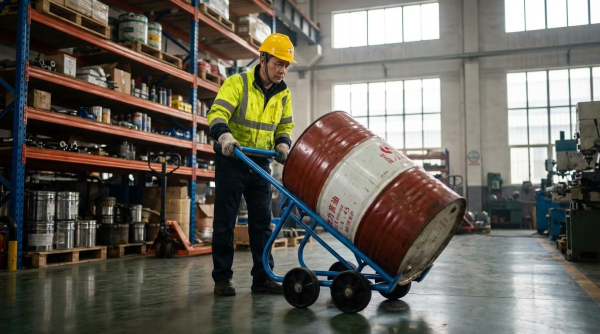
Safe drum storage and controlled dispensing form the backbone of any industrial program focused on how to handle drums. Engineers must integrate layout, segregation, static control, venting, and spill management into a single, coherent system. This section links regulatory expectations with practical design choices for floors, racking, earthing systems, and transfer hardware. The goal is to reduce mechanical, chemical, and ignition hazards while keeping operations efficient and inspectable.
Storage Layout, Segregation, And Environmental Control
Plan drum storage layouts to support clear access, mechanical handling routes, and emergency response. Maintain aisles wide enough for walkie pallet truck or forklifts, with turning radii that prevent side impacts on drums and racking. Store drums upright with bungs on top, on sound, flat, non-combustible surfaces such as concrete. Use pallets that provide full-bottom support; a 1 200 mm × 1 200 mm pallet typically supports four 200 L drums with even contact.
Segregate drums by hazard class to control risks if leaks or fires occur. Keep flammables away from oxidizers, separate acids from bases, and follow EPA and OSHA segregation tables where applicable. Use physical barriers, curbs, or dedicated bays to prevent incompatible streams from mixing in a spill. Mark zones clearly with durable floor striping and signage so operators understand how to handle drums in each area.
Control environmental conditions that affect drum integrity and internal pressure. Shield outdoor storage from rain and ultraviolet radiation using canopies or shelters to limit corrosion and label fading. Avoid prolonged exposure to temperatures above 30 °C for filled drums, especially with high specific gravity contents, and adjust stacking heights accordingly. Apply FIFO inventory rotation and scheduled inspections to identify rust, bulging, dented chimes, or illegible UN markings before failures occur.
Grounding, Bonding, And Static Control For Flammables
When flammable liquids are stored or dispensed from drums, static control becomes a primary design requirement. Grounding connects the drum to earth with a low-resistance path, allowing accumulated charge to dissipate safely. Bonding connects the drum to receiving containers, pumps, and metallic transfer equipment so no potential difference develops that could cause a spark. Use dedicated antistatic cables with robust clamps on clean, unpainted metal surfaces; verify continuity as part of routine inspections.
Integrate grounding and bonding points directly into storage and dispensing stations. Provide fixed bus bars or earth studs near loading racks and drum stands so operators do not improvise connections. For operations that focus on how to handle drums containing flammables, enforce procedures that require grounding before opening bungs or starting transfer. Install signage reminding operators to connect and verify bonding leads before flow starts and to maintain connections until flow stops.
Consider additional static control measures where flow rates, low-conductivity liquids, or dry atmospheres increase risk. Limit transfer velocities, especially in gravity systems, to reduce charge generation. Use conductive hoses and fittings rated for flammable service, and avoid non-conductive plastics in the primary flow path. In classified areas, coordinate static control design with electrical classification, explosion-proof equipment selection, and NFPA 30 guidance on flammable and combustible liquids.
Venting, Overpressure, And Vacuum Protection
Proper venting protects drums from deformation, rupture, and uncontrolled releases during storage and dispensing. Liquid removal creates internal vacuum, while heating or external fires increase internal pressure. Install pressure-vacuum vents in appropriate bung openings when drums are used as fixed dispensing reservoirs. These devices admit air during outflow and relieve vapors when pressure exceeds set limits, typically around 0.35 bar for safety vents.
Design venting arrangements to match the fluid properties and operating modes. For viscous liquids or high transfer rates, size vents to prevent significant vacuum that could collapse thin-walled drums. For volatile flammables, route vented vapors to safe locations or vapor control systems where regulations require it. Always verify compatibility of vent materials and seals with the stored chemical to avoid sticking or corrosion that could block operation.
Account for thermal effects when planning how to handle drums in outdoor or hot-process environments. Allow hot-filled products to cool to near ambient temperature before final torqueing of closures and stacking. Avoid direct solar loading where internal pressure could rise rapidly; use shading or indoor storage for high-vapor-pressure liquids. Incorporate vent inspection into maintenance routines, checking for fouling, mechanical damage, or tampering that might compromise protective function.
Spill Containment, Transfer Methods, And Small Containers
Spill containment should surround every area where drums are stored, staged, or dispensed. Use sumps, spill pallets, or curbed pads sized to capture at least the volume of the largest drum plus a safety margin defined by local regulations. Ensure floors remain even and non-slip, even when wet, to reduce fall risks during cleanup. Position absorbent materials and compatible neutralizing agents near transfer points but outside likely splash zones.
Select transfer methods that minimize manual handling and uncontrolled flow. Drum pumps suit vertical storage and allow metered delivery into receiving vessels, while gravity faucets work on horizontal drums where permitted by regulation. Use self-closing, spring-loaded faucets with flame arrestors for flammable liquids. Always bond receiving containers to the source drum during transfer, and keep containers on the floor or a stable stand rather than holding them in the air.
When decanting into small containers, maintain the same discipline applied to full-size drums. Use metal or approved conductive containers for flammable liquids, fitted with tight-sealing caps and appropriate labels. Do not transport filled small containers in vehicle cabs; instead, secure them upright in cargo areas with secondary containment. Train operators on how to handle drums and small packages as a single system, emphasizing correct sequence: inspect, ground, bond, vent if required, transfer, verify closure, then update inventory and waste records.
Summary Of Best Practices And Design Implications
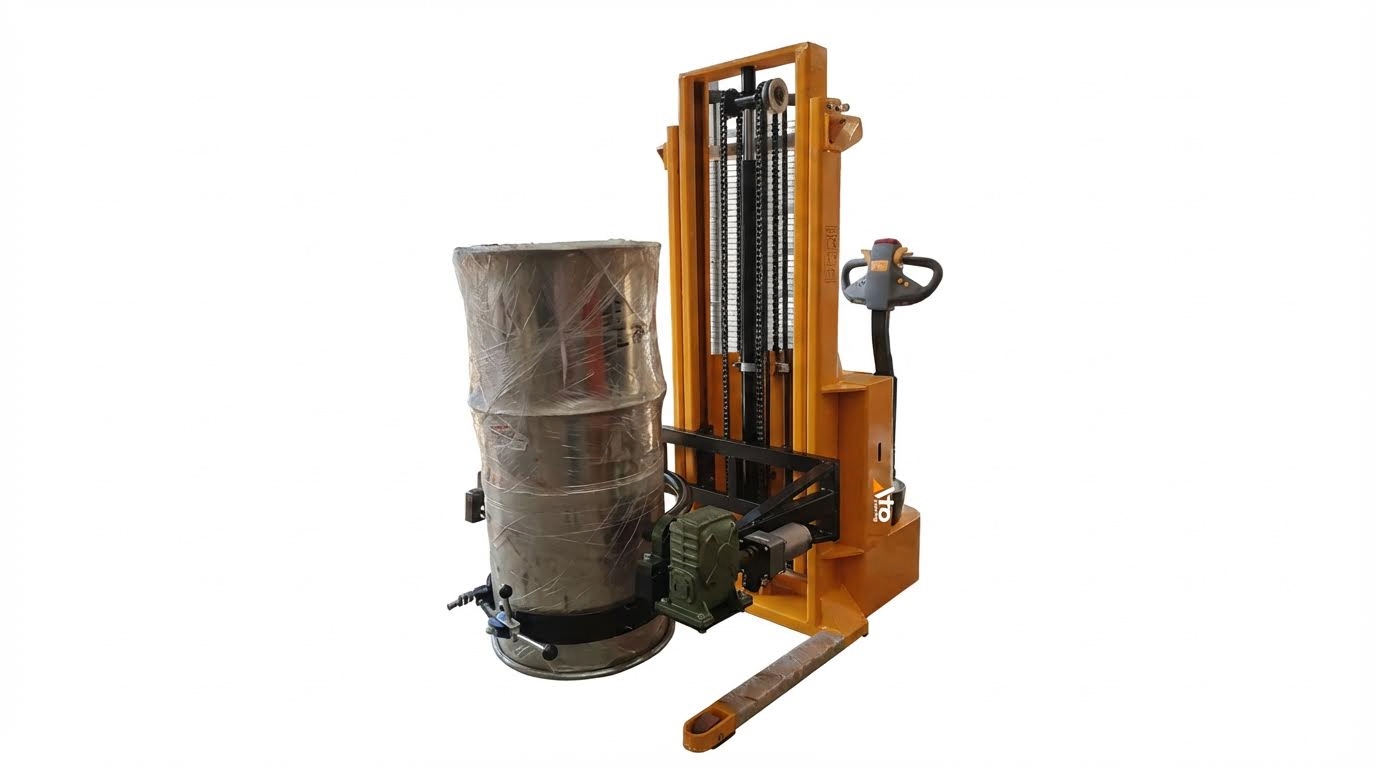
Safe, efficient strategies for how to handle drums integrate hazard recognition, compliant equipment design, and disciplined operating procedures. Industrial operations reduce injuries, leaks, and fires when they couple correct manual techniques with engineered handling systems and compliant storage layouts. Design engineers and safety managers should align drum handling systems with regulatory test methods, static control practices, and realistic load paths from receiving to disposal.
Key technical lessons include strict avoidance of solo manual lifting of full drums, systematic label and SDS verification before movement, and conservative stacking based on specific gravity and temperature. Facilities should standardize on pallets, racks, and floors that provide full drum base support, maintain drum verticality, and preserve access for inspection and spill response. Grounding, bonding, and venting provisions must be integral to drum storage and dispensing points, not retrofitted after incidents. Spill containment capacity should match worst credible release volumes and consider gravity flow paths across the floor.
From a design perspective, engineers should size pallets, dunnage, and racking for the tested stacking loads defined in transport regulations, while applying additional safety factors for seismic effects, impact, and pallet misalignment. Storage layouts should enforce separation of incompatible chemicals and maintain inspection aisles that allow viewing every drum without restacking. Future systems will likely integrate more automation, such as drum lifting equipment, forklift drum grabber, and continuous condition monitoring, but they will still depend on clear procedures and operator training. Organizations that treat how to handle drums as a lifecycle engineering problem, rather than a simple materials-handling task, typically achieve lower incident rates and longer drum service life.