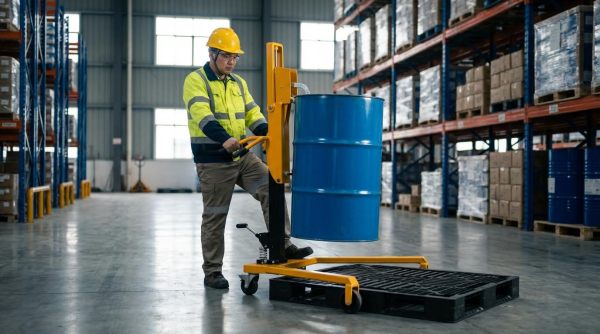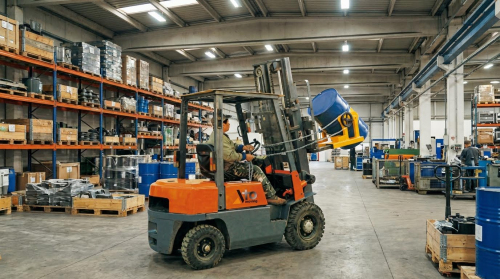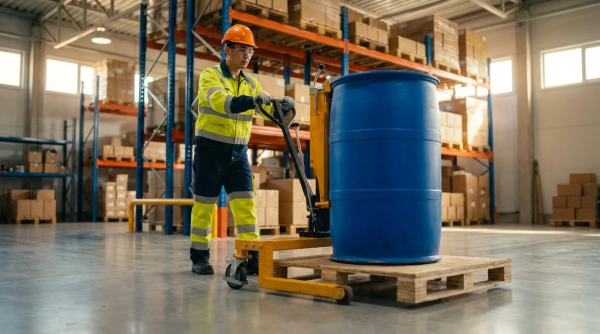
When handling drums and drum handler be sure to treat every move as a high‑consequence lifting task. This article explains the main risks of drum handling, then details inspection routines, route planning, and personal protective equipment requirements before use. It also covers safe operating techniques for hand trucks and drum dolly, including loading, securing, maneuvering, and spill control aligned with current safety standards. Finally, it concludes with a concise summary of best practices that mechanical engineers, safety managers, and operators can apply in warehouses, plants, and chemical facilities.
Understanding Drum Handling Risks And Hazards

When handling drums and drum hand trucks be sure to treat every move as a controlled lifting operation. Drum handling combined with manual pushing forces, confined routes, and hazardous contents created a high-risk task in industrial plants and warehouses. This section explains typical injury modes, hazard recognition from labels and Safety Data Sheets, stability and center-of-gravity issues, and selection of appropriate drum hand trucks, dollies, or powered equipment. The goal is to give supervisors and operators a clear risk picture so they can engineer safer drum handling workflows.
Typical Injury Modes In Drum Handling Tasks
When handling drums and drum hand trucks be sure to anticipate the main injury modes before starting work. Operators historically suffered back strains and disc injuries from attempting to tilt or upend 200 liter drums manually. Foot and hand crush injuries occurred when drums slipped off hand trucks, rolled unexpectedly, or trapped fingers between chimes and fixed structures. Chemical burns, inhalation exposures, and eye injuries arose when damaged or leaking drums released corrosive or toxic contents during movement. Facilities also recorded impact injuries from runaway dollies on sloped floors, especially where brakes or wheel chocks were absent. Understanding these patterns helps safety teams focus controls on securing drums, controlling motion, and minimizing manual force.
Hazard Identification From Drum Labels And SDS
When handling drums and drum hand trucks be sure to read the drum label and SDS before moving anything. Labels identified flammable, corrosive, toxic, or reactive contents using standardized pictograms and hazard statements. If a drum lacked a legible label, best practice treated the contents as hazardous until verified through sampling and documentation. The SDS provided data on vapor pressure, flash point, incompatibilities, and recommended PPE, which directly influenced route selection and emergency planning. Operators checked for missing bungs, distorted lids, or evidence of leakage around seams or chimes, then ensured closures were secure before loading the drum on a hand truck or drum dolly. This systematic hazard identification step reduced the likelihood of fires, incompatible spill reactions, and unprotected exposure.
Drum Weight, Stability, And Center-Of-Gravity Issues
When handling drums and drum hand trucks be sure to estimate drum weight and stability first. A typical 55 gallon drum weighed between roughly 180 kilograms and 360 kilograms depending on contents, which exceeded safe manual lifting capacity. The liquid inside shifted dynamically, raising the effective center of gravity during tilting, starting, or stopping. If the drum sat off-center in the cradle or on the forks, the combined center of gravity moved outside the support polygon, which increased tip-over risk. Operators therefore placed the drum fully into the cradle, kept the heaviest section closest to the axle, and secured it with straps or clamps to prevent rocking. On sloped or uneven floors, they reduced speed, avoided diagonal travel, and used brakes or wheel chocks to maintain stability during temporary stops.
When To Use Hand Trucks, Dollies, Or Powered Equipment
When handling drums and drum hand trucks be sure to choose the right equipment for the task and route. Drum hand trucks suited short, relatively smooth routes with single-drum moves where the operator could maintain full control and clear visibility. Low-profile dollies worked well for short transfers inside process areas, but they demanded very flat floors and effective containment for potential leaks. For longer distances, frequent moves, ramps, or multiple drums, powered tugs, hydraulic pallet truck, or forklift drum grabber with certified drum clamps provided better control and reduced manual push forces. Safety managers evaluated slope, doorway widths, congestion, and floor condition before specifying equipment, then documented decision criteria in site procedures. Whenever the estimated push or pull force, drum weight, or chemical hazard exceeded safe manual limits, they upgraded to powered or remote-handling solutions to keep operators out of the immediate hazard zone.
Pre-Use Inspection, Route Planning, And PPE
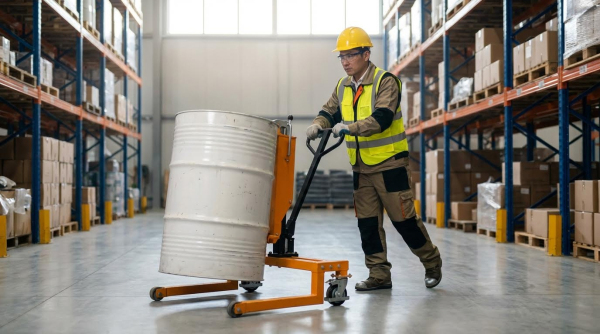
When handling drums and drum hand trucks be sure to treat pre-use checks, route planning, and PPE as integrated controls. This phase determines whether the operation runs within design limits and regulatory expectations. A structured approach reduces strain injuries, tip-overs, leaks, and uncontrolled chemical exposure. The following subsections focus on mechanical integrity, load verification, pathway safety, and personal protection.
Daily Mechanical Checks On Trucks, Dollies, And Wheels
When handling drums and drum hand trucks be sure to start with a brief but systematic mechanical inspection. Check the frame and welds for cracks, bends, or corrosion that could reduce structural capacity. Examine wheels and casters for flat spots, embedded debris, loose fasteners, or leaking lubricants, then confirm they rotate and swivel freely under load. Inspect retention systems such as cradles, hooks, clamps, and straps for deformation, frayed webbing, or damaged buckles. Test parking brakes, wheel locks, and any hydraulic or mechanical lifting mechanisms to verify smooth, controlled motion without sticking or sudden drops. Record defects, tag unsafe equipment out of service, and escalate repairs rather than accepting marginal conditions.
Verifying Load Capacity, Drum Condition, And Securing Points
When handling drums and drum hand trucks be sure to confirm that rated capacity exceeds the estimated drum mass with a safety margin. Typical 208 L steel or plastic drums weighed between 180 kg and 360 kg depending on contents, so operators needed accurate density information from labels or SDS. Inspect the drum shell, chimes, and bungs for dents, corrosion, bulging, or leakage before loading; compromised drums required containment or overpacking, not standard transport. Position the drum fully seated in the cradle or on the dolly deck, then apply clamps, chains, or straps at designated securing points so the drum cannot shift, roll, or rotate. Verify that the drum center of gravity sits low and close to the truck axle to improve stability during acceleration, braking, and cornering.
Pathway Assessment, Traffic Control, And Visibility
When handling drums and drum hand trucks be sure to plan the travel route before you move the load. Walk the path and remove obstructions, liquid spills, loose materials, and trip hazards that could destabilize the drum or catch the wheels. Evaluate gradients, thresholds, and floor conditions; avoid steep slopes, soft ground, or damaged grating that could exceed the truck’s design envelope. Establish traffic control where pedestrians, forklifts, or vehicles intersect the route, using barriers, spotters, or time-based segregation to prevent conflicts. Confirm that lighting is adequate and that stacked materials or racks do not block sightlines, because operators must see both the path and the drum. Maintain a controlled walking speed and push rather than pull so you keep clear visibility and better braking leverage.
Required PPE For Handling Hazardous Or Heavy Drums
When handling drums and drum hand trucks be sure to match PPE to both mechanical and chemical risks. Safety footwear with toe protection and slip-resistant soles protects against crush injuries and floor contamination. Chemical-resistant gloves, sleeves, and aprons are necessary if labels or SDS indicate corrosive, toxic, or solvent contents; select materials compatible with the specific chemical family. Use safety glasses with side shields, or face shields where splashes or pressurized releases are possible. High-visibility garments improve detectability in mixed-traffic aisles, and hearing protection may be required in high-noise production areas. For volatile, toxic, or oxygen-deficient atmospheres, integrate respiratory protection and atmospheric monitoring in accordance with the site’s hazard assessment and regulatory requirements.
Safe Operating Practices For Hand Trucks And Dollies
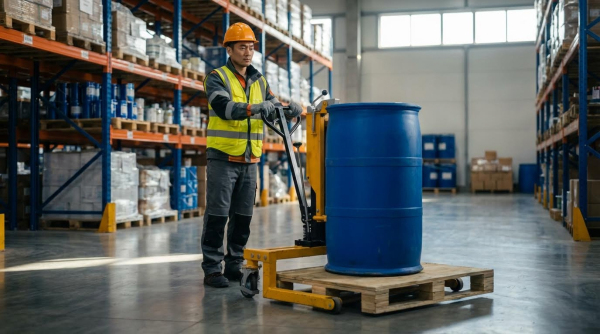
Safe operating practices link equipment capability, operator behavior, and site conditions into one controlled system. When handling drums and drum hand trucks be sure to follow structured procedures that limit force, control speed, and protect containment integrity. The following subtopics describe how to load, move, and manage drums with hand trucks and dollies while maintaining compliance with safety standards and minimizing spill and injury risk.
Correct Loading, Securing, And Balancing Of Drums
When handling drums and drum hand trucks be sure to confirm the drum mass does not exceed the rated capacity of the truck or dolly. Position the drum fully into the cradle or containment ring so the shell contacts all intended support points. Use the built‑in clamps, belts, or chains and tighten them until the drum cannot shift, wobble, or rotate unexpectedly. Keep the drum’s center of gravity as low and as close to the axle as the design allows to reduce tipping moments.
Operators should tilt the hand truck only enough to lift the drum clear of the floor while keeping the load balanced over the wheels. Avoid offset or diagonal positioning of the drum because this increases lateral instability, especially on uneven floors or ramps. Never move a drum that shows bulging, severe corrosion, or active leakage before it is overpacked or stabilized according to the Safety Data Sheet. For mixed loads on general hand trucks, always place the heaviest item at the bottom and avoid stacking above eye level to maintain visibility.
Push Vs. Pull, Speed Control, And Maneuvering In Tight Areas
When handling drums and drum hand trucks be sure to push the equipment instead of pulling it wherever space permits. Pushing places the operator behind the load, improves leverage, and reduces the risk of foot and ankle strikes. Maintain a walking speed that allows an immediate stop without skidding or over‑steering, particularly with full liquid drums that can slosh and shift the effective center of gravity. Avoid sudden direction changes or impacts with floor joints, thresholds, or debris that could induce oscillation or tipping.
In tight aisles or near fixed structures, keep hands and fingers inside the handle envelope to prevent pinch injuries between handles and walls or racks. Take shallow, progressive turns and use spotters in congested production or warehouse zones with cross‑traffic. Never walk backward down ramps or across dock plates with a loaded drum truck; instead, plan routes that allow forward travel and adequate stopping distance. If gradient, surface condition, or drum mass creates excessive push force, switch to drum lifting equipment or team handling to maintain ergonomic limits.
Spill Prevention, Leak Response, And Fire Safety Measures
When handling drums and drum hand trucks be sure to inspect each drum visually for stains, corrosion, or wet bungs before movement. Verify from the label and Safety Data Sheet whether the contents are flammable, corrosive, toxic, or reactive, and choose non‑sparking tools and intrinsically safe equipment where flammable vapors may exist. Use drip trays, absorbent pads, or overpack drums when moving suspect or partially damaged drums to contain potential leaks during transit. Keep fire extinguishers of appropriate class within reach along drum transfer routes and at staging points.
If a leak or spill occurs, stop movement, isolate the area, and implement the site spill response plan rather than improvising. Only personnel trained on the specific chemical hazards and response procedures should perform cleanup, using compatible absorbents and tools. Prevent spilled material from entering drains or soil by deploying booms or dikes sized for the full drum volume. After any incident, tag the involved hand truck or dolly, remove it from service, and inspect it for chemical attack, wheel contamination, or structural damage before reuse.
Training, Signage, And Compliance With Safety Standards
When handling drums and drum hand trucks be sure to operate only after receiving task‑specific training and authorization. Training should cover hazard recognition from labels and Safety Data Sheets, equipment load ratings, correct securing methods, and ergonomic pushing techniques. Operators also need instruction on emergency procedures, including spill notification, evacuation routes, and use limitations for non‑rated equipment in hazardous locations. Refresher training and documented competency checks help maintain consistent performance and reduce complacency in routine drum movements.
Post clear signage in drum storage and transfer areas that specifies maximum drum stack heights, equipment types allowed, pedestrian routes, and emergency contact details. Mark floor pathways and keep them unobstructed to comply with occupational safety regulations and internal traffic management rules. Align procedures with applicable standards and guidance from occupational safety authorities and transport regulations for hazardous materials. Maintain written operating instructions, inspection checklists, and incident records so that management can verify compliance, analyze trends, and continuously improve drum handling safety programs.
Summary Of Best Practices For Safe Drum Handling
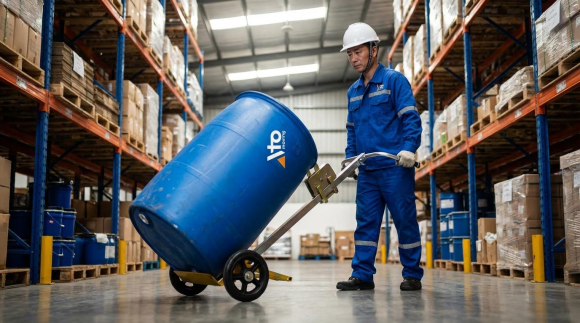
When handling drums and drum hand trucks be sure to integrate equipment checks, route planning, and PPE into a single, repeatable routine. Verify drum labels and Safety Data Sheets before movement, and treat any unidentified drum as hazardous until confirmed otherwise. Match drum mass and center-of-gravity characteristics to the rated capacity of the hand truck or dolly, and select powered equipment when manual devices approach their design limits. Always secure the drum in the cradle or clamp system, confirm there is no wobble, and keep travel speed low with controlled, deliberate movements.
When handling drums and drum hand trucks be sure to keep pathways clear, maintain sightlines, and favor pushing over pulling to reduce loss-of-control incidents. Avoid walking backward, sharp turns, and sudden stops, especially with full or unstable drums, to minimize tipping and spill risks. Use appropriate PPE, including safety footwear, gloves, and eye protection, scaled to the chemical and mechanical hazards identified in the SDS. Establish training that covers manual drum manipulation techniques, mechanical aids, emergency spill response, and fire safety requirements.
When handling drums and drum hand trucks be sure to apply a structured inspection and maintenance program. Perform daily visual checks on frames, wheels, fasteners, and retention devices, then supplement with deeper weekly and monthly examinations of welds, brakes, and any hydraulic systems. Store equipment dry, away from corrosive atmospheres, and lubricate moving components according to manufacturer instructions. As facilities move toward stricter regulatory enforcement and higher throughput, these disciplined practices will remain the foundation for reducing injuries, protecting product quality, and extending the service life of drum handling assets.