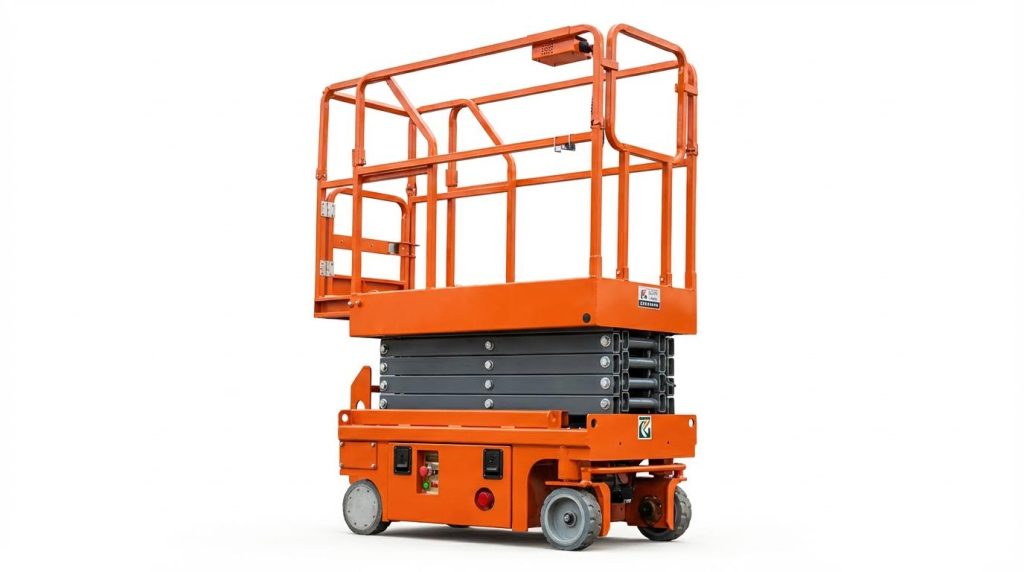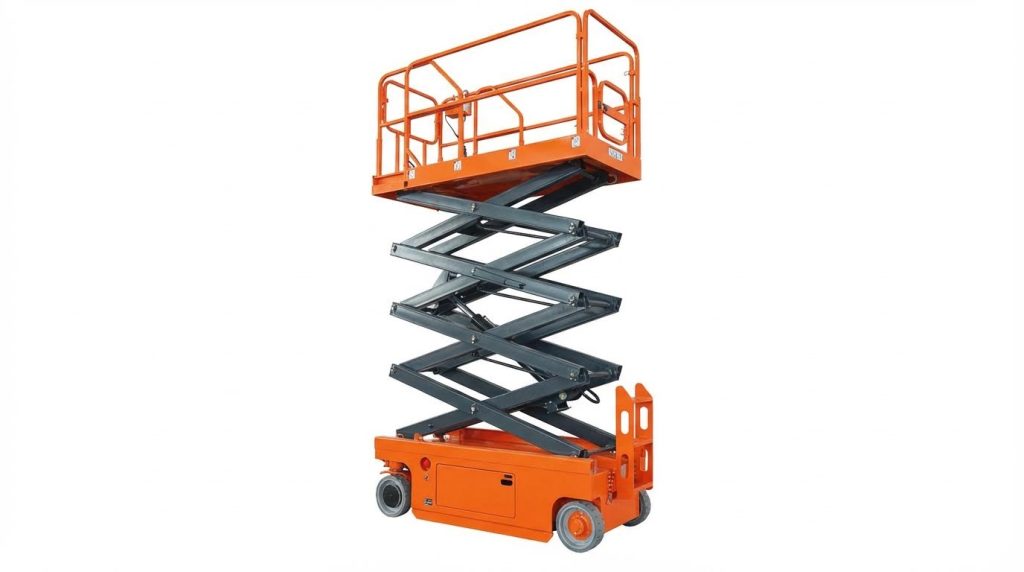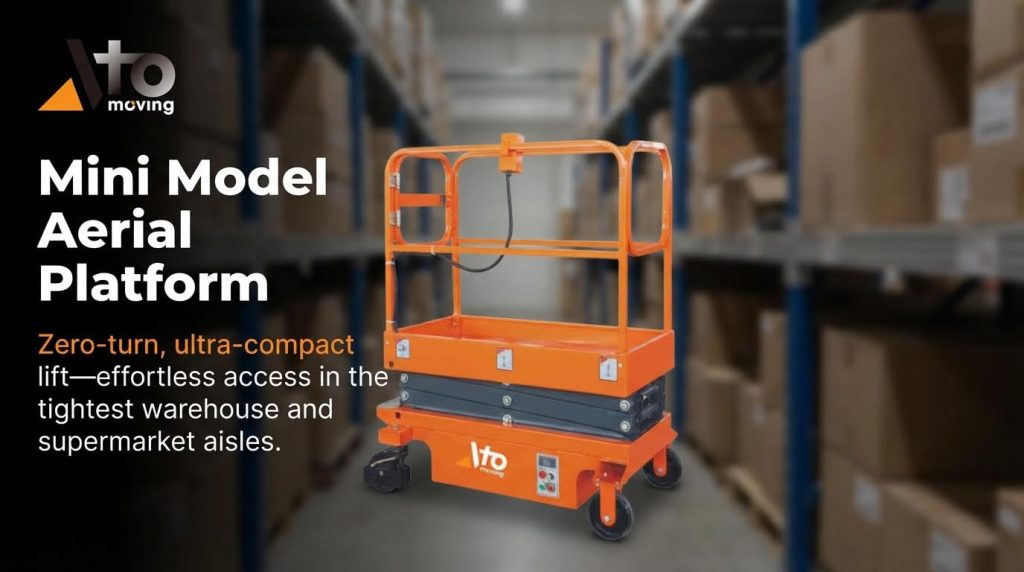
Industrial users often ask can scissor lifts work with standard pallets when they plan new palletizing cells, dock lifts, or ergonomic workstations. This article explains how to engineer that fit, from platform geometry and pallet footprints to stroke, duty cycle, and integration with plant utilities across the full outline.
You will see how key design parameters of pallet-compatible lift tables influence load distribution, rolling access, and center of gravity control. The engineering fit section links pallet trucks, forklifts, ramps, and scissor mechanisms so you can match real handling methods to correct lift specifications.
Later, the safety and maintenance part connects standards, operator training, and preventive care with lifecycle cost and reliability. The final section turns these points into practical selection guidelines so engineers, EHS staff, and operations teams can choose and operate scissor lift tables that work safely and efficiently with standard pallets.
Key Design Parameters For Pallet-Compatible Lift Tables
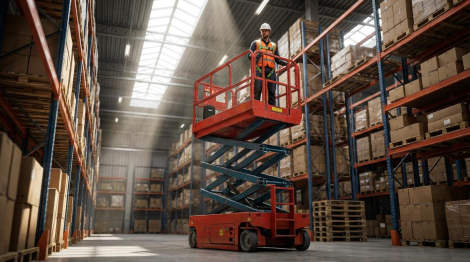
Engineers who ask can scissor lifts work with standard pallets need clear design rules. Pallet-compatible lift tables must match pallet geometry, control load paths, and integrate with plant power and controls. This section explains how pallet types, platform shape, capacity, stroke, and utilities interact when specifying scissor lift tables for warehouse and production use.
Standard Pallet Types And Critical Dimensions
Lift table design starts from pallet standards and their footprints. Typical industrial projects used Euro pallets at 800 × 1200 mm and CHEP or GKN style pallets around 1100 × 1200 mm. Low-profile static scissor tables for these pallets often used platforms near 1420–1450 mm long and 1140–1250 mm wide. This extra margin allowed manual pallet jack tolerances and side clearances while still controlling edge loading.
Key dimensional checks when asking can scissor lifts work with standard pallets include:
- Platform length and width at least equal to pallet size plus clearance
- Closed height low enough for direct pallet truck access, often near 80–90 mm
- Ramp length and angle that keep pallet truck effort and impact forces low
- Raised height that meets line elevation or conveyor datum
A typical low-profile pallet lift table closed at about 85 mm and raised to about 860 mm. Ramp plates around 1140 × 905 × 85 mm allowed loading with hydraulic pallet truck without a pit. These geometry choices limited approach impact and reduced bending loads into the scissor legs.
Platform Geometry: U-Shaped Vs Rectangular Decks
Platform shape strongly affects how scissor lifts work with standard pallets. U-shaped platforms suited open-bottom Euro pallets. Operators could drive pallet trucks into the U and drop the pallet directly over the scissor legs. This reduced dead weight and often removed the need for a long ramp. It also kept the pallet center of gravity close to the mechanism center.
Rectangular decks worked better with closed-bottom pallets such as typical CHEP or GKN units. These platforms offered full surface support under deckboards or blocks. They allowed loading by pallet truck over a ramp or by forklift from the side or end. When comparing U-shaped and rectangular decks, engineers should review:
| Aspect | U-shaped deck | Rectangular deck |
|---|---|---|
| Best pallet type | Open-bottom Euro pallet | Closed-bottom or block pallet |
| Loading method | Pallet truck between forks | Pallet truck over ramp or forklift |
| Platform dead weight | Lower | Higher |
| Support area | Under stringers only | Full pallet footprint |
For both deck types, the pallet footprint should sit inside the top frame with limited overhang. This keeps load paths vertical and reduces torsion on the scissor legs and base frame.
Load Capacity, Stroke, And Lift Cycle Characteristics
Load rating and stroke define if a scissor lift can work safely with standard pallets. Many low-profile pallet lifts targeted capacities around 1000 kg. This covered a typical 1000 kg palletized load plus pallet and platform mass with safety margin. Engineers must compare rated capacity with the heaviest expected pallet, including wrapping, dunnage, and fixtures.
Stroke is the difference between closed and raised height. In palletizing cells, a stroke of about 700–800 mm often aligned the top layer with operator elbow height. A closed height near 85 mm allowed floor-level loading without a pit. Lift and lower times, for example around 18 seconds per full stroke, affected throughput and line balancing. Shorter cycles increased productivity but also raised duty on cylinders, pins, and power units.
When analyzing load behavior, engineers should distinguish:
- Rolling loads from pallet trucks crossing the platform
- Sliding loads from conveyors or push-off systems
- Placed loads set by crane or forklift
Rolling and sliding loads created localized bending and higher leg stress, especially at full extension. Placed loads produced more uniform pressure. For heavy rolling loads, manufacturers usually limited end loading and discouraged side loading at full height.
Power, Controls, And Integration With Plant Utilities
Power and controls decide how well pallet lift tables integrate into a plant. Standard industrial units often used electric-hydraulic power packs on three-phase supplies, for example 415 V in European sites. Hydraulic drives offered smooth motion, compact size, and good force density. Pneumatic or mechanical drives suited special areas, such as wet zones or explosive atmospheres, but had different speed and controllability.
Control options ranged from simple pendant up/down stations to full integration with PLCs and safety relays. For pallet handling, designers usually included:
- Hold-to-run controls to prevent unintended motion
- Emergency stop devices near each operator position
- Interlocks with conveyors, palletizers, or wrapping machines
- Limit switches to define top and bottom positions
Safety hardware around the power unit and hydraulics was also critical. Typical features included safety trip bars under platform edges and check valves that held the platform in case of hose failure. Integration with plant lockout and tagout procedures protected technicians during maintenance. Clear segregation of power cabling, hydraulic hoses, and signal wiring reduced fault risk and simplified troubleshooting over the lift table life.
Engineering Fit: Matching Lift Tables To Pallet Handling
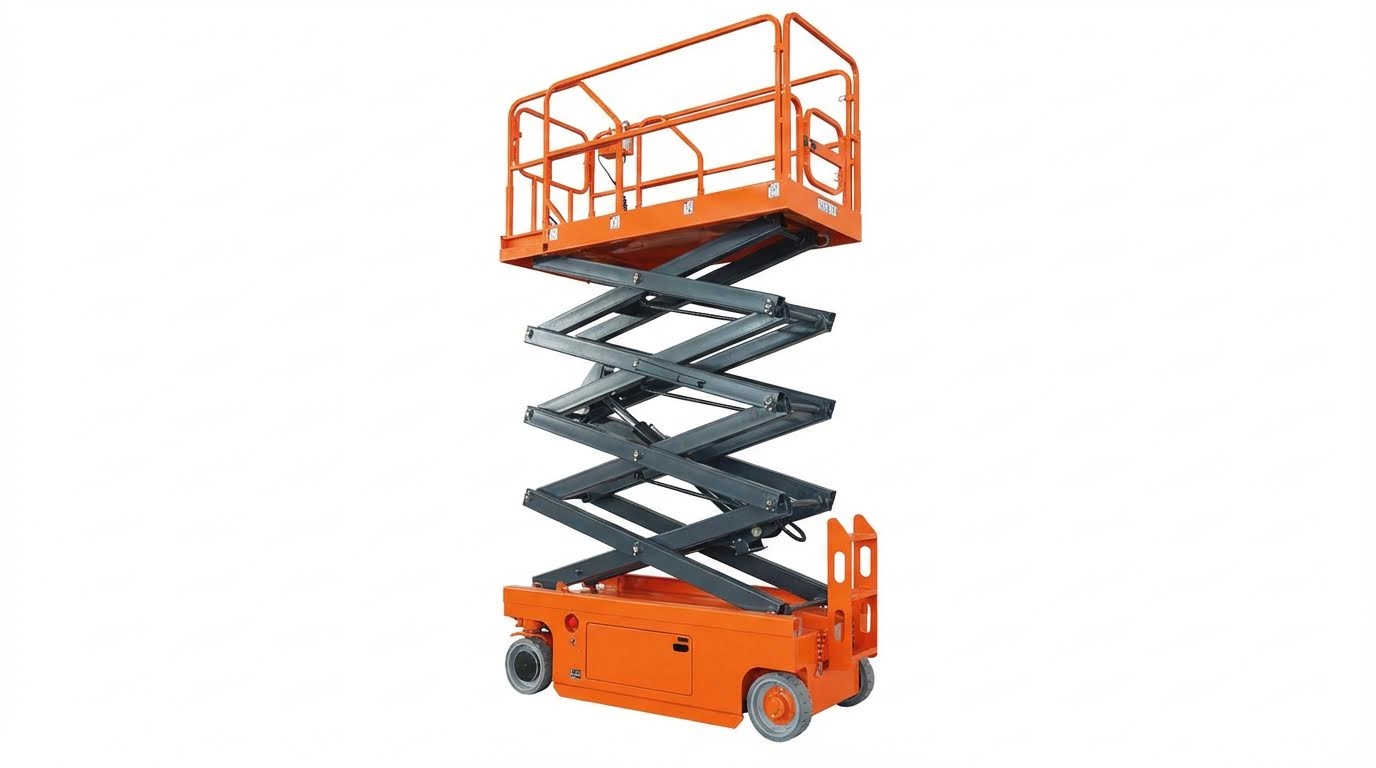
Engineering fit answers a core search question: can scissor lifts work with standard pallets. The answer depends on footprint, loading method, and scissor leg stresses. This section links pallet standards to platform geometry, load paths, and ergonomic flow so projects avoid mis‑matched equipment and chronic downtime.
Verifying Pallet Footprint, Ramp Access, And Truck Types
Engineers must first confirm pallet and platform compatibility. Typical standard pallets include Euro pallets at 800 × 1200 mm and CHEP or GKN pallets at 1100 × 1200 mm. Low profile scissor lift tables often use platforms around 1420–1450 mm long and 1140–1250 mm wide. This extra margin allows pallet placement with reasonable edge clearance.
Closed height near 85 mm lets designers avoid pit foundations. A surface mounted unit then works with short ramps, for example about 1140 × 905 × 85 mm. These ramps let manual or electric pallet trucks load directly. Engineers should match ramp length to truck wheelbase and fork length so entry angles stay shallow and impact loads stay low.
Selection should always link truck type to platform style: a U‑shaped deck suits open‑bottom pallets where forks straddle the void, while a full rectangular deck supports closed‑bottom pallets. Verification checklists usually include pallet size, truck fork length, turning space, and approach aisle width.
Load Distribution, Edge Loading, And Center Of Gravity
Scissor mechanisms carry load through discrete leg pivots, not a solid column. The load must therefore sit inside a defined “safe footprint.” Engineers check that the pallet footprint and any overhang fit inside the rated load envelope. They then verify that the combined center of gravity stays near the platform center in both plan directions.
Most scissor lifts tolerate higher end loading than side loading when raised. Side loading at full stroke stresses the legs and cross‑members. Good practice keeps high loads aligned with the leg travel direction. Edge loading ratings normally fall below total capacity ratings. For example, a table might carry 1000 kg total but allow a lower line load at the platform edge.
Designers should avoid tall, narrow stacks on one edge of the pallet. They should also avoid dynamic impacts against fixed end stops. Simple layout drawings that show pallet outline, stack height, and center of gravity position help verify stability before purchase.
Rolling, Sliding, And Placed Loads On Scissor Mechanisms
The question can scissor lifts work with standard pallets often hides a second question. Can they survive repeated rolling loads from pallet trucks. Rolling, sliding, and placed loads act very differently on the leg structure. Rolling loads from pallet trucks create concentrated wheel forces and bending in the top frame. Sliding loads, such as sheets pushed onto the deck, generate horizontal forces and friction wear. Placed loads, set down by forklift or crane, usually give the most even distribution.
Engineering checks should separate these load cases:
- Rolling loads: verify wheel loads, approach speed, and ramp angle.
- Sliding loads: confirm deck surface, friction level, and side restraint.
- Placed loads: ensure forks or slings do not impact deck edges or safety trip bars.
Manufacturers often publish separate ratings for static capacity and for rolling or edge loads. Engineers should never assume that a table rated at 1000 kg static can accept the same mass as a rolling pallet truck without verification.
Ergonomics, Throughput, And Line Balancing Considerations
Engineering fit is not only about geometry and stress. It also affects operator reach, pace, and fatigue. Scissor lift tables for palletizing often work between about 85 mm closed height and 860 mm raised height. This range keeps layers of cases or components near elbow height. Workers then avoid deep bending and overhead lifts.
Throughput targets drive cycle time and duty rating. A lift with about 18 seconds raise time suits moderate manual palletizing cells. High speed lines may need faster stroke times or multiple stations in parallel. Engineers should compare lift cycle time with pick or place time per item. The slowest step then sets the cell takt time.
Simple line balancing steps include:
- Setting lift height presets for common layer counts.
- Positioning controls at natural reach points.
- Aligning infeed and outfeed conveyors with the deck height window.
When engineers match pallet type, loading method, and ergonomic envelope, scissor lifts integrate cleanly into pallet handling lines and support consistent, safe throughput.
Safety, Compliance, And Maintenance Best Practices
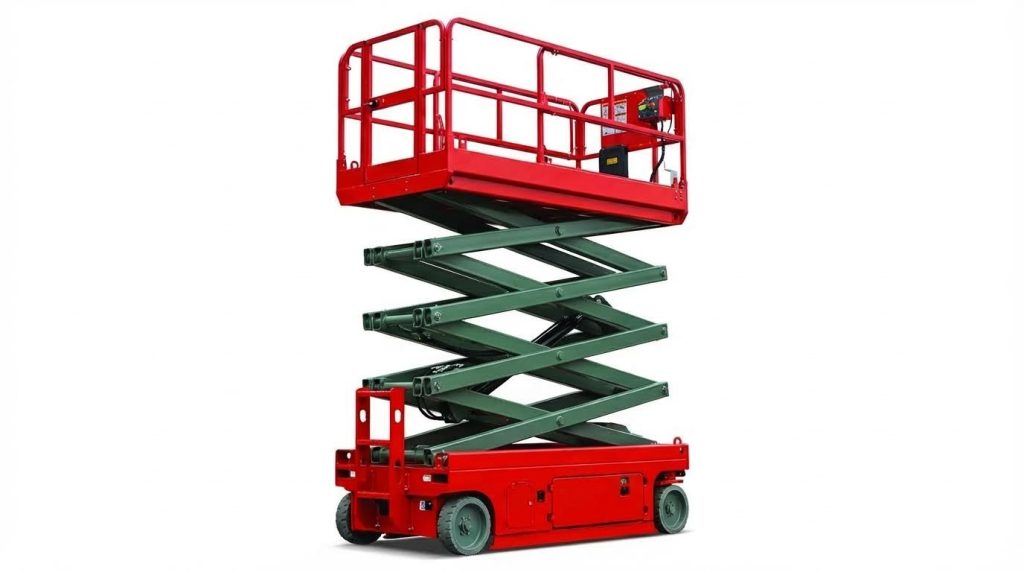
This section explains how safety rules, standards, and maintenance plans protect people and assets when users ask can scissor lifts work with standard pallets. It focuses on pallet-compatible scissor lift tables that handle Euro and CHEP style pallets in production and warehouse lines. The goal is to link regulations, training, and preventive maintenance to real plant decisions about platform size, load limits, and duty cycles.
Applicable Standards, Regulations, And CE Compliance
Engineers must confirm that pallet scissor lift tables meet the correct safety standards before installation. In Europe, manufacturers designed compliant units to EN 1570:2011 for lifting tables and applied CE marking under Machinery and Low Voltage Directives such as 89/392/EEC and 73/23/EEC. Typical safety functions included safety trip bars under the platform, check valves for controlled lowering after hose failure, and emergency stop circuits on the control pendant. Risk assessments needed to consider pallet truck access, ramp gradients, and guarding around shear points at the scissor legs.
When users evaluated if can scissor lifts work with standard pallets, they also checked how standards treated rolling loads and edge loading. Guidance required that platform dimensions matched pallet footprints, for example 1450 × 1140 millimetres for Euro pallets or 1450 × 1250 millimetres for CHEP style pallets, to keep the pallet fully supported. Documentation had to state rated capacity, typical values around 1000 kilograms for low‑profile pallet lifts, and any limits on side loading or impact from pallet trucks. Compliance files also described electrical ratings, such as 415 volt three‑phase supply, protection class, and lockable isolators.
Operator Training, Inspection, And Safe Work Zones
Safe pallet handling on scissor lift tables depended strongly on operator behaviour. Training programs covered basic controls, emergency stops, and how to read the nameplate for capacity, stroke, and duty cycle. Instructors showed how to bring a walkie pallet truck up the ramp, keep forks level, and position the pallet centrally on the platform to keep the centre of gravity inside the scissor base. Operators learned to avoid side impacts into platform edges, especially when the table sat near full height.
Daily pre‑use checks formed a second safety layer. Operators visually inspected the ramp, platform surface, and safety trip bar for damage or obstructions. They checked that no person stood within the crush zone under or around the table before each lift. Simple floor markings helped create a safe work zone around the lift, with clear keep‑out areas for bystanders and forklift traffic. Supervisors logged defects like oil leaks, damaged hoses, or slow lifting times and removed the table from service until maintenance staff inspected it.
Preventive Maintenance And Predictive Monitoring
Planned maintenance kept pallet scissor lift tables reliable and reduced unplanned downtime on packing lines. Daily tasks included cleaning the platform, removing debris near the scissors, and checking for visible leaks or bent parts. Monthly work added inspection of hydraulic hoses, cylinders, cable insulation, limit switches, and safety devices, along with checks of hydraulic oil level and basic function tests under load. Annual or 1000‑hour services typically included oil replacement, filter changes where fitted, bearing greasing, and tighter inspection of pins, rollers, and structural welds.
High duty palletizing cells benefited from a life‑cycle based plan. After high cycle counts, for example 200000 lifts, maintenance teams replaced wear parts such as hydraulic valves, main contactors, and bearing bushes before failure. Plants with higher automation sometimes added basic predictive elements, for example logging lift cycles, travel time, and alarm events in the control system. Trend data then flagged slowing lift speeds or rising motor current that indicated wear in pumps, valves, or guides. This approach helped planners schedule service windows without stopping pallet flows unexpectedly.
Lifecycle Cost, Reliability, And Spare Parts Planning
Lifecycle thinking helped justify safer and more robust pallet scissor lifts. Purchase price covered the table, ramp, and controls, but long term cost depended on energy use, service labour, spares, and downtime impact on the line. A well‑sized unit with correct capacity and platform size for standard pallets ran at lower stress, which extended component life and reduced failures. Plants that respected limits on rolling loads, edge loads, and duty cycles saw fewer leg, pin, and cylinder issues.
Spare parts planning focused on items with known wear and long lead times. Typical stocked parts included hydraulic hoses, seals, limit switches, trip bar components, and pendant controls. For high utilisation lines, some plants held a spare power pack or cylinder to avoid long stoppages. Clear records of model numbers, serial numbers, hydraulic oil type, and electrical ratings simplified parts ordering and reduced the risk of incompatible replacements. When users planned for the full lifecycle in this way, pallet scissor lift tables stayed safe, reliable, and cost‑effective over many years of pallet handling duty.
Summary And Practical Selection Guidelines
Engineers who ask can scissor lifts work with standard pallets need a structured checklist. The answer depends on pallet type, platform geometry, and loading method, not on lift type alone. Low-profile scissor lift tables with platform sizes around 1 450 mm by 1 140–1 250 mm and closed heights near 85 mm already showed good compatibility with Euro and CHEP style pallets when correctly matched.
From a technical view, selection starts with pallet and load data. Define pallet standard, footprint, and whether it is open or closed bottom. Match this to U-shaped platforms for open-bottom Euro pallets or rectangular decks for closed-bottom CHEP or GKN pallets. Confirm rated capacity with margin against the heaviest pallet load, and check edge-load limits when using pallet trucks or when loading from one side.
Next, verify stroke, lift time, and duty cycle against line throughput. Typical stroke from 85 mm to about 860 mm suits most palletizing and de-palletizing workstations. Electric units with three-phase supplies integrate well into fixed lines, while hydraulic circuits require planned maintenance for hoses, valves, and oil. Compliance with EN 1570 and related directives remains essential for CE-marked installations.
Future projects should also weigh ergonomics, automation, and data. Good scissor lift integration reduces bending and reaching, cuts handling time, and supports sensors or interlocks for guarding. A balanced specification considers present pallet standards and likely future changes, so the lift table stays compatible with evolving packaging and material flows.