Plants that search for how to get a pallet truck and fork lift certification usually face tight safety, production, and compliance targets. This guide explains how OSHA 29 CFR 1910.178(l) shaped modern certification rules for powered industrial trucks, including pallet trucks and forklifts in manufacturing and logistics plants.
You will see how to translate those rules into a step-by-step operator certification process, from eligibility checks and online theory to hands-on evaluation and issuing cards. The article then shows how to build an effective in-house training program that balances cost, uptime, and incident reduction using plant-specific drills and change management.
The final section pulls the requirements together into a concise, compliance-focused summary that supports audits and internal safety reviews. Operations, maintenance, and EHS teams can use this structure to align policies, document training, and select suitable tools and equipment such as walkie pallet truck or manual pallet jack solutions for safe material handling.
OSHA Requirements For Forklift Certification
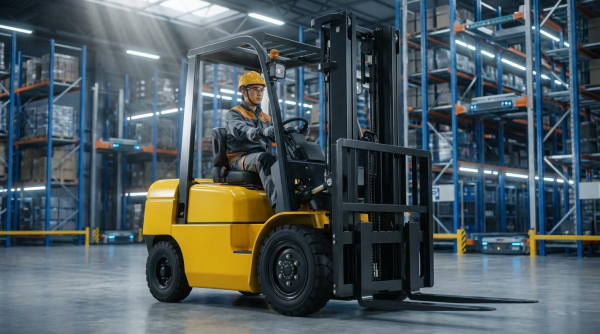
OSHA rules define how to get a pallet truck and fork lift certiication in a plant. The standard in 29 CFR 1910.178(l) set clear duties for employers and operators. These rules apply to powered industrial trucks such as rider forklifts and powered pallet trucks. A compliant program reduces tip‑overs, collisions, and load falls that cause thousands of injuries.
Key Rules In OSHA 29 CFR 1910.178(l)
OSHA 29 CFR 1910.178(l) required employers to train and certify every powered industrial truck operator. The rule focused on safe truck operation, workplace hazards, and performance evaluation. Training had to include both formal theory and practical, hands‑on work. Employers also had to ensure that training matched the exact truck type and site conditions.
The standard required refresher training when operators drove unsafely, had an accident, or conditions changed. It also required an evaluation of each operator at least once every three years. These points are central for any company asking how to get a pallet truck and fork lift certiication that will pass an OSHA audit.
Who Must Be Certified And For Which Trucks
Only trained and competent people could operate powered industrial trucks. This covered sit‑down forklifts, stand‑up trucks, narrow aisle trucks, and powered pallet trucks. Hand pallet jacks without a power source did not fall under this rule.
Certification had to match:
- Truck class and type, such as Class I–V rider trucks or walkie riders
- Power source, such as electric or internal combustion
- Key features, such as rough‑terrain or narrow‑aisle design
If an operator moved to a different truck type, the employer had to give extra training and a new evaluation. Prior training stayed valid only for topics and truck types where the operator already showed competence.
Formal, Practical, And Evaluation Components
OSHA split the process into three parts. This structure still guides how to get a pallet truck and fork lift certiication that is valid nationwide.
Formal instruction covered theory. Typical formats included classroom lessons, online modules, videos, and written tests. Topics had to include:
- Controls, instruments, and stability
- Load handling, capacity, and limits
- Pre‑use checks, fueling, and charging
- Site hazards such as ramps, aisles, and pedestrians
Practical training used the actual or similar trucks. Trainees practiced inspections, picking up loads, traveling, setting loads, parking, and shutdown. A qualified trainer coached and corrected behavior during these drills.
Performance evaluation was the final step. The evaluator observed the operator doing normal tasks in the real workplace. The operator passed only if they applied both theory and practical skills safely and consistently.
Recordkeeping, Validity, And Audit Readiness
OSHA required written certification records for each operator. At minimum, the record had to show:
- Operator name
- Date of training
- Date of evaluation
- Name of trainer or evaluator
Typical certifications stayed valid for three years. However, employers had to give refresher training sooner if the operator had an accident, a near miss, unsafe behavior, or if equipment or conditions changed. A three‑year maximum interval also applied to formal evaluations of each operator.
Plants that wanted strong audit readiness treated records as controlled documents. They kept them organized by operator and truck type. They also logged refresher triggers and follow‑up actions. This approach showed OSHA that the plant did more than issue cards. It proved a living system for safe forklift and pallet truck operation.
Step-By-Step Certification Process For Operators
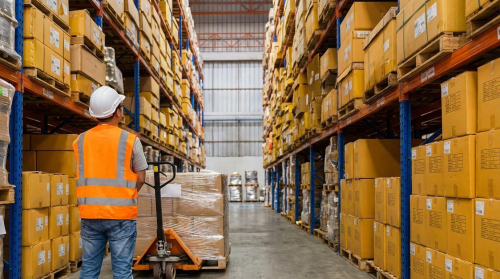
Plants that ask how to get a pallet truck and fork lift certiication need a clear roadmap. OSHA defined a simple but strict flow. Operators complete theory, then hands-on practice, then a documented performance check. Each step must match the truck type and the real workplace hazards.
Eligibility, Medical Fitness, And Age Limits
OSHA required that only trained and competent people operate powered industrial trucks. In practice, employers set entry rules before training starts. Most plants required operators to be at least 18 years old for pallet trucks and forklifts. Basic reading skills were important because operators had to understand manuals, labels, and warning signs.
Medical fitness checks helped prevent incidents. Typical checks focused on vision, hearing, balance, and any condition that could cause sudden incapacity. Plants often used simple fit-for-duty exams rather than complex medical tests. If an operator’s condition changed, supervisors reviewed fitness again before allowing truck use.
Online Theory Training And Testing Structure
Formal instruction answered the first part of how to get a pallet truck and fork lift certiication. Many employers used online courses to cover OSHA theory. These modules explained truck classes, controls, capacity plates, and stability. They also covered workplace topics like floor conditions, ramps, ventilation, and pedestrian routes.
Online courses usually included short lessons with quizzes. Typical pass marks ranged from 70% to 80% on tests. Operators could repeat quizzes until they reached the target score. After passing, they printed or downloaded proof of theory completion. That proof then fed into the site’s hands-on phase and final sign-off.
Hands-On Skills Training On Site Equipment
Hands-on training moved operators from theory to real control of pallet trucks and forklifts. OSHA required practical exercises on the same or similar equipment used at the plant. Trainers first demonstrated pre-use checks, including forks, hydraulics, brakes, horn, and warning devices. Trainees then repeated these steps under supervision.
Plants typically built a simple skills route. It included picking up loads, traveling with and without loads, turning in aisles, using ramps, and parking. Trainers stressed stable loads, low travel height, and clear visibility. They also showed safe battery charging or refueling steps. Training continued until the operator could work smoothly without unsafe habits.
Performance Evaluation And Issuing Cards
The final step in how to get a pallet truck and fork lift certiication was a formal evaluation. A qualified evaluator watched the operator perform typical site tasks. The evaluator used a checklist that covered inspections, control use, speed, load handling, and awareness of people and obstacles. Any critical error meant more training before a retest.
When the operator passed, the employer documented certification. Records included operator name, truck type, training date, evaluation date, and evaluator name. Many plants issued a wallet card or badge showing truck class and expiry date. OSHA expected reevaluation at least every three years or sooner after accidents, near misses, or unsafe behavior.
Building An Effective In-House Training Program

Plants that search for how to get a pallet truck and fork lift certiication often decide to build in-house capability. A structured internal program reduces cost, improves schedule control, and targets real site hazards. To meet OSHA 29 CFR 1910.178(l), the program must combine solid theory, realistic practice, and documented evaluation. Each element below should link directly to the trucks and layouts used in your facility.
Selecting And Qualifying In-House Trainers
Trainer selection is the main design choice for an internal program. Trainers need strong operating skills on every truck class they will teach, including pallet trucks and counterbalance forklifts. They also need clear knowledge of OSHA 1910.178(l) and company rules. Good communication skills matter as much as driving skill.
When choosing trainers, plants usually check four areas:
- Operating experience on site equipment and loads
- Understanding of site hazards, traffic, and near-miss history
- Ability to coach, stop unsafe acts, and give clear feedback
- Time availability to plan, deliver, and document training
Management should issue a written trainer designation. The record should list the trainer’s name, qualifications, and truck types covered. Periodic observation and refresher coaching keep trainer quality stable as layouts, SKUs, and processes change.
Structuring Site-Specific Curriculum And Drills
An in-house curriculum must still answer how to get a pallet truck and fork lift certiication in a way that matches OSHA content. Start with the OSHA truck-related and workplace-related topic lists. Then map each topic to your truck fleet, loads, and travel paths. This prevents generic slides that do not match real risks.
A simple structure works well:
- Classroom or online theory for basic principles and rules
- Walk-around inspections on actual trucks in your plant
- Progressive driving drills in low-risk areas
- Applied tasks that copy daily production moves
Drills should reflect real constraints. Examples include tight rack aisles, blind corners, dock plates, cold rooms, and mixed traffic with pedestrians. For pallet trucks, add exercises for loading and unloading trailers, entering pallets, and handling short turns. Document which drills are mandatory for each job role and truck type.
Integrating Refresher And Change Management
OSHA required refresher training when operators drive unsafely, have an accident, or face new conditions. Plants should embed this into routine change management. Link refresher triggers to incident reports, near-miss trends, and layout or equipment changes. This keeps the program responsive, not just calendar-based.
A practical approach is to set three levels:
- Event-based refresher after an incident or unsafe act
- Change-based refresher when new trucks or layouts arrive
- Time-based review at least every three years
Short toolbox talks can support small changes. Larger changes, such as new racking or new truck classes, need full evaluations. Always update written procedures, floor markings, and traffic plans in parallel. Align these updates with your management of change process so training is never an afterthought.
Cost, Productivity, And Safety Performance
An in-house program directly affects cost, throughput, and incident rates. External courses often charge per person and per truck class. Internal trainers can spread fixed preparation time across many operators and shifts. Plants often use internal programs to cut training cost per operator while matching OSHA rules.
To track value, define clear metrics:
| Metric group | Example indicators |
|---|---|
| Cost | Training hours per operator, external fees avoided |
| Productivity | Time to qualify new hires, loading cycle time, dock queue length |
| Safety | Forklift and pallet truck incidents, near-miss reports, property damage |
Review these indicators quarterly. If incidents stay high, increase practical time or tighten evaluations. If qualification time is long but incidents are low, refine drills to focus on the highest-risk tasks. A balanced in-house program will support safe operation while keeping material flow reliable and predictable.
Summary And Compliance-Focused Conclusion
Plants that ask how to get a pallet truck and fork lift certification need a clear, repeatable process. OSHA 29 CFR 1910.178(l) required employers to control that process, from theory to hands-on checks and records. Certification stayed truck‑specific and site‑specific, so copy‑paste training never worked for long.
The technical core was stable. Operators needed formal theory, practical drills on real equipment, and a scored evaluation. Employers then issued cards and kept records with names, dates, truck types, and trainer details. Validity typically ran for three years, with mandatory refresher training after incidents, unsafe behavior, or major workplace changes.
For industry, structured programs cut collisions, tip‑overs, and load drops by improving stability awareness, inspection habits, and hazard spotting. Plants that built strong in‑house programs lowered per‑head training cost and aligned content with floor layouts, traffic routes, and shift patterns. Online theory modules added flexibility but never replaced on‑truck skill checks.
Implementation stayed practical. Plants defined which trucks needed certification, screened operators for age and fitness, and mapped a simple path: online or classroom theory, site drills, evaluation, then card issue. Periodic audits of training files, observation rides, and near‑miss reviews kept programs honest. Over time, digital tools for scheduling, tracking expiry dates, and storing records reduced admin load and improved audit readiness.
Looking ahead, certification programs will likely blend short digital modules, data from equipment telematics, and tighter refresher cycles. Yet the fundamentals will not change. Safe plants will still rely on clear rules, competent trainers, realistic drills, and operators who understand both their trucks and their workplace risks.