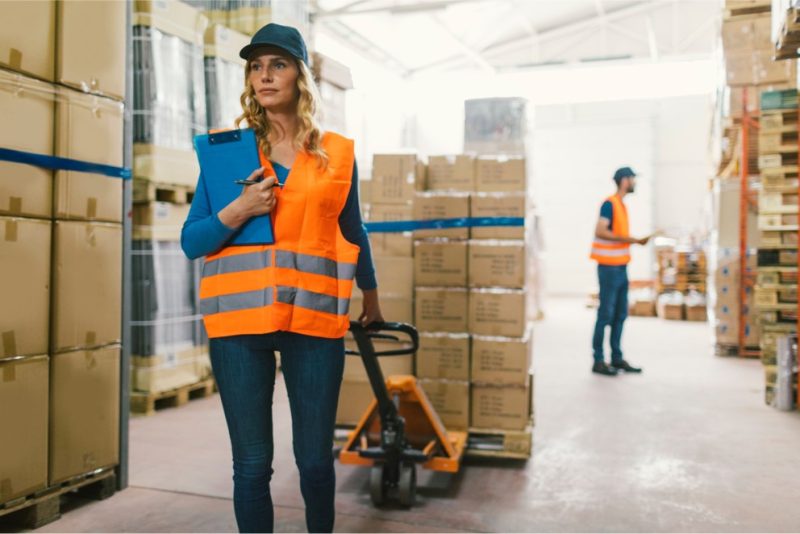
Workers searching how to get a pallet truck and fork lift certiication usually need clear steps, not vague advice. This article explains the full certification journey, from legal standards and operator eligibility to course formats and assessment setups.
You will see how OSHA, ISO, and local rules shape training content for both pedestrian pallet trucks and ride‑on forklifts. The middle sections compare online theory, practical modules, and in‑house versus outsourced training, including cost and resource impacts.
Finally, the summary section gives a structured method to choose the right certification strategy for single‑site and multi‑site operations. Safety managers, supervisors, and engineers can use it to align compliance, risk control, and day‑to‑day material handling efficiency with walkie pallet truck and other equipment in their fleets.
Regulatory Standards For Forklift And Pallet Truck Training
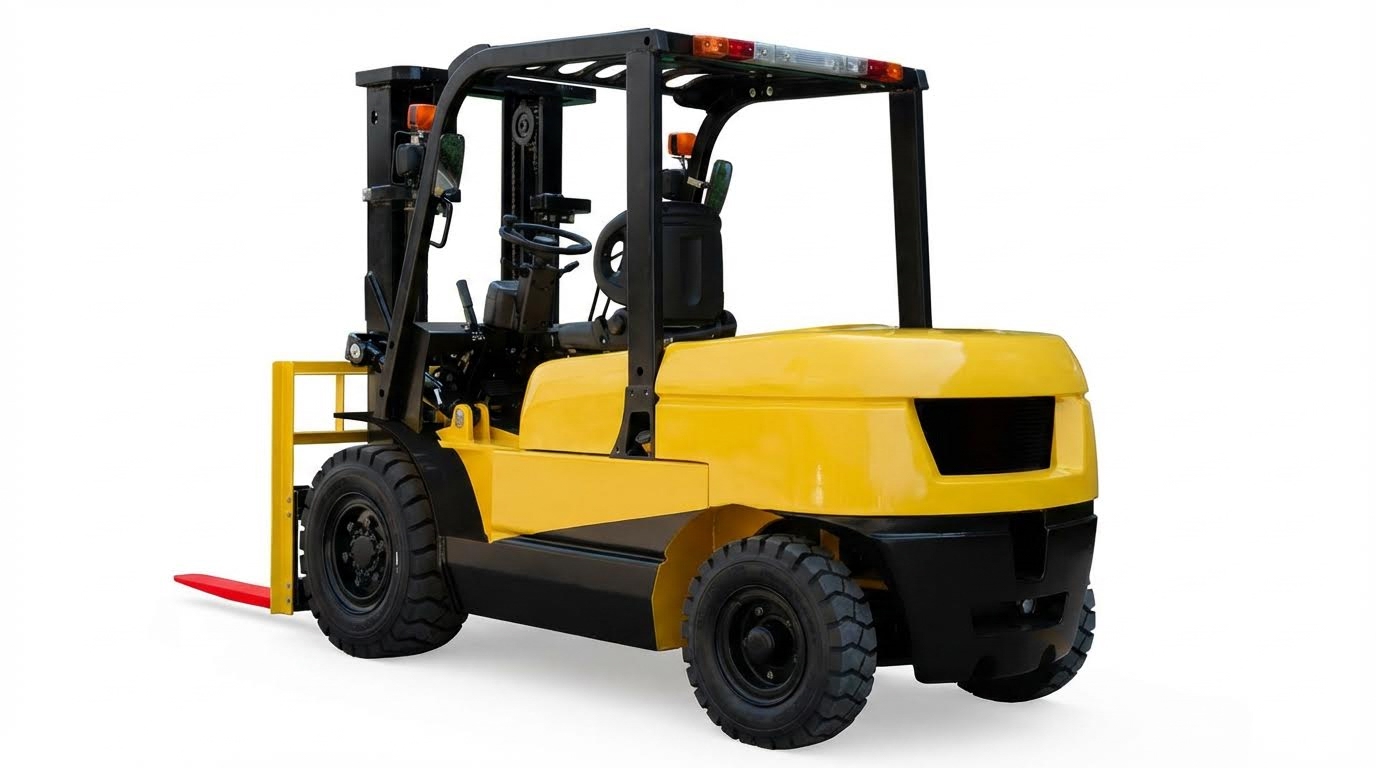
Regulatory standards define how to get a pallet truck and fork lift certiication in a safe and repeatable way. They specify who may operate each truck type, what training is mandatory, and how often to reassess skills. Engineers, safety managers, and HR teams must align on these rules before booking any course or designing in‑house programs.
OSHA, ISO, And Local Legal Requirements
OSHA treated forklifts and powered pallet trucks as powered industrial trucks. Employers had to give formal instruction, practical training, and an on‑the‑job evaluation before any unsupervised use. Certification stayed valid for three years, but incidents or unsafe acts triggered earlier refresher training.
Online theory courses helped cover OSHA content, but they did not replace the employer’s duty to give site‑specific hands‑on training. ISO standards and manufacturer manuals supported this by defining safe operating envelopes, inspection steps, and maintenance intervals. Local regulators, such as SafeWork or Worksafe in some regions, added extra rules for identity checks, training hours, or high‑risk work licences.
In Japan, law split forklift training by capacity. Operators of trucks over 1 tonne needed a Forklift Operation Skills Course. Those under 1 tonne needed Special Education. Operating without the right licence exposed both the worker and employer to fines and possible jail terms.
Equipment Types And Risk Classifications
Regulations treated different truck types with different risk levels. Pedestrian pallet trucks and walk‑behind stackers were lower risk than rider forklifts, but still needed structured training. Courses for how to get a pallet truck and fork lift certiication usually grouped machines into powered pallet jacks, counterbalance forklifts, narrow‑aisle trucks, and rough‑terrain units.
Risk level depended on factors such as:
- Operator position: walking, standing, or seated
- Rated capacity and lift height
- Operating area: warehouse, yard, or public interface
- Load type: pallets, stillages, or irregular loads
Higher‑risk classes, such as rough‑terrain or high‑reach trucks, often required longer courses and tighter assessment. In some countries, certain capacities or boom types fell under high‑risk work licence schemes with mandatory approved providers.
Age, Language, PPE, And Medical Fitness Criteria
Most regulators set a minimum age of 18 years for powered industrial truck operators. This applied to both forklift and electric pallet truck certification. Trainees also had to read and understand the training language, often English, to follow safety instructions and pass written tests.
Course providers and employers required basic PPE. Typical items included safety boots, high‑visibility vests, and hard hats in areas with overhead loads. Medical fitness was equally important. Operators needed adequate vision, hearing, and mobility to judge distance, control the truck smoothly, and react to hazards.
Some employers added internal screening for conditions such as uncontrolled epilepsy or severe heart issues. These checks reduced the chance of sudden incapacity while driving. Clear policies on fitness to operate helped defend the company’s certification process during audits or investigations.
Penalties And Liabilities For Non‑Compliance
Operating a forklift or powered pallet truck without proper certification carried serious penalties. In Japan, the Labor Safety and Health Act allowed fines and even imprisonment for unlicensed operation. Similar frameworks in other countries empowered regulators to issue improvement notices, stop‑work orders, or large financial penalties.
Liability did not stop at the operator. Employers were responsible for providing compliant training, keeping records, and enforcing licence rules. After an incident, investigators examined training logs, evaluation forms, and licence dates. Missing or expired documents weakened the company’s legal position.
Insurance implications were also significant. Insurers could dispute claims if operators lacked valid certification or if refresher training was overdue. For any business planning how to get a pallet truck and fork lift certiication program in place, understanding these penalties made the business case clear. Robust training and documentation cost far less than a serious accident, prosecution, or uninsured loss.
Certification Pathways And Course Structures
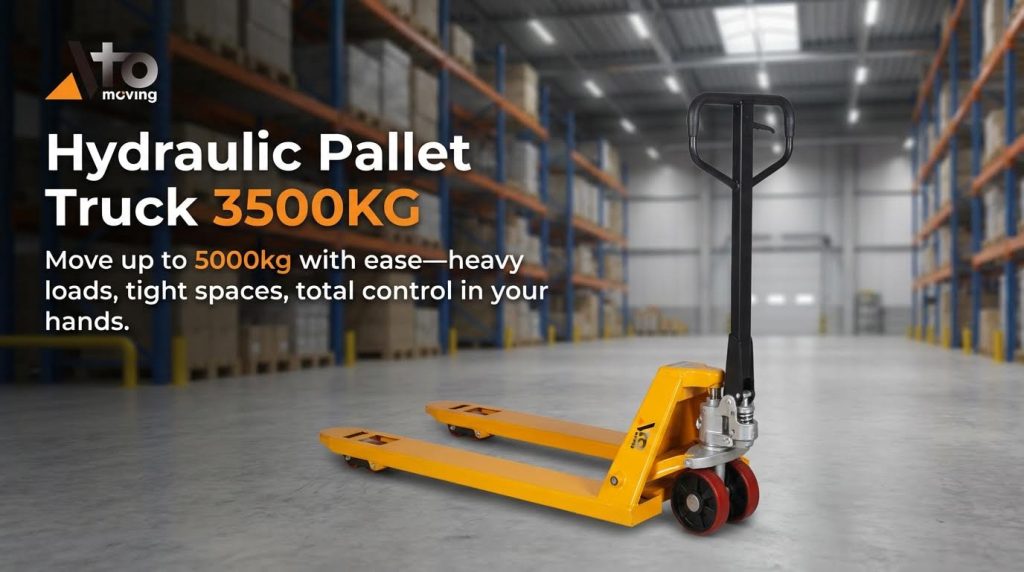
Certification pathways answer a core search question: how to get a pallet truck and fork lift certiication that meets legal and site rules. Training structures must link online theory with supervised practice and formal evaluation. A clear pathway reduces incident risk and supports hiring, especially in warehousing and logistics. The sections below explain licence types, course formats, renewal rules, and assessment conditions.
Pedestrian Pallet Truck Vs. Forklift Licences
Pedestrian pallet truck courses normally cover low‑risk, walk‑behind, and rider pallet trucks. These courses focus on short travel distances, low lift heights, and tight spaces. In many regions they do not count as high‑risk work licences, but employers still treat them as mandatory. Forklift licences cover higher capacities, mast lifting, and stacking at height. Regulators often split licences by rated capacity, for example below or above 1 tonne, or by truck class.
Key differences usually include:
| Aspect | Pedestrian pallet truck | Forklift |
|---|---|---|
| Risk level | Lower, short lifts | Higher, elevated loads |
| Typical course | Non‑accredited certificate | National or high‑risk licence |
| Content focus | Walk‑behind control, low racking | Mast stability, stacking, traffic |
| Legal status | Employer duty based | Often licence in law |
Operators often start with manual pallet jack, then progress to forklifts after more hours and extra theory.
Online Theory, Practical Training, And Evaluation
Modern pathways split learning into three blocks. First is formal instruction, often online. These modules cover physics of lifting, stability triangles, load charts, and OSHA or local rules. Typical online courses take about two hours and include quizzes. Second is hands‑on practice under a competent trainer. This step uses the actual pallet trucks or forklifts on site. Trainees complete pre‑start checks, move loads at different heights, and work in confined areas.
Third is the operator evaluation. A supervisor or qualified assessor observes real tasks. They score speed control, steering, fork positioning, and shutdown steps. Some providers add written tests to confirm hazard recognition. For people asking how to get a pallet truck and fork lift certiication fast, blended models work well. Online theory reduces classroom time, while on‑site practice keeps training specific to the workplace.
Licence Duration, Renewal, And Refresher Triggers
Forklift and pallet truck certificates rarely last for life. In OSHA systems, powered industrial truck certification stays valid for three years. After that, employers must re‑evaluate each operator. Many companies schedule refresher training on the same three‑year cycle. Other regions set fixed licence periods and require a full renewal course and test. Operators should track expiry dates the same way they track other safety tickets.
Refresher training is also required when certain events happen. Typical triggers include:
- A recorded incident, near miss, or property damage
- Change of truck type, attachment, or fuel type
- Change in layout, racking, or traffic routes
- Poor driving seen during routine supervision
For pallet trucks, employers often mirror forklift rules, even when law is less strict. This keeps standards consistent across the fleet.
Site And Equipment Requirements For Assessments
Assessment quality depends on the test environment. For pallet trucks and forklifts, sites need a safe, marked operating zone. This area should include straight runs, turns, and simulated aisles. Assessors also need racking or load stations at different heights. That allows checks of approach, lift, place, and withdrawal. For indoor theory or briefings, a room with tables, chairs, and a screen is normally enough. Identity checks, age limits, and language skills must match local rules.
Trucks used for testing must be in safe, serviceable condition. Daily inspection records should be current. Loads should represent real work, not just empty pallets. Typical setups include mixed pallets, different weights, and obstacles. This structure lets assessors see hazard scanning, route planning, and parking discipline. For companies planning how to get a pallet truck and fork lift certiication program on site, these physical requirements are a key early design step.
In‑House, Outsourced, And Hybrid Training Models
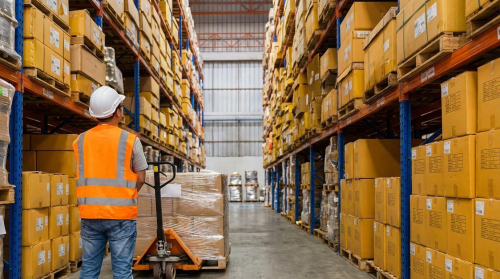
Companies that ask how to get a pallet truck and fork lift certiication must also choose the right training model. The model affects compliance risk, cost per operator, and how fast new staff become productive. This section compares in‑house, outsourced, and hybrid approaches, focusing on powered pallet trucks and forklifts under OSHA‑style rules and similar global standards.
Cost And Resource Analysis For Training Options
Cost structures differ sharply between in‑house and outsourced training. In‑house programs use a fixed‑cost model. Employers pay for internal trainers, course development, facilities, and training trucks, then spread these costs across many operators. This works best where staff turnover is high or where multiple shifts and sites need frequent courses.
Outsourced training follows a variable per‑person model. Providers charge per participant or per group, often including theory, practical training, and evaluation. This can be efficient for small teams or rare certification needs. However, cost escalates when sites train large groups or repeat sessions due to three‑year recertification cycles.
A simple comparison helps structure decisions:
| Aspect | In‑house | Outsourced |
|---|---|---|
| Cost pattern | High fixed, low marginal | Low fixed, per‑head fees |
| Scalability | Strong for large workforces | Better for small groups |
| Admin workload | Internal scheduling and records | Provider handles logistics |
| Multi‑site use | Spreads cost across locations | Travel and call‑out fees |
Hybrid models mix both. Companies often buy online theory modules and external evaluations for high‑risk trucks, while using internal briefings for pallet trucks and simple renewals.
Train‑The‑Trainer And Self‑Study Implementation
Train‑the‑trainer programs let employers run in‑house courses that still align with OSHA or national standards. A selected employee completes a structured course that covers regulations, instructional techniques, and operator evaluation methods. After this, the internal trainer can deliver classroom theory, supervise practical driving, and sign off evaluations for pallet truck and forklift operators.
Self‑study formats support this model. Providers supply manuals, videos, and test banks so trainers can learn at their own pace and refresh content when rules change. This reduces dependence on external schedules and cuts repeat course fees. It works well where training demand is steady but not large enough to justify a full‑time instructor team.
To keep quality high, companies should:
- Define trainer prerequisites, such as experience hours on each truck type.
- Use standard lesson plans and checklists for all sites.
- Audit a sample of courses and evaluations each year.
This structure answers how to get a pallet truck and fork lift certiication in a repeatable way across departments.
Aligning Training With Site‑Specific Hazards
Generic courses rarely cover every risk on a real site. In‑house and hybrid models allow companies to bolt site‑specific content onto standard forklift and pallet truck modules. This is critical where layouts, load types, or traffic patterns differ from textbook examples.
Typical local hazards include:
- Narrow aisles, blind corners, and mixed pedestrian traffic.
- Racking at multiple heights and mezzanine edges.
- Uneven floors, dock plates, and external yards.
- Special loads such as long pallets, drums, or unstable shrink‑wrap.
Engineering and safety teams should map these hazards and convert them into training scenarios. For example, practice routes can include tight turns, simulated blocked aisles, and stacking at maximum allowed height. Assessment checklists should verify that operators perform pre‑start checks, speed control, horn use, and parking rules under these real conditions.
Outsourced trainers can still address site‑specific risks if the company supplies hazard registers and traffic plans in advance. Hybrid models often use external providers for core skills, then add short internal modules on local rules and near‑miss history.
Digital Records, Cards, And Multi‑Site Consistency
Digital systems now play a key role in how to get a pallet truck and fork lift certiication and keep it valid. Online training portals issue certificates of completion, track expiry dates, and store test scores. Some providers also issue plastic cards that operators carry, while employers keep the digital records for audits.
For multi‑site operations, consistency is a major challenge. Different locations may use different trainers, truck types, or languages. A central digital system can standardize:
| Element | Standardization goal |
|---|---|
| Course templates | Same core theory for all sites |
| Practical checklists | Common pass criteria per truck class |
| Refresher triggers | Uniform rules for incidents and near‑misses |
| Document formats | Shared card and certificate layouts |
In‑house programs often use learning management systems to assign online theory, schedule practical sessions, and log evaluations. Outsourced providers may give portal access that integrates with internal HR systems. Hybrid setups combine both, but should avoid duplicate records and unclear ownership of data. Clear rules on who updates what reduce gaps during audits or regulator inspections.
Summary: Choosing The Right Certification Strategy
Choosing how to get a pallet truck and fork lift certification should link safety, law, and cost. The right strategy depends on headcount, risk profile, and how fast you must deploy trained operators.
From a compliance view, any option must meet OSHA or local legal rules. That means formal theory, hands-on practice, and an on-the-job evaluation, with refresher training after incidents or at least every three years. For low-risk pedestrian pallet trucks, shorter courses and non-accredited certificates can work, while higher-risk forklifts often need longer, licence-grade programs and strict age, language, and PPE rules.
In-house training suits large or multi-site fleets. Fixed costs spread across many operators and support site-specific content, but you must invest in trainers, assessment areas, and digital records. Outsourced training gives expert instructors, current materials, and lower admin effort, yet per-person fees rise quickly for big groups. Hybrid models use external providers for core skills and in-house sessions for local hazards and change management.
Over the next years, expect more blended learning, remote theory modules, and cloud record systems that track cards and expiry dates across sites. Whatever model you choose, keep one rule: certification must reflect real risk on your floor, not just a paper card.