
Safe walkie stacker battery charging depends on controlled charging areas, trained staff, and the right tools. This guide explains how to charge walkie stacker batteries step by step, from OSHA-compliant lead-acid procedures to modern lithium-ion routines and smart chargers.
You will see how designated charging zones, PPE, ventilation, and handling gear reduce explosion and acid exposure risks. The article then walks through detailed lead-acid charging workflows, lithium opportunity charging and maintenance, and finally summarizes how to combine safety, uptime, and energy efficiency in daily operations.
Core Safety Rules For Walkie Stacker Charging

Core safety rules define how to charge walkie stacker batteries without creating electrical, chemical, or fire hazards. OSHA rules treated battery rooms as high-risk zones because of acid, heavy batteries, and explosive gas. A clear procedure reduced accidents, protected equipment, and extended battery life. The following subsections explain how to set up charging areas, protect operators, control gas, and handle batteries safely.
OSHA-Compliant Designated Charging Areas
OSHA required employers to set up clearly marked battery charging areas. Only trained and authorized staff could change or charge batteries. The area had to keep chargers protected from impact by trucks or stackers. Operators had to park with brakes applied and controls off before any connection.
Engineering design of a charging zone for how to charge walkie stacker safely usually considered:
- Dedicated space with restricted access and clear signage.
- No smoking and no open flames or hot work nearby.
- Acid-resistant floors or floor protection under batteries.
- Racks and trays strong enough and resistant to electrolyte.
Unsealed lead-acid batteries needed rooms or enclosures with outside venting. Layouts also had to keep clear aisles for escape routes and emergency access.
Personal Protective Equipment And Emergency Eyewash
Lead-acid batteries contained sulfuric acid that could burn skin and eyes. OSHA therefore required suitable personal protective equipment in battery areas. Typical PPE included chemical-resistant gloves, aprons, and face shields when handling electrolyte or wet batteries. Operators also needed safety footwear with good grip due to possible spills.
Facilities had to install emergency eyewash and drench showers close to the charging zone. OSHA guidance placed these within about 7.6 metres of the hazard. Plumbed or approved portable eyewash units had to deliver a steady water flow for at least 15 minutes. Small squeeze bottles only provided first response and could not replace full stations. Clear signage and unobstructed access were essential so injured staff could reach eyewash quickly.
Ventilation, Hydrogen Gas, And Ignition Control
During charging, lead-acid batteries released hydrogen and oxygen. Hydrogen formed an explosive mix with air if it reached about 4% concentration by volume. Engineers therefore had to size ventilation so gas never accumulated around chargers or battery tops. Good practice used general room ventilation plus local exhaust for dense installations.
Key design and operating points included:
- Keep vent caps in place and in good condition during charging.
- Keep vent holes clear so gas could escape from cells.
- Place chargers and batteries in rooms with steady air changes.
- Prevent gas from migrating into offices or other occupied zones.
Ignition control was as important as airflow. Sites had to ban smoking, open flames, and spark-producing work in the charging area. Electrical gear near batteries had to be suitable for the environment and protected from impact. Operators had to switch chargers off before connecting or disconnecting leads to avoid arcing at the terminals.
Battery Handling Tools, Positioning, And Restraint
Walkie stacker traction batteries were heavy and could weigh over 1,000 kilograms in larger trucks. Manual lifting was not acceptable. OSHA required conveyors, hoists, or equivalent lifting devices for battery change-out. These devices had to use nonconductive slings, hooks, or beams so no live terminals were bridged. Chains alone were not acceptable as a pulling device because they could slip or short.
Before any lift, the operator had to park the stacker, apply the brake, and isolate controls. Battery rollout systems helped move the battery safely out of the compartment. Handling tools and spreader bars had to match the battery weight and centre of gravity. During movement, filler caps stayed in place to avoid spills.
When reinstalling, the battery had to sit square in the compartment and be fully restrained. Clamps or hold-downs prevented movement under braking or impact. Insulation or covers reduced the risk of tools or loose metal touching terminals. Keeping cables routed and supported avoided chafing and unwanted strain on connectors.
Step-By-Step Lead-Acid Battery Charging Procedure
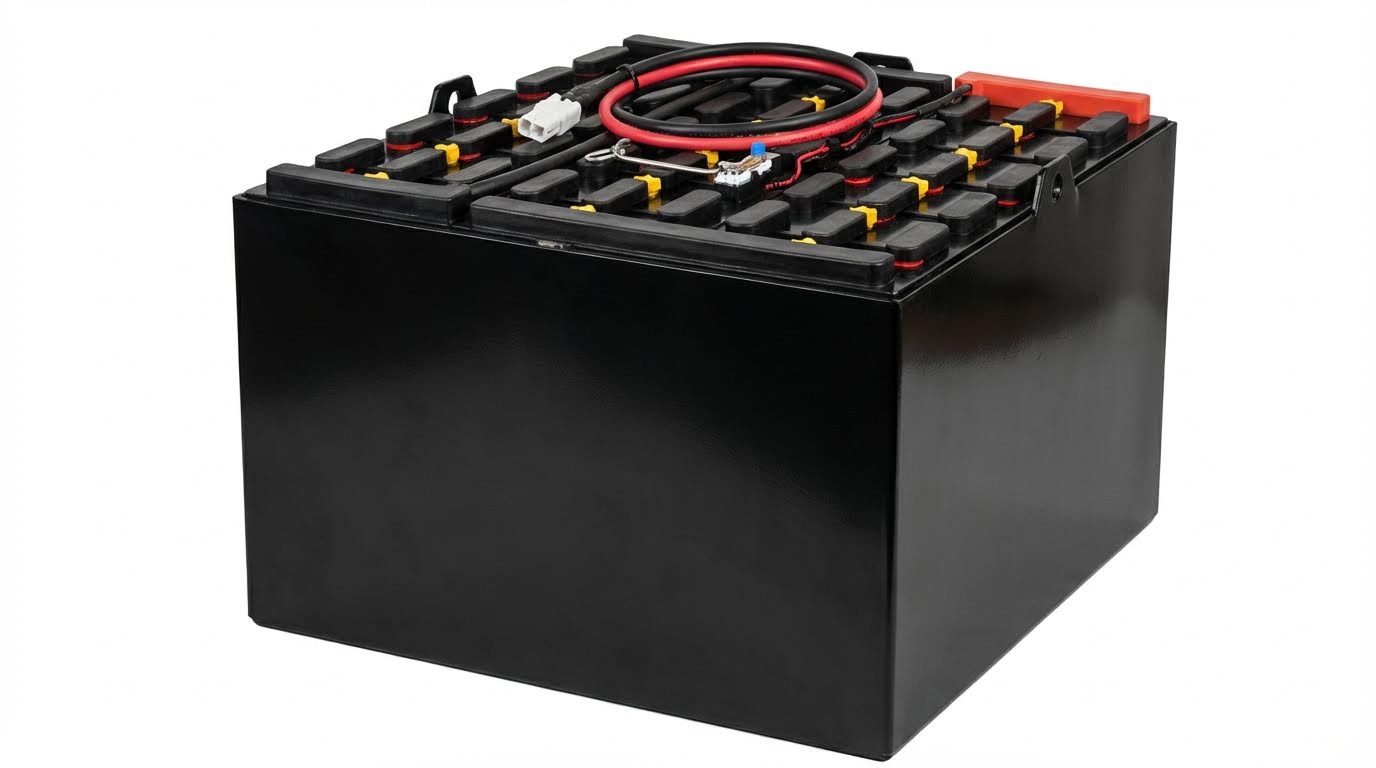
Lead-acid systems still powered most walkie stackers in warehouses and plants. Safe charging needed a repeatable, written process. When teams searched how to charge walkie stacker batteries, they needed more than a simple plug-in guide. This section broke the process into clear steps that aligned with OSHA rules and typical manufacturer manuals.
Pre-Charge Inspection And Lockout Of The Stacker
Operators had to verify the walkie stacker was safe before connecting any charger. They parked on level ground, applied the parking brake, and lowered forks fully. Controls, lights, and accessories had to be turned off to remove load from the battery.
A quick inspection focused on leaks, cracked cases, damaged cables, and loose connectors. Corrosion on terminals or battery trays signaled poor maintenance and needed correction before charging. Trained personnel then applied lockout or key removal according to site rules so nobody could move the stacker during charging.
For facilities optimizing how to charge walkie stacker fleets, standard checklists helped. These checklists reduced missed defects and supported consistent OSHA-compliant practice across shifts.
Connecting And Disconnecting The Charger Safely
Chargers had to be located in designated, protected areas. Operators first confirmed charger ratings matched battery voltage and capacity. They ensured the charger was turned off before handling leads.
A typical safe sequence looked like this:
- Verify vent caps were in place and vent holes open.
- Connect the charger leads to the battery terminals with correct polarity.
- Check that clamps were tight and insulated from the truck frame.
- Switch on the charger and confirm status indicators.
Hydrogen generation increased as charge progressed, so ignition sources were banned. To finish, operators turned the charger off, waited for indicators to stabilize, and then removed leads. This sequence reduced arcing at connectors and extended connector life.
Watering, Electrolyte Handling, And Corrosion Control
Lead-acid walkie stacker batteries lost water during charging due to gassing. Best practice was to check electrolyte levels after full charge, not before. Operators topped up only to the marked level using distilled or deionized water.
Electrolyte handling required face shields, rubber gloves, and acid-resistant aprons. Large containers needed carboy tilters or siphons to avoid manual lifting and splashing. Floors, racks, and trays near charging stations had to resist acid attack.
Corrosion on terminals increased resistance and heat. Maintenance teams cleaned buildup with approved neutralizing solutions and ensured vent caps remained functional. Clear labeling and housekeeping around the charging zone helped new staff learn how to charge walkie stacker batteries without chemical exposure incidents.
Battery Change-Out, Lifting Devices, And Rollout Systems
High-duty applications often required battery change-out instead of long charge waits. Before removal, the walkie stacker had to be secured with brakes applied and forks grounded. Only trained staff were allowed to change batteries due to crush and arc risks.
Engineers specified nonconductive lifting beams, conveyors, or overhead hoists for heavy industrial batteries. Chains alone were not acceptable because they could slip or short terminals. Rollout systems improved safety by supporting the battery as it slid out of the compartment.
Key controls for safe change-out included:
- Keeping metallic tools away from uncovered cells.
- Ensuring batteries were centered and fully seated on trays.
- Securing the reinstalled battery to prevent movement during travel.
- Inspecting cables and connectors before putting the stacker back in service.
When facilities reviewed how to charge walkie stacker fleets efficiently, they often combined safe change-out hardware with clear traffic markings and impact protection around charging racks. This reduced equipment damage and unplanned downtime.
Lithium-Ion Charging, Smart Chargers, And Maintenance

Lithium systems changed how to charge walkie stacker fleets. They allowed fast partial charges and reduced manual maintenance. This section explains safe lithium charging routines, smart charger use, battery life protection, and connected monitoring. It helps engineers and supervisors design charging programs that match shift patterns, energy limits, and safety rules.
Opportunity Charging Routines For Lithium Walkie Stackers
Opportunity charging means you charge whenever the walkie stacker is idle. Operators plug in during breaks, shift changes, and loading pauses. Lithium packs accept partial charges without memory effect or damage. This allows frequent top‑ups instead of deep cycles.
For busy warehouses, engineers can define standard touch points. Typical examples include:
- Connect during meal and rest breaks.
- Connect during planned staging or waiting time.
- Connect at shift handover or task change.
High‑power lithium systems can recover a large share of capacity in 30–60 minutes, depending on charger rating. This reduces the need for spare batteries and change‑out equipment. To keep usage predictable, sites should set minimum plug‑in thresholds, for example connect when state of charge drops below a set value. Clear floor markings and parking rules help keep charging lanes safe and organized.
Smart Chargers, Load Management, And Energy Costs
Smart chargers improved how to charge walkie stacker fleets in dense warehouses. They adjust current to battery condition and temperature. They also coordinate power draw when many trucks connect at once. This protects both batteries and building electrical systems.
Key smart charger functions usually include:
| Function | Benefit |
|---|---|
| Automatic charge profile control | Reduces overcharge and heat |
| Dynamic power limitation | Limits peak demand at the panel |
| Charge scheduling | Shifts load to cheaper tariff periods |
| Battery ID and logging | Tracks misuse and aging trends |
Engineers can group chargers on dedicated circuits and use load management to cap total kW. This helps avoid demand charges from utilities. It also reduces nuisance trips of breakers during busy charging windows. When planning how to charge walkie stacker fleets, designers should size wiring, breakers, and ventilation to the worst‑case simultaneous load defined by the smart system.
Extending Lithium Battery Life Through Proper Use
Correct operating habits strongly affect lithium life cycle cost. Deep full discharges increase stress and heat. Very high or very low temperatures also reduce service life. A clear use policy should define allowed charge windows and storage rules.
Typical life‑extension practices include:
- Avoid running packs to empty in normal operation.
- Keep state of charge in a mid band when possible.
- Charge in temperature ranges recommended by the maker.
- Store idle machines partly charged in cool, dry areas.
Unlike lead‑acid units, lithium packs do not need watering or equalize charges. However, operators still must inspect cables, connectors, and housings for damage. Training should explain that fast partial charging is normal and preferred. Clear dashboards or state‑of‑charge displays help operators decide when to plug in without guesswork.
Monitoring, Predictive Maintenance, And IoT Integration
Modern lithium packs usually include a battery management system. Many systems share data over Wi‑Fi, cellular, or fleet networks. This data shows state of charge, temperature, fault codes, and charge history. Engineers can use it to refine how to charge walkie stacker fleets and reduce downtime.
IoT platforms can:
- Flag chronic deep discharges or missed charges.
- Detect abnormal temperature rise during charging.
- Predict capacity fade and schedule replacements.
- Correlate battery events with truck usage patterns.
Maintenance teams can move from reactive swaps to planned interventions. They can adjust charger locations or policies when data shows congestion or misuse. Integration with warehouse management or fleet software supports energy reporting and safety audits. Over time, this feedback loop improves both battery life and shift productivity while keeping charging behavior within safe limits.
Summary: Safe, Efficient Walkie Stacker Battery Charging
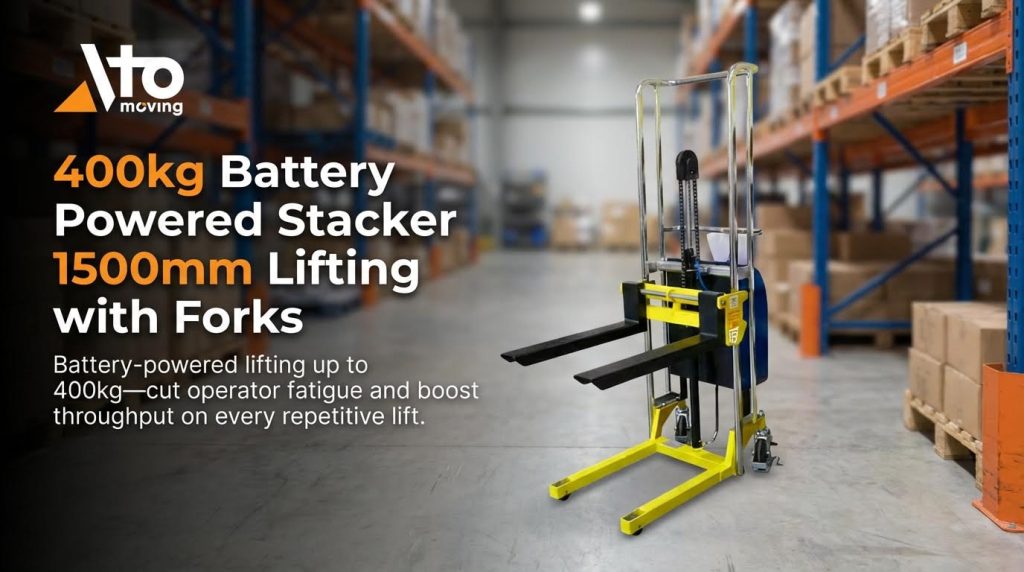
Safe, efficient charging starts with trained operators and controlled areas. Any facility that asks how to charge walkie stacker batteries must separate lead-acid and lithium routines. The goal is simple. Protect people, protect equipment, and maximize runtime at the lowest energy cost.
Lead-acid charging worked best in designated bays with ventilation, acid-resistant floors, and protected chargers. Operators parked with brakes applied, turned off the stacker, and locked it out before connecting. Vent caps stayed in place, eyewash and drench showers sat within reach, and insulated tools handled heavy batteries. Racks, trays, and rollout systems reduced crush and drop risks from batteries that could weigh over 1,000 kilograms in large trucks.
Lithium walkie stackers used a different model. Operators plugged in whenever the truck stopped, using opportunity charging to keep state of charge high. Smart chargers and load management cut peak demand and energy waste. Lithium packs needed almost no routine maintenance, but they still needed temperature control, correct chargers, and basic monitoring.
Future charging programs will link chargers, stackers, and fleet software. IoT data will predict failures, balance loads, and plan charge windows around shifts. Sites that standardize procedures, train operators, and select the right chemistry for each duty cycle will see fewer incidents, longer battery life, and better uptime from every walkie stacker in the fleet.