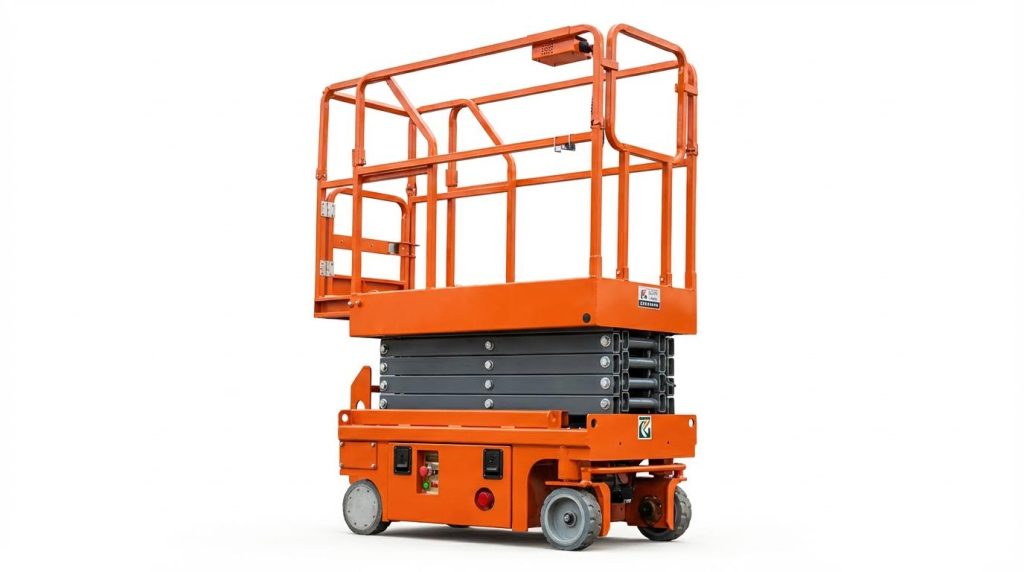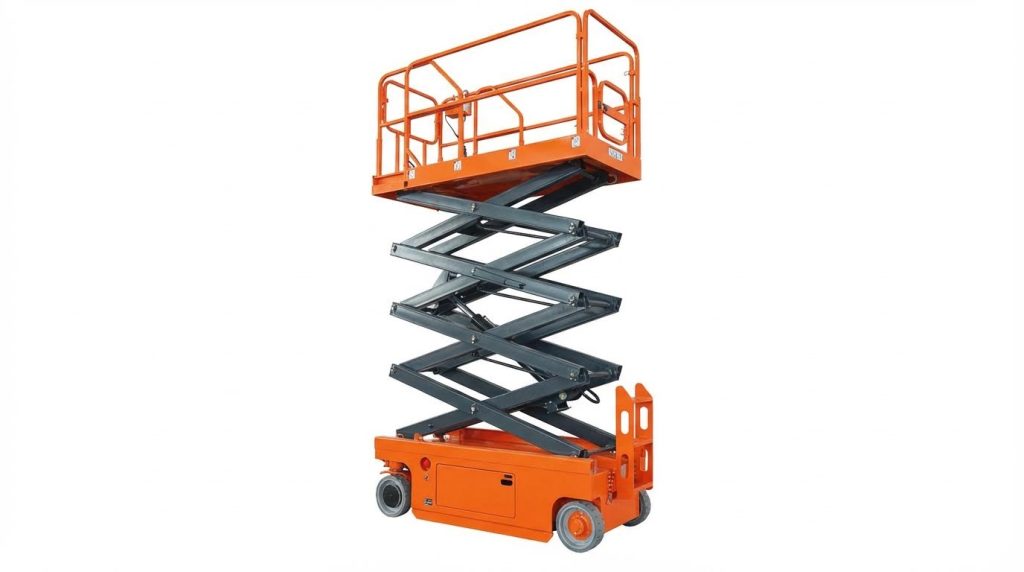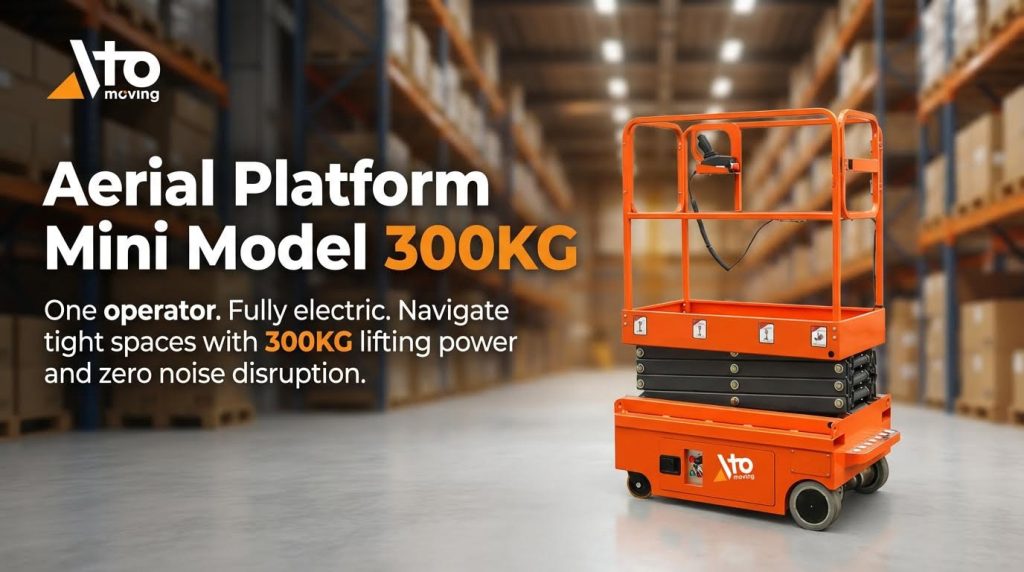
Safe scissor lift work depends on a controlled extension and retraction sequence, not only on good hardware. This article explains how to extend scissor lift platform assemblies and retract them safely across planning, inspection, operation, and shutdown. You will see how OSHA and ANSI rules link to practical checks, load control, and traffic management around the lift. Later sections detail pre-use inspection, step‑by‑step operating sequences, and a final summary of best practices that maintenance, safety, and site teams can apply together.
The full guide connects standards, site conditions, hydraulic and electrical checks, and fault response into one clear workflow. It also shows how disciplined procedures reduce collapse, tip‑over, and electrocution risks during both platform raising and lowering. By the end, you can map your internal instructions to these engineering‑based steps and close gaps in current scissor lift practices.
Core Safety Standards And Risk Controls
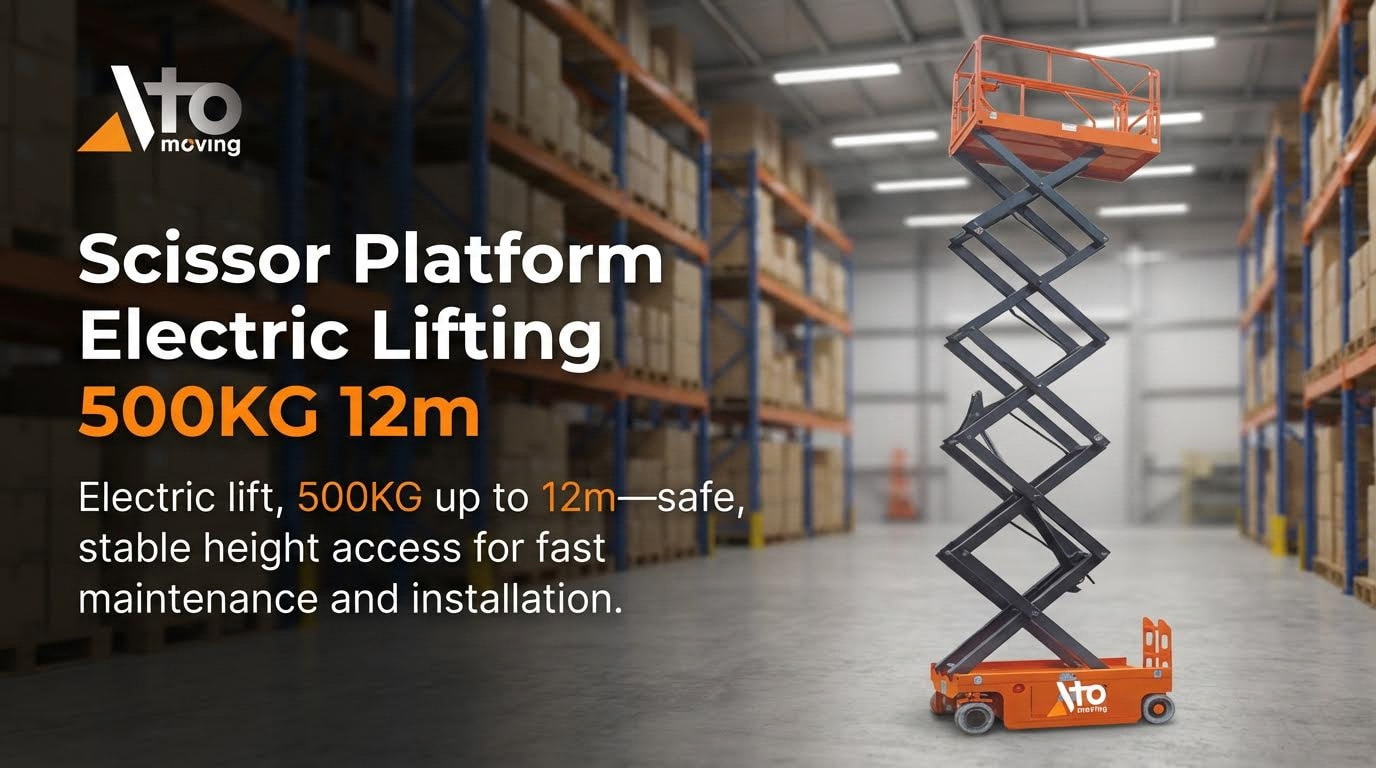
This section explains how to extend scissor lift platform systems safely within current regulatory frameworks. It links OSHA and ANSI rules to practical risk controls for extension, retraction, and positioning. The focus stays on fall prevention, collision avoidance, and structural stability during every movement cycle.
OSHA And ANSI Requirements For Scissor Lifts
OSHA treated scissor lifts as mobile scaffolds. Core rules came from 29 CFR 1910.27, 1910.28, and 1926.451. These standards required employers to manage three main risk groups when planning how to extend scissor lift platform operations:
- Fall hazards from open sides or misuse of guardrails.
- Tip, collapse, or structural failure during lifting.
- Strikes, crushing, or electrocution during travel and positioning.
ANSI A92.3 and A92.6 added design and use criteria. They defined rated load, maximum wind speed, and elevated travel limits. Typical rules required firm, level ground and prohibition of unauthorized modifications. Employers had to train operators on manuals, decals, and safety devices. Both OSHA and ANSI expected pre-use checks of controls, brakes, and emergency lowering systems before any extension.
Fall Protection, Guardrails, And Safe Positioning
Guardrails were the primary fall protection on scissor lifts. Platforms needed top rails, midrails, and toe boards in good condition. Workers had to stand on the deck, not on boxes or planks to gain extra reach. When planning how to extend scissor lift platform height for a task, supervisors had to select a unit with enough platform height instead of allowing improvised elevation.
Safe positioning meant keeping the work within comfortable arm reach. Operators should avoid leaning over rails or climbing on them. Some sites used personal fall arrest systems only when guardrail integrity could not be assured. Good practice kept body weight inside the rail envelope during all movements. Training stressed three points of contact while entering or exiting and a strict rule that no body part may extend beyond the platform during travel or lifting.
Traffic Control, Power Lines, And Overhead Hazards
Traffic control protected the lift from being struck by vehicles or mobile equipment. Typical controls included cones, barriers, and spotters. Facilities often set exclusion zones around the base whenever the platform extended. Ground guides helped when driving near tight aisles or blind corners. These controls were critical when operators focused upward on the work area instead of the floor.
Power lines and overhead conductors created high electrocution risk. OSHA guidance required at least 3 metres clearance from energized lines under most conditions. Electricity could arc, so contact was not required for injury. Before extending, operators had to scan overhead for beams, ductwork, and sprinkler piping that could crush workers between the platform and fixed structures. A simple checklist helped: confirm clearance above, beside, and below the intended path before pressing the “up” control. If conditions changed, the platform had to be lowered and repositioned rather than “squeezed” through gaps.
Load Ratings, Stability, And Collapse Prevention
Every scissor lift carried a rated platform capacity set by the manufacturer. This rating covered people, tools, and materials combined. Safe practice kept actual load below this value and avoided concentrated loads at one end. When planning how to extend scissor lift platform height for a job, engineers had to consider both vertical and horizontal load effects. For example, heavy materials stacked on one side raised overturning moment even if total mass stayed within rating.
Stability depended on several linked factors:
| Factor | Safe practice |
|---|---|
| Ground support | Use firm, level surfaces; avoid voids, trenches, and soft fill. |
| Wind and weather | Stop outdoor work when wind exceeded the unit’s posted limit. |
| Outriggers and leveling | Deploy fully and verify contact before raising. |
| Structural systems | Do not bypass limit switches, safety props, or overload sensors. |
Collapse prevention required regular inspection of scissor arms, pins, welds, and hydraulic components. Operators had to stop immediately if they noticed abnormal noise, jerky motion, or oil leaks during extension. Maintenance teams then locked out power, supported the platform mechanically, and corrected faults before returning the lift to service.
Pre-Operation Inspection And Site Preparation
Pre-operation checks decided whether a scissor lift could extend and retract safely. A structured routine reduced failures when operators asked how to extend scissor lift platform without incident. This stage linked operator training, machine condition, and site risk into one control system. Good preparation also reduced hydraulic faults, instability, and contact with power lines.
Verifying Training, PPE, And Operator Authorization
Only trained and authorized workers should operate a scissor lift. Site supervisors should confirm current training records before handing over keys or access cards. Training needed to cover platform extension sequence, emergency lowering, and shutdown steps. It also needed to explain wind limits, load limits, and crushing hazards near structures.
Operators and riders should wear suitable PPE. Typical items included a hard hat, safety footwear, eye protection, and gloves matched to the task. Where local rules or site policy required it, workers should use a personal fall protection system attached to approved anchor points. The team should agree on hand signals or radio calls before raising the platform, especially in busy traffic areas.
Authorization checks should include a fitness-to-work review for tasks at height. Fatigue, alcohol, or some medicines increased reaction time and should block operation. Contractors should receive site-specific induction so they understood local traffic routes, exclusion zones, and rescue plans.
Structural, Hydraulic, And Electrical Pre-Use Checks
Before extending the platform, the operator should walk around the lift. They should look for bent scissor arms, cracked welds, damaged guardrails, or missing pins. Any visible deformation reduced structural safety and should trigger lockout and maintenance. The platform floor and toe boards should be intact and clean to prevent slips.
Hydraulic checks should focus on leaks, hose damage, and cylinder rod condition. Oil on the ground, wet fittings, or scored rods pointed to likely failure under load. The operator should confirm reservoir level on the sight gauge if fitted and check that the tank cap and filter were seated. During a short test raise, they should listen for abnormal pump noise or rapid oil temperature rise.
Electrical checks should include the main cable harness, connectors, and battery or mains supply. Exposed conductors, crushed cables, or loose plugs increased fire and shock risk. Control boxes should have legible labels for “up,” “down,” and emergency stop. The emergency stop should latch and release correctly. Any error codes on the diagnostic display should be cleared only by competent maintenance staff.
Ground Conditions, Wind Limits, And Work Envelope
Safe extension depended on ground support. The operator should confirm the surface was firm, level, and free from holes, debris, or soft spots. They should avoid manhole covers, trench backfills, or slab joints that could settle under load. If outriggers were fitted, pads or cribbing should spread the load and prevent sinking.
Wind speed limited the safe height of the platform. Outdoor work should stop when wind exceeded the value in the manual. Common guidance limited operation to roughly 12–13 metres per second for typical units, but the manufacturer rating always controlled. Wind effects increased when the platform carried large panels or sheet materials that acted like sails.
The work envelope defined all positions the platform might reach. Before raising, the operator should scan for overhead power lines, beams, pipe racks, and ductwork. A minimum clearance of 3 metres from live power lines was a common baseline, with larger distances for higher voltages. The travel path on the ground should stay clear of drop-offs, ramps, and vehicle routes. Barriers or cones could mark an exclusion zone to keep other equipment away from the lift.
Functional Tests Of Controls, Brakes, And Interlocks
Functional tests confirmed that the lift responded correctly before full-height work. The operator should first test the emergency stop, then the normal “up” and “down” controls at low height. Movement should be smooth, without jerks or hesitation. Any non-movement when pressing a button should lead to checks of overload indicators, interlocks, and hydraulic faults before work continued.
Drive and brake systems needed testing in a safe open area. The operator should move the lift forward and backward, then stop and confirm that parking brakes held the machine on the rated slope. Steering should respond without excessive free play. If the unit used automatic pothole protection, the mechanism should deploy and retract during these checks.
Interlocks and safety devices protected against wrong use. Common examples included tilt sensors, load-sensing systems, and gate switches. The platform should not raise if the gate was open or if the machine exceeded its tilt limit. Override functions, if present, should stay locked and used only by competent personnel under a written procedure. Completing this test routine before each shift gave operators confidence when they later extended or retracted the scissor lift platform at full height.
Safe Extension And Retraction Operating Sequence
Operators who search for how to extend scissor lift platform need a clear, repeatable sequence. A structured extension and retraction routine reduced fall risk, crush hazards, and hydraulic damage. Each step must follow the manufacturer manual and the site procedure. The sub-sections below describe a practical, field-ready sequence from setup to shutdown.
Leveling, Outriggers, And Initial Platform Raise
Before you extend a scissor lift platform, confirm the surface is firm, level, and free of holes, slopes, or debris. If the model has outriggers, deploy them in the order given in the manual and use pads so each foot bears evenly. Check the built-in level indicator or inclinometer and adjust until the chassis sits within the allowed slope, often about 3 degrees or less. Only then switch the control system on and verify that all emergency stop buttons are reset.
Stand at the primary control station and test the “up” command with a short initial raise. Watch for smooth, continuous motion with no jerks, binding, or twist in the scissor stack. Stop after a short stroke and walk around the machine if possible to confirm that all outriggers stay firmly seated. If you see wheel lift, pad crushing, or frame lean, lower fully, re-level, and correct the support before any further lift.
Controlled Lifting: Speed, Clearances, And Body Position
When planning how to extend scissor lift platform safely, control of speed and clearances is critical. Use the lowest practical lift speed near overhead structures, pipework, and power lines. Maintain at least 3 metres horizontal and vertical clearance from live conductors unless a higher standard applies. Keep tools and materials inside the guardrails and within the rated platform load.
All workers must stand on the platform floor with a stable stance and wear the required PPE. No one should climb guardrails, use ladders on the deck, or lean outside the rail envelope. During travel and lift, keep knees, hands, and head inside the guardrail plane to avoid crush points against ceilings, beams, or adjacent structures. If any person or object approaches a pinch point, stop movement, lower slightly if needed, and reposition the entire machine rather than stretching from the basket.
Diagnosing Non-Movement, Noise, And Hydraulic Faults
If you press “up” and the platform does not move, keep the control held only long enough to confirm no response, then release. Check in this order: emergency stop buttons, key switch position, interlocks, and platform load versus the rating plate. Next, inspect for visible obstructions in the scissor pack or debris under the chassis that could block movement.
If electrical conditions look normal, listen for the hydraulic pump. A pump that runs with no lift can indicate low oil, air in the circuit, or a stuck valve. Abnormal noise, rapid oil temperature rise, or pressure fluctuations are warning signs of cavitation or internal leakage. In these cases, stop the machine, tag it out, and call qualified maintenance. Do not bypass limit switches, safety props, or relief valves to “force” movement, because this can cause sudden uncontrolled extension or structural failure.
Safe Lowering, Parking, And Power Isolation Steps
Lowering should be as controlled and deliberate as lifting. Keep the descent speed moderate and maintain overhead clearance until the platform passes below any beams or cables. Instruct all workers to stay inside the guardrails and hold materials securely. If the platform jerks or stalls during lowering, stop, raise slightly if safe, and then investigate rather than continuing to force movement.
After the platform reaches the stowed height, release the control and verify the scissor stack is fully nested and the parking brake holds. Park on a level, protected area outside traffic routes and away from drop-offs or drains. Follow this typical shutdown sequence: lower fully, turn the key switch off, engage any chassis lock, and then isolate the main power source. When leaving the lift unattended, remove the key and apply any site lockout device. This sequence prevents unintended activation and keeps the machine ready for the next pre-use inspection.
Summary Of Best Practices And Compliance Considerations
Safe scissor lift work depended on disciplined procedures, verified training, and strict limits on the work envelope. Facilities that studied how to extend scissor lift platform safely saw fewer incidents and less unplanned downtime. The goal was always the same. Keep the platform stable, keep workers inside guardrails, and keep loads within design limits.
Best practice started with people. Only trained and authorized operators used the controls. Training covered platform extension sequence, wind limits, traffic control, and power line clearance. Operators wore suitable PPE and kept both feet on the platform floor. They never climbed guardrails or used boxes or planks for extra reach.
Safe extension and retraction relied on engineering checks. Crews confirmed firm, level ground and stayed within the rated slope. They respected the platform load chart and avoided side loads from materials or tools. Before raising, they checked guardrails, gates, brakes, and interlocks. During travel, they kept clear of fixed structures to avoid crush points.
Compliance with OSHA and ANSI standards required a documented inspection and maintenance program. Teams function-tested all controls before each shift. They locked out units with hydraulic leaks, abnormal noises, or non-responsive motion. Supervisors enforced minimum approach distances to power lines and overhead services. They also set traffic exclusion zones around parked or elevated lifts.
Looking ahead, more sites will link telematics, access control, and digital checklists to scissor lift fleets. These tools will help verify pre-use inspection, operator authorization, and correct extension practices in real time. Still, technology will not replace basic discipline. The core controls will stay the same. Trained people, sound ground, correct load, smooth motion, and a clear overhead path for every lift cycle.