Scissor lift capacity control depended on clear engineering rules for structure, hydraulics, and stability. This article explains how designers set safe working load, how operators calculate total platform load, and how standards define legal limits. It also links capacity to new technologies like sensors, digital twins, and integrated automation.
You will see how load paths, cylinder force, and center of gravity shape the rated capacity of both fixed and mobile scissor lifts. The guide then shows how to read nameplate ratings, add people, tools, and materials, and use scissor lift jack equations and calculators to stay within limits when asking how many people can fit on an electric scissor lift. Later sections connect OSHA, ANSI, and ISO rules with energy efficient actuation and automation, before closing with practical guidelines for safe, repeatable lift use in industrial sites.
Engineering Basics Of Scissor Lift Capacity
Engineering basics explain why a data plate says how many people can fit on an electric scissor lift. The structure, hydraulics, and stability envelope all limit safe working load, not just motor power. When engineers size pins, arms, cylinders, and platforms, they convert abstract forces into a practical number of people plus tools. This section builds that link between structural design and real platform occupancy.
Structural Load Paths And Critical Components
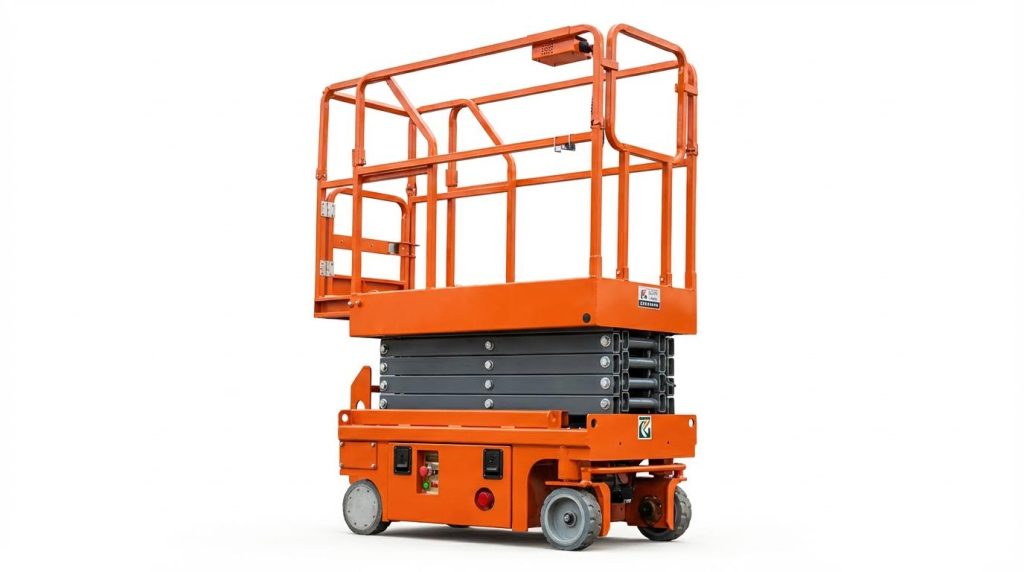
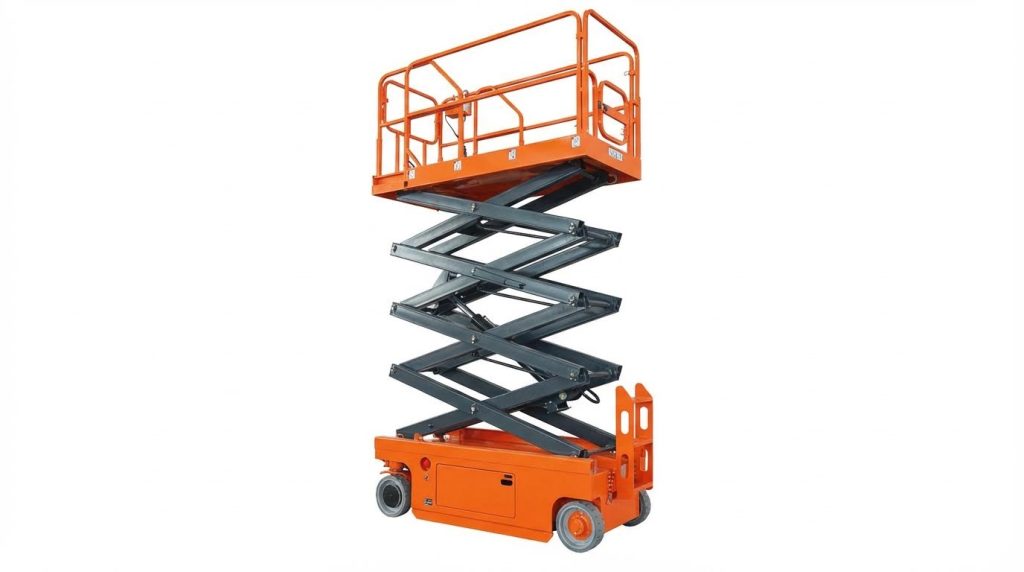
The load from people, tools, and materials flows from the platform deck into the scissor arms, then into pins, base frame, and wheels or outriggers. Engineers design this load path so every part carries the rated load with margin. Key components include:
- Platform deck and guardrail posts
- Upper and lower scissor arms
- Pins, bushings, and welds at all pivots
- Base frame, axle beams, and wheel mounts
- Hydraulic or electric actuator brackets
Each part must resist bending, shear, and buckling under worst case conditions. Worst case usually occurs at or near full height, with the platform at one end of its outreach envelope and load near the guardrail. Engineers check stresses in arms and pins, and verify the actuator mount does not tear out. These checks set the maximum structural capacity before safety factors.
Mechanical Advantage, Cylinder Force, And Lift Height
The scissor mechanism gives mechanical advantage between cylinder force and platform load. At low height, the arms are flat, so the cylinder needs high force to lift a given load. As the lift rises, the arm angle increases and the required cylinder force drops. Designers use equations that link:
- Arm length and pivot spacing
- Angle between arm and horizontal
- Cylinder stroke, bore, and mounting position
Typical calculations use formulas similar to F = (W × H) / (2 × L) or hydraulic relations like F = P × A, adjusted for linkage geometry. Engineers size the cylinder and pump so they can raise rated load at the worst geometry, usually just off the stowed position. They also set maximum platform height so cylinder force, pressure, and arm stresses stay within limits over the full stroke.
Stability, Center Of Gravity, And Tipping Risk
Even if the structure can hold more weight, stability often limits how many people can fit on an electric scissor lift. The combined center of gravity of machine plus load must stay inside the support polygon formed by wheels or outriggers. Wind, braking, and platform movement shift this center of gravity. Engineers define a stability envelope that assumes:
- Load evenly spread on the deck
- Operators stay inside guardrails
- Platform not driven on steep or uneven ground
Standards use a height to base width ratio and tilt limits, often around 3 degrees for travel. Test procedures apply side loads and dynamic effects to verify the lift does not tip. If a heavier load or extra people would move the center of gravity too close to an edge, the rated capacity and allowed headcount are reduced.
Safety Factors, SWL, And Design Standards
Safe Working Load (SWL) is lower than the theoretical maximum capacity of the structure. Designers apply safety factors, often between 1.5 and 4, to cover material variation, wear, and misuse. Regulations required scissor lifts to support several times their rated load in test conditions. Standards such as OSHA mobile scaffold rules and ANSI or ISO MEWP standards defined how to set SWL based on:
- Structural strength of arms, pins, and platform
- Hydraulic or electric actuator limits
- Stability under tilt, wind, and dynamic motion
The manufacturer then converts SWL into a practical rating in kilograms plus a maximum number of persons. For example, a platform might be rated for 230 kilograms and two people if each person is assumed at a standard mass with allowance for tools. This is why operators must always follow the nameplate and never add an extra person, even if there seems to be physical space on the deck.
How To Calculate Safe Platform Load And Occupancy
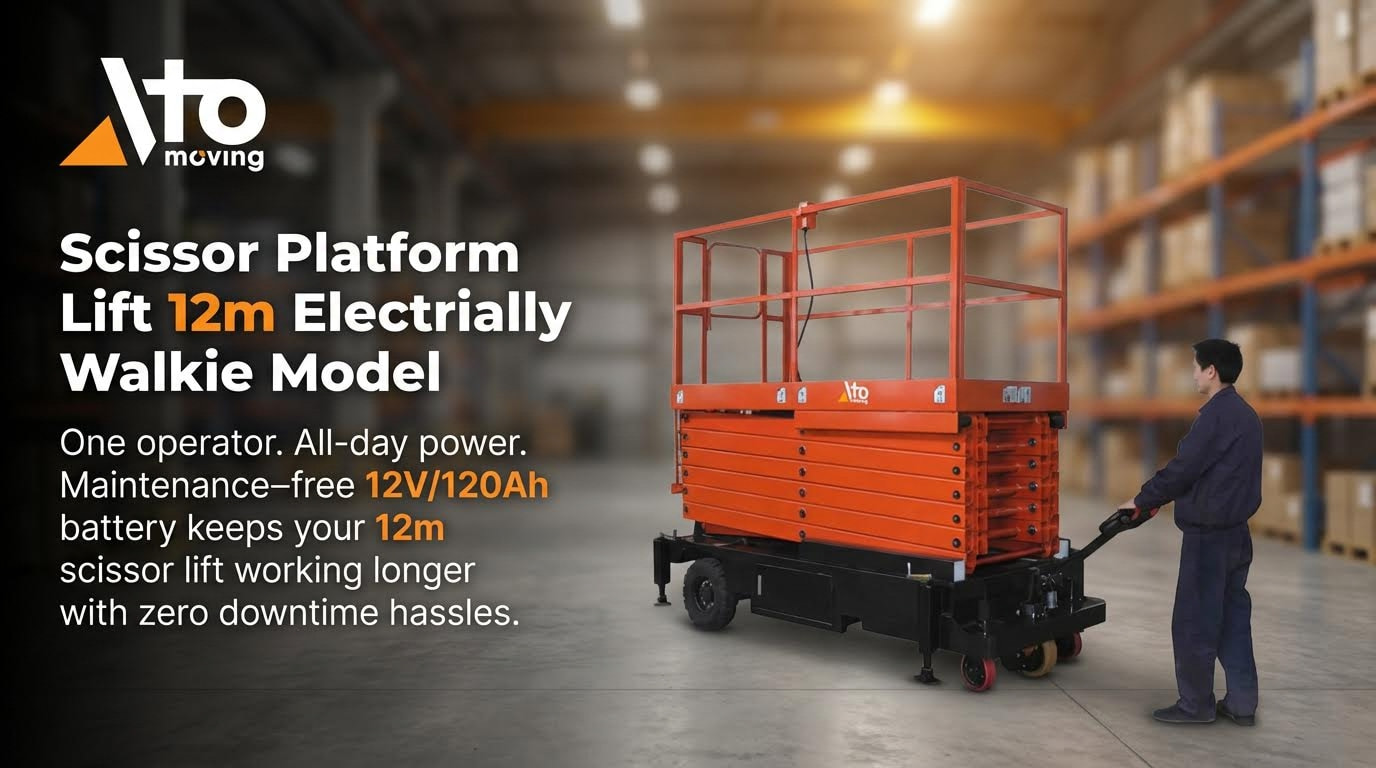
Engineers and supervisors who ask how many people can fit on an electric scissor lift must start from platform capacity, not headcount. The safe number of people depends on the nameplate rating, tool loads, and how weight spreads across the deck. This section explains how to turn catalog data and site conditions into a clear occupancy limit. It also shows how load calculators and scissor lift jack equations support conservative decisions for maintenance and construction work.
Interpreting Nameplate Ratings And SWL Values
The nameplate rating stated on the lift gives the maximum platform capacity in kilograms. This value already includes structural checks on arms, pins, platform, and cylinder force. Manufacturers also apply safety factors that typically range from 1.5 to 3 on key components. OSHA required scissor lifts to support at least four times their rated load, while ANSI and ISO standards limited Safe Working Load (SWL) to a fraction of ultimate capacity.
In practice, treat the platform rating as a hard upper limit for all combined loads. Do not add any extra allowance above this value. When planning occupancy, convert the rating into an equivalent number of people only after subtracting tools and materials. Always check if the rating changes with platform extension or indoor versus outdoor use.
Adding People, Tools, And Materials To Get Total Load
To answer how many people can fit on an electric scissor lift, calculate total mass first, then compare it with the rating. A simple workflow helps:
- Estimate each person’s weight using a standard design value, for example 80–100 kilograms per person.
- Weigh or estimate tools and loose equipment such as welders, drills, or cable reels.
- Include stored materials like panels, ducts, or cartons on the deck.
- Add all items together and compare with the platform rating.
If the sum is close to the limit, reduce either people or materials. Keep a margin to allow for clothing, water, and measurement error. Never ignore heavy items such as batteries, compressors, or stacked materials. These objects can consume capacity faster than extra workers.
Load Distribution, CG Location, And Platform Envelope
Even when total load is within the rating, poor distribution can cause tipping risk. Keep heavy items near the platform centerline and close to the mast or scissor stack. Avoid piling weight on one corner or on an extended deck section. This shift moves the center of gravity (CG) toward the platform edge and reduces stability margin.
Most manuals define a platform envelope that limits how far the CG can move from center. Respect these diagrams when placing people and materials. Use these checks before deciding how many people can stand on the deck at one time. Strong wind, slope, or uneven floors further reduce the safe occupancy, even if the static load is under the rating.
Using Scissor Lift Jack Equations And Calculators
Scissor lift jack equations describe how cylinder force, arm length, and platform load relate at different heights. Engineers use these models to size cylinders and pins and to verify stress at full extension. Typical formulas include mechanical advantage terms and factors for friction and geometry. They link input force to lifted weight and height so designers can confirm reserve capacity.
Online load calculators apply similar equations to give a Safe Working Load (SWL) for a given configuration. These tools consider lift height, load distribution, and structural limits. In the field, use calculators only to confirm that the manufacturer’s nameplate still makes sense for the planned task. Do not exceed the published platform rating even if a calculator suggests higher capacity. For everyday work, supervisors should use simple addition of people, tools, and materials plus conservative judgment rather than raw equations.
Standards, Compliance, And Emerging Technologies
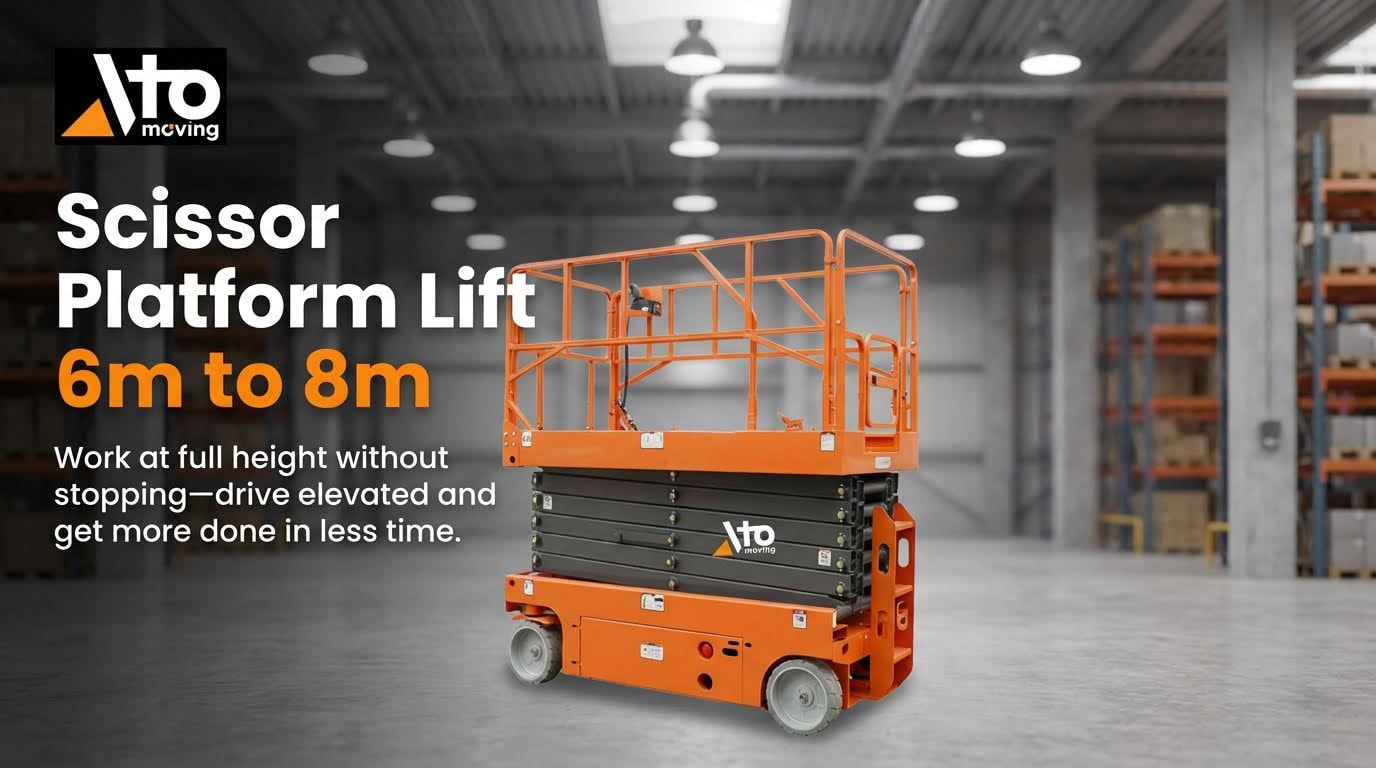
Capacity rules for electric scissor lifts came from hard lessons in falls and tip-overs. Standards now link structural strength, stability tests, and rated load on the nameplate. Anyone asking how many people can fit on an electric scissor lift must first understand these codes. They define how manufacturers set safe working load and maximum occupants, and how sites must use and maintain the machines.
OSHA, ANSI, ISO Rules For Capacity And Stability
OSHA treated scissor lifts as mobile scaffolds and aerial platforms. It required that the structure support at least four times the rated load. This margin covered dynamic effects from driving, braking, and platform movement. ANSI and ISO standards then refined how makers converted raw strength into safe platform ratings.
Typical rules included:
- Manufacturer sets Safe Working Load (SWL) from test data and analysis.
- SWL often limited to about 75% of structural capacity for margin.
- Stability tests at full height with rated load and induced side loads.
- Controls on height‑to‑base ratio and movement on slopes.
These standards did not state a fixed number of people. Instead, they required the maker to declare both total mass and maximum occupants. For the question how many people can fit on an electric scissor lift, the compliant answer always came from the nameplate: total rated load divided by real person mass plus tools, without exceeding the stated person limit.
Digital Twins, Sensors, And Predictive Maintenance
Emerging platforms used sensors and digital models to keep lifts within capacity. Load cells in the scissor structure or platform floor tracked actual live load. Angle sensors and inclination switches watched slope and height. Together they enforced the stability envelope defined by standards.
Modern digital twins mirrored the lift in software. They used input from sensors, duty cycles, and maintenance logs to predict wear in pins, cylinders, and welds. This helped owners avoid hidden capacity loss from fatigue or corrosion. For operators, the main benefit was clear: if structure health stayed known and controlled, the rated number of people and tools stayed valid over the life of the lift.
Energy Efficient Electric And Hydraulic Actuation
Electric scissor lifts combined battery systems with hydraulic or electro‑mechanical drives. Capacity rules still came from structure and stability, but actuation technology affected duty cycle and safety margins. Efficient systems held pressure or torque with less heat and less voltage sag at high loads.
Engineers focused on:
- Hydraulic efficiency, often around 80–90% in well designed circuits.
- Low‑leak valves to prevent drift at full height under rated load.
- Soft‑start and proportional control to cut dynamic shocks.
These choices reduced peak forces in pins and arms when lifting close to maximum capacity. That helped keep real‑world stresses closer to the assumptions used in standards. For users, energy efficient drives also meant more full‑height cycles per charge with the same number of people and tools on the platform.
Integrating Lifts With Cobots And Automated Systems
Factories and warehouses started to pair scissor lifts with cobots and automated handling. This changed how capacity was used but not how it was defined. A cobot arm might add a steady, known mass plus dynamic forces from pick and place moves. Control engineers had to include these loads when checking the SWL and stability envelope.
Typical integration checks covered:
- Total mass of cobot, end effector, and payload at maximum outreach.
- Shift of center of gravity over the platform as the arm moved.
- Combined load of people plus automation versus the nameplate limit.
When sites asked how many people can fit on an electric scissor lift in a cobot cell, the answer often dropped by one. The cobot and fixtures consumed part of the SWL and moved the center of gravity. Safe systems locked this into procedures and, where possible, into control logic that blocked operation if calculated load or outreach exceeded the rated envelope.
Summary: Practical Guidelines For Safe Lift Capacity
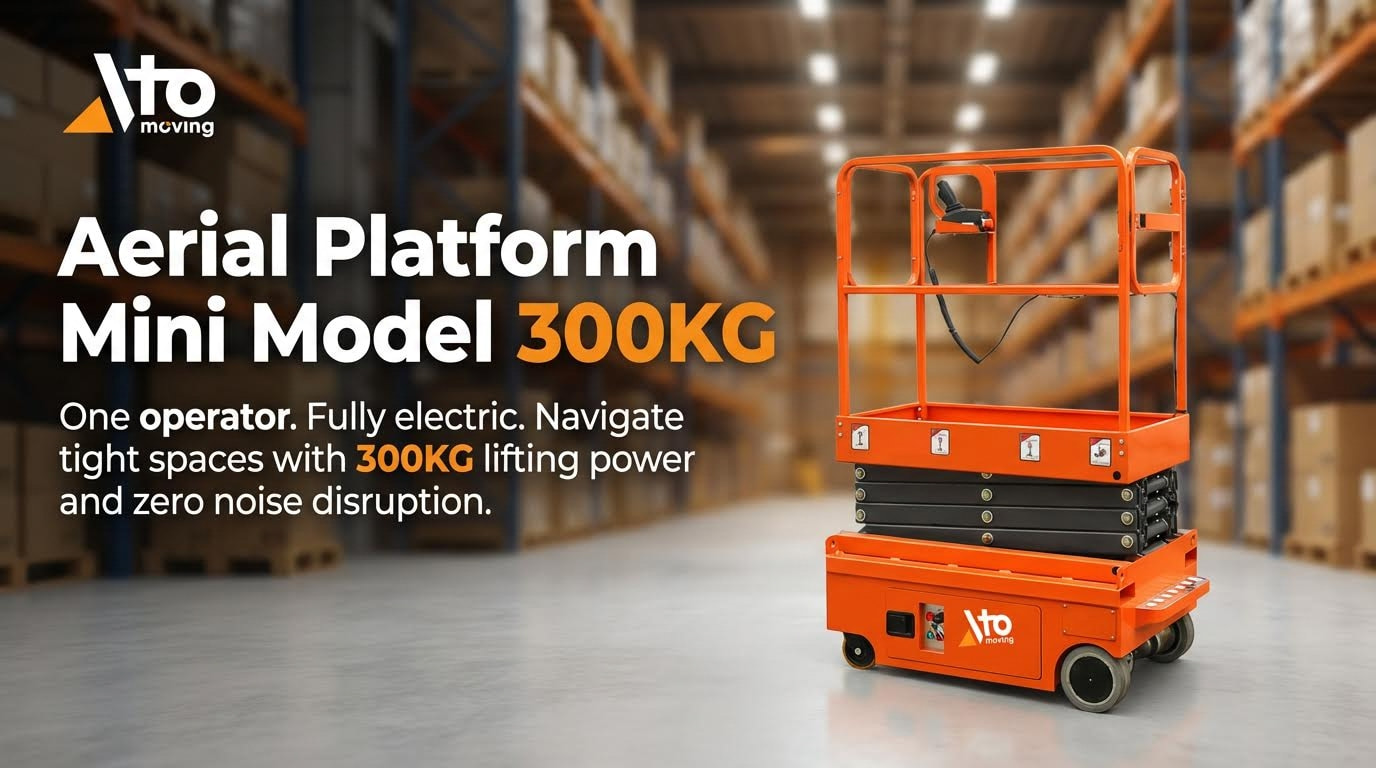
Safe use of any electric scissor lift starts with its nameplate rating. Treat the stated platform capacity as an absolute limit and remember it already includes a design safety factor. When planning how many people can fit on an electric scissor lift, always work backwards from this capacity, not from the physical space on the deck.
Most standard electric units supported one or two workers with tools. Higher‑capacity models supported more people, but only when their combined weight plus materials stayed within the rated load and the guardrails contained everyone fully inside the platform. A simple rule was to assume 90–100 kilograms per person when doing quick checks, then add tools and materials with realistic weights.
Good practice used a short checklist before every job: confirm nameplate capacity and maximum occupants, calculate total load, check load distribution, and verify ground conditions and slope. Operators kept people away from guardrail openings, avoided leaning ladders on the platform, and never climbed on rails to gain extra reach. They also respected wind limits and height‑to‑base rules from the manual.
Going forward, capacity management will rely more on sensors, onboard weighing, and access control that blocks unsafe loading. Yet these tools still depend on basic engineering discipline. Clear calculations, conservative assumptions, and trained operators will remain the core controls for safe platform occupancy and load on electric scissor lifts, whether used alone or integrated with automated systems and Atomoving solutions.