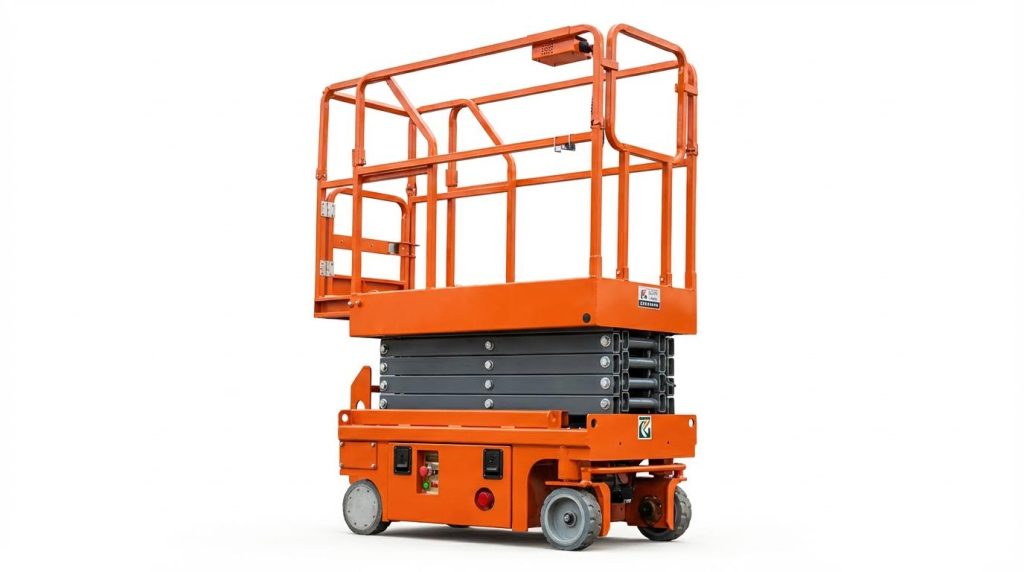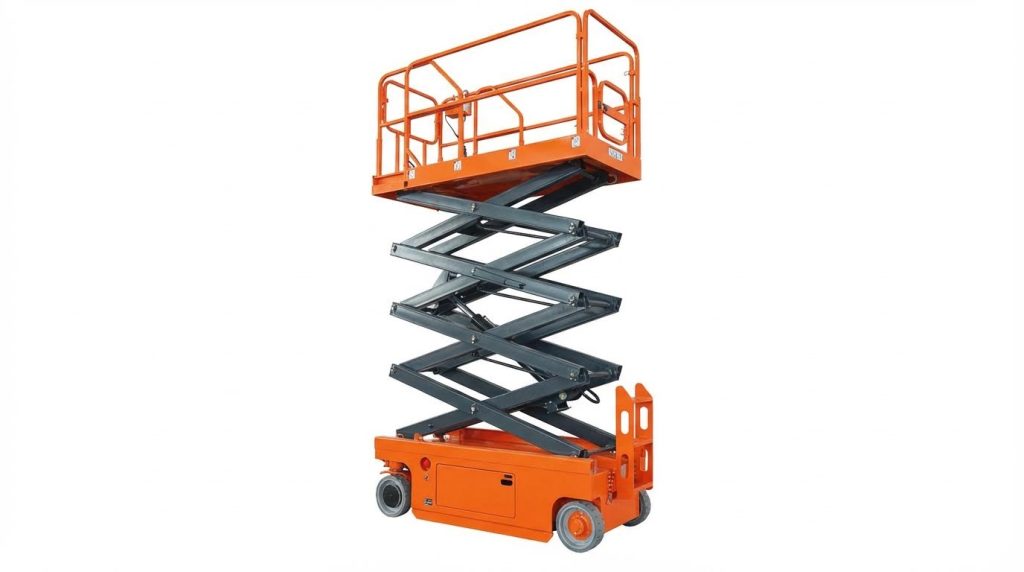
Scissor lifts answered the question “are scissor lifts electric or diesel” with two clear technology paths. Modern fleets now mix battery-electric slab units for clean indoor work with diesel rough-terrain models for heavy outdoor duty.
This article compares power sources and core design differences, then links those choices to performance, cost, and lifecycle engineering. It also reviews safety rules, standards, and emerging technologies that shape future scissor lift platforms.
Across the sections, you will see how duty cycle, working height, load, and ground conditions drive the electric versus diesel decision. The final summary turns these engineering trade-offs into a simple, defensible selection method for project engineers, rental planners, and fleet owners.
Power Sources And Core Design Differences
Engineers who ask “are scissor lifts electric or diesel?” must first separate power source from structure. Both variants share the same basic pantograph mechanism, but their powertrains, duty cycles, and stability envelopes differ. This section explains how battery-electric and diesel designs diverge in core architecture, how that affects indoor and outdoor use, and what limits safe height and capacity. It gives a technical basis for specifying the right platform early in a project or fleet plan.
Battery-Electric vs. Diesel Powertrains
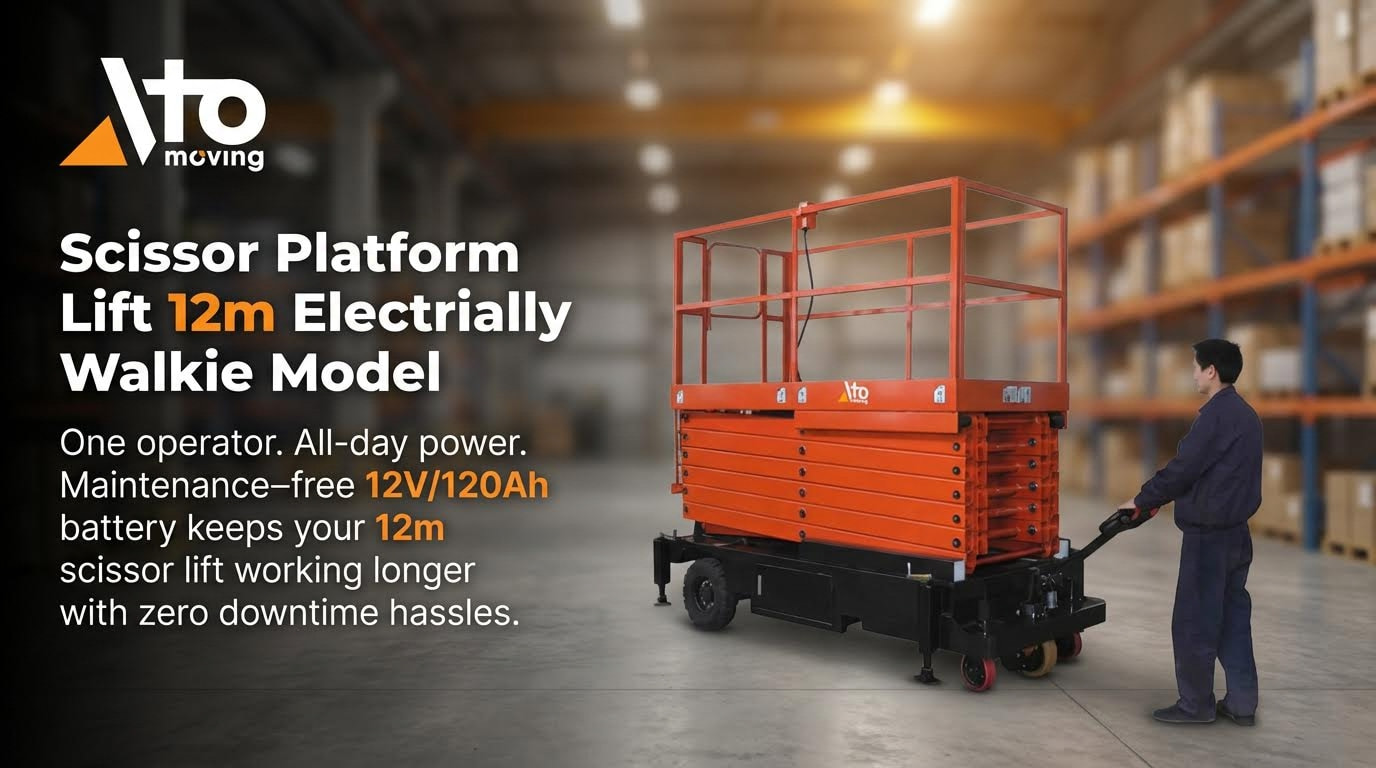
Battery-electric scissor lifts use traction batteries that feed electric drive motors and a hydraulic pump motor. Older units used lead-acid packs, while newer machines often used lithium packs for higher energy density and faster charging. Diesel lifts use an internal combustion engine that drives a hydraulic pump directly or through a gearbox. This engine adds mass, vibration, and heat, but delivers high continuous power.
Key engineering contrasts include:
| Aspect | Electric scissor lift | Diesel scissor lift |
|---|---|---|
| Primary use | Indoor, smooth floors | Outdoor, rough terrain |
| Emissions at point of use | Zero | High, needs controls |
| Noise level | Low | High |
| Typical capacity range | Lower | Higher |
Electric units suit long indoor shifts with planned charging. Diesel units suit remote sites where fuel is easier to supply than grid power.
Drive, Hydraulics, And Control Architectures
Both power types use hydraulic cylinders to raise the scissor stack, but the drive systems differ. Electric scissor lifts usually use electric wheel motors or an electric motor with a drive axle. The same battery pack powers a hydraulic pump motor through a proportional control valve block. Diesel lifts use an engine-driven pump that feeds both lift and drive circuits, often with higher system pressures for rough terrain.
Control architectures reflect these differences:
- Electric units often use solid-state controllers with smooth ramp profiles and regenerative features.
- Diesel units rely on hydraulic flow control plus electronic engine management for speed and torque.
- Both types integrate interlocks for platform height, slope, and overload.
Modern electric designs integrate more sensors and telematics because the electrical bus already exists. Diesel designs still trend toward electronic control, but with more focus on engine protection and emissions control.
Indoor vs. Outdoor Duty Cycle Profiles
Duty cycle planning starts with environment and run hours. Electric scissor lifts typically work indoors on flat concrete in warehouses, malls, and factories. They run long hours at partial load with frequent short moves and lifts. Battery sizing must cover the daily energy budget plus reserve for cold conditions or aging cells. Charging windows, such as overnight or shift breaks, also shape pack capacity.
Diesel scissor lifts usually work outdoors on construction or infrastructure sites. Their duty cycles include:
- Higher average travel distances over rough ground.
- More full-height lifts with heavy tools or materials.
- Longer continuous operation windows with limited planned stops.
These profiles drive different design margins. Electric machines prioritize energy efficiency and low rolling resistance. Diesel machines prioritize torque at low speed, cooling capacity, and dust or moisture protection for components.
Load Capacity, Height, And Stability Limits
Both electric and diesel scissor lifts must meet strict stability and structural rules. Diesel units usually offer higher platform capacities and greater working heights. Their heavier base, larger chassis, and wider wheel track improve stability on uneven ground. Electric units target compact size, lower weight, and non-marking tyres for indoor floors. These constraints limit maximum height and capacity compared with large diesel rough-terrain models.
Engineers consider several linked parameters:
| Parameter | Electric focus | Diesel focus |
|---|---|---|
| Rated capacity | Light to medium loads | Medium to heavy loads |
| Max height class | Lower to mid-range | Mid to high-range |
| Base weight | Minimize for floor loading | Increase for stability |
| Tyre design | Solid, non-marking | Pneumatic or foam-filled |
Stability limits depend on centre of gravity, platform extension, wind rating, and ground slope. Electric indoor units assume firm, level floors and low wind. Diesel outdoor units include higher wind ratings and slope sensors, but still require firm support and adherence to stated load charts.
Performance, Cost, And Lifecycle Engineering
Project teams that ask “are scissor lifts electric or diesel” really compare full lifecycle behavior. Performance, cost, and reliability differ strongly between battery-electric and diesel platforms. This section links acoustic and emission limits, energy cost, maintenance, and fleet mix to real duty cycles.
Noise, Emissions, And Environmental Compliance
Electric scissor lifts run much quieter than diesel units. This keeps sound levels within typical indoor limits in warehouses, malls, and hospitals. Low noise also reduces operator fatigue during long shifts.
Battery-electric lifts emit no exhaust at the point of use. This protects indoor air quality and helps sites comply with strict emission rules. Diesel lifts release exhaust gases and particulates, which can breach indoor limits without strong ventilation.
From a compliance view, electric units simplify permitting and environmental reporting. Diesel machines may need exhaust after-treatment, fuel storage controls, and extra monitoring. Sites with ESG targets often favor electric units to cut local emissions and improve sustainability metrics.
When engineers answer “are scissor lifts electric enough for outdoor work,” they check weather, gradient, and runtime. For heavy rough-terrain work, diesel still offers higher margin against wind, slopes, and soft ground, but this comes with higher noise and emission impact.
Energy Use, Operating Cost, And ROI Modeling
Energy cost modeling starts with typical daily runtime, lift cycles, and travel distance. Electric scissor lifts draw power from batteries charged off the grid. Diesel lifts burn fuel continuously during operation.
Electric units usually show lower energy cost per hour because electricity is cheaper per kilowatt-hour than diesel fuel. They also waste less energy at idle. Diesel engines consume fuel whenever they run, even during positioning and waiting.
For ROI models engineers often compare:
- Purchase price and financing cost
- Energy cost over expected hours per year
- Planned battery replacements vs engine overhauls
- Downtime cost due to refueling or charging
Case data from industrial users showed operating cost reductions after switching indoor work from diesel to electric. However, ROI depends on grid tariffs, shift patterns, and whether overnight charging is possible. High-utilization outdoor fleets with long shifts and limited charging access can still favor diesel on pure availability.
Maintenance Tasks, Failure Modes, And Downtime
Electric scissor lifts use fewer moving parts in the powertrain. There is no engine oil, fuel system, or exhaust treatment. Routine work focuses on battery health, electrical connections, hydraulic components, and safety systems.
Typical electric failure modes include battery capacity loss, charger faults, contactor wear, and sensor issues. These faults usually show gradual warning signs, such as reduced runtime or error codes. Planned battery replacement becomes a key lifecycle event.
Diesel lifts require regular servicing of the engine, filters, belts, coolant, and fuel system. Common failure modes include injector problems, turbo issues, and contamination in fuel or oil. These can create sudden downtime and higher repair bills.
From a reliability engineering view, electric fleets often achieve higher planned-uptime ratios for indoor work. Diesel fleets may show more unplanned stops but handle harsher conditions. Maintenance planning should reflect real duty cycles, contamination risk, and technician skill sets.
Fleet Right-Sizing And Mixed-Power Strategies
When managers ask “are scissor lifts electric enough for my whole fleet,” the answer is often mixed. A right-sized fleet groups units by environment, height class, and load profile.
A common strategy assigns electric scissor lifts to indoor and light outdoor slabs. These units cover maintenance, fit-out, and logistics work on smooth floors. Diesel scissor lifts then serve rough-terrain construction, bridge work, and long outdoor shifts.
An effective mixed-power plan usually considers:
- Percentage of hours indoors vs outdoors
- Required platform heights and capacities
- Access to charging points and fuel supply
- Local limits on noise and emissions
Telematics data can refine right-sizing. Engineers track actual utilization, idle time, and travel patterns. Under-used diesel units can be replaced with electric units where terrain allows. Overloaded electric units can be upsized or shifted to diesel. This continuous tuning cuts total cost of ownership while meeting safety and compliance targets.
Safety, Standards, And Emerging Technologies
Safety engineering for scissor lifts links regulations, machine design, and digital technology. Engineers who ask “are scissor lifts electric or diesel for this site?” must also ask how each power source affects risk, controls, and monitoring. This section explains how OSHA and ANSI rules, stability engineering, IoT, and advanced drives shape safe use of both electric and diesel units.
OSHA, ANSI, And Site-Specific Safety Controls
OSHA treated scissor lifts as mobile scaffolds and aerial platforms. Key rules came from 29 CFR 1910 and 1926, including fall protection, scaffold strength, and training. ANSI A92 standards defined design, testing, and safe-use requirements for mobile elevating work platforms.
Electric scissor lifts fit well with indoor OSHA controls because they remove exhaust exposure and reduce noise-induced stress. Diesel units needed more ventilation, noise control, and hot-surface management. In both cases, employers had to:
- Provide guardrails and fall protection that match platform height and task type.
- Enforce pre-use inspections of brakes, controls, and emergency descent.
- Train operators on load limits, wind limits, and ground assessment.
Site-specific rules often added tighter indoor speed limits for electric units and exclusion zones around diesel exhaust. Written procedures usually covered charging areas, fueling points, and battery or fuel spill response.
Stability, Load Management, And Ground Conditions
Stability depended more on load and ground than on whether lifts were electric or diesel. Electric scissor lifts usually worked on flat, finished floors. Diesel lifts often worked on rough, sloped, or soft ground.
Engineers checked four main factors for both power types:
| Factor | Engineering focus |
|---|---|
| Rated load | Do not exceed platform capacity in kilograms or persons. |
| Load position | Keep center of gravity near platform center. |
| Ground support | Confirm bearing pressure vs. slab or soil capacity. |
| Wind and exposure | Respect outdoor wind speed limits and sail area. |
Electric models with non-marking tyres suited smooth concrete and low debris. Diesel rough-terrain models used larger tyres, higher ground clearance, and sometimes outriggers. Operators had to avoid moving at height, driving across slopes beyond the rating, or working near drop-offs and pits.
IoT, Telematics, And Predictive Maintenance
Telematics made scissor lift safety more data driven. Both electric and diesel units could send real-time data on location, battery or fuel level, fault codes, and usage hours. Fleet managers then compared duty cycles and asked again “are scissor lifts electric the safer choice for this building?” using real data, not guesswork.
IoT platforms supported:
- Geofencing to block use in forbidden zones or near overhead lines.
- Automatic alerts when operators bypassed tilt or overload warnings.
- Remote lockout of units that failed safety checks.
Predictive maintenance used patterns in hydraulic pressures, motor currents, and charge cycles to flag risk before failure. For electric lifts, analytics focused on battery health, charger performance, and contactor wear. For diesel units, they tracked engine hours, coolant temperature spikes, and filter clogging. Better reliability reduced mid-job failures that could trap workers at height.
Digital Twins, AC Drives, And Future Power Trends
Digital twins gave engineers virtual models of scissor lifts and work sites. They could simulate how an electric unit behaved on a mezzanine slab, or how a diesel rough-terrain lift reacted to crosswinds. These models helped test “what if” cases for overload, tilt, and brake failure without real risk.
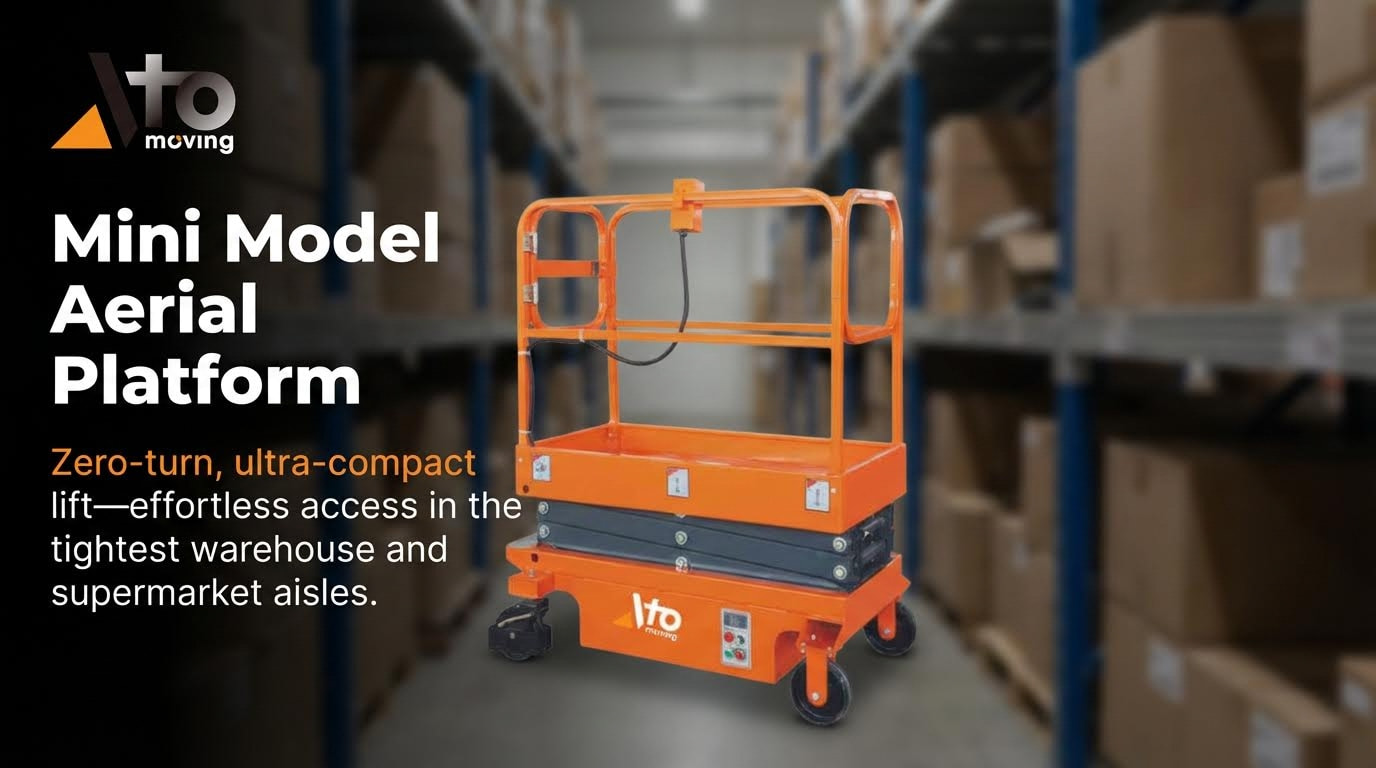
AC drive technology improved control and safety for electric scissor lifts. Enclosed AC motors and inverters allowed smoother acceleration, better ramp handling, and energy recovery during braking. That improved platform control in tight indoor aisles and reduced heat load in enclosed spaces.
Future trends pointed toward more zero-emission units, including higher-capacity electric and hybrid lifts. As emission limits tightened, the question “are scissor lifts electric enough for outdoor work?” gained new weight. Engineers increasingly considered fast-charging lithium batteries, on-site energy storage, and smart chargers. In parallel, safety systems moved toward automatic obstacle sensing, dynamic load monitoring, and integration with site-wide digital permits-to-work.
Summary: Selecting The Right Scissor Lift Power Source
People often ask, are scissor lifts electric or diesel, and which is better. The answer depends on duty cycle, environment, and lifecycle cost. Electric units fit clean, quiet indoor work. Diesel units suit rough, high-load outdoor tasks.
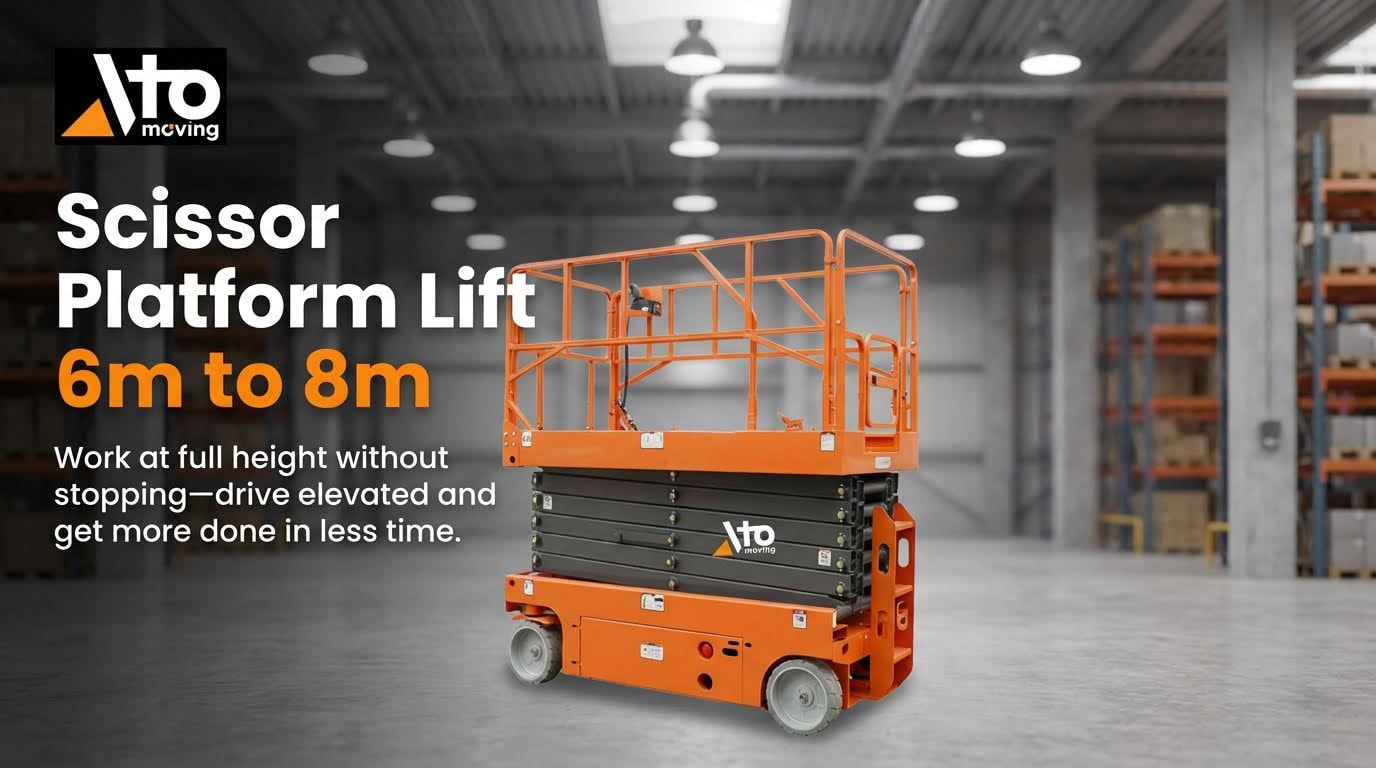
From a technical view, electric scissor lifts offer lower noise, zero point-of-use emissions, and simpler drivetrains. They work best on flat slabs in warehouses, malls, and factories. Their limits are battery runtime, charging logistics, and usually lower platform capacities and heights. Diesel lifts deliver higher torque, longer continuous runtime, and better performance on uneven ground, but add exhaust, noise, and stricter site rules.
Lifecycle engineering favored electric lifts for indoor fleets. Lower energy cost per operating hour and fewer engine-related failures cut total cost of ownership. Case data showed double‑digit operating cost reductions after switching from diesel to electric for indoor work. Diesel remained competitive where lift height, rough terrain, or heavy tools drove selection.
In practice, engineers should map typical tasks by height, load, and location. Then they can assign electric scissor lifts to core indoor work and keep diesel or rough‑terrain units for outdoor peaks. Mixed fleets, supported by telematics and usage data, let owners right‑size quantities and schedule charging or fueling. As zero‑emission rules tightened and battery technology improved, electric scissor lifts became the default choice for most indoor projects, with diesel reserved for the harshest outdoor conditions.
Frequently Asked Questions
Are all scissor lifts electric?
No, not all scissor lifts are electric. While many scissor lifts are powered by electricity, others use gas or diesel engines. Electric scissor lifts are ideal for indoor use because they produce no harmful emissions, making them environmentally friendly. In contrast, gas and diesel-powered models are better suited for outdoor applications, especially on rough terrain. Electric Scissor Lift Guide.
How is a scissor lift powered?
Scissor lifts can be powered in several ways depending on their design and application. The most common power sources include electric motors, which are widely used for indoor tasks due to their quiet operation and zero emissions. Alternatively, some models use gas or diesel engines, particularly for outdoor or rough-terrain work. These engine types provide more power for challenging environments. Scissor Lift Power Sources.
What are the benefits of electric scissor lifts?
Electric scissor lifts offer several advantages over other types. They are energy-efficient, consuming less power compared to hydraulic systems, and require minimal maintenance since they don’t rely on hydraulic fluids. Additionally, they are quieter and emit no fumes, making them perfect for indoor use. Their eco-friendly operation also aligns with modern sustainability goals. Electric Lift Benefits.
Can electric scissor lifts be used outdoors?
Yes, electric scissor lifts can be used outdoors, but they are best suited for smooth, stable surfaces. Unlike gas or diesel models, electric lifts may face challenges in wet conditions, such as corrosion or electrical issues. For optimal performance, it’s recommended to avoid exposing them to rain or snow unless necessary. Outdoor Use Tips.