Operations teams often ask will a steel drum dolly work with plastic drums when they standardize handling gear. This article explains how steel and plastic drums differ, and how those differences affect fit, stability, and regulatory compliance across mixed fleets.
You will see how to evaluate engineering fit between drums and dollies, including diameter tolerances, base support, load ratings, and floor conditions. The article then covers safe and ergonomic drum dolly practices, from centering and restraint to inspection routines and digital integration with twins or cobots. The conclusion brings these points together into a practical decision framework for mixed drum and dolly use in real plants and warehouses.
Key Differences Between Steel And Plastic Drums
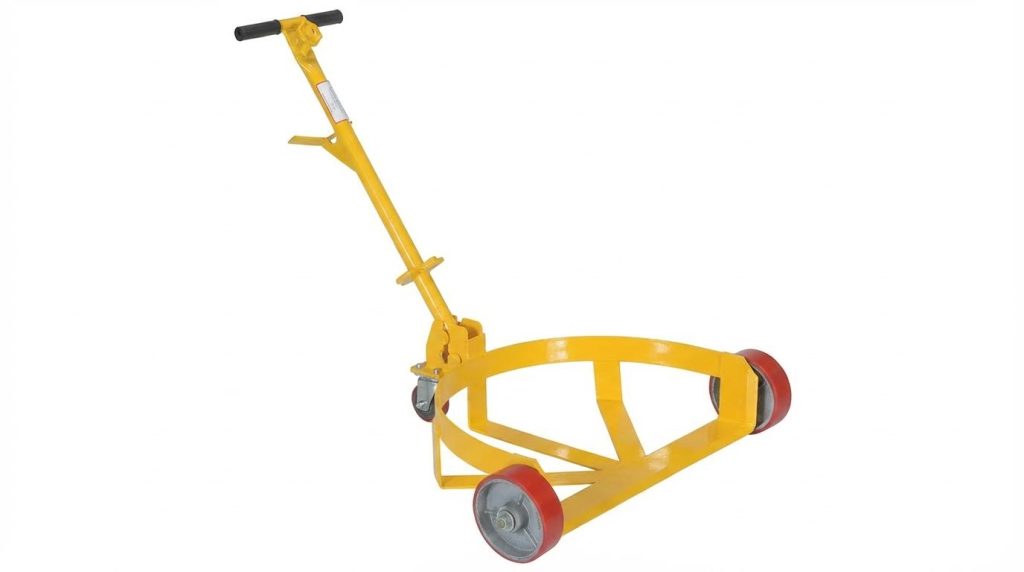
Engineers who ask will a steel drum dolly work with plastic drums must first understand how the drums differ. Steel and plastic drums often share nominal capacities, but they do not share identical geometry, stiffness, or friction behavior. These differences drive fit, stability, and load transfer on a steel drum dolly. The following sections explain the main engineering gaps that affect mixed use.
Dimensional Variations And Base Geometry
Steel drum dollies usually target standard diameters, often around 450–600 millimetres. Plastic drums with the same nominal volume can still vary several millimetres in outside diameter. Blow‑moulding tolerances, ribbing, and taper angles cause this spread.
Base geometry also differs. Steel drums typically have a rolled chime or ring that forms a narrow, hard contact band. Many plastic drums use a broader moulded foot, sometimes with ribs or recesses. The result is a different footprint on the dolly ring.
These factors affect three key points:
- Clearance between drum wall and dolly ring
- Location of the load path through the base
- Risk of point loading at ribs or chimes
When the fit is loose, the drum can shift and tilt during starting, stopping, or on uneven floors. When the fit is too tight, operators may force the drum into the dolly and damage the plastic base or the dolly ring.
Weight, Center Of Gravity, And Slosh Effects
Full drums usually weigh between 90 and 360 kilograms, regardless of shell material. Steel shells are thinner and heavier than plastic shells. This changes the empty weight and the center of gravity when the drum is partially filled.
Plastic drums often store aggressive liquids and slurries. These products can slosh and shift the effective center of gravity during acceleration and braking. A higher or more mobile center of gravity increases overturning moment on the dolly.
On a steel drum dolly, this matters in three situations:
- Crossing thresholds or floor joints
- Turning at speed with a tall, partly filled plastic drum
- Operating near the rated load, for example 400–500 kilograms on heavy models
Engineers should treat dynamic effects as a design case, not only static mass. Conservative practice keeps operating loads well below the dollies’ published capacity when liquids can slosh.
Surface Friction, Stiffness, And Deformation
Steel drum shells are stiff and resist ovalisation under normal handling loads. Plastic shells are more flexible. They can deform under banding forces, side impacts, or tight dolly rings. This deformation can loosen restraints that relied on a rigid wall.
Surface friction also changes behavior. Painted or bare steel usually offers higher friction against typical dolly rings and straps than smooth plastic. Smooth plastic can slip more easily on zinc‑plated or painted steel, especially when wet or contaminated with product.
These properties influence:
- How well the drum stays centered on the dolly
- Required strap tension or clamps to prevent sliding
- Local stress at contact points on the base and shell
When engineers evaluate whether a steel drum dolly will work with plastic drums, they should review both global stiffness and local deformation at the base and chime. Excess local strain can lead to cracking over time, especially in cold environments.
Regulatory And Compatibility Considerations
Standards and regulations treated steel and plastic drums differently. UN performance codes, transport rules, and OSHA guidance referenced the drum material, closure type, and intended product. Mixing a plastic drum with a steel drum dolly does not break these rules by itself, but it can affect compliance if stability or containment is reduced.
Key checks include:
- Does the dolly maintain the drum in the upright, tested orientation?
- Does the combination support the rated mass with a safety margin?
- Does the setup preserve required spill containment volume when used with trays?
Compatibility also includes chemical and electrostatic aspects. Plastic drums often carry flammable or corrosive liquids. A steel drum dolly must handle possible leaks without rapid corrosion and must not create ignition risks in controlled zones. When facilities ask will a steel drum dolly work with plastic drums, they should document these checks in risk assessments and operating procedures.
Engineering Fit: When Steel Dollies Suit Plastic Drums
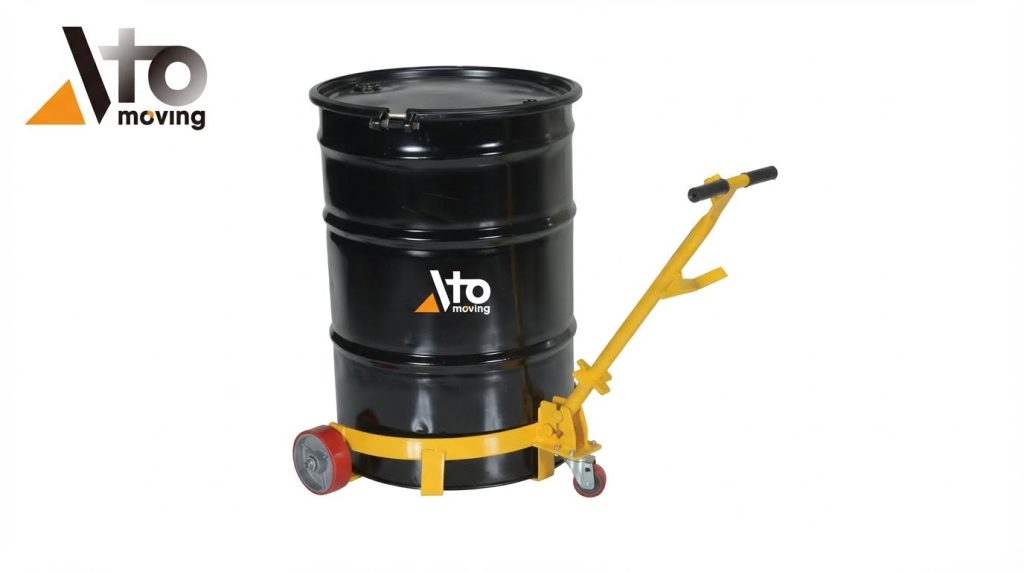
Engineers often ask a direct question: will a steel drum dolly work with plastic drums. The answer depends on fit, support geometry, and load path, not just catalog claims. Most steel dollies could carry both steel and plastic containers within defined size and mass limits. Typical units handled 160–220 litre drums, with load ratings around 400–540 kilogram, using four swivel casters and robust steel frames. However, fit differences between steel and plastic drum bases meant compatibility checks remained essential before routine use.
Interpreting Drum And Dolly Diameter Tolerances
Diameter fit is the first filter when deciding if a steel drum dolly suits a plastic drum. Steel dollies usually list a nominal drum size, for example 30-gallon or 55-gallon, but real diameters vary by 5–15 millimetres. Plastic drums also use different body tapers and ribs, so contact may occur higher on the shell instead of at the base.
To judge fit, measure three values with a tape:
- Drum outside diameter at the base ring
- Drum outside diameter at mid-height
- Dolly inside diameter at the support ring
Target a radial clearance of roughly 3–10 millimetres. A gap smaller than this can cause jamming during loading. A larger gap allows excessive rocking, especially with liquid slosh. If the dolly is marketed for both steel and plastic drums in the same size range, still verify these numbers, because some designs favour straight steel sides and do not capture tapered plastic drums well.
Base Ring, Chime Support, And Contact Area
Plastic drums often use a moulded base ring instead of the sharp chime of a steel drum. A flat or wide dolly ring supports that base better than a narrow steel-chime groove. When you ask will a steel drum dolly work with plastic drums, you must check how the contact band sits under load.
Use this simple comparison table during selection.
| Feature | Steel drum | Plastic drum | Dolly design need |
|---|---|---|---|
| Base profile | Sharp chime | Wide moulded ring | Contact width ≥ base width |
| Wall stiffness | High | Lower | Support close to base, not mid-wall |
| Deformation risk | Low | Higher under point loads | Rounded edges, no sharp lips |
Ensure the drum sits fully inside the dolly ring, not perched on lugs or welds. Check that the contact area remains continuous when the drum is full, typically 200–360 kilograms for a 200-litre drum. If the ring only touches in three or four small spots, local stresses can deform plastic and reduce stability.
Load Ratings, Caster Types, And Floor Conditions
Load rating decides whether a steel dolly can safely carry a plastic drum at maximum fill. Published ratings around 400–550 kilograms are common for heavy-duty steel dollies. Some models with cast iron casters were rated near 540 kilograms, while rubber wheel versions were closer to 410 kilograms. These values already include a safety factor, but engineers should still compare rating to the heaviest credible drum mass, not average mass.
Caster choice also affects whether a steel drum dolly will work with plastic drums in real plants. Cast iron wheels roll easily under heavy loads but transmit shocks into the drum when floors are rough. Rubber or polyurethane wheels reduce vibration and noise but have higher rolling resistance. On smooth concrete, any of these casters can work. On tiled, coated, or uneven floors, softer treads offer better control and less impact on flexible plastic walls.
Check these points before approval:
- Rated load of dolly ≥ 125% of full drum mass
- Caster material compatible with floor coating and chemicals
- Wheel diameter large enough to cross small thresholds without sudden stops
Always inspect casters for flat spots, loose fasteners, and bearing play, because a failed wheel under a tall liquid drum can cause a fast tip-over.
Special Cases: Spill Trays, Cleanrooms, And ATEX Zones
Special environments need extra checks beyond basic fit and load. Spill tray dollies, for example, combine a containment basin and a drum platform. These units often use HDPE trays with grating on a steel frame. They suit plastic drums well because they spread the base load and capture minor leaks. When you evaluate if a standard steel drum dolly will work with plastic drums in a spill-control area, compare it against these dedicated tray designs. The tray option usually gives better environmental protection and stability.
Cleanrooms and food or pharma areas often require stainless steel frames and low-shedding wheels. Here, a stainless drum dolly can carry both steel and plastic drums as long as surfaces are smooth and easy to clean. Avoid rough welds and crevices that trap product or disinfectant. In ATEX or similar explosive zones, certified stainless dollies with antistatic or conductive wheels and earthing chains are used. These designs limit static build-up when rolling plastic drums, which can otherwise hold more charge than steel.
In all these cases, document a simple engineering check sheet. Include drum dimensions, material, maximum fill mass, required cleanliness, and hazardous zoning. Use that sheet to decide whether a general steel dolly is acceptable or whether a specialized model is needed for plastic drums in that area.
Safety And Ergonomic Practices For Drum Dolly Use
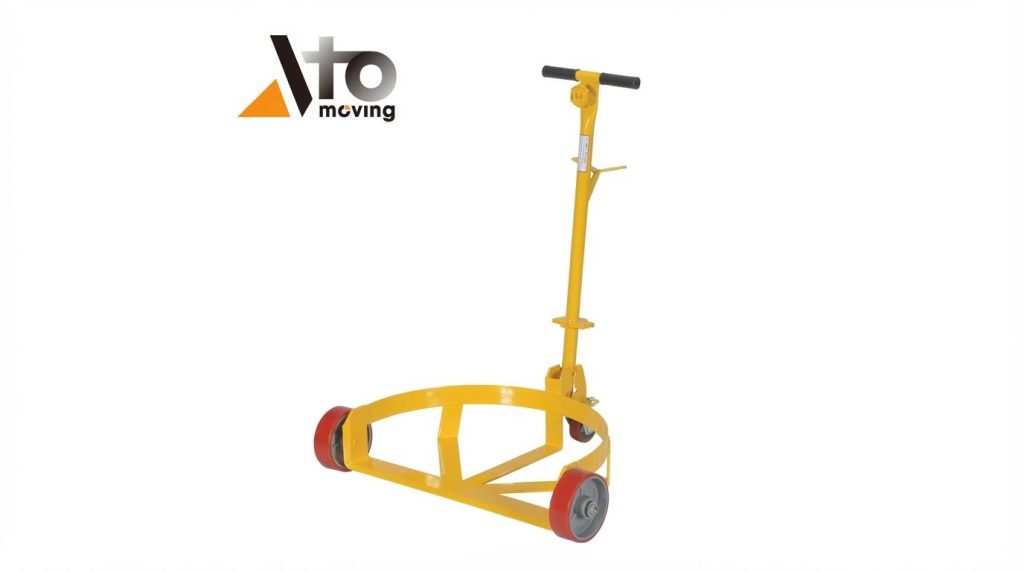
Facilities that ask will a steel drum dolly work with plastic drums must treat the answer as a safety question first. Steel dollies can carry plastic drums if fit, load rating, and handling methods all match the task. Good ergonomics then reduces strain and keeps operators in control during starts, stops, and turns. The following practices help standardize safe use across shifts and locations.
Centering, Securing, And Restraining Plastic Drums
Plastic drums often have wider ribs and softer bases than steel drums, so they can rock on narrow steel dollies. Always check that the drum sits fully inside the dolly ring or support pads, with even clearance all around. The drum base should contact the support ring or cross members without visible gaps or tilt.
Before moving, answer two checks: is the drum centered, and is it restrained. Centering reduces side loads on casters and lowers tip risk when the floor is uneven. Restraint is critical because plastic has lower surface friction than painted steel.
- Use straps, clamp rings, or tension belts for tall or liquid-filled plastic drums.
- Avoid moving unrestrained drums near slopes, dock edges, or ramps.
- Do not stack drums on a dolly unless the design allows it and load charts confirm it.
When you decide will a steel drum dolly work with plastic drums in your plant, include a simple fit checklist in the SOP: correct diameter range, full base support, and a defined securing method for each drum type.
Push Versus Pull, Body Mechanics, And Team Handling
Operators should push dollies whenever possible. Pushing keeps the load ahead, improves visibility, and lowers the chance of getting pinned. Pulling with a strap, such as a 1.2 metre nylon pull strap, is suitable only for short moves or when space forces it.
Teach simple body mechanics:
- Keep the back straight and bend at the knees when starting or stopping a loaded dolly.
- Keep hands below shoulder height and close to the body to reduce joint stress.
- Face the direction of travel and avoid twisting the torso while turning.
Team handling is useful when drums weigh above the comfort limit or floors are uneven. One person steers and watches the path. The second person stabilizes the drum and helps manage thresholds or slight ramps. For narrow aisles, position the dolly first, then the operator, to avoid entrapment between the drum and fixed objects.
Inspection, Maintenance, And Predictive Monitoring
Safe answers to will a steel drum dolly work with plastic drums depend on dolly condition as much as fit. Inspect dollies before each shift. Look for loose bolts, cracked welds, bent frames, or worn casters. Remove any defective dolly from service until repaired.
Routine maintenance should include:
- Cleaning grease, chemicals, and debris from wheels and frames.
- Checking caster swivel action and wheel tread wear.
- Verifying brakes hold on level floors under rated load.
Modern plants can add simple monitoring. Tag each dolly with an ID and log inspections and repairs in a CMMS. Track incident reports that involve specific dollies, floor zones, or drum types. Over time, this data shows patterns, such as more caster damage near dock plates or more slips when plastic drums are moved on wet floors. Use those findings to refine where steel dollies are used and when other equipment is better.
Integrating Dollies With Digital Twins And Cobots
Digital tools help answer will a steel drum dolly work with plastic drums for new layouts before you buy hardware. A digital twin of the warehouse can model drum weights, routes, slopes, and turning clearances. Engineers can test different dolly designs, caster materials, and drum types in simulation, then set safe operating limits and traffic rules.
Cobots and AGVs can also move drum dollies in controlled paths. In these cases, drum centering and restraint are even more important because human feedback is lower. Define standard dolly types and drum sizes in the control software, and block moves that exceed rated mass or geometry.
Practical integration steps include:
- Barcode or RFID tags on each dolly and drum type for automatic identification.
- Rules in the WMS that link specific plastic drum SKUs to approved steel dolly models.
- Sensors at transfer points that check wheel condition or load sway before release.
This approach turns the basic question will a steel drum dolly work with plastic drums into a managed engineering rule, supported by data, rather than a case-by-case guess on the shop floor.
Practical Conclusion On Mixed Drum And Dolly Use
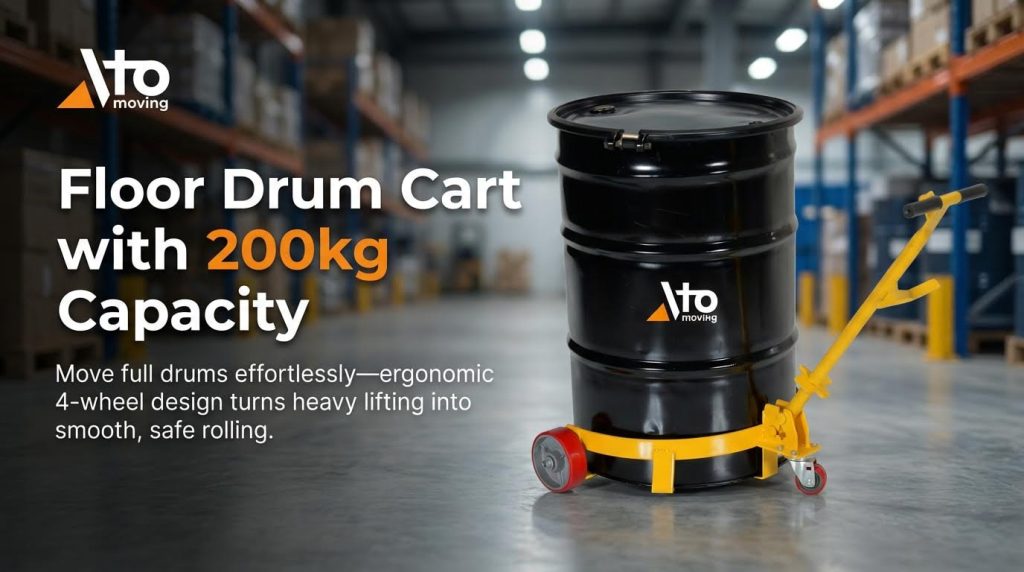
Facilities that ask will a steel drum dolly work with plastic drums need a clear, practical answer. The evidence from product data and safety guidance showed that many steel dollies were built for both steel and plastic containers within defined size and mass limits. Typical units handled 160–220 litre drums, with load ratings around 400–540 kilogram, using four swivel casters and robust steel frames. However, fit differences between steel and plastic drum bases meant compatibility checks remained essential before routine use.
From an engineering view, mixed use worked when three conditions aligned. First, the drum outer diameter and base profile sat fully within the dolly ring or support pads without rocking. Second, the combined drum and contents mass stayed below the dolly rating, whether 900, 1 000, or 1 200 pounds, with margin for dynamic loads and slosh. Third, the caster type and floor condition matched, for example cast iron on smooth hard floors, or softer wheels where vibration and noise limits applied.
Operational practice then decided whether,
Frequently Asked Questions
Will a steel drum dolly work with plastic drums?
A steel drum dolly can work with plastic drums, but compatibility depends on the dolly’s design and the drum’s dimensions. Plastic drums are lighter and may have different load-bearing requirements compared to steel drums. Ensure the dolly supports the drum’s size and weight for safe transportation. Drum Dolly Guide.
What is the difference between steel drums and plastic drums?
Steel drums are typically used for storing hazardous or corrosive liquids due to their durability. Plastic drums, often made of high-density polyethylene (HDPE), are lighter, more cost-effective, and versatile for non-hazardous materials. Steel drums are ideal for heavy-duty industrial use, while plastic drums suit less demanding applications. Drum Storage Guide.
How do you choose the right drum dolly?
To choose the right drum dolly, consider the drum’s size, weight, and material. Ensure the dolly is proportionate to the drum dimensions and has sufficient load capacity. Look for features like foldability for easy storage and robust construction for durability. A proper fit ensures efficient and safe material handling. Drum Dolly Selection.