Elevated work platforms are now the default solution when engineers and safety teams ask what is an elevated work platform and how it should be used. This article explains how standards define modern mobile elevating work platforms, how they differ from aerial lifts and scissor lifts, and how ANSI A92 classifications apply in real projects.
You will see how platform group and type affect reach, stability, and motion control, and how OSHA rules shape daily operation, inspection, and training. Later sections compare major platform designs, outline engineering selection criteria, and close with a practical summary for safe, efficient elevated work at industrial, construction, and maintenance sites.
Core Definitions And Standards For Elevated Platforms
This section answers the core query what is an elevated work platform from an engineering and compliance view. It explains how standards define elevated work platforms, how they differ from other access systems, and how ANSI and OSHA classify and regulate them. Readers gain a clear map of terminology, groups, and legal duties before moving into equipment types and design details in later sections.
What Counts As An Elevated Work Platform?
An elevated work platform is a mechanical device that lifts people, tools, or materials to a higher work area. Typical systems include a stable base, an elevating structure, and a guarded platform with controls. Mobile elevating work platforms and aerial lifts replaced ladders and much scaffolding on industrial sites because they offer better stability and access control. Engineers treat these machines as temporary access structures, so design checks focus on platform load, guardrail integrity, and safe access and egress.
Standards usually cover vehicle‑mounted booms, scissor mechanisms, vertical masts, and similar powered platforms. The platform must support rated load without excessive deflection and must resist overturning under worst‑case outreach and wind. From a safety perspective, it counts as an elevated work platform once a person can work at height within a guarded area controlled from the platform or base.
Aerial Lifts Vs. Scissor Lifts Vs. MEWPs
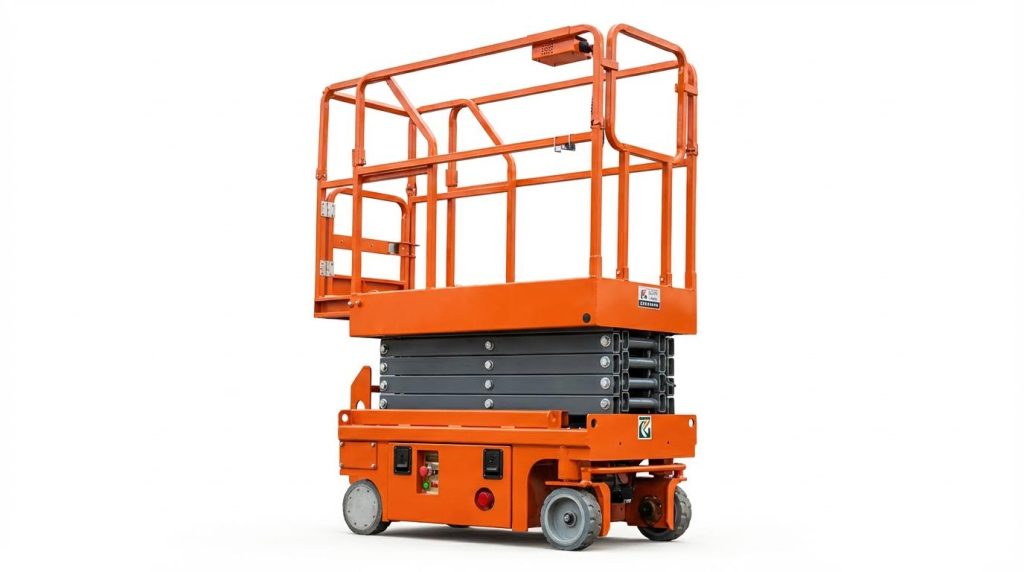
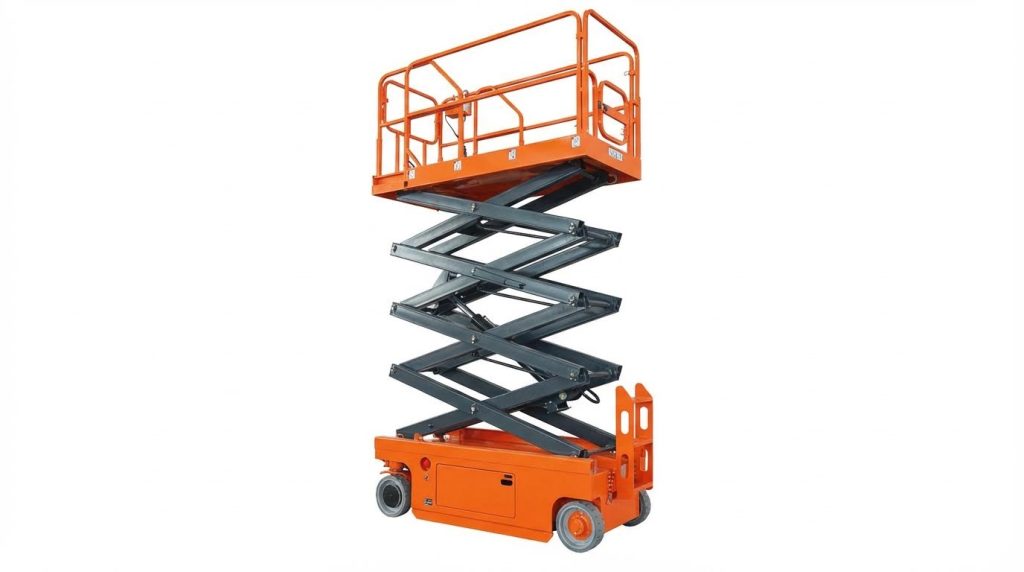
Aerial lifts are vehicle‑mounted devices such as extendable booms, aerial ladders, and articulating booms. They can rotate and reach above, beside, or behind the chassis. Scissor lifts are different. Standards treat them as mobile supported scaffold platforms that move only vertically using cross‑braced beams.
The term MEWP, or mobile elevating work platform, is broader. It covers scissor lifts, boom lifts, vertical masts, and compact crawler “spider” platforms. MEWPs share three core elements: a mobile base, an elevating structure, and a work platform with controls. When engineers or safety managers ask “what is an elevated work platform,” modern guidance usually points them to this MEWP framework, because it aligns with current ANSI and ISO practice and captures most powered access machines used today.
ANSI A92 MEWP Group And Type Classifications
ANSI A92.20 classified MEWPs by Group and Type to standardize design and control features. Group A platforms stay inside the tipping lines of the chassis during normal work. This group includes typical scissor lifts and vertical mast lifts. Group B platforms can extend beyond the tipping line, like telescopic and articulated booms or spider lifts.
Type describes how the machine can move when elevated. Type 1 units move only when the platform is stowed. Type 2 units move when elevated but use controls on the chassis, which are rare in current fleets. Type 3 units move when elevated using controls on the platform itself. Engineers use these classes to select safe configurations for a task, define training content, and match stability tests and control layouts to the intended operating mode.
OSHA Regulatory Scope And Key Requirements
OSHA rules define when elevated work platforms fall under aerial lift, scaffold, or general industry standards. Vehicle‑mounted elevating and rotating platforms align with 29 CFR 1910.67 and 1926.453. Scissor lifts often fall under scaffold rules, but OSHA still expects controls, guardrails, and training similar to aerial lifts. When teams research “what is an elevated work platform” for compliance, they must map the specific machine to the right OSHA part.
Core OSHA expectations include daily function checks, trained and authorized operators, and strict respect of rated load and reach. Workers must stand on the platform floor, keep access gates closed, and avoid ladders or planks on the deck. Fall arrest or restraint is required on boom‑type platforms and as specified by site policy on others. Employers must inspect work areas for drop‑offs, unstable ground, overhead lines, and wind exposure, then control these hazards before elevating personnel.
Major Elevated Work Platform Categories And Designs
Engineers who ask what is an elevated work platform need clear categories first. Each platform family solves different reach, mobility, and floor loading problems. This section compares the main elevated work platform designs so specifiers can match load, height, and site limits to the right machine architecture.
Vehicle-Mounted Aerial Lifts And Bucket Trucks
Vehicle-mounted aerial lifts place the elevating structure on a road-capable or off-road chassis. Typical designs include telescopic, articulating, or combination booms with an insulated or non-insulated bucket. These systems suit linear work zones such as power lines, street lighting, and roadside signage.
Key engineering points include:
- Chassis gross vehicle mass must support boom, payload, and added equipment.
- Outriggers or stabilizers must control frame twist and prevent tip-over.
- Platform load ratings must account for tools, materials, and dynamic forces.
These elevated work platforms offer fast relocation between sites but rely on ground bearing strength near the vehicle. They fall under OSHA aerial lift rules and ANSI A92.2 for vehicle-mounted elevating and rotating work platforms.
Scissor Lifts And Vertical Mast Platforms
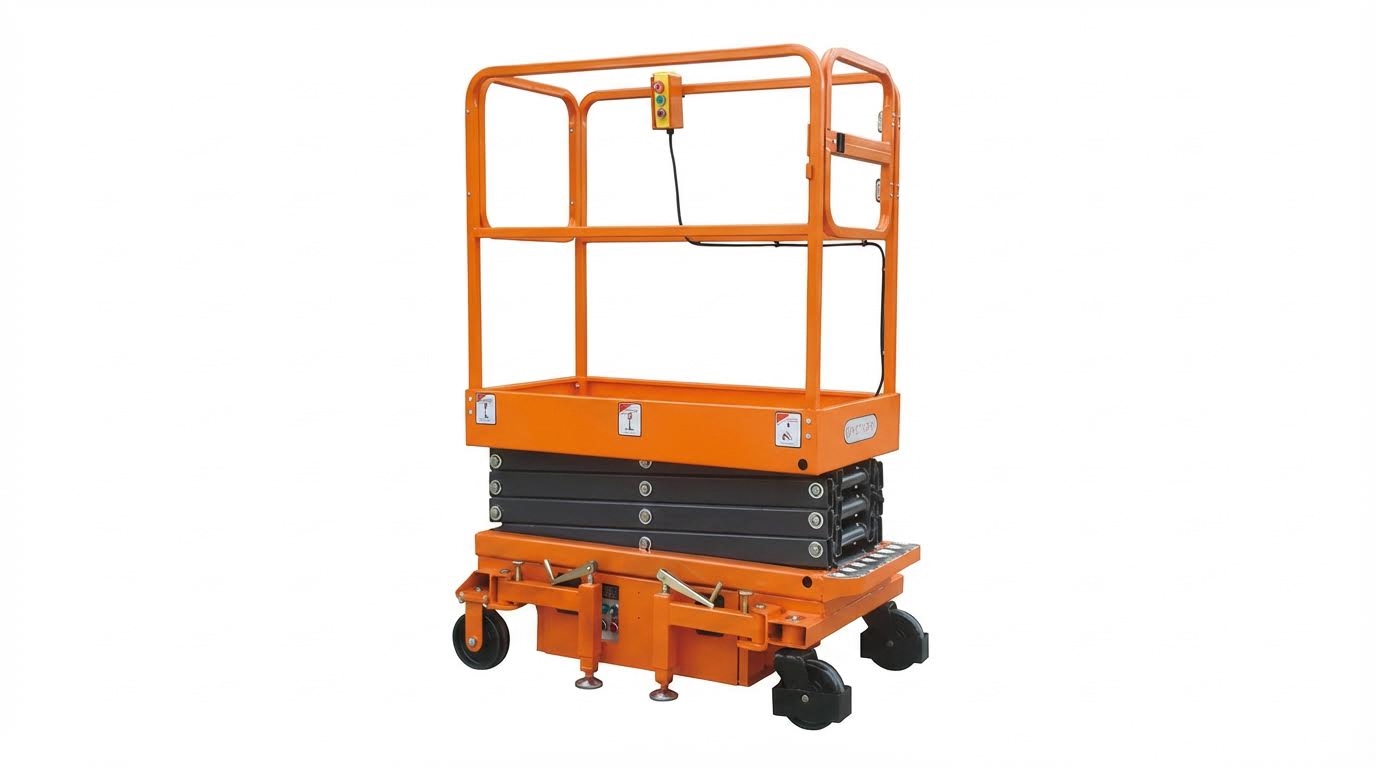
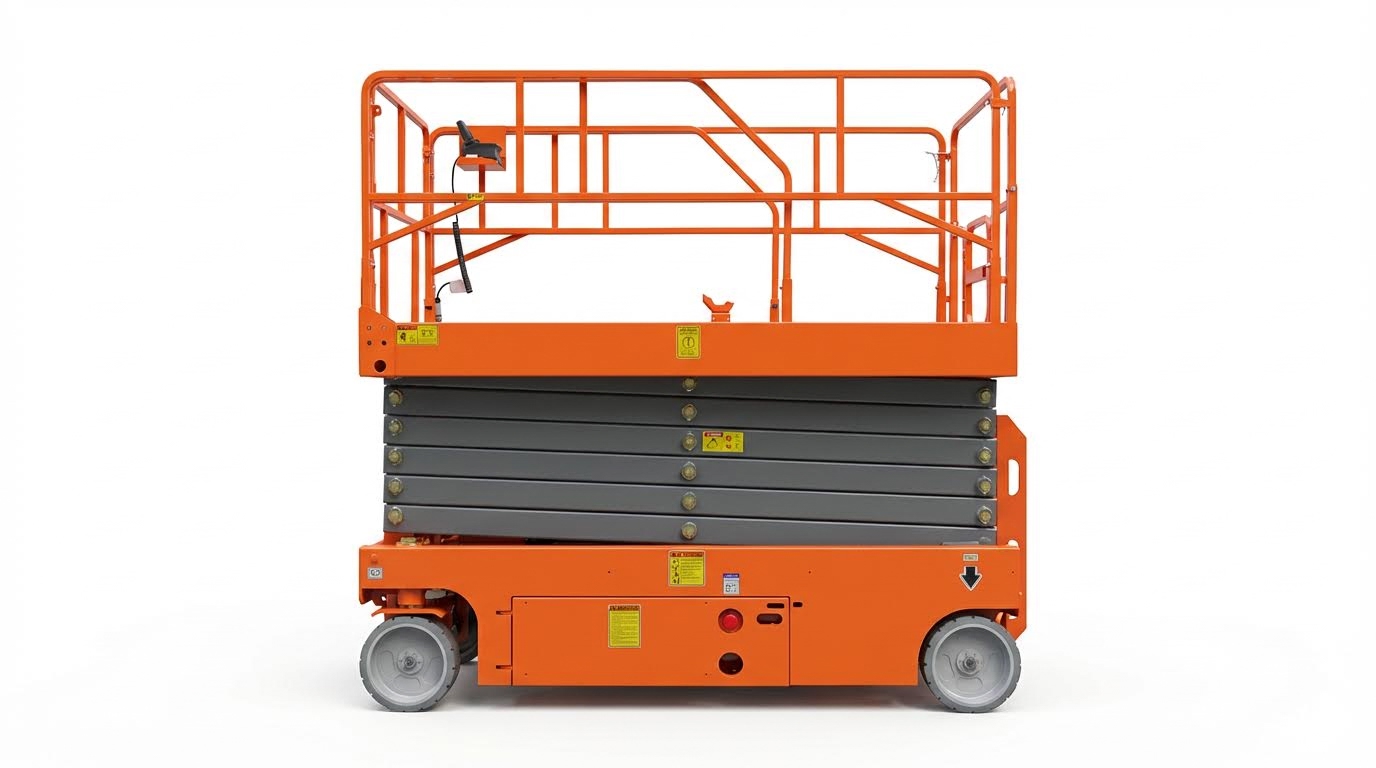
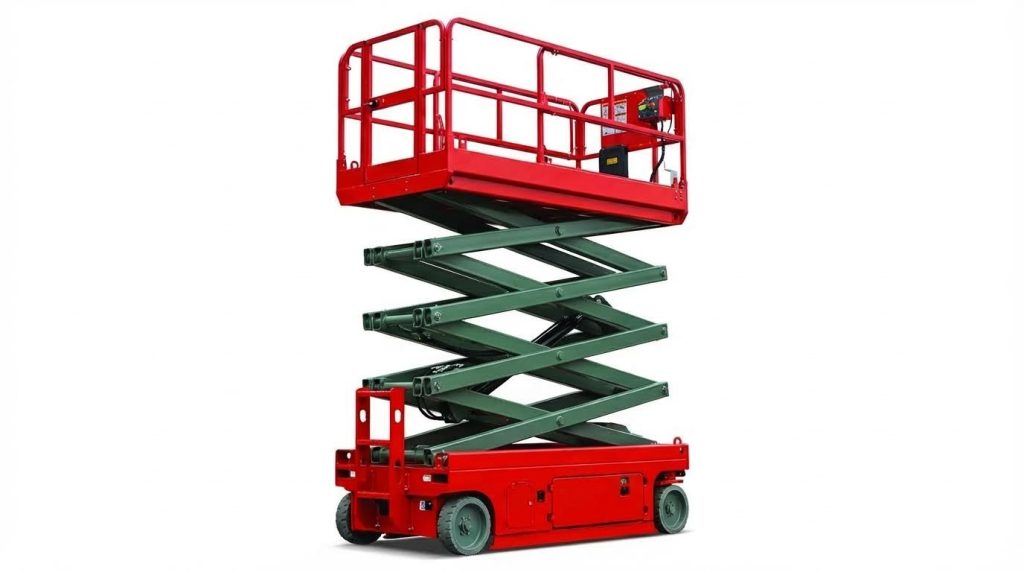
Scissor lifts answer the question what is an elevated work platform in its simplest vertical form. Crossed steel members raise a rectangular deck straight up within the footprint. Vertical mast platforms use a telescoping mast instead of a scissor stack and often carry smaller decks.
Typical engineering characteristics include:
| Aspect | Scissor lifts | Vertical masts |
|---|---|---|
| Primary motion | Vertical only | Vertical only |
| Working height range | About 4.5–21 m | About 4–12 m |
| Common capacity | Roughly 240–750 kg | Lower than scissor lifts |
| Footprint | Wider, more stable | Very compact |
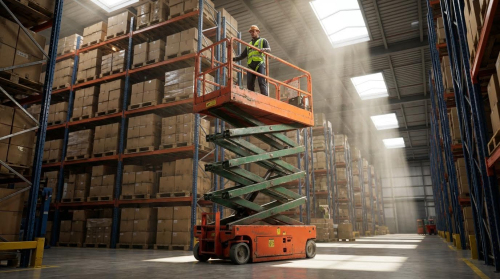
These platforms suit indoor fit-out, MEP installation, and maintenance where outreach is not required. Electric drive versions reduce emissions and noise for warehouses and clean production areas.
Articulated, Telescopic, And Spider Boom Lifts
Boom lifts answer what is an elevated work platform when horizontal outreach is critical. Telescopic booms provide straight-line reach to high façades, storage tanks, or process structures. Articulated booms use knuckle joints to reach up and over pipe racks, conveyors, or canopies.
Spider lifts combine articulated booms with narrow, often tracked, bases and deployable outriggers. This design gives low ground pressure and compact access through doors or tight gates. Typical working heights for boom lifts extend beyond 20 m, with some models reaching over 40 m according to industry data.
Engineers must check:
- Outreach versus platform capacity curves.
- Required outrigger spread and soil bearing pressure.
- Wind rating at maximum height and outreach.
These MEWPs usually fall into ANSI Group B because the platform extends beyond the tipping line.
Fixed, Portable, And Custom Industrial Platforms
Fixed and custom platforms show that what is an elevated work platform is not limited to mobile machines. Fixed platforms include mezzanines, access walkways, and maintenance stands anchored to building or process steel. Portable work platforms use wheels or castors but rely on manual positioning instead of powered elevation.
Custom industrial platforms often integrate:
- Exact deck heights for repeat tasks on lines or machines.
- Special materials such as stainless or galvanized steel for corrosive or hygienic zones.
- Interface points for conveyors, hatches, or large valves.
These platforms behave more like permanent structures than MEWPs. Designers must verify live loads, guardrail strength, and access geometry under applicable building and safety codes. They are often the safest option where work at height is frequent and location does not change.
Engineering Selection Criteria And Safety Controls
Engineers who ask what is an elevated work platform focus on safe reach, load, and control of risk. Selection and design link structural capacity, power choice, and site hazards. This section explains how to size platforms, choose powertrains, and set safety controls for reliable operation.
Load, Reach, And Stability Engineering Basics
Every elevated work platform starts with a clear load case. Engineers define rated load as total mass of people, tools, and materials. Typical MEWPs carry between 200 kilograms and 750 kilograms, depending on class. The structure, cylinders, and motors must resist this load with a suitable safety factor.
Reach defines both vertical height and horizontal outreach. Straight booms can reach beyond 40 metres, while compact scissor lifts stay below 22 metres. As outreach grows, overturning moment increases fast. Stability analysis compares overturning moment against restoring moment from machine weight and outrigger spread.
Key engineering checks usually include:
- Load versus platform rating for every task
- Centre of gravity shift as the boom slews and extends
- Tyre, track, or outrigger bearing pressure on the ground
Modern MEWPs add tilt and load sensing. These systems lock motion when slope or load goes outside design limits. This protects against tip-over even when operators misjudge weight or terrain.
Powertrain Choices: Electric, Diesel, And Hybrid
Power choice depends on duty cycle, indoor use, and emission limits. Electric platforms suit warehouses, factories, and clean environments. They offer zero point-of-use emissions and low noise. Typical electric scissors and masts use battery packs with integrated chargers.
Diesel units fit rough terrain and long outdoor shifts. They provide high continuous power for drive and hydraulic pumps. Ground clearance and four-wheel drive often pair with diesel engines. However, exhaust, noise, and fuel logistics limit use indoors.
Hybrid systems combine battery packs with small engines. They allow quiet, low-emission indoor work but still support outdoor travel and charging. Engineers compare options using:
- Required run time per shift
- Maximum gradeability and travel speed
- Local emission and noise rules
From a life-cycle view, electric units cut energy and maintenance costs in high-utilisation indoor fleets. Diesel and hybrid remain essential where terrain and range dominate.
Safety Systems, Inspections, And Training Needs
Safety systems answer the core question what is an elevated work platform in practice. It is not only a lift. It is a controlled access system with engineered safeguards. Typical controls include emergency stop, emergency lowering, guardrails, interlocked gates, and non-slip decks.
Modern machines also use load sensors, tilt alarms, and envelope control. These features prevent unsafe movement when load, slope, or reach exceed limits. Dual control sets on boom lifts let ground staff override platform controls during an emergency. This reduces rescue time if the operator becomes incapacitated.
Engineering controls only work with strong inspection and training. Pre-start checks should cover:
- Vehicle items such as tyres, brakes, steering, and fluid levels
- Lift items such as controls, guardrails, pins, hoses, and wiring
- Safety devices, decals, and fall arrest anchor points
Training must cover hazard recognition, safe driving, fall protection, and manufacturer rules. Retraining is needed after incidents, near misses, or when crews change platform type. This aligns with OSHA and ANSI requirements for competent operation.
Site Conditions, Wind, And Electrical Hazard Control
Site conditions often control whether an elevated work platform is safe at all. Ground bearing checks come first. Engineers confirm that slabs, asphalt, or soil can carry wheel or outrigger loads. Soft ground, trenches, and buried services can trigger local failure and tip-over.
Wind is a critical factor for tall platforms. Many MEWPs have a maximum allowable wind speed around 12.5 metres per second. Above this, platform movement and sail area loads grow fast. Past accidents showed that strong gusts could overturn even properly set scissor lifts.
Electrical hazards require strict planning. Work near overhead lines must respect minimum approach distances. Typical practice keeps at least 3 metres clearance for standard distribution voltages, and more at higher voltages. Operators must treat all lines as energised unless the utility confirms isolation.
Work area inspections should look for: floor holes, slopes, debris, overhead steel, pipework, and nearby traffic. Barriers, cones, and spotters help control third-party risk. When engineers integrate site assessment with equipment limits, they turn a simple lift into a controlled access system that keeps crews safe at height.
Summary: Safe, Efficient Use Of Elevated Platforms
Safe answers to the query what is an elevated work platform require both definition and practice. An elevated work platform is a powered or manual device that lifts people, tools, and materials to temporary work positions at height. It includes MEWPs, aerial lifts, scissor lifts, and fixed or custom platforms used across construction, maintenance, and industrial plants. Effective use depends on matching platform type, capacity, and controls to task and site risks.
From an engineering view, selection starts with working height, outreach, and rated load. Designers and users must respect platform capacity, centre of gravity, and stability envelopes, especially for boom-type units that reach beyond the chassis footprint. Typical control systems now include tilt alarms, overload sensing, and emergency lowering, but these do not replace conservative planning. Wind limits, ground bearing checks, and clearance from overhead power lines remain critical.
Regulatory standards such as ANSI A92 for MEWPs and OSHA rules for aerial lifts and scissor lifts set the minimum safety baseline. They require operator training, pre-start inspections, fall protection, and documented maintenance. Future developments will likely expand telematics, geo-fencing, and interlocks that prevent unsafe elevation or travel, while energy systems shift toward electric and hybrid drives.
Practical implementation should integrate platform choice into job planning, method statements, and permit systems. Sites that treat elevated work platforms as engineered systems, not just access tools, usually achieve lower incident rates and higher productivity. The core principle stays stable: define the work, choose the right platform, control the hazards, and verify condition before every lift.
,
Frequently Asked Questions
What is an Elevated Work Platform?
An Elevated Work Platform (EWP) is any mechanically operated device, such as a scissor lift or boom lift, designed to provide temporary access to areas at height. These platforms are commonly used in construction, maintenance, and cleaning tasks. They can be self-propelled, trailer-mounted, or vehicle-mounted. EWP Overview.
What are the Common Types of Elevated Work Platforms?
There are several types of Elevated Work Platforms, including scissor lifts, boom lifts, and aerial devices. These platforms may be vehicle-mounted or self-propelled and can feature telescoping, articulating, or both types of movement. They are also referred to as Mobile Elevated Work Platforms (MEWPs) or Aerial Work Platforms (AWPs). Types of EWPs.
Why are Elevated Work Platforms Used?
Elevated Work Platforms are essential for safely lifting workers and materials to heights that would otherwise be difficult or dangerous to reach. They are used in a variety of industries for tasks such as construction, maintenance, cleaning, and more. Without these platforms, many jobs at height would be nearly impossible to perform safely. Uses of Aerial Lifts.